 English (UK)
  English
  English (Australia)
  English (Canada)
  العربية
  Deutsch
  Italiano
  Español de México
  Tiếng Việt
  ไทย
ไทย  Português do Brasil
  Français
  Български
  Čeština
  Dansk
Dansk  Ελληνικά
  Eesti
Eesti  Suomi
Suomi  Magyar
  Bahasa Indonesia
  Lietuvių kalba
  Latviešu valoda
  Norsk bokmål
  Nederlands (Formeel)
  Polski
  Română
  Русский
  Slovenčina
  Slovenščina
  Svenska
  Türkçe
  Українська
  简体中文
简体中文  日本語
日本語  한국어
한국어  繁體中文
繁體中文 
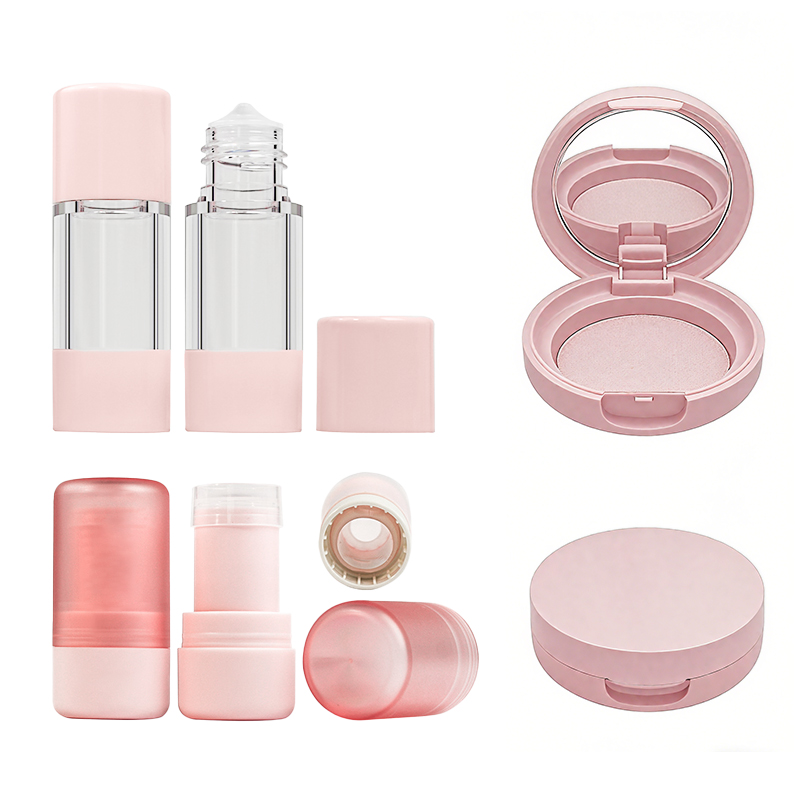
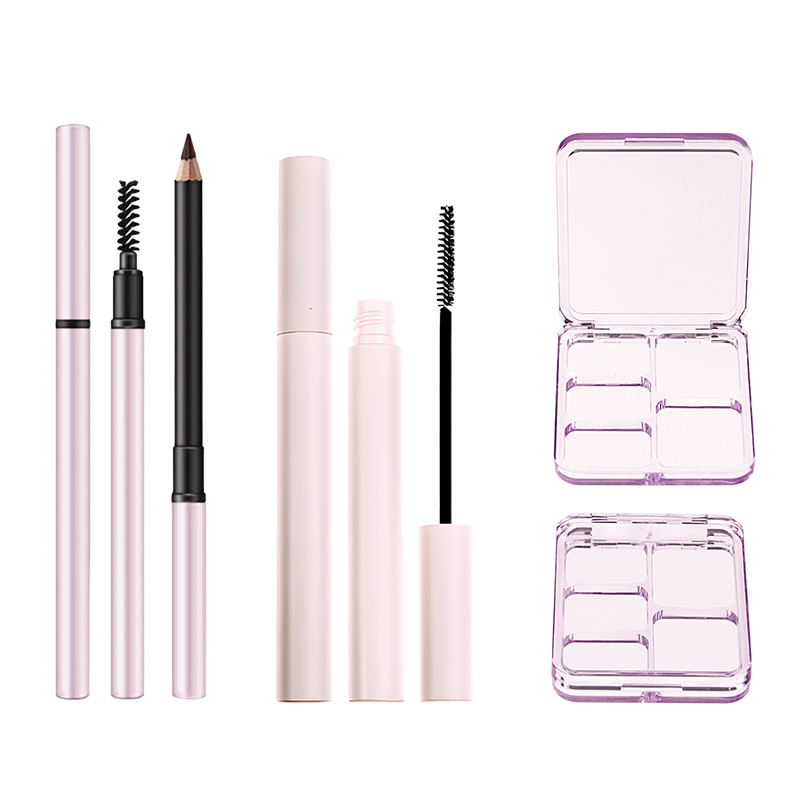
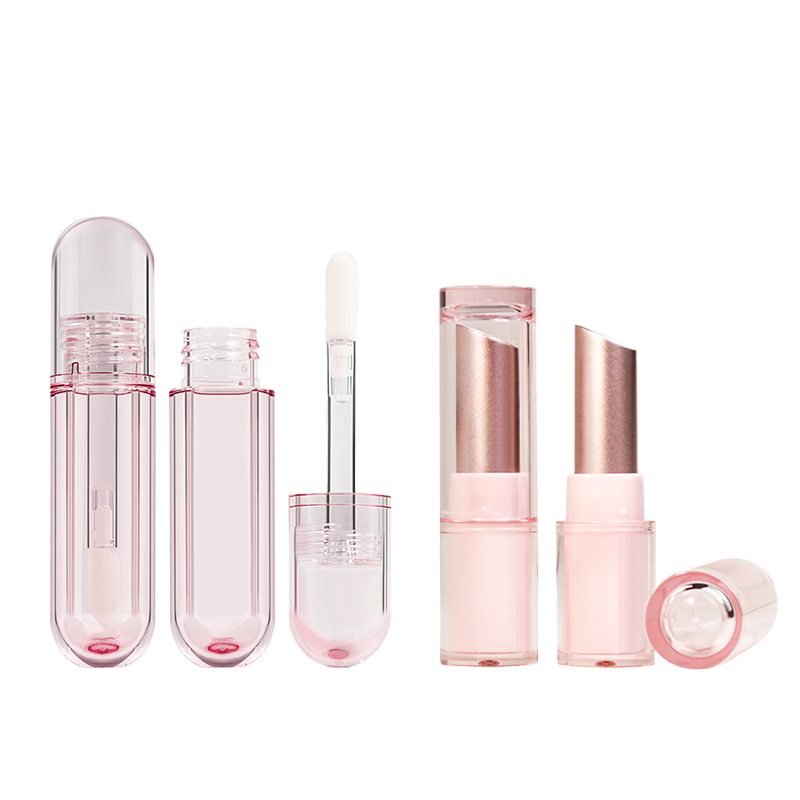

A Complete Guide to Non Plastic Cosmetic Packaging Options
January 26,2026
Tired of juggling eco-goals with packaging that feels like a science fair project gone rogue? You’re not alone. As beauty brands race to ditch single-use plastics, non plastic cosmetic packaging has become the golden ticket—less pollution, more customer love, and yeah, fewer side-eyes from Gen Z at the checkout line. But sourcing it in bulk without biting your nails over quality, costs, or shipping delays? That’s where things get messy.
Topfeel makeup packaging senior engineer Liu Yichen put it plainly in their 2024 sustainability report: “The challenge isn’t just finding eco-materials—it’s finding ones that behave well on production lines and still look good on shelves.” Buckle up—we’re about to break down what actually works when you’re buying by the thousands.
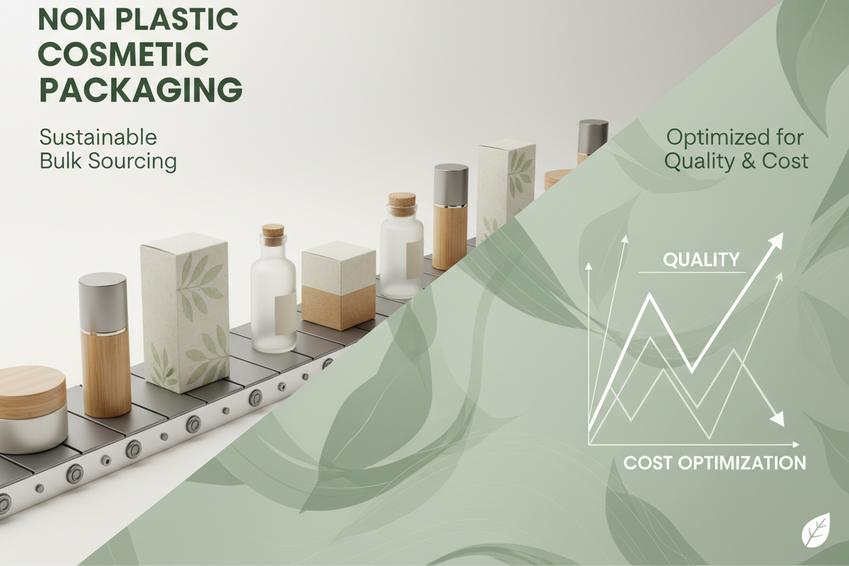
Benefits Of Using Non Plastic Cosmetic Packaging Options
Ditching plastic in your beauty packaging isn’t just trendy—it’s smart. Here’s what switching to packaging for cosmetics really brings to the table.
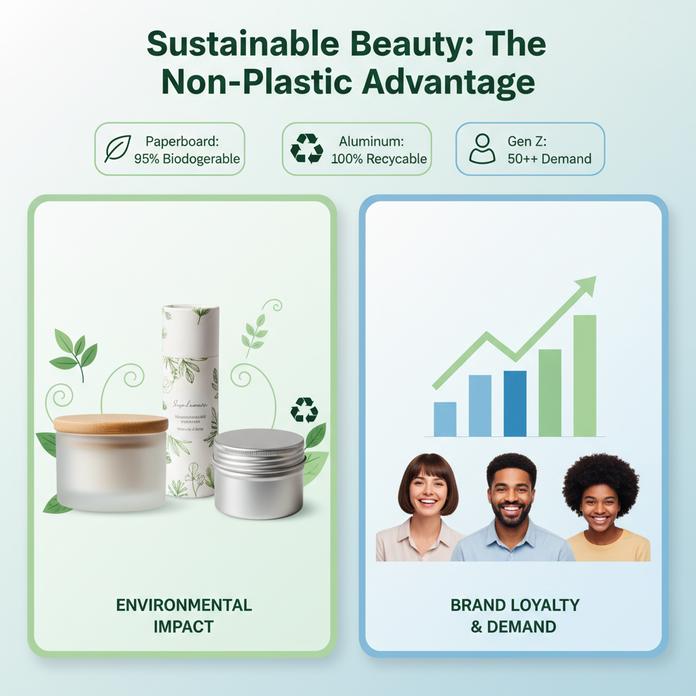
The Environmental Impact: Reducing Plastic Waste
✔️ Less trash, cleaner oceans. Swapping out plastic for materials like paperboard or glass means fewer bottles clogging landfills.
✔️ Non plastic cosmetic packaging options are often made from biodegradable, recyclable, or even compostable stuff—like bamboo or mycelium.
✔️ That switch helps cut down on a brand’s overall carbon footprint, making it easier to hit sustainability targets and keep regulators off your back.
| Material Type | Biodegradability (%) | Recyclability (%) | CO₂ Emissions Reduction |
|---|---|---|---|
| Paperboard | 95 | 80 | High |
| Aluminum | N/A | 100 | Medium |
| Glass | N/A | 90 | Low |
| Bioplastics | ~70 | Varies | Medium–High |
Enhanced Brand Image: Aligning with Sustainability Values
Brands that go green get noticed—and not just by eco-warriors.
- 🌿 Consumers associate sustainable packaging with higher quality and stronger ethics.
- 🧴 A sleek, minimalist bottle made from recyclable glass screams premium.
- 💬 Going non-plastic shows commitment to values like ethical sourcing and environmental protection, which builds major brand loyalty.
The result? You’re not just selling lipstick—you’re selling a conscience-friendly lifestyle.
Consumer Preferences: Growing Demand for Eco-Friendly Products
Today’s beauty buyers are woke—and watching.
• Over half of Gen Z shoppers say they actively look for brands using sustainable materials.
• Labels that feature terms like “eco-friendly,” “BPA-free,” or “zero waste” tend to outperform competitors on digital shelves.
• When consumers see non plastic cosmetic packaging, it reinforces trust and aligns with their own values around conscious consumption.
That kind of alignment builds long-term connections—not just one-time sales.
Cost Efficiency: Long-Term Savings on Packaging
Going green isn’t always cheap upfront—but it pays off big time down the road.
- Durable materials like aluminum or glass reduce breakage and returns, saving you cash.
- Sustainable supply chains often lead to bulk discounts as demand increases.
- Brands can tap into tax credits or incentives tied to low-waste production models.
- Plus, reusable designs mean customers keep your product around longer—free marketing!
Choosing smarter materials for your non plastic cosmetic packaging is an investment that keeps giving back.
3 Eco-Friendly Alternatives To Traditional Cosmetic Packaging
A fresh look at smart, stylish, and sustainable swaps for your beauty packaging routine.
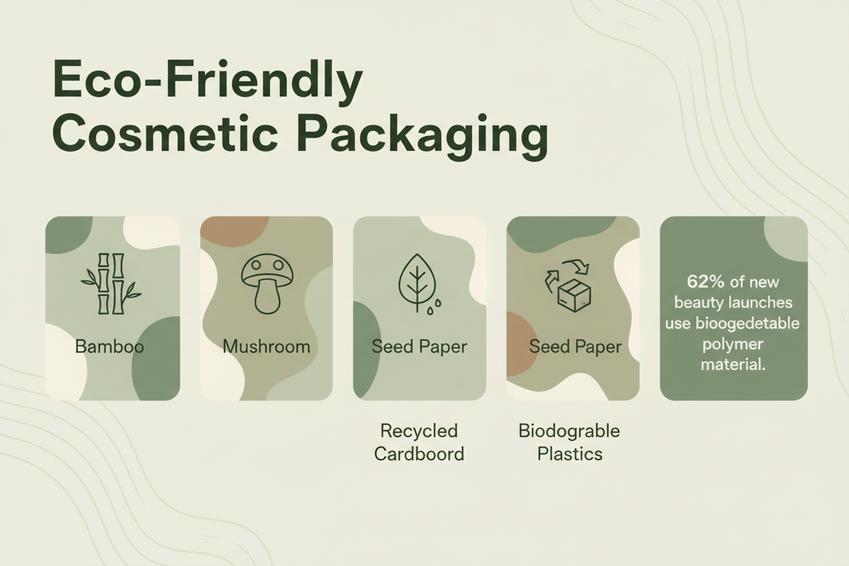
Sustainable Bamboo: Natural and Renewable Resource
- Durable yet biodegradable — bamboo brings the best of both worlds.
- Grows crazy fast — some species shoot up nearly a meter a day.
- Swaps perfectly with plastic in jars, caps, and even applicators.
Bamboo packaging isn’t just about looking earthy—it’s about making your shelfie sustainable without sacrificing style. For brands ditching non plastic cosmetic packaging made from petroleum-based materials, bamboo’s renewability is a total win.
Compostable Mushroom Packaging: A Biodegradable Revolution
• Crafted from mycelium, the root system of fungi, this packaging literally grows itself in molds.
• After use? Toss it in your compost bin—it breaks down in under 45 days.
• Zero toxins, zero microplastics—just clean decay that feeds the soil.
This one’s wild—literally grown instead of manufactured! For brands pivoting away from traditional plastic cosmetic containers toward more biodegradable options, mushroom packaging stands out as both weirdly cool and wildly responsible.
Plantable Seed Paper: A Unique Two-in-One Solution
You use it once… then grow basil out of it? Yep!
Seed paper lets you plant the package after unboxing—a genius move for eco-conscious beauty lovers who want their product to disappear into flowers or herbs instead of landfills. It’s one of those rare solutions that makes going green feel joyful, not just responsible. Plus, it’s a clever way to rethink non plastic cosmetic packaging into something interactive and alive.
Recycled Cardboard: Versatile and Customizable Options
Grouped Features:
-
Material Benefits:
- Fully recyclable
- Naturally biodegradable
- Lightweight yet sturdy
-
Design Perks:
- Easy to print on
- Great for embossing or foil stamping
- Fold flat for shipping efficiency
-
Use Cases:
- Outer boxes
- Inner trays
- Sample holders
Recycled cardboard has long been a go-to swap in the move toward non plastic cosmetic packaging—and with good reason. It’s as flexible as it is functional while keeping things low-impact and high-design.
Biodegradable Plastic Alternatives: Combining Functionality and Sustainability
According to Euromonitor International’s Beauty & Personal Care Packaging Trends Report (2024), over 62% of new beauty launches now include some form of biodegradable polymer material.
These alternatives mimic plastic’s strength but vanish far quicker after disposal:
- PLA (polylactic acid) – derived from corn starch.
- PHA (polyhydroxyalkanoates) – produced by microbial fermentation.
- PBS (polybutylene succinate) – composts under industrial conditions.
- Starch blends – often used in sachets or single-use items.
For brands seeking that familiar feel without long-term waste guilt, these materials hit the sweet spot between usability and sustainability—making them ideal choices when rethinking non plastic cosmetic packaging entirely.
How To Choose Non Plastic Cosmetic Packaging For Your Brand
Choosing the right non plastic cosmetic packaging is more than just ditching plastic—it’s about aligning with your values, audience, and product needs.
Key Factors to Consider When Selecting Materials
- Sustainability isn’t optional anymore. Pick materials like glass, bamboo, or paperboard that leave a lighter footprint.
- Make sure your choice plays nice with your formula—some oils can corrode aluminum or seep through cardboard.
- Don’t forget shelf appeal. A sleek matte finish on a recycled paperboard box can say more than words ever could.
→ Brands are shifting toward materials that balance performance and purpose. Choosing wisely means you’re not just protecting the planet—you’re also building trust.
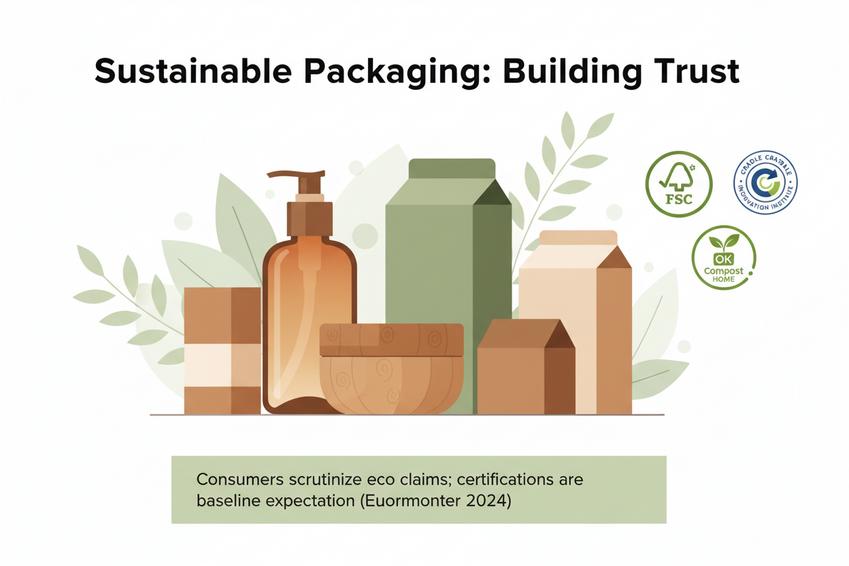
Essential Certifications to Look For: Ensuring Authentic Sustainability
- FSC certification ensures your paper-based packaging comes from responsibly managed forests.
- Cradle to Cradle Certified® products meet strict standards for material health and recyclability.
- OK Compost HOME proves compostability—even at room temperature in home bins.
According to Euromonitor’s 2024 Global Sustainability Report, “Consumers are increasingly scrutinizing eco claims; third-party certifications are now a baseline expectation.”
→ These stamps of approval aren’t vanity badges—they’re proof you walk the talk when it comes to being truly eco-conscious.
Customization Opportunities: Tailoring Packaging to Your Brand
| Custom Element | Material Compatibility | Cost Impact | Eco Benefit |
|---|---|---|---|
| Water-based inks | Paperboard, bamboo | Low | Low VOCs |
| Embossed logos | Glass, aluminum | Medium | No extra waste |
| Minimalist die-cuts | Recycled paperboard | Low | Less material |
| Natural finishes | Wood, bamboo | Medium | Biodegradable |
→ Smart customization turns simple jars into iconic brand statements. Think beyond color—texture, typography, and even scent can reinforce your identity while keeping things sustainable.
Partnering with Suppliers: Evaluating Capabilities and Support
Step 1 — Check their tech game. Can they do custom molds? Do they offer rapid prototyping?
Step 2 — Ask about global reach. If you’re scaling up fast, you need someone who can ship worldwide without hiccups.
Step 3 — Evaluate their green commitment. Are they using post-consumer recycled content? What’s their take on compostable options?
→ A reliable supplier doesn’t just sell you containers—they help build your brand story from the ground up. Topfeel Makeup is one such partner offering end-to-end solutions for cutting-edge sustainable packaging that actually works in real-world conditions.
FAQs about Non Plastic Cosmetic Packaging
What are the main benefits of choosing non plastic cosmetic packaging for large-scale orders?
- Cuts environmental strain with materials such as recycled cardboard and sustainable bamboo
- Resonates with eco-minded customers who connect with Forest Stewardship Council or Cradle to Cradle Certified products
- Lightweight packaging design reduces freight costs while damage resistant materials keep every airless pump bottle pristine
Choosing these solutions is like letting your brand breathe cleaner air — and helping others do the same.
How can my brand ensure authenticity when sourcing eco-friendly packaging materials?
Authenticity rests in trust:
- Source from suppliers bearing OK Compost HOME, Global Recycling Standard certifications, or those tied to Zero Waste International Alliance pledges.
- Review quality control procedures closely before committing to bulk cream jar containers or mascara vials.
Why is bamboo a preferred material in non-plastic cosmetic solutions?
Sustainable bamboo grows fast, feels warm in hand, and ages gracefully into powder compact case options that mirror natural beauty values; paired with wooden friction fit lids laser etched for distinction, each piece becomes its own keepsake instead of mere packaging.
Can compostable mushroom packaging withstand shipping demands for cosmetics? ✦ Protective cushioning inserts cradle lip balm tubes and fragrant creams ✦ Optimized box dimensions tame movement during transit ✦ Minimal void fill techniques cut waste without sacrificing safety — all making this fungi-born armor a quiet champion across global distribution networks.
Is plantable seed paper an effective branding tool in non plastic cosmetic packaging strategies?
Seed paper tells a story customers live out: plant the lipstick tube wrap after use and watch wildflowers bloom where waste might have been. Options include:
| Feature | Emotional Impact | Sustainability Gain |
|---|---|---|
| Natural pigment colorants on wraps | Feels authentic & artisanal | Fully biodegradable finish |
| Water-based inks detailing care tips | Gentle aesthetic touchpoint | Safe decomposition into soil nutrients |
References
- [Packaging for cosmetics – https://www.topfeelmakeup.com/packaging-for-cosmetics/]
- [Topfeel Makeup – https://www.topfeelmakeup.com]
- [Gen Z shoppers – https://www.shorr.com/resources/blog/sustainable-packaging-consumer-report/]
- [Bamboo packaging – https://www.propakindonesia.com/think-outside-of-the-plastic-why-bamboo-is-the-future-of-packaging/]
- [Mushroom packaging – https://www.grown.bio/sustainable-packaging-cosmetic-industry/]
- [Seed paper – https://botanicalpaperworks.com/blog/eco-friendly-seed-paper/]
- [Euromonitor International’s Beauty & Personal Care Packaging Trends Report (2024) – https://www.euromonitor.com/beauty-and-personal-care-packaging-in-the-us/report]
- [FSC certification – https://fsc.org]
- [Cradle to Cradle Certified® – https://c2ccertified.org]
- [OK Compost HOME – https://www.tuv-at.be/green-marks/certifications/ok-compost-seedling/]
- [Airless pump bottle – https://www.topfeelmakeup.com/custom-airless-tube-for-foundation/]
- [Cream jar containers – https://www.topfeelmakeup.com/mb-51-cream-blush-packaging-with-brush-supply/]
- [Mascara vials – https://www.topfeelmakeup.com/mascara-tube/]
- [Powder compact case – https://www.topfeelmakeup.com/category/face-makeup-packaging/powder-compact-case/]
- [Lip balm tubes – https://www.topfeelmakeup.com/category/lip-makeup-packaging/lip-balm-tube/]
- [Lipstick tube – https://www.topfeelmakeup.com/lipstick-tube/]

