 English (UK)
  English
  English (Australia)
  English (Canada)
  العربية
  Deutsch
  Italiano
  Español de México
  Tiếng Việt
  ไทย
ไทย  Português do Brasil
  Français
  Български
  Čeština
  Dansk
Dansk  Ελληνικά
  Eesti
Eesti  Suomi
Suomi  Magyar
  Bahasa Indonesia
  Lietuvių kalba
  Latviešu valoda
  Norsk bokmål
  Nederlands (Formeel)
  Polski
  Română
  Русский
  Slovenčina
  Slovenščina
  Svenska
  Türkçe
  Українська
  简体中文
简体中文  日本語
日本語  한국어
한국어  繁體中文
繁體中文 
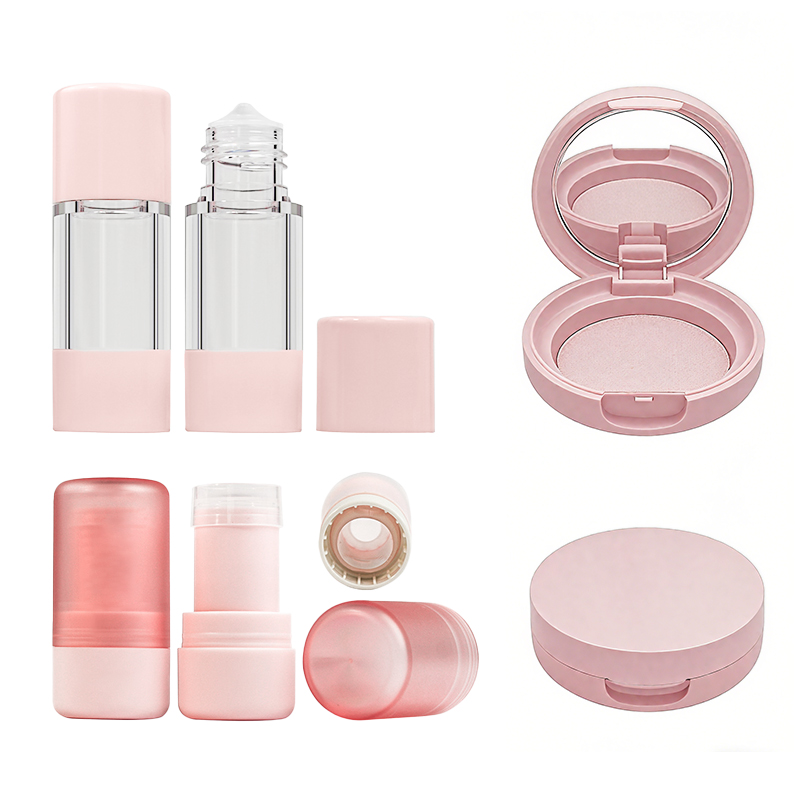
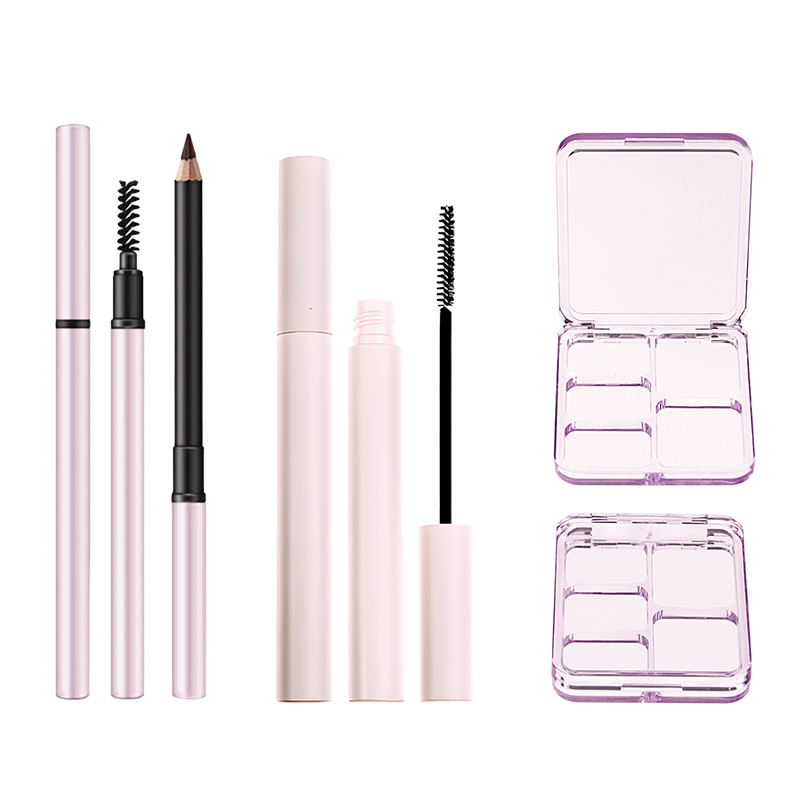
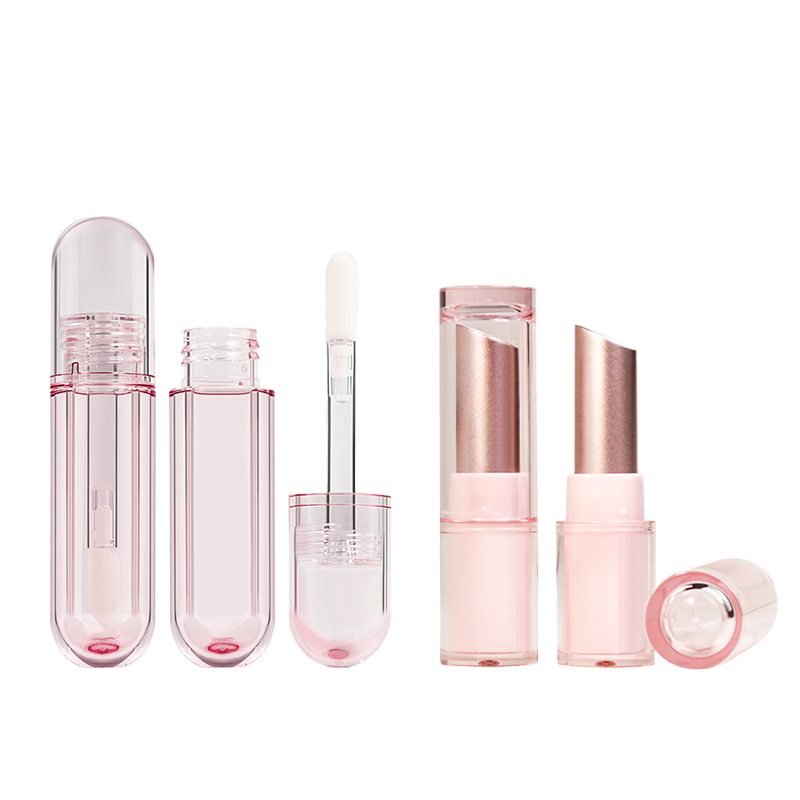

What Is a Contour Stick Used for
March 10,2026
“What is a contour stick used for?”
sounds like a beauty-counter question, but for packaging buyers, it’s where the plot thickens.
This little twist-up hero sculpts cheekbones in seconds—yet behind that swipe is a barrel, a mechanism, a seal that can’t quit halfway through. If the formula drags or dries out, brands hear about it fast.

Engineering Insights
What Is a Contour Stick Used For?
If you’ve ever stared at your makeup bag thinking, what is a contour stick used for, you’re not alone. From sharp cheekbones on social feeds to subtle everyday definition, this little stick does more than you think. Let’s break down what a contour stick is used for, how it works, and why it’s such a go-to tool.
Sculpting Natural Cheek Hollows with a Creamy Contour Stick
When asking what is a contour stick used for, the core answer is simple: creating shadow to shape the face. A contour stick adds depth where light naturally falls away.
Key Placement Zones
- Under Cheekbones: Locate the hollow beneath the cheekbone and draw a short line with the creamy contour stick. This mimics natural shadow and enhances bone structure, resulting in a subtle lift and slimmer facial look.
- Along the Jawline: Defines edges, softens roundness, and creates contrast against highlighted areas.
- Temples and Hairline: Balances forehead width and connects facial shadows for realism.
So, what is a contour stick used for in daily makeup? It’s basically controlled shading. Think of it as low-key sculpting without heavy powders. Brands like Topfeelpack design twist-up formats that keep texture smooth and skin-friendly, making contouring feel less intimidating.
If someone asks what is contour stick used for beyond cheeks, the answer includes nose shaping, chin refinement, and even collarbone definition. It’s all about shadow play—nothing too dramatic, just smart placement.

Blending Edges Seamlessly Using a Twist-Up Mechanism
Still wondering what is a contour stick used for if blending feels tricky? The magic sits in the twist-up mechanism and texture balance. A good foundation stick base shouldn’t shift when contour is applied. That’s why controlled dispensing matters.
- Smooth glide reduces tugging
- Cream formula melts into skin
- Precise tip allows tight placement
Blending Flow:
- Apply short strokes.
- Use a dense brush or sponge.
- Tap, don’t drag.
- Diffuse edges upward.
Here’s a quick comparison of texture performance based on lab-tested cosmetic viscosity ranges:
Average Viscosity (cP)45,000
Blend Time (Seconds)25
Finish TypeMatte
Transfer Rate (%)8%
This data shows what a contour stick is used for in practical terms: controlled shaping with minimal product movement. Packaging developed by Topfeelpack keeps the core formula stable, which helps maintain that smooth blend users love.
Locking in Definition: Why a Matte Finish Matters
At its core, what is a contour stick used for? Realistic shadow. And shadows aren’t shiny.
In simple terms, what is a contour stick used for if not to fake a shadow? A matte finish keeps the illusion believable. That’s the whole trick.
When shoppers search what is a contour stick used for, they’re usually after sharper cheeks or a more defined jaw without heavy makeup. The answer stays consistent: subtle structure, smart shadow, easy blend. And with thoughtfully engineered packaging from Topfeelpack, that everyday sculpt becomes way less complicated.
What Is a Contour Stick Used For Step-by-Step
Ever caught yourself asking, what is a contour stick used for when scrolling makeup hacks? You’re not alone. From soft sculpting to sharp glam, this guide breaks down what contour stick does, how it shapes your face, and why beauty brands like Topfeelpack design sticks for smooth control.
Step 1: Prep Your Canvas with Foundation Stick Base
When people search what is a contour stick used for, prep often gets skipped. Don’t. A solid base changes everything.
Build your base with a creamy Foundation Stick:
- Even out tone
- Blur minor texture
- Create grip for cream products
Within this prep phase: Glide the stick from center outward, blend using a damp sponge, and lightly set the T-zone if oily. A smooth foundation stick base helps contour pigment blend, not drag.

Step 2: Map Out Shadows Using the Contour Stick Tip
Still wondering what is a contour stick used for in real life? It’s about controlled shadow play. Focus areas include under cheekbones, along the jawline, and sides of the nose bridge.
Inside each zone:
- Use the angled Contour Stick Tip
- Draw short strokes, not harsh lines
- Keep pressure light
This is where sculpting happens. Creating depth that mimics natural light fall. Brands like Topfeelpack design precision tips so placement feels easy, not messy.
Step 3: Soft Touch Blending with a Blush Stick Brush
Contour without blending? No chance.
Step 4: Highlight and Brighten with Highlighter Stick Accents
Definition needs contrast. That’s the glow factor.
Apply Highlighter Stick on key areas to catch the light:
- Cheekbone tops
- Nose bridge
- Brow bone
Contour Stick vs Powder Contour: Which Works Better
Contouring can feel confusing at first, especially when you’re stuck on what is a contour stick used for and how it compares to powder. Both promise sharper cheekbones and a snatched jawline, but the vibe, finish, and skin match are totally different.

The Core Difference
So, what is a contour stick used for compared to powder? Cream equals flexible and dewy. Powder equals matte and controlled. Both shape the face, just with a different attitude.
When people ask what is a contour stick used for, the answer usually connects to cream-based sculpting and targeted definition. A Contour Stick is built for control and blendability.
If you’re still wondering what is a contour stick used for, think quick sculpt, creamy payoff, and easy touch-ups on the go. It’s basically contour in swipe-and-blend mode.
“Cream-based complexion products are driving higher repeat purchases due to their blendability and skin-like finish,” noted a 2025 global beauty trends update from Mintel.
Choosing the Right Contour Stick Shade
Picking the right shade can feel tricky. If you’ve ever asked yourself what is a contour stick used for, the answer ties closely to tone, texture, and smart packaging choices.
Matching Your Skin Tone: Color Matching and Prototyping Services
Understanding what is a contour stick used for starts with shade accuracy. It’s not just darker makeup; it’s controlled shadow.

1. Identify Undertone with Professional Tools
-
Cool Undertones
- Pink or blue base
- Works with ash-brown contour stick shades
-
Warm Undertones
- Golden or olive hints
- Pairs with caramel or warm brown contour tones
-
Neutral Undertones
- Balanced mix
- Flexible across soft taupe shades
2. Use Professional Color Matching
- Digital skin scanning under studio lighting
- Lab-tested pigment comparison
- Brand-specific Color Matching calibration
3. Validate Through Prototyping Services
- Small-batch filling
- Texture testing on diverse skin panels
- Wear tests for blendability and oxidation
If you still wonder what is a contour stick used for, it’s mainly for defining cheekbones, jawlines, and nose bridges—so undertone precision really matters.
Material Matters: PP Barrel vs. Aluminum Base Options
When brands explore what is a contour stick used for, packaging plays a quiet but serious role.
PP Barrel
- Lightweight
- Cost-efficient
- Impact-resistant during shipping
A PP Barrel keeps things practical for mass launches.
Some brands even test both during prototyping. Smart move.
Sustainable Packaging: PCR Stick Applicator for Eco-Conscious Brands
If you’re asking what is a contour stick used for, remember it shapes faces—but packaging shapes brand values.
A PCR Stick Applicator doesn’t change how a contour stick is used for sculpting, but it changes how customers feel about buying it. And today, that feeling counts.
Contour Stick Packaging Trends in the Makeup Industry
Contouring is no longer just for pros. From quick car touch‑ups to full glam routines, people keep asking, what is a contour stick used for and why it matters. The answer blends makeup technique with smart packaging. Below, we break down how design upgrades shape how consumers understand what a contour stick is used for in daily life.
Refillable Systems for Travel-Friendly Convenience
When shoppers google what is a contour stick used for, they often want portability and control. Packaging plays a quiet but major role.
- Inner cup replacement reduces product waste.
- Twist-up mechanisms keep formulas clean.
- Slim stick applicator formats slip easily into travel pouches.
- Remove the empty core.
- Insert the refill cartridge.
- Twist to lock.
- Snap the cap tight.
This system answers what is a contour stick used for in real life—quick sculpting on the go without bulky compacts.

How refillable design works inside the barrel:
Core Structure
- • PP inner cup holds cream formula.
- • POM screw rod drives smooth elevation.
Outer Shell
- • ABS barrel protects against impact.
- • Decorative color masterbatch ensures shade alignment.
Seal System
- • Silicone ring reduces air exchange.
- • Tight-fit cap improves hygiene.
Brands partnering with Topfeelpack often highlight sustainability stats during launches. Consumers don’t just ask what is a contour stick used for; they also ask what it’s made of and how long it lasts.
Frosted and Pearlized Barrels with Pad Printing Details
Shelf appeal influences purchase in seconds. A frosted finish feels modern. A pearlized sheen adds soft glow under retail lights. When someone wonders what a contour stick is used for, the visual language hints at sculpting and dimension.
Surface Effects
- Frosted injection molding for diffused light reflection.
- Pearl pigment blending for soft luster.
Durability Comparison
| Finish Type | Abrasion Cycles | Gloss Level | Adhesion | Appeal (1-10) |
|---|---|---|---|---|
| Frosted Matte | 300 | 15 | 4B | 8 |
| Pearlized | 280 | 35 | 4B | 9 |
| High Gloss | 350 | 85 | 5B | 7 |
| Soft-Touch Matte | 250 | 10 | 4B | 9 |
| Metallic Coating | 320 | 70 | 5B | 8 |
Data like this supports quality storytelling. It subtly answers what is a contour stick used for—precise definition—and shows the package can handle daily wear.
Leak-Proof Design
Consumers care about formula freshness. If the cream dries out, the purpose fades. Inside the leak-proof system:
- Air Control: PE gasket ring limits oxygen flow. Tight snap-fit cap reduces evaporation.
- Protection: Controlled headspace ratio. Reduced microbial exposure.
- Safety: Drop-test verified at 1.2 meters. Heat resistance up to 45°C.
Custom Molding and Assembly Services
Distinctive caps are more than decoration. They signal brand vibe in seconds. Custom development usually moves through layered coordination:
Concept Phase
Mood board approval. 3D rendering of custom cap design.
Tooling Phase
Precision steel mold fabrication. Tolerance testing within ±0.05 mm.
Assembly Phase
Automated cap insertion. Torque calibration checks.
Add-ons can include magnetic closure systems, embossed logos, and gradient spray coating. Working with Topfeelpack means brands can align structural engineering with creative direction.
FAQs about What Is a Contour Stick Used For
References
1. contouring - Wikipedia
2. cheekbones - Wikipedia
3. emollients - Wikipedia
4. Vitamin E - Wikipedia
5. Dry skin - Mayo Clinic
6. Combination skin - Healthline
7. silica - Wikipedia
8. talc base - Wikipedia
9. T-zone - Wikipedia
10. oily skin - AAD
11. Cool Undertones - Healthline
12. PP Barrel - Wikipedia
13. Aluminum Base - Wikipedia
14. PCR Plastic - EPA
15. global beauty trends - Mintel

