 English (UK)
  English
  English (Australia)
  English (Canada)
  العربية
  Deutsch
  Italiano
  Español de México
  Tiếng Việt
  ไทย
ไทย  Português do Brasil
  Français
  Български
  Čeština
  Dansk
Dansk  Ελληνικά
  Eesti
Eesti  Suomi
Suomi  Magyar
  Bahasa Indonesia
  Lietuvių kalba
  Latviešu valoda
  Norsk bokmål
  Nederlands (Formeel)
  Polski
  Română
  Русский
  Slovenčina
  Slovenščina
  Svenska
  Türkçe
  Українська
  简体中文
简体中文  日本語
日本語  한국어
한국어  繁體中文
繁體中文 
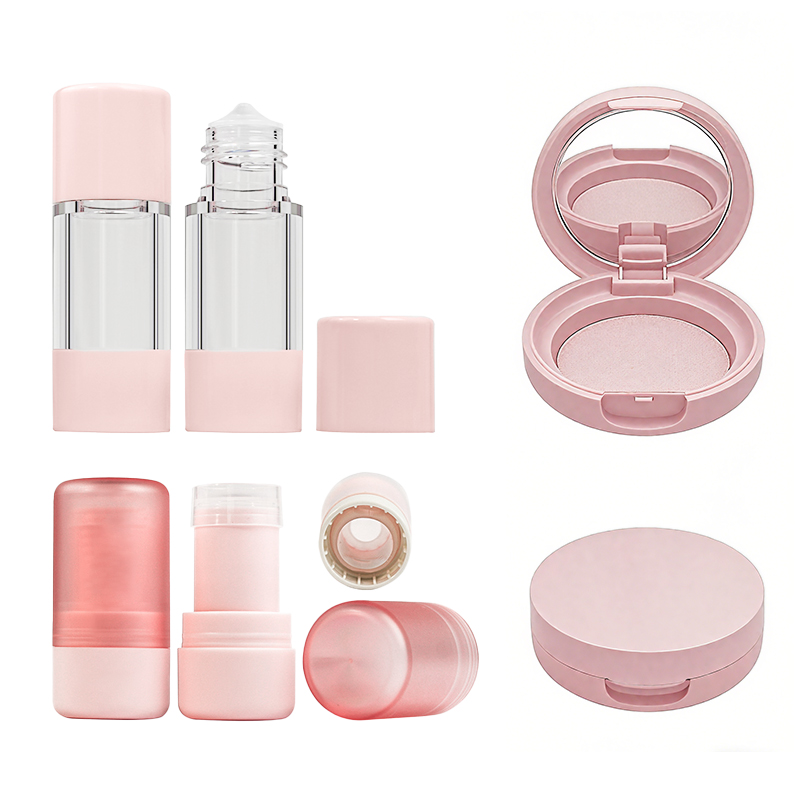
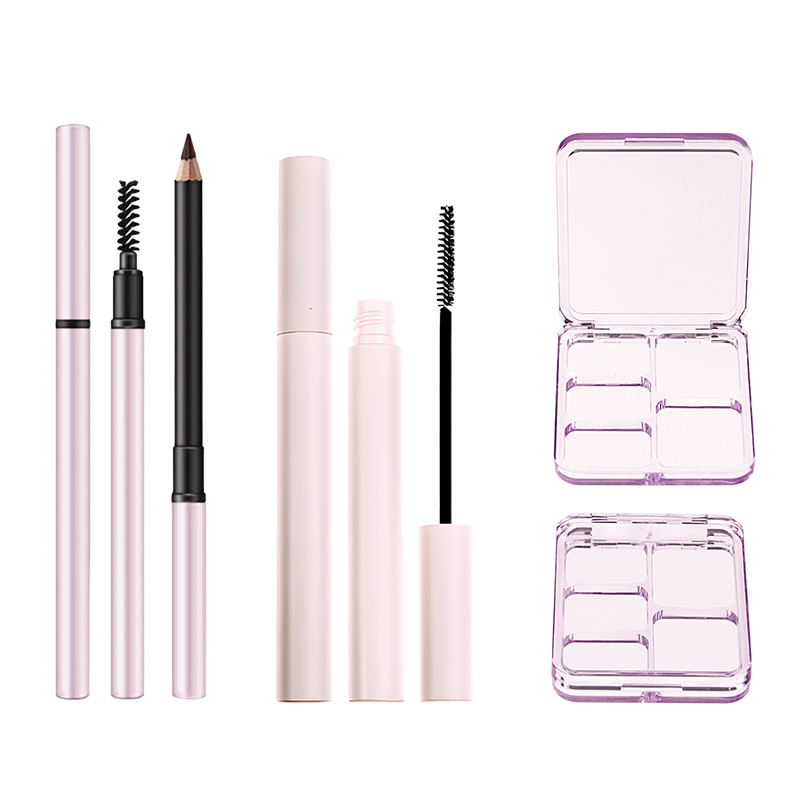
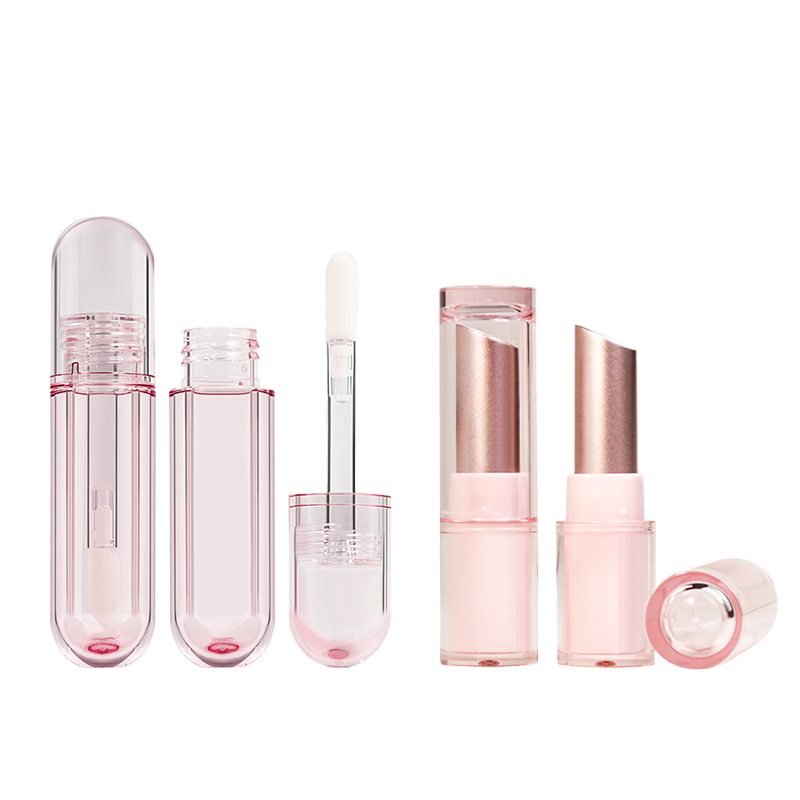

Effective Methods for Integrating Packaging in Marketing Strategies
March 04,2026
Packaging in marketing isn’t the quiet kid in the back row anymore—it’s the lead singer grabbing the mic. On a crowded shelf or a cramped digital storefront, your box has about three seconds to make someone pause and think, “Alright, this looks legit”. If it doesn’t spark curiosity or signal value fast, it’s game over before the product even gets a shot.
“64% of consumers try a new product because the packaging catches their eye.” — Nielsen Global Packaging Report.
That’s the tension. Your formula might be flawless, but if the outside whispers instead of wows, sales stall. So how do you turn packaging from a cost center into your brand’s hardest-working salesperson in 2026?
5 Key Benefits Of Packaging In Marketing
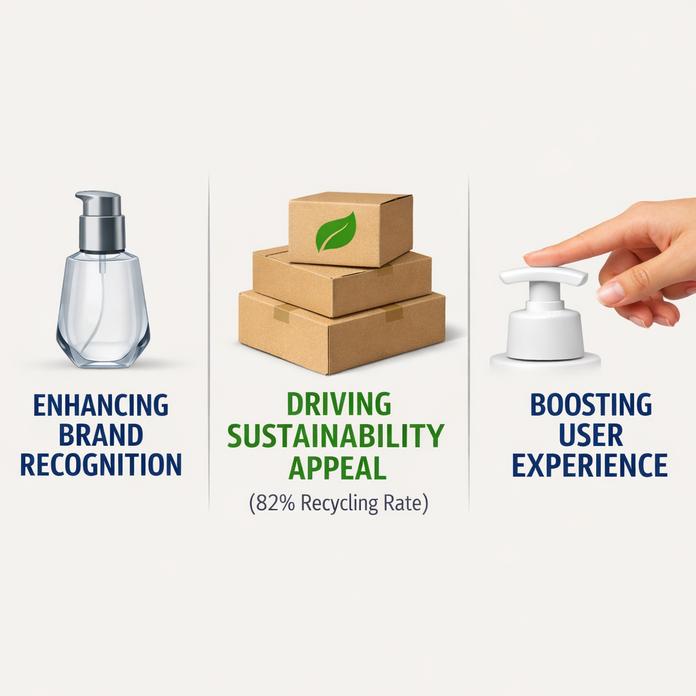
Packaging in marketing is not just about wrapping a product; it’s about shaping how people feel, choose, and remember. Smart packaging in marketing blends design, function, and strategy to drive sales and loyalty.
Enhancing Brand Recognition with Distinctive Acrylic Shapes
In packaging in marketing, shape speaks before words do. Distinctive acrylic containers built through injection molding turn ordinary shelves into visual battlegrounds where brand identity wins attention fast.
- Core Design Impact
- Custom shapes create instant product differentiation.
- Strong visual appeal strengthens consumer recall.
- Thoughtful packaging design reflects precise material properties.
- Recognition Pathway
- Unique silhouette catches the eye.
- Texture and clarity reinforce brand identity.
- Repetition across product lines builds memory.
▸ Retail Level
- Shelf contrast increases stopping power.
- Transparent acrylic boosts perceived purity.
▸ Digital Level
- Clean contours improve product thumbnails.
- Distinct forms enhance click-through in marketing and packaging visuals.
Brands working with Topfeel often refine acrylic wall thickness, curvature, and finish to align packaging with marketing goals. Supported by rapid 3D prototyping and custom mold development, packaging marketing works best when form becomes a signature.
Driving Sustainability Appeal through Recyclable Paperboard
Sustainability in packaging in marketing isn’t hype anymore; in 2026, it is a strict regulatory and consumer baseline. It shapes buying decisions heavily.
Eco-driven packaging and marketing strategies rely on measurable impact:
| Material Type | Avg. Weight Reduction (%) | Recycling Rate (%) | CO₂ Reduction (kg/1000 units) |
|---|---|---|---|
| Virgin Paperboard | 0 | 68 | 120 |
| Recyclable Paperboard | 15 | 82 | 95 |
| Lightweight Paperboard | 22 | 85 | 88 |
• Eco-friendly packaging improves consumer perception.
• Verified recyclability reduces long-term environmental impact.
• Ethical material sourcing supports strong green marketing claims.
Sustainability Execution Layers
- Material Selection
- Certified sustainable materials
- Reduced ink coverage
- Structural Optimization
- Lightweight folds
- Compact carton geometry
- Communication
- Clear recycling icons
- Honest environmental messaging
Topfeel integrates recyclable paperboard into packaging in marketing programs that balance shelf appeal and shipping efficiency. Smart packaging marketing here builds trust, not noise.
Boosting User Experience via Ergonomic Pumps and Closures
Good packaging in marketing feels right in the hand. That tactile moment matters.
User Experience Drivers
- User-friendly design improves ease of use.
- Leak-proof seals increase consumer satisfaction.
- Controlled dispensing supports functional packaging goals.
Interaction Flow
- Grip comfort from curved actuator heads.
- Smooth spring compression for precise output.
- Clean cutoff reduces mess and waste.
Short and simple: better pumps mean happier customers. Happier customers talk. That’s marketing and packaging working together.
Improving Shelf Visibility with Metallization Finishes
Shelf competition is brutal. Packaging in marketing must stand out fast. By 2026, advanced surface decoration techniques have become essential for premium positioning.
Visual Amplification Strategy
▸ Surface Treatment
- Metallization boosts visual impact.
- Frosting enhances packaging aesthetics.
▸ Light Interaction
- Reflective coating adds premium look.
- Contrast improves aisle-level differentiation.
▸ Emotional Cue
- Shine suggests higher value.
- Texture increases attractiveness.
Quick takeaway: shine grabs attention, contrast keeps it. That’s packaging marketing in action.
Strengthening Perceived Value through Hot Stamping and Quality Control
Luxury isn’t loud. It’s precise.
• Hot stamping adds subtle metallic depth.
• Fine embellishment techniques elevate brand perception.
• Tight manufacturing standards protect material quality.
Value-Building Framework
- Surface Enhancement
- Foil placement accuracy
- Crisp edge detailing
- Print Integrity
- Consistent color density
- Durable ink adhesion
- Assembly Inspection
- Alignment tolerance checks
- Drop-test verification
Premium packaging in marketing depends on those finishing touches. When quality control supports design intent, overseen by stringent standards like ISO 9001 and GMPc, premium packaging feels authentic.
That’s how packaging in marketing turns a simple container into a value signal customers trust.
Packaging In Marketing Trends For 2026
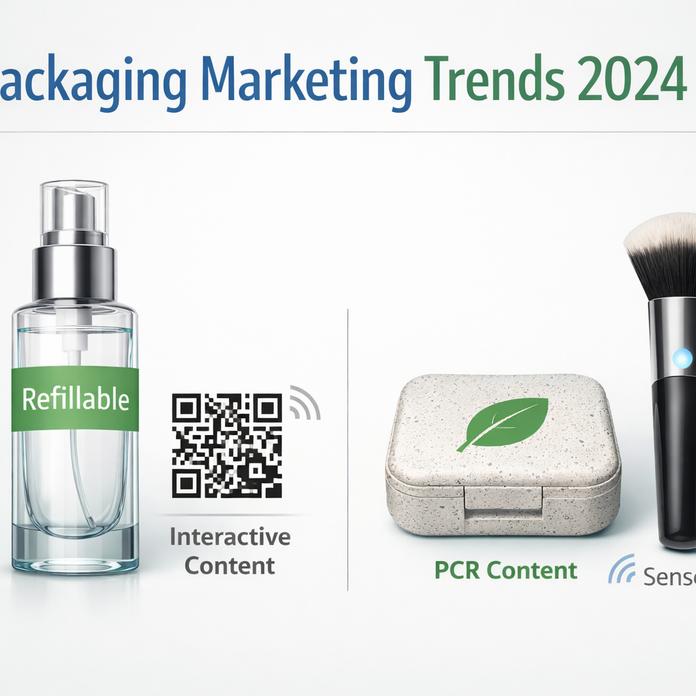
Packaging in marketing isn’t just about looks anymore. It blends packaging, marketing, and real-world experience into one smooth move. Moving through 2026, from smart IoT tech to zero-waste eco-friendly design, packaging in marketing now actively drives loyalty, clicks, and repeat buys. Brands that treat packaging marketing as strategy—not decoration—are winning attention fast.
Rise of Refillable Glass Bottles in Luxury Cosmetics
In packaging in marketing, refillable packaging is shifting how luxury cosmetics build loyalty.
-
Core material shift
- Glass bottles
- Crafted from premium materials to signal quality
- Designed as reusable containers with weighted bases
- Durable pumps
- Engineered for multi-use cycles
- Easy twist-lock refill systems
-
Sustainability positioning in packaging marketing
- Sustainable packaging messaging printed subtly on outer cartons
- Eco-friendly design highlighted in-store and online
- Refill pods sold separately to encourage return visits
-
Consumer journey in marketing with packaging
- Initial purchase of full glass unit
- Emotional attachment to tactile weight and clarity
- Refill purchase at lower cost
- Habit formation
This is packaging in marketing doing quiet persuasion. According to McKinsey’s 2026 Global Beauty Survey, sustainability-linked packaging influences a growing share of prestige beauty purchases, especially among Gen Z and Gen Alpha. Brands like Topfeel translate that insight into refillable cartridges and magnetic designs that look luxe yet feel highly practical. Packaging in marketing becomes long-term relationship building, not a one-time sale.
Interactive QR and NFC Labeling on Plastic Tubes
Interactive packaging on plastic tubes brings packaging in marketing straight into the phone screen. In 2026, the integration of both high-contrast QR codes and invisible NFC chips provides frictionless connectivity.
Here’s how packaging marketing plays out:
- Scan the QR codes or tap the NFC tag
- Unlock tutorials, ingredient sourcing, recycling tips
- Boost digital engagement
- Consumer spots the tube on shelf.
- The smart labels invite a quick scan or tap.
- A landing page delivers layered product information.
- Retargeting ads follow with refill reminders.
Short touch. Quick scan. Instant connection.
In marketing and packaging alignment, the tube becomes media space. Not just design—communication. For brands working with Topfeel, extrusion-formed tubes are printed with high-contrast QR placement so codes don’t distort on curved surfaces. That small detail keeps packaging in marketing smooth and frustration-free.
Even better, interactive packaging feeds real-time data back to brands. Packaging marketing stops guessing and starts tracking real user interaction.
Biodegradable Shift: Post-Consumer Recycled Content in Compact Cases
Packaging in marketing now carries strict environmental proof, not vague claims. With 2026 global regulations heavily favoring circular economies, verifiable material sourcing is paramount.
-
Material foundation
- Post-consumer recycled (PCR) resin and PLA
- Verified PCR content sourcing
- Reduced virgin plastic dependency
- Biodegradable packaging blends for outer shells
-
Structural design of compact cases
- Reinforced hinge systems using recycled plastic
- Lightweight inserts to reduce material load
- Snap-fit construction for easier disassembly
-
Environmental positioning in packaging marketing
- On-pack labeling clarifies recycled percentage
- Social campaigns explain sustainable materials
- In-store displays highlight lower environmental impact
This layered approach makes packaging in marketing honest and visible. The shift toward eco-conscious design isn’t loud. It’s practical. Consumers flip the compact, see the recycled mark, and feel the difference. Marketing with packaging becomes proof-based, not hype-driven.
Smart Applicators: Seamless Experiences with Cap Sensors
Smart tech pushes packaging in marketing into the daily routine.
Step 1: Embed cap sensors inside lids without altering outer aesthetics.
Step 2: Sync data through discreet Bluetooth modules.
Step 3: Deliver usage tracking through brand apps.
Step 4: Send automated refill alerts before the product runs out.
That’s smart applicators driving a seamless experience.
- Alerts protect product freshness.
- Data improves user interaction.
- Built-in feedback enhances product functionality.
In packaging marketing terms, this is packaging technology doing quiet service. The user twists, applies, and goes. Behind the scenes, innovative design tracks patterns and suggests reorder timing.
Packaging in marketing now feels alive. Not flashy. Just helpful. And when marketing and packaging sync this tightly, brands stay part of everyday habits instead of background noise.
Standard Vs. Interactive Packaging: Which Converts More?
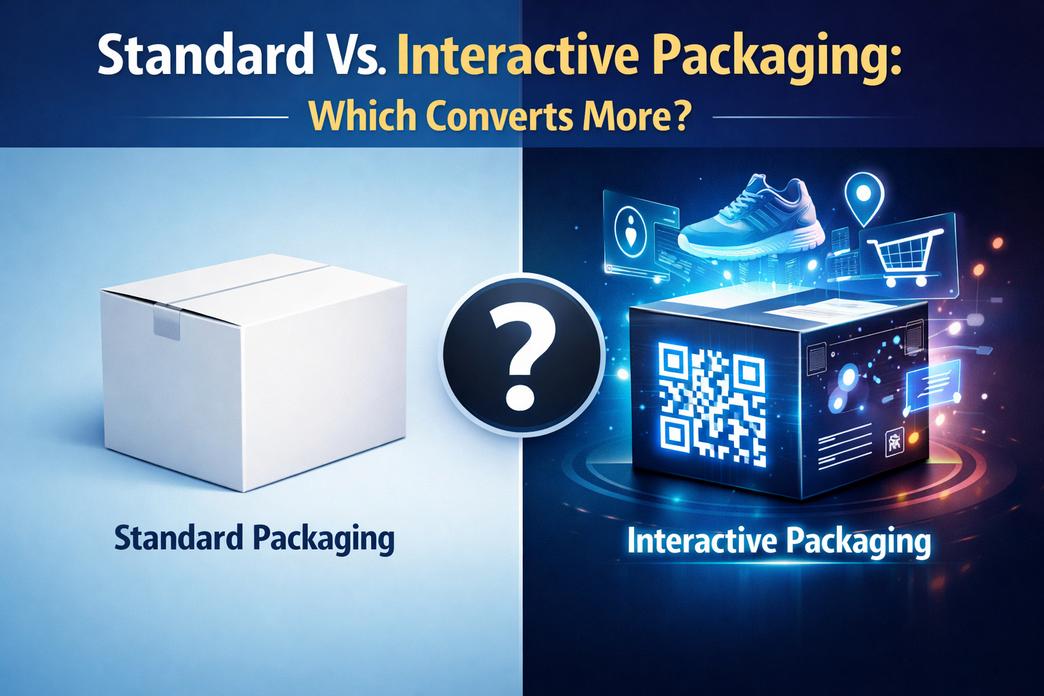
Packaging in marketing isn’t just about looks; it’s how brands talk without speaking. From shelf impact to digital touchpoints, packaging in marketing shapes buying moods in seconds. In today’s 2026 marketing and packaging strategies, brands balance cost, tech, and emotion. So when it comes to packaging in marketing, which approach truly converts more?
Standard Packaging
In packaging in marketing, standard formats still carry serious weight. Traditional structures win through clarity, speed, and trust.
At retail level, marketing packaging built on classic formats works because:
- Clear design grabs attention fast
- Smart labeling builds confidence
- Strong material ensures product protection
- Visual shelf appeal drives impulse
- Solid logistics reduce friction
Conversion performance often depends on how these elements align inside packaging in marketing systems:
-
Visual Layer
1.1 Color contrast increases noticeability
1.2 Typography strengthens brand recall
1.3 Finish and texture elevate perceived value
-
Functional Layer
2.1 Closure quality protects freshness
2.2 Structural stability lowers damage rates
2.3 Ergonomic shape improves usability
-
Commercial Layer
3.1 Streamlined production boosts cost efficiency
3.2 Scalable sourcing supports distribution
3.3 Predictable formats simplify retail placement
In marketing and packaging conversations, standard solutions shine when speed-to-market and margin control matter most. Brands like Topfeel focus on precision in material choice and production flow, making sure packaging in marketing stays practical yet persuasive.
Short story? Simple sells. Clear beats confusing. Reliable converts.
Interactive Packaging
Interactive formats push packaging in marketing into a two-way experience. It’s no longer just a container; it becomes a dedicated marketing channel.
In modern packaging in marketing strategies, engagement tools include:
- QR codes linking to tutorials or dynamic offers
- NFC tags enabling instant product verification and anti-counterfeiting
- Augmented reality overlays for virtual try-on demos
- Gamification rewards
- Deep personalization journeys
Conversion growth often follows this layered path:
-
Entry Trigger
1.1 Scan via QR codes
1.2 Tap enabled NFC tags
-
Experience Stage
2.1 Immersive augmented reality storytelling
2.2 Interactive quizzes using gamification
2.3 Tailored content based on data collection
-
Relationship Build
3.1 Stronger user engagement
3.2 Measurable behavior tracking
3.3 Retargeting fueled by insights
Here’s the twist. Interactive packaging in marketing often lifts emotional connection, while traditional marketing packaging secures operational efficiency. One builds memory; the other builds margin.
Topfeel bridges both by combining structural expertise with smart integration, proving packaging in marketing works best when experience and execution move together.
So which converts more? The honest answer: the one aligned with your audience, budget, and growth stage. Packaging in marketing wins when strategy leads the format.
How To Leverage Color Psychology In Packaging
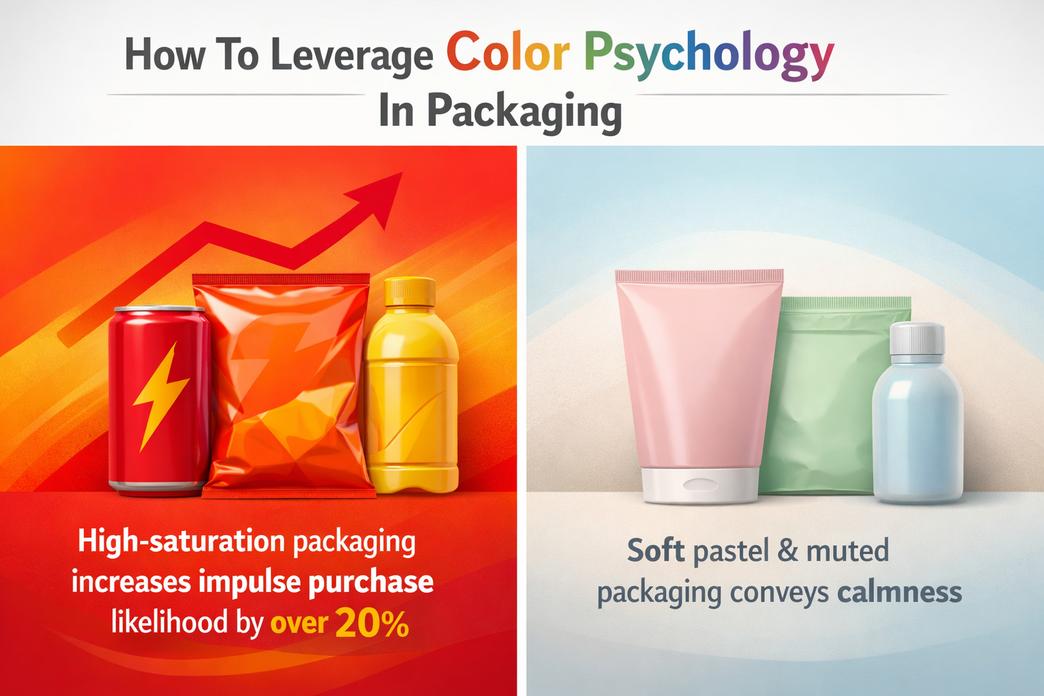
Color drives emotion fast. In packaging in marketing, shades do more than decorate—they shape buying mood, brand memory, and trust. Smart packaging in marketing blends psychology with design so marketing packaging feels right at a glance. When product packaging in marketing hits the right tone, people don’t overthink. They just reach out and grab it.
Choosing Energetic Color Schemes for Excitement
In packaging in marketing, energy sells impulse.
-
Color Intensity
- Vibrant colors spark quick reactions.
- Bright hues increase shelf visibility.
- High-energy shades raise perceived urgency.
-
Emotional Trigger
- Dynamic palettes create movement.
- Warm reds → appetite, action.
- Electric oranges → fun, youth.
- Punchy yellows → optimism.
- Bold colors amplify excitement during product launches.
-
Material Pairing
- Glossy aluminum enhances stimulating colors.
- Metallic accents boost marketing packaging impact.
- Smooth plastic reflects light, increasing visual pop.
Recent retail insights from NielsenIQ (2026) note:
“High-saturation packaging in marketing environments increases impulse purchase likelihood by over 20% in fast-moving consumer categories.”
That kind of lift makes energetic color a serious player in marketing packaging strategy.
Calming Aesthetics: Soft Finishes and Pastel Palettes
Not every product screams. Some whisper.
In packaging in marketing, pastel colors and muted tones speak to wellness buyers who crave quiet confidence. Matte coatings soften glare. Frosted glass supports calming aesthetics.
Key moves:
- Pair soft finishes with subtle hues for skincare.
- Blend serene palettes with minimalist fonts.
- Use gentle colors to reduce visual stress in retail aisles.
Short and simple: calm tones build emotional safety. In marketing packaging, that safety often turns into loyalty.
Bold Contrasts to Capture Attention on Shelves
Standing out in packaging in marketing takes clear action:
- Select bold contrasts that separate background and logo.
- Add metallization for high visibility under store lighting.
- Use striking combinations like black and neon for instant shelf impact.
- Guide the eye with hierarchy to create attention-grabbing focal points.
- Finish with distinctive colors that shoppers remember later.
Contrast isn’t chaos. It’s controlled drama for product packaging in marketing.
Harmonizing Ergonomics and Color for User Trust
Color alone won’t save poor design. In packaging in marketing, trust forms when touch and sight align.
-
Ergonomic design
- Curved bottles improve grip.
- Balanced weight signals quality.
-
Color perception
- Deep blues → reliability.
- Earthy greens → sustainability.
-
Functional aesthetics
- Secure closures enhance user trust.
- Smooth edges improve tactile experience.
- Clear labeling supports intuitive design.
When comfort meets sensory design, packaging marketing feels honest. That’s why brands like Topfeel integrate form and shade together—because in packaging in marketing, trust is built by both what people see and what they feel in hand.
FAQs about Packaging In Marketing
How does packaging in marketing shape brand recognition in cosmetics?
In beauty retail, recognition happens in seconds. Packaging in marketing turns everyday Bottles, Jars, or Tubes into visual signatures.
- Distinctive Shapes created through Injection Molding or Blow Molding make Acrylic or Glass containers instantly familiar.
- Consistent Color Schemes and Finishes across Plastic or Aluminum lines strengthen shelf memory.
- Screen Printing or Hot Stamping keeps logos sharp through long production runs.
When customers spot the same silhouette again—online or in-store—trust follows quickly.
Which materials best support sustainable packaging in marketing?
Sustainability now shapes buying emotion as much as price. Smart material choices balance feel and responsibility.
- Glass and Aluminum: durable, Recyclable, ideal for Refillable Bottles and Jars.
- Paperboard with Recycled Content: lightweight secondary packaging with strong visual impact.
- Plastic using Post-Consumer Recycled resin: impact-resistant for Pumps, Caps, and Closures.
Add Lightweighting during Extrusion or Blow Molding, and brands cut waste without losing shelf appeal.
Why do decoration techniques elevate perceived value?
Shoppers often judge quality before testing the formula. Decoration becomes the silent persuader.
- ✦ Hot Stamping adds metallic highlights that signal prestige.
- ✦ Metallization on Compact Cases or Palettes reflects light and draws the eye.
- ✦ Frosting on Glass Droppers softens the look for skincare calm.
- ✦ Offset Printing and precise Labeling ensure color accuracy and alignment.
Small visual details create strong emotional reactions at the moment of choice.
How do functional components improve user experience?
Great packaging in marketing does more than look good—it feels right in the hand.
A short chain of satisfaction:
Ergonomic Pumps → controlled dosage → less product waste.
Secure Seals and Closures → leak prevention → travel confidence.
Soft-touch Applicators and well-fitted Wipers → clean use → daily comfort.
Behind the scenes, careful Assembly and strict Quality Control protect that experience from factory to vanity table.
What trends are redefining packaging in marketing for beauty brands?
Beauty packaging now blends design, sustainability, and interaction.
| Trend Focus | Practical Expression | Consumer Impact |
|---|---|---|
| Eco-design | Biodegradable Compact Cases, Refillable Glass Bottles | Lower guilt, stronger loyalty |
| Smart details | QR Labeling on Paperboard or Plastic | Transparency and tutorial access |
| Sensory aesthetics | Matte Finishes, bold Color Schemes, sculpted Shapes | Instant shelf attraction |
Packaging in marketing today is not just a container—it is a daily ritual, a promise, and often the reason a product earns a second purchase.
References
- [Full Guide To Clear Labeling and Packaging (Tips & Examples) – https://www.customproductpackaging.com/blog/guide-to-clear-labeling-and-packaging]
- [State of Beauty 2026: Solving a shifting growth puzzle – https://www.mckinsey.com/industries/consumer-packaged-goods/our-insights/state-of-beauty]
- [Discover the power of consumer impulse buying – https://nielseniq.com/global/en/insights/report/2024/discover-the-power-of-consumer-impulse-buying/]

