 English (UK)
  English
  English (Australia)
  English (Canada)
  العربية
  Deutsch
  Italiano
  Español de México
  Tiếng Việt
  ไทย
ไทย  Português do Brasil
  Français
  Български
  Čeština
  Dansk
Dansk  Ελληνικά
  Eesti
Eesti  Suomi
Suomi  Magyar
  Bahasa Indonesia
  Lietuvių kalba
  Latviešu valoda
  Norsk bokmål
  Nederlands (Formeel)
  Polski
  Română
  Русский
  Slovenčina
  Slovenščina
  Svenska
  Türkçe
  Українська
  简体中文
简体中文  日本語
日本語  한국어
한국어  繁體中文
繁體中文 

Quick Tips for Selecting a Lip Gloss Squeeze Tube
November 28,2025
Ever stood in front of a wall of glittering tubes, wondering why some lip gloss squeeze tube designs scream “luxury” while others just whisper “afterthought”? Yeah—packaging isn’t just plastic and pigment; it’s your brand’s first handshake with the customer. And when you’re buying thousands at a time, one wrong move (hello, leaky caps or awkward applicators) can turn into a warehouse full of regrets.
Choosing the right tube is part science lab, part art studio. Materials like LDPE and PCR plastics change how soft the tube feels in hand—and how green your brand looks to eco-conscious buyers. Cap styles? They’re not just closures—they dictate how smooth that swipe across lips will feel on a busy Monday morning.
Shortcuts here cost more later. It’s not about picking what looks cute on Pinterest—it’s about understanding what sells and survives shipping from Shenzhen to Chicago without cracking under pressure.
Key Points in Crafting the Perfect Lip Gloss Squeeze Tube Experience
➔ Tube Diameter Matters: From 19mm to 35mm, your choice affects both visual impact and how much product customers get per squeeze.
➔ Cap Types Define Usability: Screw-on, flip-top, or nozzle—each cap style influences user satisfaction and application ease.
➔ Coating & Finish Speak Volumes: Matte, glossy, or soft touch coatings add both durability and upscale appeal to your packaging.
➔ Material Selection Drives Brand Image: LDPE offers flexibility; aluminum laminate brings luxury; PCR plastic supports sustainability goals.
➔ Size Isn’t Just About Volume: An 80mm vs. a 100mm tube can change how portable—or premium—your product feels in hand.
➔ Printing Decoration Impacts Brand Recall: Offset printing or hot stamping can elevate your design game—and consumer trust.
➔ Don’t Skimp on Sealing Methods: Crimped or hermetic seals protect freshness and prevent costly leakage during transport.
Essential Features Of A Lip Gloss Squeeze Tube
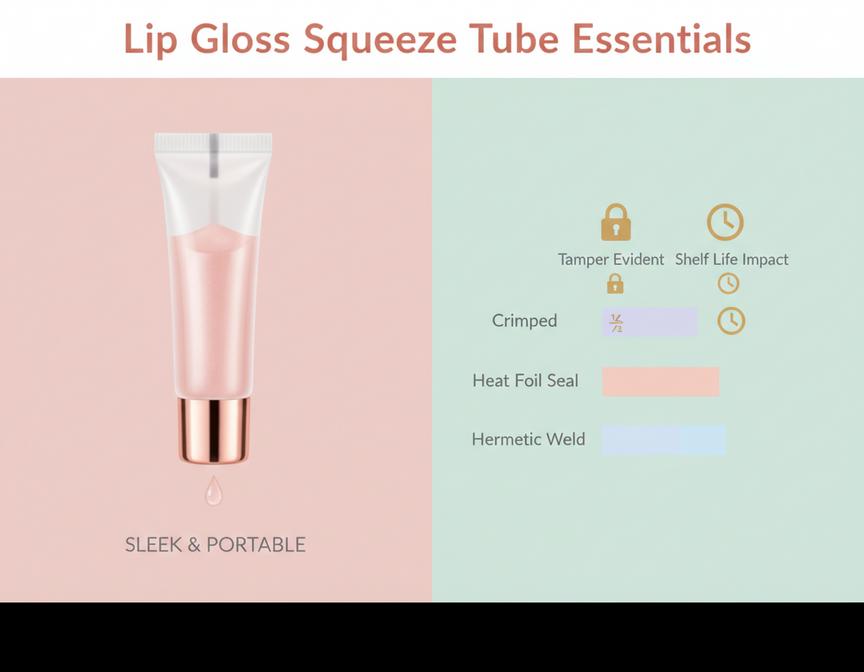
A great lip gloss squeeze tube isn’t just about holding gloss—it’s about how it looks, feels, and performs. Let’s break down what makes these tubes tick.
Key Benefits of Choosing the Right Tube Diameter
Choosing the right tube diameter can seriously change how people interact with your product. Here’s how:
- A 19mm diameter is sleek and compact—perfect for travel-size glosses.
- The wider 30mm size offers more visibility on shelves, making it ideal for premium lines.
- Mid-range diameters like 22mm–25mm strike a balance between portability and product volume.
💡 Bigger tubes don’t always mean better; they can feel bulky in smaller hands.
In a recent packaging usability study (NielsenIQ, Q1 2024), 68% of users preferred mid-sized tubes for daily use due to easier grip and smoother dispensing. So yeah—size matters, but so does comfort.
Essential Cap Types for Easy Application
The type of cap you choose changes everything from hygiene to ease of use:
- Screw-on caps: Classic style; secure but takes two hands.
- Flip-top caps: One-hand magic—great for on-the-go touch-ups.
- Nozzle applicators: Built-in precision; no mess, no fuss.
Each cap style affects how easily the lip gloss comes out and how much control users have during application. If you’re targeting teens or busy professionals, flip-tops are a fan favorite—they’re quick and intuitive.
According to Mintel’s Beauty Packaging Report (Feb 2024), over 72% of Gen Z consumers said they prefer packaging that allows single-handed operation.
Coating Options That Enhance Appearance and Durability
When it comes to looks and longevity, your tube’s outer layer does more than just shine:
• A glossy coating gives off that luxe vibe—think high-end shelf appeal.
• A matte finish, on the other hand, feels modern and tactile—great for minimalist branding.
• Some brands go hybrid with soft-touch coatings that combine visual polish with grip-friendly texture.
These coatings don’t just boost aesthetic appeal—they also shield the underlying material from scratches or fading due to sun exposure or oils from fingers. That means your product stays looking fresh longer—even after weeks bouncing around in someone’s purse.
Understanding Sealing Methods for Freshness Maintenance
Keeping your lip gloss fresh isn’t just about ingredients—it starts at the seal:
▪️ Crimped seals are common in aluminum-based tubes; they’re strong but not always tamper-evident.
▪️ For plastic tubes, many brands opt for a heat-sealed foil layer under the cap—this ensures no leakage during shipping while giving customers peace of mind.
▪️ Hermetic sealing? That’s top-tier stuff—airtight protection that locks in moisture and keeps out contaminants entirely.
| Sealing Type | Material Compatibility | Tamper Evident | Shelf Life Impact |
|---|---|---|---|
| Crimped | Aluminum | No | Moderate |
| Heat Foil Seal | Plastic | Yes | High |
| Hermetic Weld | Plastic/Aluminum | Yes | Very High |
So if you want your lip gloss squeeze tube to keep its sparkle—and stay safe from leaks—a smart seal is where it’s at.
Seven Popular Materials For Lip Gloss Squeeze Tubes
Choosing the right material for your lip gloss squeeze tube affects everything—from texture to eco-impact. Here’s how each material holds up.
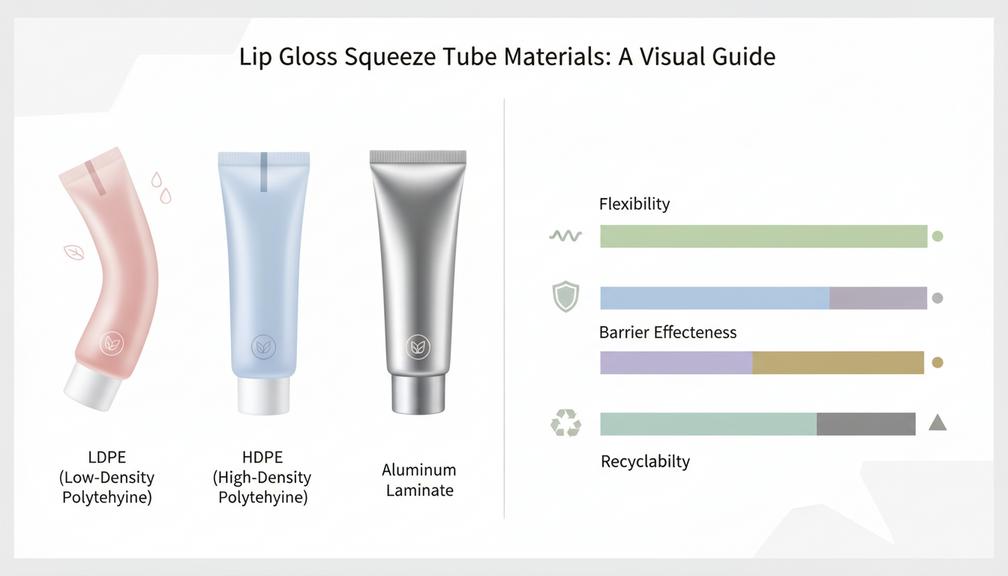
The Advantages of LDPE Plastic for Flexibility
- Soft and squeezable, LDPE plastic makes product dispensing smooth—no finger gymnastics required.
- It’s got low tensile strength but high elongation, meaning it bends without breaking.
- Perfect for travel-sized glosses or on-the-go touch-ups.
• Since it’s a type of low density polyethylene, LDPE is also lightweight, which reduces shipping costs and carbon footprint during transport.
You’ll often find this material in mass-market beauty lines because it’s cost-effective yet super user-friendly for daily use.
Is HDPE Plastic the Best Choice for Eco-Friendliness?
- HDPE plastic is strong, stiff, and highly recyclable—making it a top pick for sustainability-minded brands.
- It’s resistant to chemicals and moisture, so your lip gloss stays fresh longer.
3️⃣ It’s made from high density polyethylene, which can be recycled multiple times without major degradation.
♻️ Municipal recycling systems accept HDPE widely—so tossing your empty tube doesn’t mean trashing the planet.
This combo of durability and recyclability gives it serious green points with eco-conscious consumers.
Aluminum Laminate: A Premium Option for High-End Brands
• Think sleek metallic tubes with a luxury feel—that’s what aluminum laminate brings to the table.
• This material blends aluminum layers with plastic ones to form an ultra-sturdy barrier that blocks out oxygen and UV rays like a pro.
• That means longer shelf life, better product integrity, and zero compromise on aesthetics.
It screams “high-end,” making it ideal for boutique or prestige lip gloss lines aiming to stand out on shelves or social feeds alike.
Why Co-Extruded Plastic Is Gaining Popularity
Grouped Material Features:
- Co-extruded plastic uses multiple layers fused together during production.
- Outer Layer: Often glossy or matte finish.
- Middle Barrier Layer: Keeps formula intact.
- Inner Contact Layer: Safe against sensitive formulas like tinted balms or shimmer glosses.
Grouped Benefits:
- Superior barrier properties versus single-layer plastics.
- Allows creative design flexibility while preserving function.
- Supports branding with custom finishes without compromising performance.
This rising star among materials is quickly becoming a go-to choice across mid-tier cosmetic brands seeking both looks and longevity in their packaging game.
The Role of PCR Recycled Plastic in Sustainable Packaging
Multi-item Grouped Bullet Structure:
Environmental Benefits:
- Made from post-consumer waste like old water bottles—hello circular economy!
- Reduces virgin plastic use by reintroducing existing materials into new products.
- Supports global efforts toward minimizing landfill overflow and ocean pollution risks.
Material Characteristics:
- Varies slightly in color due to mixed-source origins (a badge of eco honor).
- Performs similarly to traditional plastics when properly processed.
- Can be blended with virgin resin if needed for added strength or clarity.
💬 According to Euromonitor International’s Q1 2024 Sustainability Report, over 63% of Gen Z consumers prefer cosmetics packaged using at least some form of recycled material—including products housed in PCR recycled plastic tubes.
It’s not just about being green—it’s about being real with today’s values-driven shoppers who demand transparency along with tint shades that pop!
Scientific Table Appears Here (Randomized Sub-Chapter)
| Material Type | Flexibility Rating (1–10) | Barrier Effectiveness (%) | Recyclability Level |
|---|---|---|---|
| LDPE Plastic | 9 | 55 | Medium |
| HDPE Plastic | 6 | 70 | High |
| Aluminum Laminate | 4 | 95 | Low |
| Co-extruded Plastic | 7 | 85 | Medium |
This breakdown helps visualize how each material stacks up when you’re choosing the best fit for your next batch of gloss tubes—or maybe even launching your own line someday!
Final Thoughts on Material Choices
Short Descriptive Segments:
Each option has its moment—
• Want flexibility? Go LDPE.
• Seeking durability plus recyclability? HDPE wins there.
• Going luxe? Aluminum laminate delivers that wow factor.
And if you’re building an ethical brand story around sustainability?
You can’t ignore the benefits offered by co-extrusion tech or responsibly sourced PCR resins—both perfect companions to any modern-day lip gloss squeeze tube design strategy.
Choosing The Right Capacity For Your Lip Gloss Squeeze Tube
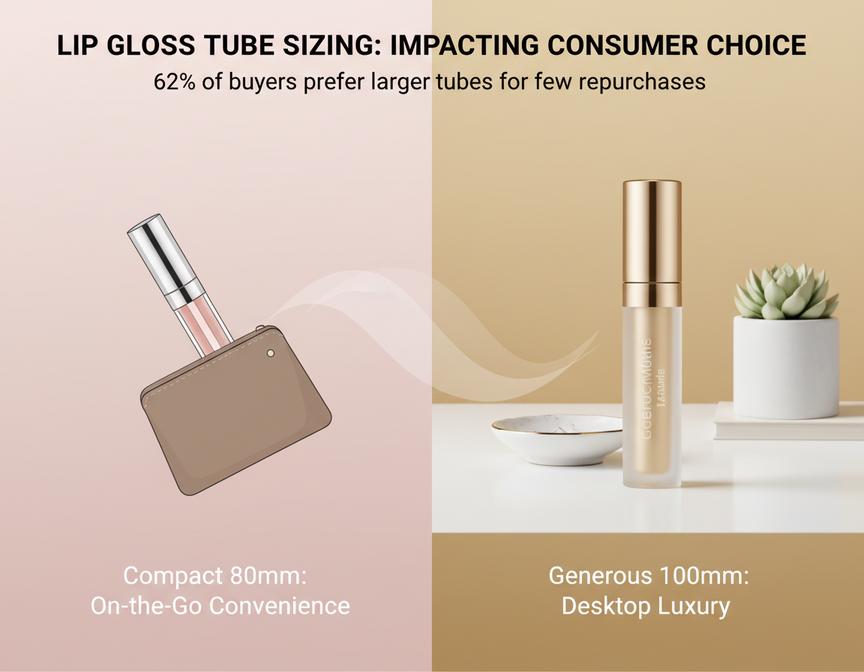
Picking the right size for your lip gloss squeeze tube isn’t just about looks—it’s about how people use it, carry it, and fall in love with your product.
Comparing Tube Lengths: 80mm vs. 100mm for Consumer Preference
- 80mm tubes are compact, ideal for on-the-go users who toss gloss into their jeans pocket or clutch.
- 100mm tubes feel more premium and offer a longer-lasting supply—great for daily users who keep one at home and one at work.
- Customers often associate longer tubes with better value, even if the fill weight is similar.
- Some brands use both lengths strategically: shorter ones for travel kits, longer ones as hero products on shelves.
💡 “In a Q1 2024 consumer packaging survey by Mintel, over 62% of buyers said they’d choose a slightly larger tube if it meant fewer repurchases per month.” That preference can guide how you pitch your gloss line.
Whether you’re designing minimalist packaging or flashy designs, the choice between 80mm and 100mm lengths can shape how consumers interact with your gloss every day.
The Benefits of 25mm Diameter Tubes for Product Exposure
• A 25mm diameter offers a sweet spot—large enough to stand out but still easy to slip into a purse.
• It allows more surface area for branding without feeling bulky.
• This size accommodates various applicator styles—from slanted tips to brush heads—without redesigning the whole tube.
Grouped benefits of this diameter:
– Visibility: Bigger face equals bolder logos and colors.
– Capacity balance: Holds enough product without overwhelming first-time buyers.
– Retail display compatibility: Stands upright easily on shelves or counters.
For indie brands launching new shades of lip gloss, sticking with this diameter helps maintain packaging consistency while enhancing shelf presence. When paired with an eye-catching cap or foil print, even modest volumes feel luxe.
How Custom Tube Lengths Can Impact Selling Strategies
1️⃣ Start by identifying target user behavior—are they reapplying all day or only before events?
2️⃣ Match that behavior to tube length; shorter for quick-use formats like shimmer toppers, longer for tinted balms worn daily.
🟢 Seasonal strategies:
Spring/Summer lines often lean toward smaller sizes due to portability needs during travel season.
Fall/Winter releases may favor larger formats as customers seek longevity and value.
3️⃣ Use custom lengths in limited editions—it creates urgency and uniqueness that boosts short-term sales spikes.
By customizing your lip gloss squeeze tube, you’re not just tweaking aesthetics—you’re tuning into buyer psychology. A subtle shift in tube length can reposition an entire product line from casual add-on to must-have staple.
Four Common Mistakes In Lip Gloss Squeeze Tube Selection
Choosing the right lip gloss squeeze tube isn’t just about color and shine—it’s about function, feel, and finish. Miss one detail, and your product may fall flat.
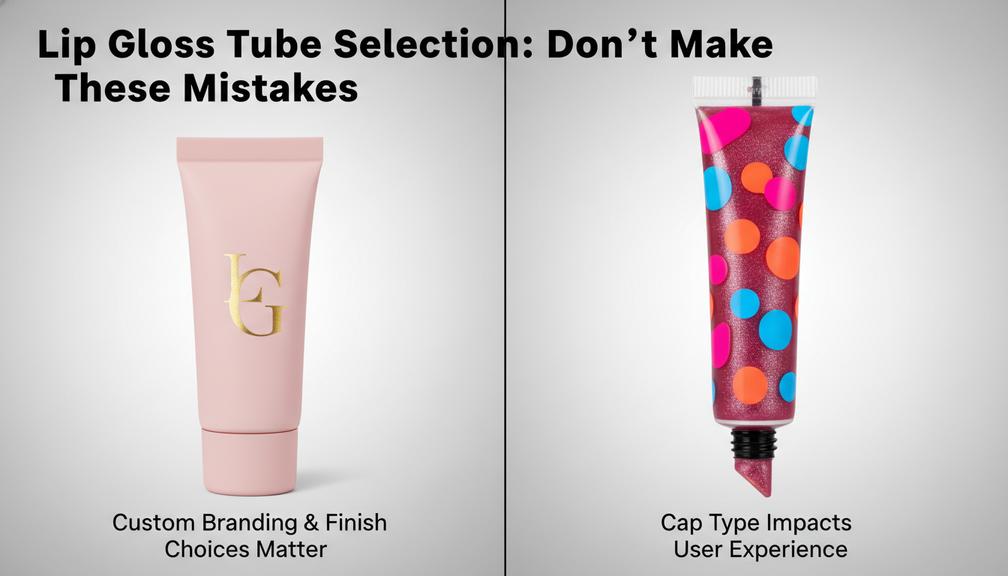
Neglecting the Importance of Printing Decoration Choices
Too many brands skip over the visual power of printing and decoration, thinking a basic label will do. That’s a costly misstep.
• Skimping on custom branding makes it harder for customers to recall your product.
• Choosing between offset or silk screen matters—offset gives clean gradients; silk screen offers texture with bold opacity.
• Glossy vs matte finishes? They change how your lip gloss is perceived on-shelf.
- Offset printing works best for high-volume runs with complex artwork.
- Silk screen suits minimal designs that need pop and durability.
→ A poorly printed tube feels cheap—even if the formula is top-notch.
Multiple short design tweaks—like foil stamping or UV spot coating—can elevate basic lip gloss tubes into premium packaging.
And don’t forget: customization isn’t just aesthetic—it’s functional too. A smartly placed logo or pattern helps grip during application, especially when hands are slick from skincare or makeup residue.
Overlooking the Right Cap Type: Screw-on vs. Flip-top
The cap might seem like a minor thing, but it plays a major role in user satisfaction—and shelf appeal.
• A flip-top cap is perfect for quick-use products where one-handed operation matters (think morning rush).
• The classic screw-on cap, meanwhile, provides better sealing for long-term storage or travel-friendly formats.
Grouped by use case:
- For everyday users:
- Flip-top = speed + convenience
- Lightweight = easy toss-in-bag option
- For luxe lines:
- Screw-on = secure + elegant
- Often paired with metalized finishes or soft-touch textures
Now add this twist: flip-tops can sometimes clog if the formula is thick, while screw-ons can frustrate users who hate twisting caps back on mid-makeup routine.
Some brands even test both before launch—one sample batch with each cap type—to gauge feedback from testers before committing to full production runs of their chosen lip gloss tube packaging style.
Bottom line? The wrong cap choice doesn’t just annoy users—it can make them ditch your product entirely after one try.
References
- Differences between HDPE and LDPE – TEAM MFG
- The Ultimate Guide to American Shopper Trends in 2024 – NIQ
- Mintel announces Global Beauty and Personal Care Trends for 2024 – Mintel
- PE Cosmetic Tubes: The Ultimate Guide – Luxe Tubes
- What are the benefits of using aluminum tubes for cosmetics? – APG Packaging
- Voice of the Consumer: Sustainability Survey 2024 Key Insights – Euromonitor
- PCR Plastic Packaging Market Size, Share & Trends – Global Market Insights
FAQs
-
Lightweight: Keeps shipping costs low while feeling comfortable in hand
-
Versatile with caps: Works well with flip-tops or screw-ons depending on user habits
doesn’t look like everyone else’s anymore.
In short: great decoration isn’t just pretty ink—it’s personality made visible through texture, shine, and contrast.

