 English (UK)
  English
  English (Australia)
  English (Canada)
  العربية
  Deutsch
  Italiano
  Español de México
  Tiếng Việt
  ไทย
ไทย  Português do Brasil
  Français
  Български
  Čeština
  Dansk
Dansk  Ελληνικά
  Eesti
Eesti  Suomi
Suomi  Magyar
  Bahasa Indonesia
  Lietuvių kalba
  Latviešu valoda
  Norsk bokmål
  Nederlands (Formeel)
  Polski
  Română
  Русский
  Slovenčina
  Slovenščina
  Svenska
  Türkçe
  Українська
  简体中文
简体中文  日本語
日本語  한국어
한국어  繁體中文
繁體中文 

Is Deodorant Considered a Liquid for TSA
January 07,2026
You’re zipping up your carry-on at 6am, bleary-eyed and muttering curses at the TSA gods when it hits you: is deodorant considered a liquid for TSA? If it’s a roll-on or spray, yep—TSA says that’s a liquid. Solid stick? You’re golden. But here’s where things get dicey: the packaging itself can trip you up faster than an overstuffed bag in the security line.
“Packaging is more than just pretty plastic,” says Renee Qi, senior engineer at Topfeelpack (2024 Cosmetics Expo). “It determines how your product interacts with regulations—and ultimately, how confident customers feel tossing it into their travel kit.”
The Surprising Truth: Is Deodorant Considered a Liquid for TSA?
Flying soon and wondering, “is deodorant considered a liquid for TSA?” We break it down so you don’t get stuck at security fumbling with your toiletries.
The Role of Cosmetic Types in TSA Regulations
Not all deodorants are treated equally by the TSA, and that’s where things get dicey. Here’s how different types of cosmetics affect what flies and what doesn’t:
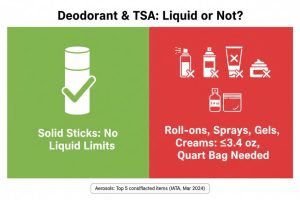
- Solid sticks? Totally cool. They’re not classified as liquids, so no need to worry about bagging them.
- Roll-ons? That’s where it gets tricky—these fall under liquid rules.
- Sprays and gels? Yep, those are full-on aerosols or gels, which means they’re regulated like other carry-on fluids.
So if your travel kit includes anything other than a solid stick, pop it into a quart-size bag. It’s just like dealing with foundation or sunscreen—texture matters more than label. And if you’re using custom packaging (like those offered by Topfeelpack), make sure it’s under 3.4 oz to stay compliant.
Liquids Defined: Understanding TSA’s Guideline Criteria
To figure out if your go-to product is labeled a “liquid for TSA,” you’ve gotta think beyond water content. Here’s how the agency breaks it down:
- If it can pour, smear, spritz, or ooze—it’s probably a liquid.
- That includes gel, cream, paste, foam, and spray formats of personal care items.
- Even semi-solid deodorants fall under this rule because they behave like liquids when pressure is applied.
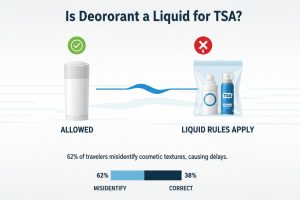
💡 According to IATA’s 2024 Travel Compliance Report, nearly 62% of travelers misidentify cosmetic textures during packing—leading to delays at checkpoints.
So yeah, that creamy natural deodorant you love? Probably needs to be under 100ml and tucked into your liquids bag.
Facts vs. Myths: Can You Take Deodorant on a Plane?
Let’s bust some common myths about flying with deodorant:
✔️ Solid deodorants = no restrictions ❌ Oversized sprays = confiscated ✔️ Travel-sized roll-ons = allowed (but must be in the liquids bag) ❌ “It’s organic” ≠ exemption from TSA regulations
Truth is, what matters most isn’t brand or ingredients—it’s form factor. Think of how you handle bottled soap; same logic applies here. If it’s squishy or spreadable? Treat it like shampoo or lotion when packing.
So next time someone asks “is deodorant considered a liquid for tsa,” hit ’em with the facts—and pack smart!
Types of Deodorant: What Is Liquid for TSA?
Quick heads-up: Not all deodorants are treated equally at airport security. Here’s how TSA breaks down what counts as a liquid and what doesn’t.
Solid Deodorants vs. Roll-On: The TSA Perspective
Solid deodorants? You’re golden. They glide through security screening without fuss because they’re not considered liquids under the liquid guidelines. But roll-ons? That’s another story:
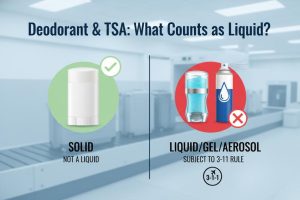
- Solid sticks are exempt from the 3-1-1 rule, so toss one into your bag without worry.
- Roll-ons, though, contain fluid and fall squarely under carry-on regulations.
- If it sloshes, smears, or oozes—it’s a liquid to TSA.
So if you’re still wondering “is deodorant considered a liquid for TSA,” the answer depends on its form. Stick = no problem. Roll-on = measure that bottle.
Spray Deodorants: Exploring TSA Liquid Limits
Sprays count as liquids—period. No matter how fine the mist or fancy the nozzle is, if it sprays, it’s subject to rules.
- Must be packed into containers no larger than 3.4 ounces.
- All spray cans must fit inside your quart-sized transparent bag.
- Aerosol cans can raise flags during security screening, so keep them accessible.
According to IATA’s March 2024 update, aerosol products like spray deodorants are among the top five toiletry items confiscated due to volume violations.
So next time you pack that body spray, double-check its size—or risk watching it hit the bin at security.
Gel Deodorants and Their Classification Under TSA Rules
Gel deodorants sit right on the edge—literally squishy but not quite pourable, yet still treated as liquids by TSA standards.
🟢 Think about gels like face creams; if you can smear it with your finger, it’s probably too fluid for exemption. 🟢 Anything resembling toothpaste texture? Yep—it falls under the TSA liquid guidelines. 🟢 Be sure it fits within your allowed travel-size container limit.
If you’re asking yourself again “is deodorant considered a liquid for TSA,” gel versions definitely are—no exceptions here.
Cream Deodorant: Is It a Liquid According to TSA?
Creams toe the line between solid and fluid—but don’t be fooled by their thick consistency; they’re still considered liquids by airport rules.
A quick visual breakdown:
| Type | Consistency | Container Limit | Needs Quart Bag |
|---|---|---|---|
| Stick | Solid | No limit | No |
| Cream | Semi-solid | ≤3.4 oz | Yes |
| Gel | Thick gel-like | ≤3.4 oz | Yes |
| Spray | Aerosol/liquid | ≤3.4 oz | Yes |
So yes—if you’re bringing cream deodorant through security and wondering “is deodorant considered a liquid for TSA,” assume yes unless it’s rock-hard solid.
Security officers won’t care how natural or artisanal your cream is—it still needs to follow those pesky carry-on regulations tied to liquids and pastes.
3 Key Points About Deodorant as a Liquid for TSA
Flying with deodorant? These three key details can save you time at airport security.
Understanding Packaging Types: What Matters for TSA?
When asking “is deodorant considered a liquid for TSA,” packaging makes all the difference:
- Solid sticks like traditional antiperspirants? Usually fine—TSA doesn’t treat them as liquids.
- Gels, creams, and roll-ons? Yep, those fall under the liquid limits, so they must follow the 3-1-1 rule.
- Spray deodorants? Even if they feel dry, they’re still aerosols—TSA counts them as liquids too.
So what’s the takeaway? If it can smear, spray, or pour—it’s probably a liquid in TSA’s eyes.
The Importance of Closure Types for Travel Safety
Closure types on containers may seem minor—but when it comes to carry-on baggage, they’re huge:
• A tight screw cap helps prevent leaks from pressure changes mid-flight—especially useful if your deodorant is a gel or spray.
• Flip-tops are convenient but risk popping open unless secured tightly in your quart-sized bag.
• Twist-up solids typically pose no issues unless paired with broken packaging that might crumble or leak residue into luggage.
Bottom line: A secure closure isn’t just about mess prevention—it can make or break whether your item gets flagged at screening.
How a Bottle’s Material Affects TSA Liquid Classification
Some travelers overlook how container material plays into whether deodorant types get flagged by TSA:
- Plastic squeeze tubes used for cream-based deodorants often meet resistance at checkpoints due to their shape and squeezability.
- Hard acrylic containers used for powder stick formulas usually slide through without issue—they’re clearly not liquid by nature.
- Metal aerosol cans raise more red flags—not just because of pressurization but also because they scream “liquid under pressure.”
If you’re wondering again, “is deodorant considered a liquid for TSA?”—remember it’s less about what it looks like and more about how it behaves when squeezed, sprayed, or smeared.
Confused About Liquid Rules? Know About Deodorant for TSA
TSA’s liquid rules can feel like alphabet soup. Let’s break down what counts, especially when it comes to your favorite deodorant.
Navigating TSA’s Liquid Rules: Tips for Travelers
When you’re packing your carry-on and wondering, “Is deodorant considered a liquid for TSA?” the answer depends on the type of deodorant you’re using. Here’s how it breaks down:
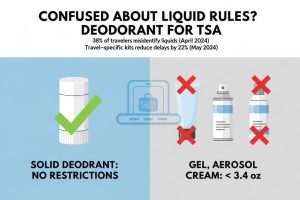
- Solid deodorants – These are not considered liquids or gels and can go in your bag with no size restrictions.
- Gel deodorants – Yes, these count as liquids under TSA rules and must be under 3.4 ounces if in a carry-on.
- Aerosol sprays, including spray deodorants – Also treated as liquids; keep them within the size limit and place them in your quart-sized bag.
- Cream or roll-on types – These fall into the liquid category too.
As of April 2024, data from the Transportation Research Board shows that over 38% of travelers still misidentify what counts as a liquid at airport security checkpoints—so you’re not alone!
If you’re unsure, toss it into your checked luggage or swap for a solid stick. Always double-check labels—if it squirts, spreads, or smears, it’s likely seen as a liquid by TSA.
Frequently Asked Questions About Deodorants and Liquid Regulations
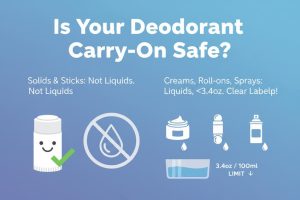
Confusion around “is deodorant considered a liquid for TSA” is totally normal—especially with so many product types on shelves today. Let’s clear up some common questions people ask before flying:
• Can I bring my regular drugstore spray? Yes—but if it’s over 3.4 oz, pack it in checked baggage.
• What about natural cream-based options? These are usually counted as liquids due to their texture.
• Do I need to remove my solid stick during screening? Nope! Solid sticks don’t need to be placed in your quart-sized bag.
According to IATA’s May 2024 survey on passenger compliance behavior, travelers who use travel-specific toiletry kits reduce screening delays by up to 22%. A quick tip: pre-pack compliant products like solid sticks or mini roll-ons—it saves time and avoids awkward bin shuffling at security.
So next time you’re heading out with that trusty tube of freshness, just remember—if it’s creamy, wet-looking, or comes out like paste or mist…TSA probably sees it as a liquid.
Is Your Deodorant Safe for Carry-On?
Worried about your deodorant getting flagged at TSA? Let’s break down what makes it carry-on friendly and how to fly without fuss.
Packaging Materials that Meet TSA Standards
If you’re wondering, “is deodorant considered a liquid for TSA?”—you’re not alone. The answer depends on both the formulation and packaging. Here’s what works:
- Cardboard tubes: Great for solid stick deodorants; eco-friendly and TSA-compliant.
- Plastic twist-up containers: Common in roll-ons and solids; must be under 3.4 ounces if semi-liquid.
- Aluminum cans or sprays: These count as aerosols; allowed in carry-ons only if they follow the 100ml/3.4oz rule.
- Glass jars or tubs: Usually used for cream deodorants; tricky but allowed under the volume limit.
- Squeeze tubes or pump bottles: Often used for gel types—definitely considered liquid makeup packaging by TSA standards.
The key is knowing which packaging keeps your product safe—and you stress-free—at security checkpoints.
Label Application Critiques: Are They Necessary?
When it comes to labeling, it’s more than just slapping on a name—it’s about clarity, compliance, and confidence at airport checks.
• Labels with ingredient lists help agents assess whether a product is a gel, cream, or spray—especially if it’s borderline between solid and liquid forms. • Think of screen printing like branding tattoos—it sticks around longer and ensures vital info doesn’t rub off mid-trip.
Some travelers argue labels are overkill, but when you’re standing barefoot at security with an agent holding up your deodorant asking “Is this a liquid?”—you’ll wish yours had clear instructions printed right on it.
Labels may not seem essential until they save you from tossing your favorite scent into the bin before boarding.
Choosing Travel-Friendly Deodorant Variants for Easy Carry-On
To avoid confusion at TSA checkpoints over “is deodorant considered a liquid for tsa rules,” choose wisely from these travel-happy options:
-
Solids & Sticks
- No mess
- Not classified as liquids
- Available in compact sizes
-
Creams & Pastes
- Considered liquids
- Must be packed under the 3.4oz limit
- Often come in small jars perfect for travel kits
-
Roll-ons & Gels
- Almost always treated as liquids by TSA
- Need to go in your quart-size bag
- Choose mini versions to stay compliant
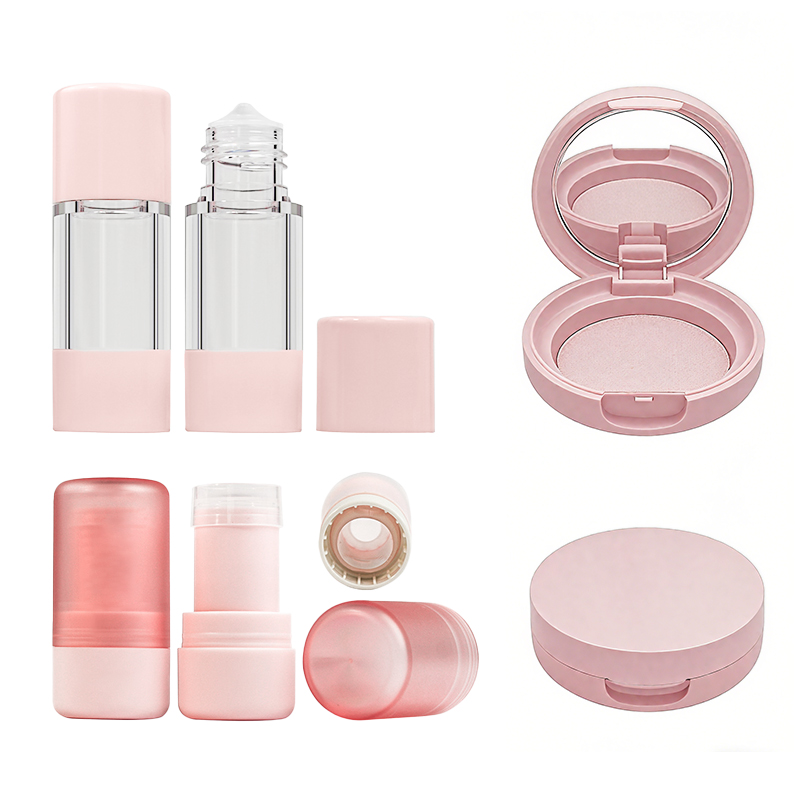
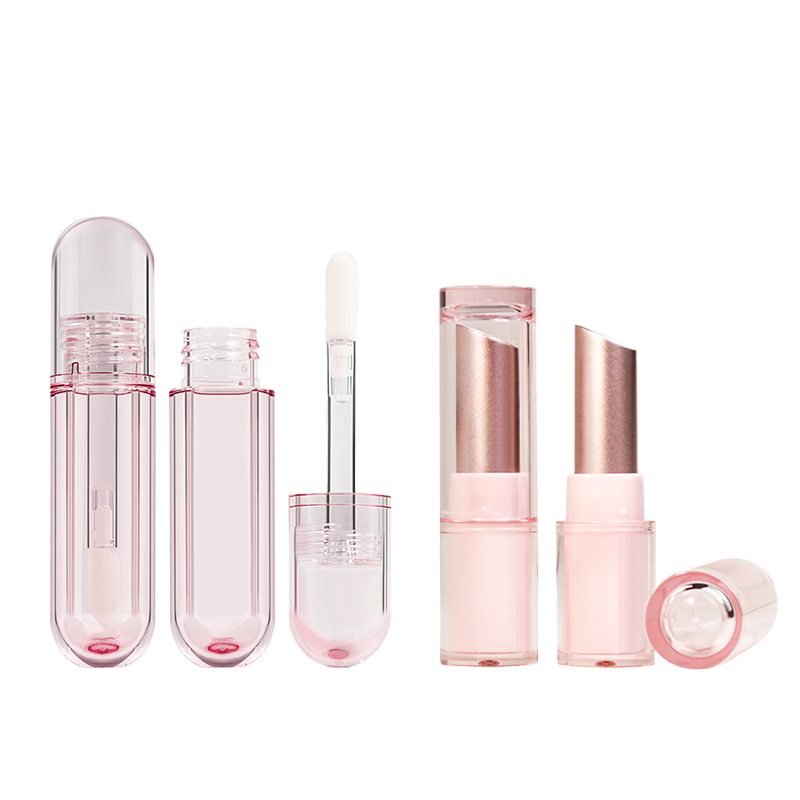
Some private label brands even design specific mini variants just to dodge these hassles—smart move if you ask us! For instance, some companies adapt their blush stick designs or lipstick tubes for solid balm products to ensure they are travel-ready.
Just remember, no matter how fancy the packaging looks, what matters most is whether it fits into that one-quart baggie without raising eyebrows at security.
FAQs about Is Deodorant Considered a Liquid for TSA
1. How do TSA agents classify different deodorant types at security?
- Spray deodorants, packaged like hair sprays in spray bottles, pulse through the “liquid” checkpoint.
- Gel sticks mimic face creams tucked in plastic jars—both bound by 3.4 oz limits.
- Solid sticks echo compacts with mirrors wholesale—passing the line without liquid constraints.
2. Does packaging material influence how my deodorant is treated?
Glass bottles for serum products or roll-ons betray a fluid nature that agents catch instantly; acrylic containers for powders resist such suspicion and glide past restrictions.
3. Which closure designs make air travel safer and more inspection-friendly?
Screw caps cradle both roll-on liquids and lotion creams firmly; flip-top caps on squeeze tubes grant easy use mid-flight; child-resistant closures guard metallic shade-sensitive beauty blends from accidents.
4. Why would solid stick forms be favored by frequent flyers over gels?
They arrive much like foundation makeup compacts for professional artists—no leaks, no TSA size checks—and stay travel-ready even under cardboard boxes meant to protect palettes stock.
5. When will cream-style formulas push your product into liquid regulation territory?
A cream sealed in aluminum tubes shimmers with lotion consistency, drawing parallels to highlighter makeup stored in squeeze tubes export lines destined for careful measurement during carry-on scans.
6. What design cues help private label brands satisfy compliance while attracting buyers?
Hot stamping metallic effects scream bold luxury to cosmetic retailers and beauty salons alike; screen printing crisp logos on pastel hues whispers everyday trust—each detail quietly assuring TSA-compliant capacity while seducing e-commerce stores eyeing vibrant colors displays.
References:
[TSA: Liquids Rule – https://www.tsa.gov/travel/security-screening/liquids-rule]
[TSA: Security Screening – https://www.tsa.gov/travel/security-screening]
[TSA: What Can I Bring? – https://www.tsa.gov/travel/security-screening/whatcanibring/all]
[IATA: Traveler Resources – https://www.iata.org/en/you-and-iata/travelers/]
[Transportation Research Board – https://www.nationalacademies.org/trb]

