 English (UK)
  English
  English (Australia)
  English (Canada)
  العربية
  Deutsch
  Italiano
  Español de México
  Tiếng Việt
  ไทย
ไทย  Português do Brasil
  Français
  Български
  Čeština
  Dansk
Dansk  Ελληνικά
  Eesti
Eesti  Suomi
Suomi  Magyar
  Bahasa Indonesia
  Lietuvių kalba
  Latviešu valoda
  Norsk bokmål
  Nederlands (Formeel)
  Polski
  Română
  Русский
  Slovenčina
  Slovenščina
  Svenska
  Türkçe
  Українська
  简体中文
简体中文  日本語
日本語  한국어
한국어  繁體中文
繁體中文 
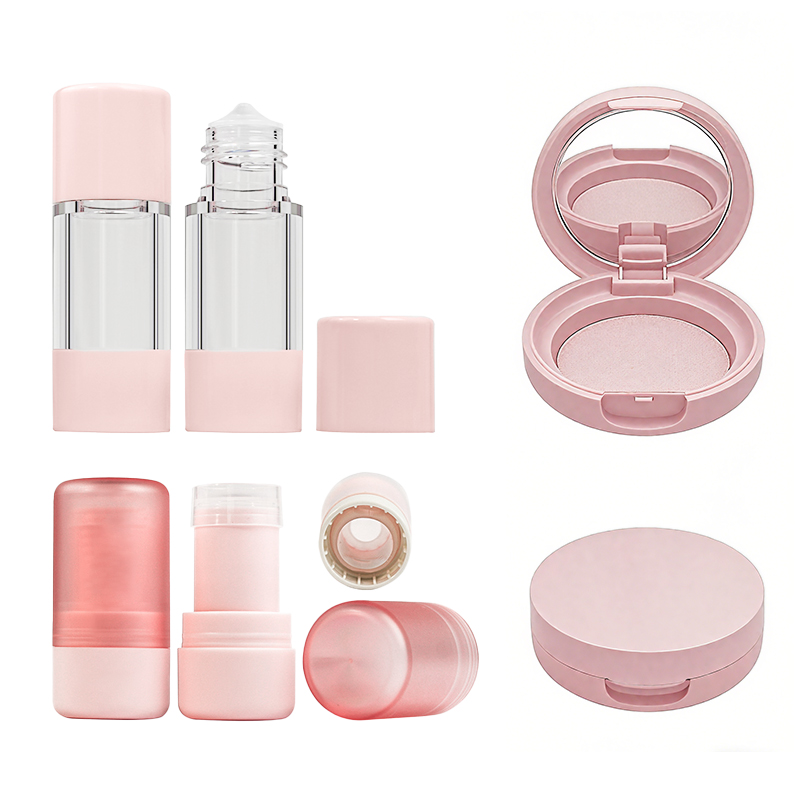
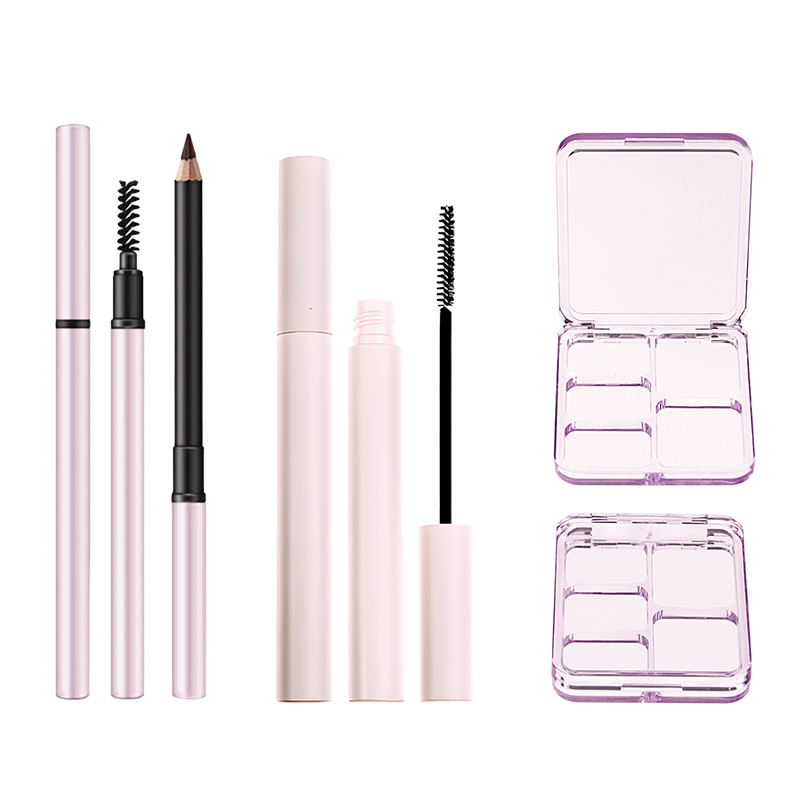
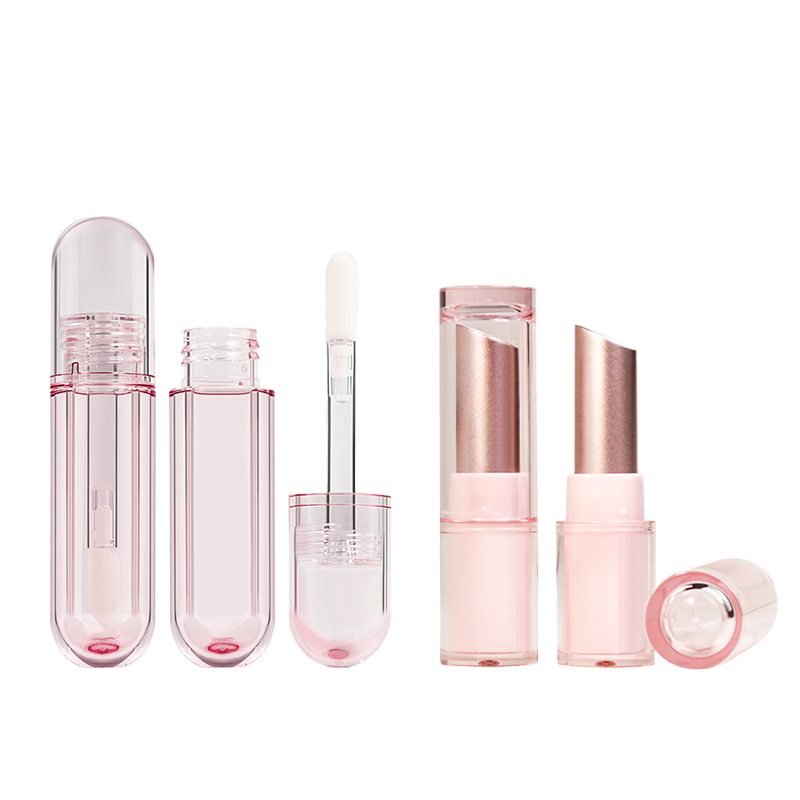

The Best Foundation Bottle for Liquid Formulations
November 28,2025
The right foundation bottle isn’t just packaging—it’s your brand’s first impression. Don’t let leaks or cheap looks ruin the romance.
Picture this: A sleek glass pump that doesn’t dribble down your customer’s fingers or turn their vanity into a crime scene. You’re not just bottling makeup—you’re bottling identity, consistency, and shelf appeal all in one 30ml masterpiece.

Swiss Design
Market Growth
According to Allied Market Research, global cosmetic packaging is projected to hit $55 billion by 2030—and foundation bottles are riding shotgun on that growth train.
So before you pick another stock option from a catalog thicker than a diner menu, know this: packaging isn’t decoration—it’s persuasion with threads of science.
Key Points for Picking the Perfect Foundation Bottle
Decide between a 30ml or 50ml foundation bottle based on product usage frequency, travel needs, and consumer expectations.
Glass offers luxury and stability; plastic and PET bring lightness and recyclability; acrylic ensures versatility; aluminum adds eco-style appeal.
Pump dispensers offer mess-free ease, while droppers provide precision—crucial depending on your target cosmetic formulation.
Amber bottles protect against UV degradation, while clear bottles allow consumers to see the shade inside—each influencing trust differently.
Silk screen printing creates a premium seamless look; UV coating boosts durability; labels add design flexibility at lower cost.
Round bottles feel classic in hand, square ones offer shelf distinction—both shaping brand perception from that first glance.
Refillable foundation bottles are gaining traction with eco-conscious buyers—and they’re building brand loyalty along the way.
Beauty Packaging Insights
Choosing The Right Foundation Bottle: Key Features To Consider
Making the right call on your foundation bottle setup can seriously level up your beauty game—here’s what to weigh before you pour.
Capacity Matters: 30ml vs. 50ml
The Portable Choice
- Portability: A 30ml bottle is compact, fits easily into makeup bags, and is ideal for travel or everyday carry.
- Storage Space: If your vanity’s already packed, that leaner 30ml silhouette saves room without skimping on style.
Choosing the Best Closure Type
Picking the right closure type isn't just about looks—it's about how you like to apply your base.
Pump Dispenser
A sleek pump dispenser keeps things clean and delivers consistent amounts with zero mess—great for fast-paced mornings when precision isn't top priority.
Dropper Bottle
The classic dropper bottle gives major control vibes—you can build coverage drop by drop without overdoing it.
Some folks even mix both depending on formula thickness. Remember—your choice affects not only application but also how long your product stays fresh.

Pump vs. Dropper
Color Psychology: Amber vs. Clear
An amber-toned bottle doesn’t just look earthy chic; it actually shields formulas from light exposure that could degrade active ingredients over time. That’s why skincare brands love them—they help preserve stability longer.
Clear bottles are perfect when showcasing exact shades is key, especially for sheer or color-correcting foundations where tone accuracy matters most at first glance.
According to Mintel's Beauty Packaging Trends, "Packaging transparency has become a consumer trust signal—especially among Gen Z buyers who demand visual proof of shade authenticity."
So ask yourself this—are you protecting formula longevity or prioritizing instant shelf appeal?
Surface Treatments
Surface finishes don’t just make a bottle pretty—they serve real-world purposes too.
UV Coating
- • Adds an invisible layer of protection against sun damage
- • Keeps sensitive ingredients from oxidizing
- • Ideal for natural or SPF-infused formulas
Silk Screen Printing
- • Durable branding that won’t rub off after repeated use
- • Feels luxe and tactile in hand
- • Perfect for high-end boutique lines
Frosted Glass
- • Gives off that premium matte vibe
- • Hides fingerprints while offering grip
- • Works well with minimalist designs
Topfeel offers customization across these treatments so brands can match their identity while enhancing durability—and yeah, it makes every swipe feel more elevated too.
Top 5 Foundation Bottle Materials And Their Benefits
Here’s a quick lowdown on the five most popular foundation bottle materials and why each one’s got its own fanbase.
1. Glass Bottle: The Premium Choice
Glass bottles are chemically inert, so they won’t mess with your formula. They are non-porous, keeping your product fresher longer.
"These bottles scream luxury—sleek, weighty, and shelfie-worthy."
- Great for oily or alcohol-based foundations.
- Often used in high-end cosmetic lines due to their visual appeal.
- Recyclable and reusable without degrading quality.
- Resistant to leaching, making them ideal for sensitive skin products.
The global beauty packaging report from Q1 2024 showed that over 35% of premium skincare brands shifted back to glass containers due to consumer demand for sustainable elegance.

2. Plastic Bottle: Lightweight & Eco-Friendly
Short bursts of why plastic works:
Ultra-lightweight
Travel-friendly
Flexible
Various shapes & sizes
Recycled Materials
PET or HDPE options
Usability Benefits
- Easy to squeeze
- Durable even when dropped
- Compatible with pumps or droppers
You’ll often spot these in drugstore aisles because they’re cheap but reliable.
Modern Sustainability
Plastic doesn’t mean “low-end” anymore—it means smart design with a lighter footprint. Newer versions are way more eco than you’d think—some are even biodegradable now!
3. Acrylic Bottle: The Versatile Solution
Acrylic bottles hit that sweet spot between classy looks and tough build.
Glass Mimicry
Clarity of glass, but won’t shatter if dropped.
Transparency
Perfect visibility without fragility.
Molding
Easy to mold into bold designs for feed-worthy unboxing.
4. PET Bottle: The Everyday MVP
PET is basically the MVP of everyday cosmetics packaging. It balances cost with performance.
- Affordable? Check.
- Tough as nails? Yup.
- Recyclable? Absolutely.
- Doesn’t crack under pressure (literally)
- Maintains product integrity over time
- Lightweight enough to toss into any bag
5. Aluminum Bottle: Sustainability Meets Modern Aesthetics
Aluminum is having a moment—and not just in soda cans. It gives off serious minimalist-chic vibes on any shelf.
100%
Recyclable
0%
Light Penetration
Antimicrobial
According to Euromonitor’s Beauty Packaging Trends 2024 report, aluminum container usage jumped by 21%, driven by Gen Z's preference for sleek sustainability.
The Final Verdict
So whether you're after durability, style points, or eco cred—there's a foundation bottle material out there that checks all your boxes.
The Role Of Foundation Bottle Packaging In Brand Perception
How your foundation bottle looks isn’t just about aesthetics—it shapes how buyers feel about the brand before they even try it.
The Influence of Bottle Shape: Round vs. Square
- Round bottles give off that timeless, soft vibe. They’re familiar, approachable, and often linked to comfort or tradition.
- Square bottles scream precision. They're clean-cut, edgy, and often associated with high-end or minimalist branding.
- Geometry influences shelf visibility—square forms align better in retail displays.
According to Mintel's Beauty Packaging Report, “packaging shape has surpassed color as the primary visual cue consumers use to identify premium products.”

Packaging Color & Consumer Choices
Sleek Luxury
Black packaging signals depth, mystery, and exclusivity. Consumers tend to associate it with upscale performance foundations. It is the color of authority and power in the beauty aisle.
Fresh Purity
White packaging implies cleanliness, simplicity, and skin sensitivity—a go-to for minimalist or organic beauty lines.
Quick Insight: Color psychology plays a massive role here.
A recent survey by Statista Beauty Insights shows:
| Color Choice | Association | Preference (%) | Brand Use |
|---|---|---|---|
| Black | Luxury/High Coverage | 62 | Premium brands |
| White | Clean/Natural Look | 38 | Organic lines |
Silk Screen Printing vs. Label Application
Integrates ink directly onto the bottle surface—resulting in a seamless look that feels permanent and polished. Consumers say silk screen finishes feel “more expensive.”
Best for: Established names wanting prestige vibes.
Labels are more flexible—you can swap out info fast for seasonal launches or limited editions without changing tooling or molds. However, they can be seen as "cheap" unless executed perfectly.
Best for: Indie brands testing new shades quickly.
According to Euromonitor International's Cosmetics Packaging Review: “Consumers increasingly equate tactile quality with product value—even before reading claims.”
So if your goal is instant shelf impact? Think beyond just what’s printed—how it's applied makes all the difference when choosing your next foundation bottle design.
Are Refillable Foundation Bottles The Future Of Packaging?
Refillable packaging isn't just a fad—it’s reshaping how we buy, use, and think about beauty products.
Environmentally Friendly Benefits
Less Waste
Less trash piling up in landfills? Yes, please. Refillable foundation bottles cut down dramatically on single-use plastics.
Eco Materials
Brands using eco-friendly materials for refills are helping reduce the overall environmental impact, from manufacturing to disposal.
Lower Emissions
More refill = fewer shipments = lower emissions = a smaller carbon footprint.

Reusing Smarter
It's not just about recycling anymore—it's about reusing smarter. With each refill, you're actively supporting resource conservation, not just passively tossing something into a blue bin.
The Ripple Effect
• You skip the guilt of tossing out another bottle.
• You save money over time.
• You feel good knowing your choice supports Sustainable Cosmetic Packaging.
The ripple effect is real—choosing reusable packaging encourages others to do the same, creating a community that values reduced waste and conscious buying habits.
Consumer Trends: Shaping Brand Loyalty
How Refillable Bottles are changing the game.
Shoppers today are savvy—they want more than flashy ads. They want brands with values. Offering refillable options boosts your brand’s image as one that supports sustainable choices.
It’s not just hype either; customers love the convenience and cost-effectiveness of reordering refills instead of rebuying entire products.
- A clear, consistent message about sustainability builds trust.
- Easy-to-use refill systems increase satisfaction and drive up those sweet repeat purchases.
- A strong eco angle gives brands an edge when it comes to winning over the ethically-minded crowd focused on ethical consumerism.
When you combine great product performance with responsible packaging, you’re giving folks more than makeup—you’re offering a meaningful connection that fuels long-term customer retention.
And let’s face it—when your favorite brand helps you save money and the planet? That kind of loyalty is hard to beat.
References
- Cosmetic Packaging Market Size & Industry Report | 2030 - Allied Market Research
- Global Beauty Packaging Trends | Mintel
- Top Trends Shaping the Beauty and Personal Care Industry in 2024 - Euromonitor
- Beauty and Personal Care Packaging in the US - Euromonitor
- The Role Of Color Psychology In Packaging Design - Partners + Hunt
FAQs
For most people, a 30ml bottle feels just right—it’s compact, easy to carry, and lasts long enough without going stale. If you’re someone who wears makeup daily or shares products in a professional setting, the 50ml version offers more mileage. And for artists or refill stations? That rare but mighty 100ml option gives you room to breathe.
-
-
Amber tones whisper protection; they shield delicate formulas from light and heat while giving off an apothecary vibe that says “this is serious skincare.”
UV coating doesn’t just protect—it keeps your branding crisp under pressure: no smudging, no fading. Silk screen printing brings texture into play; it invites touch before purchase. Hot stamping adds drama with glints of gold or silver—a flash of luxury that catches eyes even across an aisle.
Glass has gravity—it feels cool in your hand and signals quality from the first touch. But PET plastic wins points too: it travels well, resists shattering in chaotic handbags, and can be recycled again and again without losing its shape (or soul). The choice depends on what matters more—elegance or ease?
Yes—and not subtly either. When someone refills instead of tossing out their empty bottle, something shifts emotionally: loyalty deepens because now it’s personal. It’s not just about saving money or reducing waste; it becomes part of their ritual—a quiet nod to values shared between buyer and brand every single morning at the mirror.

