 English (UK)
  English
  English (Australia)
  English (Canada)
  العربية
  Deutsch
  Italiano
  Español de México
  Tiếng Việt
  ไทย
ไทย  Português do Brasil
  Français
  Български
  Čeština
  Dansk
Dansk  Ελληνικά
  Eesti
Eesti  Suomi
Suomi  Magyar
  Bahasa Indonesia
  Lietuvių kalba
  Latviešu valoda
  Norsk bokmål
  Nederlands (Formeel)
  Polski
  Română
  Русский
  Slovenčina
  Slovenščina
  Svenska
  Türkçe
  Українська
  简体中文
简体中文  日本語
日本語  한국어
한국어  繁體中文
繁體中文 
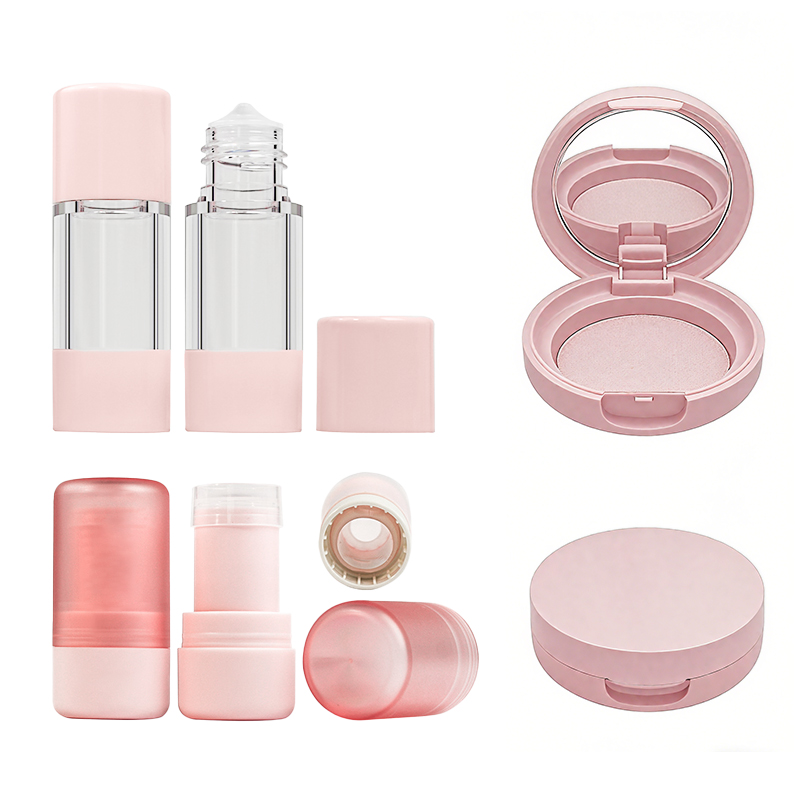
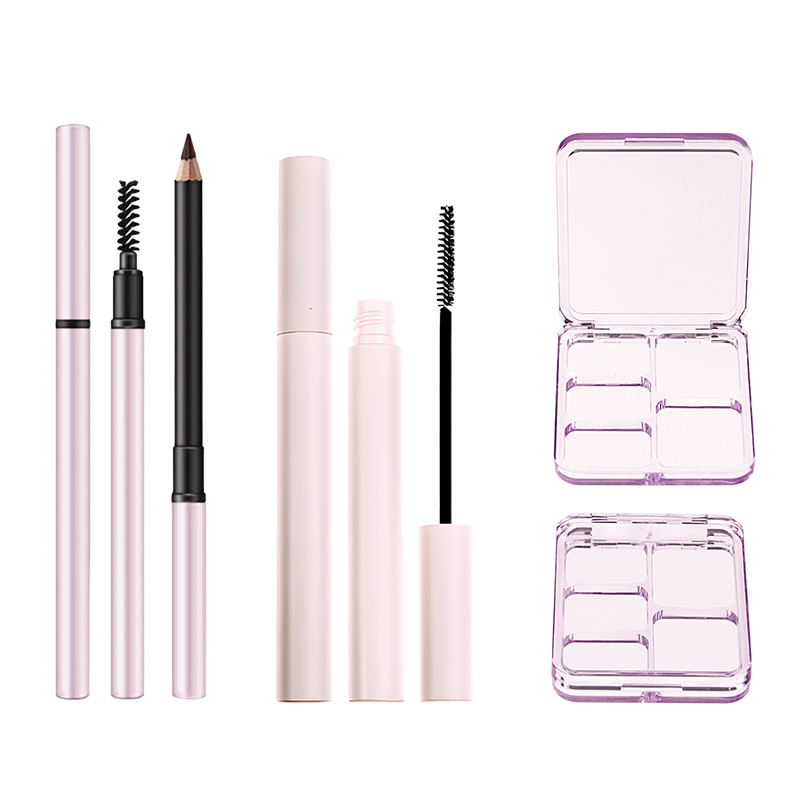
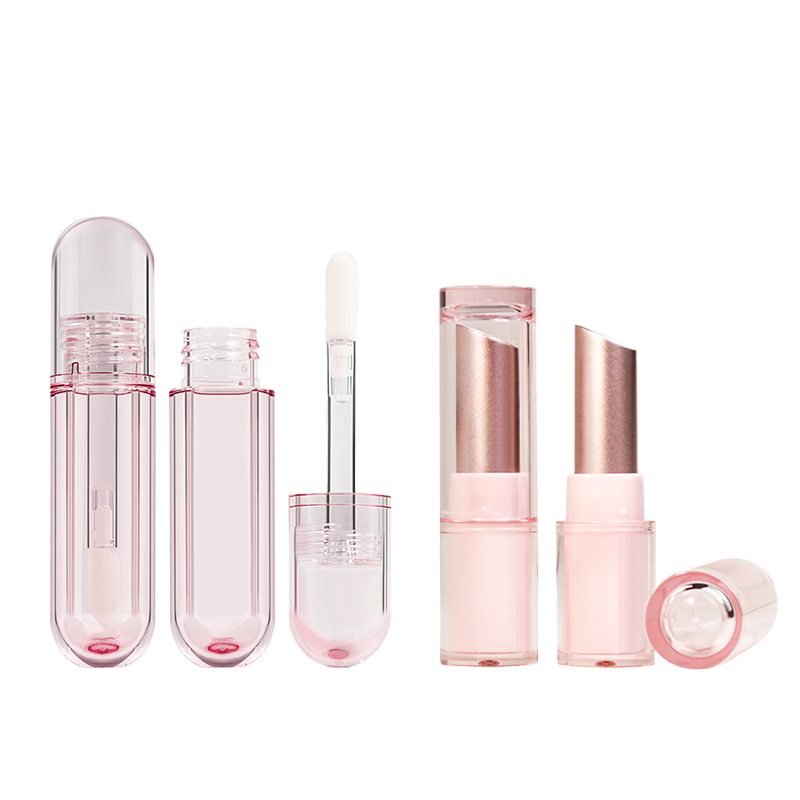

Empty Makeup Palette Review: Magnetic vs. Cardboard Case
August 12,2025
Packaging Review
Building a beauty line today is like crafting a Spotify playlist—you want total control, a clean look, and something your customers vibe with. That’s where the Empty Makeup Palette steps in. For brands and suppliers, it’s not just packaging—it’s a canvas. From eyeshadows to blush, offering refillable, build-your-own options has gone from niche to mainstream, and your palette choice can make or break the whole experience.

Material Showdown
There’s a lot riding on the material. Choose your fighter:
Magnetic palettes snap pans into place like a dream. They offer a premium, secure feel that professional makeup artists love. However, they might feel bulky compared to lighter alternatives and often involve mixed materials which can complicate recycling.
Cardboard cases win on cost and eco points. They are lightweight, often fully recyclable, and offer a canvas for high-quality printing. The downside? They sometimes miss the mark on durability over long-term use compared to rigid plastic or metal magnetic options.
“Consumers are smart—they want beauty that works for them and the planet.”
Bottom Line
You’ve got to match form with function. This guide breaks down both styles so you can source smart, sell confidently, and give your customers packaging that pulls its weight.
What Are Empty Makeup Palettes?
Empty makeup palettes are a go-to for organizing your favorite makeup pans in one place.
Definition & Purpose
At their core, these palettes are just that—empty! They let you fill them with colors you actually use, not the random shades you skip. This is especially appealing for pro artists and brands who want control over shade selection.

Common Types
Secure pans with a magnetic base, offering the ultimate flexibility for rearranging shades.
Super light, easy to design, and a solid pick if you're going green. Perfect for eco-conscious brands.
Strong, clean-looking, and built to last. These provide a premium feel and high durability.
Why They Matter for Bulk Buyers
In wholesale, flexibility means profit. With empty palettes, you can adapt seasonal collections, reduce waste, and keep production costs efficient—without sacrificing style.
Why Use Empty Palettes?
Empty makeup palettes aren’t just for organizing – they’re a business asset. Here’s why more bulk buyers and brand builders are turning to them as a core packaging solution.
Customization for Product Branding
Personalizing palettes gives brands a powerful edge in a crowded cosmetics market. From lamp shade design aesthetics to logo integration on palette lids, custom prints elevate brand identity.
Stand out on shelves with personalized shades
Reinforce brand identity with bespoke packaging finishes
Offer product differentiation without changing the formula
“Your packaging is the silent ambassador of your brand.”

Lower Refill and Packaging Waste
Empty palettes encourage reuse, aligning well with sustainable packaging strategies. In bulk supply chains, this means less waste, lower cost, and higher customer retention.
Here’s a quick comparison of refill-related savings (per 10,000 units):
| Packaging Type | Avg. Waste (kg) | Cost per Unit (USD) |
|---|---|---|
| Traditional compact | 410 | 0.88 |
| Refillable palette | 180 | 0.61 |
Suitable for Private Label Projects
Bulk buyers looking to create or expand a product line benefit big from OEM lamp shades and private label manufacturing options.
Pre-manufactured products that allow for incredibly fast market entry. You simply apply your branding to existing high-quality formulations and packaging.
Working directly with manufacturers can simplify compliance with regional regulations and make scaling production significantly easier as demand grows.
Ideal for brand partnerships and wholesale supply chains where consistency and volume are critical factors for success.
Honestly, if you're building a brand on a budget but want it to feel luxe, private label palettes are the cheat code. They give you premium presentation with low overhead. Win-win.
Comparison Guide
Magnetic vs. Cardboard: Basic Comparison
Choosing between magnetic and cardboard palettes? Here's a side-by-side deep dive—tailored for buyers sourcing large volumes and needing practical, scalable answers.
Storage Efficiency
Storage efficiency isn’t just about space—it’s about how well palettes survive stackability and transit stress.
Magnetic palettes tend to be slimmer, ideal for tight vertical stacking.
Cardboard types can be bulkier but lighter.
Cardboard’s fragility demands careful handling; magnetic palettes often hold up better under pressure, especially with plastic-reinforced fabric edges.

Cost Per Unit in Bulk Orders
Cost can make or break your buying strategy, especially for bulk inventory acquisition.
Usually cost less—$0.45 to $0.80 per unit at 10,000+ MOQ (Minimum Order Quantity).
Depending on magnet grade and casing, run $0.85 to $1.50 per unit. Ask your supplier for tiered quotes, factoring in shipping cost per kg.
“Don’t just look at unit cost. Ask how material choice affects damage during shipping.” — L. Tran, Global Packaging Specialist, BeautyTrade Asia
Note: Southeast Asian manufacturers often undercut EU-based ones by 20–30%.
Visual Appeal in Retail
Cardboard palettes offer full-bleed color printing, more shape options, and eco-friendly vibes. Perfect for brands focusing on sustainability and graphic art.
Magnetic palettes scream premium feel with matte or metallic textures, ideal for minimalist brands. The weight adds to the perceived value.
Consider lighting: light reflects differently off glossy cardboard than brushed aluminum.
Hot tip: Use warm-toned displays for cardboard; go cool LED for magnetic cases—it’ll make the finish pop.
Depotting Tools
No bulk order is worth it if your palettes don’t jive with depotting gear.
Magnetic: 100% depotting tool friendly. No adhesive layers.
Cardboard: May have glue/fasteners. Test with Z Potter.
Verdict: Magnetic = easy-peasy; Cardboard = needs patience.
Magnetic Palettes: How Do They Work?
Magnetic palettes are all about flexibility and clean design—but the real magic is in the specs and size matching. Let’s break it down.
Magnetic Base Plate Specifications
The base plate in magnetic palettes isn’t just for show—it’s where magnetic strength meets load capacity. High-quality base materials like tin or coated steel ensure consistent hold across varied pan weights.

Look for a smooth surface finish to prevent scratching.
Choose mounting types (fixed vs. removable) that suit your case design.
Operating temperature matters, especially in warmer climates or transport.
Metal Pan Size Recommendations
Alright, real talk—if your pan diameter and depth aren’t dialed in, you're in for a shaky ride. Most buyers stick to 26 mm standard pans, but hey, go wild if you’ve got the space.
Stick to coated pans—they grip better and clean up easier.
Use uniform material gauge for consistent stackability and branding.
Don’t forget heat—proper heat distribution can save product integrity when exposed to sun during shipping.
And remember, different pan depths = different volume capacities, so size up smartly if you’re offering cream-based refills!
Cardboard Palettes:
Design & Durability
Cardboard makeup palettes offer surprising durability and flexibility, especially when scaled for bulk buyers. Let’s break down what makes them viable for long-term, large-volume use.
Laminate vs. Raw Cardboard
The finishing layer on cardboard palettes isn't just for looks—it’s key to durability and texture.
Laminate finishes add a smooth, wipeable surface, perfect for professional use. They provide a premium feel and protect against minor spills.
Raw cardboard, while more eco-conscious, can absorb moisture and show wear. Bulk suppliers often recommend laminated designs for better shelf presence and longer product life.
Structural Integrity
Factors affecting longevity:
Crucial for reducing fatigue during shipping and daily handling.
Precision folding directly affects long-term durability and snap closure.
Consistent humidity or temperature changes can warp the base over time.
📌 Pro Tip
For long-haul exports, go for double-wall construction even if the cost ticks up slightly—it saves money in returns.

Water-Resistant Coating
Look, makeup and water don’t mix. So why risk cardboard damage?
“A hydrophobic finish doesn’t just protect your product—it protects your reputation.”
— Lydia Ng, GlamPak Logistics
— Lydia Ng, GlamPak Logistics
Polyurethane coatings = high resistance
Acrylic sealants = low-cost protection
Wax-based = eco-friendly but wears faster
Use coatings when shipping to humid regions or rainy climates.
Color & Print Customization
Bespoke is in. With digital printing and custom color palettes, brands can turn packaging into marketing.
High-res logos and pattern options
Pigmented inks for bold statements
Matte vs. gloss finish impacts shelf appeal
Buyers love the ability to match brand identity exactly—plus, it's eye candy on retail shelves.
Packaging Weight & Shipping
Here's where science meets shipping. A lighter cardboard palette reduces freight cost and carbon footprint.
| Material Type | Avg. Weight (g) | Cost Impact ($/1000 units) |
|---|---|---|
| Raw Cardboard | 120g | +0.18 |
| Laminated Cardboard | 145g | +0.26 |
| Double-Walled | 190g | +0.39 |
Always consider customs regulation limits and dimensional weight tiers when planning large-scale export.
Conclusion
Finally
The Verdict: Magnetic vs. Cardboard
Choosing between magnetic and cardboard empty palettes isn’t just a toss-up—it’s about matching your product line to your business vibe. If you're building a luxury feel or want customers to reuse and reorganize, magnetic cases bring that “pro kit” energy.
Cardboard, though? Lightweight, customizable, and easy on the wallet—perfect for fast-moving, large-volume orders.

Think of it like shoes
Magnetic palettes are your sturdy leather boots—long-lasting, sleek. Cardboard is your comfy sneakers—reliable, easy to replace.
“Good packaging isn’t about flash—it’s about function that speaks.”
— Kevin James Bennett
Ordering in bulk?
Go where your brand lives. High-end studio? Magnetic. Subscription boxes or promos? Cardboard’s your best friend.
FAQs
With good construction and a sturdy closure, yes. Most feel surprisingly solid in hand. Toss one in a kit bag and it’ll hold up fine—just don’t leave it sitting in a wet bathroom overnight.
Pan sizes can vary, but most common fits include:
- 26mm round pans (classic eyeshadow)
- 36mm for blush or highlighter
- Square or rectangular pans from indie brands
- Custom shapes in freestyle palettes
For sure. Most suppliers offer:
- Logo printing or foil stamping
- Custom layouts inside the case
- Branded outer boxes or sleeves
- Color choices that match your line aesthetic
Flexibility. Refill systems boost repeat sales, and magnetic palettes let customers rearrange or replace shades without tossing the whole thing. That kind of freedom? It builds loyalty.
Weight depends on materials used. Cardboard stays light and easy to ship. Magnetic ones add a bit more bulk, but nothing a padded box can’t handle. Shipping costs stay manageable, especially when packed efficiently.
Absolutely. Slim cardboard palettes work great for travel kits and beauty boxes. They’re light, customizable, and don’t drive up postage. Plus, there’s less heartbreak if one gets lost or dented.
Most suppliers start around:
- 100–200 units for simple cardboard palettes
- 300–500 for fully branded magnetic ones Some smaller vendors even offer trial runs or samples for testing.
Totally. Not just for eyeshadow—these cases hold:
- Blush
- Highlighter
- Contour shades
- Lip pans (if you like going old school)

