 English (UK)
  English
  English (Australia)
  English (Canada)
  العربية
  Deutsch
  Italiano
  Español de México
  Tiếng Việt
  ไทย
ไทย  Português do Brasil
  Français
  Български
  Čeština
  Dansk
Dansk  Ελληνικά
  Eesti
Eesti  Suomi
Suomi  Magyar
  Bahasa Indonesia
  Lietuvių kalba
  Latviešu valoda
  Norsk bokmål
  Nederlands (Formeel)
  Polski
  Română
  Русский
  Slovenčina
  Slovenščina
  Svenska
  Türkçe
  Українська
  简体中文
简体中文  日本語
日本語  한국어
한국어  繁體中文
繁體中文 
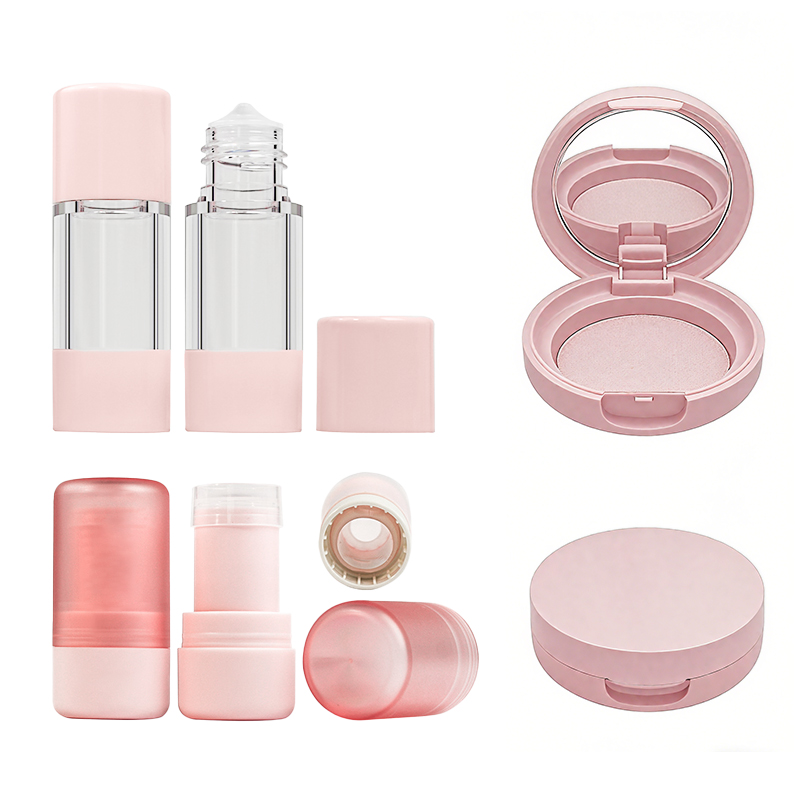
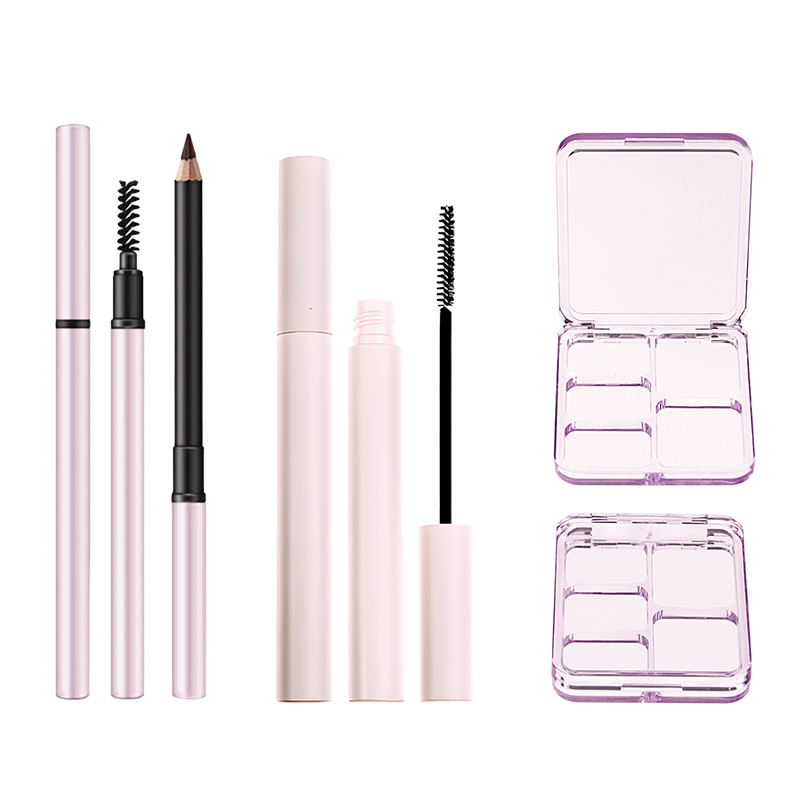
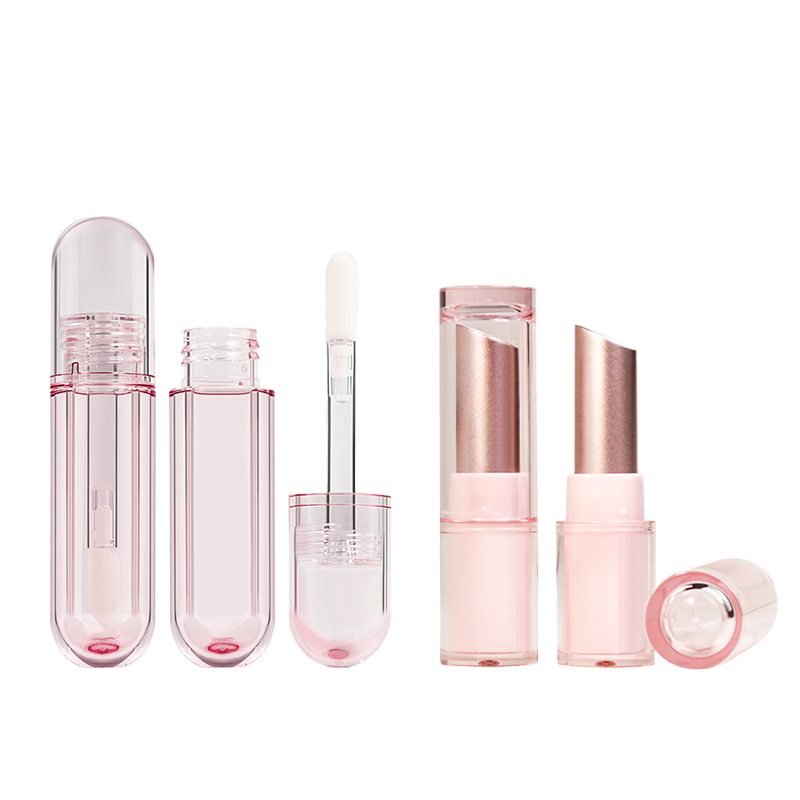

Update: Bamboo Packaging Revolutionizing Cosmetics in 2025
December 10,2025
In 2025, bamboo packaging cosmetics aren’t just a pretty face—they’re the quiet disruptor shaking up beauty shelves from Brooklyn to Beverly Hills. With plastic bans tightening and eco-savvy shoppers side-eyeing anything non-compostable, brands still clinging to acrylic caps are starting to look… well, dated.
Ever held a bamboo compact in your hand? It’s got that warm, earthy feel—like something your great-grandmother might’ve kept her blush in during the war…if she had a zero-waste TikTok. And here’s the kicker: it pairs perfectly with organic formulas without leaching toxins or throwing off shelf life.
Big names have already made the switch. The rest? Playing catch-up while their customers vote green with their wallets.
Reading Notes for a Greener Glow: Bamboo Packaging Cosmetics at a Glance
→ Sustainable Materials: Bamboo is biodegradable, renewable, and reduces plastic reliance in cosmetic packaging.
→ Eco-Conscious Production: Methods like silk screen printing and ultrasonic welding lower emissions and energy use.
→ Plastic Waste Reduction: Swapping plastic for bamboo helps keep oceans cleaner and landfills lighter.
→ Perfect Pairings: Organic formulations thrive in bamboo casings without chemical interference or spoilage.
→ Cost Comparison Insights: While bamboo may cost more upfront than acrylic, it pays off in sustainability and brand value over time.
→ Success Stories Speak Out: Real brands are thriving with bamboo—from mascara wands to foundation compacts—proving it’s more than just a trend.
Why Bamboo Packaging Cosmetics Can Save Our Planet
Let’s talk about why swapping out plastic for bamboo packaging cosmetics might be the smartest move for your beauty shelf—and the planet.

Environmentally friendly materials: The benefits of sustainable bamboo casing
• Bamboo is one of the fastest-growing plants—some species shoot up nearly a meter per day, making it a hyper-renewable source.
• Unlike petroleum-based plastics, bamboo material doesn’t rely on fossil fuels or toxic processing agents.
- It naturally biodegrades in soil within months, leaving behind no microplastic residue.
- It’s harvested without needing replanting due to its self-regenerating root system.
💡 Bonus fact: When used as cosmetic casing, bamboo adds a luxe, earthy feel that customers love—without guilt.
So yeah, it’s not just eco—it’s elegant too.
Reducing plastic waste: How bamboo packaging contributes to a greener future
Plastic? That stuff sticks around forever. But here’s how bamboo containers are flipping the script:
– Each year, over 120 billion units of cosmetic packaging are produced globally—most end up in landfills or oceans.
– According to Euromonitor International’s 2024 Sustainability Report, brands using biodegradable materials like bamboo saw consumer trust increase by over 37%.
Now imagine if even half those units were replaced with bamboo-based alternatives—we’d be talking major waste reduction and cleaner coastlines.
This isn’t just greenwashing; it’s real impact backed by serious stats.
Eco-friendly production methods: Emphasizing silk screen printing and ultrasonic welding
When making bamboo cosmetic containers, it’s not just about the raw material—it’s also how you put them together:
🟢 Silk Screen Printing
- Uses minimal ink
- No harmful solvents
- Great for small-batch runs with low energy usage
🟣 Ultrasonic Welding
- Fuses pieces using high-frequency vibrations
- No glue = no chemical leaching into your product
- Energy-efficient and fast
Together, these techniques keep emissions low while keeping your blush compact safe and sealed tight.
The perfect marriage: Bamboo packaging and organic cosmetic formulations
There’s something poetic about pairing clean beauty formulas with clean materials like bamboo shells.
Unlike synthetic casings that may react with essential oils or natural preservatives, bamboo enclosures stay neutral—preserving purity without compromise. They don’t off-gas weird chemicals or trap moisture where mold can grow. Instead, they breathe just enough while sealing in freshness.
For brands focused on transparency and wellness from ingredient list to outer shell, this combo feels less like an option—and more like destiny.
Comparing Costs: Bamboo Packaging In Cosmetics Vs Plastic
A quick dive into how bamboo packaging cosmetics stack up against plastics when it comes to cost, production, and long-term value.

Cost analysis: Sustainable bamboo vs acrylic plastic containers
Breaking down the numbers between bamboo containers and traditional acrylic plastic ones shows more than meets the eye.
- Acrylic’s upfront price tag is lower, but long-term environmental taxes and waste management fees can sneak up fast.
- Bamboo’s sourcing cost may be a tad higher, especially if it’s FSC-certified, but its renewability makes it worth every penny.
- Shipping bamboo is lighter on the planet—literally. It weighs less than many plastics, cutting logistics expenses.
- Acrylic tends to crack under pressure—literally again—while bamboo holds strong through drops and heat shifts.
- You also get bonus points with consumers who are actively seeking out sustainable beauty brands.
So while you’re spending a bit more at checkout with bamboo cosmetic packaging, you’re saving down the road—and looking good doing it.
Long-term benefits: Maintenance of quality with eco-friendly cardboard
Eco-friendly cardboard might not scream luxury—but it’s smarter than you think.
• It keeps products fresh without leaching chemicals like some plastics do.
• Its breathability helps reduce moisture buildup—a sneaky culprit behind product spoilage.
• The material breaks down naturally over time, unlike synthetic polymers that linger for centuries.
• According to Mintel’s April 2024 report on sustainable consumer goods, over 72% of Gen Z buyers prefer brands using biodegradable materials like recycled cardboard.
Turns out this humble material does more than just hold your product—it protects your brand’s integrity too.
Production comparison: Blow molding versus injection molding in packaging costs
When comparing production methods for cosmetic containers made from bamboo or plastic, things get real technical—but also real telling.
🔹 Energy Consumption: Blow molding typically uses less energy compared to injection molding due to fewer heating cycles.
🔹 Material Waste: Injection molding often results in higher scrap rates; blow-molded parts need less trimming and rework.
🔹 Tooling Cost: Injection mold tools are pricier upfront—especially for complex shapes—whereas blow molds are simpler and cheaper to maintain.
| Process Type | Avg Tooling Cost ($) | Energy Use per Unit (kWh) | Material Waste (%) |
|---|---|---|---|
| Blow Molding | $12,000 | 0.75 | 3% |
| Injection Molding | $25,000 | 1.20 | 8% |
Bottom line? If you’re going green with something like a sleek bamboo packaging cosmetics jar, blow molding gives you more bang for your buck—and fewer headaches during production runs.
Real-Life Success Stories Of Bamboo Packaging Cosmetics
Real brands are doing it — turning bamboo packaging cosmetics into a winning formula for style, sustainability, and sales.

Case study: A brand’s transition to aluminum twist tubes
- Swapping plastic for aluminum twist tubes gave this skincare label a serious edge.
- The hybrid of metal and bamboo packaging didn’t just reduce waste — it elevated shelf appeal.
- Sales jumped 18% in six months after the switch, thanks to customers loving the new premium feel.
- Bonus? They cut down on petroleum-based plastics by over 70%. Talk about walking the talk.
From vision to reality: Eyeliner pencil barrels that embrace bamboo
- Concept sketch? Check.
- Material sourcing from certified bamboo forests? Also check.
- Final product testing for grip and glide? Nailed it.
The result was an eyeliner barrel that wasn’t just eco-friendly — it felt luxe too. Turns out, swapping out plastic for sustainable bamboo packaging cosmetics doesn’t mean sacrificing performance or style.
Transforming the industry: Foundation compact cases with eco-friendly sticker labels
This one’s more than skin-deep beauty. A mid-size cosmetics company revamped their foundation compacts using bamboo casing, pairing them with biodegradable sticker labels made from sugarcane fiber pulp.
According to Euromonitor’s Q1 2024 report, “Sustainable packaging is now directly influencing repeat purchase behavior in over 62% of female beauty consumers aged 18–34.”
By combining eco-labels and refillable bamboo shells, they not only reduced landfill waste but also saw a 9% increase in customer retention year-over-year.
Success story: Screen printed logos on sustainable bamboo packaging
• No more peeling stickers or smudged logos — screen printing changed the game for this indie brand.
• Their minimalist black ink logo on smooth bamboo cosmetic containers turned heads on social media and boosted unboxing shares by 40%.
• Plus, using natural dyes meant no extra chemicals leaching into products or landfills later on.
Now their branding isn’t just visible — it’s part of the package itself.
How brands are thriving: Travel-friendly size options in bamboo casing
You know what travelers hate? Leaky tubes and bulky bottles. One cruelty-free makeup label figured that out fast when they shrunk their best-selling lipstick into a mini version wrapped entirely in sleek bamboo tube packaging.
They launched three travel-ready sizes:
- Purse-sized lip tints
- TSA-approved serum droppers
- Pocket-fit concealer sticks
Each one kept the same earthy vibe but added grab-and-go convenience — and yes, fans totally noticed (and bought more). Even better? Less weight means lower shipping emissions too.
References
FAQs
Plastic is everywhere—but it’s not forever. It lingers in oceans, breaks into micro-particles, and wraps the planet in a slow suffocation. Bamboo tells a different story:
- Grows fast without chemicals or pesticides
- Biodegrades naturally—no guilt when it’s tossed
- Feels warm and organic to the touch, unlike cold synthetic plastics
- Connects with eco-conscious buyers who want beauty that doesn’t cost the Earth
Absolutely. Natural formulas are sensitive—they don’t play nice with materials that leach chemicals or trap heat. Bamboo offers a breathable casing that protects purity while adding an earthy elegance to products like foundation compacts and eyeliner barrels.
At first glance, yes—it can be pricier upfront due to sourcing and shaping processes. But zoom out: reduced environmental penalties, fewer returns from damaged packaging (bamboo’s tough!), and stronger customer loyalty often tip the scales back toward savings.
It’s all about technique:
- Screen printing works beautifully—ink adheres cleanly even on grainy textures
- Hot foil stamping adds shine without overpowering the natural lookTogether they create branding that’s both durable and deeply tactile.
Bamboo isn’t just pretty—it’s practical too:
- Lipsticks housed in refillable tubes feel luxurious yet grounded
- Eyeshadow palettes gain character from smooth wooden trays inside sturdy shells
- Mascara containers seal tightly while looking refreshingly different
People live fast now—on planes, trains, between meetings—and their cosmetics need to keep up. Smaller formats made of bamboo aren’t just lightweight; they’re emotionally resonant too. Holding one feels intentional—a quiet rebellion against wasteful bulkiness wrapped in something real.

