 English (UK)
  English
  English (Australia)
  English (Canada)
  العربية
  Deutsch
  Italiano
  Español de México
  Tiếng Việt
  ไทย
ไทย  Português do Brasil
  Français
  Български
  Čeština
  Dansk
Dansk  Ελληνικά
  Eesti
Eesti  Suomi
Suomi  Magyar
  Bahasa Indonesia
  Lietuvių kalba
  Latviešu valoda
  Norsk bokmål
  Nederlands (Formeel)
  Polski
  Română
  Русский
  Slovenčina
  Slovenščina
  Svenska
  Türkçe
  Українська
  简体中文
简体中文  日本語
日本語  한국어
한국어  繁體中文
繁體中文 
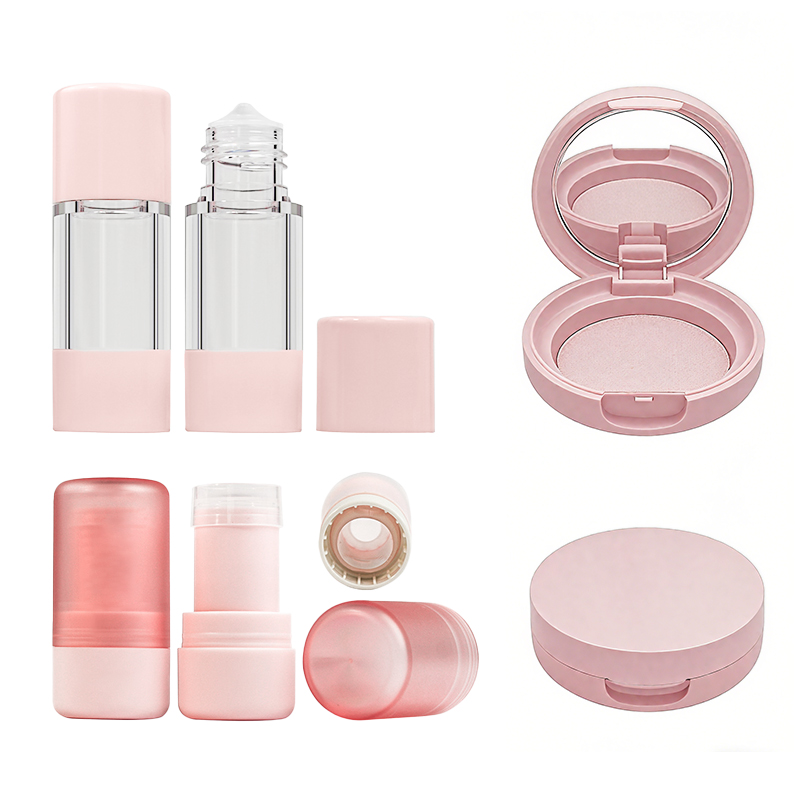
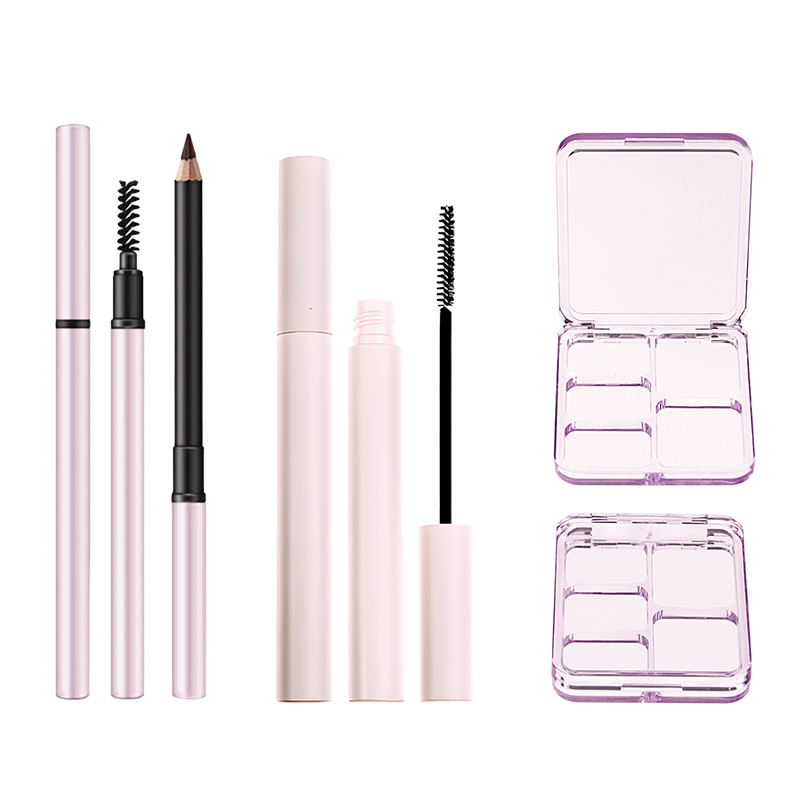
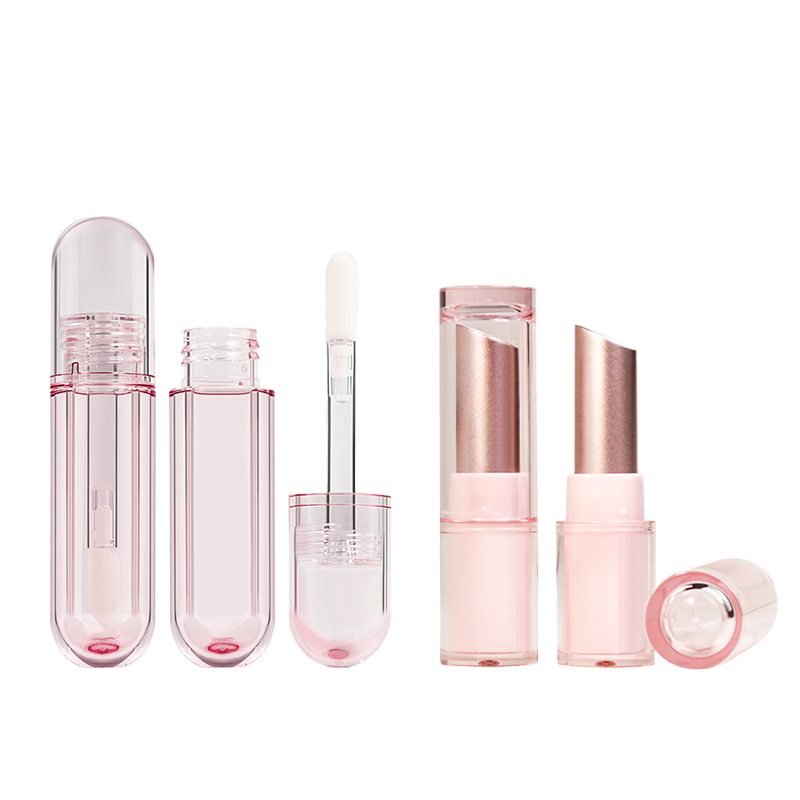

The Ultimate Guide to the Empty Bottle with Brush Applicator
March 16,2026
An empty bottle with brush applicator looks harmless—until a loose neck finish floods a shipment or a flimsy wiper turns your premium formula into a sticky mess. In beauty manufacturing, packaging isn’t window dressing; it’s the bouncer at the door, guarding quality and brand reputation. One bad batch, and suddenly your “luxury launch” feels like a yard sale find.
Procurement teams know the drill: specs that don’t line up, brushes that splay after a few dips, caps that won’t seal tight on the line. Money leaks faster than the product. Grand View Research reported in 2025 that cosmetic packaging demand keeps climbing alongside indie brand growth—meaning competition is fierce and shelf presence is make-or-break.
“Precision in molding and brush fit decides repeat orders,” says a 2025 Topfeelpack senior engineer. That’s the difference between smooth scaling—and putting out fires.
Symphony of Solutions: Empty Bottle With Brush Applicator Guide
➔ Capacity & Viscosity: Match bottle size and neck finish to formula thickness for smooth dosing.
➔ Closure & Wiper Fit: Pair the right cap (screw, snap-on, child-resistant) with a precise wiper insert to prevent leaks.
➔ Material & Sustainability: Opt for PET, PP, or glass with recycled content and refillable design for eco-friendly appeal.
➔ Precision Manufacturing: Rely on injection and blow molding plus strict QC for consistent neck finishes and brush alignment.
How To Choose The Right Empty Bottle With Brush Applicator
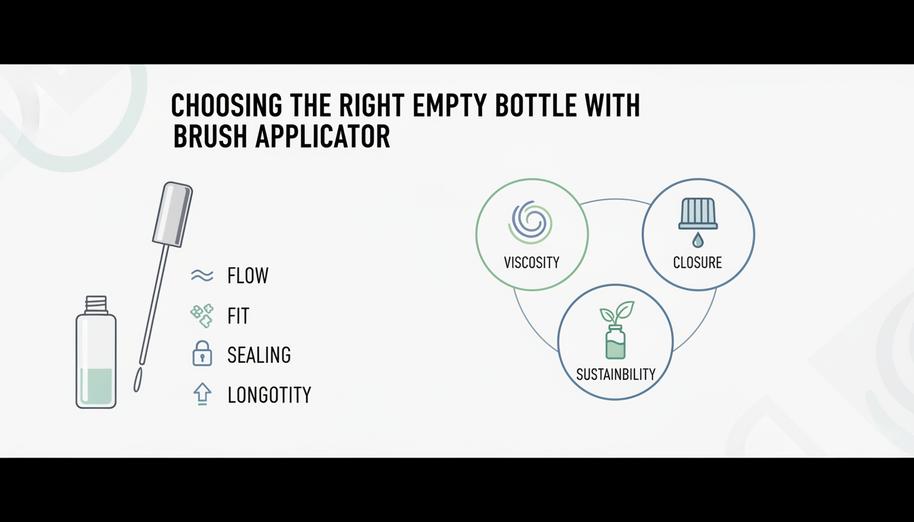
Choosing the right empty bottle with brush applicator isn’t just about looks. It’s about flow, fit, sealing, and long-term use. A smart pick keeps formulas smooth, waste low, and users happy.
Matching Bottle Capacity to Your Product Viscosity
When pairing bottle capacity with product viscosity, think beyond size. Texture drives everything.
- Thick gels and adhesives demand tighter neck finishes.
- Light oils need steady flow rate control.
- Watery serums react to subtle shifts in liquid density.
To make the right call:
-
Assess your formula
- Check product viscosity under room and elevated temperatures.
- Measure flow rate during brush loading.
-
Define usage habits
- Daily cosmetic touch-ups need compact bottle capacity.
- Professional kits may require larger fill volumes for extended application needs.
-
Review storage factors
- Long shelf cycles impact storage requirements.
- Air exposure affects oxidation speed.
An empty bottle with brush applicator for nail gel differs from a lash serum container. Viscous formulas prefer reinforced shoulders and narrow orifices. Lower liquid density products move easily in PET or glass. The right cosmetic brush bottle keeps dosing steady without flooding the brush.
Balancing Closure Mechanisms and Wiper Insert Efficiency
A smooth user experience depends on how the closure mechanism works with the wiper insert. One without the other? Messy.
Consider this layered approach:
-
Cap Selection
-
Screw caps
- Offer strong leak prevention
- Support tamper resistance
-
Snap-on caps
- Improve ease of use
- Fit lightweight formulas
-
-
Wiper Calibration
- Tight wipers enhance dispensing control
- Flexible materials improve material compatibility
-
Seal Performance
- Align thread tolerance with applicator seal pressure
- Test repeated opening cycles
A balanced empty bottle with brush applicator ensures the brush wipes clean each time. Too tight, and users struggle. Too loose, and excess formula collects at the neck. A reliable brush applicator bottle feels controlled, clean, and predictable.
Prioritizing Refillable Design and Recyclable Materials
Sustainability now shapes buying choices. An empty bottle with brush applicator should support refillable design without sacrificing durability.
Here’s how to think it through:
-
Material Choice
-
PET
- Lightweight
- Strong recyclable materials profile
-
PP
- Good chemical resistance
-
Glass
- High longevity
- Premium feel
-
-
Structural Planning
- Modular caps allow easy refill swaps
- Separable components improve material composition sorting
-
Environmental Goals
- Reduce virgin plastic use
- Support measurable environmental impact reduction
A refill-ready empty brush bottle lowers waste over time. Eco-friendly packaging isn’t hype; it’s tied to real purchasing shifts. Designs that extend product longevity while maintaining brush hygiene stand out.
In short, the right bottle with applicator brush blends smart material decisions with real-world use, giving your formula a cleaner footprint and a longer life cycle.
5 Key Parameters That Determine Bottle Brush Applicator Quality
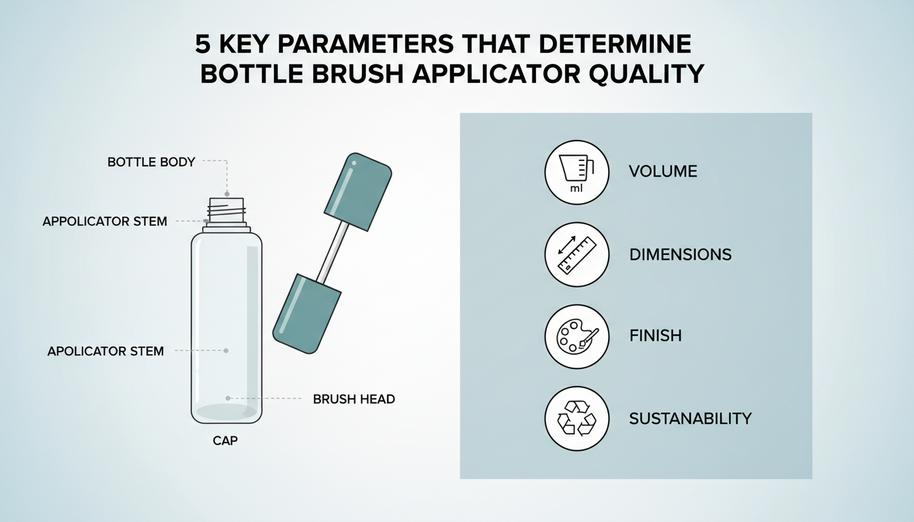
Choosing the right empty bottle with brush applicator sounds simple, yet tiny details can make or break user experience. From bottle volume to cap sealing, every spec shapes performance, shelf vibe, and safety. Let’s break down what really counts.
Bottle Capacity and Overall Height Considerations
When selecting an empty bottle with brush applicator, size affects more than looks.
- bottle volume impacts refill cycles
- container size shapes shipping cost
- height dimension influences shelf display
For cosmetic brands using an empty bottle with brush applicator, balance matters:
- Define ideal product volume for daily use
- Match overall dimensions to retail cartons
- Confirm storage space efficiency
Below is a practical comparison for common formats:
| Bottle Volume (ml) | Height Dimension (mm) | Dispensing Volume (ml/use) |
|---|---|---|
| 5 | 65 | 0.05 |
| 8 | 78 | 0.06 |
| 10 | 92 | 0.07 |
| 12 | 105 | 0.08 |
| 15 | 118 | 0.09 |
A well-proportioned empty bottle with brush applicator feels natural in hand and avoids wasted formula.
Brush Length and Wand Diameter: Finding the Sweet Spot
Application comfort starts here.
- Ideal bristle length improves control
- Balanced wand thickness supports grip
- Proper stem diameter fits the neck finish
For smoother coverage:
- Adjust applicator length to formula viscosity
- Fine-tune bristle density for even pickup
- Test application precision across lash or nail surfaces
Too thick? Messy. Too thin? Weak pickup. The sweet spot boosts coverage area without overload. A high-quality brush bottle applicator should glide, not fight.
Screw Cap vs. Child-Resistant Cap Seal Performance
Cap choice affects closure integrity and long-term freshness.
Screw Cap
- Easy twist
- Strong resealability
- Reliable leakage prevention
Child-Resistant Cap
- Enhanced child safety
- Built-in tamper evidence
- Reinforced cap sealing
According to Grand View Research (2025 update),
“Child-resistant cosmetic closures are seeing increased demand as regulatory compliance tightens globally, particularly in liquid beauty formats.”
For nail polish or eyeliner in an empty bottle with brush applicator, airtight design prevents evaporation and protects formula stability. Brands like Topfeelpack focus on sealing tests to ensure zero leakage during transit.
Clear Finish, Matte Finish, or UV Coating Aesthetics
Surface choices shape brand presentation fast.
- Clear = strong product visibility
- Matte = soft tactile feel
- UV coat = added UV protection
A frosted surface finish can elevate perceived value overnight. Add scratch resistance, and the bottle keeps looking fresh on crowded shelves. That’s why many empty brush applicator bottles now combine coating layers for durability and style.
Recycled Content and Biodegradable Plastic Certifications
Sustainability is no longer optional.
Key checks include:
- Percentage of recycled plastic in material composition
- Verified biodegradable certification
- Compliance with global sustainability standards
Eco-driven buyers look closely at material sourcing and total environmental impact. Topfeelpack integrates certified eco-friendly materials into its empty bottle with brush applicator range, helping brands meet green goals without sacrificing design.
Smart specs. Clean sealing. Responsible materials. That’s how an empty bottle with brush applicator earns its keep.
Empty Bottle With Brush Applicator Manufacturing Process Explained
An empty bottle with brush applicator may look simple, yet a lot goes on behind the scenes. From shaping the bottle to fitting the brush and sealing it tight, every move counts. If you’re sourcing an empty bottle, a bottle with brush, or a brush applicator bottle for cosmetics, here’s how it all comes together.
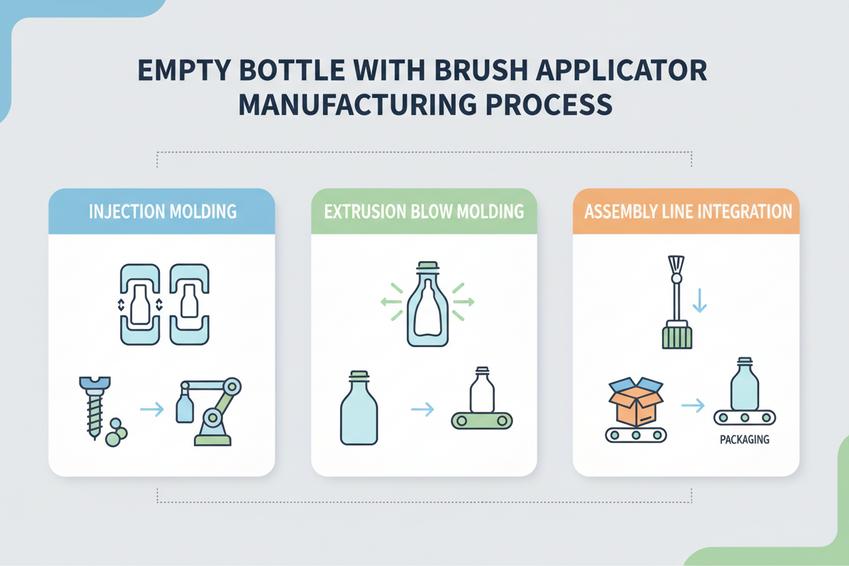
Injection Molding for Consistent Neck Finish Sizes
To build a reliable empty bottle with brush applicator, the neck finish has to be spot on.
-
Core equipment includes:
- Injection molding machine
- Precision mold cavity
- High-grade plastic resin
- Closed-loop cooling system
- Calibrated ejection mechanism
- Resin feeds into the barrel.
- The heated melt fills the mold cavity.
- The cooling system stabilizes shrinkage.
- The ejection mechanism releases the preform with exact neck finish diameter and defined thread specifications.
Key control points:
-
Neck accuracy
- Diameter tolerance
- Thread depth
-
Cap compatibility
- Torque fit
- Seal compression
| Parameter | Target Value | Tolerance | Impact |
|---|---|---|---|
| Neck finish diameter | 18 mm | ±0.05 mm | Cap sealing |
| Thread pitch | 2.5 mm | ±0.03 mm | Smooth closure |
| Cooling time | 12 s | ±1 s | Dimensional stability |
This precision ensures every empty bottle with brush applicator closes smoothly without leaks.
Extrusion Blow Molding of Lightweight Packaging Bottles
The bottle body forms through coordinated stages:
- Raw material enters the extrusion die.
- A molten tube forms under controlled parison control.
- The tube drops into the blow mold.
- Compressed air expands it to shape.
- Internal cooling channels lock in form.
Critical checks include:
- Bottle weight consistency
- Wall thickness uniformity
- Surface clarity
For brands needing a lightweight empty bottle with brush applicator, stable parison control prevents thin spots and warping. A well-balanced bottle with brush applicator also improves shelf appeal and shipping safety.
Assembly Line Integration of Fine-Tip Brush and Cap
Assembly moves fast but stays precise.
Core integration elements:
-
Automated assembly
-
Brush preparation
- Brush filament trimming
- Ferrule crimping
-
Cap fitting
- Internal cap threading
- Controlled torque control
-
-
Alignment testing
- Brush placement accuracy
- Production speed calibration
The wand slides into the bottle with brush. The wiper regulates dosage. Torque is checked again before final packing. This keeps each empty bottle with brush applicator consistent, batch after batch.
Quality Control: Tamper-Evident Seal and Wiper Insert Checks
Final inspection protects product integrity.
-
At the inspection station:
- Tamper-evident band pull strength
- Wiper insert compression fit
- Leak testing under pressure
- Dimensional verification
- Visual inspection
- Functional testing
Quality flow:
- Seal integrity test.
- Vacuum or pressure-based leak testing.
- Height and thread gauge measurement.
- Random torque recheck.
A cosmetic brush bottle that passes all tests is ready for labeling. Manufacturers like Topfeelpack focus on these tight controls so every empty bottle with brush applicator meets market expectations without drama.
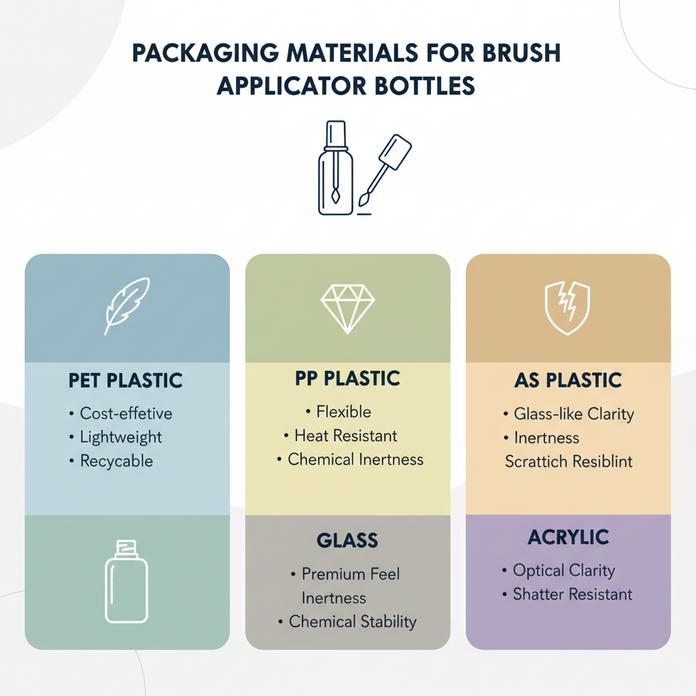
Empty Bottle + Brush Applicator: Materials Compared
Choosing the right material for an empty bottle with brush applicator is not just about looks. It shapes durability, feel in hand, and formula safety. From plastic gloss tubes to luxe glass serum packs, each option gives a different vibe. Let’s break down what works best for your empty bottle, brush applicator, and full packaging game.
PET Plastic
When building an empty bottle with brush applicator using PET, performance and cost meet in a sweet spot.
-
Core Material Traits
- Transparency keeps lip gloss shades visible.
- Lightweight handling suits travel-size empty bottles.
- Durability protects against drops.
- Recyclability supports eco messaging.
- Cost-effectiveness helps bulk production.
-
Functional Benefits for Brush Packaging
-
Bottle Body
- High chemical resistance for oil-based gloss.
- Stable wall thickness for consistent filling.
-
Neck Finish
- Smooth threading pairs well with PP caps.
- Leak control when matched with proper wipers.
-
For brands sourcing an empty bottle with brush applicator at scale, Topfeelpack often recommends PET for mass-market gloss and tint lines.
PP Plastic
PP shows up mostly in caps and internal parts of an empty bottle with brush applicator, yet it quietly carries the whole system.
Key strengths include:
-
Cap Design
- Flip-top or screw cap
- Child-resistant add-ons
-
Inner Components
- Wiper inserts controlling dosage
- Stems benefiting from impact strength
-
Compliance
- Food-grade suitability for clean beauty claims
- Opaque options for light-sensitive gloss
That combo makes a brush applicator bottle feel tight, secure, and mess-free.
AS Plastic
For brands chasing a glass-like look without the weight, AS stands out in the empty bottle with brush applicator market.
-
Visual Appeal
- Strong clarity similar to glass
- Glossy surface finish
- Solid rigidity for sharp edges
-
Performance Layer
- Improved scratch resistance
- Reliable dimensional stability
- Moderate UV resistance
Application Structure:
-
Outer Tube
- Premium feel for high-shine lip oil
-
Inner Fit
- Compatible with PP wipers
- Stable neck alignment for brush applicator balance
It’s a go-to when shelf impact matters.
Glass
Glass gives an empty bottle with brush applicator serious attitude. The weight alone signals value. Its inertness and chemical stability protect volatile or fragrance-heavy formulas, while top-tier barrier properties reduce oxygen exposure. That’s gold for active serums or plant-based oils.
The trade-off is clear: higher weight and potential fragility. Yet many indie beauty labels still choose it for reusability and that unmistakable premium feel.
“Premium beauty packaging continues to gain share, with glass seeing steady demand in prestige cosmetics due to sustainability perception and product protection,” noted McKinsey’s 2025 Global Beauty Market update.
For upscale lines, Topfeelpack offers customized glass empty bottle with brush applicator solutions tailored to luxury branding.
Acrylic
Acrylic sits between plastic and glass in the empty bottle with brush applicator space.
-
Optical Features
- Strong optical clarity
- Impressive surface hardness
- Reliable UV stability
-
Practical Advantages
- Lightweight alternative to glass
- Solid shatter resistance
- Good weather resistance
Design Breakdown:
-
Exterior Shell
- Custom color gradients
- UV coating and silk screen printing
-
Structural Core
- Inner PET or PP compatibility
- Balanced stem support for smooth brush pull-out
If your brand wants a glam look without glass weight, acrylic packaging from Topfeelpack keeps things stylish and practical.
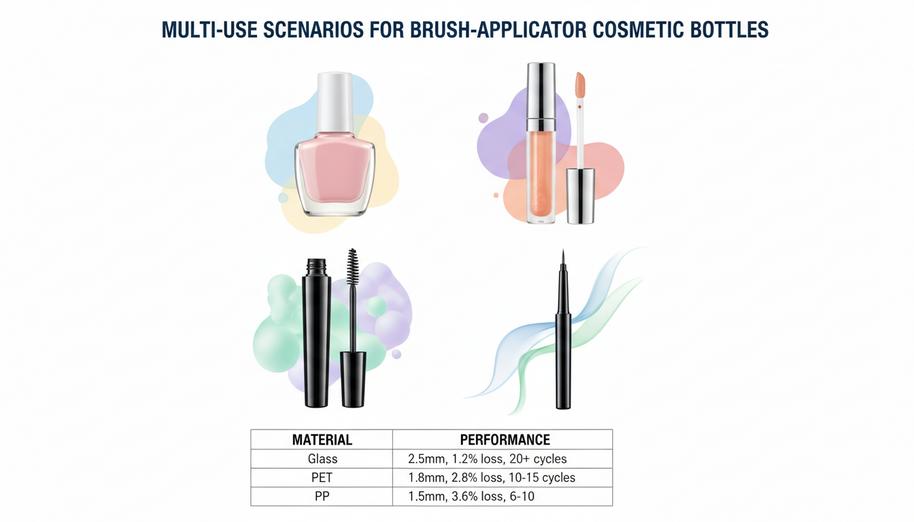
Multi-Use Scenarios For Brush-Applicator Cosmetic Bottles
Brush packaging isn’t just cute on a shelf—it’s practical, precise, and built for real beauty routines. From nail studios to everyday makeup bags, the empty bottle with brush applicator keeps formulas tidy and application smooth.
Nail Polish Brush for Salon-Grade Lacquers
For pros handling salon-grade lacquer, control matters. A nail polish bottle paired with a precision brush applicator turns an empty bottle with brush applicator into a serious tool for professional use.
- Stable glass or reinforced PET body
- Tight screw cap to reduce evaporation
- Calibrated wiper insert for smooth flow
- Material choice affects solvent resistance.
- Neck finish defines sealing strength.
- Brush density shapes coverage width.
Performance comparison for a cosmetic packaging format often looks like this:
| Material | Wall Thickness (mm) | Evaporation Loss % (30 days) | Refill Cycles |
|---|---|---|---|
| Glass | 2.5 | 1.2% | 20+ |
| PET | 1.8 | 2.8% | 10–15 |
| AS | 2.0 | 3.1% | 8–12 |
| PP | 1.5 | 3.6% | 6–10 |
An empty bottle with brush applicator built like this works perfectly as an empty container ready for custom colors. Brands sourcing through Topfeelpack often tweak brush length and cap grip for that salon vibe clients love.
Lip Gloss Wand in Custom Color Packaging
The classic lip gloss bottle is basically an upgraded empty bottle with brush applicator tuned for shine. A soft wand applicator glides product evenly, while a clear or tinted cosmetic tube shows off that glossy finish.
Key design layers:
-
Bottle Body
- Clear PET for visual impact
- Custom color resin for bold branding
-
Decoration
- Silk screen logo
- Hot stamping collar ring
-
Applicator
- Doe-foot tip for smooth swipe
- Flexible stem for controlled pickup
A bottle with brush like this balances beauty and practicality. The empty bottle with brush applicator format keeps oxygen out, which helps maintain texture. For new launches, Topfeelpack offers custom packaging shades that match trending palettes without going overboard.
Mascara Brush Housed in Frosted Finish Tubes
The mascara tube takes the idea of an empty bottle with brush applicator and gives it structure. A frosted finish in PP or AS plastic feels high-end but still tough enough for daily tossing into a bag.
Inside the empty bottle with brush applicator design:
- Wiper ring controls bulk on the brush applicator
- Airtight cap reduces drying
- Thick wall improves durability
A 2025 Euromonitor beauty packaging update noted:
“Demand for refill-ready and visually differentiated mascara packaging continues to grow above 6% annually, driven by premium positioning and sustainability expectations.”
That’s why many brands now request a cosmetic bottle with brush that can be reused. For lash enhancement lines, a frosted empty bottle with brush applicator feels clean, modern, and built to last.
Eyeliner Brush Paired with Tamper-Evident Seal Designs
Precision defines an eyeliner bottle. The slim brush applicator inside an empty bottle with brush applicator must deliver crisp lines without flooding the tip.
Design priorities include:
- Fine filament brush head
- Tamper-evident seal ring
- Optional child-resistant cap
- Leak-resistant neck structure
Safety features matter in cosmetic container development:
-
Seal integrity
- Break ring indicator
- Pull-tab shrink band
-
Cap system
- Double-thread closure
- Anti-backflow gasket
An empty container with brush built this way supports clean makeup application while protecting formula stability. Brands wanting a secure yet stylish empty bottle with brush applicator often adjust cap height and seal type to meet local compliance rules, keeping packaging secure without losing shelf appeal.
FAQs about Empty Bottle With Brush Applicator
What determines the quality of an empty bottle with brush applicator?
Quality shows up in the details users feel every day.
- Material match – PET plastic, Glass, or Acrylic for clarity; PP plastic or HDPE for strength and chemical resistance.
- Precise dimensions – Bottle capacity, neck finish size, brush length, and wand diameter must align for smooth pickup.
- Closure control – Screw cap or snap-on cap paired with a tight wiper insert prevents leaks and messy buildup.
- Finish appeal – Clear finish for color visibility, matte finish or UV coating for shelf impact.
When these elements fit together, the bottle feels secure in hand and clean in performance.
How do I select the right applicator and bottle size for my formula?
The formula’s texture decides the pairing.
- Thick polish → smaller bottle capacity + nail polish brush + narrow neck finish size.
- Glossy serums → lip gloss wand or doe-foot applicator inside PET plastic or AS plastic with smooth flow.
- Precision liners → fine-tip brush or eyeliner brush with controlled wiper insert.
- Volumizing creams → mascara brush with balanced wand diameter and overall height.
A well-matched set reduces waste and gives users steady, confident strokes.
Which materials and designs support sustainable packaging goals?
Sustainability is more than a label; it’s a design choice.
| Feature | Practical Benefit |
|---|---|
| Recycled content | Cuts virgin material use |
| Recyclable materials (PET plastic, PP plastic, Glass) | Easier end-of-life sorting |
| Refillable design | Extends product lifecycle |
| Lightweight packaging | Lowers transport impact |
| Biodegradable plastic | Supports eco-focused markets |
Pair these with extrusion blow molding or injection molding processes that reduce excess waste during production.
What quality checks are essential before bulk shipment?
High-volume orders demand strict quality control on the assembly line.
- Seal integrity tested with screw cap or child-resistant cap
- Wiper insert fit checked for consistent dosage
- Brush alignment measured against cap diameter and overall height
- Decoration durability reviewed after silk screen printing, hot stamping, or labeling
Strong inspection prevents leaks, crooked brushes, and fading finishes—protecting both brand image and customer trust.
References
- [Cosmetic Packaging Market Size | Industry Report, 2030 – https://www.grandviewresearch.com/industry-analysis/cosmetic-packaging-market]
- [State of Beauty 2025: Solving a shifting growth puzzle – https://www.mckinsey.com/industries/consumer-packaged-goods/our-insights/state-of-beauty]
- [Beauty and Personal Care Packaging in the US | Market Research Report – https://www.euromonitor.com/beauty-and-personal-care-packaging-in-the-us/report]

