 English
  English (UK)
  English (Australia)
  English (Canada)
  العربية
  Deutsch
  Italiano
  Español de México
  Tiếng Việt
  ไทย
ไทย  Português do Brasil
  Français
  Български
  Čeština
  Dansk
Dansk  Ελληνικά
  Eesti
Eesti  Suomi
Suomi  Magyar
  Bahasa Indonesia
  Lietuvių kalba
  Latviešu valoda
  Norsk bokmål
  Nederlands (Formeel)
  Polski
  Română
  Русский
  Slovenčina
  Slovenščina
  Svenska
  Türkçe
  Українська
  简体中文
简体中文  日本語
日本語  한국어
한국어  繁體中文
繁體中文 

What to Look for in Sustainable Cosmetic Packaging Suppliers in 2026
February 22,2026
By 2026, sustainable cosmetic packaging suppliers aren’t just nice-to-have—they’re the ones holding your brand’s reputation in their (hopefully recyclable) hands. You can’t slap a green sticker on a plastic bottle and call it eco-luxe anymore. Buyers are savvier, regulators are watching like hawks, and Gen Z? They’ll cancel you faster than you can say “microplastics.”
The pressure is real—and it’s not going away. Global regulatory bodies have already tightened the noose: The European Commission’s 2025 Report on Packaging Waste estimates that over 80% of cosmetic brands will need verifiable life cycle data for all packaging components to meet compliance standards.
“Clients want more than compostable claims,” says Grace Lin, Senior Sustainability Engineer at Topfeelpack. “They want proof—measured impact reduction, full traceability, and design that works without greenwashing.”
This guide doesn’t do fluff. It tells you exactly what to sniff out when vetting your next supplier—from ethical sourcing and carbon savings to who can actually deliver custom refillables without ghosting you mid-production run. Buckle up—your brand’s future might just depend on it.
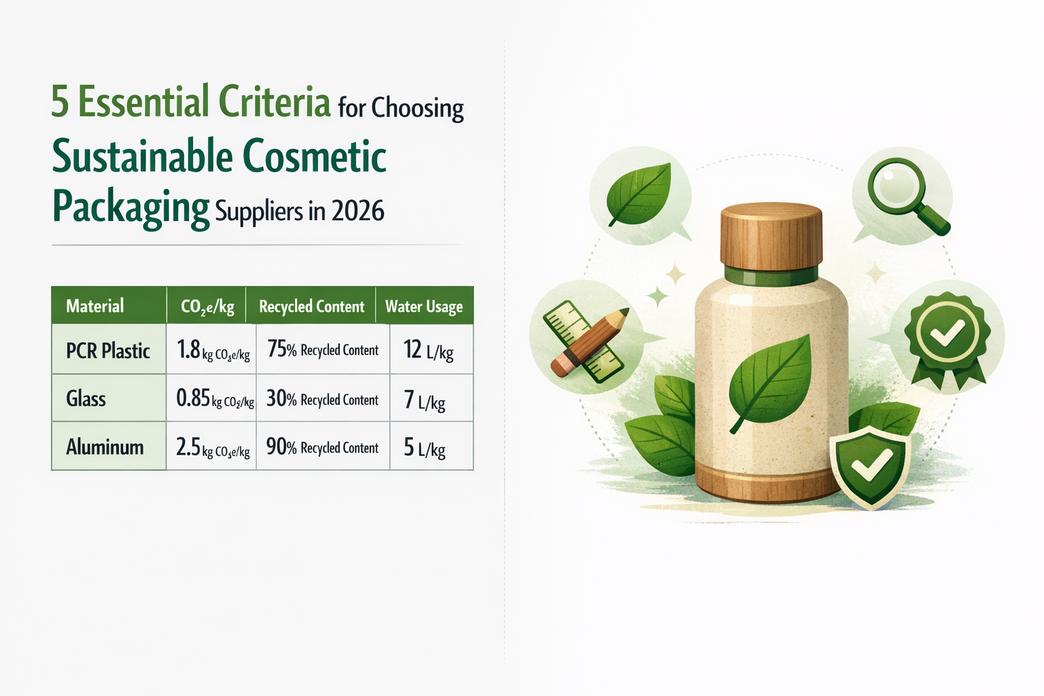
5 Essential Criteria for Choosing Sustainable Cosmetic Packaging Suppliers in 2026
Finding the right sustainable cosmetic packaging suppliers can be a game-changer. Let’s break down what really matters when making that choice.
Evaluating the Environmental Impact of Packaging Materials
To make smarter choices, look at how each material stacks up in terms of sustainability. Here’s a quick look:
| Material Type | Carbon Footprint (kg CO₂e/kg) | Recycled Content (%) | Water Usage (L/kg) |
|---|---|---|---|
| PCR Plastic | 1.8 | 75 | 12 |
| Glass | 0.85 | 30 | 7 |
| Aluminum | 2.5 | 90 | 5 |
Choosing materials with high recycled content, low carbon footprint, and efficient water use helps reduce overall resource depletion. Bonus points if they’re also compostable or biodegradable—those traits can seriously lower your product’s environmental toll.
Why Supply Chain Transparency is Crucial for Sustainability
You can’t build trust without visibility:
- 🔍 Full traceability lets you track raw materials from source to shelf.
- Ethical sourcing ensures fair wages and safe working conditions.
- Regular supplier audits help spot gaps in environmental or labor practices.
- Transparent data sharing builds accountability across partners.
When your supplier openly shares their sourcing and production methods, it simplifies risk management and aligns with your sustainability goals, not just on paper but in practice.
Certifications That Prove a Supplier’s Commitment to Sustainability
Not all eco claims are created equal—look for third-party proof like:
- FSC certification for responsibly sourced paper-based components.
- Cradle to Cradle Certified®, which evaluates everything from material health to circularity.
- ISO standards like ISO 14001, focused on environmental management systems.
- Legitimate ecolabels such as EU Ecolabel or Green Seal.
These certifications show that suppliers meet strict, verified sustainability standards, not just trendy buzzwords.
Customization and Design Consultation Services for Eco-Friendly Packaging
The best suppliers don’t just sell—they collaborate:
- They offer full-on design consultation tailored to your brand’s vibe.
- Through early-stage prototyping, you get to test form and function before mass production.
- Options like refillable containers or airless pumps reflect both style and smart engineering.
- Focused on material innovation, they’ll suggest better alternatives without sacrificing aesthetics.
From minimalist shapes that support easy recycling to sleek finishes rooted in sustainable thinking, good design drives real impact—and strong shelf appeal.
How Compliance with Regulations Ensures Long-Term Sustainability
Following the rules isn’t optional—it’s survival strategy:
- Suppliers should comply with REACH chemical safety laws across Europe.
- Adherence to updated EU packaging directives keeps you future-ready.
- FDA regulations ensure safe contact between cosmetics and packaging materials.
📌 Many countries now enforce strict policies around waste reduction and extended producer responsibility—so if your supplier isn’t already aligned with these evolving frameworks, you’re setting yourself up for major headaches later.
Staying ahead of global regulatory shifts means you’re not just compliant; you’re truly committed to long-term change through proper regulatory compliance and smart planning for future-proofing your supply chain.
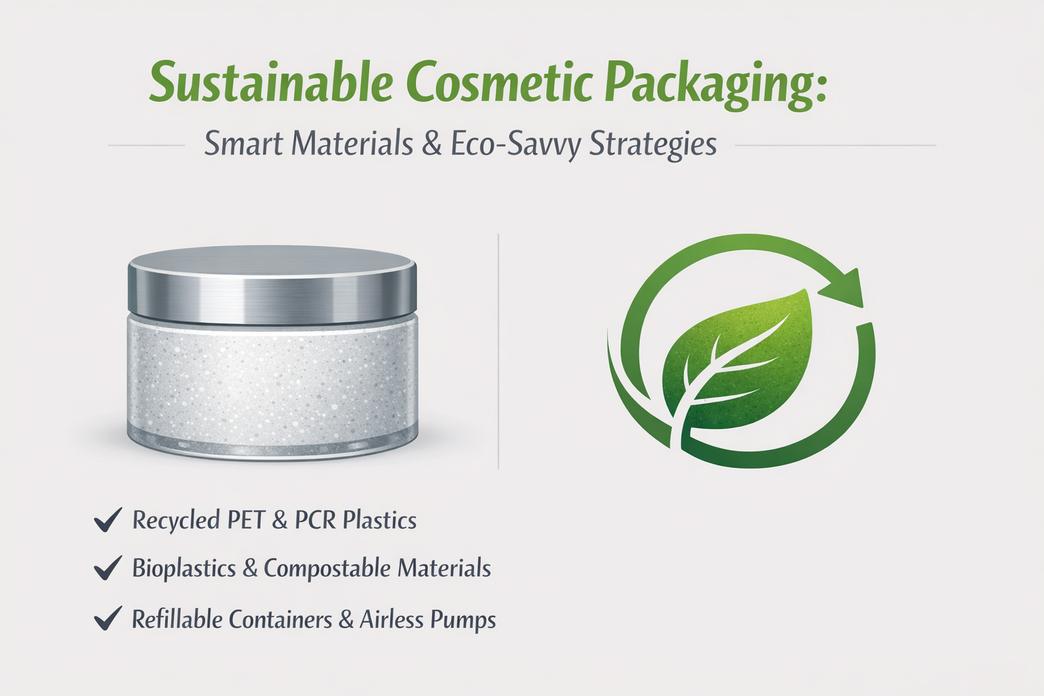
Key Features of Sustainable Cosmetic Packaging Suppliers
Sustainable cosmetic packaging suppliers stand out by integrating smart materials, reusable formats, and eco-savvy production strategies that reduce waste while keeping products fresh.
Using Recycled PET and PCR Plastics for Eco-Conscious Packaging
To understand what sets the best sustainable cosmetic packaging suppliers apart, it helps to break down how they use recycled plastic right from the start:
-
Material Sourcing
- Suppliers collect discarded consumer plastics like bottles.
- These are processed into clean, usable post-consumer resin (PCR).
- The resulting material is turned into new jars, tubes, or bottles.
-
Eco-Benefits
- Reduces demand for virgin plastic.
- Promotes closed-loop systems through consistent plastic recycling.
- Enhances product appeal to eco-conscious shoppers.
-
Design Integration
- Brands like Topfeelpack mold sleek containers using high-quality recycled PET, offering both durability and style.
- Transparent labeling often highlights the percentage of PCR content used.
In short, this approach supports true material circularity, giving waste a second life while cutting carbon footprints dramatically.
Leveraging Bioplastics and Compostable Materials for Packaging Innovation
Some folks think “green” means boring. Not anymore. Today’s top-tier suppliers mix in creativity with sustainability using:
✔️ Plant-based polymers like PLA made from corn or sugarcane.
✔️ Fully certified compostable pouches that break down in industrial settings.
✔️ Sleek molded trays crafted from bamboo fiber or bagasse pulp.
Each of these options brings something special to the table—like biodegradability or reduced emissions during production. And when paired with minimalistic branding? You’ve got packaging that screams innovation without shouting it.
The beauty industry’s shift toward these low-impact materials isn’t just a trend; it’s becoming a baseline requirement among future-focused brands working with reliable partners in the space of sustainable cosmetic packaging.
Advanced Packaging Formats: Refillable Containers and Airless Pumps
Let’s unpack how next-gen formats are reshaping expectations across refill systems and preservation tech:
-
🧴 Refillable Containers
- Inner pods: Snap-in cartridges make replacement easy.
- Durability: Outer shells are built to last years instead of months.
- Branding edge: Consumers love sleek designs that feel premium yet sustainable.
-
🌬️ Airless Pumps
- No air contact: Prevents oxidation so creams stay fresher longer.
- Precision dispensing: Less mess, less waste—win-win!
- Travel-friendly: Leak-proof design fits modern lifestyles perfectly.
Together, these formats help cut landfill contribution while boosting product lifespan—a double win for any brand wanting to work with experienced cosmetic packaging suppliers who get what today’s buyers expect.
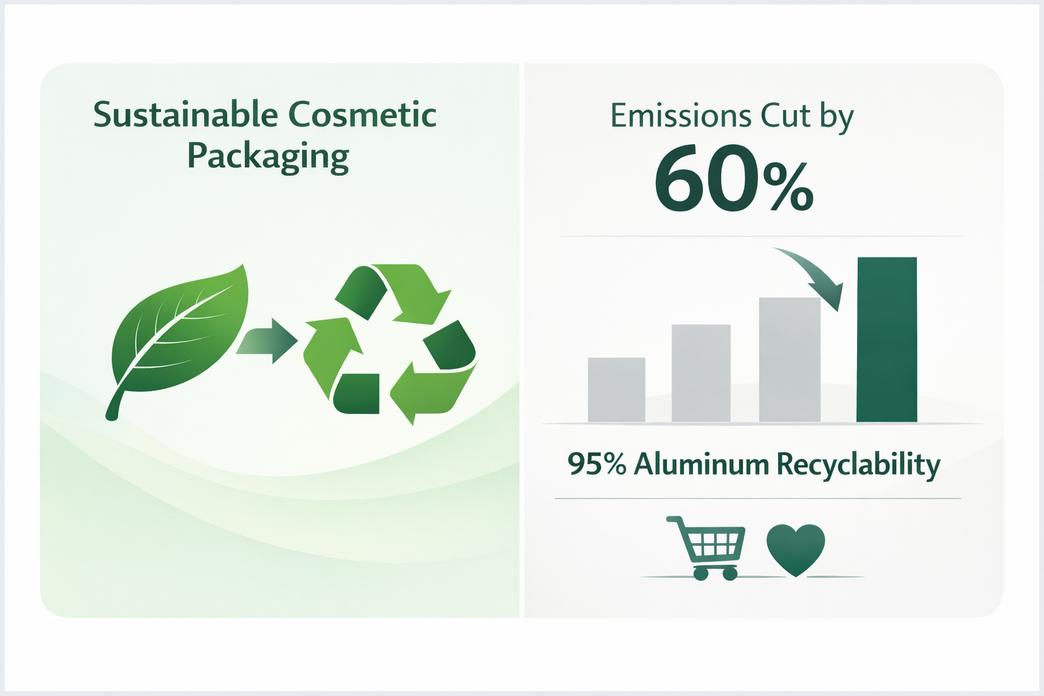
3 Benefits of Sustainable Cosmetic Packaging Suppliers
Sustainable cosmetic packaging suppliers are changing the game—cutting waste, shrinking emissions, and winning over eco-conscious consumers.
Reducing Carbon Footprint Through Innovative Packaging Solutions
- Lightweight materials cut down on shipping fuel use.
- Using renewable energy in production lowers emissions.
- Smart eco-design trims unnecessary parts from packaging.
- Brands that optimize their supply chain reduce transportation-related carbon output dramatically.
- Switching to local sourcing enhances overall transportation efficiency, slashing miles traveled per unit.
- Even small changes like using thinner walls or stackable shapes can reduce the carbon load across the entire product lifecycle.
Long-term impact? A full lifecycle assessment often shows that sustainable packaging cuts emissions by up to 60%. That’s a win for both the planet and your brand image.
Increasing Brand Loyalty Through Eco-Friendly Packaging Choices
Eco-minded customers care about more than just looks—they want values they can trust.
• Shoppers today actively seek out brands with clear transparency and visible efforts toward environmental responsibility.
• Using materials like bamboo or FSC-certified paper strengthens your brand’s ethical core and boosts your green credibility.
• Clear labeling of your sustainability claims builds trust—and trust builds loyalty.
Short bursts of truth make a difference:
– Show off your use of ethical sourcing practices.
– Be vocal about your commitment to clean beauty inside and out.
– Let customers know how they’re helping by choosing you.
Topfeelpack offers tailored solutions that align with evolving consumer expectations while enhancing overall brand image through smart, sustainable design choices.
Lowering Waste and Promoting Recyclability with Sustainable Materials
Here’s where things get real—waste reduction isn’t just talk when you’ve got the right tools:
| Material Type | Recyclability Rate (%) | Waste Reduction Impact | Common Use Cases |
|---|---|---|---|
| Aluminum | 95 | High | Lip balm tins, compacts |
| Recycled PET (rPET) | 85 | Moderate | Bottles, jars |
| Biodegradable PLA | 70 | Low/Moderate | Sample sachets, pouches |
| Glass with refill system | 90 | High | Perfume bottles |
A few things matter big time:
- Choose materials designed for circularity—think post-consumer recycled plastics or refillable glass systems.
- Invest in formats that work well with existing recycling infrastructure, so users don’t have to guess.
- Embrace innovation like compostable films or mono-material tubes for easier sorting and reprocessing.
By making smart material swaps, sustainable cosmetic packaging suppliers help brands shrink their landfill footprint while staying stylish—and Topfeelpack leads by example here too.
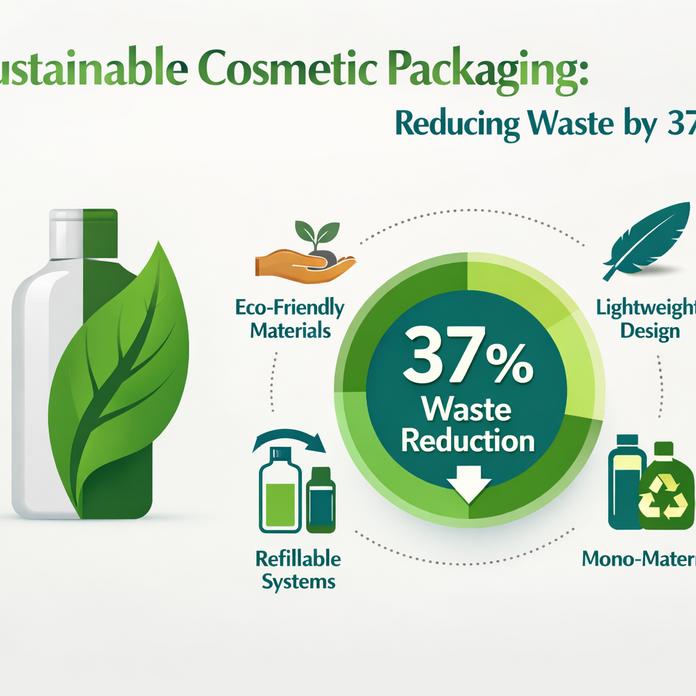
How Do Sustainable Cosmetic Packaging Suppliers Reduce Waste?
Sustainable cosmetic packaging suppliers cut down waste by rethinking materials, design, and environmental impact from start to finish.
Waste Reduction Through Material Sourcing and Design
You’d be surprised how much trash comes from overdone packaging. That’s why many sustainable cosmetic packaging suppliers are ditching the fluff and going smarter with their choices:
- Lightweight design cuts back on raw material use and slashes shipping emissions.
- Switches to mono-material structures make recycling way easier for consumers.
- Use of high post-consumer resin content gives plastic a second life instead of sending it to landfills.
⭑ Brands are also leaning into refillable systems, letting people reuse containers instead of tossing them after one use.
Long story short? When you pick up that sleek bottle made from recycled content, you’re holding proof that eco-conscious design isn’t just pretty—it’s powerful.
And don’t forget: biodegradable doesn’t mean weak. Many now use strong, shelf-stable materials like biodegradable materials or fully compostable packaging, which break down naturally without polluting waterways or soil.
The goal is simple—less trash, more impact.
The Role of Life Cycle Assessment (LCA) in Minimizing Waste
Think of LCA as a fitness tracker—but for packaging’s environmental health. It maps out every step, from raw material to disposal, helping brands spot where waste sneaks in and how to fix it fast.
- Analyze total environmental impact, including water use, energy input, and pollution output.
- Measure the full carbon footprint, not just what happens at the factory.
- Evaluate end-of-life routes—can it be reused? Composted? Or is it headed straight to landfill?
According to the 2024 EcoPack Insight Report: “Brands using LCA tools have reduced their packaging-related waste by up to 37% annually compared to those without assessment protocols.”
Using LCA also helps pinpoint hidden resource hogs—like unnecessary layers or inefficient transport routes—which leads directly into smarter decisions like choosing low-impact inks or cleaner adhesives.
When done right, this kind of deep-dive analysis pushes even small-time suppliers toward big-time sustainability wins by reducing both visible and invisible forms of waste across the supply chain through precise data analysis and strategic supply chain optimization.
So yeah—it’s not just about looking green; it’s about proving it with numbers.
FAQs about Sustainable Cosmetic Packaging Suppliers
1. How can sustainable cosmetic packaging suppliers prove their environmental commitment?
Every detail tells a story of accountability:
• Ongoing Life Cycle Assessment (LCA) tracks carbon footprint reduction and water usage efficiency.
• FSC certified and Cradle to Cradle labels confirm material origins, while ISO 14001 shows the factory’s continual waste reduction plan.
→ When these metrics align, brands gain measurable proof that sustainability is embedded—not just promised.
2. Which eco-materials balance luxury appearance with recyclability?
Under gentle light, sustainable materials reveal unique personalities:
1️⃣ Recycled PET and Post-Consumer Recycled plastic keep bottles clear yet sturdy for daily refills.
2️⃣ Glass offers timeless elegance for jars or airless pumps that extend formula life.
3️⃣ Bamboo or Aluminum bring tactile warmth—ideal partners for refillable containers or pouch packaging designed to minimize total waste.
3. In what ways do supplier capabilities shape custom green design?
🌱 Real creativity thrives when technical mastery meets conscience:
• Custom molding achieves distinct brand forms using bioplastics or compostable blends;
• Decoration services apply low-VOC inks;
• Prototyping bridges imagination with functional testing;
• Design consultation ensures every curve supports recyclability rate goals while maintaining visual allure.
4. Why does supply chain integrity matter in sustainable sourcing partnerships?
A transparent chain tells where each grain of bamboo or gram of recycled PET traveled before shaping your product line—
| Aspect Checked | Ethical Target Achieved Through… |
|---|---|
| Global distribution network | Shorter lead times & lower emissions via consolidated shipments |
| Material sourcing traceability | Data-linked from forest management (FSC) to finishing plant |
| Regulatory commitment | Verified REACH compliance, FDA safety checks & GMP documentation through MSDS |
Such clarity keeps promises honest, aligning logistics precision with authentic ecological intent across every palette jar and travel tube produced under shared responsibility.

