 English
  English (UK)
  English (Australia)
  English (Canada)
  العربية
  Deutsch
  Italiano
  Español de México
  Tiếng Việt
  ไทย
ไทย  Português do Brasil
  Français
  Български
  Čeština
  Dansk
Dansk  Ελληνικά
  Eesti
Eesti  Suomi
Suomi  Magyar
  Bahasa Indonesia
  Lietuvių kalba
  Latviešu valoda
  Norsk bokmål
  Nederlands (Formeel)
  Polski
  Română
  Русский
  Slovenčina
  Slovenščina
  Svenska
  Türkçe
  Українська
  简体中文
简体中文  日本語
日本語  한국어
한국어  繁體中文
繁體中文 
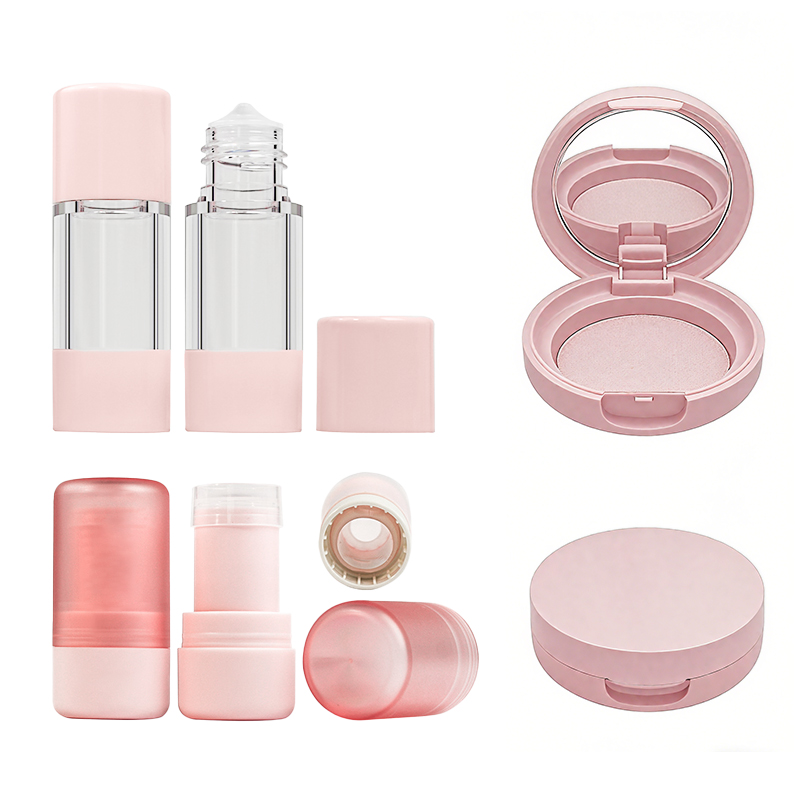
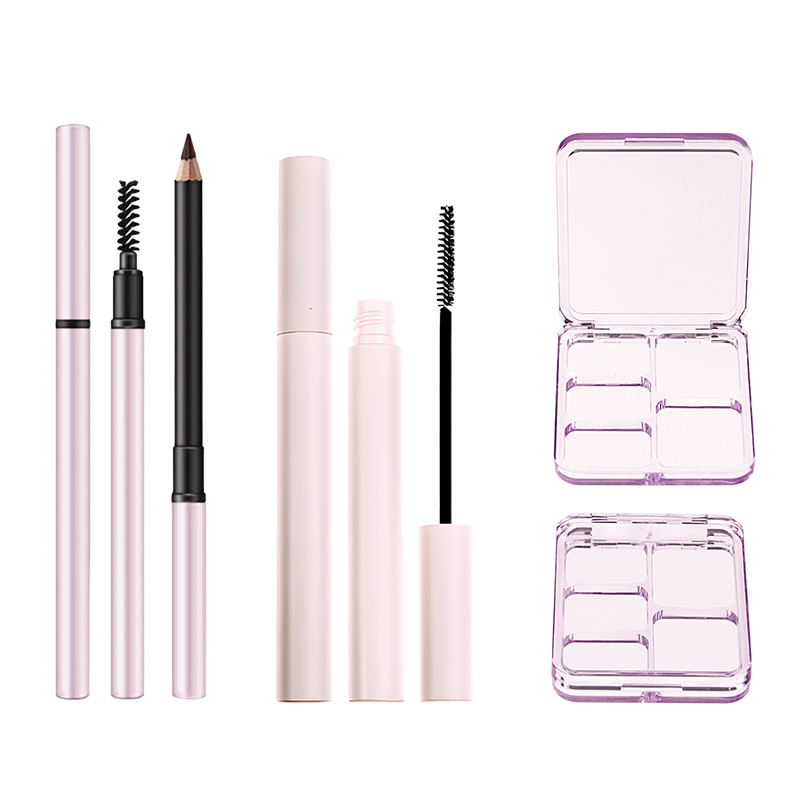
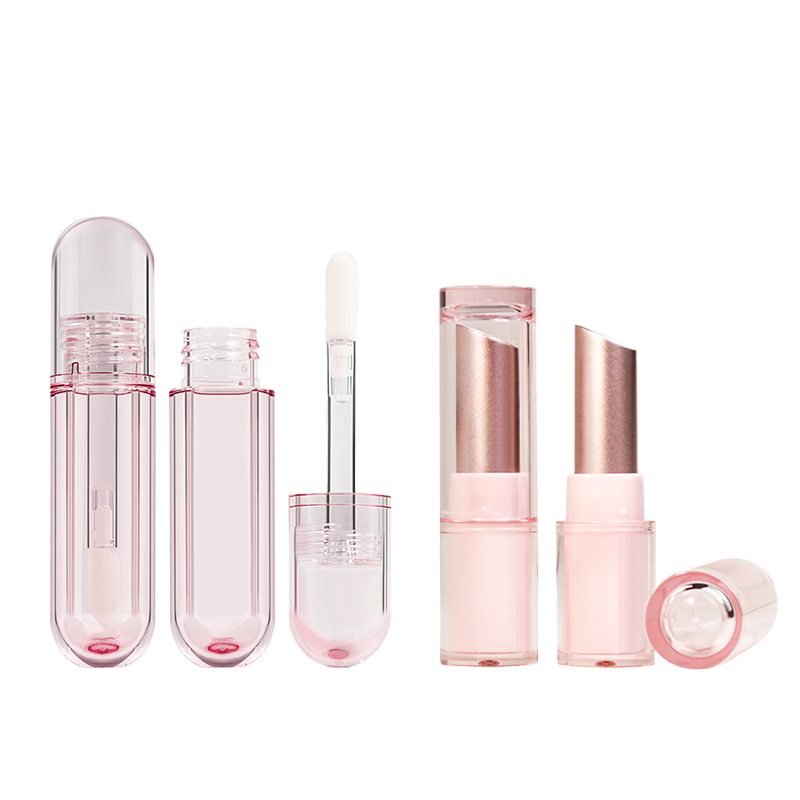

What Makes Great Concealer Packaging? Your Guide to Perfect Design
February 17,2026
What makes one tube of concealer fly off the shelf while another collects dust like last year’s snow globe? Nine times outta ten—it’s all in the packaging. Concealer packaging isn’t just a pretty face; it’s your silent pitch to that hurried shopper squinting at aisle four, wondering who really gets her skin tone and won’t explode in her makeup bag mid-flight.
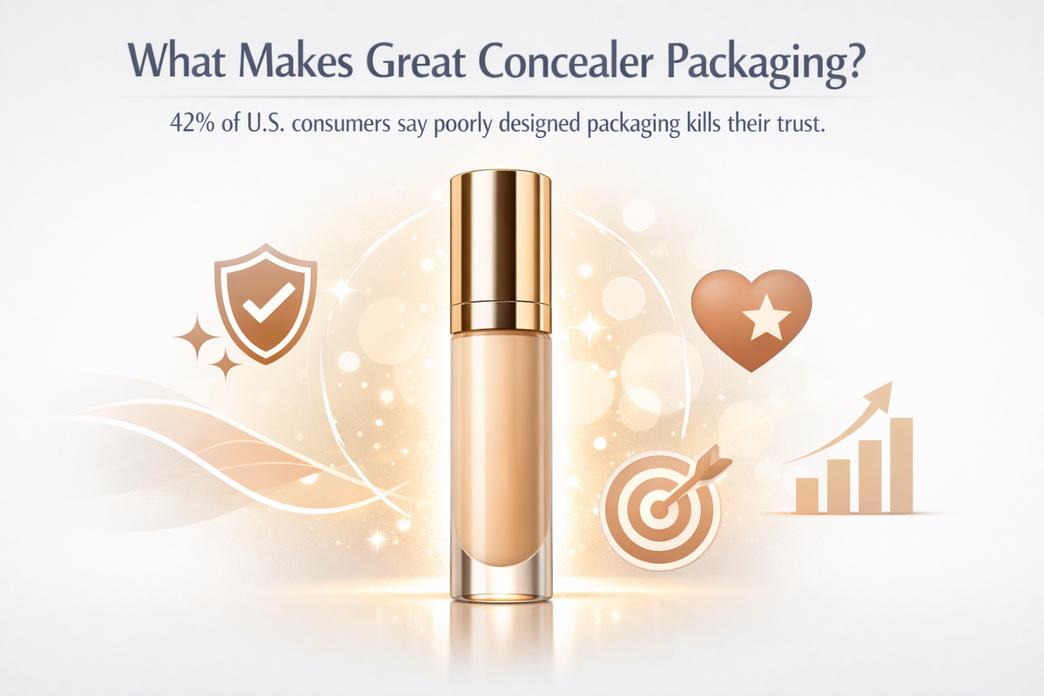
Picture this: You’ve spent months perfecting your formula—smooth, breathable, magic-in-a-bottle stuff. But if the wand oozes on first use or the label rubs off faster than a knockoff tattoo, you’re toast. Big brands know it: According to Mintel’s Beauty & Personal Care report (2023), 42% of U.S. consumers say poorly designed packaging kills their trust before they even try what’s inside.
The truth? Packaging sells the promise—and keeps it sealed tight till showtime. You’re not just choosing bottles and caps; you’re curating an experience that needs to wow across production lines, retail shelves, and TikTok unboxings alike.
So pull up a chair—let’s talk about what actually makes concealer packaging great…
Quick Notes: Concealer Packaging Essentials
➔ Ergonomic Applicators: Doe-foot wands, droppers and roll-on tips deliver precise dosing and seamless coverage.
➔ Premium Finishes & Coatings: Matte textures minimize glare while UV and soft-touch coatings protect formulas and elevate shelf presence.
➔ Rich Brand Storytelling: Hot-stamping, silk-screening and clear labels communicate brand identity and ingredient transparency.
➔ Sustainable Materials: PCR plastics, refillable systems and biodegradable options reduce environmental impact without sacrificing style.
➔ Rigorous Protection & QC: Airless pumps, snap-on caps and pressure-testing protocols safeguard product integrity from production line to consumer.
What Defines Great Concealer Packaging
A great concealer package doesn’t just hold product—it enhances the user’s experience, protects the formula, and tells a story on the shelf.
Ergonomic Doe-Foot, Dropper, and Roll-On Applicators
- Doe-foot applicators are a fan favorite for their soft touch and easy control. They’re especially handy when you need to dab just a bit under your eyes.
- Droppers work better with liquid formulas that need precise dispensing, giving users more control over how much they apply.
- The roll-on tip is all about comfort—it glides smoothly across the skin while delivering even coverage and a mini massage.
Each of these applicator types adds value by improving ease of use, maintaining hygiene, and enhancing application precision. Choosing one depends on the product’s texture and how consumers like to apply it. You can explore a cosmetic container with applicator to see these mechanisms in action.
Captivating Appeal through Matte Finish and UV Coating
A matte finish does more than look sleek—it cuts down on glare while adding grip to the tube. That’s form meeting function. On top of that, UV coating acts like sunscreen for your packaging. It keeps colors vibrant and formulas stable.
“Premium packaging coatings like UV finishes can increase shelf appeal by up to 38%, influencing purchase decisions in-store,” according to Mintel’s 2024 Beauty Packaging Report.
Together, these features boost both visual impact and long-term durability—key for standing out in crowded cosmetic aisles.
Storytelling with Hot Stamping, Silk Screening, and Labeling
Hot stamping brings metallic pops—gold logos or silver accents—that scream luxury without saying a word. Silk screening allows for crisp graphics that don’t fade with use. And labeling? That’s where storytelling lives: ingredients lists, usage tips, brand values—all neatly laid out.
These elements shape branding while ensuring key info is accessible. When done right, they turn simple tubes into mini billboards that reflect identity and trustworthiness.
Eco-Friendly Refillable Systems and PCR Materials
Refillable designs are changing how we think about beauty waste—just pop in a new cartridge instead of tossing the whole thing. This not only reduces landfill waste but also gives brands room for innovation in closure mechanisms and inner containers.
Using PCR materials (post-consumer recycled plastics) helps lower carbon footprints without compromising strength or appearance. Together, these sustainable packaging choices improve both eco-image and real-world impact for any modern concealer line.
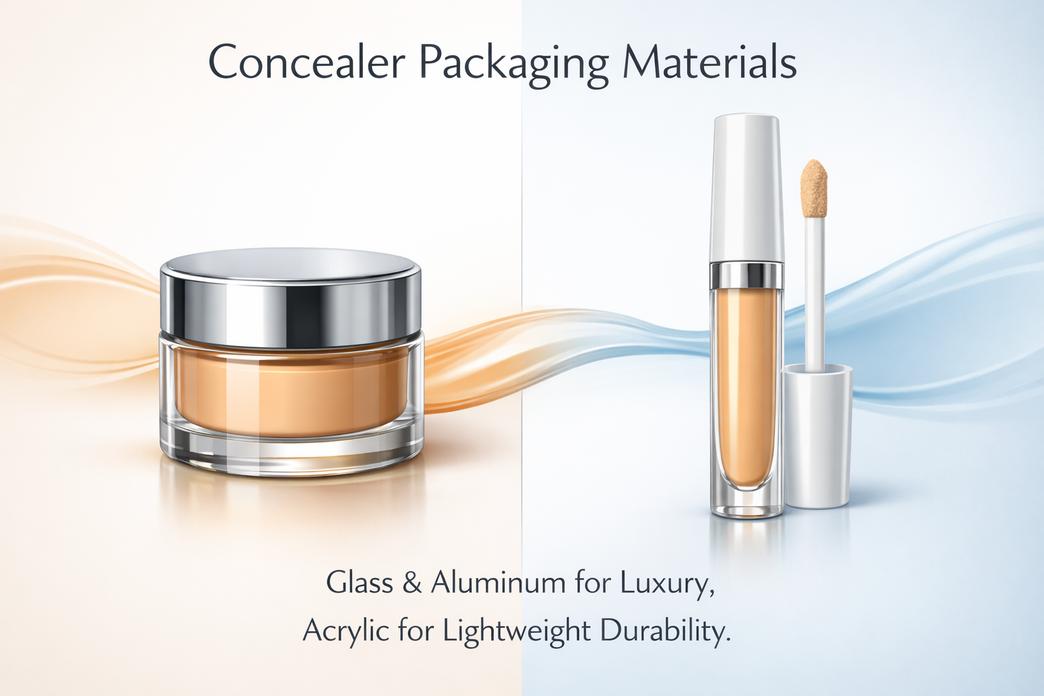
Materials Used in Concealer Packaging
A quick look at what makes up your concealer’s outer shell—and why it matters more than you think.
Comparing Plastic Resin and PP for Concealer Tubes
Plastic resins are the go-to for many brands thanks to their cost-effective nature and ease of molding. But when it comes to durability and product safety, polypropylene (PP) often takes the lead.
- PP is flexible, yet tough—great for squeezing out thick formulas.
- It resists chemical breakdown, keeping formulas stable longer.
- Plastic resin options are often lighter but may lack barrier strength.
For brands that want a balance between affordability and performance, choosing between these two materials is key in optimizing concealer packaging.
Luxury Feel with Glass and Aluminum Jars
If you’re aiming for that high-end vibe, nothing beats the combo of borosilicate glass or soda-lime glass paired with sleek aluminum lids. These materials scream class and offer real functional benefits:
- Glass offers top-tier chemical resistance, protecting sensitive formulas.
- Aluminum brings a luxurious, cool-to-the-touch finish that feels premium in hand.
- Both are fully recyclable, appealing to eco-conscious buyers.
According to Mintel’s 2024 Beauty Packaging Trends Report: “Consumers increasingly associate weightier packaging like glass with quality—even if they know it’s less travel-friendly.”
Lightweight Benefits of Acrylic Packaging
Glass looks great—but let’s be honest—it’s heavy and breakable. That’s where acrylic steps in:
- Gives off that same glossy, luxe appearance.
- It’s way more lightweight, making it perfect for on-the-go touch-ups.
- Plus, it’s super shatter-resistant, ideal for clumsy mornings or travel bags.
This makes acrylic a top pick when brands want sleek design without sacrificing practicality in their concealer packaging choices.
PETG Bottles Combining Clarity and Durability
Clear as glass but tougher than most plastics—PETG hits the sweet spot:
• High transparency = show off your formula colors beautifully
• Durable enough to resist cracks from drops or pressure
• Compatible with most liquid concealers due to its chemical stability
It’s no wonder many brands are switching to PETG bottles when designing modern, user-friendly liquid concealer containers. For a deeper dive into material properties, compare PETG vs PET.
Sustainable Choices: Biodegradable Options in Packaging
Eco isn’t just a trend—it’s the future of beauty packaging. Today’s sustainable options include:
1️⃣ Biodegradable paperboard tubes, which decompose naturally over time
2️⃣ Containers made from renewable materials like bamboo or even sugarcane-based polymers
3️⃣ Use of post-consumer recycled (PCR plastic) components wherever possible
Topfeelpack has been actively developing greener alternatives using these materials—ensuring your next favorite custom concealer tube doesn’t cost the Earth while still looking amazing on your shelf.
By blending style with sustainability, these new directions in eco-friendly design make sure your go-to beauty tool matches your values too.
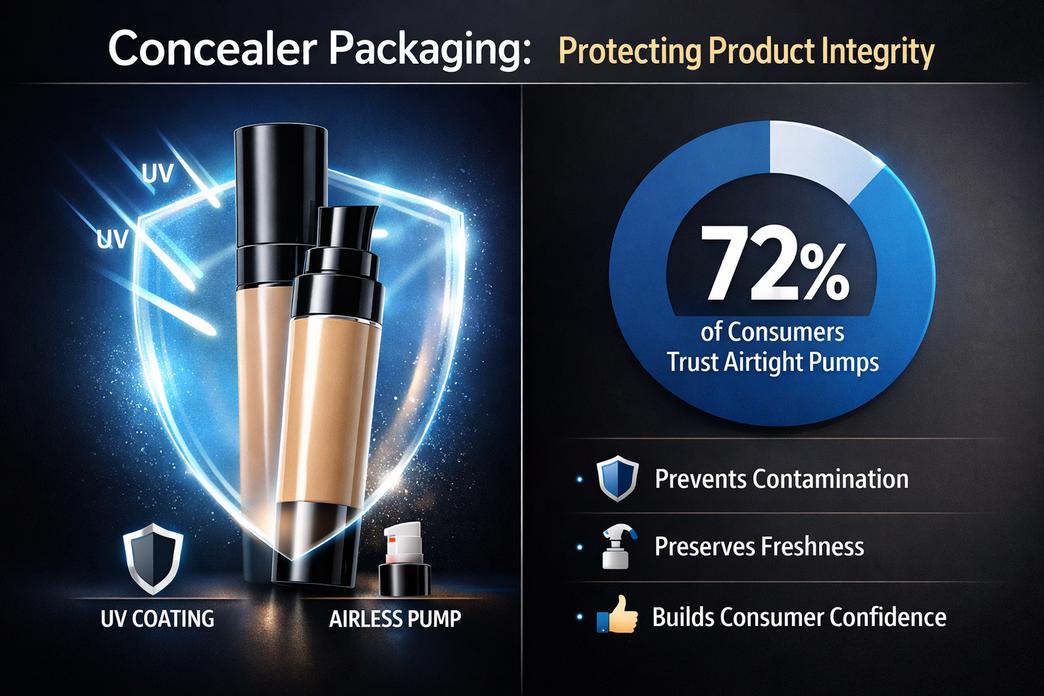
4 Core Functions of Concealer Packaging
From protecting the product to boosting brand vibes, concealer packaging does way more than just hold makeup. Let’s break down what really matters.
Protecting Product Integrity: UV Coating and Airless Pumps
- UV protection keeps formulas from breaking down under sunlight.
- Airless pumps block air exposure, helping extend product shelf life.
- Airtight closures reduce leaks and stop bacteria from creeping in.
“In 2024, 72% of consumers said they’re more likely to trust a cosmetic product if it comes in an airtight pump,” according to Euromonitor International.
That’s why Topfeelpack integrates smart sealing tech into their concealer containers. These upgrades don’t just sound fancy—they actually maintain the formula stability and lock in freshness for longer use. A great example of this technology can be seen in a custom airless tube for foundation.
Accurate Dosing with Doe-Foot and Dropper Closures
- The classic doe-foot gives smooth control for under-eye zones.
- Droppers let users pick the exact amount—no more messy overuse.
- Both applicators help avoid contamination and keep things clean.
• Better aim means less waste
• Hygienic dispensing = fewer breakouts
• Controlled flow supports consistent application
These clever tools improve every swipe, making your morning routine faster while preserving hygiene, controlled dosage, and ease of use.
Portable Design via Lightweight PP Tubes
Lightweight? Check. Durable? Double check. These tubes are made with PP plastic that’s tough but featherlight—perfect for tossing into your bag without worry.
- Compact form fits small purses
- Flexible material resists cracking
- Travel-safe without spills
Topfeelpack nails this combo by designing tubes that feel good in hand yet survive daily wear-and-tear. That balance between portability and material durability is key for today’s fast-paced lifestyles. Look for a portable concealer stick packaging solution to meet these needs.
Brand Recognition through Hot Stamping and Soft-Touch Coating
Step into any beauty aisle, and you’ll see how standout looks win attention fast:
- Foil-stamped logos shine under store lights
- Matte finishes offer a soft grip with luxe appeal
- Bold color schemes reinforce brand tone
Now group these together:
-
Visual elements like shape, color, texture = instant shelf impact
- Hot stamping emphasizes the logo
- Soft-touch coating adds a velvet-like feel
-
Together they boost both tactile interaction and visual memory
This combo strengthens your brand’s voice while elevating the customer’s unboxing moment—a perfect storm of style meets substance through elevated visual appeal, strong brand recognition, and premium-level material finish.
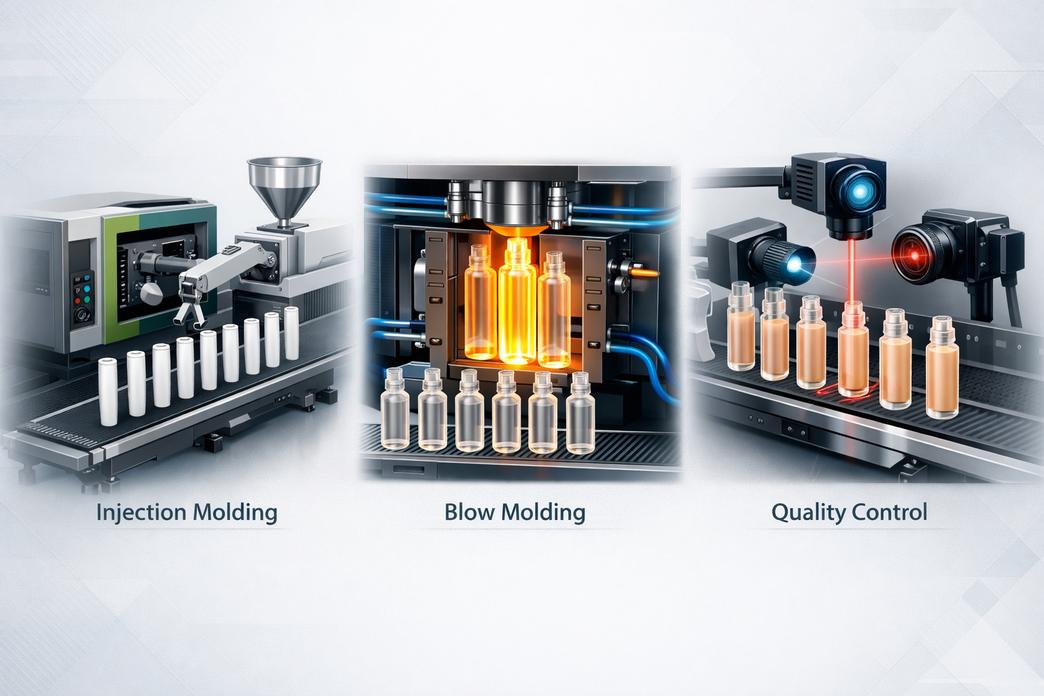
Leak-Proof Design for Liquid Concealer
No one wants a messy makeup bag. This section breaks down how smart concealer packaging design keeps things clean and tight.
Preventing Spills with Snap-On Caps and Roll-On Applicators
- Snap-on caps click into place, creating a tactile seal that resists accidental openings.
- The use of rollerball or brush applicator tips helps control liquid flow, reducing the chance of over-dispensing.
- A snug fit between the cap and body makes it travel-safe—no more surprise leaks in your purse.
According to Euromonitor’s 2024 Beauty Packaging Insights, “Over 68% of consumers value leak-proof features as a top priority when choosing liquid cosmetics.”
Topfeelpack’s designs often feature integrated wipers that hug the applicator tightly, keeping excess product inside where it belongs. It’s all about securing the formula without sacrificing ease of use.
Blow-Molded PETG Bottles for Enhanced Sealing
- Blow molding creates seamless bottle bodies from PETG, known for its clarity and chemical resistance.
- The process ensures consistent wall thickness, which enhances pressure resistance during air travel or heat exposure.
- These bottles pair perfectly with orifice reducers or internal stoppers to double down on leak prevention.
The result? A tough yet sleek container that doesn’t crack under pressure—literally.
Topfeelpack uses this method frequently for their premium concealer lines, combining durability with aesthetic appeal.
QC Protocols: Pressure Testing and Inspection
• Each unit undergoes a rigorous pressure test simulating high-altitude conditions.
• Dimensional checks ensure the fit between bottle necks and closures like gaskets, preventing micro-leaks over time.
• Repeated trials using vibration and drop testing confirm structural resilience during shipping chaos.
These quality checks aren’t just box-ticking—they’re what separate reliable containers from leaky nightmares in the world of liquid-based cosmetics like concealers.
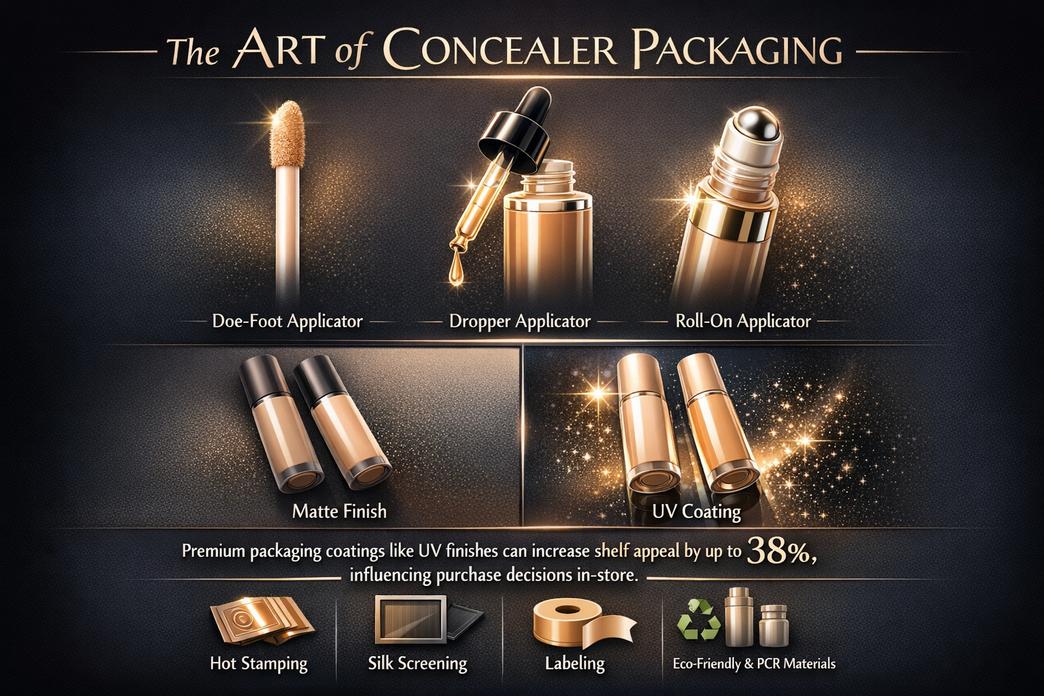
Bulk Production Standards for Concealer Packaging
How do high-volume brands keep their concealer packaging consistent and clean? Let’s break down the secrets behind scalable quality.
Injection Molding Best Practices for Uniform PP Tubes
Getting smooth, identical PP tubes every time means dialing in the right injection molding setup. Here’s how manufacturers keep it tight:
- Mold venting must be optimized to prevent air traps.
- Screw speed and back pressure are adjusted to maintain melt uniformity.
- Hot runner systems reduce waste and improve surface finish.
Then comes tool maintenance—no skipping this part. Worn-out molds lead to flash or uneven tube walls, which is a disaster during bulk runs of concealer packaging components.
Blow Molding and Extrusion Techniques for PETG Bottles
PETG bottles offer clarity and chemical resistance—perfect for liquid-based concealer containers. The process usually goes like this:
- Preform heating with infrared lamps ensures even softening.
- Stretch-blow molding applies air pressure to shape the bottle inside a precision mold.
- Cooling stations solidify the form rapidly without warping.
Extrusion blow molding is also used when flexibility and thicker walls are needed, especially for squeezable formats.
Quality Control: Automated Leak and Dimensional Inspections
To keep defects out of your bulk order of concealer packaging, automated QC steps are crucial:
• High-speed cameras check wall thickness variance in microseconds
• Pressure decay systems detect pinhole leaks invisible to the eye
• Laser micrometers measure neck diameters down to 0.01 mm
Here’s a sample inspection report format used by many facilities:
| Test Type | Tolerance Range | Frequency | Rejection Rate (%) |
|---|---|---|---|
| Leak Detection | ≤ 0.02 mL/min | Every 500 pcs | 0.3 |
| Wall Thickness | ±0.05 mm | Hourly | 0.5 |
| Neck Diameter | ±0.1 mm | Every batch | 0.2 |
These checks help spot flaws early before they hit assembly lines or worse—the customer shelf.
Leveraging PCR Materials for Sustainable High-Volume Runs
Eco-friendly doesn’t mean slow or expensive anymore—not with today’s tech in PCR materials use during mass production of cosmetic tubes and bottles.
Short-run tests verify flow rates, shrinkage behavior, and bonding strength before scaling up PCR blends into full-scale extrusion or injection molding processes.
Also worth noting: using food-grade certified PCR plastic ensures compatibility with formula-sensitive concealers without compromising safety or aesthetics on shelves.
Integrating Silk Screening and Labeling in Assembly Lines
When decorating thousands of units at once, timing matters just as much as print quality on your concealer packaging tubes or bottles.
Here’s how it’s done step-by-step:
Step A: Conveyor-fed orientation aligns each unit consistently
Step B: Silk screen machines apply ink via rotating mandrels
Step C: UV curing instantly dries designs without smudging
Step D: Label applicators wrap printed film labels precisely around curves
All these stations are synced digitally so that nothing lags behind—because bottlenecks cost time, money, and patience when you’re producing at scale across multiple SKUs of concealers.
By integrating decoration into final assembly lines, brands can hit both visual appeal goals and tight fulfillment timelines without breaking stride.
FAQs about Concealer Packaging
What materials work best for large-scale concealer production?
Feel the cool resilience of PP tubes, built to flex without sacrificing strength. Sense the clarity in PETG bottles, keeping liquid tones pristine. Luxury whispers through glass jars and aluminum cases, offering a refined weight in hand, while acrylic delivers that airy, crystal shine—inviting touch before sight.
How can leak-proof performance be assured during mass shipping?
Think of every bottle or tube like a promise held shut:
- Blow-molded PETG bodies shaped tight from start
- Closures—snap-on caps, precise roll-on applicators, each tested under pressure as if braced against stormy seas
- Finished with calm precision by steady hands at final assembly, making sure no drop betrays its place until opened with intent
Why choose refillable designs or PCR-based packaging?
It’s not just about containers—it’s about shared values made solid. Brands use:
- PCR plastics breathing new life into old material streams
- Refillable systems—soft-touch matte compacts or sleek dispenser pumps—that invite loyalty through repeated rituals
- Light yet sturdy builds, reassuring eco-minded buyers their beauty leaves a gentler mark on the world
References
- [category/face-makeup-packaging – https://www.topfeelmakeup.com/category/face-makeup-packaging/]
- [cosmetic container with applicator – https://www.topfeelmakeup.com/cosmetic-container-with-applicator]
- [The Future of Beauty Packaging: Here’s What This Means for Your Brand – https://www.mintel.com/insights/packaging/the-future-of-beauty-packaging/]
- [Why PCR Cosmetic Packaging is Essential for a Greener and More Sustainable Cosmetics Industry – https://apackaginggroup.com/blogs/news/why-pcr-cosmetic-packaging-is-essential-for-a-greener-and-more-sustainable-cosmetics-industry]
- [The Future of Beauty Packaging 2024 – https://www.scribd.com/document/808761140/The-Future-of-Beauty-Packaging-2024]
- [PETG vs. PET: What’s the Difference and Why It Matters – https://blog.impactplastics.co/blog/petg-vs.-pet-whats-the-difference-and-why-it-matters]
- [custom concealer tube – https://www.topfeelmakeup.com/custom-concealer-tube]
- [The Ultimate Guide to Cosmetic Airless Pump Bottles in 2025 – https://www.topfeelpack.com/news/airless-pump-cosmetic-bottles/]
- [custom airless tube for foundation – https://www.topfeelmakeup.com/custom-airless-tube-for-foundation/]
- [portable concealer stick packaging – https://www.topfeelmakeup.com/portable-concealer-stick-packaging/]
- [Beauty and Personal Care Packaging in the US – https://www.euromonitor.com/beauty-and-personal-care-packaging-in-the-us/report]

