 English
  English (UK)
  English (Australia)
  English (Canada)
  العربية
  Deutsch
  Italiano
  Español de México
  Tiếng Việt
  ไทย
ไทย  Português do Brasil
  Français
  Български
  Čeština
  Dansk
Dansk  Ελληνικά
  Eesti
Eesti  Suomi
Suomi  Magyar
  Bahasa Indonesia
  Lietuvių kalba
  Latviešu valoda
  Norsk bokmål
  Nederlands (Formeel)
  Polski
  Română
  Русский
  Slovenčina
  Slovenščina
  Svenska
  Türkçe
  Українська
  简体中文
简体中文  日本語
日本語  한국어
한국어  繁體中文
繁體中文 

The Ultimate Guide to Selecting Cosmetic Packaging Products for Your Formula
February 15,2026
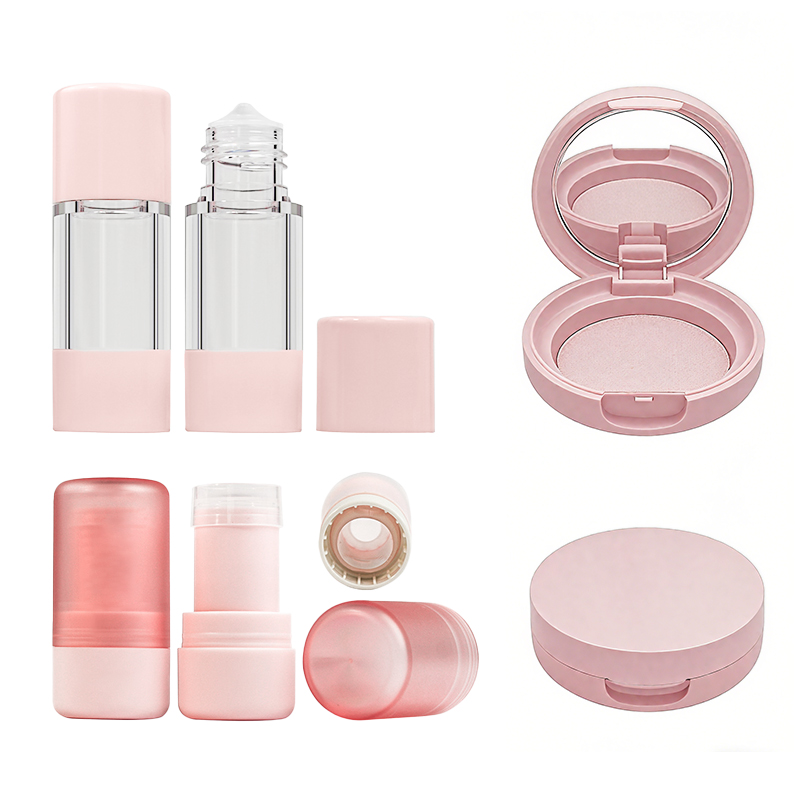
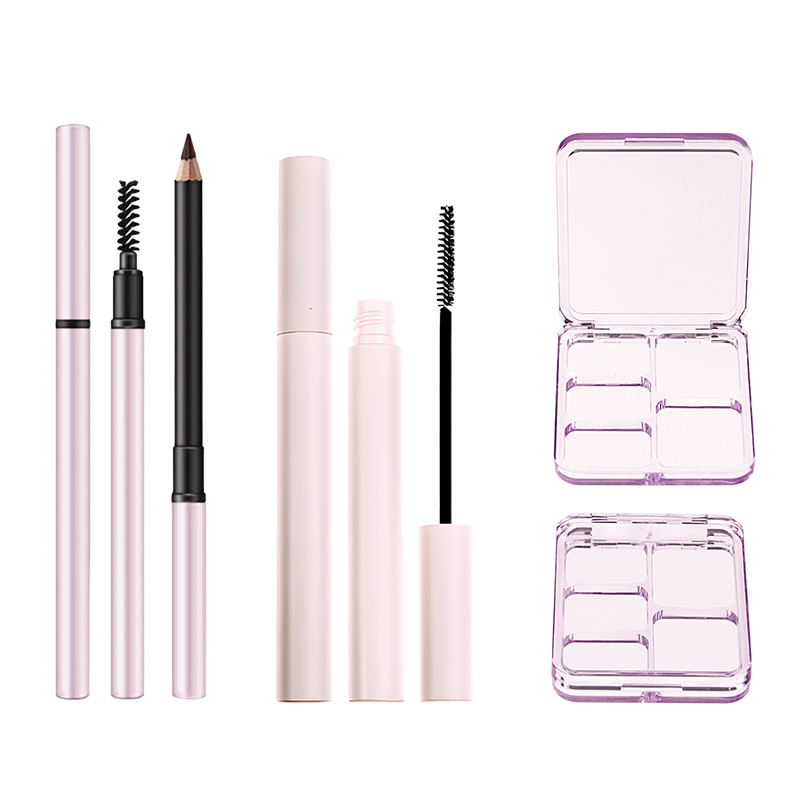
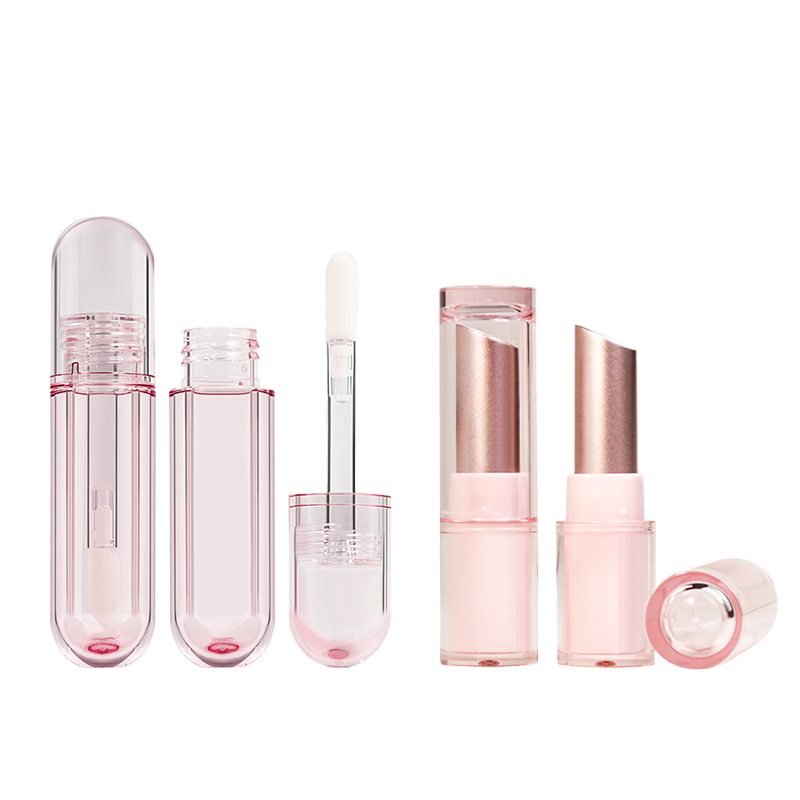
You’ve got a killer formula—maybe it’s the glow serum that melts TikTok or a lipstick shade that won’t quit. But if your cosmetic packaging products don’t hold up? Boom. Your brand’s first impression just went out with last season’s contour sticks. Packaging isn’t just the bottle—it’s your handshake, your vibe, and sometimes, your biggest screw-up.
Think of it like dating: you wouldn’t wear sweatpants on a first date (unless sweatpants are part of the brand). Same goes for packaging. If the pump leaks or the label peels in week two, customers bounce—and they don’t leave quiet reviews.
Topfeelpack‘s lead engineer, Clara Zhou, put it plainly during an April 2024 supplier summit: “Packaging fails cost more than dollars—they cost trust.” This guide is here to help you skip those rookie mistakes and choose smart from cap to base. Ready? Let’s get into what makes packaging click—or crack.
Key Points & Quick Answers: The Essential Blueprint for Winning with Cosmetic Packaging Products
-> Material Selection: Glass and aluminum deliver premium appeal and superior barrier protection, while PET, plastic, and acrylic offer flexibility and cost efficiency—always test compatibility with serums, creams, and foundations before finalizing.
-> Manufacturing Precision: High-quality injection molding, blow molding, and extrusion ensure uniform wall thickness, structural durability, and polished aesthetics for bottles, jars, and tubes.
-> Closure Compatibility: Match pumps, caps, lids, droppers, and roll-ons to product viscosity to prevent leakage, preserve formula integrity, and enhance user experience.
-> Decoration Durability: Silk screening, hot stamping, labeling, frosting, and coating elevate branding—but must withstand handling, storage, and long-term use without peeling or fading.
-> Sustainability Strategy: Prioritize recyclable, refillable, biodegradable, or recycled-content packaging to align with eco-conscious trends and strengthen brand loyalty.
-> Cost Awareness: Balance material premiums, mold complexity, decoration fees, and green investments to optimize both budget and brand positioning.
-> Supplier Evaluation: Verify ISO and GMP certifications, test samples thoroughly, confirm MOQs and lead times, and partner with specialists in bottles, tubes, jars, or compacts for consistent quality.
What Makes a Quality Cosmetic Packaging Product
A great formula deserves packaging that protects, performs, and pops on the shelf. Here’s what makes cosmetic packaging truly top-tier.
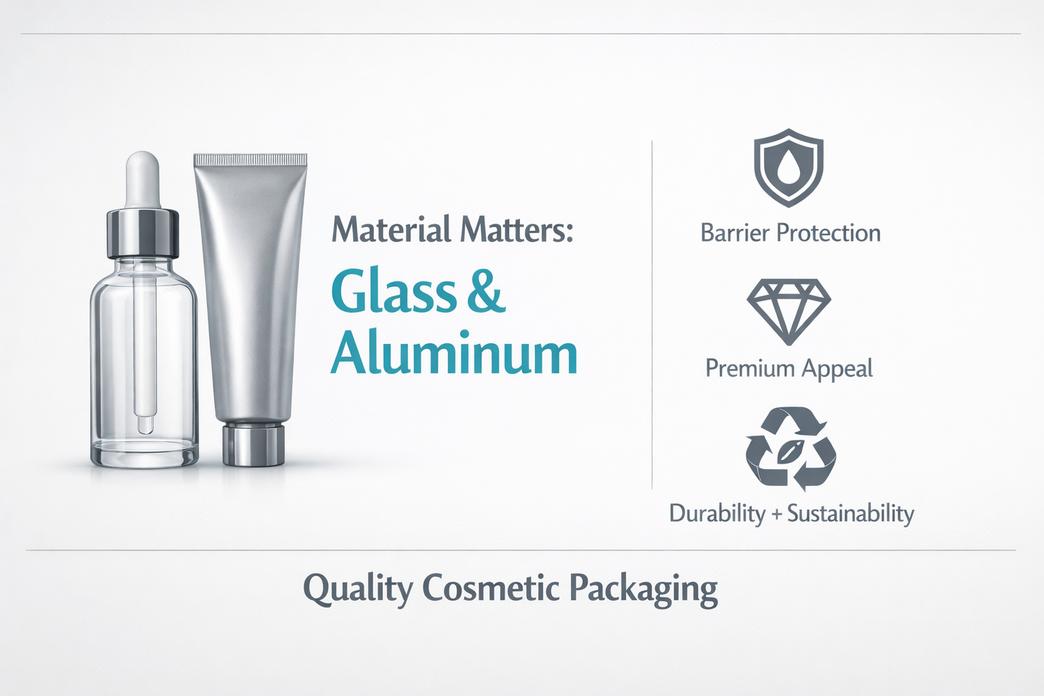
Material Matters: Why Glass and Aluminum Stand Out
When it comes to standout cosmetic packaging products, materials like glass and aluminum aren’t just about looks—they’re about performance.
1. Barrier Protection
- Keeps light-sensitive serums stable.
- Blocks oxygen to preserve active ingredients.
2. Premium Appeal
- Heavy feel of glass screams luxury.
- Sleek metallic finish of aluminum adds sophistication.
3. Durability + Sustainability
- Both are endlessly recyclable.
- Resist corrosion better than plastic alternatives.
Topfeelpack uses high-grade materials not only for aesthetics but also to improve shelf life—a smart move in today’s competitive beauty market.
Precision Injection and Blow Molding for Flawless Tubes and Bottles
Great design starts at the mold. For flawless tubes or bottles in your next line of skincare or makeup, precision is everything.
Manufacturing Process Breakdown:
-
Injection Molding:
• Used for smaller parts like caps or compact containers.
• Guarantees consistent shape with tight tolerances.
-
Blow Molding:
• Ideal for hollow pieces like lotion bottles or airless pumps.
• Ensures even wall thickness—no weak spots here.
Together, these techniques help brands achieve sleek silhouettes that feel as good as they look—especially when paired with Topfeelpack’s attention to detail in crafting high-quality molds for their custom solutions in beauty packaging.
Pumps, Caps, and Roll-Ons Ensuring Leak-Proof Closures
No one wants foundation leaking into their makeup bag—that’s why closures matter more than you think when choosing your cosmetic container setup.
✔️ Tight-fitting screw-on caps prevent evaporation over time.
✔️ Airless pump designs protect formulas from contamination while delivering just the right dose every time.
✔️ Ball-style roll-ons? They glide smoothly without clogging or dripping—perfect for deodorants or cooling eye gels.
Well-engineered closures don’t just stop leaks—they elevate user experience across all kinds of beauty applications in today’s fast-moving cosmetics world.
Eco-Friendly Choices with Biodegradable and Refillable Solutions
Sustainability isn’t optional anymore—it’s expected from any serious player in the game of modern-day beauty branding.
A) Refillable Systems
- Jars with replaceable pods reduce single-use waste.
- Magnetic pans let users swap out shades without tossing palettes away.
B) Biodegradable Materials
- Paper-based tubes made from FSC-certified pulp.
- Cornstarch resin caps that break down naturally over time.
C) Recycled Content Options
- Post-consumer recycled PET used in clear bottles.
- Ocean-bound plastics repurposed into sturdy compacts or lip balm tubes.
These eco-forward choices not only cut environmental impact but also align perfectly with Gen Z values—and Topfeelpack has been ahead of this curve by offering customizable sustainable options that don’t compromise on style or performance across its range of cosmetic packaging products.
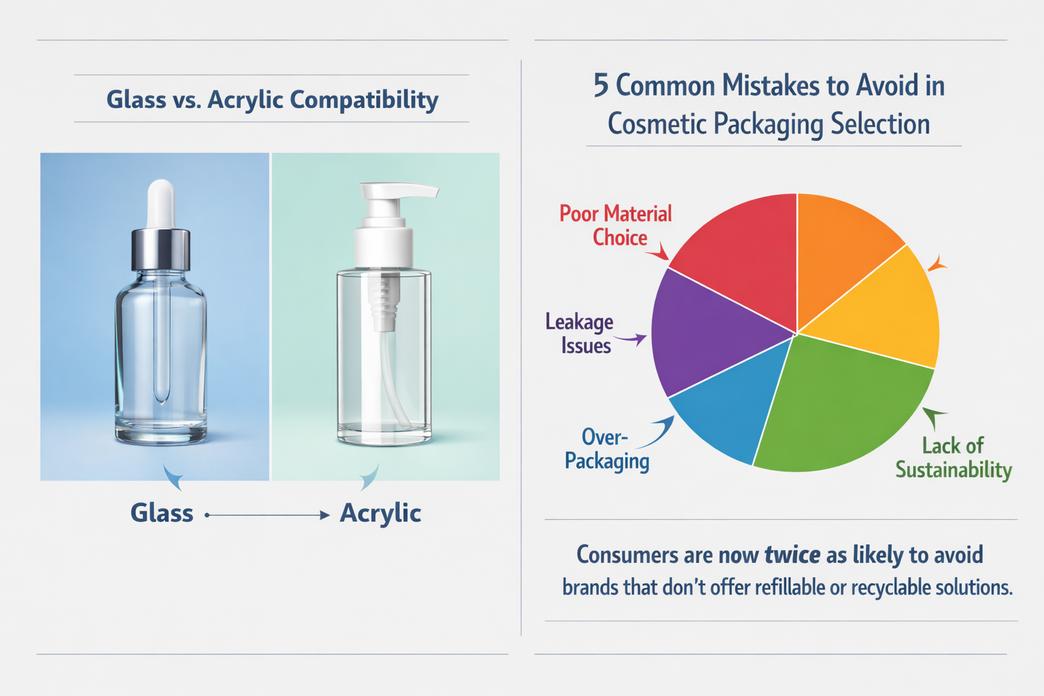
5 Common Mistakes to Avoid in Cosmetic Packaging Selection
Choosing the wrong packaging can ruin your product before it even hits the shelf. Here’s how to dodge the biggest slip-ups.
Overlooking Glass vs. Acrylic Compatibility with Your Formulas
When picking between glass packaging and acrylic packaging, don’t just go by looks—your formula could be at risk.
-
Start by identifying the nature of your product:
- Water-based serums may corrode certain plastics.
- Oil-heavy formulas might leach into acrylic walls.
-
Then test for chemical resistance:
- Use accelerated aging tests to simulate long-term storage.
- Observe discoloration, texture shifts, or odor changes.
-
Finally, assess material interaction over time:
- Check for micro-fractures in acrylic.
- Monitor evaporation rates in glass containers.
Your serum’s stability depends on formula compatibility, not just pretty packaging.
Selecting Plastic Bottles without Recyclable or Refillable Options
Skipping sustainability isn’t just bad PR—it’s bad business.
• Choose recyclable packaging made from PET or HDPE instead of mixed-material plastics.
• Offer refills using lightweight pouches or bulk stations; consumers love options that reduce waste.
• Use bottles with embossed resin ID codes so facilities can sort them easily.
According to Mintel’s Sustainable Packaging Report (2024), “Consumers are now twice as likely to avoid brands that don’t offer refillable or recyclable solutions.” That stat alone should make you rethink your plastic game.
Use smart choices like post-consumer resin and minimalist design to lower the total environmental impact of your cosmetic packaging products.
Ignoring Quality in Injection Molding and Blow Molding Processes
A flawless jar starts with precise molding—don’t skimp here.
-
Inspect samples from both processes:
a. Look for warping, sink marks, flash lines.
b. Feel for surface smoothness and seam strength.
-
Ask about mold maintenance schedules:
a. Worn molds produce inconsistent results.
-
Confirm quality control steps:
a. Are there dimensional checks?
b. Is there real-time monitoring?
Poorly executed injection molding or sloppy blow molding leads straight to customer complaints—and returns.
Neglecting Proper Labeling and Silk Screening Techniques
Branding isn’t just what you say—it’s how long it lasts on the bottle.
-
Group A – Design & Material Match
• Match label adhesives with surface finish—matte surfaces need stronger tackiness.
• Avoid incompatible inks that bleed on oily containers.
-
Group B – Application Method
• Go for silk screening when you want durability over time, especially under humid conditions.
• Use hot stamping if you’re after sharp metallic effects that won’t rub off easily.
-
Group C – Long-Term Wear Testing
• Simulate transport friction and shelf-life exposure before finalizing print methods.
Your visual branding should survive sweaty palms and bathroom steam—not peel off after week one.
Mismatching Pumps, Roll-Ons, and Caps to Product Viscosity
If your cream doesn’t come out right—or leaks everywhere—you’ve probably picked the wrong dispensing system.
• Thick creams? You’ll need high-torque pumps with wide bores—they push dense formulas better than droppers ever could.
• Light liquids? Stick with roll-ons or fine-mist sprayers; they’re built for low-viscosity flow without spillage risks.
• Don’t forget closure systems—tight-fitting caps prevent oxidation and maintain pressure balance inside tubes or jars.
Choosing the right combo of pumps, caps, and flow mechanics ensures each type of formula dispenses cleanly—and keeps its integrity intact inside any kind of cosmetic packaging product line you create.
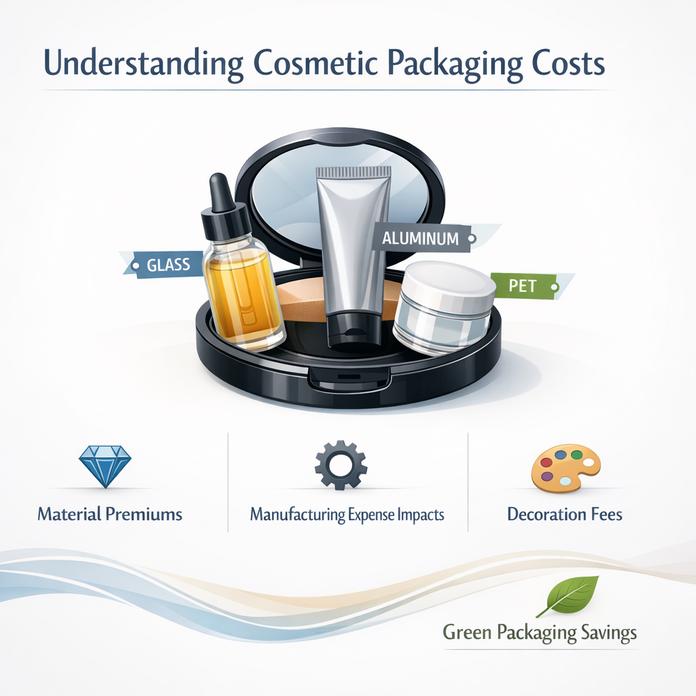
Understanding the Cost of Cosmetic Packaging: What You Need to Know
Before diving into design dreams, brands need to crunch numbers. Here’s how different elements affect the cost of cosmetic packaging products.
Material Premiums: Comparing Glass, Aluminum, and PET Pricing
- Glass costs more due to weight and fragility but screams luxury.
- Aluminum offers a sleek feel and is lightweight—mid-range in price.
- PET, the most budget-friendly option, is easy to mold and ship.
- High-end skincare often leans on glass for premium appeal.
- Color cosmetics favor PET for its lightness and lower carbon footprint.
- Recyclability matters—aluminum ranks high, boosting eco-perception.
→ For indie brands watching their margins, PET might be the sweet spot between quality and cost.
Manufacturing Expense Impacts for Injection, Blow, and Extrusion Molding
Think about your product’s shape—that’s where molding costs kick in hard.
• Simple tubes? Go with extrusion molding, it’s cheap and fast.
• Want unique compacts? That’s injection molding, pricier due to tooling.
• Bottles with curves? Hello, blow molding, mid-cost but flexible.
Each method affects not just price but also lead times and minimum order quantities. A compact powder case using dual-cavity injection molds could cost 40% more than a basic tube per unit.
“According to Smithers’ 2024 Packaging Cost Index Report, mold complexity contributes up to 55% of total production cost in custom cosmetic packaging.”
Decoration Fees for Labeling, Hot Stamping, and Frosting Options
Your product’s look can make or break shelf appeal—but it comes at a price.
- Basic labeling is low-cost but may fade over time.
- Add some shine with hot stamping—great for logos but bumps up expenses.
- That frosted glass finish? Gorgeous—and pricey due to surface treatments.
A simple lipstick tube with metallic foil printing can double in decoration cost compared to plain silk-screened versions. Choosing finishes that align with your brand image without blowing the budget is key when designing standout yet affordable cosmetic packaging products.
Green Packaging Savings with Recycled, Refillable, and Biodegradable Solutions
Eco-friendly doesn’t always mean expensive—it might even save you cash long-term.
♻️ Using recycled materials can reduce raw material costs by up to 20%.
🧴 Switching to refillable containers means fewer units produced over time.
🌱 Brands opting for biodegradable options may qualify for tax incentives or waste fee reductions depending on region.
Multiple short gains stack up:
– Lower disposal fees from biodegradable waste streams
– Higher customer loyalty from refill systems
– Reduced shipping weight with lighter green materials
Sustainability isn’t just good PR—it’s becoming a smart financial move in today’s competitive market of eco-conscious beauty buyers seeking planet-friendly cosmetic packaging solutions.
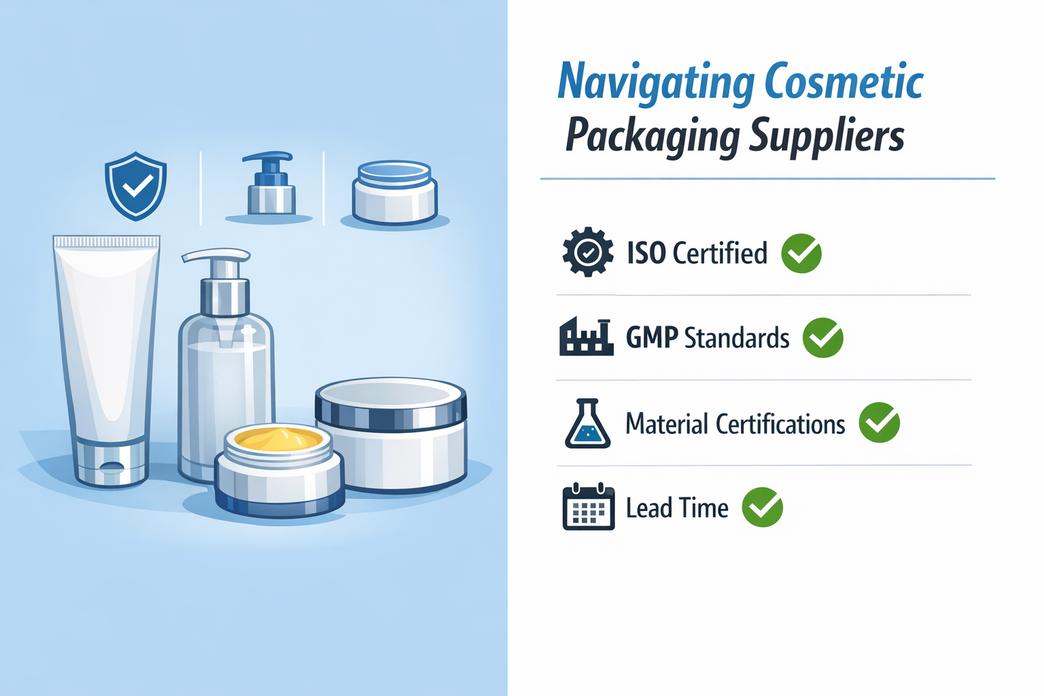
Navigating the World of Cosmetic Packaging Suppliers
Finding reliable partners for your cosmetic packaging products can get tricky fast—this guide helps you sort the pros from the amateurs.
Comparing Supplier Expertise in Tubes, Bottles, and Jars
Knowing what each supplier does best saves you time and headaches later. Some only do tube packaging, while others specialize in bottle packaging or jar packaging—and it shows in their results.
- A supplier with deep packaging expertise in tubes may offer advanced barrier protection for creams.
- Those focused on bottles often provide better pump mechanisms and dosing control.
- Jar specialists typically excel at wide-mouth designs perfect for balms and scrubs.
Always ask about their material testing process and request samples to check material compatibility with your product. Topfeelpack, for example, has dedicated teams for each format—they don’t mix skill sets.
Verifying ISO, GMP, and Material Certifications for Quality Assurance
You don’t want to find out too late that your supplier skipped quality checks. Ask directly about:
- Valid ISO certification (e.g., ISO 22716)
- Active GMP certification
- Proof of safe raw materials via proper material certification
⭑ These certifications prove their factory meets global hygiene and safety standards.
Also check if they pass audits regularly—it’s one thing to have a certificate; it’s another to follow it daily.
Testing Samples of Sprayers, Droppers, and Compacts Before Ordering
Before placing big orders on your next line of mists or serums, test how well the parts work together:
• Does the sprayer clog?
• Is the dropper’s flow accurate?
• How durable is that compact case?
Run real-world tests using your actual formula to confirm product compatibility, especially with oil-based or alcohol-heavy formulas that degrade plastics over time. Performance matters more than looks when it comes to closure systems—don’t skip this step!
Negotiating Lead Times and Minimum Order Quantities Effectively
MOQ too high? Lead time dragging? Tackle both early by breaking things down:
Step 1: Confirm MOQs per SKU
Some suppliers let you split color variants under one MOQ—ask upfront.
Step 2: Discuss Standard vs Custom
Custom molds mean longer timelines; stock items ship quicker but offer less branding flexibility.
Step 3: Build a Timeline Table
| Item Type | MOQ Units | Avg Lead Time (Days) | Customizable |
|---|---|---|---|
| Tubes | 5,000 | 30–45 | Yes |
| Glass Bottles | 3,000 | 40–60 | Yes |
| Plastic Jars | 2,500 | 25–35 | Limited |
Stay tight on communication—weekly updates help avoid last-minute surprises in your supply chain planning. Topfeelpack’s team sends regular production snapshots so brands aren’t left guessing where things stand.
By mastering these moves early on, sourcing smart becomes second nature across all types of cosmetic packaging products—from droppers to jars to tubes.
FAQs about Cosmetic Packaging Products
Which materials offer both beauty and strength for cosmetic packaging products?
Glass pump bottles carry a certain quiet elegance, resisting scratches while guarding foundation or serum from light. PET plastic jars balance affordability with safety, recycled content adding warmth to their story. Aluminum tubes gleam with resilience—frosted coating stops fingerprints in their tracks. Bamboo lids on compacts whisper eco-conscious charm beside acrylic palettes destined for vivid eyeshadow displays.
How can I choose bottles or jars that keep creams feeling fresh and true?
A cream feels betrayed by bad storage:
- Glass walls cradle rich textures without altering scent.
- PET resists chemical shifts during months on the shelf.
- Avoid acrylic when formulations run high in active acids—it clouds over time like uncertainty itself.
What should I demand from suppliers before committing to bulk tubes or compacts?
Ask for more than promises—hold the pieces yourself: silk screening samples rubbed until design either fades or lasts proud; pumps tested against your thickest serum; paperboard boxes checked so offset printing doesn’t smear under sweat of transit.
Are sustainable cosmetic packaging products practical over years of production?
Recyclable aluminum sprayers and refillable glass droppers lighten disposal costs year after year. Paperboard palettes made compostable draw customers who cherish waste reduced to nothingness. Even biodegradable bamboo caps hold shape until duty ends—a cycle consumers feel good embracing repeatedly.
Why does precision molding matter when producing bottles and tubes at scale?
Injection molding that keeps wall thickness uniform means no weak points when mascara tube travels across continents; blow-molded PET foundation bottles emerge identical enough for branding decorations like hot stamping to shine evenly along every curve.
How do different closure types influence product performance in foundations, serums, or deodorants?
Pumps deliver measured comfort—creams never overflow nor leave smudges where they shouldn’t be. Roll-ons suit liquid deodorant’s swift glide under pressure of mornings in a rush. Droppers respect potent serums with single precious beads per drop, while snug caps stop lipstick from drying into silence between uses.
References
[Mintel’s Sustainable Packaging Report (2024) – https://www.mintel.com/insights/packaging/the-future-of-beauty-packaging/]
[Smithers’ 2024 Packaging Cost Index Report – https://www.smithers.com/services/market-reports/packaging]
[ISO 22716 – https://www.iso.org/standard/36437.html]

