 English (UK)
  English
  English (Australia)
  English (Canada)
  العربية
  Deutsch
  Italiano
  Español de México
  Tiếng Việt
  ไทย
ไทย  Português do Brasil
  Français
  Български
  Čeština
  Dansk
Dansk  Ελληνικά
  Eesti
Eesti  Suomi
Suomi  Magyar
  Bahasa Indonesia
  Lietuvių kalba
  Latviešu valoda
  Norsk bokmål
  Nederlands (Formeel)
  Polski
  Română
  Русский
  Slovenčina
  Slovenščina
  Svenska
  Türkçe
  Українська
  简体中文
简体中文  日本語
日本語  한국어
한국어  繁體中文
繁體中文 
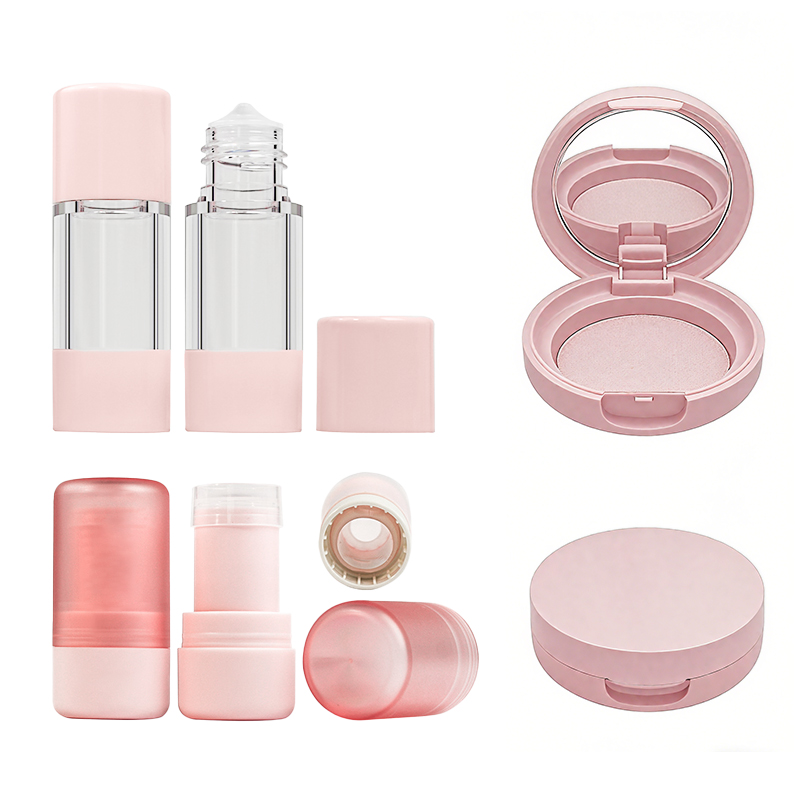
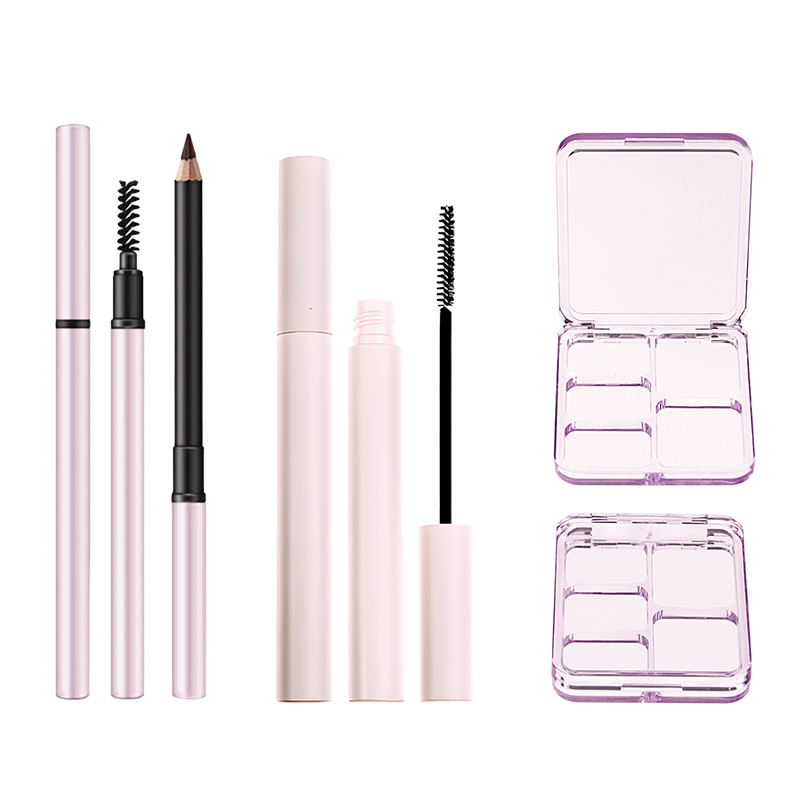
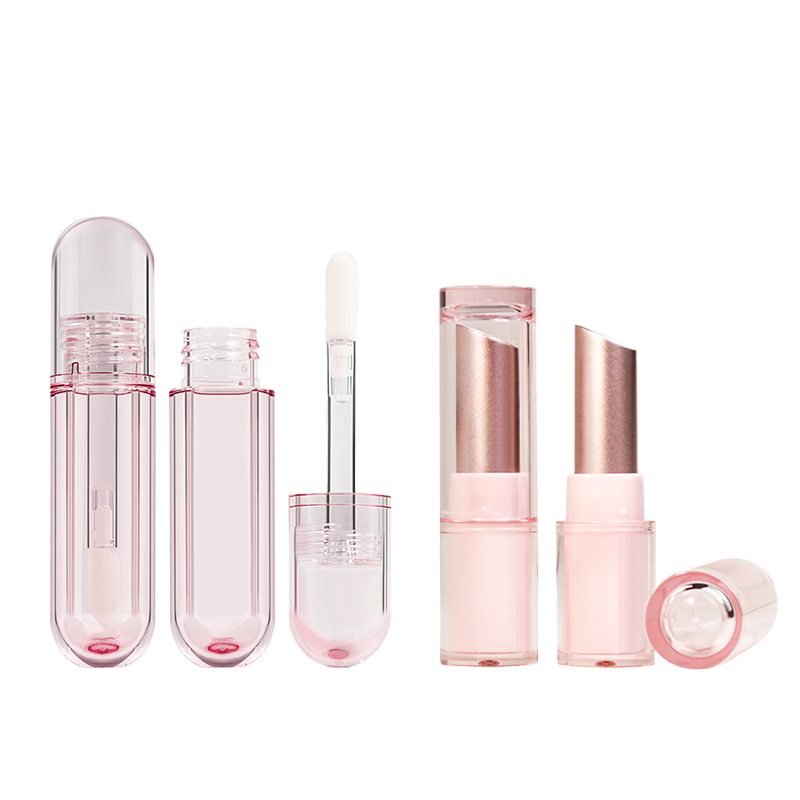

How Eco Cosmetic Containers Can Revolutionize Your Beauty Routine in 2026
February 09,2026
If your product still ships out in plastic shells that crack like cheap candy, 2026 might not be kind to you. Eco cosmetic containers aren’t just a Pinterest trend—they’re fast becoming the gold standard for beauty brands who want to stay on the shelf and off watchdog lists.
In fact, NielsenIQ reports that 78% of U.S. consumers now consider sustainability when making personal care purchases—and more than half are willing to pay extra for packaging that’s refillable or certified compostable. So yeah, this isn’t just about being “green.” It’s about staying relevant when buyers scroll past anything wrapped in guilt.
You can keep playing catch-up—or you can step into smarter materials like sugarcane bioplastic tubes and bamboo jars with COSMOS certifications baked in. The future has already RSVP’d; it’s asking if your packaging for cosmetics remembered to dress responsibly.
Key Takeaways in Motion: Reading Notes on the Rise of eco cosmetic containers
→ Material Shifts: Bamboo, sugarcane bioplastic, aluminum, glass, and post-consumer resin are replacing petroleum plastics to meet rising sustainability expectations without sacrificing performance or aesthetics.
→ Trust Signals: Certifications like Cradle to Cradle and COSMOS Organic act as credibility shortcuts, assuring consumers of ethical sourcing, safety, and real environmental impact.
→ Design Philosophy: Refillable, mono-material, and minimalist designs—often finished with water-based inks or laser etching—reduce waste while elevating brand perception.
→ Functional Performance: Airless pumps, UV-protective aluminum, and high-barrier PCR materials ensure formulation stability, hygiene, and leak-proof use alongside eco goals.
→ Circular Advantage: Closed-loop systems and refill models cut long-term costs, lower carbon footprints, and position eco cosmetic containers as both a sustainability and business strategy.
The Future of Beauty: Why Eco Cosmetic Containers Are Key in 2026
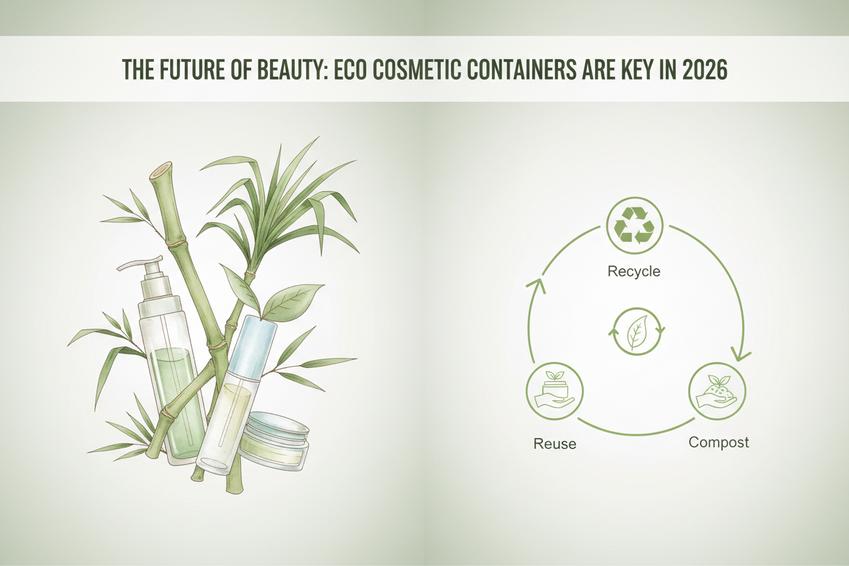
The beauty industry is flipping the script, and eco cosmetic containers are taking center stage. Here’s what’s fueling the shift.
Surging Demand for Bamboo & Sugarcane Bioplastic Containers
- 🌱 Shoppers want more than pretty packaging—they want purpose.
- 🌾 Bamboo packaging is lightweight, fast-growing, and naturally biodegradable.
- 🍬 Sugarcane bioplastics come from renewable crops and reduce reliance on fossil fuels.
These plant-based materials are now seen as cooler than plastic. Brands like Topfeel are jumping ahead by offering sleek designs made from these earth-friendly options. It’s not just about looking good—it’s about doing good too.
How Cradle to Cradle Certification Drives Consumer Confidence
- Ensures safe ingredients that won’t harm people or the planet.
- Verifies ethical sourcing and circular design principles.
- Confirms recyclability or compostability at end-of-life stages.
When a product has this badge, it screams transparency and accountability—two things today’s beauty buyers care deeply about. That little logo can turn a maybe into a “heck yes” at checkout.
Refillable vs. Biodegradable: The Sustainability Debate
♻️ Refillable containers:
Cut down on long-term waste
Encourage repeat purchases
Work best for high-end skincare
🌿 Biodegradable options:
Break down quickly in natural environments
Fit single-use or travel-size items
Appeal to minimalists
Both reduce plastic waste, but each fits different vibes and consumer habits. It’s not either-or—it’s what works best for your brand story.
Closed-Loop Systems Transform Ethical Manufacturing Practices
Closed-loop systems don’t just sound fancy—they actually work wonders:
Input Stage
- Use of post-consumer resin, recycled aluminum, or glass
- Sourcing raw materials with low carbon footprint
Production Stage
- On-site energy reuse
- Waste heat recovery
- Water recycling systems
Output Stage
| Process | Result | Environmental Benefit |
|---|---|---|
| Container regrinding | Material reuse | Lowers landfill burden |
| Scrap reintegration | Reduces new input need | Minimizes resource depletion |
| Zero-waste packaging | No production offcuts | Cuts pollution |
This kind of system cuts out excess trash while keeping operations lean and green—a win-win for both brands and the planet.
By shifting toward smarter materials and circular practices, brands using eco cosmetic containers aren’t just following trends—they’re shaping what comes next.
2026 Trends: Eco Cosmetic Containers Leading Beauty’s Sustainability Shift
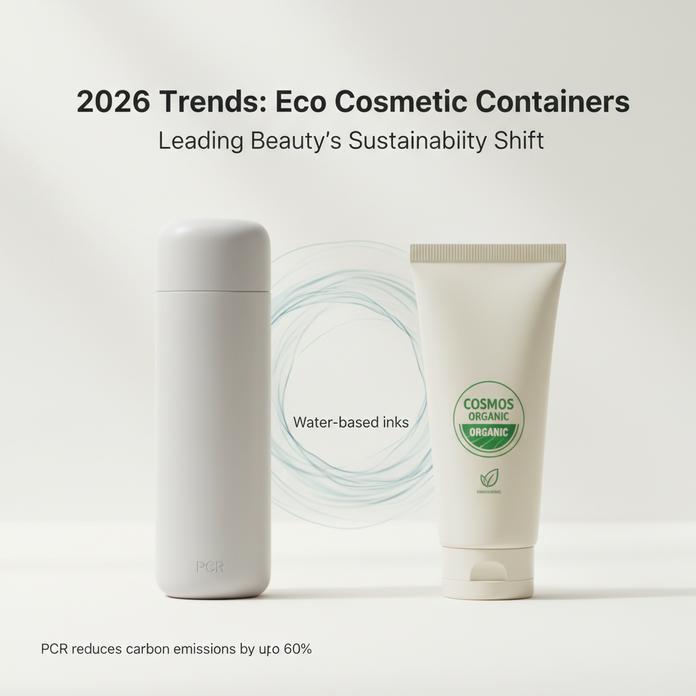
As the beauty world gets greener, brands are rethinking how they wrap their products. These shifts in eco cosmetic containers are setting the tone for what’s next.
Rise of Post-Consumer Resin in Luxury Skincare Bottles
Luxury packaging is finally catching up with sustainability goals, and it’s doing it with style:
A. Aesthetic Meets Ethics
- High-end brands now embrace sleek bottles made from post-consumer resin, or PCR.
- These containers maintain premium finishes while cutting down virgin plastic use.
B. Environmental Impact
- PCR reduces carbon emissions by up to 60% compared to new plastic.
- Brands can track lifecycle data and communicate transparency to consumers.
C. Consumer Appeal
- Shoppers feel good choosing prestige skincare that aligns with their values.
- The tactile feel and visual clarity of PCR match traditional luxury expectations.
This shift isn’t just surface-level—it reflects a deeper change in how the industry views waste as a resource, not a liability.
COSMOS Organic Labels on Biodegradable Tubes Garner Trust
🌿 Consumers want proof that what touches their skin won’t harm the planet—and COSMOS delivers:
- The COSMOS certification ensures biodegradable tubes meet strict organic standards.
- It confirms that all ingredients and materials used are both safe and sustainably sourced.
- Paired with compostable materials like sugarcane-based bioplastics, these tubes break down cleanly post-use.
- Shoppers recognize this label as a sign of authenticity—no greenwashing here.
- Brands using these certified tubes often see stronger consumer trust and repeat purchases.
By combining verified compostability with organic integrity, these packages give eco cosmetic containers more than just shelf appeal—they deliver peace of mind.
Minimalist Designs with Water-Based Inks Define Next-Gen Packaging
Minimalism isn’t just about looks—it’s about stripping away what doesn’t serve people or the planet:
A. Visual Simplicity
- Bold sans-serif fonts and muted tones dominate current design choices.
- Excessive gloss or foil stamping is out; matte textures reign supreme.
B. Functional Materials
- Brands opt for recyclable or refillable formats like glass substitutes or lightweight aluminum containers.
- Labels printed with water-based inks reduce harmful VOCs during production.
C. User Experience & Transparency
i) Clear labeling helps customers understand recyclability at a glance.
ii) QR codes link to digital sustainability reports—no extra packaging needed.
This pared-back approach speaks volumes without shouting—letting eco cosmetic containers tell a cleaner story through every detail.
3 Reasons Why Eco Cosmetic Containers Are a Game-Changer
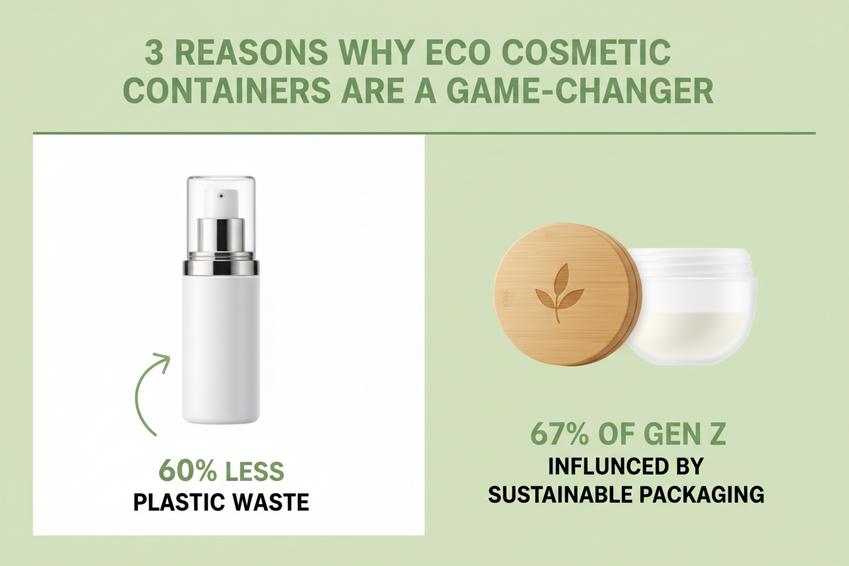
Eco cosmetic containers are flipping the script on beauty packaging. Here’s how they’re shaking up the industry in ways that matter.
Reason 1 – Refillable Airless Pumps Slash Plastic Waste
- Reduce single-use plastic by over 60% per product cycle
- Designed for multiple refills, cutting down on frequent replacements
- Keeps formulas fresher, longer — no backflow contamination
- The airless design prevents oxygen exposure, preserving product texture
- Each pump is crafted for longevity, reducing landfill-bound waste
- Brands benefit from lower packaging turnover and stronger green credentials
★ These pumps aren’t just practical — they’re a quiet revolution in skincare sustainability.
By minimizing throwaway components and boosting product integrity, refillable pumps align with circular design principles. That’s not just good for the planet — it’s a win for your wallet too.
Reason 2 – Biodegradable Sugarcane Bioplastic Boosts Brand Image
♻️ Made from renewable sugarcane crops, these containers deliver serious eco flair without sacrificing durability.
• Breaks down naturally under industrial composting conditions
• Helps brands flaunt their carbon footprint reduction goals loud and clear
• Supports clean ingredient branding with matching clean packaging
“67% of Gen Z consumers say sustainable packaging influences their buying decisions,” according to McKinsey’s 2024 Beauty Consumer Trends Report.
For brands like Topfeel, switching to sugarcane bioplastic isn’t just about being trendy — it’s about walking the talk on corporate social responsibility while tapping into rising waves of ethical consumerism.
Reason 3 – Reusable Bamboo Compacts Lower Production Costs
I. Material: Fast-growing bamboo = low-cost + high-strength
A. Cuts raw material sourcing time by half
B. Naturally antimicrobial surface boosts contamination prevention
II. Functionality: Built to be reused again and again
A. Hinges resist wear over time without cracking
B. Easily refillable pans make them perfect for long-term use
III. Brand Value: Looks luxe while staying green
A. Appeals to minimalist aesthetics favored by younger audiences
B. Reinforces your brand’s commitment to sustainability initiatives
Topfeel integrates these bamboo compacts into its product lines not only because they’re beautiful but because they reduce reordering cycles — which means less spending and more savings across production runs of eco cosmetic containers.
Eco-friendly doesn’t have to mean expensive or boring anymore — it can be smart, stylish, and strategic all at once.
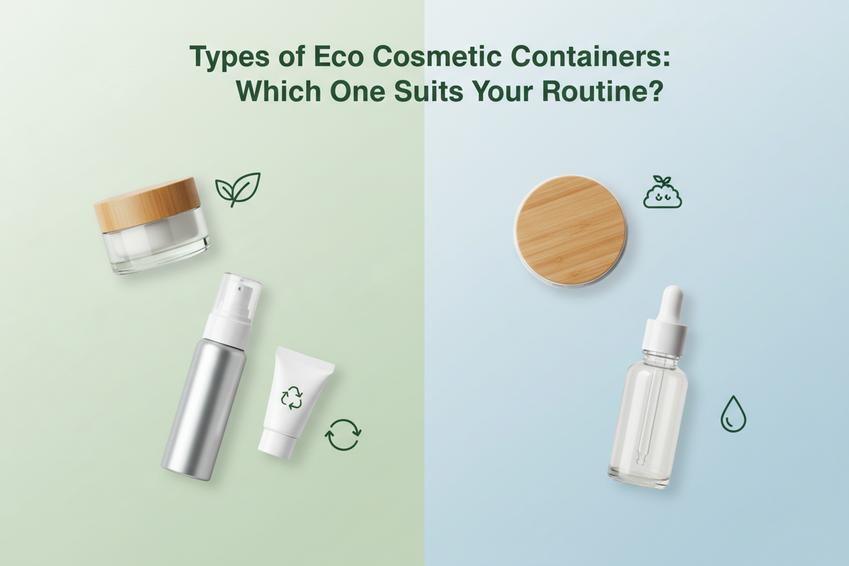
Types of Eco Cosmetic Containers: Which One Suits Your Routine?
Choosing the right kind of eco cosmetic containers can seriously upgrade your beauty game while keeping things green and clean.
Bamboo & Glass Cosmetic Jars
These jars are a classy win for anyone into creams, balms, or rich facial masks.
- Outer layer: Smooth bamboo casing made from renewable resources, offering durability and natural aesthetics.
- Adds a spa-like vibe to your shelf.
- Naturally antibacterial, making it a hygienic pick.
- Inner jar: Clear or frosted glass, perfect for showcasing product texture.
- Fully recyclable and non-reactive with formulas.
- Keeps contents stable without leaching chemicals.
Together, they create an elegant yet sustainable duo that’s both refillable and plastic-free—ideal for those who want their skincare to look good and do good.
Aluminum Airless Pump Bottles
These sleek containers are built for preserving lightweight serums or lotions with minimal waste.
- Outer shell: Lightweight aluminum is not only durable but supports full-scale aluminum recycling systems globally.
- Inner chamber: Designed as airless to reduce oxidation—perfect for active ingredients like Vitamin C or retinol.
“Demand for airless packaging in skincare rose by 18% year-over-year due to its role in extending product longevity,” according to Euromonitor’s 2024 Beauty Packaging Insights Report.
Topfeel offers these bottles with customizable finishes, blending functionality with sharp design while cutting down on single-use plastics in your routine.
Refillable Post-Consumer Resin Tubes
If you love gels, cleansers, or daily moisturizers that squeeze out smooth—these tubes are your jam.
• Made from high-grade post-consumer recycled plastic—cutting down on virgin material use big time.
• Soft-touch feel makes them easy to grip even mid-shower.
• Flip-top caps make them travel-friendly and leak-proof.
They’re also part of the circular economy trend: refill after refill keeps them outta landfills longer. Topfeel’s versions even come with smart fill indicators so you know when it’s time to top up again.
Compostable Polymer Compact Cases
Makeup lovers on-the-go will dig these biodegradable beauties crafted from advanced bio-based materials:
- Case construction:
- Uses next-gen compostable polymers derived from corn starch and other plant-based plastics
- Breaks down under industrial composting conditions within months
- Lightweight but sturdy enough to handle daily wear-and-tear
Great for pressed powders, blushes, or cream highlighters—you get all the glam without the guilt. Plus, they align perfectly with a zero-waste lifestyle thanks to their low overall environmental impact across the full product lifecycle.
Sugarcane Bioplastic Dropper Bottles
For oils and concentrates that need precision dosing without harming the planet:
- Bottle body:
- Made using ethanol-derived sugarcane resin—a fully renewable alternative
- Retains flexibility similar to traditional plastic but comes from a cleaner source
- Dropper cap:
- Often paired with glass pipettes or recyclable silicone tips
- Compatible with essential oil blends due to chemical stability
These dropper bottles offer reliable delivery while supporting brands committed to reducing carbon footprints through smarter material choices like bioplastics, especially when paired with minimalist labels and reusable outer packaging options.
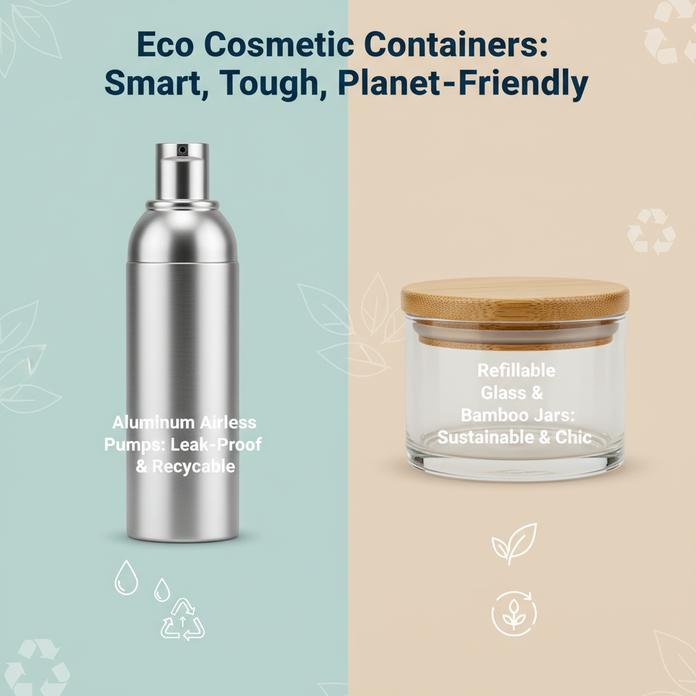
Tired of Wasteful Packaging? Eco Cosmetic Containers Offer the Solution
Say goodbye to cracked lids, leaky tubes, and trash-can guilt. These eco cosmetic containers are smarter, tougher, and way easier on the planet.
Struggling with Broken Bottles? Switch to Aluminum Airless Pumps
• Tired of shattered glass or flimsy plastic? Aluminum pumps got your back.
• Travel-friendly and leak-proof—no more lotion explosions in your bag.
• They’re not just tough—they’re sleek and recyclable too.
- Aluminum is naturally resistant to corrosion and UV rays.
- Airless tech keeps products fresher for longer by limiting oxygen exposure.
- Pumps can be reused multiple times without losing performance.
→ Sleek design meets function—aluminum airless pumps are a no-brainer for anyone who’s over messy spills and wasteful packaging.
Short bursts of genius:
– Looks high-end on your shelf
– Keeps formulas stable longer
– Cuts down single-use plastics
Battling Single-Use Tubes? Embrace Refillable Glass and Bamboo Jars
- Pop open the top, refill with ease—these jars were built to last.
- Swap out single-use tubes for something that feels good in your hand and conscience.
• Glass offers a clean look while keeping creams cool and stable.
• Bamboo, being renewable, adds warmth without harming forests.
• Together they create a stylish combo that’s both eco-conscious and durable.
→ You don’t have to give up aesthetics for sustainability anymore—these refillable containers bring both.
Short perks:
– Great for DIY skincare mixes
– No weird chemical smells like plastic sometimes gives off
– Easy to clean between refills
Frustrated by Hard-to-Recycle Blends? Choose Mono-Material Compostable Polymers
“By 2026, over 40% of beauty brands plan to shift toward mono-material packaging,” according to a recent Euromonitor report on sustainable packaging trends.
Nested logic:
A) Why mixed materials stink:
i) Most curbside recycling systems can’t separate them efficiently
ii) Ends up in landfills or incinerators anyway
B) What makes compostable polymers better:
i) Made from plant-based sources like corn starch or sugarcane
ii) Breaks down naturally in industrial composting facilities
C) Bonus points:
i) Still protects product integrity during use
ii) Lightweight = lower shipping emissions
→ If you’ve been tossing out empty tubes wondering where they really go—this switch will feel good.
Worried About Chemical Stability? Post-Consumer Resin Offers Barrier Properties
Let’s break it down:
1️⃣ Sensitive serums need serious protection from light, heat, and air. That’s where post-consumer recycled content shines—it’s not just reused plastic; it’s engineered for performance.
2️⃣ These containers offer solid barrier properties against UV rays and oxygen infiltration without needing extra layers or coatings (which usually make recycling harder).
3️⃣ Brands like Topfeel are using this material because it balances eco goals with real-world functionality—keeping your skincare safe while cutting virgin plastic use.
→ You get product freshness and peace of mind knowing you’re supporting smarter reuse systems through these advanced recycled materials.
Quick wins:
Ideal for natural formulas prone to oxidation
Supports circular economy goals without sacrificing quality
Beauty Professionals: Why Eco Cosmetic Containers Are a Must in 2026
Beauty pros are ditching outdated plastic tubs for smarter, cleaner, and greener choices. Here’s how the shift to eco cosmetic containers is changing the game.
Makeup Artists Achieve Hygienic Application with Airless Pump Bottles
- Keeps fingers out of formulas—no more double-dipping.
- Reduces oxidation and extends shelf life.
- Perfect for high-use environments like film sets or bridal events.
- Airless pumps prevent air from re-entering, preserving texture and potency.
- They’re ideal for liquid foundations, serums, and creams used across multiple clients.
- Many brands now offer refillable systems, cutting down on single-use packaging.
💡 Bonus: Less product waste = more bang for your buck.
By switching to these hygienic dispensers, makeup artists align with both client safety expectations and rising standards in professional ethics. Plus, it’s easier to manage inventory when products stay fresher longer—fewer toss-outs means smarter spending.
Spas Elevate Luxury Feels via Laser-Etched Glass Jars
Glass jars aren’t just pretty—they’re part of the spa experience now. Their weight signals quality. Their clarity shows off artisanal formulations beautifully.
• Reusable glass adds elegance to any treatment room setup
• Laser etching allows custom branding without wasteful labels
• Clients notice—and remember—the upscale packaging
Spas that invest in these sleek containers often find that they boost their image of ethical consumption and luxury at once. When paired with sustainable refills or bulk options, these jars cut down on both visual clutter and long-term plastic waste.
Salons Streamline Stock with Reusable Aluminum Compacts
Reusable aluminum compacts are redefining salon storage strategies by being tough as nails yet easy on the eyes—and the planet.
Benefits Breakdown Table:
| Feature | Traditional Plastic Compact | Reusable Aluminum Compact | Long-Term Savings |
|---|---|---|---|
| Durability | Low | High | Yes |
| Customization Options | Limited | Extensive | Yes |
| Compatibility with Refills | Rare | Standard | Yes |
| Environmental Impact | High | Low | Major |
Salons using aluminum cases enjoy simplified restocking thanks to standardized refill trays—no more tossing out entire units after one use. It’s a win for waste management, a boost to your brand’s values around salon sustainability, and an easy way to meet evolving industry standards without sacrificing style or function.
These sleek compacts also let stylists mix-and-match shades or finishes quickly during appointments—a quiet revolution in back-bar efficiency driven by smart design and real-world needs around refillability and performance.
FAQs
What materials resonate most with bulk eco cosmetic container buyers?
Wholesalers often gravitate toward containers whose touch tells a sustainability story:
- Bamboo & Sugarcane Bioplastic: Warm, organic texture for droppers and lightweight bottles.
- Post‑Consumer Resin (PCR) & Recycled Plastic: A subtle matte feel while conveying waste reduction in jars or tubes.
- Glass & Aluminum: Cool, reassuring weight ideal for refillable compacts and palettes; recyclable without loss of quality.
Which decoration styles carry an eco-friendly luxury mood?
Brands seeking artistry without environmental strain tend to choose finishes that let hands linger:
- Water‑based inks on mono‑material bottles—clear prints minus chemical scent.
- Laser etching along glass jar edges—tactile elegance with no plastic film involved.
- Embossed logos on aluminum compacts—a raised signature that survives years of reuse, whispering longevity into every grip.
Why does post-consumer resin stand out in large procurement deals?
For business clients balancing cost and conscience, PCR offers a persuasive mix: recyclable by design yet strong enough to guard formulation stability during shipment; compatible with leak‑proof closures and solvent-free coatings; emblematic of closed-loop systems where yesterday’s bottle becomes tomorrow’s palette—reducing the carbon shadow across each supply chain step managed under FSC certified oversight.
References
- Consumers care about sustainability—and back it up with their wallets – McKinsey – https://www.mckinsey.com/industries/consumer-packaged-goods/our-insights/consumers-care-about-sustainability-and-back-it-up-with-their-wallets]
- Sustainability in packaging 2025: Inside the minds of global consumers – McKinsey – https://www.mckinsey.com/industries/packaging-and-paper/our-insights/sustainability-in-packaging-2025-inside-the-minds-of-global-consumers
- Unlocking Sustainability in Beauty and Personal Care: Key Opportunities – Euromonitor.com – https://www.euromonitor.com/article/unlocking-sustainability-opportunities-in-beauty-and-personal-care
- Sustainable Packaging Trends 2026: What Brands in Europe Need to Know – Ryleon – https://www.ryleon.com/news/sustainable-packaging-trends-2026-what-brands-in-europe-need-to-know
- Think Outside of the Plastic: Why Bamboo is the Future of Packaging – Propak Indonesia – https://www.propakindonesia.com/think-outside-of-the-plastic-why-bamboo-is-the-future-of-packaging/

