 English (UK)
  English
  English (Australia)
  English (Canada)
  العربية
  Deutsch
  Italiano
  Español de México
  Tiếng Việt
  ไทย
ไทย  Português do Brasil
  Français
  Български
  Čeština
  Dansk
Dansk  Ελληνικά
  Eesti
Eesti  Suomi
Suomi  Magyar
  Bahasa Indonesia
  Lietuvių kalba
  Latviešu valoda
  Norsk bokmål
  Nederlands (Formeel)
  Polski
  Română
  Русский
  Slovenčina
  Slovenščina
  Svenska
  Türkçe
  Українська
  简体中文
简体中文  日本語
日本語  한국어
한국어  繁體中文
繁體中文 
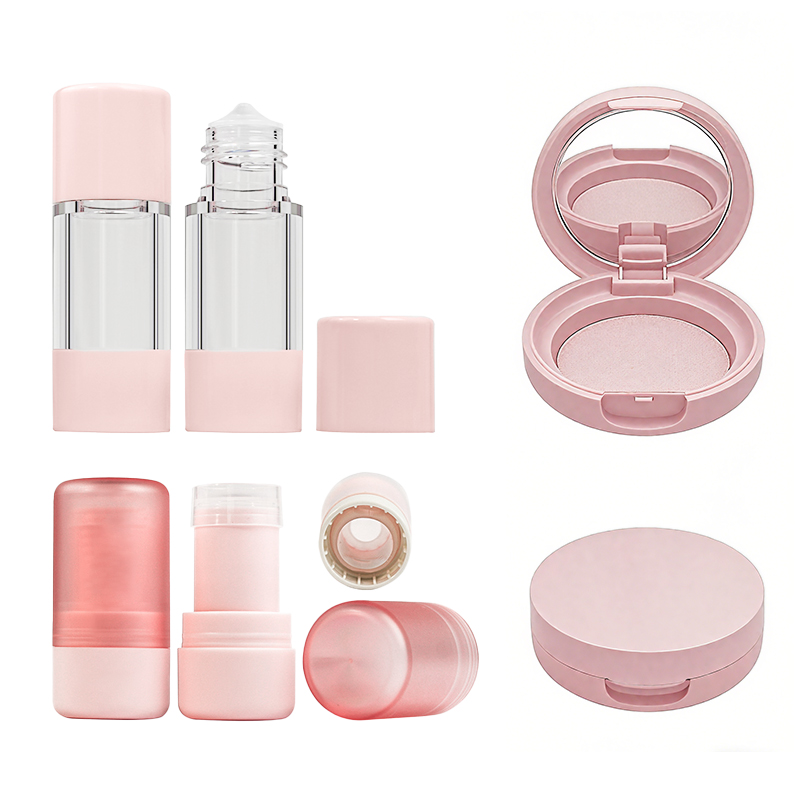
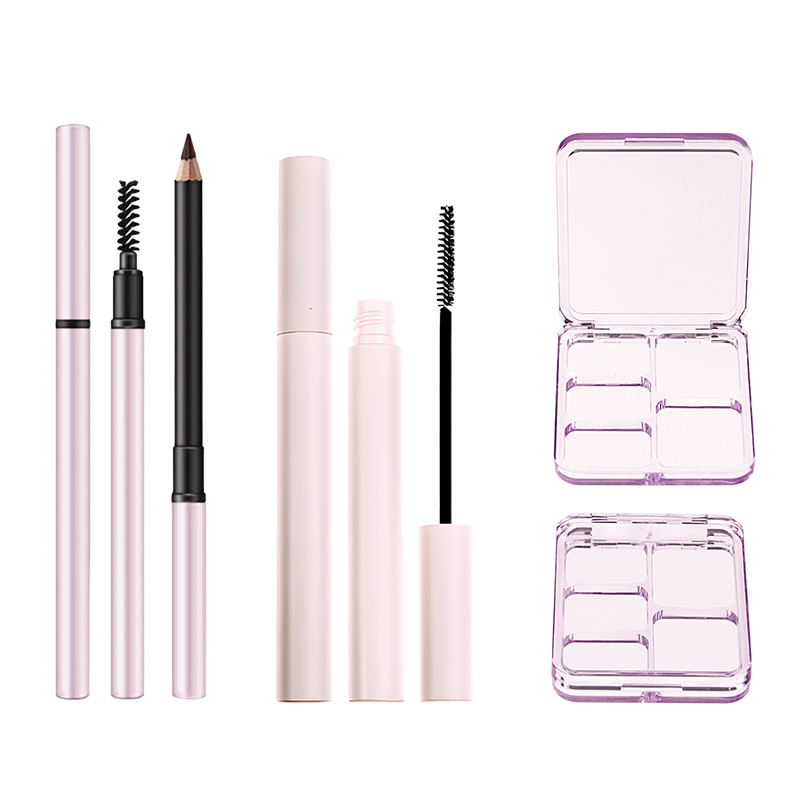
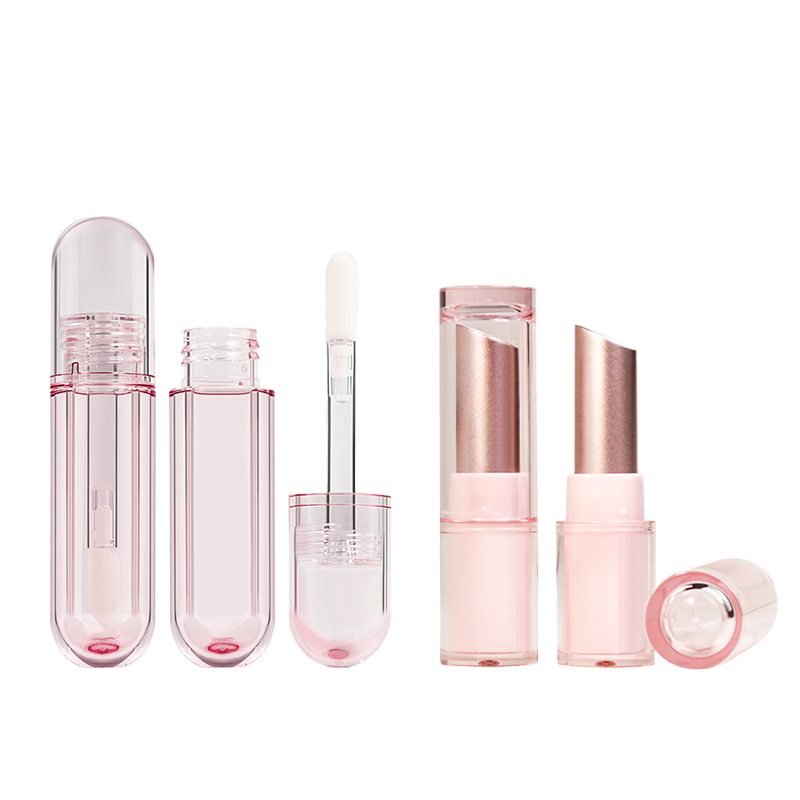

What You Need to Know About the Latest Packaging Industry News
January 28,2026
The packaging industry news is coming in hot—and it’s not just about pretty boxes. Buyers are caught juggling FDA compliance, eco-pressure from Gen Z, and the rising cost of raw materials like virgin PET. You want volume discounts that don’t sacrifice style. Your marketing team wants refillable lipstick tubes with soft-touch finishes. And legal? They’re side-eyeing every supplier without ISO 9001 stamped across their forehead.
Truth is, cosmetic packaging has become a three-headed beast—beauty, budget, and sustainability all snarling for attention. Finding suppliers who get all three? That’s not luck; that’s smart sourcing with eyes wide open.
Essential Insights from Packaging Industry News: A Professional Guide
- Regulatory Shifts: Stay informed about REACH and RoHS regulation updates that impact material safety in cosmetic packaging.
- Quality Standards: Partner with ISO 9001 certified suppliers to ensure top-notch quality for lipstick tubes and foundation bottles.
- Sustainable Practices: Embrace the trend of using recycled PET and eco-friendly materials to align with consumer demand for sustainability.
- Innovative Features: Invest in airless pump systems and refillable containers to enhance product longevity and minimize waste.
- Decoration Techniques: Utilize hot stamping foils and UV coatings to elevate packaging aesthetics and strengthen brand appeal.
What’s Driving Change in the Packaging Industry News Landscape?
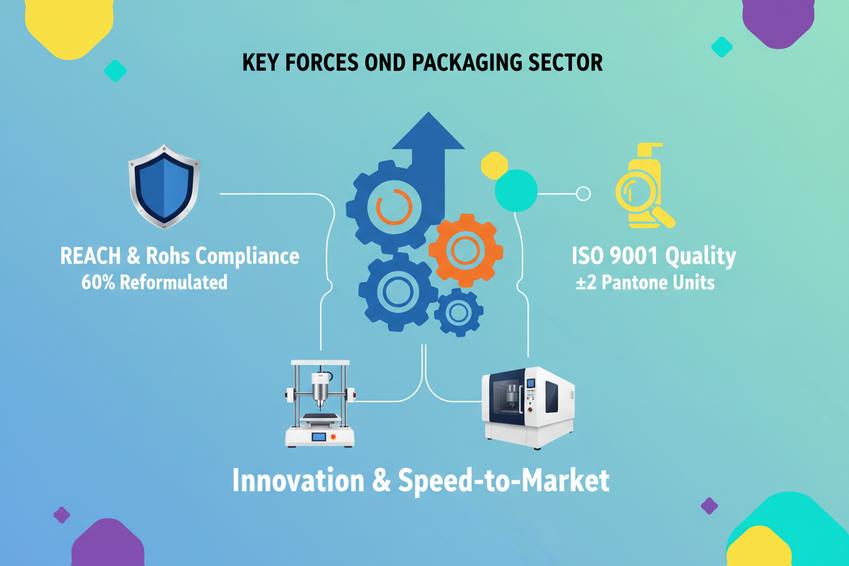
The packaging industry news cycle is spinning faster than ever, thanks to fresh tech, stricter rules, and shifting consumer vibes.
Regulatory pressure reshaping cosmetic packaging under REACH regulation and RoHS compliant standards
• REACH and RoHS are no longer just acronyms—they’re reshaping how makeup gets dressed up.
• Brands are now ditching phthalates, lead-based pigments, and other risky additives to stay on the right side of compliance.
• Mascara tubes? Blush compacts? They’re getting cleaner inside and out with safer material swaps like PETG and PCR plastics.
💡 “According to Chemical Watch’s Q2 2024 report, over 60% of European cosmetic brands have reformulated their packaging materials due to evolving REACH interpretations.”
These regulations aren’t just legal hurdles—they’re nudging the whole market toward smarter, sustainability initiatives, while also giving consumers peace of mind. The pressure’s on, but it’s pushing innovation forward across every corner of the packaging industry news cycle.
How ISO 9001 certified suppliers are redefining quality expectations for lipstick tubes and foundation bottles
Grouped by impact area:
Material Consistency
- Suppliers follow strict sourcing guidelines for glass clarity and polymer purity.
- Reduced batch-to-batch variation means fewer product recalls.
Production Precision
- Automated QC checkpoints catch micro-defects during molding.
- Color consistency across lipstick tubes is now within ±2 Pantone units.
Testing & Traceability
- Every foundation bottle can be traced back to its mold cavity via QR-coded batches.
- Drop tests simulate real-life handbag chaos—no more shattered dreams at the bottom of your purse.
ISO-certified players aren’t just ticking boxes—they’re raising the bar on what “quality” even means in today’s fast-moving market drivers environment. This shift is rippling through every layer of packaging industry news, from supplier audits to final shelf appeal.
Innovation momentum from 3D printing prototypes to scalable injection molding services
It starts small—literally—with a prototype that fits in your hand but carries big potential:
- A design team sketches out a refillable compact idea.
- Within hours, a resin model emerges from a high-res SLA printer.
- Tweaks happen fast—snap fits adjusted here, hinge tension tested there.
- Once approved? That same design scales into steel molds ready for mass production.
- Injection molding kicks off with multi-cavity tools pumping out thousands per hour.
Now we’re talking real speed-to-market magic.
This mashup of rapid prototyping and scalable manufacturing is what keeps today’s industry innovation engine roaring—and it’s making waves all over packaging industry news, especially when it comes to airless pumps or child-safe closures that need both creativity and compliance baked in from day one.
Sustainability in Packaging: Facts You Shouldn’t Ignore
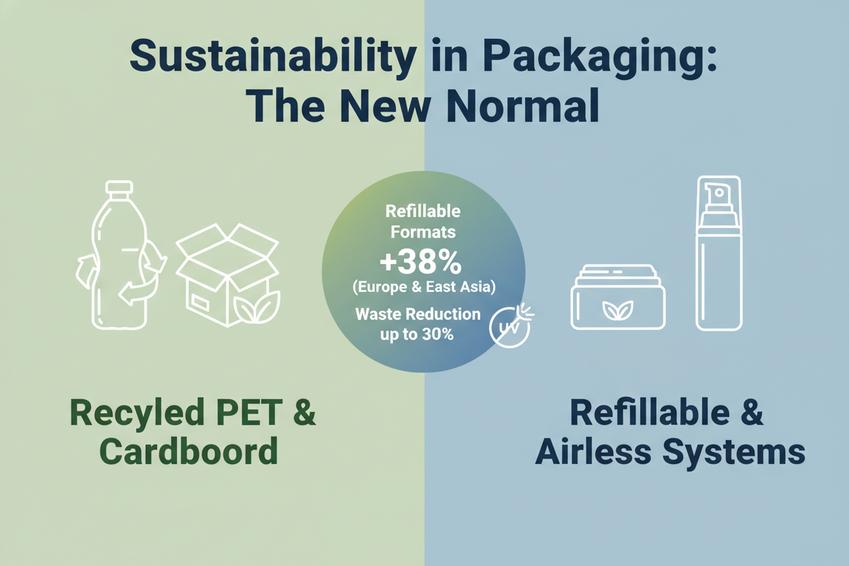
Eco-conscious packaging is no longer niche—it’s the new normal. Let’s break down what’s hot in the packaging industry news, and why it matters for your brand and the planet.
Why recycled PET and eco-friendly cardboard dominate current packaging industry news
• Recycled PET keeps plastic outta landfills—it’s strong, clear, and gives waste a second life.
• Cardboard made from post-consumer fiber is lightweight yet sturdy, making it perfect for compacts or palettes.
• Both materials cut down carbon emissions compared to virgin alternatives—big win for brands aiming to lower their footprint.
• These choices are front-and-center in every major packaging news update because they blend performance with purpose.
Sustainable sourcing trends behind refillable containers and airless pump systems
- Brands are turning heads with refillable jars that snap into outer shells—super sleek, ultra low-waste.
- Airless pumps? They’re not just cool tech—they reduce oxidation, which means less spoiled product and fewer returns.
- More suppliers are sourcing components from verified low-impact manufacturers who prioritize sustainable packaging practices over flashy gimmicks.
According to Mintel’s Global Packaging Trends Report Q2–2024, “Refillable formats have jumped by over 38% in new cosmetic launches across Europe and East Asia.”
This shift isn’t just about looking green—it’s about staying relevant in an evolving eco-friendly materials market.
GMP compliance as a baseline for environmentally responsible cosmetic packaging suppliers
Grouped below are key elements that define GMP-compliant yet eco-savvy packaging vendors:
- ✅ Certified cleanrooms that minimize particulate waste during production.
- ✅ Use of aluminum shells with recycled content ratios exceeding industry minimums.
- ✅ Deployment of biodegradable trays or inserts made from cornstarch polymers.
- ✅ Consistent audits ensuring safe handling of both organic ingredients and biodegradable packaging components.
Topfeel rides this wave by offering fully GMP-aligned solutions wrapped in sustainability—from mascara tubes to lip balm pots.
The role of UV protection coating in extending product life while reducing waste
| Coating Type | Shelf Life Extension | Waste Reduction (%) | Common Application |
|---|---|---|---|
| Standard Acrylic | +6 months | ~10% | Lipsticks |
| Nano UV Barrier | +12 months | ~25% | Foundations |
| Dual-layer Hybrid | +18 months | ~30% | Serums & Creams |
Think about it—UV rays don’t just fade colors; they wreck formulas too fast. A solid UV barrier keeps your product fresher longer, meaning fewer toss-outs due to spoilage. That’s how smart coatings quietly support the broader goal of waste reduction, even if they rarely make headlines in mainstream packaging news stories.
Every time a consumer holds onto their foundation six months longer thanks to protective coatings, that’s one less bottle clogging up recycling bins—and one more reason to care about what goes into your next design choice across the ever-shifting terrain of the packaging industry conversation.
5 Key Factors Influencing Packaging Design Today
From materials to closures, packaging design is constantly catching up with consumer tastes and tech shifts. Let’s break down what’s really driving the change.
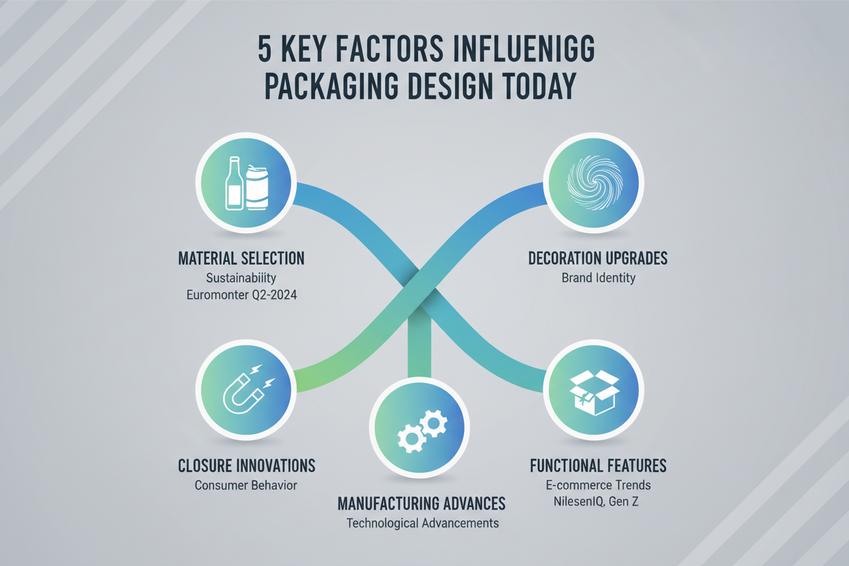
Material selection shifts from acrylic plastic to glass bottles and aluminum casings
• Glass bottles are stepping up as the go-to for luxury skincare and fragrance brands—sleek, heavy, and recyclable.
• Aluminum casings? Lightweight, durable, and fully curbside recyclable—a sustainability win.
• Acrylic plastics are fading fast due to environmental concerns and lack of recyclability.
→ According to Euromonitor’s Q2-2024 report on the packaging industry, eco-conscious consumers now rank material sustainability above aesthetics when choosing cosmetic products.
Decoration upgrades using hot stamping foils and UV coating varnishes
① Hot stamping adds metallic flair without compromising recyclability—especially popular in limited-edition lipstick tubes. ② UV varnishes protect printed designs while delivering that glossy “wow” factor on compacts and palettes. ③ Brands are blending both techniques for a layered texture effect that screams premium.
Decorative innovation isn’t just about looking good—it’s about reinforcing brand identity through tactile experiences.
Closure innovations including magnetic closures, pump dispensers, and snap-fit lids
☑ Magnetic closures offer that satisfying click—premium feel meets functionality.
☑ Pump dispensers reduce mess while extending product life by limiting air exposure.
☑ Snap-fit lids are cost-efficient yet secure, ideal for mass-market creams or gels.
These closure tweaks aren’t gimmicks—they’re functional responses to evolving consumer behavior around convenience and hygiene.
Functional features such as tamper-evident seals and child-resistant packaging
Tamper-evident seals have become non-negotiable for anything liquid or ingestible—consumers want proof their product wasn’t messed with. Meanwhile, child-resistant caps are popping up across more categories than ever before—not just pharmaceuticals but also essential oils and chemical peels used in beauty routines.
In fact, NielsenIQ reports that over half of Gen Z shoppers consider safety indicators like these essential when buying online—a clear nod to shifting e-commerce trends in the packaging industry news cycle.
Manufacturing advances driven by blow molding technology and thermoforming techniques
Blow molding allows brands to create lightweight refillable containers with minimal waste—a big plus for companies chasing lower carbon footprints. Thermoforming brings precision shaping into play for trays or clamshells often used in gift sets or multi-product kits.
| Process Type | Common Use Case | Environmental Benefit | Cost Efficiency |
|---|---|---|---|
| Blow Molding | Bottles & Airless Pumps | Reduced Material Waste | High |
| Thermoforming | Trays & Inserts | Recyclable Sheet Usage | Medium |
| Injection Molding* | Lids & Closures | Durable & Reusable | Low |
(*Note: While not covered deeply here, injection molding remains pivotal.)
Tech upgrades like these reflect how technological advancements continue reshaping how products look—and how fast they hit shelves—in today’s fast-moving packaging industry news arena.
The Rise of Biodegradable Materials in Packaging Industry News
Eco packaging is no longer niche—it’s rewriting the rules of cosmetics and consumer goods. Here’s how it’s shaking up the packaging industry news.
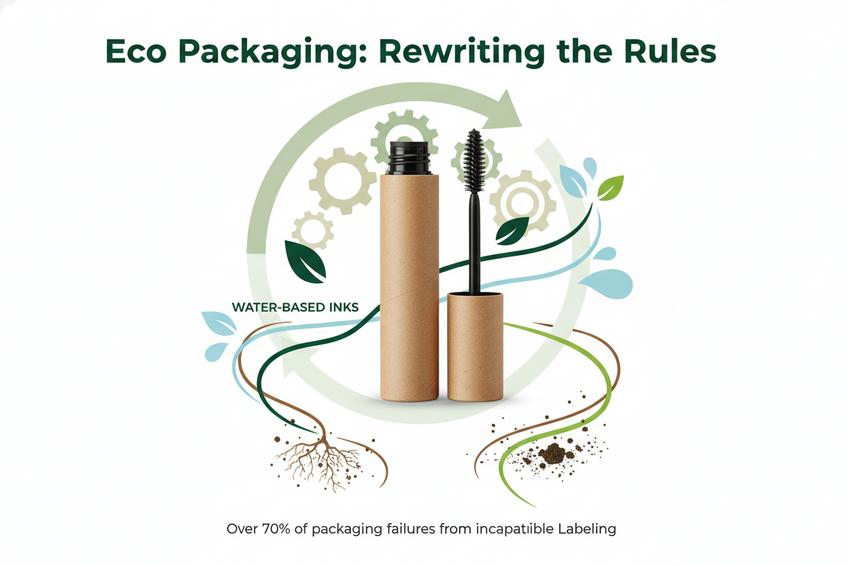
How biodegradable alternatives are transforming mascara containers and blush compacts
• Paper-based biopolymers are now being molded into sleek, durable forms for cosmetic cases.
• Corn-derived PLA and sugarcane bagasse are replacing petroleum plastics without sacrificing shelf appeal.
• Brands are pairing biodegradable polymers with refillable designs to cut down on total waste.
- Bioplastics offer lightweight strength ideal for mascara tubes.
- Molded pulp is emerging as a shock-resistant alternative for blush compacts.
- High-barrier coatings now allow compostables to hold up against moisture and oils.
♻️ Some companies even use bamboo fiber blended with starch-based binders—fully compostable and chic.
This shift is more than greenwashing; it’s product engineering meeting eco-friendly materials head-on. These new makeup containers aren’t just biodegradable—they’re built to last through daily wear, heat, and handbag chaos before breaking down responsibly.
Short bursts of innovation:
Refillable trays housed in molded fiber shells.
Snap-fit lids made from algae-based composites.
Magnetic closures swapped out for biodegradable fasteners.
The move toward green packaging solutions isn’t just about what goes into the bin—it’s about what doesn’t go into landfills at all.
Screen printing inks and label adhesives adapted for sustainable packaging surfaces
Grouped innovations driving change:
• Water-based inks that bond well with kraft paper and PLA films
• Soy-derived pigments that resist fading without toxic solvents
• Pressure-sensitive adhesives reformulated using natural rubber or starch blends
💡 A recent report by Smithers Pira (2024) notes that “over 70% of sustainable packaging failures stem from incompatible labeling materials”—a stat pushing brands to rethink both form and finish.
Natural ink options:
Algae-extracted black pigment for bold branding on neutral-toned packs
Citrus peel-derived solvents replacing VOC-heavy cleaners in print processes
Adhesive breakthroughs:
Compostable glues activated by heat instead of chemical catalysts
Labels designed to fully disintegrate under industrial composting conditions
These changes let brands stay visible while staying true to their sustainability goals—no more peeling labels on recyclable cartons or sticky residue gumming up compost bins.
Challenges suppliers face scaling extrusion processes with compostable materials
Grouped issues manufacturers encounter:
• Material inconsistency across batches due to natural feedstocks like corn starch or cellulose pulp
• Lower melt stability compared to traditional resins, causing warping at high speeds
• Higher tooling wear rates when processing fibrous compostable plastics
| Challenge | Impact on Production | Cost Implication | Workaround Approach |
|---|---|---|---|
| Inconsistent flow behavior | Line stoppages | +12% | Real-time viscosity control |
| Moisture sensitivity | Storage constraints | +8% | Dehumidified storage zones |
| Shorter shelf life | Inventory turnover | +10% | Just-in-time manufacturing |
Quote from Packaging Europe (2024): “Compostables aren’t plug-and-play yet—they require rethinking everything from screw design to drying systems.”
Multi-step workaround strategies:
- Pre-drying biopolymers before extrusion reduces moisture-related defects.
- Using twin-screw extruders helps manage inconsistent material flow.
- Integrating inline quality sensors minimizes off-spec output during scale-up runs.
Despite hurdles, suppliers pushing through these challenges are laying the groundwork for scalable sustainable packaging tech that works under real-world production demands—not just lab tests or boutique runs.
As this trend continues gaining traction in global packaging industry news, expect even more collaboration between material scientists, machine engineers, and brand designers aiming for circularity without compromise.
How Packaging Can Enhance Cosmetic Marketing Strategies
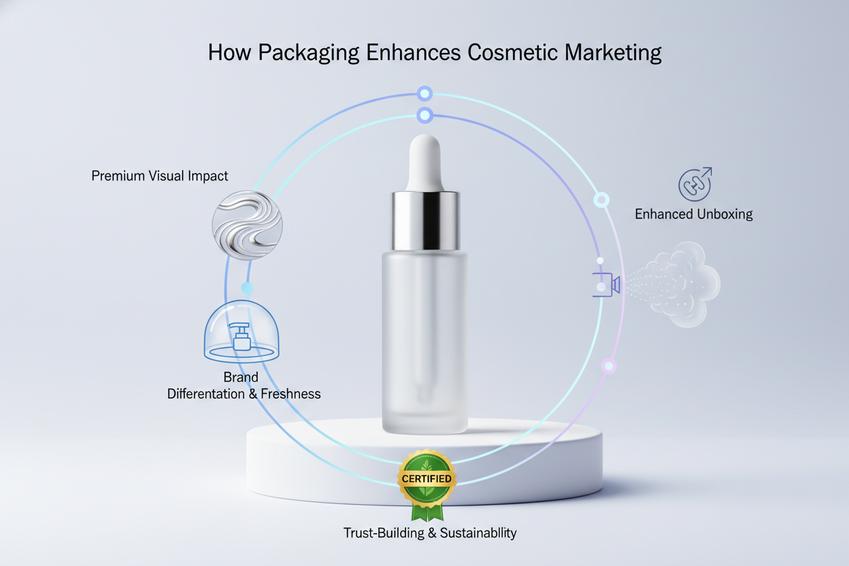
Smart packaging isn’t just about protection — it’s a brand’s secret sauce for standing out and sparking emotional connections with beauty lovers.
Premium visual impact through embossing dies on eyeshadow palettes
• Adds tactile luxury: Embossing gives palettes a textured, premium feel that screams quality.
• Boosts consumer perception: Shoppers link embossed details with high-end branding.
• Stands out on shelves: The reflective surfaces and raised patterns grab attention fast.
A well-designed embossing die doesn’t just decorate — it tells a story. For eyeshadow palettes, that story is often one of elegance, artistry, and indulgence. Combined with sleek color schemes and metallic finishes, embossing helps elevate the product’s shelf appeal, giving shoppers an instant sense of value before they even open the lid.
Brand differentiation powered by airless pump systems in skincare packaging
Short bursts of innovation make all the difference:
— Keeps formulas fresh longer thanks to zero air exposure.
— Offers precise dispensing every time — no waste, no mess.
— Signals high-tech skincare to savvy consumers.
In today’s ultra-crowded skincare aisle, product differentiation is everything. Airless pump systems don’t just preserve active ingredients better — they also reinforce a brand’s identity as clean, clinical, or cutting-edge depending on design choices. More than functionality, it’s about crafting an experience that aligns tightly with your brand identity.
Unboxing experiences improved by spray nozzles and precision screw-on caps
Unboxing isn’t just fun—it’s strategic marketing wrapped in cellophane.
Spray nozzles? They’re not only convenient but deliver that satisfying first mist that says “this works.” Precision screw-on caps? They click shut like a vault—subtly reinforcing quality from the get-go.
Together, these small parts shape how customers judge your product in seconds flat. A smooth nozzle glide or crisp cap twist can turn casual users into loyal fans because the entire experience feels intentional—and premium. That’s how smart packaging becomes part of your marketing tools, not just your logistics plan.
Trust-building value of ISO 9001 certified and sustainable sourcing claims
Certifications aren’t boring—they’re badges of honor in today’s eco-conscious world.
Customers want transparency more than ever before. When brands display ISO 9001 certification or highlight sustainable sourcing practices right on their packaging, they’re saying: “We care.” This builds trust faster than any ad campaign could.
It also taps into rising demand across the packaging industry news cycle for greener materials and ethical production lines—a trend echoed in recent reports covering supply chain ethics and climate impact disclosures within cosmetics manufacturing circles.
When you combine verified quality standards with responsibly sourced materials, you’re not just meeting expectations—you’re setting them. And that’s what builds long-term loyalty rooted in real values tied directly to your sustainability commitments and supplier credibility within the broader cosmetic packaging design game.
FAQs
1. How is regulatory pressure shaping trends in cosmetic packaging?
- REACH regulation keeps mascara tubes and lipstick tubes free from harmful substances.
- RoHS compliant standards push blush compacts toward safer, non-toxic materials.
- Shift in preference towards glass bottles and aluminum casings for foundation bottles to meet stricter compliance goals.
2. Why are ISO 9001 certified suppliers trusted for mass production?
- Every airless pump system or screw-on cap meets consistent durability benchmarks.
- Batches of eyeshadow palettes stay uniform thanks to quality audits baked into ISO 9001 protocol.
3. Which sustainable materials stand out in current news updates?
★ Recycled PET — durable like acrylic plastic but kinder on the planet’s carbon balance; ideal for refillable containers.
★ Eco‑friendly cardboard — light, tactile, perfect for brands with a human touch message around waste reduction.
4. What makes closure innovation appealing to large buyers? – The right click defines user experience: magnetic closures bring elegance to lipsticks; pump dispensers protect serums without risking contamination; snap‑fit lids keep assembly quick under high‑volume injection molding services.
5. How does GMP compliance safeguard product trust while scaling purchases?
| Role | Impact |
|---|---|
| Safe handling rules | Ensure child-resistant packaging maintains integrity |
| Environmental care | Supports recyclable designs during blow molding technology runs |
GMP standards give buyers peace knowing every tamper-evident seal comes with documented safety checks.
6. How do modern printing techniques influence market attention?
Hot stamping foils add premium shimmer without harming recyclability; screen printing inks stay eco-friendly; UV coating varnishes extend shelf appeal while label adhesives marry branding clarity with practical endurance across diverse extrusion processes and thermoforming techniques alike.
References
- Chemicals Quarterly – Q2 Regulatory Update 2024 – Compliance & Risks
- The Future of Beauty Packaging – Mintel
- The World Market for Packaging – Euromonitor
- 2024 Spend Z Insights – NielsenIQ
- REACH Regulation – European Commission
- ISO Certification Packaging – Standards, Benefits & Process – Labelprint24
- Packaging waste outpacing capacity for sustainable management – Smithers
- The packaging stories and trends to follow in 2024 – Packaging Europe

