 English (UK)
  English
  English (Australia)
  English (Canada)
  العربية
  Deutsch
  Italiano
  Español de México
  Tiếng Việt
  ไทย
ไทย  Português do Brasil
  Français
  Български
  Čeština
  Dansk
Dansk  Ελληνικά
  Eesti
Eesti  Suomi
Suomi  Magyar
  Bahasa Indonesia
  Lietuvių kalba
  Latviešu valoda
  Norsk bokmål
  Nederlands (Formeel)
  Polski
  Română
  Русский
  Slovenčina
  Slovenščina
  Svenska
  Türkçe
  Українська
  简体中文
简体中文  日本語
日本語  한국어
한국어  繁體中文
繁體中文 
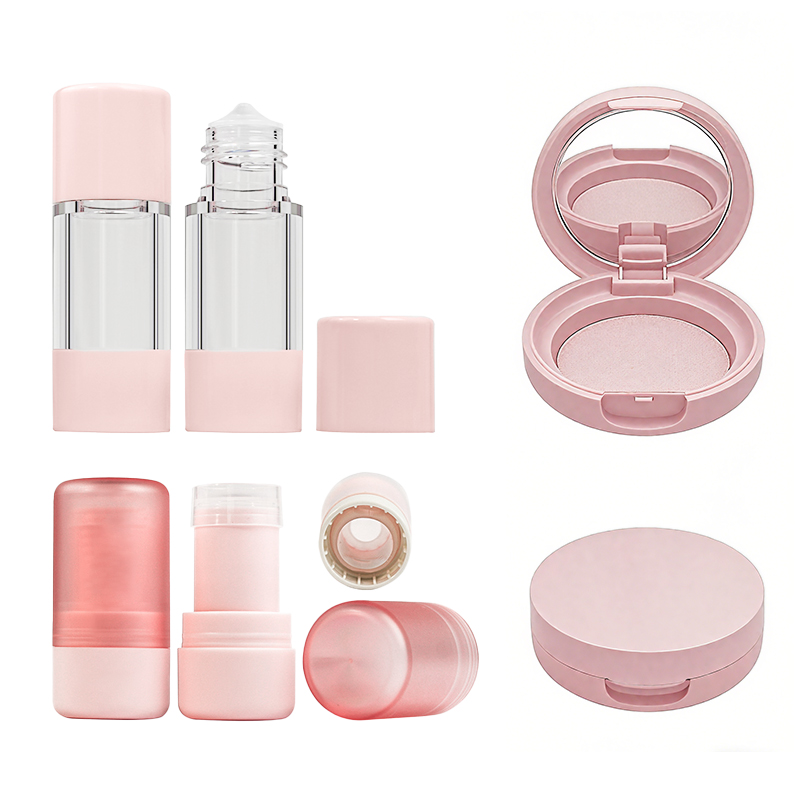
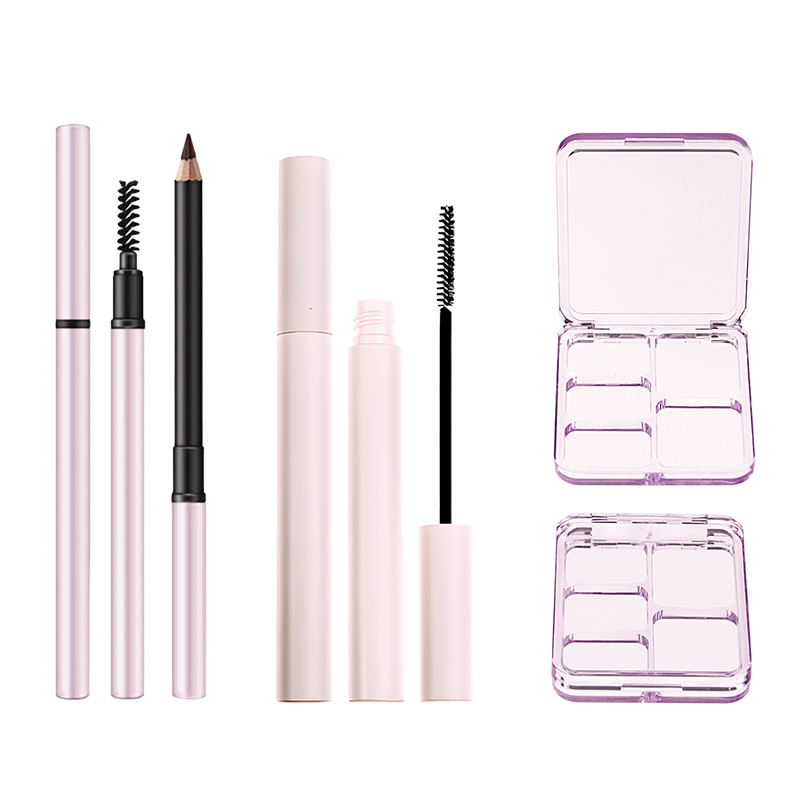
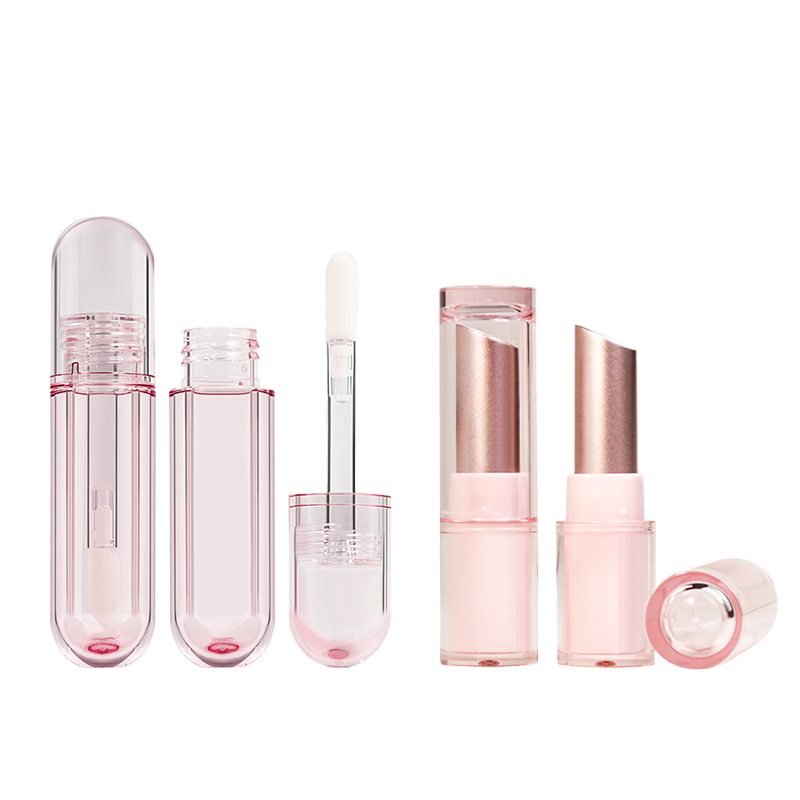

The Ultimate Guide to Choosing Your Injection Factory Partner
January 26,2026
You’ve got big dreams and tight timelines. In the beauty biz, where packaging can make or break a product on-shelf, picking the wrong injection factory is like showing up to the Oscars in sweatpants—no matter how good your formula is, folks won’t stick around long enough to find out. From mascara tubes that snap shut with satisfying precision to lipstick cases that glide open like butter, it all starts with choosing a partner who knows their plastics from their polypropylenes.
Some factories talk smooth but fumble when volume hits six figures. “Packaging isn’t just structure—it’s storytelling,” says Aimee Lin, Lead Product Engineer at Topfeel (2024 Q2 Interview). And she’s right. When every milliliter counts and Pantone shades must sing in harmony across batches, you need more than promises—you need proof they can deliver under pressure.
Key Insights for Choosing the Right Injection Factory
- Experience Matters: Opt for an injection factory with proven expertise in your specific packaging types, like lipstick tubes and mascara bottles.
- Material Selection: Understand the range of materials (acrylic plastic, glass bottles) the factory offers to align with your product requirements.
- Customization Options: Ensure the factory provides the ability to customize shapes, colors, and decoration techniques for a unique brand presentation.
- Production Capacity: Assess their capacity to handle large volumes without compromising quality, especially for high-demand items like foundation bottles.
- Quality Control Standards: Investigate the factory’s quality control processes to guarantee consistent product quality across batches.
- Lead Times: Check the factory’s track record for timely deliveries to avoid production delays and ensure a smooth rollout.
What to Look for in Your Injection Factory Partner
Picking the right injection factory partner isn’t just about price—it’s about trust, timing, and technical chops.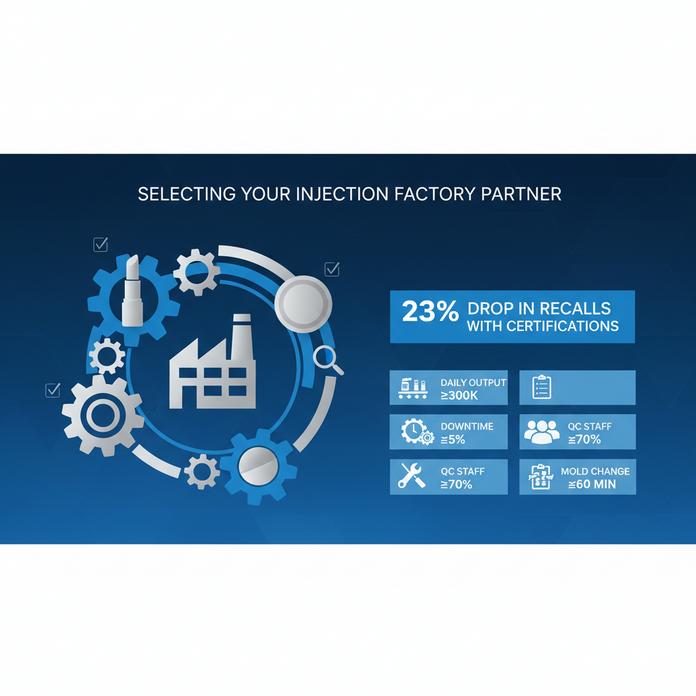
Factors to Consider When Evaluating Injection Factory Expertise
- ✔️ Check if they’ve worked with a range of packaging like lipstick tubes, compact cases, and mascara bottles.
- ✔️ Ask about their technical capabilities, from mold design precision to material compatibility.
- ✔️ Look into their quality control systems—ISO certifications or internal audits?
- Do they invest heavily in R&D?
- Can they handle tricky customizations?
- Is their team known for quick-fire problem-solving?
💡 A recent report by Euromonitor highlights that brands working with factories possessing advanced certifications are better positioned to ensure compliance and reduce risks.
Their track record says it all—if they’re constantly innovating and improving, you’re likely in good hands.
Shortlist only those who show real industry muscle—not ones just riding trends.
How to Assess Injection Factory’s Production Capacity
Grouped considerations matter when sizing up an injection molding facility:
🏭 Production Volume & Scalability
- Can they handle your current load and future growth?
- Do they have backup lines for peak seasons?
⚙️ Machinery & Automation Level
- Are machines modern enough for high-speed runs?
- Is there automation that reduces human error?
👷♂️ Labor Force & Facility Size
- How many trained operators are on staff?
- Are shifts flexible enough for urgent orders?
Understanding Lead Times and Delivery Reliability in Injection Factories
Late deliveries? That’s how launches get wrecked.
• Ask how long their average lead time is—for both standard molds and custom jobs.
• Review past performance on high-demand items like foundation jars or eyeliner pens. Consistency matters more than promises.
- Do they use digital tools for production scheduling?
- Are there buffers built into their supply chain planning?
- How do they manage risks during raw material shortages?
Solid communication paired with tight logistics equals better delivery outcomes.
Factories strong in supply chain management, proactive with shipping updates, and responsive during hiccups are the ones worth keeping around.
In short? Reliable delivery isn’t luck—it’s built on sharp scheduling systems and clear client communication from day one of the partnership with your chosen injection molding partner.
Understanding the Injection Factory’s Capabilities
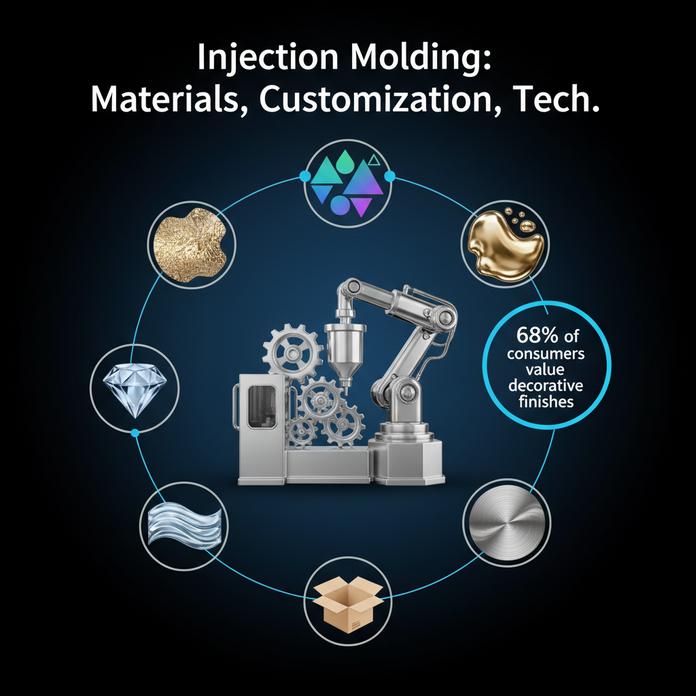
An inside scoop on what makes an injection factory tick—materials, machines, finishes, and all the custom tricks up its sleeve.
Material Options: Acrylic Plastic, Glass Bottles, and Beyond
• Acrylic is a go-to for sleek looks and durability.
• Glass bottles offer that luxe weight customers love.
• Recyclable paperboard? Yep—eco-friendly without skimping on style.
- Want something lightweight yet sturdy? Go with plastic.
- Need a premium feel? Choose thick-wall glass packaging.
- Going green? Paper-based tubes are now structurally sound thanks to new thermoplastics.
✱ Bonus tip: Some brands mix materials—like acrylic caps with resin bases—to get the best of both worlds.
It’s not just about picking a material—it’s about how it vibes with your product’s story. A transparent tube might scream “clean beauty,” while frosted glass whispers “high-end.” The right choice depends on your brand voice—and budget.
Short takes:
- Acrylic = durable + glossy.
- Glass = classy but fragile.
- Paperboard = sustainable edge.
- Resin blends = niche but rising fast.
Mixing materials like multilayered polymers or hybrid resins can give you function plus flair in one swoop.
Customization Services: From Shapes to Colors in Injection Molding
• Oval tubes for skincare lines? Check.
• Gradient color fades on lip balm sticks? Totally doable.
• Custom nozzles or wide-mouth jars? Just ask your tooling guy.
- You’ll start by choosing a shape—from classic rounds to edgy geometric cuts using custom-built tooling molds.
- Then pick colors—single tones or dual-shade gradients are both fair game in today’s advanced molding techniques.
✦ Shape isn’t just aesthetic—it changes how users interact with the product. Think ergonomic curves vs compact squares.
Customization is where your product gets its personality. Whether you’re tweaking the mold geometry or layering metallic pigments into your plastic base, every tweak counts toward standing out on crowded shelves.
Multiple options include:
- Unique shapes via 3D CAD-based mold design.
- Color-matching systems (Pantone-compatible).
- Textured surfaces molded directly into packaging geometry.
- Transparent vs opaque finishes depending on formula visibility needs.
- Interchangeable cap styles to match different applicators.
Want bold branding baked right into the design? Modern injection molding setups make that happen without breaking a sweat—or your budget.
Decoration Techniques: Hot Stamping, Silk Screening, and UV Coating
• Hot stamping adds that shiny gold foil vibe everyone loves—great for logos or accents.
• Silk screening gives texture and depth using layered inks directly applied onto curved surfaces like tubes or bottles.
• UV coating brings high-gloss drama that screams shelf appeal while also adding scratch resistance.
1️⃣ Pick your base material (acrylic/glass/resin) because not all decoration methods work across all surfaces equally well.
2️⃣ Choose one main technique—but many brands layer two or more processes for extra punch (e.g., silk screen + foil stamp).
✨ Fun fact from Mintel’s 2024 Packaging Innovation Report: Visually striking packaging and decorative finishes remain one of the strongest differentiators in consumer perception of product quality—even before they read the label!
Decorative techniques aren’t just fluff—they’re visual cues that signal luxury, eco-friendliness, or tech-savvy innovation at first glance.
Grouped highlights:
- Hot stamping: Metallic foils pressed into surface; ideal for logos & borders.
- Silk screening: Ink layers printed through mesh screens; great on cylindrical surfaces.
- UV coating: Glossy finish cured under ultraviolet light; boosts durability & shine.
- Combo effects like matte-on-gloss textures are trending hard in cosmetics packaging this year.
Want to stand out in-store lighting? Go with holographic foils plus spot UV—it glows under LEDs like magic!
Injection Factory Machinery and Technology: How They Impact Your Product
Here’s where things get real technical—and real important:
| Machine Type | Function | Output Precision | Suitable Products |
|---|---|---|---|
| Hydraulic Press | High-pressure molding | Medium | Basic caps/tubes |
| Electric Injection Unit | Fast cycles + energy efficient | High | Complex closures |
| Hybrid Systems | Combines speed + torque control | Very High | Magnetic mechanisms |
| Robotic Arm Decorators | Automated print/label handling | Consistent | Multi-surface printing |
Automation has reshaped how today’s top-tier injection factories operate—from robotic arms applying labels perfectly every time to AI-driven sensors adjusting mold pressure mid-cycle for flawless results every run.
Modern equipment doesn’t just boost speed—it improves consistency across batches so you don’t end up with crooked caps or misaligned prints halfway through production season.
Grouped insights:
- Electric presses = faster turnaround + lower energy bills.
- Smart robotics = precise decorating even on tricky contours.
- Mold temperature controls = better texture replication in complex designs.
If you’re aiming for magnetic closures or twist-up mechanisms that actually work smoothly every time—that’s where high-spec machinery really shines in any serious injection setup.
Key Factors in Choosing the Right Injection Factory
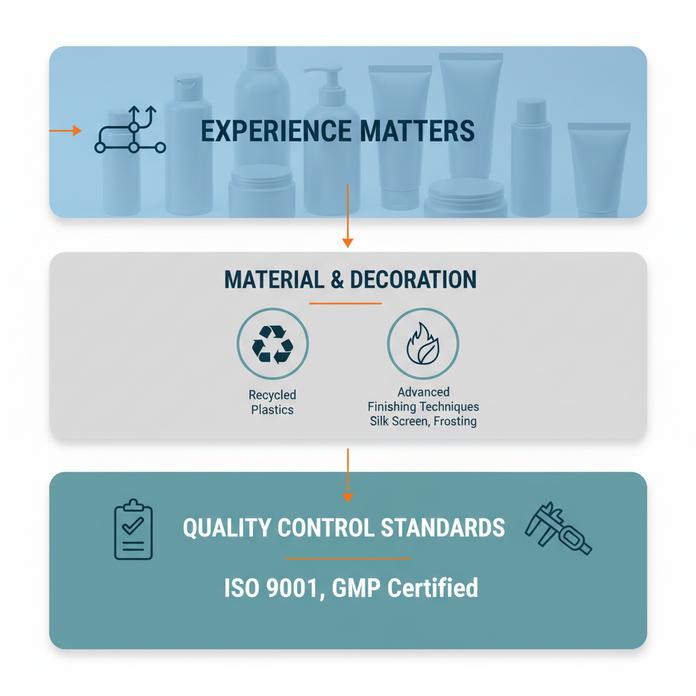
Finding the right injection factory is more than just picking a manufacturer—it’s about aligning with someone who gets your product vision. Here’s how to spot the best fit.
Evaluating Injection Factory’s Experience with Your Packaging Type
- An experienced injection factory can save you endless headaches by knowing your exact packaging type needs.
- Look for a solid manufacturing history in products like compact cases, jars, or dropper bottles.
- Ask for their project portfolio—especially if it includes cosmetics or pharmaceutical-grade packaging.
- Don’t skip checking if they’ve handled similar product types, especially if yours has unique dimensions or closures.
You want someone who’s been around that block before and knows how to dodge the potholes.
Ensuring Compatibility with Your Desired Material and Decoration Options
✔ Can they mold using specialty plastics like recycled PET, PP, ABS, or bio-resins?
✔ Are their machines compatible with advanced techniques like hot stamping, silk screening, or metallization?
✔ Do they offer flexibility for custom shades and finishes?
If you’re aiming for eco-friendly packaging with bold colors and high-end decoration, your chosen injection factory better have those capabilities baked into their process. A quick way to check this is by reviewing their current lineup of finishes and asking about past customizations involving unique plastic resins, coatings, or surface treatments.
Assessing Quality Control Standards in Injection Manufacturing
Here’s what separates average from excellent:
| QC Element | Importance Level | Typical Frequency | Certification Required |
|---|---|---|---|
| Incoming Material Check | High | Every batch | ISO 9001 |
| Mold Calibration | Critical | Weekly | Internal SOP |
| Final Product Inspection | Essential | Each production | GMP |
| Defect Rate Monitoring | Vital | Ongoing | SPC Tools |
A top-tier injection factory doesn’t just inspect once—they monitor continuously using strict quality control protocols. If you’re producing something as precise as a 15 ml vial or airless pump bottle, even tiny flaws can ruin functionality. Always ask about their testing tools and whether they follow certified standards like ISO or GMP.
Top 3 Factors That Affect Injection Factory Costs
From raw materials to final packaging, three cost drivers dominate how much an injection factory spends per unit.
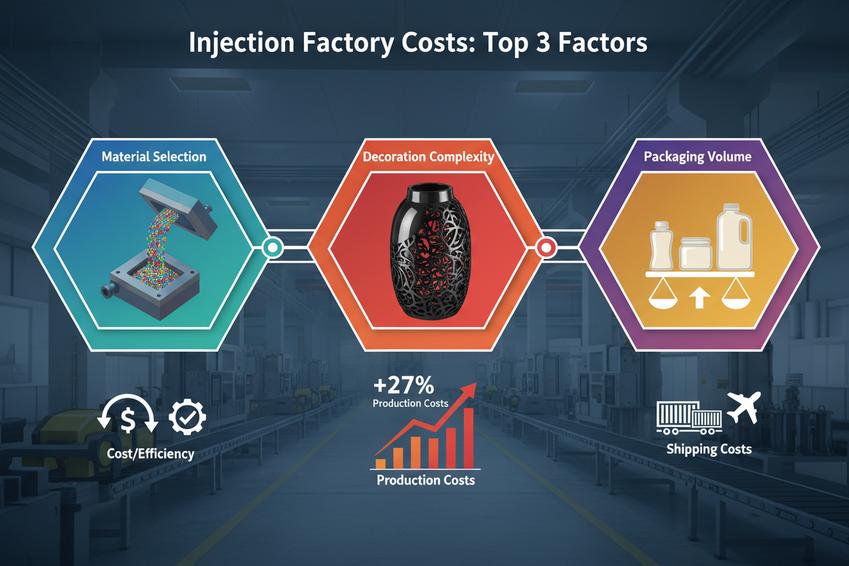
How Material Selection Impacts Injection Manufacturing Costs
Material choices shape everything—price, performance, and even tool longevity in the injection process. Here’s what really matters:
- Material cost varies wildly between resins like ABS, PP, and high-end bioplastics.
- The choice of resin type affects not only pricing but also mold compatibility.
- Different polymer properties like melt flow index influence production speed.
- Higher-grade materials increase the chance of reduced scrap rate, saving money long-term.
- Some raw materials cause more wear on molds, increasing tooling wear expenses over time.
- Sourcing impacts price—local vs. imported affects total raw material sourcing costs.
- Faster or slower melting times change the overall cycle time, impacting throughput.
Across any injection molding factory setup, these variables dictate whether your product is budget-friendly or a financial sinkhole.
The Role of Decoration Complexity in Cost Calculation
Decorating isn’t just about looks—it’s a silent cost amplifier. Industry analysis by Smithers noted that customization and fragmentation in packaging can drive increased production costs due to shorter runs and finishing complexity.
• Simple pad printing? Cheap and fast. • Add multi-color gradients using advanced printing techniques, though, and you’re looking at higher bills. • Want to go luxe with metallic foil or iridescent finishes? Those involve specialized finishing processes that slow down lines. • Intricate designs often require custom tooling for precise application during processes like in-mold labeling (IML). • Multi-layer branding via dual-shot or triple-shot molding adds both time and labor.
Oh—and don’t forget humans are still involved here. High-skill decoration means more hands-on work, which bumps up those sneaky little things called labor costs.
Packaging Volume and Its Effect on Overall Production Costs
Volume plays mind games with your wallet in ways most folks overlook:
A bigger bottle—say a chunky 50 ml container—might seem pricier upfront due to more expensive base packaging materials, but it often slashes per-unit costs when produced at scale. That’s where economies kick in hard.
Smaller items need tighter logistics coordination, which drives up both storage fees and final-mile delivery due to increased fragility handling—yep, those annoying little things called higher shipping costs pile up fast.
Bulk orders reduce your average spend but come with their own catch—the dreaded high MOQ (minimum order quantity) that locks you into major inventory commitments right outta the gate.
So yeah, size matters—but it’s not always about going big; it’s about choosing smart based on your actual market volume needs across any given injection molding production line.
Injection Factory Certifications: What You Need to Know
Understanding certifications is key when choosing an injection factory for cosmetic packaging. Here’s what you should look out for to avoid costly mistakes.
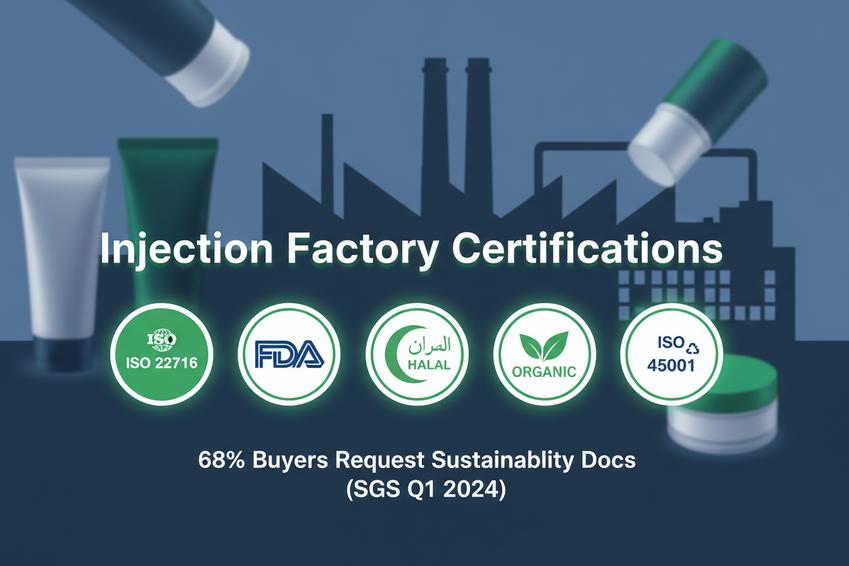
Essential Certifications for Injection Factories in the Cosmetic Industry
A legit injection factory needs more than just machines and molds—it needs proof it plays by the rules. Here’s what counts:
- ✅ ISO 22716: This certification ensures Good Manufacturing Practices (GMP) are followed specifically for cosmetics.
- ✅ FDA Compliance: Especially important if you’re selling in or exporting to the U.S.
- ✅ Halal Certification & Organic Certification: These open doors to niche markets and prove ingredient integrity.
Also, don’t ignore:
- A valid Cosmetic Regulation compliance document from your target market (like EU Regulation EC No.1223/2009).
- A clear quality control trail under a recognized Quality Management system like ISO 9001.
And here’s a quick comparison of common certifications:
| Certification | Focus Area | Required For | Validity Period |
|---|---|---|---|
| ISO 22716 | Cosmetic GMP | Global Cosmetics | 3 years |
| FDA Compliance | Safety & Labeling | USA Market | Ongoing |
| Halal Certification | Ingredient Standards | Muslim Markets | Annual Renewal |
| Organic Certification | Non-synthetic Ingredients | Clean Beauty Brands | Annual Renewal |
If your chosen plastic molding partner lacks these? Walk away.
How to Verify Compliance with Eco-Friendly and Safety Standards
Not all factories walk their green talk. Verifying your injection factory’s eco claims means digging deeper than just buzzwords.
• Look for an active ISO 14001 certificate—this shows their environmental management isn’t just lip service.
• Ask if they’ve passed a third-party Environmental Audit, especially one that evaluates emissions, waste handling, and water use.
• Check if they follow safety protocols certified under ISO 45001, particularly important if workers handle high-temperature machinery or toxic resins.
Here’s how you can group-check everything at once:
🟢 Environmental Responsibility
Uses recycled PET and biodegradable materials
Holds valid ISO certifications (like ISO 14001)
Complies with EU’s strict REACH Compliance
🟠 Worker Welfare & Safety
Certified under SA8000 (fair labor practices)
Regular internal and external audits (Safety Audit)
Transparent accident reporting systems
According to a recent SGS report, an increasing number of cosmetic packaging buyers now request sustainability documentation before signing contracts—reflecting a major shift in industry standards.
So yeah, checking those green badges isn’t optional anymore—it’s survival mode in today’s beauty biz.
FAQs
How do I know an injection factory can handle my cosmetic packaging needs?
Picture a team that has mastered Compact Cases, Lipstick Tubes, Mascara Bottles, Eyeliner Pens, and Foundation Bottles — using skill in Hot Stamping or UV Coating so every container steals the spotlight. Their history of meeting demanding runs while keeping each snap closure smooth is often the truest sign they can deliver as promised.
What production capacity factors matter most when choosing the right partner?
An able factory doesn’t just talk numbers; it proves them. Running 100 ml Bottle batches with tight deadlines requires:
- Precision molds to keep shapes exact (Oval Tubes stay perfectly oval)
- Consistent cycle times without error creep
- Machinery tuned for steady color saturation on Gradient Shades
Which materials speak ‘premium’ in makeup containers?
Luxury starts at touch and sight. Acrylic Plastic catches light like crystal; Glass Bottles feel weighty in hand; Aluminum Shells give resilience with style; Eco-Friendly Paperboard invites sustainability into design — all options transform packaging for cosmetics from ordinary to coveted.
Does decoration complexity truly alter pricing?
Yes — blending Pearlescent Effects and Metallization into one piece demands more artisan attention. Add Silk Screening details or label application that dances across Round Containers, and labor costs step up alongside equipment hours invested.
Can injection factories match a brand’s unique look?
With Pantone Colors dialed precisely, Custom Pigments mixed like secret recipes, Metallic Finishes brushed for drama — even rectangular cases gain personality. Factories offering variety in Screw Caps vs Magnetic Closures make aesthetic visions tactile realities.
How does order volume tilt cost efficiency?
A run of 50 ml Containers may seem modest yet allows flexibility; ramping to thousands trims per-unit cost but calls for warehouse space ready to cradle crisp Square Bottles until your market claims them. In this balance lies both savings and logistical artform.
References
- Redesigning FMCG Sustainable Packaging for Regulatory Compliance – Euromonitor
- Choosing The Right Plastic Injection Molding Partner – Principal Manufacturing Corporation
- The Future of Beauty Packaging: Here’s What Brands Need to Know – Mintel
- ISO 22716: A Guide To GMP Cosmetics – Registrar Corp
- World packaging market set for further growth – Smithers
- Sustainability Reporting Trends in Cosmetics – SGS

