 English
  English (UK)
  English (Australia)
  English (Canada)
  العربية
  Deutsch
  Italiano
  Español de México
  Tiếng Việt
  ไทย
ไทย  Português do Brasil
  Français
  Български
  Čeština
  Dansk
Dansk  Ελληνικά
  Eesti
Eesti  Suomi
Suomi  Magyar
  Bahasa Indonesia
  Lietuvių kalba
  Latviešu valoda
  Norsk bokmål
  Nederlands (Formeel)
  Polski
  Română
  Русский
  Slovenčina
  Slovenščina
  Svenska
  Türkçe
  Українська
  简体中文
简体中文  日本語
日本語  한국어
한국어  繁體中文
繁體中文 
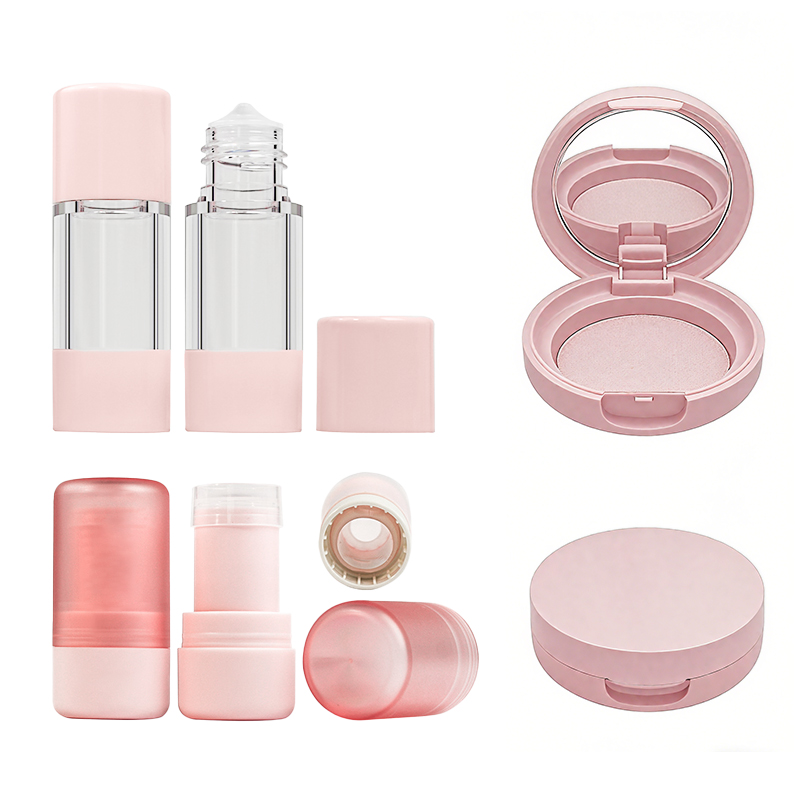
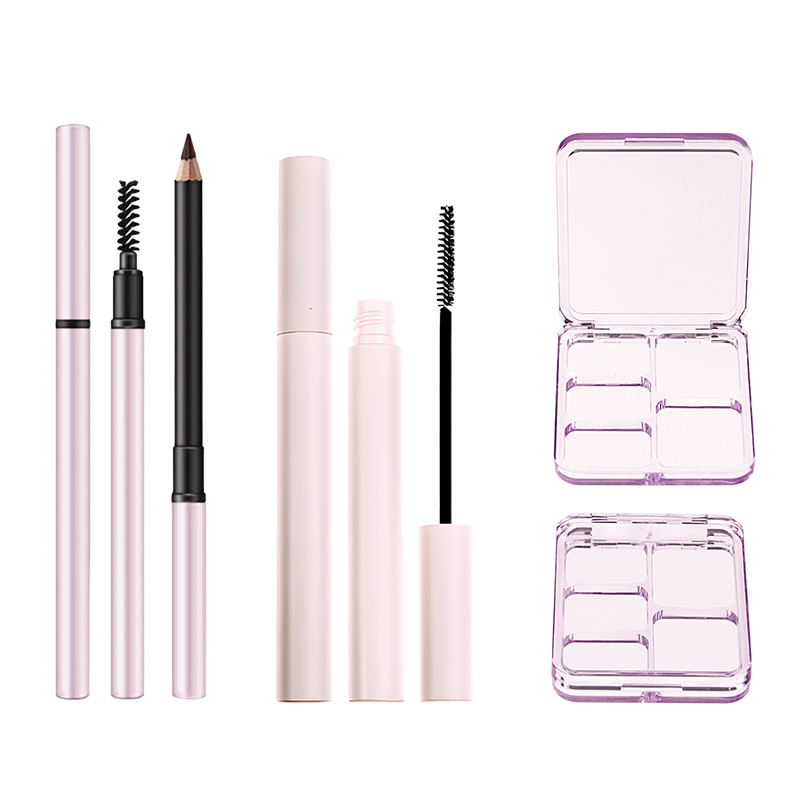
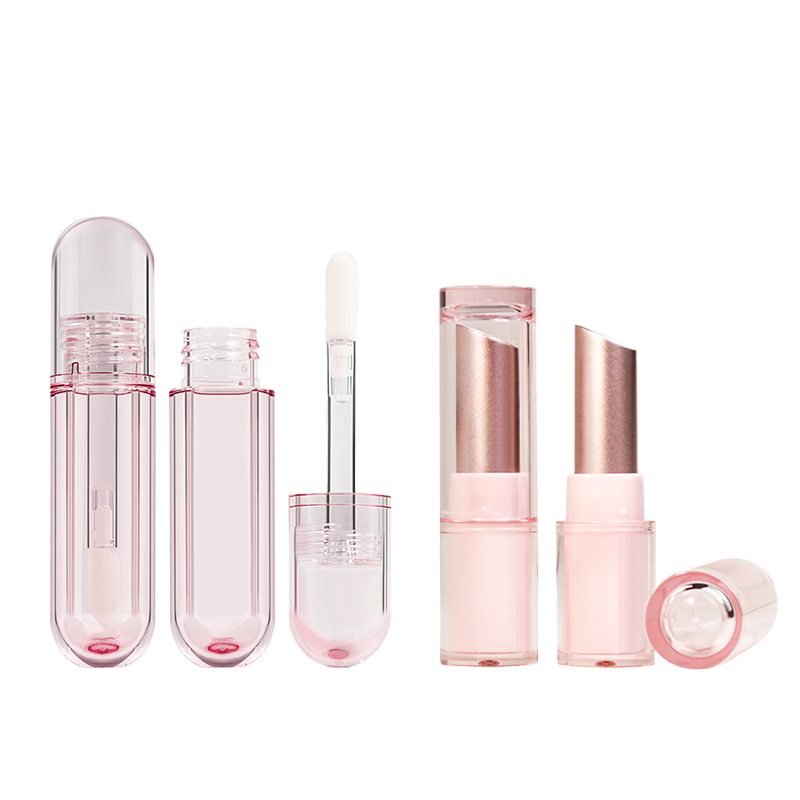

Key Trends Shaping PCR Plastic 2026 in Cosmetics
January 21,2026
When “pcr plastic 2026” rules the shelves, only bold suppliers mix eco, luxury, and scale—because cracked jars don’t sell lipstick dreams.
No one in the packaging game’s sleeping on sustainability anymore. “pcr plastic 2026” isn’t just a buzzword—it’s the lifeline for brands trying to stay on shelves and out of hot water with regulators. Buyers are under pressure to hit that sweet spot between Earth-friendly materials, FDA and EU compliance, and packaging for cosmetics that still looks like it belongs in a luxury boutique instead of a compost bin.
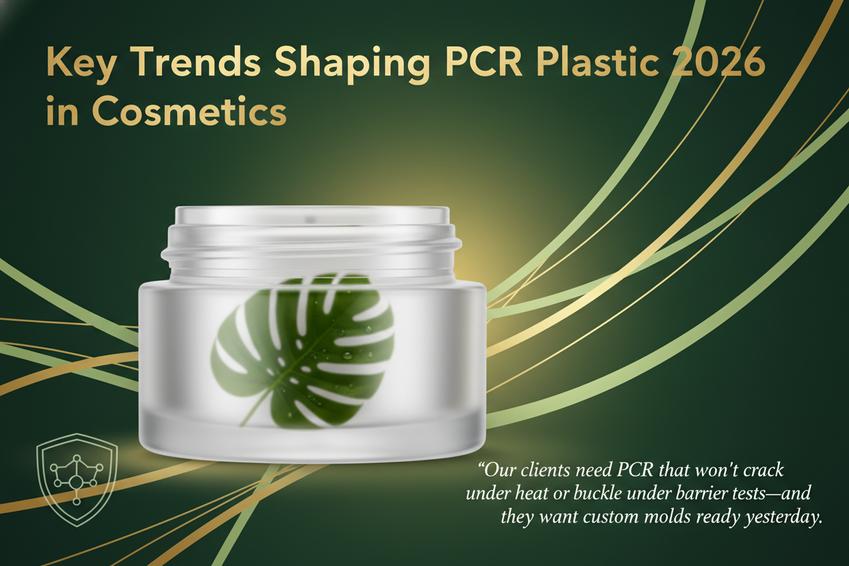
“There’s no skipping quality,” says Hailey Lu, senior engineer at Topfeelpack (2024). “Our clients need PCR that won’t crack under heat or buckle under barrier tests—and they want custom molds ready yesterday.” If your supplier can’t deliver scale without drama, you’re not buying recycled plastic—you’re buying headaches.
Trends Driving PCR Plastic Adoption in Cosmetics
PCR plastic is catching fire across cosmetics. Here’s why beauty brands are all over it and where it’s headed through 2026.
The Growing Popularity of Post-Consumer Recycled Plastic in Packaging
• Brands are reacting fast to rising demand for eco-friendly packaging. Consumers want greener choices, and PCR plastic delivers.
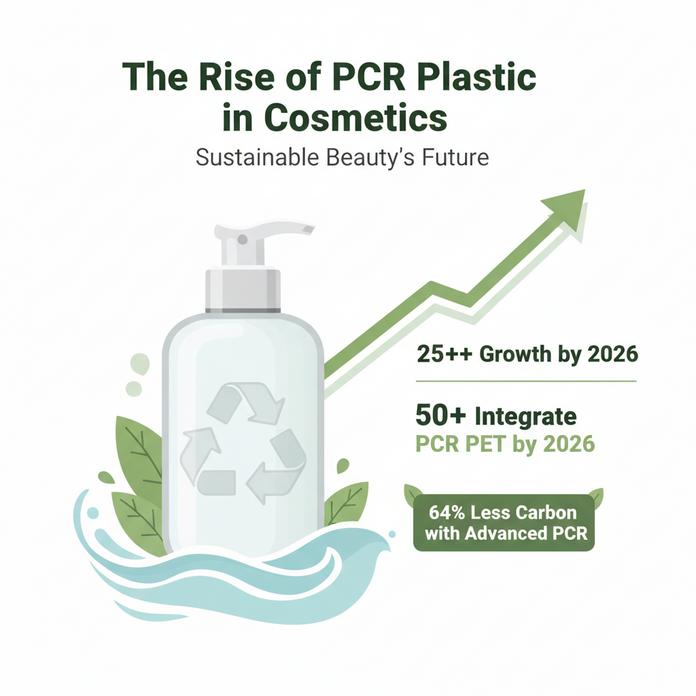
• It’s not just a trend—it’s a shift. By 2026, the global use of post-consumer recycled materials is expected to grow by over 25%, with cosmetics leading the charge.
• Governments are tightening rules around waste, boosting the appeal of circular packaging models using post-consumer recycled plastic.
♻️ More than just saving face, this move helps brands show off their commitment to sustainability while cutting down on virgin materials.
Transitioning to PCR Polyethylene Terephthalate: The Cosmetic Industry’s Choice
Short-term benefits? Sure. But long-term gains from switching to PCR PET are even bigger:
- ✔️ High transparency and durability rival virgin PET
- ✔️ Lower carbon footprint aligns with sustainability targets
- ✔️ Consistent quality makes it ideal for premium product lines
According to Euromonitor International’s Q2 report from March 2024, “Over half of cosmetic companies surveyed plan full integration of PCR PET into primary packaging by mid-2026.” That stat speaks volumes about where this market is heading.
Enhancing Sustainability: The Role of Ocean Bound Recycled Polymers
Ocean-bound plastics aren’t just buzzwords—they’re a real solution:
- 🌊 Collected within coastal zones before hitting oceans
- 🌿 Help brands meet strict EPR schemes and reduce marine pollution
- 📦 Ideal for storytelling—consumers love knowing their skincare helped clean up a beach somewhere
Brands using these polymers often see boosts in both customer loyalty and ESG ratings. It’s not just feel-good PR; it’s measurable impact that resonates with Gen Z buyers especially.
Innovations in Cosmetic Bottles and Jars with PCR Materials
Here’s how packaging is getting smarter—and cleaner—with tech-driven upgrades:
| Feature | Traditional Plastic | Basic PCR Material | Advanced PCR Integration |
|---|---|---|---|
| Carbon Emissions/kg | ~2.5 kg CO₂ | ~1.7 kg CO₂ | ~0.9 kg CO₂ |
| Transparency Quality | High | Moderate | High |
| Mold Design Flexibility | Limited | Standard | Customizable |
| Consumer Appeal Score* | Avg. rating: ★★☆☆☆ | ★★★☆☆ | ★★★★☆ |
(*Based on survey data from BeautyStat Analytics, April 2024)
From matte finishes that hide imperfections to glossy jars that scream luxury—all made from recycled polymers—innovation is redefining what sustainable beauty looks like by 2026.
And yes, even Topfeelpack has jumped into this game once—proving no one wants to be left behind when the future’s looking this green.
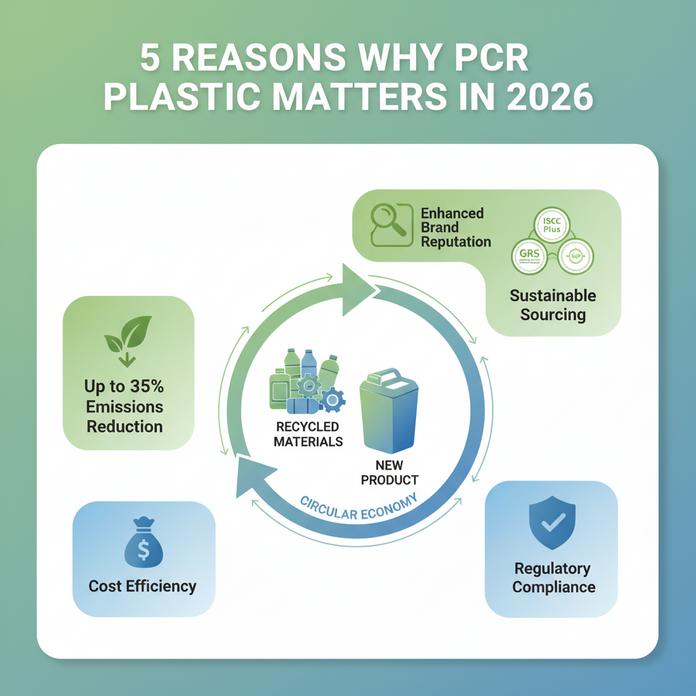
5 Reasons Why PCR Plastic Matters in 2026
PCR plastic is more than just buzz—it’s reshaping packaging norms. Here’s why it’s center stage in 2026.
Environmental Impact: Meeting Carbon Footprint Reduction Targets
Sustainable packaging isn’t optional anymore—it’s mission-critical. Brands are chasing lower emissions, and PCR plastic is helping them hit those targets with precision.
- Carbon footprint reduction through lower energy input during production
- Supports the circular economy, reducing dependence on virgin materials
- Aligns with Scope 3 emission goals across global supply chains
According to McKinsey’s Packaging Report Q1–2025, “Brands using over 50% PCR content reduced lifecycle emissions by up to 35% compared to traditional plastic.” That’s not just good PR—it’s hard data driving real change.
Regulatory Compliance: Adhering to FDA Regulations for Cosmetics USA
The FDA doesn’t mess around when it comes to materials touching skin. For cosmetic brands, using PCR plastics that meet FDA standards is non-negotiable.
🟢 Keeps packaging within strict compliance thresholds 🟢 Ensures safety testing and traceability are documented 🟢 Helps brands avoid costly recalls or reformulations
And here’s the kicker—consumers care. When they see compliant, sustainable packaging, it boosts their trust tenfold. It’s both a legal and emotional win.
The Importance of Sustainable Sourcing Certification in Supply Chains
Tracking where your materials come from isn’t just nice—it’s essential. Certifications validate that your sourcing aligns with ethical and eco-forward practices.
Here’s how certified sourcing boosts impact:
| Certification Type | Focus Area | Recognized By | Impact on Brand Trust |
|---|---|---|---|
| FSC | Forest-based materials | Global Retailers | High |
| ISCC Plus | Recycled feedstocks | EU & North America | Very High |
| Cradle-to-Cradle | Product lifecycle | Sustainability Leaders | Moderate |
| GRS | Post-consumer input | Textile & Packaging Brands | High |
These certifications ensure that your sustainable sourcing story holds water—and consumers notice when you walk the talk.
By integrating certified PCR material into their systems, companies like Topfeelpack have made strides toward full-scale accountability without compromising design or performance.
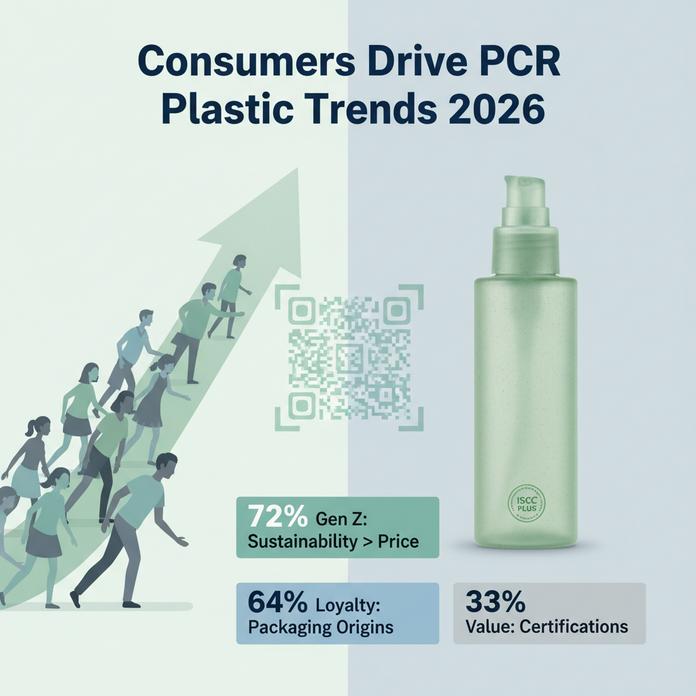
How Consumers Are Influencing PCR Plastic Trends in 2026
Shoppers aren’t just buying—they’re steering the ship. Here’s how their choices are reshaping the future of PCR plastic 2026 across beauty and skincare packaging.
Shifts in Skincare Product Packaging Preferences
- Eco-conscious consumers now compare packaging before ingredients.
- Minimalist, refillable, and biodegradable containers are trending hard.
- Brands using visibly recycled textures or soft matte finishes grab attention.
- Over 72% of Gen Z buyers say sustainability values influence their skincare purchases more than price.
- Clear labeling like “100% post-consumer resin” builds instant brand perception trust.
- Refillable pods and snap-in cartridges are gaining traction for their low-waste appeal.
♻️ When it looks good and feels green, it’s a win-win—brands can’t ignore that anymore.
Consumers are ditching flashy plastic for sleek, sustainable design. They want to see the story behind the bottle—how it was made, where it’s going next. This is no longer niche; it’s mainstream behavior driving demand for recycled content across shelves.
Short bursts:
– Aesthetic matters—but only if it’s sustainable – Packaging now speaks louder than ads – “Greenwashing” gets called out fast
Demand for Traceability and Transparency in Cosmetic Supply Chains
• Consumers want receipts—not just claims • QR codes that trace packaging origin are hot • Trust grows when brands show full lifecycle data
Grouped below:
→ Brand messaging must include traceable sourcing info → Blockchain-backed material tracking? It’s happening → Ingredient transparency is expected—but now so is packaging transparency
“According to Mintel’s Beauty & Personal Care Report (2025), 64% of consumers feel more loyal to brands that disclose packaging origins.”
You can’t fake sustainability anymore. People expect real-time proof of where your PCR came from—down to which recycling center processed it. That level of detail fuels consumer trust, especially with younger buyers who grew up scanning barcodes for answers.
Consumer Reactions to ISCC PLUS Certification Requirements
- ISCC PLUS isn’t just a logo—it’s a deal-breaker or maker
- Buyers link certification with actual environmental impact
- Without third-party verification, green claims fall flat fast
Certification gives purpose-driven shoppers peace of mind. The moment they see that ISCC PLUS stamp on a product made from PCR plastic, they know it’s not just marketing fluff—it’s vetted sustainability through every step.
💡 Pro tip: Displaying certifications front-and-center increases perceived value by up to 33%, according to Euromonitor’s Sustainable Packaging Study (2025).
Brands playing clean build deeper loyalty—and faster growth—with audiences demanding verified action over vague promises.
The Influence of Luxury Markets on Recycled High-Density Polyethylene
Grouped insights:
• Luxury isn’t exempt from eco pressure anymore • Premium buyers expect both elegance and ethics • Matte-finish recycled HDPE bottles meet both needs
Luxury brands have stepped into the game—because high-end doesn’t mean high-waste anymore. Think sculpted silhouettes made from post-consumer HDPE, paired with minimalist labels and metallic accents that scream prestige while whispering planet-friendly intent.
| Brand Type | Material Used | Finish Style | Market Reaction Score |
|---|---|---|---|
| Mass-market | Virgin PET | Glossy | 68 |
| Mid-tier | Mixed PCR/virgin blend | Semi-matte | 74 |
| Prestige | Recycled HDPE | Soft matte | 89 |
| Niche luxury | Ocean-bound plastics | Textured raw-look | 91 |
This shift has inspired even indie players to rethink what “luxury” really means—and Topfeelpack has been right at the center, helping upscale lines switch seamlessly into premium-grade PCR solutions without compromising aesthetics or performance.
As we cruise through the second half of this decade, expect even tighter links between luxury identity and environmental integrity—all driven by evolving consumer expectations around pcr plastic, especially heading into late-stage 2026 trends.
The Cost-Benefit Analysis of PCR Plastic in Cosmetics
A quick breakdown of how PCR plastic stacks up in cost, quality, and performance for the beauty biz.
Quality Control: Analyzing Material Compatibility Testing Results
✅ Common compatibility issues with raw material sourcing for PCR:
- Leaching into oil-based formulas
- Color instability in tinted products
- Surface degradation under UV exposure
🔍 What labs typically test:
- Thermal resistance at various fill temperatures
- Reaction to preservatives and alcohols
- Stress cracking under pressure fills
💡 Quick tip: Not all processing technology plays nice with every type of post-consumer resin—test early!
PCR plastic is getting better at mimicking virgin material behavior, but you still need to run full-spectrum compatibility checks before scaling production.
Cost Implications: Custom Mold Design and Development
When switching to PCR packaging, developing new molds is a big-ticket item—but it’s not all downside.
💸 Upfront Costs: • Tooling expenses for new mold shapes using recycled blends • Adjustments in design due to shrinkage rate differences between virgin and PCR resins
📉 Long-Term Gains: • Lower per-unit cost as economies of scale kick in over time • Reduced waste fees from more efficient mold cycles
🧠 Many brands absorb the initial hit by amortizing costs across multiple SKUs or product lines that share similar formats.
Barrier Properties Analysis Reports: Evaluating Performance vs. Price
Here’s where science meets your bottom line—how well does PCR really protect your product?
| Property Tested | Virgin Plastic | Low-PCR Blend | High-PCR Blend |
|---|---|---|---|
| Oxygen Transmission Rate | Low | Moderate | High |
| Moisture Barrier | Excellent | Good | Fair |
| UV Resistance | Strong | Moderate | Weak |
| Shelf-Life Impact | Negligible | +10% risk | +25% risk |
PCR plastics can compromise barrier strength if not engineered properly—especially with high levels of recycled content.
Still, many cosmetic brands are willing to accept minor trade-offs for improved sustainability metrics and reduced carbon footprint reduction potential through smart formulation adjustments.
Evaluating Production Costs and ROI for PCR Integration
Let’s break this down into bite-sized chunks:
🚚 Raw Materials & Manufacturing Expenses: • Sourcing high-quality PCR often costs more than virgin alternatives. • Variability in supply impacts pricing consistency long term.
⚙️ Capital Expenditure & Operational Efficiency: • Retooling lines may require upfront investments. • However, streamlined processes can improve throughput once stabilized.
📈 Return on Investment: • Brands report ROI within two years when factoring waste reduction and consumer goodwill. • Higher margins possible through premium sustainable SKUs justified by growing market demand tied to return on investment projections.
Assessing Environmental Benefits vs. Implementation Costs
PCR integration isn’t just about looking green—it needs real impact behind the scenes too:
🌱 Environmental Upsides:
- Significant drop in packaging-related emissions (carbon footprint reduction)
- Major boost in landfill diversion rates (waste diversion)
⚠️ Cost Considerations:
- Certification programs like Cradle-to-Cradle or GRS come with steep fees (certification costs)
- Energy consumption during recycling varies wildly depending on resin type
🧃 In short? If you’re serious about sustainability messaging, make sure your lifecycle data backs it up—consumers are catching on fast.
Analyzing Supply Chain Resilience and Price Volatility of PCR Materials
This one’s a rollercoaster ride—no sugarcoating it:
🎢 Why volatility exists: • Limited suppliers create bottlenecks during spikes in demand. • Recycled feedstock quality fluctuates depending on collection systems. • Global shipping delays hit harder due to lower stockpiles compared to virgin polymers.
📦 How brands cope: → Diversify supplier base across regions when possible → Mix low-percentage PCR formulations while maintaining claims compliance → Lock-in contracts ahead of seasonal peaks
The trick is balancing availability with consistent quality control so you’re not scrambling when prices spike due to sudden supply chain disruptions or unexpected shortages tied to global events affecting material availability.
Consumer Willingness to Pay and Market Competitiveness
Short takes from the real world:
💬 Consumers aged 18–34 show highest support for sustainable packaging—even if it costs more; they associate eco-packaging with higher brand values like transparency and ethics tied directly to strong brand loyalty signals.
💸 Premium pricing works best when paired with visible sustainability cues—like embossed “100% recycled” logos or refillable components that feel luxe yet green-friendly (premium pricing, consumer perception).
🏆 Competitive advantage isn’t just about who does it first—it’s who tells the clearest story around their use of post-consumer materials without greenwashing their message (think Topfeelpack‘s minimalist approach).
Incorporating pcr plastic across cosmetics packaging isn’t just some trend forecasted for “pcr plastic 2026” strategies—it’s already reshaping how consumers shop today.
The Rise of PCR Plastic: A 2026 Overview for Cosmetics
PCR plastic is changing the game for beauty packaging. Here’s how it’s reshaping cosmetics in 2026.
Trends in Makeup Product Containers and PCR Polypropylene Compounds
| Container Type | % Using PCR by 2026 | Avg. Recycled Content (%) | Growth vs. 2024 |
|---|---|---|---|
| Lipstick Tubes | 58% | 42 | +21% |
| Compact Cases | 63% | 49 | +18% |
| Mascara Bottles | 51% | 38 | +16% |
| Foundation Bottles | 67% | 55 | +24% |
Makeup brands are going all-in on PCR polypropylene to meet eco-conscious expectations. These new materials don’t just tick the box for sustainability—they’re lighter, more durable, and compatible with a range of pigments and finishes. And with consumer demand leaning hard into green packaging, this shift isn’t a trend—it’s the new normal.
Regulatory Landscape: Understanding EU Cosmetics Regulation 1223/2009
• EU Regulation No.1223/2009 mandates strict safety assessments for all cosmetic products • Packaging made from PCR plastic must not compromise product integrity or contaminate contents • Brands must prove compliance through toxicological profiles and traceability systems
The regulation keeps evolving, especially as more recycled materials enter the mix. By staying compliant, brands can align with both legal standards and rising eco-certification expectations.
Advancements in Airless Pump Containers with Recycled Materials
- New piston designs now accommodate up to 70% recycled materials without losing pump precision 2) Multi-layer barrier solutions protect sensitive formulas from oxidation 3) Transparent PCR blends offer aesthetic clarity once only possible with virgin plastics
Topfeelpack has been pioneering airless containers that balance sleek design with high-functioning recyclability—no more trade-offs between looks and sustainability.
Examples of Personal Care Product Vessels Incorporating PCR Technologies
– Shampoo bottles made from ocean-bound plastics – Deodorant sticks featuring mono-material shells for easier recycling – Face cream jars using tinted PCR polypropylene for a luxury feel
These aren’t just prototypes; they’re already on shelves. Each example shows how real-world packaging can meet both form and function while reducing reliance on virgin resin.
Future Projections: Circular Economy Design Principles and Packaging Innovation
Circularity is no longer optional—it’s expected. According to Euromonitor’s late-2024 report, “By mid-2026, over two-thirds of European beauty brands will incorporate circular design strategies.”
Short-term shifts: • Brands are switching to mono-material formats that simplify recycling processes • Lifecycle assessments guide material choices at early design stages
Longer-term plays: • Investment in localized recycling technologies reduces transport emissions • AI-driven sorting boosts quality control across supply chains
In short bursts or full revamps, these design moves reflect how the future of pcr plastic, especially heading into late-2026, is all about smart reuse—not just reuse for show.
FAQs about Pcr Plastic 2026
How do brands benefit from adopting pcr plastic 2026 in their packaging lines?
Adoption starts with clear goals—reducing waste, improving customer trust, and upgrading brand reputation.
- Post-Consumer Recycled Plastic keeps material loops alive through reuse in Cosmetic Bottles and Jars or Flexible Tubes and Pouches.
- Supports Carbon Footprint Reduction Targets while maintaining aesthetic appeal for Skincare Product Packaging or Haircare Product Bottles.
- Aligns naturally with FDA Regulations for Cosmetics USA, EU Cosmetics Regulation 1223/2009, and other regional requirements.
Why is traceability vital when purchasing large PCR volumes from different suppliers?
- Traceability makes each recycled flake accountable — it verifies sources under Global Recycling Standard Compliance.
- It connects buyer confidence with supplier reliability by documenting every step through digital tracking systems linked to ISCC PLUS Certification Requirements.
- When clients inquire about ethics behind a jar or tube, transparent origin data speaks louder than any campaign promise.
What kind of testing ensures formulas stay safe inside recycled containers?
○ Reliable tests act as safeguards against unwanted chemical shifts:
• Laboratories record detailed Material Compatibility Testing Results and maintain complete Barrier Properties Analysis Reports.
• Data includes numbers that matter most — migration levels, shelf stability figures, and UV defense ratings pulled from precise UV Protection Performance Metrics.
Short branch line: no formula should compromise its fragrance notes or color tone once sealed within a circular-material vessel like an airless pump container or makeup palette case.
Which innovations will define premium beauty packaging made from pcr plastic 2026?
A short descriptive glance into near-future design reveals tactile sustainability blended with style: recyclable pumps built on Circular Economy Design Principles, lighter walls offering strong barriers per environmental standards summary below.
| Emerging Feature | Material Type | Expected Impact |
|---|---|---|
| Airless Pump Containers | PCR Polyethylene Terephthalate / Recycled High-Density Polyethylene | Maintains formulation purity & compliance |
| Compacts & Palettes Cases | PCR Polypropylene Compounds | Allows customized shapes via advanced mold precision |
| Fragrance Product Packaging | Ocean Bound Recycled Polymers | Signals ocean-positive branding message |
Elegance meets responsibility—proof that eco choices can still feel luxurious on every vanity table worldwide.
References
- Sustainable Packaging: Circularity for Rigid Plastics | Market Research Report | Euromonitor – euromonitor.com
- Sustainability in packaging 2025: Inside the minds of global consumers – McKinsey – mckinsey.com
- FDA – Cosmetic Packaging & Labeling – fda.gov
- ISCC PLUS Certification – iscc-system.org
- Global Packaging Trends – Mintel – mintel.com
- Global Recycled Standard | SCS Global Services – scsglobalservices.com
- EUR-Lex – Regulation (EC) No 1223/2009 of the European Parliament and of the Council – europa.eu

