 English (UK)
  English
  English (Australia)
  English (Canada)
  العربية
  Deutsch
  Italiano
  Español de México
  Tiếng Việt
  ไทย
ไทย  Português do Brasil
  Français
  Български
  Čeština
  Dansk
Dansk  Ελληνικά
  Eesti
Eesti  Suomi
Suomi  Magyar
  Bahasa Indonesia
  Lietuvių kalba
  Latviešu valoda
  Norsk bokmål
  Nederlands (Formeel)
  Polski
  Română
  Русский
  Slovenčina
  Slovenščina
  Svenska
  Türkçe
  Українська
  简体中文
简体中文  日本語
日本語  한국어
한국어  繁體中文
繁體中文 
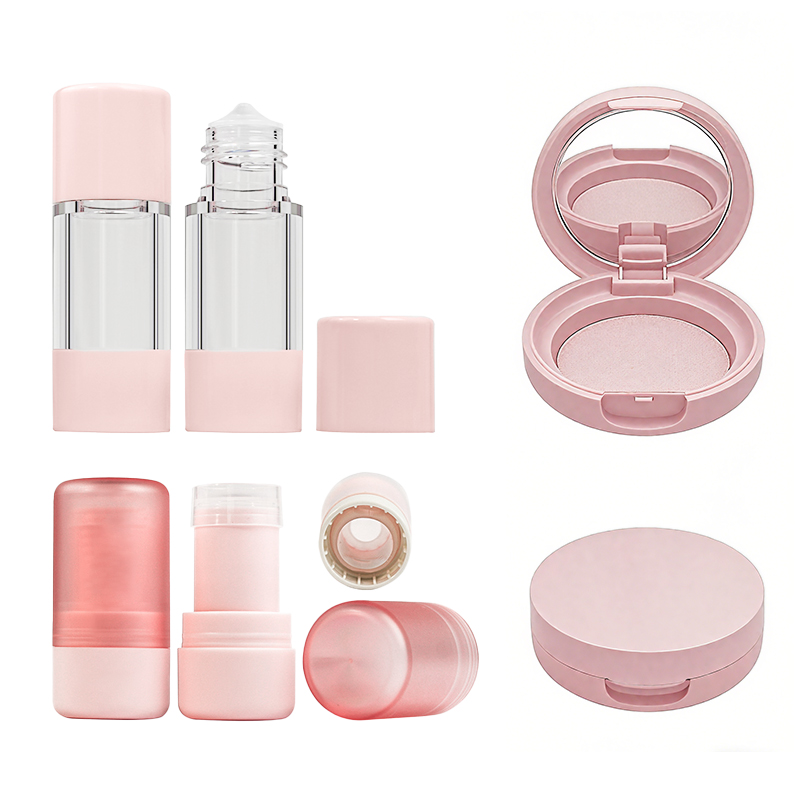
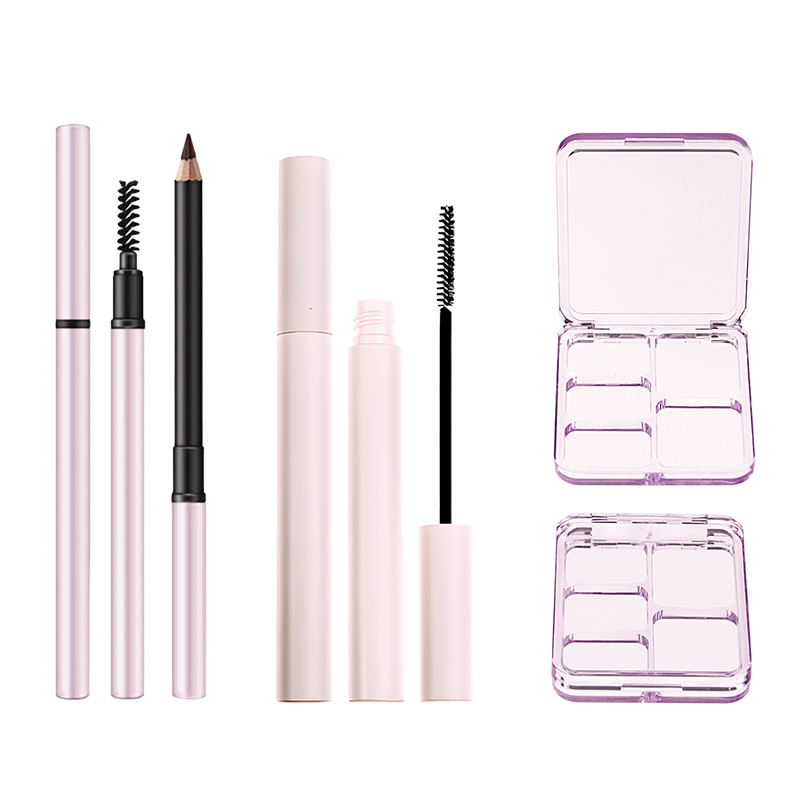
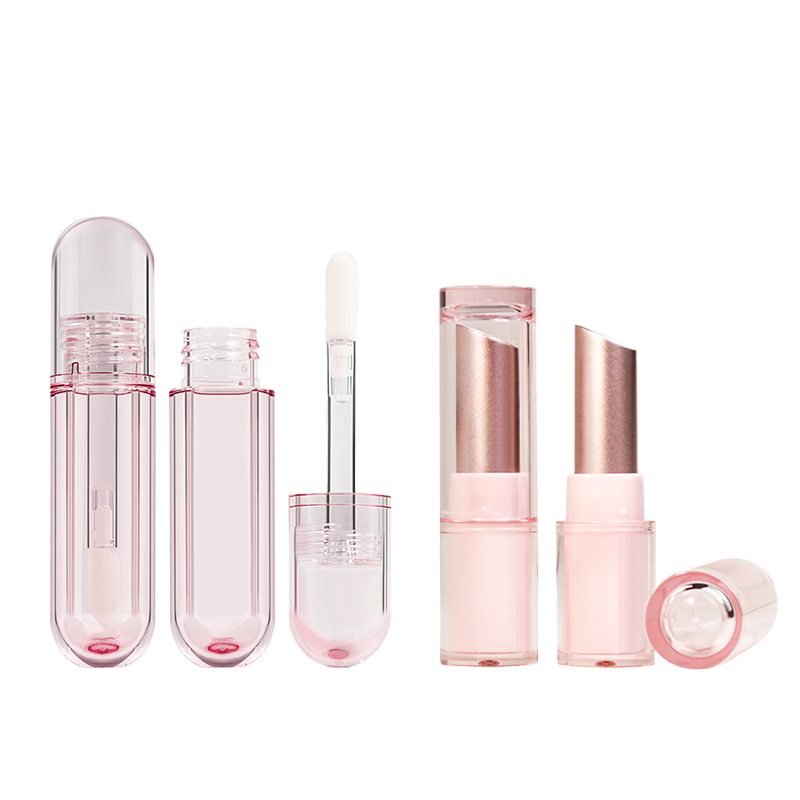

Avoid These Mistakes When Choosing Plastic Bottles for Beauty Products
January 03,2026
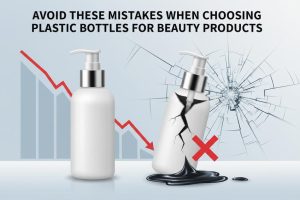
You think picking plastic bottles for beauty products is a no-brainer? Think again. One wrong choice—maybe a bottle that warps in heat or leaks mid-shipment—and boom: your serum’s swimming in cardboard soup, and your brand’s reputation just took a nosedive. In an industry where the packaging for cosmetics is half the pitch, getting it wrong costs way more than money.
And don’t bank on “it looks pretty” as enough. Function matters. Closures that jam, bottles too stiff to squeeze—these things drive customers nuts. People notice when packaging feels cheap or doesn’t work right, and once they’re annoyed, they rarely come back.
Choosing the right container isn’t just about aesthetics—it’s survival of the fittest shelf presence. Keep reading; we’re spilling all the secrets so you don’t trip over these common blunders at scale.
Understanding Plastic Types: Which Is Best for Beauty Bottles?
Navigating the world of plastic bottles for beauty products? Let’s break down what works best and why it matters.
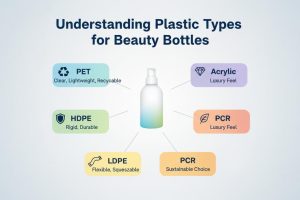
PET Plastic: The Lightweight Option for Cosmetic Bottles
- PET (aka polyethylene terephthalate) is a go-to for brands that want sleek, crystal-clear packaging.
- It’s featherlight and strong—perfect combo when shipping thousands of units.
- Bonus? It’s recyclable and moisture-resistant, so your formulas stay fresh longer.
Want something that looks like glass but doesn’t shatter? PET nails it. Plus, its barrier properties make it ideal for toners, serums, and facial mists. For beauty products needing transparency and durability without extra weight, PET is a solid win in the plastics game.
HDPE Plastic vs. LDPE Plastic: Making the Right Choice
| Feature | HDPE | LDPE | Best Use Case |
|---|---|---|---|
| Flexibility | Low (more rigid) | High (very flexible) | Tubes & squeeze bottles |
| Chemical Resistance | Excellent | Good | Active ingredients |
| Appearance | Opaque | Semi-transparent | Everyday toiletries |
| Durability | High | Moderate | Long-term storage |
Picking between these two comes down to how you want your product to feel. If you’re bottling something thick like conditioner or body wash, LDPE’s squeezability hits the mark. But if you need tough-as-nails protection—say for a sunscreen with actives—HDPE holds up better under pressure.
The Benefits of PCR Plastic for Eco-Friendly Beauty Packaging
♻️ PCR (post-consumer recycled) plastic isn’t just a buzzword—it’s changing how we think about sustainability in beauty packaging.
- Cuts virgin plastic use by reusing existing materials.
- Reduces landfill waste and carbon emissions.
- Appeals to eco-conscious buyers who read labels closely.
- Offers nearly identical performance to new plastic types.
- Works well across many formats—from jars to pump bottles.
PCR shows up strong in modern beauty lines focused on green ethics without sacrificing aesthetics or function. If your brand wants to walk the sustainability talk while still delivering quality packaging, this one’s worth considering in your lineup of plastic bottles for beauty products.
Acrylic Plastic: A Premium Choice for High-End Lotion Bottles
Looking to glam things up? Acrylic, also called PMMA, brings serious luxury vibes—think high-gloss, glass-like clarity that screams upscale.
• Perfect for prestige skincare lines needing shelf appeal • Holds shape well and resists scratches over time • Compatible with double-wall designs that elevate perceived value
It’s not recyclable like PET or PCR—but when you’re going after elegance over eco, acrylic delivers on visual impact big-time. Ideal pick if you’re targeting spas or boutique shelves where first impressions count most with premium lotion bottles or cosmetic jars made from this standout material.
Key Features to Look for in Plastic Beauty Product Bottles
Choosing the right packaging for your beauty line? These features can make or break how users interact with your products.
Closure Types: Choosing the Right Dispenser for Functionality
Not all closures are created equal—what works for a thick serum might be a disaster for a face mist. Here’s what to watch out for:
- If your formula is thick and creamy, like lotions or conditioners, go with a pump dispenser—they give controlled output without mess.
- Lightweight liquids like toners or facial mists? A fine spray mister keeps it light and even.
- For quick-use cleansers or shampoos, a simple flip-top cap saves time and effort.
- Want something that looks sleek yet functional? A disc-top cap balances aesthetics and usability well.
- Serums or oils benefit from precision—enter the dropper closure, ideal when every drop counts.
- Basic but reliable, the classic screw cap works best when portability matters more than speed.
Before locking in your choice, consider two things:
- What’s the product’s texture or thickness? (Product viscosity) changes everything.
- How will users apply it—hands-on or spray-and-go? Your closure should match their preferred application method.
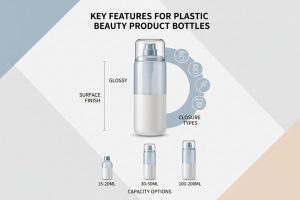
Capacity Matters: Selecting the Ideal Size Between 15ml–200ml
Size isn’t just about volume—it shapes convenience, cost-efficiency, and customer satisfaction in one go.
Grouped by use case:
- Daily-use basics like shampoo, body wash, or cleanser often sit between 100ml to 200ml, giving enough product without bulk.
- For on-the-go skincare lovers? Travel-friendly options from 30ml to 50ml are compact yet practical.
- When testing new formulas, offer sample sizes around 15ml to 20ml, perfect as trial runs without commitment.
Consider these factors: • How frequently do consumers use this product? High-frequency items need larger bottles due to faster product consumption. • Does your audience travel often? Then smaller bottles win big on portability. • What’s your brand’s sustainability stance? Less wasted formula equals smarter sizing decisions.
From full-size hero products to compact trial kits, matching bottle size with user behavior keeps both shelves and customers happy.
Surface Finishes That Make an Impression: Glossy vs. Matte
Looks matter—a lot more than you’d think when it comes to shelf appeal in beauty aisles.
A few quick notes: Glossy finishes scream shine and modernity. They reflect light beautifully and offer high-end visual pop—great if you’re going luxe with your packaging’s overall vibe.
Matte finishes feel different—literally. They have a soft-touch texture that gives off an understated elegance some brands crave. It’s less flashy but adds depth through tactile feel alone.
While glossy enhances visual drama through bright reflections and vibrant colors, matte delivers subtlety through smooth surfaces that resist fingerprints and glare.
Both impact how customers perceive quality—but which aligns better with your identity?
When choosing between them, think beyond looks: Does your brand lean toward minimalism or boldness? Are you prioritizing tactile interaction over visual punch?
Either way, surface finish plays into more than style—it shapes emotional connection too.
So whether you’re going bold with gloss or refined with matte, always tie it back to how you want people to feel about holding—and using—your bottle.
Topfeelpack offers customizable options across all these features—from closures to textures—for brands looking to elevate their line of plastic bottles for beauty products without sacrificing function or flair.
The Costly Mistake of Ignoring Bottle Functions in Beauty Products
Overlooking how bottles work or look? That might just be the silent killer of your beauty brand’s success.
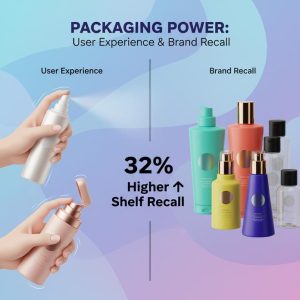
Spray Nozzles vs. Flip-Top Caps: Understanding User Experience
Choosing between a spray nozzle and a flip-top cap isn’t just about looks—it shapes how customers feel every time they use your product. Here’s what really matters:
- Spray nozzles offer precision—ideal for toners, mists, and anything meant to be lightly distributed.
- A flip-top cap, on the other hand, is all about one-handed ease—perfect for lotions and creams where control isn’t as critical.
- The right dispensing mechanism can reduce waste and improve satisfaction during everyday use.
- Misaligned mechanisms frustrate users—leaking bottles or hard-to-squeeze containers lead to bad reviews fast.
- Consumers often base repeat purchases on how easily they can apply a product—not just what’s inside.
- Product type dictates functionality needs—a serum demands different packaging than a body wash.
- Testing both options with real users offers valuable feedback before launch.
- A mismatch between formula texture and cap function can ruin even the most premium product.
If you’re selling skincare in poorly matched packaging, you’re not just missing out on sales—you’re actively pushing people away from your brand without realizing it. When it comes to choosing custom cosmetic packaging for your plastic bottles for beauty products, don’t underestimate user-centered design.
Why Custom Colors Can Enhance Brand Identity with Packaging
Color isn’t decoration—it’s strategy. In fact, according to Kantar’s BrandZ Global Report (2024), “Brands that consistently apply custom color schemes across their packaging see up to 32% higher shelf recall among consumers.”
• Color psychology plays a silent but powerful role; bold hues like deep red signal luxury while pastel tones evoke softness and care.
- Custom shades help differentiate in crowded aisles—when hundreds of similar-shaped plastic bottles for beauty products line shelves, color becomes the hook.
- Consistent color use builds familiarity; think Tiffany blue or Glossier pink—they own those tones now.
💡 Even subtle tweaks—like matching lid accents with bottle bodies—can elevate perceived value instantly.
Your chosen palette should echo your vibe: Are you clinical and clean? Go monochrome with sharp contrasts. Earthy and natural? Muted greens and browns will speak volumes.
Multiple brands compete using nearly identical bottle shapes—but color breaks through that sameness. It becomes part of the memory loop consumers replay when they reach for their favorite cleanser or toner again.
So if you’re still shipping out generic clear containers without thought to hue or tone, consider this your wake-up call: Your colors aren’t just background—they’re branding tools hiding in plain sight on every shelf.
FAQs about Plastic Bottles for Beauty Products
What are the most trusted materials for beauty product bottles?
Think of textures and clarity—materials that feel good in hand and look perfect on a vanity.
- PET plastic: Light, transparent; shows off vibrant serums or perfumes.
- HDPE plastic: Strong presence; suits lotion bottles that must hold their shape.
- LDPE plastic: Gentle squeeze; ideal for cosmetic bottles needing flexibility.
- PCR plastic: A recycled heart beating within eco-friendly designs.
- Acrylic plastic: Crystal-clear sophistication for foundation bottles and premium creams.
Why does PET keep winning hearts among makeup packaging buyers?
Its glass-like visibility makes products glow from shelf to shopper’s hand, yet it’s feather-light—bringing ease to large shipments without sacrificing elegance.
How do closures change the way people connect with a product?
Packaging isn’t just a container—it becomes part of the ritual:
♦ Pump dispensers offer measured grace with every lotion bottle press.
♦ Spray nozzles create fine mists from perfumes to setting sprays, like breath across skin.
♦ Flip-top caps bring swift comfort when reaching for cleansers mid-rush.
Which capacities feel right for everyday use vs travel moments?
Some sizes whisper convenience while others shout abundance:
| Capacity | Perfect For | Bottle Type Example | Closure Option |
|---|---|---|---|
| 15ml capacity | Travel serums or eye creams | Serum bottles | Dropper caps |
| 30ml capacity | Liquid foundations & facial oils | Foundation bottles | Pump dispensers |
| 50ml capacity | Daily moisturizers or tonics | Lotion bottles/Spray bottles | Flip-top caps / Spray nozzles |
| 100ml capacity | Regular shampoos or leave-in conditioners | Cosmetic bottles/Lotion bottles … etc. | Screw caps / Pump dispensers |
How can finishes lift a beauty brand’s story before anyone even opens the cap?
The touch tells as much as sight: glossy finish dazzles like fresh polish; matte finish whispers understated charm; soft-touch coating invites fingertips again and again; frosted finish brings mystery, hinting at treasures inside; metallized finish catches light dramatically in any setting—a first impression locked in shine.
References
[The Science Behind PET – https://www.petresin.org/resina_pet.asp]
[PCR Certification and Benefits – https://plasticsrecycling.org/pcr-certification]
[Kantar BrandZ Top 100 Most Valuable Global Brands 2024 – https://www.kantar.com/inspiration/brands/kantar-brandz-top-100-most-valuable-global-brands-2024]

