 English (Canada)
  English
  English (UK)
  English (Australia)
  العربية
  Deutsch
  Italiano
  Español de México
  Tiếng Việt
  ไทย
ไทย  Português do Brasil
  Français
  Български
  Čeština
  Dansk
Dansk  Ελληνικά
  Eesti
Eesti  Suomi
Suomi  Magyar
  Bahasa Indonesia
  Lietuvių kalba
  Latviešu valoda
  Norsk bokmål
  Nederlands (Formeel)
  Polski
  Română
  Русский
  Slovenčina
  Slovenščina
  Svenska
  Türkçe
  Українська
  简体中文
简体中文  日本語
日本語  한국어
한국어  繁體中文
繁體中文 
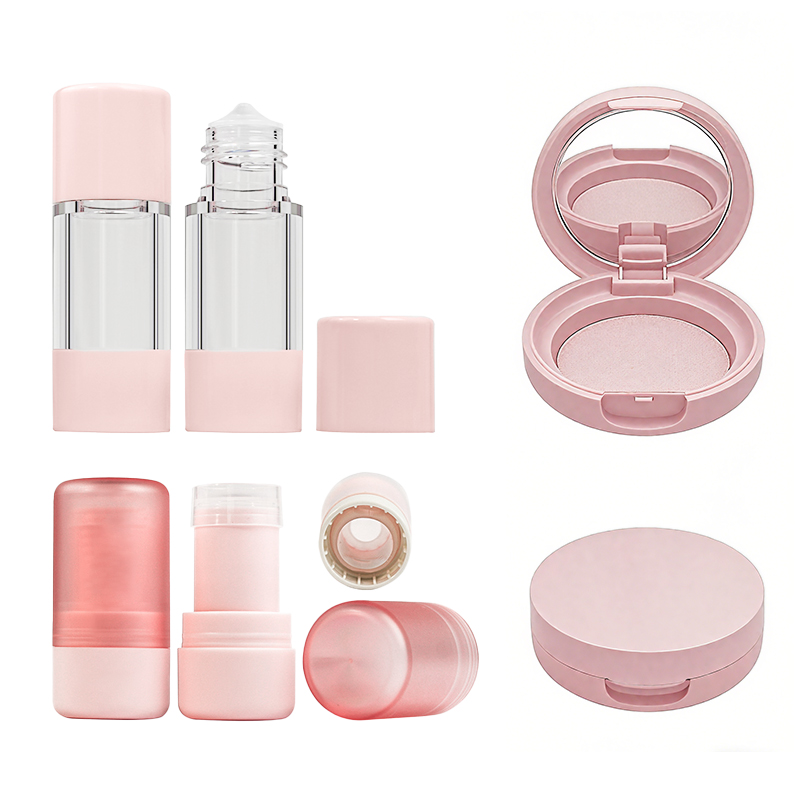
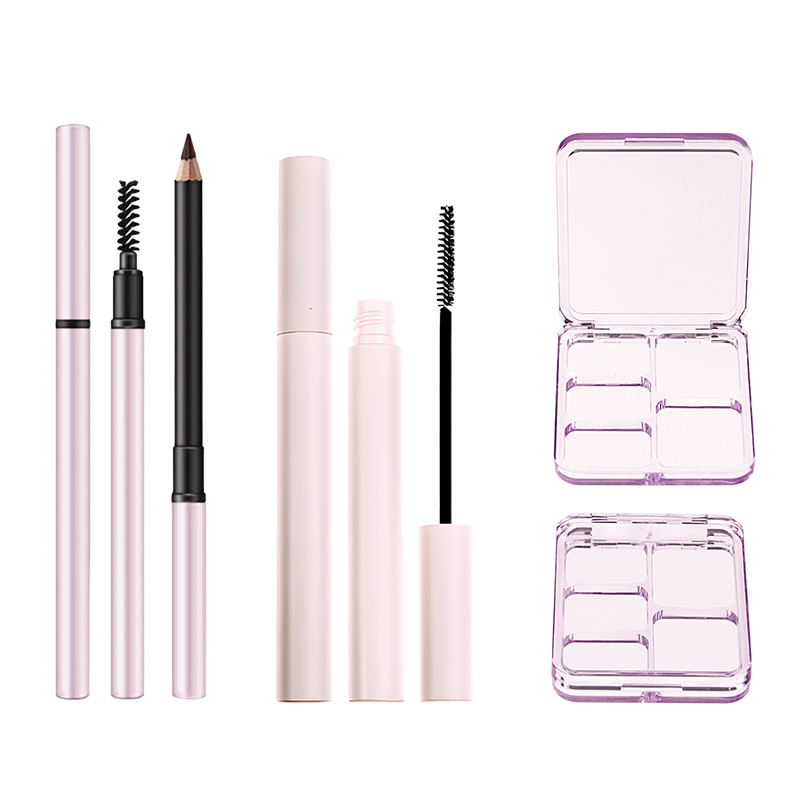
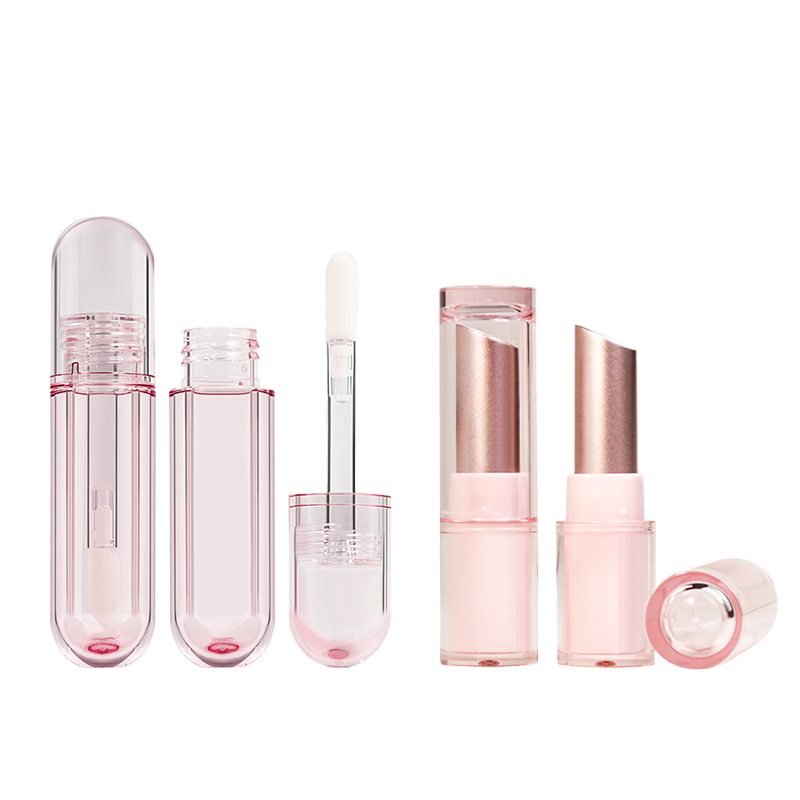

Ultimate 2025 Solutions for Sustainable Plastic Packaging
December 02,2025
You ever feel like packaging’s got an identity crisis? In the cosmetics world, it’s not just about looking pretty anymore—it’s gotta be smart, sustainable, and ready for prime time. The biggest sustainability trends in plastic packaging 2025 aren’t just buzzwords; they’re boardroom must-haves. Brands are sweating over balancing eco goals with shelf appeal and cost control—and spoiler alert: shortcuts won’t cut it.
So what’s actually working? Smart swaps like PCR plastics that look luxe but keep oceans clean. Refillable compacts that lock in customer loyalty. And yeah, if your packaging doesn’t play nice with Extended Producer Responsibility laws—you’re toast. This isn’t a someday problem; it’s a right-now decision.
Quick Answers to the Biggest Sustainability Trends in Plastic Packaging 2025
-
Post-Consumer Recycled (PCR) Plastics Lead Luxe & Low-Waste: Brands are adopting PCR materials to replace virgin plastics, offering a premium look while reducing ocean-bound waste.
-
Refillable Designs Are More Than A Gimmick: Products like eyeshadow palettes and compacts are going refillable, cutting down on single-use packaging and fostering customer retention.
-
EPR Compliance Is Non-Negotiable: Extended Producer Responsibility regulations are tightening—non-compliance could mean penalties or loss of market access.
-
Circular Economy Practices Gain Ground: Closed-loop recycling programs and sustainable sourcing of raw materials help brands reduce environmental impact across the supply chain.
-
Eco-Smart Manufacturing Is Cost-Smart Too: Energy-efficient molding techniques and lightweighting help cut emissions—and your shipping bill.
-
Bio-Based & Biodegradable Materials Take Center Stage: PLA, PHA, mycelium, and algae-based alternatives are pushing boundaries in compostability and innovation.
-
Minimalism Makes Maximum Impact: Minimalist branding and digital printing with eco-friendly inks reduce material use without sacrificing shelf appeal.
-
Waterless Printing Saves More Than Ink: Advances in printing that drastically cut water usage contribute heavily to sustainability goals—and regulatory favorability.
-
Consumer Demand Drives Change Harder Than Ever: Shoppers want transparency, recyclability, and responsibility baked into every beauty buy—they’re watching what you package as much as what you promise.
-
End-of-Life Matters Now at Design Stage: From compostable collection programs to recycling partnerships—brands must plan for packaging’s afterlife before it even hits shelves.
Why Sustainable Packaging Matters To Your Brand In 2025
Sustainable packaging isn’t just hype—it’s the new baseline for brand survival in a fast-evolving market.

The business case for adopting sustainable materials
- Switching to sustainable materials like recycled paper, bioplastics, and compostables often leads to long-term cost savings, especially as raw material prices fluctuate.
- Brands using eco-packaging see higher ROI through improved customer engagement and operational efficiency—less waste means lower disposal fees.
- A McKinsey & Company report in early 2024 showed that companies integrating environmental benefits into their packaging strategies saw a +12% boost in consumer trust over two quarters. [1]
- Beyond the numbers, it’s about getting ahead of the curve. Early adopters gain a clear market advantage, especially as the demand for the biggest sustainability trends in plastic packaging 2025 keeps climbing.
How consumer preferences are shifting towards eco-friendly packaging
Consumers are flipping the script on what matters at checkout:
▪️ Shoppers now actively seek out brands with visible commitments to eco-friendly packaging—it’s no longer optional; it’s expected.
▪️ According to NielsenIQ’s Sustainability Survey released February 2024, nearly 73% of Gen Z buyers say they’ll pay more for products with minimal or biodegradable wraps. [2]
▪️ This shift is driven by heightened environmental awareness, social media influence, and peer accountability—people want their purchases to reflect their values.
▪️ Brands aligning with these evolving consumer preferences are winning big on loyalty and share-of-wallet across most retail categories. It’s all part of how plastic packaging trends are reshaping buyer behavior heading into next year.
The role of regulations in shaping sustainable packaging strategies
Governments aren’t waiting around—and neither should brands:
● The EU’s Packaging and Packaging Waste Regulation update enforces stricter rules on recyclability starting Q1 of 2025, forcing businesses to rethink design from scratch. [3]
● In Canada, new national mandates under Extended Producer Responsibility (EPR) frameworks require companies to cover full lifecycle costs of their product’s packaging by mid-year. [4]
● These evolving regulations aren’t just red tape—they’re catalysts pushing innovation in everything from material sourcing to labeling transparency.
● Being proactive about compliance doesn’t just avoid fines—it positions your brand as forward-thinking and responsible amid growing concern over global sustainability trends in plastic packaging.
Long-term brand loyalty fostered by sustainable practices
Building loyalty through sustainability isn’t fluff—it’s strategy:
Step 1: Start with transparency—share your commitment to ethical sourcing and reduced carbon impact using real data. Consumers spot greenwashing instantly now.
Step 2: Implement consistent changes across product lines—not just one “eco” SKU—and communicate those changes clearly on-pack and online.
Step 3: Engage customers directly through sustainability challenges or recycling programs that encourage repeat interaction while reinforcing your values.
Step 4: Maintain momentum by reporting progress annually; nothing builds stronger brand loyalty than showing you’re walking the talk year after year.
Brands like Topfeel have seen significant gains in retention simply by aligning their mission with shared environmental goals—a smart move when chasing long-term growth tied closely to the biggest sustainability trends in plastic packaging 2025.
Top Eco-Friendly Packaging Choices For Cosmetic Products
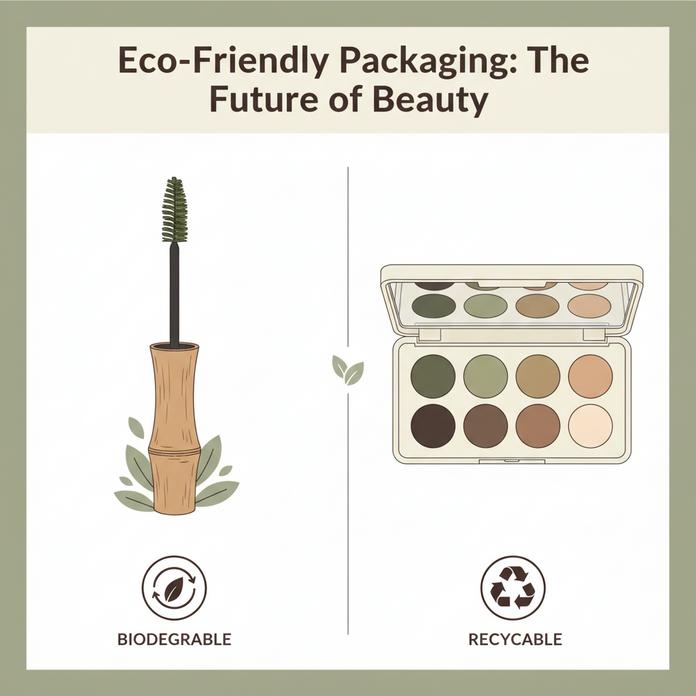
Sustainable packaging is no longer a trend—it’s the new baseline. These eco-forward cosmetic solutions are reshaping how beauty meets responsibility.
Innovative Biodegradable Mascara Applicator Wands in the market
Biodegradable mascara tube wands are rewriting what it means to be beautiful and responsible at once. Here’s how these eco-savvy tools are changing the game:
- Brands now use PLA and PHA materials, both plant-based polymers that decompose within months under composting conditions.
- Some applicators even feature bamboo or wheat straw handles—lightweight, stylish, and totally guilt-free.
- The bristles? They’re often made from castor bean oil derivatives or cornstarch blends, ditching petroleum-based synthetics altogether.
And guess what? These wands don’t just look good—they feel great in hand and perform like their plastic counterparts. With the biggest sustainability trends in plastic packaging 2025 pointing toward compostable innovation, this move is more than just mascara-deep.
Refillable Eyeshadow Palette Designs that minimize waste
Refillable eyeshadow palette designs aren’t just clever—they’re a vibe. Here’s how they’re cutting down on excess without skimping on glam:
🟢 Magnetic base systems allow users to pop out used pans with zero fuss
🟢 Modular trays let customers mix & match shades—no more one-size-fits-none palettes
🟢 Durable outer shells crafted from bamboo, aluminum, or recycled acrylic extend product life by years
🟢 Brands like Elate Cosmetics and Zao have turned refills into a luxury experience rather than an afterthought
No wonder refillables have surged as one of the biggest sustainability trends in plastic packaging 2025, especially among Gen Z buyers who crave personalization without waste. [2]
Eco-Friendly Lipstick Tube Materials: A game changer for brands
It’s wild how something as small as a lipstick tube can make such a massive impact. Today’s most forward-thinking brands are swapping traditional plastics with cutting-edge alternatives like sugarcane bioplastics, aluminum casings, and even paperboard tubes lined with wax. These innovations not only reduce environmental harm but also elevate brand perception across demographics craving authenticity.
According to Euromonitor’s April 2024 report on sustainable cosmetics packaging: “Consumers increasingly associate biodegradable materials with trustworthiness and transparency—two pillars driving repeat purchases.” [5]
By embracing biodegradable or PCR-based lipstick tube materials, brands aren’t just following trends—they’re setting them.
Unique Mushroom Packaging Solutions for sustainable beauty
Mushrooms might be trending on your plate—but they’ve also crept into your vanity drawer. Mycelium-based packaging is popping up everywhere in the clean beauty space:
- Grows using agricultural waste + mushroom root structures
- Fully compostable within weeks after disposal—talk about low-key magic
- Naturally shock-resistant and moldable into custom shapes
It’s no surprise that mycelium has emerged alongside other frontrunners among the biggest sustainability trends in plastic packaging 2025, offering both function and flair without harming ecosystems.
Post-Consumer Recycled Plastic (PCR) options for your product line
Using post-consumer recycled plastic (PCR) isn’t just smart—it’s strategic. Let’s break down why so many cosmetic lines are jumping onboard:
| PCR Type | Source Material | Common Uses | Carbon Savings (%) |
|---|---|---|---|
| rPET | Used water bottles | Bottles & jars | ~60% |
| rHDPE | Milk jugs | Tubes & closures | ~50% |
| rPP | Yogurt containers | Caps & compacts | ~45% |
| Mixed PCR Blend | Municipal recycling | Custom applications | Varies |
- Reduces reliance on virgin plastics while keeping existing resources in circulation
- Aligns with EU Green Deal mandates pushing circular economy initiatives
- Enhances consumer trust through visible recycling logos or carbon offset labels
As regulatory pressure mounts globally—and shoppers become savvier—the shift toward PCR isn’t optional anymore; it’s essential if you want to stay relevant amid the evolving expectations shaped by the biggest sustainability trends in plastic packaging 2025.
How To Implement Circular Economy Principles In Packaging
Making packaging more circular isn’t rocket science—it’s about smart choices, clean loops, and ditching wasteful habits.
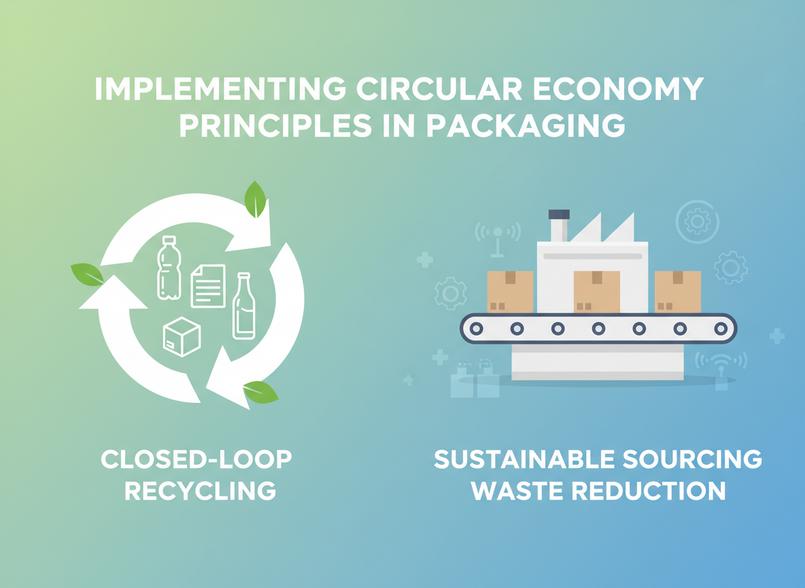
Benefits of Closed-Loop Recycling Programs Implementation
- Closed-loop recycling means your used packaging doesn’t just vanish into thin air—it gets reborn as new material. That cuts down on virgin resource use and builds a tighter circular economy loop.
- These programs slash landfill waste while saving serious cash on raw inputs over time—yep, there are real economic advantages too.
- By reprocessing materials like PET or HDPE in-house or via partner networks, brands can improve their sustainability score and meet rising consumer demand around the biggest sustainability trends in plastic packaging 2025, especially those focusing on reuse systems.
- Bonus? It’s a killer PR move. Customers dig companies that walk the talk when it comes to waste reduction and eco-minded design.
Strategies for Sustainable Sourcing of Raw Materials
Sustainable sourcing isn’t just a nice-to-have anymore—it’s fast becoming non-negotiable as pressure mounts from both regulators and conscious buyers tracking the biggest sustainability trends in plastic packaging 2025.
Choosing bio-based materials, like PLA or PHA polymers derived from plants or algae, reduces dependency on fossil fuels. Brands also tap into recycled content streams—think post-consumer resin—to shrink their carbon footprint without compromising performance.
And don’t overlook supply chain transparency: working with suppliers who meet third-party verified environmental standards ensures your whole operation aligns with long-term goals around responsible sourcing of raw materials and reduced overall environmental impact.
Waste Reduction in Production Lines for enhanced sustainability
Short tweaks can lead to big wins:
– Switching to modular molds cuts excess scrap. – Adopting inline sensors boosts real-time quality control. – Using digital twins helps simulate production scenarios before wasting actual resources.
Now stack that with lean manufacturing techniques—less buffer inventory, smarter scheduling—and suddenly your line is humming with efficiency. These aren’t just buzzwords; they’re the backbone of sustainable production tied directly to the biggest sustainability trends in plastic packaging 2025.
Topfeel has already embedded these principles deep into its operations, proving that optimized lines can deliver both profit and planet wins through smarter use of materials and strong commitment to material efficiency, circular design thinking, and tech-driven process upgrades.
Economic Benefits Of Switching To Sustainable Packaging
Switching to smarter, greener packaging isn’t just good for the planet—it’s a real money-saver too.
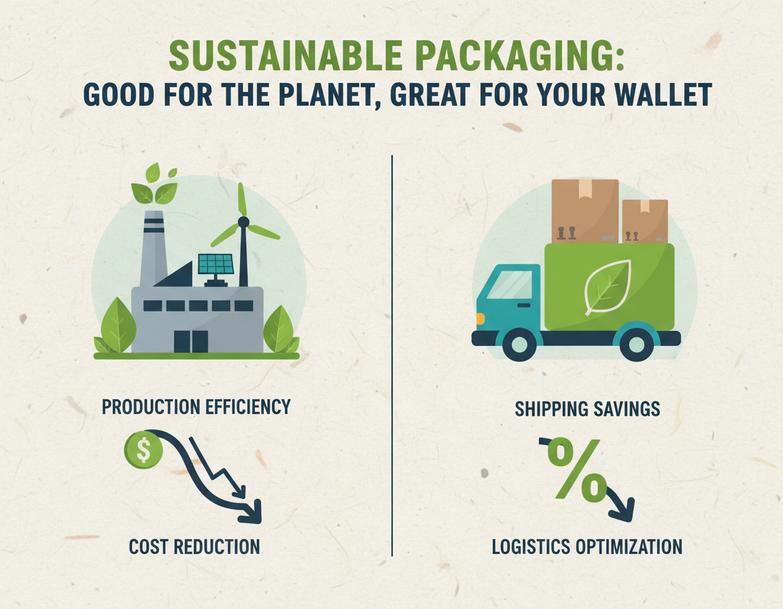
Cost-saving outcomes from Energy-Efficient Molding Technologies
Energy-efficient molding tech is cutting costs in ways that old-school methods just can’t match.
- Manufacturers using injection molding machines designed for low energy use are seeing up to 30% drops in electricity bills.
- Lower energy consumption means fewer greenhouse gas emissions and less reliance on fossil fuels—win-win.
- These high-efficiency systems also reduce wear and tear, slashing maintenance downtime and labor hours.
You’ll also notice that production timelines shrink. Less time running machines equals lower production costs, which is a big deal when margins are tight. With the rise of the biggest sustainability trends in plastic packaging 2025, companies embracing this shift stay ahead of both environmental regulations and budget constraints.
How Lightweighting Packaging Techniques reduce shipping costs
Lighter packaging isn’t just easier to carry—it’s cheaper to move and better for the environment. Here’s how it adds up:
■ Material reduction: Using less plastic or switching to thinner materials cuts raw material expenses right off the bat. ■ Transportation efficiency: Lighter loads mean more units per truckload, reducing trips and fuel use. ■ Reduced fuel consumption: Fewer emissions, lower logistics costs—that’s a double bonus for brands going green.
Grouped by benefit type:
🟢 Environmental:
- Cuts carbon emissions
- Supports circular supply chains aligned with the biggest sustainability trends in plastic packaging 2025
💰 Financial:
- Lower freight charges
- Decreased need for reinforced containers or pallets
📦 Operational:
- Faster handling during loading/unloading
- Easier storage due to smaller volume requirements
Lightweighting is no longer optional—it’s essential if you’re trying to keep up with modern eco-conscious consumers.
Financial incentives associated with Extended Producer Responsibility (EPR) Compliance
Companies stepping up their game on EPR compliance are tapping into fresh revenue streams while keeping regulators off their backs.
- Governments often reward compliant brands with tax breaks or direct subsidies tied to improved waste management practices.
- Participating in certified recycling programs can qualify businesses for shared infrastructure support and reduced landfill fees.
And there’s more than just cost savings at play:
→ Brands demonstrating active engagement in EPR see increased access to eco-conscious markets where buyers prioritize sustainable sourcing. → Retailers are beginning to favor suppliers who show commitment through transparent reporting under EPR guidelines—especially as we approach key milestones within the biggest sustainability trends in plastic packaging 2025.
Topfeel, known for its forward-thinking approach, has already integrated circular strategies that align perfectly with these financial perks—proof that doing good can absolutely pay off.
10 Sustainable Packaging Innovations To Watch In 2025
Sustainability’s not just a buzzword anymore—it’s the playbook. These packaging innovations are shaking up how we treat waste, design, and production.
Chemical Recycling Technologies Adoption: A future trend
♻️ The rise of chemical recycling is flipping the script on plastic waste:
- Breaks down polymers into virgin-quality monomers
- Supports a stronger circular economy
- Handles contaminated or mixed plastics traditional methods can’t touch
🧪 Here’s why it matters:
- Reduces landfill dependency
- Enables infinite recycling loops
- Cuts down on crude oil demand
- Opens doors to new materials innovation
This tech is gearing up to be one of the biggest sustainability trends in plastic packaging 2025, especially as brands chase carbon-neutral goals.
Advances in Waterless Dyeing and Printing Methods
💧 Ditching water doesn’t mean ditching quality:
- New waterless dyeing tech slashes water use by up to 95%
- Digital pigment systems reduce chemical runoff
- Heat-transfer printing means no wet processing at all
Grouped Benefits:
Environmental Wins
- Massive water conservation
- Less pollution in waterways
Production Gains
- Faster drying times = quicker turnaround
- Consistent color application across batches
In an industry where every drop counts, this shift is making waves—especially within textile-based packaging formats tied to the biggest sustainability trends in plastic packaging 2025.
Minimalist Labeling and Branding Strategies: The new norm
Less really is more when it comes to modern branding:
🔹 Clean fonts, neutral tones, and tiny logos dominate shelves 🔹 Brands are stripping away layers—literally—to cut costs and material use
Grouped Impact Areas:
Consumer Appeal
- Simpler designs feel more premium
- Transparency builds trust
Eco-Friendly Materials
- Labels printed directly onto recycled paperboard
- No foils or laminates = easier recycling
This minimalism isn’t just stylish—it’s part of a broader shift toward sustainable cosmetic packaging design that aligns with evolving consumer values and the ongoing push behind the biggest sustainability trends in plastic packaging 2025.
Digital Printing with Eco-Friendly Inks: Expanding possibilities
📊 Table below shows how digital printing stacks up against traditional methods when using eco-friendly inks:
| Metric | Traditional Offset | Digital Printing | Digital + Eco-Inks |
|---|---|---|---|
| Setup Waste (kg/1000 pcs) | 12 | 2 | <1 |
| VOC Emissions (g/m²) | 85 | 30 | <10 |
| Customization Time (hrs) | >24 | <6 | <6 |
| Recyclability (%) | ~60% | ~75% | >90% |
🎯 Why brands love it: • On-demand flexibility = less inventory waste • Short runs become cost-effective • Lower carbon footprint for high-volume orders
As print personalization becomes standard, this shift fits perfectly into what’s shaping up as one of the most impactful changes among the biggest sustainability trends in plastic packaging 2025, giving brands both agility and conscience.
How To Transition To Sustainable Packaging In 5 Steps
Quick heads-up: if you’re looking to switch to eco-friendly packaging, this guide breaks it down into practical moves without the jargon.
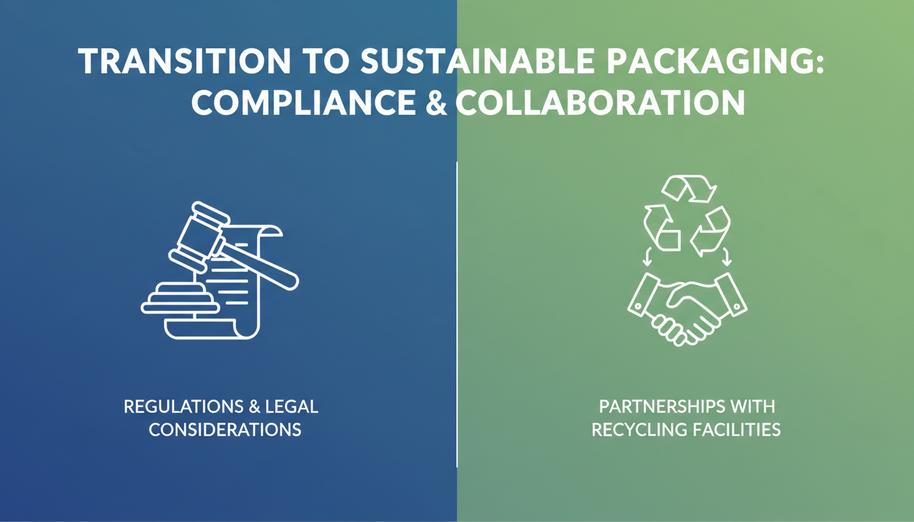
Step 1: Understanding Regulatory Considerations
Grasping the legal stuff isn’t just red tape—it’s your roadmap to doing sustainability right. Here’s how to get a grip on the rules:
- Know your regulations—Extended Producer Responsibility (EPR) laws are tightening up worldwide. [3]
- The FTC’s Green Guides help define what “green” really means for packaging claims. [6]
- Watch out for regional differences in packaging laws—what flies in California might flop in Texas.
Now, zoom out and think bigger: • Align with international environmental standards like ISO 14001 if you’re exporting. • Double-check product labeling against local industry guidelines—missteps can cost you big time. • Build internal checklists around evolving sustainability policies, especially if you’re working across borders.
And don’t sleep on compliance audits—they’re not just about ticking boxes. They help future-proof your packaging strategy and avoid greenwashing pitfalls tied to vague eco claims. Staying sharp here ensures you ride the wave of the biggest sustainability trends in plastic packaging 2025 without wiping out.
Step 2: Building Partnerships with Recycling Facilities
You can’t go green alone—you’ll need solid allies in waste recovery. Here’s how smart brands get it done:
- Identify local or regional recycling facilities that process your specific materials.
- Assess their ability to handle complex plastics or mixed substrates common in modern packaging.
- Set up recurring touchpoints with facility managers to stay aligned on material specs and contamination thresholds.
♻️ Pro tip: Co-design packaging for cosmetics with recyclers’ input upfront—it saves everyone headaches later.
Here’s a breakdown of typical recyclable material compatibility across common facility types:
| Facility Type | Accepts PET | Accepts HDPE | Mixed Plastics | Compostables |
|---|---|---|---|---|
| Municipal MRF | Yes | Yes | Limited | No |
| Private Single-Stream | Yes | Yes | Moderate | No |
| Specialized Recovery | Yes | Yes | High | Sometimes |
| Industrial Compost Site | No | No | No | Yes |
By syncing up early with these partners, you boost your odds of making truly recyclable goods—not just theoretically recyclable ones. This collaborative approach is gaining traction as one of the biggest sustainability trends in plastic packaging 2025. It also strengthens your supply chain, making it more resilient and transparent from end to end.
In short? You build smarter when you build together—with people who actually touch the trash after it leaves your warehouse.
References
[1] Packaging & Paper Insights – McKinsey & Company
[3] Packaging waste – Environment – European Commission
[4] Extended Producer Responsibility (EPR) for Packaging in Canada – Net Zero Compare
[5] Top Five Trends in Beauty and Personal Care – Euromonitor
FAQs
-
Widespread use of Post-Consumer Recycled (PCR) plastics—cutting virgin resin demand and giving waste a second life.
-
Chemical recycling methods gaining traction, breaking down hard-to-recycle polymers into reusable raw materials.
-
Lightweighting strategies reshaping bottles and jars to reduce emissions during transport without compromising design.
Refillables speak directly to conscious buyers who want more than pretty colors—they want purpose behind their purchase. Instead of tossing out entire compacts, users keep the case and replace only what’s used up. This small shift drastically reduces single-use waste while reinforcing brand loyalty through repeat purchases with less guilt attached.
Mushroom packaging isn’t just compostable—it feels alive with possibility. Grown from mycelium, these protective forms biodegrade naturally after use but still offer strength during shipping. For limited-edition kits or eco-luxe releases, they create an unforgettable tactile experience that aligns beautifully with nature-first branding.
-
PLA (polylactic acid): plant-based and industrially compostable.
-
PHA: marine-safe bioplastic made by microbes.
-
PCR plastics: recycled content that looks good and does good.
Absolutely—and not just environmentally. Digital printing cuts excess inventory by allowing short runs tailored by region or season, reducing overproduction headaches. Plus it uses fewer chemicals compared to traditional methods—less ink waste means cleaner processes overall without sacrificing visual impact on shelves where every detail matters.

