 English (Canada)
  English
  English (UK)
  English (Australia)
  العربية
  Deutsch
  Italiano
  Español de México
  Tiếng Việt
  ไทย
ไทย  Português do Brasil
  Français
  Български
  Čeština
  Dansk
Dansk  Ελληνικά
  Eesti
Eesti  Suomi
Suomi  Magyar
  Bahasa Indonesia
  Lietuvių kalba
  Latviešu valoda
  Norsk bokmål
  Nederlands (Formeel)
  Polski
  Română
  Русский
  Slovenčina
  Slovenščina
  Svenska
  Türkçe
  Українська
  简体中文
简体中文  日本語
日本語  한국어
한국어  繁體中文
繁體中文 

Why Single Eyeshadow Packaging Matters for Eco-Conscious Brands
January 15,2026
Single eyeshadow packaging might sound like small potatoes—but in the beauty biz, it’s the quiet game-changer. One tiny compact multiplied by millions? That’s a mountain of waste or a moment of brilliance, depending on how you play your cards. And with eco-savvy shoppers side-eyeing every detail, brands can’t afford to throw shade—literally or figuratively—with plastic-heavy packaging that ends up landfill-bound.
It’s not just about looking pretty on a shelf anymore. This is about materials that walk the walk—think recyclable aluminum pans, bamboo compacts that feel like forest luxury, and refillable formats that whisper “smart” into your customer’s hands.
Cosmetic brands betting on sustainable cosmetic packaging aren’t chasing trends—they’re answering demand. According to McKinsey & Company, over 60% of US consumers consider sustainability when making personal care purchases. If you’re sourcing packaging for cosmetics at scale and still using yesterday’s materials…well, it might be time for a glow-up.
The Hidden Impact of Single Eyeshadow Packaging on Sustainability
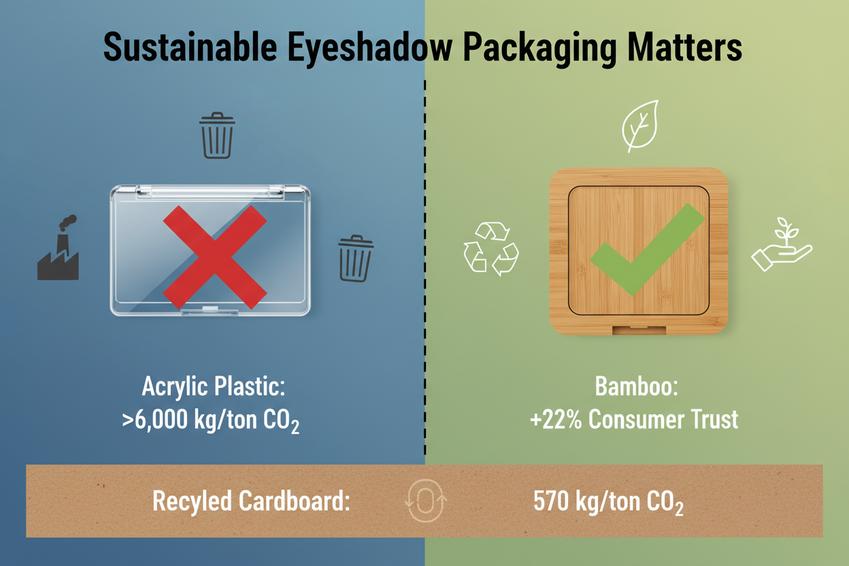
The packaging behind that tiny pop of color? It’s doing more damage—or good—than you think. Let’s break it down.
How Acrylic Plastic Containers Affect Waste Management
- Acrylic might look sleek, but it doesn’t play nice with the planet.
- These containers are petroleum-based and tough to recycle.
- They often end up in landfills because most curbside programs won’t accept them.
- Non-biodegradable = long-term waste.
- Difficult to repurpose due to mixed materials.
- Often dyed or coated, further complicating recycling.
☒ Not compostable ☒ Not biodegradable ☑ Visually appealing (but at what cost?)
Acrylic packaging might win style points, but it’s a heavy hitter in the waste department. In the world of single eyeshadow options, choosing biodegradable materials over acrylic could be a game changer for brands and buyers alike.
The Role of Recycled Cardboard in Reducing Environmental Footprint
Using recycled cardboard makes way more sense than you’d expect—especially when you see the numbers:
| Material Type | CO₂ Emissions (kg/ton) | Avg Recycling Rate (%) | Decomposition Time |
|---|---|---|---|
| Virgin Cardboard | 940 | 65 | 2 months |
| Recycled Cardboard | 570 | 89 | 1 month |
| Acrylic Plastic | >6,000 | <10 | Never |
Switching to recycled cardboard palettes shrinks carbon footprints and helps push the single eyeshadow packaging industry toward circularity. Bonus? It’s light, cheap, and still customizable enough for branding flair.
Sustainable Bamboo Cases: A Game Changer for Eco-Conscious Brands
“Brands that integrate renewable materials like bamboo into product design see up to a 22% increase in consumer trust,” according to Mintel’s Beauty & Personal Care Report (2024).
• Bamboo grows fast—up to three feet a day—and doesn’t need replanting after harvest.
• Its natural strength means less breakage during shipping = less secondary packaging needed.
• Fully compostable, making it ideal for guilt-free disposal once your shadow hits pan.
In the realm of eco-friendly single eyeshadow containers, bamboo isn’t just hype—it’s hard data and smart design rolled into one beautiful compact.
Why Secure Magnetic Closures Matter for Reducing Packaging Waste
You ever had an eyeshadow explode inside your bag? That mess leads straight to tossing the whole thing out—not very eco-friendly.
Short snippets that make magnetic closures worth it:
– Keeps powder intact longer = less product waste
– Prevents breakage = no need for plastic inserts or bubble wrap
– Encourages reuse when paired with empty magnetic palette options.
Adding a secure magnetic snap can extend product life dramatically—and reduce how much extra junk ends up wrapped around your single eyeshadow packaging just to keep it safe during transit.
By investing in smarter closures, brands can cut down on unnecessary layers while improving user experience—a win-win that feels as good as your favorite shimmer shade.
80% of Eco-Conscious Buyers Seek Sustainable Single Eyeshadow Packaging
Eco-aware shoppers are flipping the script on how brands design and sell single eyeshadow packaging. Let’s unpack what they’re demanding and why it matters.
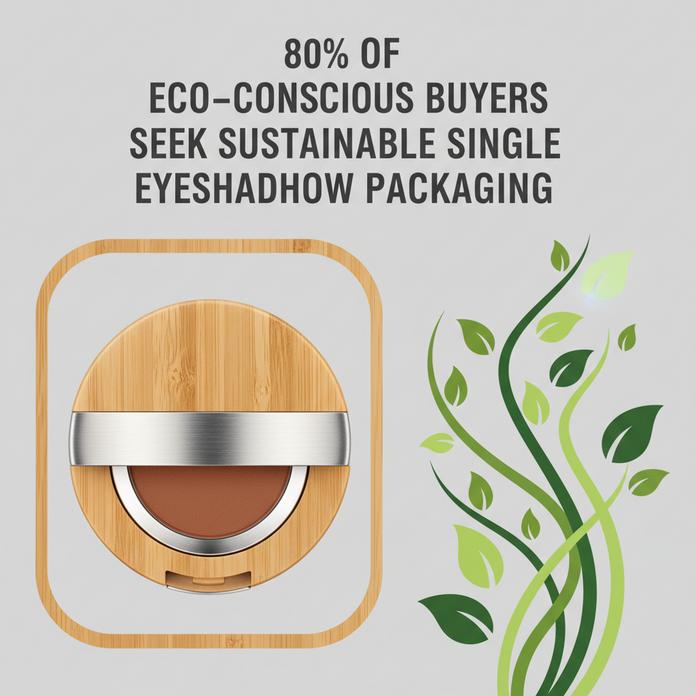
What Eco-Conscious Consumers Look for in Packaging Material Type
- ♻️ Recyclable materials like aluminum options and glass rank highest in appeal.
- 🌱 Biodegradable materials, especially paperboard and bamboo packaging, are gaining traction fast.
- 🚫 Plastic-based packs? A huge turn-off for this crowd—seen as outdated and waste-heavy.
- 🧠 Shoppers associate sustainable materials with smarter, more responsible ethical consumption.
Short bursts of insight:
• Paperboard feels premium but eco-clean.
• Glass adds weight but signals quality.
• Bamboo’s earthy vibe resonates with sustainability-driven consumers.
The takeaway? If your single eyeshadow packaging still leans plastic-heavy, you’re already behind the curve.
Significance of Refillable Pan Design in Attracting Buyers
Refillable pans aren’t just a cute gimmick anymore—they’re a loyalty magnet. Here’s why:
- They cut down on landfill-bound waste by letting users swap out only the product pan.
- They align with circular economy principles—a big win for those chasing zero-waste goals.
- Brands that offer refill systems often see higher repeat purchases due to increased brand loyalty.
Grouped impact areas:
• Waste reduction – Less trash = happier planet-conscious buyers
• Customization – Mix-and-match pans = more fun, less guilt
• Long-term savings – Buy once, refill forever
This design shift transforms simple makeup into a statement about conscious living—and buyers are here for it.
Cost Factors: Are Eco-Friendly Alternatives Worth the Investment?
Let’s break it down with real numbers based on recent packaging cost analyses:
| Material Type | Initial Cost Increase | Consumer Willingness to Pay More | Brand Loyalty Impact |
|---|---|---|---|
| Biodegradable Pulp | +12% | High | Moderate |
| Aluminum | +18% | Very High | Strong |
| Bamboo | +22% | Medium | High |
| PCR Plastic | +8% | Low | Low |
While upfront costs can spike by 10–25%, eco-packaging pays off long-term via:
• Lower compliance risks as regulations tighten
• Easier access to green funding or sustainability grants
• A stronger emotional tie between brand and buyer
In short: yes, investing in greener single eyeshadow packaging is worth it—not just ethically but economically too. Brands like Topfeel have already seen this shift boost their customer retention metrics without slashing profit margins.
The Growing Trend of Eco-Friendly Single Eyeshadow Packaging
Sustainability isn’t just a buzzword anymore—it’s reshaping how makeup is packaged, especially when it comes to single eyeshadow packaging.
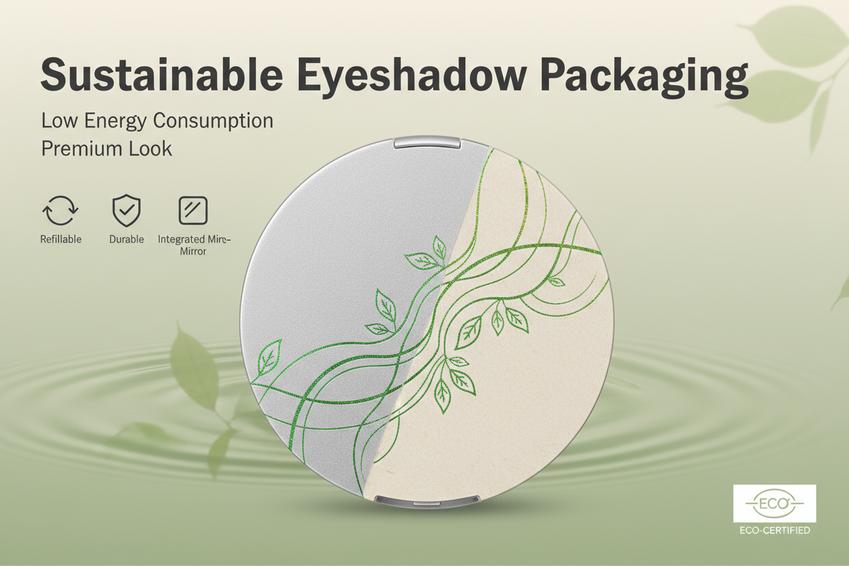
The Rise of Durable Molded Compacts in the Cosmetic Industry
-
Molded compacts are showing up everywhere because:
- They last longer than flimsy plastic trays.
- They’re often made with post-consumer recycled (PCR) materials.
- Their sturdiness reduces breakage during transit and use.
-
Why brands are switching:
- Lower replacement rates = less waste.
- Better perceived value for eco-conscious shoppers.
- More design flexibility using sustainable design methods.
-
Durable molded cases also help cut down on landfill waste, since they don’t need to be tossed after a few uses like traditional plastic clamshells.
These compacts are often paired with refillable pans, making them double agents in the fight against plastic pollution and overconsumption. As more consumers demand greener choices, molded packaging is stepping up as the new standard for single eyeshadow products that don’t sacrifice style for sustainability.
Integrated Mirror Options: Enhancing Usability While Being Sustainable
-
Built-in mirrors aren’t just about convenience—they can actually support sustainability goals when done right:
• Mirrors reduce the need for extra accessories or external compacts.
• When embedded in reusable or recyclable casings, they align with eco-friendly design principles.
• Some mirrors now come with detachable options to aid recycling efforts.
Short-term perks meet long-term impact here. A well-integrated mirror can make a compact feel luxurious while still being part of an environmentally responsible product line. Combined with materials like aluminum cases or sturdy paperboard, mirrored compacts deliver function without feeding into the cycle of non-recyclable materials clogging our bins.
Navigating Regulatory Compliance for Eco-Friendly Packaging
Regulations aren’t just red tape—they’re guideposts that keep brands honest and consumers safe when creating greener versions of single eyeshadow packaging.
Grouped by jurisdiction:
-
🇪🇺 Europe:
- Must comply with REACH standards to avoid harmful chemicals.
- Labels must disclose material sourcing and recyclability status clearly.
-
🇺🇸 United States:
- FDA oversight ensures no toxic leaching from biodegradable plastics or recycled content.
- California’s SB54 law pushes toward eliminating single-use plastic entirely by phased targets starting in 2025.
-
🌏 Global supply chains:
- Brands sourcing bamboo or compostable materials must ensure traceability and ethical harvesting practices under ISO certifications.
Getting this wrong isn’t just bad PR—it can lead to recalls or fines. But get it right? You earn real consumer trust while reducing your product’s overall ecological footprint—a win-win all around for the planet and your brand image alike.
The Impact of Custom Foil Stamping on Consumer Appeal
| Feature | Environmental Benefit | Consumer Perception | Cost Efficiency |
|---|---|---|---|
| Cold foil stamping | Low energy consumption | Premium look | Medium |
| Water-based adhesives | Non-toxic & biodegradable | Safe + clean aesthetics | High |
| Recyclable foil substrates | Avoids mixed-material waste | Eco-conscious branding | Medium |
| Minimalist embossing combo | Less ink = less pollution | Sleek + modern finish | Low |
Custom foil stamping gives you that luxe vibe but doesn’t have to wreck your sustainability goals. When paired with recyclable base materials like paperboard, it enhances shelf appeal without adding unnecessary bulk—or worse—unrecoverable layers of plastic film. It’s all about balance: looking good while doing good, especially in today’s market where even tiny details matter in shaping ethical branding narratives around your single eyeshadow packaging designs.
Key Benefits of Single Eyeshadow Packaging for Brands
Smart packaging choices can do more than just hold pigment—they can shape brand identity, cut costs, and spark customer loyalty.
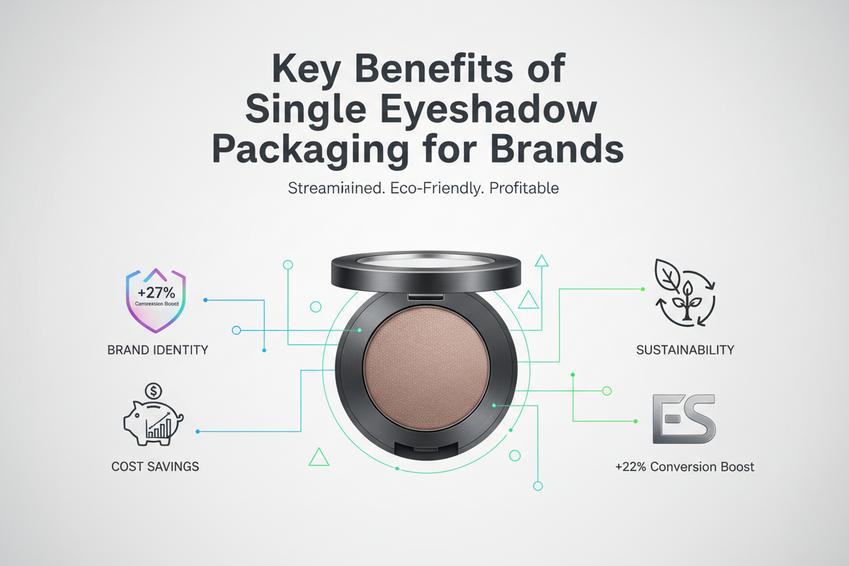
How Strong Decoration Options Influence Purchasing Decisions
• A bold metallic foil or a sleek matte finish can instantly elevate how a single eyeshadow packaging feels to the consumer—making it look premium even before it’s opened.
• Vibrant digital printing allows brands to showcase their personality, while embossed logos add tactile appeal that boosts brand perception.
• Custom decorations like holographic finishes or color-shifting inks catch the eye on shelves and online alike, increasing click-through rates and conversions.
These decoration options don’t just make things pretty—they’re part of the silent conversation between your product and your customer.
Exploring the Cost Factors of Eco-Friendly Eyeshadow Packaging
Grouped into key categories, here’s where your budget really goes when opting for sustainable single shadow containers:
Materials
- Biodegradable plastics or sustainable materials like bamboo cost more upfront but drive long-term value.
- Recycled aluminum offers durability with reduced environmental impact, though sourcing may increase costs.
Labor & Production
- Extra steps required to handle eco-materials safely raise labor costs.
- Precision manufacturing needed for refillable systems adds complexity.
Decoration & Finishing
- Water-based inks are safer but may limit vibrancy.
- Compostable adhesives often require special application tools or processes.
Still, these investments often pay off by appealing to today’s conscious consumers, who actively seek out green alternatives.
Why Quality Control Inspections Are Essential for Brand Reputation
Let’s break it down step-by-step:
- Start with material verification—ensuring that all incoming components meet sustainability claims like recyclability or refillability.
- Conduct batch testing during production to catch inconsistencies early.
- Inspect final units for defects such as misaligned pans or faulty hinges that could harm user experience.
- Use third-party audits periodically to boost credibility with retailers and customers alike.
- Maintain detailed logs for traceability—this helps if any recall ever becomes necessary.
Solid quality checks don’t just reduce returns—they strengthen brand trust, especially when you’re pushing an eco-friendly message via your single eyeshadow packaging line.
Decoration Impact on Consumer Behavior: A Quick Look at Data
| Decoration Type | Avg Cost Increase (%) | Appeal Rating (/10) | Conversion Boost (%) |
|---|---|---|---|
| Embossed Logo | +12 | 8.7 | +22 |
| Holographic Coating | +18 | 9.2 | +27 |
| Matte Finish | +7 | 7.9 | +14 |
| Metallic Foil | +15 | 8.5 | +20 |
This data shows how visual upgrades play a measurable role in swaying buyer decisions—and why investing smartly in decorative elements pays off big time on the shelf and online store alike.
The Role of Eco Materials in Reducing Environmental Impact
Choosing compostable trays, FSC-certified paperboard sleeves, or refill-ready pans doesn’t just help save the planet—it tells shoppers you care about their values too.
Short-run manufacturers now offer flexible MOQs using low-waste production models; this makes it easier than ever to test new formats without overcommitting inventory-wise—a win-win for both innovation and waste reduction goals tied to your brand’s mission statement.
And yes, every gram saved matters when you’re trying to shrink your overall carbon footprint across global shipping routes!
How Customization Drives Innovation in Single Pan Formats
Quick hits on why customization matters:
Letting users build their own palette from individual shades increases perceived value through consumer choice
Modular inserts allow brands to offer empty makeup palette options for seasonal refills without redesigning everything from scratch—hello, built-in product lifecycle extension!
Limited-edition artwork printed directly on each pan? Now you’ve got collectible appeal baked right into your design strategy
All of this fuels faster trend adaptation while reinforcing brand identity through every customized swipe of shadow across someone’s eyelid.
Operational Efficiencies Hidden Inside Smart Packaging Design
Here’s what smart brands are doing behind-the-scenes with their single shade packaging:
• Switching to stackable shapes reduces shelf space needs and improves warehouse flow—a big plus for tight retail displays and e-commerce fulfillment centers alike.
• Lightweight components lower shipping costs per unit by up to 30%, contributing directly to better margins while supporting reduced material costs goals tied into ESG reporting metrics.
• Using universal pan sizes across collections simplifies inventory management—no more SKU chaos during launches!
These tweaks might seem small individually—but together they create serious momentum toward long-term resource efficiency, both operationally and environmentally speaking.
Building Loyalty Through Sustainable Packaging Values
Modern buyers want more than pigment payoff—they want purpose too:
When a brand aligns its packaging with ethical values like recyclability or refill systems, it builds emotional resonance that leads directly into repeat purchases fueled by genuine connection—not gimmicks
Green marketing isn’t fluff—it’s strategic storytelling that taps into rising demand among younger demographics who prioritize sustainability alongside aesthetics
Transparent communication around eco-efforts helps establish long-term credibility; no greenwashing allowed if you want lasting results!
Done right, smartly designed single shadow containers become silent ambassadors of everything your company stands for—from style all the way down to soul-level ethics rooted deeply in real-world impact through reduced waste initiatives and honest sourcing practices centered around modern-day beauty expectations
5 Eco-Friendly Materials for Single Eyeshadow Packaging
Eco-friendly materials are reshaping how brands approach single eyeshadow packaging, blending sustainability with sleek design.
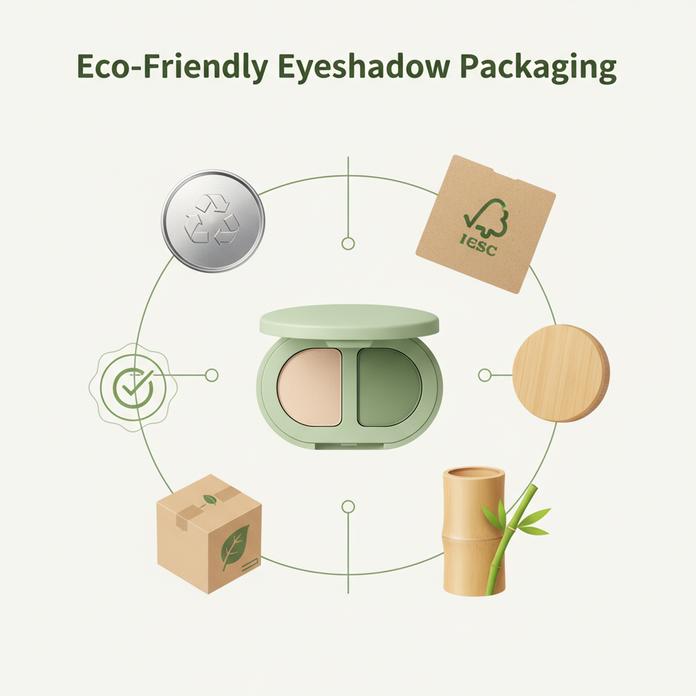
Aluminum Eyeshadow Pans: A Recyclable Option for Brands
- ♻️ Made from infinitely recyclable metal, aluminum pans are a win-win for eco-conscious beauty brands.
- They’re lightweight, cost-effective, and easy to source.
- Consumers can pop them out and toss them in the recycling bin—no fuss.
Aluminum also offers excellent material durability, which means it holds up well during shipping and storage. For brands looking to boost their brand perception, switching to aluminum is a smart move that doesn’t compromise quality.
Benefits of Using Recycled Cardboard Palettes
• Crafted from post-consumer recycled paper, these palettes reduce landfill waste.
• Often certified by the FSC, ensuring ethical sourcing and responsible forestry practices.
• Easily customizable with high-quality printing capabilities that don’t sacrifice style.
Recycled cardboard is also super lightweight, cutting down on shipping emissions—an added bonus for any brand tackling its carbon footprint through smarter packaging choices.
Sustainable Bamboo Cases: Innovating the Market
Bamboo’s not just trendy—it’s a powerhouse material in the world of sustainable beauty. This fast-growing grass is a fully renewable resource that requires little water or pesticides to thrive. It brings a natural vibe and unique texture that stands out on shelves without harming the planet.
Plus, bamboo cases are naturally biodegradable, giving consumers peace of mind when they toss old compacts away. With its earthy look and strong structure, bamboo hits both aesthetic and environmental goals.
Why Using Eco-Conscious Shipping Considerations Matters
- Reduce your brand’s carbon output with compostable mailers or recycled boxes.
- Choose padding made from shredded paper instead of plastic bubble wrap.
- Work with suppliers who offset emissions through verified programs.
Shipping isn’t just about getting products from A to B anymore—it’s part of your brand story now. Choosing sustainable packaging materials helps protect delicate items like single shadow pans while aligning with rising consumer demand for greener business practices.
Advantages of Using Tamper-Evident Seals in Sustainable Packaging
Tamper-evident seals aren’t just about safety—they’re key to building trust in eco-packaged cosmetics like single shadows. These small additions ensure no one’s messed with your product before it reaches customers’ hands.
When made from biodegradable films or recyclable adhesives, they support a full-circle approach to sustainability without compromising function or aesthetics. Plus, they reinforce your commitment to transparency—a trait today’s shoppers truly value alongside ethical sourcing and waste reduction efforts in beauty packaging design.
Why Is Single Eyeshadow Packaging Crucial for Eco-Friendly Brands?
Sustainable beauty isn’t just a buzzword—it’s reshaping how we design, ship, and print makeup packaging. Let’s unpack why it matters.
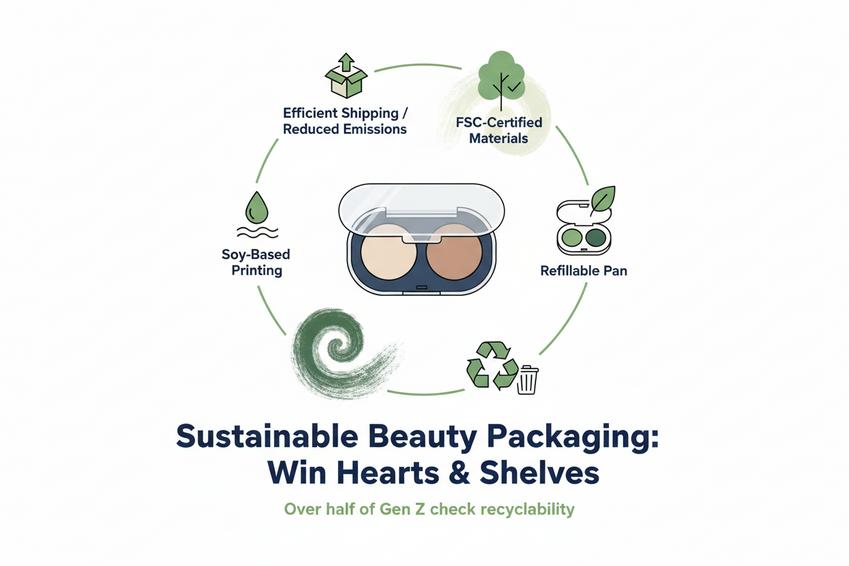
The Role of Environmentally Friendly Printing in Packaging Appeal
Eco-printing isn’t just about looking good—it helps brands walk the talk sustainably. Here’s why this matters:
Grouped Benefits of Eco-Friendly Printing Techniques:
- Soy-based inks These reduce VOC emissions and are made from renewable crops. They also offer vibrant color payoff without harming ecosystems.
- Waterless printing methods This technique cuts down on water usage and chemical waste, making it ideal for small-batch runs like single eyeshadow palettes.
- Digital on-demand printing It slashes overproduction waste and allows indie brands to stay nimble with seasonal or limited-edition shades.
Top three reasons consumers care about sustainable print choices:
- It reflects transparency—people want packaging aligned with their values.
- It reduces landfill overflow by avoiding toxic dyes.
- It signals innovation—eco-conscious design is often more modern and minimal.
When your single eyeshadow packaging screams style and sustainability, you win hearts—and shelves.
How Shipping Considerations Affect Sustainability Ratings
Shipping might seem like a backend detail, but it’s got major eco-impact written all over it.
Short points that hit hard:
- Smaller packages = fewer trucks = lower emissions.
- Lightweight materials help cut fuel use dramatically.
- Localized distribution centers shrink carbon footprints fast.
Now zoom into what really shifts sustainability scores:
• If your packaging is bulky—even if recyclable—you’re wasting space during transit. That means more CO₂ per gram shipped.
• Using compostable mailers or recyclable fillers makes a huge difference on delivery day impact.
And don’t forget this kicker—brands that optimize shipping can earn higher ratings on platforms like HowGood or EcoVadis, which directly affects consumer trust and retail partnerships for products like refillable single eyeshadow trays.
Understanding the Lifecycle Impact of Single Eyeshadow Packaging
A product’s green credentials don’t stop at the shelf—they begin way before that and last long after it’s tossed out.
Let’s break it down naturally:
From material sourcing to post-use disposal, every phase affects environmental cost. Opting for eco-friendly materials, such as FSC-certified paperboard or PCR plastics, reduces extraction-related damage early on. During use, refillable pans keep customers from tossing full compacts every time they run out of their go-to shade.
At end-of-life? Compostable sleeves or easily separated components make recycling way easier—which is where many brands fall short today.
According to Mintel’s Beauty & Personal Care Report Q1 2024, “Over half of Gen Z shoppers now check recyclability before purchasing cosmetic items.” That includes even small-format goods like mono-shade eye products packaged sustainably.
So when you’re designing single eyeshadow packaging with its full lifecycle in mind—from cradle to grave—you’re not just reducing your brand’s carbon footprint, you’re building long-term loyalty too through smarter resource use and genuine waste reduction efforts.
FAQs
Why choose eco-friendly materials for single eyeshadow packaging?
Eco-conscious beauty lines often turn to sustainable bamboo cases and recycled cardboard palettes—each carrying a tactile warmth that synthetic options rarely match. Pairing these with aluminum eyeshadow pans brings durability, while still offering an end-of-life path back into the recycling loop. Brands adopting such choices aren’t only making custom cosmetic packaging; they’re shaping trust through touch, sight, and values shared.
How does refillable pan design elevate long-term brand impact?
A refillable system feels almost like gifting a keepsake—made possible by durable molded compacts, magnetic ease of use, and well-fitted pans. Customers keep the case close at hand, swapping shades without waste. For wholesale buyers this is more than charm—it’s reduced reorders tied directly to fewer raw material draws and lighter shipping loads in durable corrugated boxes.
Which decoration techniques stand out across large retail displays?
- Embossed logo detailing: lets fingertips read your brand before eyes do.
- Vibrant color printing: captures instant attention under store lighting.
- Soft touch coatings & unique texture finishes: make every compact worth holding twice before buying once.
When combined with precise fit from precision injection molding, these elements become silent ambassadors on crowded shelves.
What shipping measures protect single eyeshadow packaging in global trade?
On their journey, products rest within protective foam inserts, layered inside climate-safe routes via temperature controlled transport. Each crate relies on steady strength—secure pallet wrapping against sudden jolts—with all processes aligned under REACH compliance standards, ensuring nothing jeopardizes finish quality or safety when crossing borders where looks matter as much as regulations do.
References
- Consumers care about sustainability—and back it up with their wallets – McKinsey
- Beauty and the Packaging Beast: Plastic in the Beauty Industry – Fashion Studies
- The Carbon Footprint of Recycled Packaging – Carbonfact
- US Sustainable Beauty Consumer: 2025 – Mintel Store
- The Ugly Truth About Plastic Waste in the Beauty Industry – 4Ocean
- SB 54 Plastic Pollution Prevention and Packaging Producer Responsibility Act Permanent Regulations – CalRecycle
- Aluminum Packaging for Cosmetics: Pros, Cons & Insights – Beauty Packaging
- HowGood – Sustainability Intelligence
- EcoVadis – Business Sustainability Ratings

