 English (Canada)
  English
  English (UK)
  English (Australia)
  العربية
  Deutsch
  Italiano
  Español de México
  Tiếng Việt
  ไทย
ไทย  Português do Brasil
  Français
  Български
  Čeština
  Dansk
Dansk  Ελληνικά
  Eesti
Eesti  Suomi
Suomi  Magyar
  Bahasa Indonesia
  Lietuvių kalba
  Latviešu valoda
  Norsk bokmål
  Nederlands (Formeel)
  Polski
  Română
  Русский
  Slovenčina
  Slovenščina
  Svenska
  Türkçe
  Українська
  简体中文
简体中文  日本語
日本語  한국어
한국어  繁體中文
繁體中文 
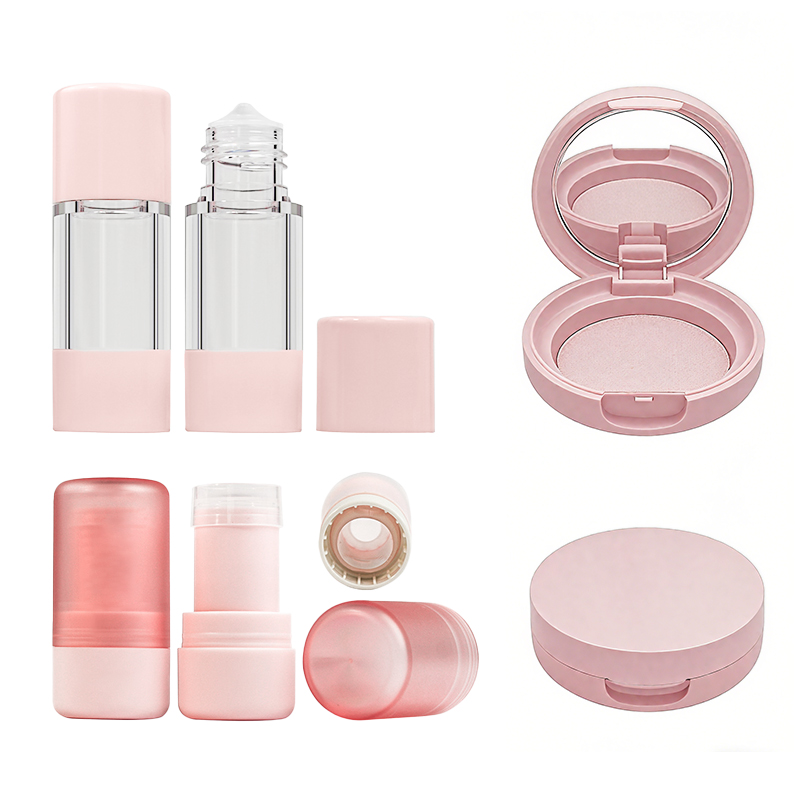
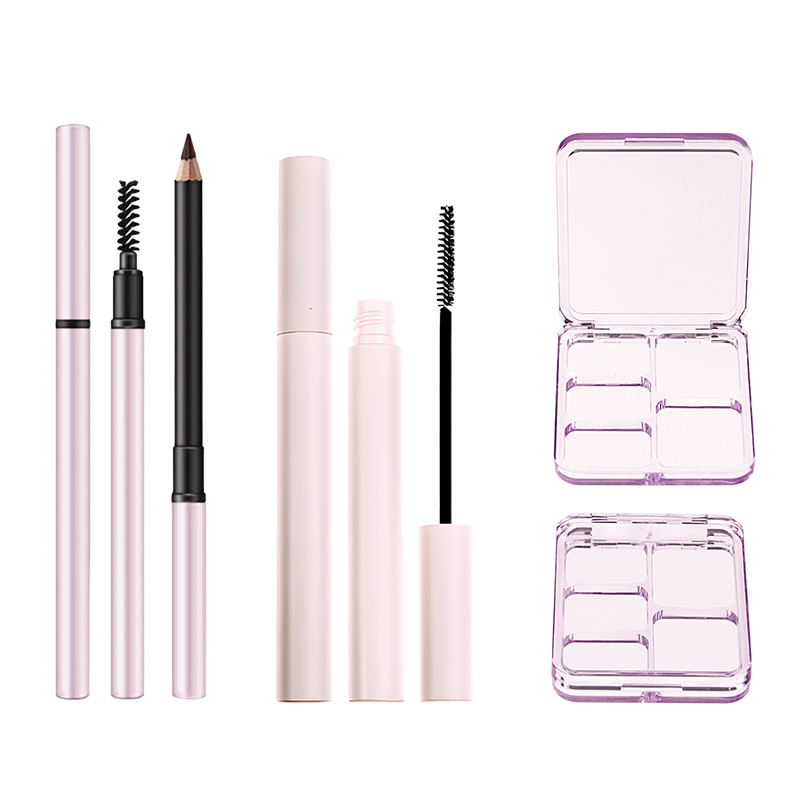
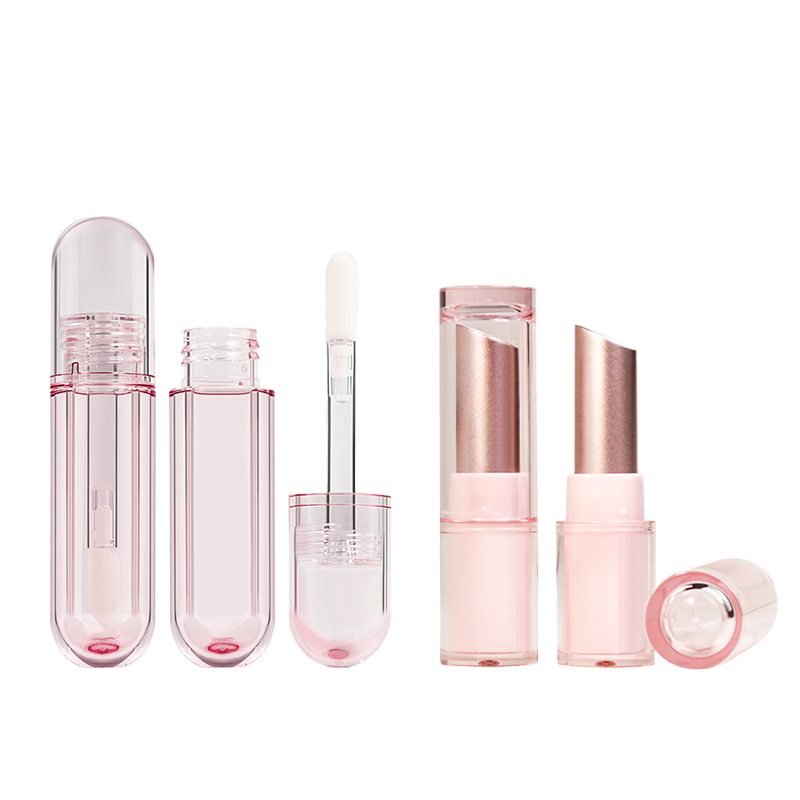

How to Choose the Best Pressed Powder Bronzer Packaging?
February 03,2026
Nobody tells you this when you’re knee-deep in a bulk order of pressed powder bronzer: it’s not just about the pigment. It’s the snap of the compact, the weight in your hand, that satisfying magnetic click—yeah, customers notice all that. And if your packaging flops? So does your product shelf appeal faster than milk left out on a summer day.
Brands dropping 10k+ units aren’t playing guessing games anymore—they’re chasing materials that don’t crack under pressure and closures that make TSA agents jealous. Because let’s be real: cheap-looking compacts = cheap-feeling product. And ain’t nobody paying premium for something that feels like a cereal box toy.
5 Essential Factors For Choosing Pressed Powder Bronzer Packaging
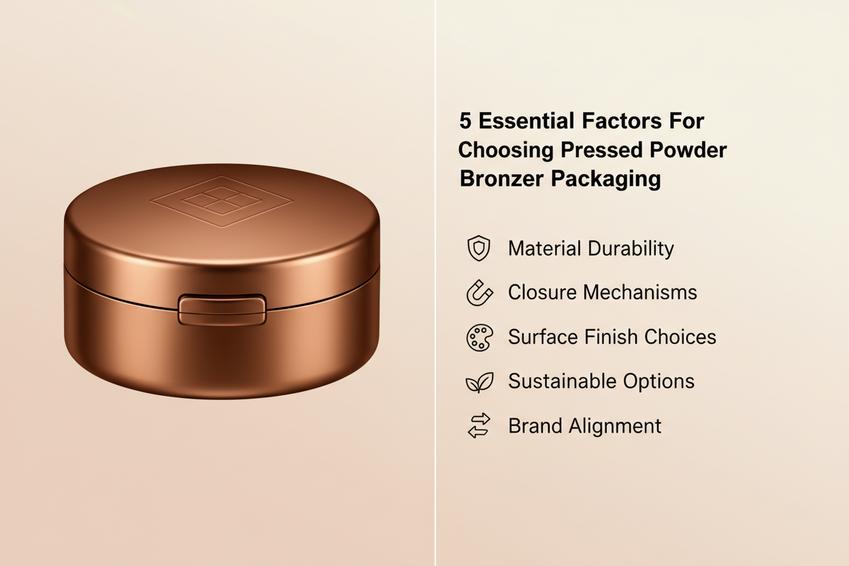
The right packaging can make or break your pressed powder bronzer. Here’s how to nail the essentials without missing a beat.
Material Durability: Selecting the Right Packaging Material for Pressed Powder Bronzer
Choosing the right materials ensures your compact materials don’t crack under pressure—literally.
- Plastic options like ABS and SAN offer impact resistance and lightweight portability, ideal for everyday use.
- Metal components such as aluminum give your compact that premium feel while protecting the bronzer from heat and light.
- Hybrid designs using both plastic and metal allow cost control without sacrificing durability.
- Look out for pan integrity—aluminum pans hold up better against crumbling than cheaper tin ones.
- If you’re going green, recycled plastics can still meet high durability standards when sourced responsibly.
Industry data backs these choices: manufacturers consistently lean on engineering plastics like ABS and SAN, plus metals like aluminum, because they balance impact resistance, barrier performance, and aesthetics in real-world drop and transit tests.
Closure Mechanisms: Finding the Perfect Seal for Pressed Powder Compacts
No one wants a shattered bronzer in their bag. A good closure mechanism is key to keeping that mess off your hands—and purse.
- Magnetic closures are sleek, secure, and easy to open with one hand—perfect for on-the-go touch-ups.
- Snap-lock lids provide a satisfying click and are less prone to accidental openings during travel.
- Airtight seals help protect the powder from humidity, preserving texture and performance longer.
- Refillable designs often include screw-top systems or magnetic inserts to balance security with convenience.
- Hinges matter too! Reinforced hinge pins boost lifespan even after hundreds of uses.
Surface Finish Choices: How Glossy vs. Matte Affects Product Perception
The finish on your compact says more than you think—it shapes how users feel about your brand before they even open it.
- Glossy finishes scream luxury but can show fingerprints easily; use them if you’re targeting high-end consumers who appreciate shine.
- Matte surfaces feel modern, clean, and tactile—great for minimalist branding aesthetics.
- Soft-touch coatings add grip while signaling sophistication; they’re especially popular in influencer-backed lines.
- Metallic sheens work well with aluminum components but may require special coating processes to prevent scratches over time.
- Embossing or debossing logos into matte finishes boosts tactile branding without being flashy.
Sustainable Options: Choosing Eco-friendly Packaging for Your Bronzer
Eco-conscious beauty buyers are paying attention. Make sure your sustainable packaging choices walk the talk.
- PCR plastic reduces environmental impact while maintaining structural integrity—ideal for mass-market compacts.
- Bamboo compacts bring earthy vibes but need inner liners made of recyclable materials to stay functional long-term.
- Refillable designs cut down waste dramatically; some brands have introduced magnetized refill trays with compostable outer shells.
- Biodegradable paperboard options exist but are better suited for dry climates due to moisture sensitivity issues.
- Ethical sourcing matters too—ensure wood-based materials like bamboo are certified by FSC or similar bodies.
Pressed Powder Bronzer Packaging For Luxury Brands
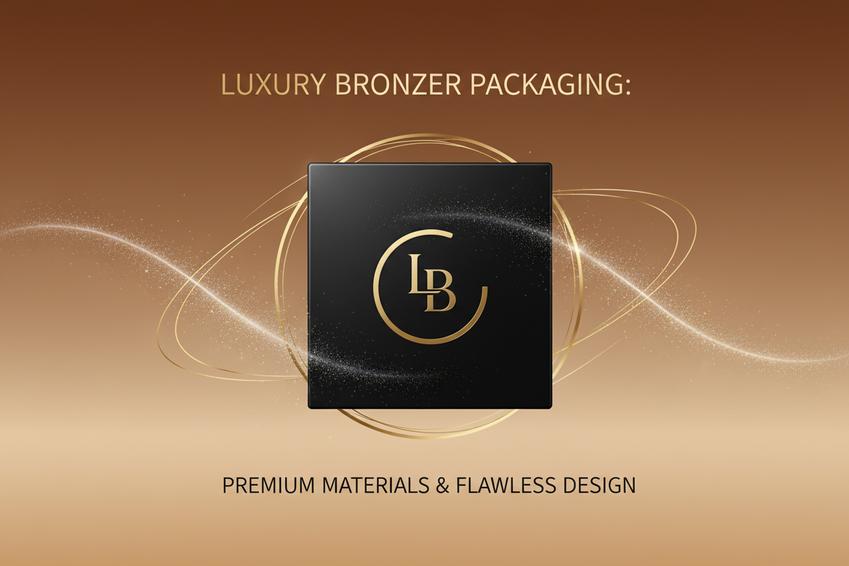
Luxury bronzer packaging isn’t just about looks—it’s where tactile pleasure, brand identity, and practical elegance collide.
Premium Materials for Luxury Pressed Powder Bronzer Packaging
Choosing the right materials is step one in building packaging that screams high-end. Here’s what works best:
- Metal compacts like aluminum offer sleek finishes and long-lasting durability.
- Glass options provide weight and clarity, perfect for prestige branding.
- Acrylic packaging balances visual appeal with structural strength.
- Sustainable materials, including recycled plastics, are now essential for eco-conscious consumers.
- Eco-friendly resins add an earthy sophistication while maintaining performance.
- Double-wall designs using mixed media amplify the tactile luxury factor.
- Matte-coated finishes on packaging durability layers help resist scratches while looking ultra-premium.
These materials don’t just protect the product—they tell your customer this bronzer means business.
Creating a Luxury Experience: The Role of Decorative Features
Packaging isn’t only functional—it’s emotional. Design choices can transform a compact into an experience.
• Laser detailing or UV metallization creates shimmer and depth that catches light beautifully.
• Custom embossing and debossing add texture to logos, making them memorable to touch.
• Color-matched shells reinforce visual consistency with your brand’s palette.
• A bit of sparkle or pearlescence? That’s how you turn a simple case into eye candy.
According to Mintel’s 2024 Beauty & Personal Care Report, “Consumers increasingly associate tactile finishes with trustworthiness and premium quality.” That means every raised edge or engraved line matters more than ever.
From minimalist matte black cases to ornate gold-flecked designs, each element should reflect the story your bronzer tells—whether it’s sun-kissed glow or red carpet glamour.
Quality Control in Luxury Bronzer Packaging: Ensuring Perfection
Luxury doesn’t allow errors—every pressed powder compact must arrive flawless. Here’s how brands make that happen:
- Begin by vetting suppliers rigorously—only those offering top-tier tooling precision make the cut.
- Use detailed prototyping phases to test fit, finish, and function before production scales up.
- During assembly, implement multi-point inspections focusing on alignment, closure integrity, and surface cleanliness.
- Conduct drop tests and temperature cycling to ensure real-world durability without compromising aesthetics.
- Final units undergo batch-level audits based on strict KPIs tied to both form and function.
Each compact must not only look stunning but also protect its bronzing formula from cracking or contamination during transit—or it’s back to square one.
How Material Impacts Pressed Powder Bronzer Packaging Durability
Getting the right packaging material makes all the difference in how long your pressed powder bronzer stays intact and fresh.
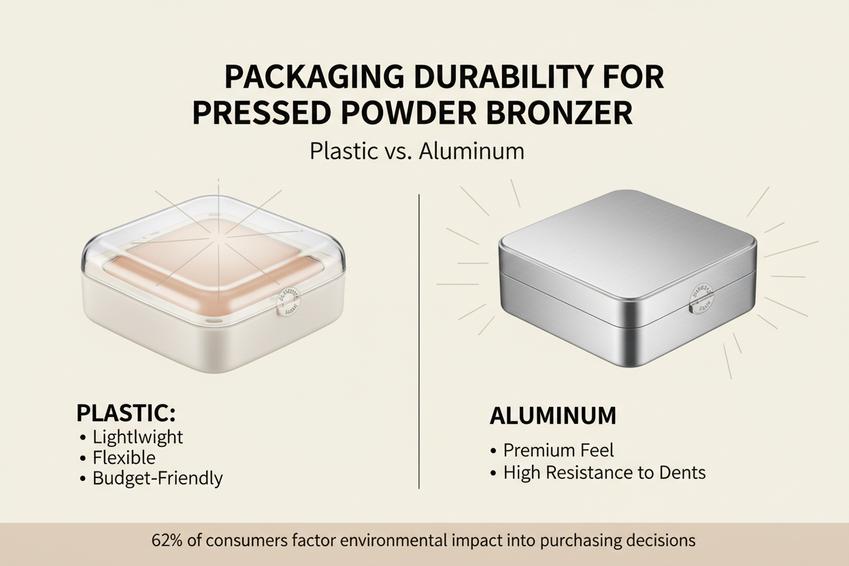
Plastic vs. Aluminum: Which Material Offers Better Durability for Pressed Powder?
- Plastic is lightweight, affordable, and easy to mold into compact shapes.
- Aluminum, though heavier, offers a premium feel and higher resistance to dents.
- Some brands mix both materials—plastic interiors with aluminum shells—for balance.
- Plastic tends to resist scratches better than metal.
- Aluminum’s rigidity helps protect against external pressure during shipping.
- Hybrid designs can cut down on cost while boosting durability.
• If you’re after a more luxe vibe, go aluminum.
• Need something travel-friendly? Plastic’s your go-to.
Plastic wins on flexibility and budget, but aluminum shines in high-end appeal and long-term strength. When choosing between the two for your bronzing powder compact, consider how often users toss their makeup into bags—impact resistance matters more than you think.
Impact Resistance: Choosing the Best Materials to Prevent Breakage
• SAN plastic holds up like a champ under pressure—literally. It resists cracking even when dropped from waist height.
• Aluminum alloys, especially those used in aerospace-grade packaging, offer serious toughness without adding bulk.
• Avoid thin-walled acrylics—they’re brittle and prone to shattering on impact.
If you want your pressed bronzer compact to survive daily wear-and-tear (and accidental floor drops), focus on materials that pass standard cosmetic drop tests. A thicker wall or internal cushioning insert also adds an extra layer of protection without messing with design aesthetics.
The Role of Packaging Materials in Preserving Powder Freshness
- Airtight seals are key—materials like polypropylene or metal closures prevent air seepage.
- Moisture-resistant linings inside compacts help keep powders dry and clump-free.
- Choose non-reactive surfaces so ingredients don’t degrade over time.
Freshness isn’t just about scent—it’s about performance too. A dried-out or oxidized formula can ruin the smooth application of any face bronzer powder. That’s why brands often opt for barrier-enhanced plastics that lock out humidity while maintaining sleek designs.
Material and Environmental Impact: Balancing Durability with Sustainability
♻️ Recycled content matters—using PCR plastic cuts down virgin material use without sacrificing structure strength.
🌱 Bamboo-based options are gaining traction too; they’re renewable, biodegradable, yet surprisingly durable when treated properly.
Durability doesn’t have to mean wastefulness anymore. According to multiple recent consumer studies, over 62% of consumers now factor environmental impact into purchasing decisions—even for items like a simple powder bronzer compact. So if you’re looking at long-term brand trust, it pays off (literally) to adopt eco-conscious materials that still meet drop-test standards and shelf-life expectations.
Whether it’s through compostable trays or refillable pans paired with sturdy exteriors, sustainable packaging is no longer optional—it’s expected by today’s savvy beauty buyers.
Pressed Powder Bronzer Packaging For High-Volume Production
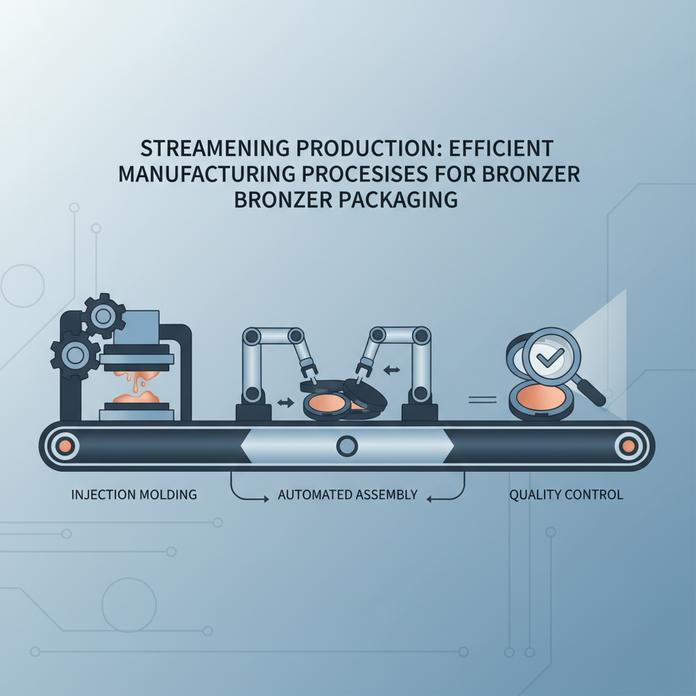
Designing for mass production isn’t just about scale—it’s about smart choices that keep costs down and quality up.
Streamlining Production: Efficient Manufacturing Processes for Bronzer Packaging
• Injection molding is a no-brainer—fast, repeatable, and perfect for shaping plastic types like PP or ABS used in compact packaging.
• Automated assembly lines reduce human error and crank out thousands of units daily, especially when paired with modular mold designs.
• Integrated quality control sensors ensure every compact clicks shut just right before it leaves the line.
- Choose molds that support multi-cavity production to maximize output per cycle.
- Use hot-runner systems to minimize material waste during molding.
- Set up inline inspection stations that flag defects in real time.
→ When you’re pumping out tens of thousands of pressed powder compacts, shaving seconds off each step adds up fast.
Choosing Durable, Cost-Effective Materials for Mass Production
Durability matters—but so does your bottom line.
PP and PET are go-to plastic types, offering solid impact resistance while keeping tooling costs low. Aluminum brings a premium feel but hikes up unit cost—ideal only if your bronzer targets high-end shelves.
Plastic options: PP (lightweight, durable), PETG (clear lid possibilities) Metal options: Aluminum (sleek finish), Tinplate (rust-resistant but heavier) Sustainable materials: PCR plastics or biodegradable PLA—for brands chasing eco-conscious buyers
According to Euromonitor International’s 2024 Cosmetics Packaging Report, over 42% of new cosmetic launches now incorporate at least one recyclable component in their primary packaging—a trend too big to ignore if you’re planning long-term scalability.
Packaging Design That Supports High-Volume Assembly Lines
Designing around the machine—not the other way around—is key here.
Compact cases should be engineered with automation-friendly features like snap-fit closures instead of hinges requiring manual screws. A circular pan fits better into rotary filling machines than odd-shaped ones, speeding up integration on high-speed lines.
Grouped design priorities:
• Mold design – Flat backs reduce ejection issues from molds; radiused edges ease demolding without stress marks
• Automation compatibility – Snap-on lids > screw caps; magnetic closures = assembly nightmare at scale
• Closure mechanisms – Avoid springs or magnets; use friction-fit or clip-locks for clean assembly passes
And don’t forget branding—debossed logos within the lid mold save you an entire printing step later on while adding subtle flair to your pressed powder bronzer compact’s final look.
Pressed Powder Bronzer: Function Vs. Aesthetics In Packaging
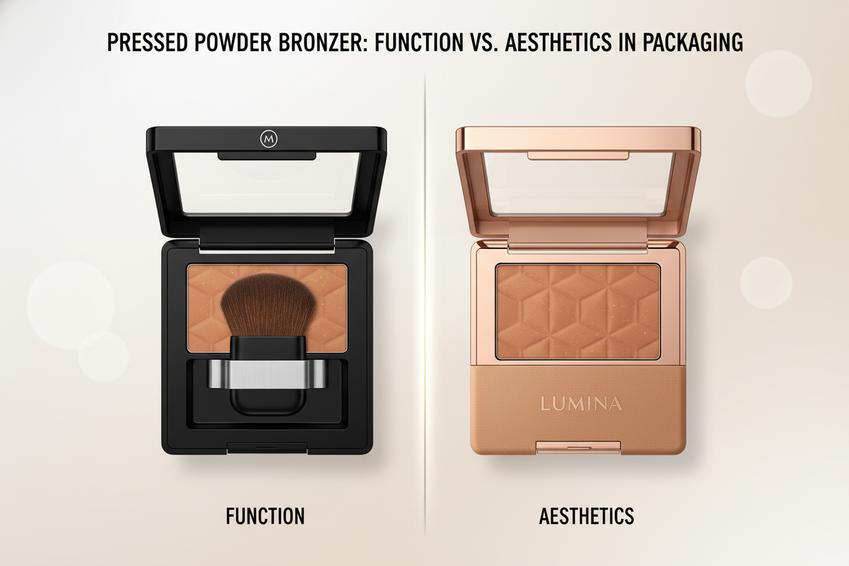
Smart packaging isn’t just about looking pretty—it’s about making your pressed powder bronzer work better, last longer, and feel more personal in your hands.
Balancing Functionality and Aesthetics: Practical Packaging Features vs. Decorative Design
When it comes to pressed, powder, and bronzer components, beauty brands constantly juggle the practical with the pretty:
- Compact shapes that enhance portability but still leave room for a decent-sized mirror.
- Magnetic or click-in-place closures that ensure solid product protection—without sacrificing visual appeal.
- Refillable pans that support sustainability, yet allow for creative branding through metallic foiling or embossed logos.
Some brands go all out with decorative finishes like holographic textures or gradient color fades. But none of it matters if the compact doesn’t open smoothly or if there’s no built-in applicator. The key is balance—function needs to meet flair.
Innovative Features: How Functional Additions Enhance Aesthetic Appeal
Today’s best-selling powder bronzers are combining smart features with visual punch:
• Integrated Mirrors & Applicators: These boost convenience while doubling as design focal points when framed in stylish bezels.
• Transparent Windows: Show off the actual shade inside, aiding selection while enhancing shelf presence.
• Custom Molded Shapes: Unique pan designs elevate brand identity without affecting storage efficiency.
• Click-Lock Closures: Offer tactile satisfaction and secure sealing—no more messy makeup bags!
• Material Fusion: Mixes of metal, soft-touch plastic, and even textured cardboard create both visual contrast and ergonomic grip.
| Feature Type | Benefit | Material Used | Impact on Branding |
|---|---|---|---|
| Transparent Lid | Easy product visibility | Clear acrylic | Strong shelf appeal |
| Built-in Brush Slot | Enhanced usability | Molded plastic | Functional aesthetic |
| Embossed Logo Plate | Premium perception | Brushed aluminum | Reinforces identity |
| Magnetic Closure | Smooth user experience | Neodymium + plastic | Minimalist elegance |
With these clever touches, even a simple compact becomes an experience—and not just something you toss in your purse after using once.
FAQs
What materials bring both strength and elegance to pressed powder bronzer compacts?
ABS plastic offers a reassuring sturdiness in the hand, while aluminum gleams with lightweight resilience. SAN plastic resists knocks from daily travel. For eco-minded beauty lovers, PCR plastic or bamboo combine lasting protection for the powder pan with style that feels personal and warm.
How does the surface finish change the compact’s personality?
- Matte finish: Modern calmness in your palm
- Glossy finish: Shimmering sophistication on display
- Soft-touch coating: Velvet grip during rushed mornings
Metallic coatings or frosted effects add artistry; embossed textures create tactile branding you’ll remember with every use of your mirror insert.
Which closure systems suit high-volume production without losing charm?
Magnetic closures click softly yet secure like a trusted companion; airtight seals shield powders from humid air; sturdy hinge mechanisms—tested under quality control inspection—ensure smooth openings even after months of use on busy dressing tables.
Can sustainable packaging still feel luxurious for a pressed powder bronzer?
Yes—bamboo compact cases paired with stackable designs convey earth-consciousness without sacrificing allure; PCR plastics shaped via injection molding hold intricate embossing as gracefully as virgin ABS, letting refillable designs carry forward both function and sentiment over time.
What decorative methods speak luxury while preserving material strength?
Hot stamping gives metallic whispers across a matte lid; UV metallization floods aluminum compacts with reflection; laser engraving etches precision into PP plastic or glass surfaces without harming integrity—each method turning every gel bronzer compact or baked bronzer palette into keepsake art.
| Decoration Method | Impact | Compatible Materials |
|---|---|---|
| Silk screen printing | Crisp color details | ABS, SAN, PP |
| Hot stamping | Rich metallic tones | Bamboo, ABS |
| Laser engraving | Permanent design | Aluminum, glass |
How do manufacturers keep function alive alongside beautiful design at scale?
Through assembly line discipline: ensuring hinge mechanism alignment in thousands of units, integrating transparent windows so your loose powder bronzer shade can be seen instantly, balancing integrated brush compartments with slim profiles—all flowing naturally from tooling development to final packaging feature perfection before shipment.
References
What are the Best Materials for Durable Compact Powder Cases? – JCCosmopack – https://jccosmopack.com/what-are-the-best-materials-for-durable-compact-powder-cases/
What Are the Most Common Materials for Cosmetic Packaging? – Jinlin Packaging – https://jinlinpackaging.com/what-are-the-most-common-materials-for-cosmetic-packaging/
Packaging Materials for Cosmetic Containers – APC Packaging – https://apcpackaging.com/custom-services/materials/
In Cosmetics Packaging, Sustainability is Beautiful – Billerud – https://www.billerud.com/globalassets/billerud/insights/power-of-print/billerud_sustainable-beauty-packaging.pdf
PCR Cosmetic Packaging: 8 Examples and Trends – Meyers – https://meyers.com/meyers-blog/pcr-cosmetics-packaging-examples-trends/
Global Beauty Packaging Trends – Mintel – https://www.mintel.com/insights/beauty-and-personal-care/global-beauty-packaging-trends/
Unwrapping Sustainable Packaging – Euromonitor International – https://www.euromonitor.com/article/unwrapping-sustainable-packaging
Beauty Packaging: Key Trends & Growth Markets – Euromonitor International – https://www.euromonitor.com/article/key-trends-and-growth-markets-for-beauty-packaging
3 Eco-friendly Initiatives for Sustainable Cosmetics Packaging – noissue – https://noissue.co.uk/blog/3-eco-friendly-initiatives-for-sustainable-cosmetics-packaging/

