 English (Canada)
  English
  English (UK)
  English (Australia)
  العربية
  Deutsch
  Italiano
  Español de México
  Tiếng Việt
  ไทย
ไทย  Português do Brasil
  Français
  Български
  Čeština
  Dansk
Dansk  Ελληνικά
  Eesti
Eesti  Suomi
Suomi  Magyar
  Bahasa Indonesia
  Lietuvių kalba
  Latviešu valoda
  Norsk bokmål
  Nederlands (Formeel)
  Polski
  Română
  Русский
  Slovenčina
  Slovenščina
  Svenska
  Türkçe
  Українська
  简体中文
简体中文  日本語
日本語  한국어
한국어  繁體中文
繁體中文 
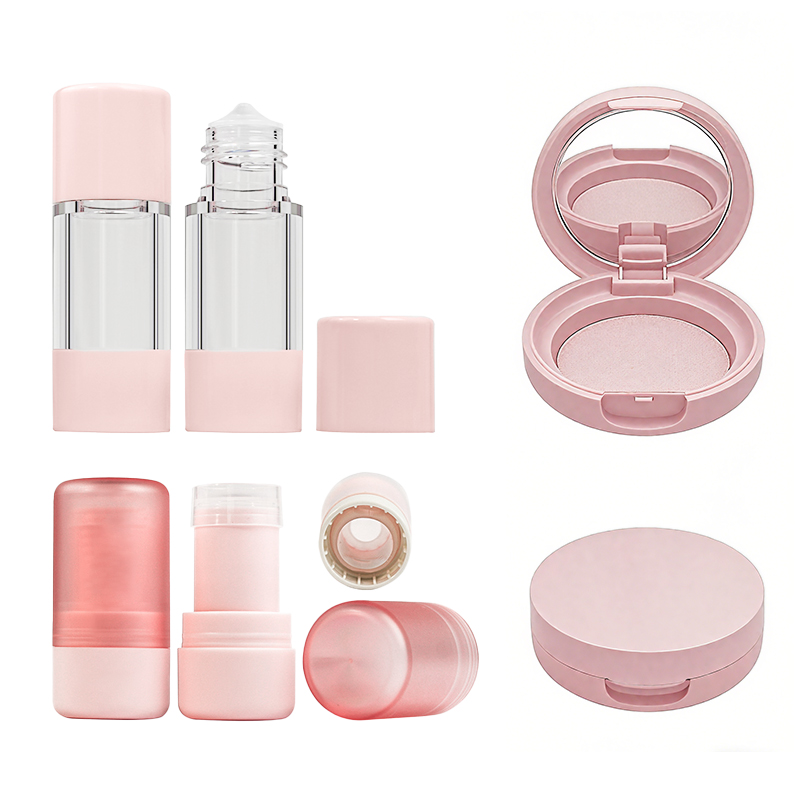
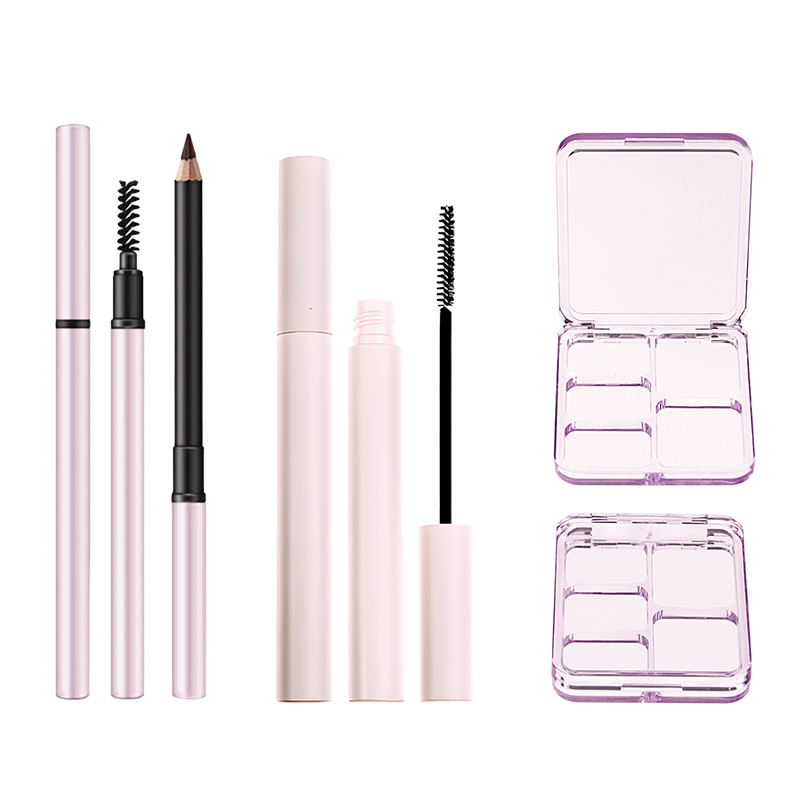
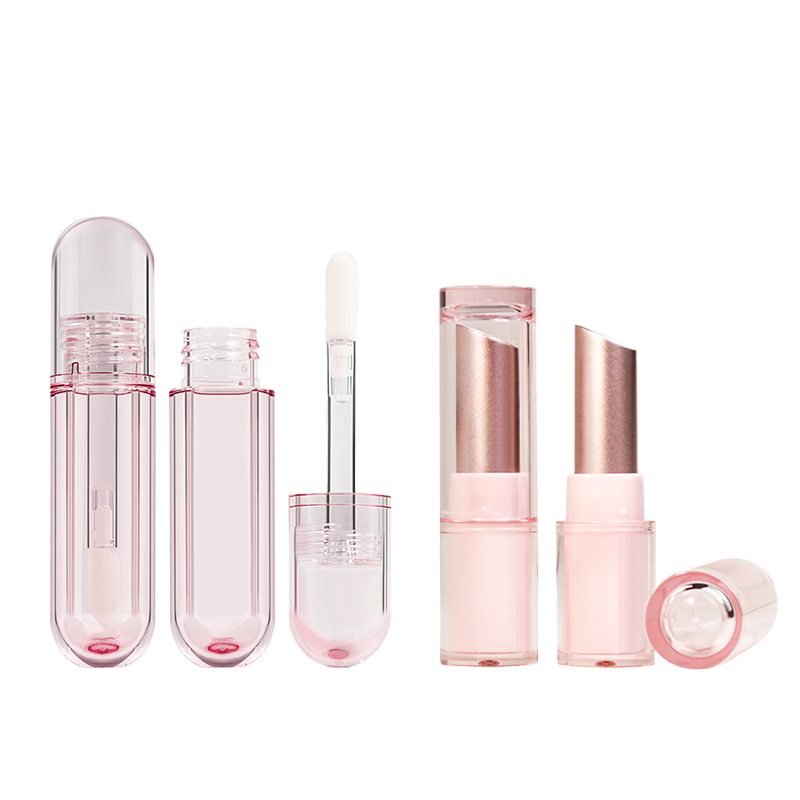

Ultimate Guide to Packaging Options for Cosmetics
December 08,2025
Picking the right packaging for cosmetics isn’t just a box-checking task—it’s the part where your brand puts on its best outfit and struts into the spotlight. Think of it like this: you wouldn’t show up to a red carpet in sweatpants, so why let your beauty product go out there in boring or unsustainable packaging? From sleek glass bottles that whisper luxury to earthy bamboo jars that shout eco-chic, every container tells a story—and customers are reading.
If you’re juggling supply chain chaos, branding headaches, or trying to impress investors who say “show me something different,” you’re not alone. This guide is packed with real options that scale, sell, and sparkle—so pull up a chair and dig in.
Key Points in Style: The Essentials of Packaging for Cosmetics
➔ Material Variety: From acrylic and PET plastic to bamboo and glass, each material offers unique benefits—durability, affordability, or sustainability.
➔ Sustainable Moves: Eco-conscious packaging like refillable systems, biodegradable options, and mono-material designs support greener branding.
➔ Customization Power: Pantone matching and hot stamping help brands stand out with personalized finishes that match their identity.
➔ Functional Closures: Packaging closures like pump dispensers or dropper assemblies enhance product usability while maintaining design integrity.
➔ Visual Strategy: Transparent vs. opaque finishes allow brands to control how much of the product is revealed—adding depth to consumer perception.
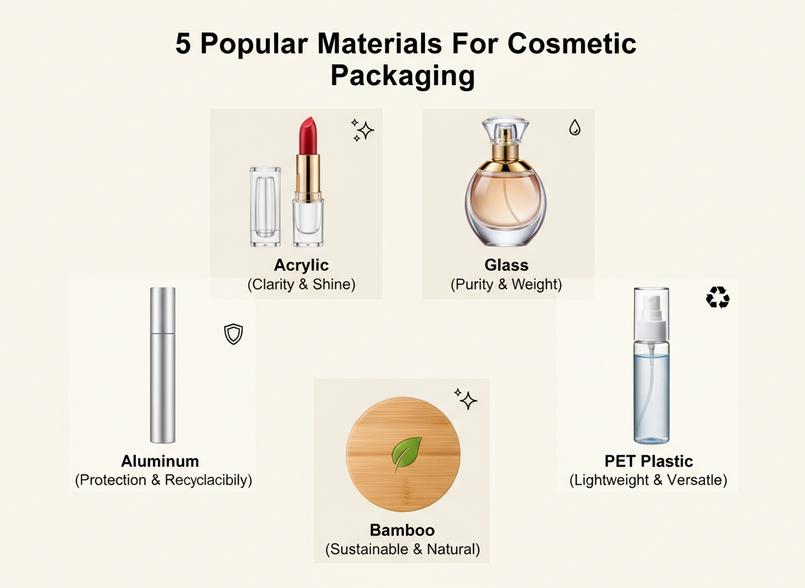
5 Popular Materials For Cosmetic Packaging
From sleek to sustainable, these five materials are shaking up how brands design smart, stylish packaging for cosmetics.
Acrylic Plastic: The Versatile Choice for Lipstick Containers
- Acrylic plastic is loved for its crystal-clear finish and sturdy build.
- Custom color options allow brands to match exact lipstick tube shades.
- It resists scratches and cracks—perfect for tossing into purses.
💡 Acrylic’s clarity gives it that glass-like glam without the fragility. That’s why it’s become a go-to for high-end lipsticks that need to shine on shelves and social feeds alike.
Glass Bottles: Elevating Elegance in Foundation and Perfume
Glass brings major class. For perfumes and foundations, nothing beats the weight, smooth feel, and upscale vibe of glass bottles. They’re also airtight, helping preserve formulas longer.
“Luxury beauty consumers associate glass packaging with purity and prestige,” notes Euromonitor International (2024). That explains why so many prestige brands still choose glass despite higher costs—it simply screams quality.
Aluminum Casings: Lightweight Durability for Mascara Tubes
- Start with lightweight aluminum casings, which make mascara tubes easy to carry.
- Add strength—they won’t dent easily like cheap plastics.
- Finish with style—aluminum can be anodized into matte black or metallic pink.
This combo makes aluminum a no-brainer for mascara tubes built to survive makeup bags without looking boring. Plus, they’re recyclable too—win-win!
PET Plastic: Affordable Options for Various Cosmetic Products
| Material Type | Cost Efficiency | Recyclability | Ideal Use Cases |
|---|---|---|---|
| PET Plastic | High | Yes | Toners, sprays, creams |
| HDPE | Medium | Yes | Lotions |
| LDPE | Low | Limited | Tubes |
| PP | Medium | Yes | Jars |
PET plastic stands out thanks to its flexibility—it works well across tons of cosmetic formats. Brands love its price point too. Whether you’re bottling toner or setting spray, PET gets the job done without draining your budget.
Bamboo Packaging: Eco-Friendly Appeal for Blush Compacts
• Natural texture? Check.
• Renewable material? Absolutely.
• Aesthetic edge? Oh yeah.
That’s what makes bamboo packaging such a hit with eco-conscious buyers looking beyond plastic-heavy blush compacts. It feels earthy but luxe at the same time—and when paired with refillable pans inside? Chef’s kiss.
Topfeel has even introduced bamboo blush cases that snap shut magnetically—blending sustainability with functionality like nobody else in the game right now.
Understanding Sustainable Packaging Options For Cosmetics
Sustainable Cosmetic Packaging is more than a trend—it’s reshaping how beauty brands think about waste, design, and the planet.
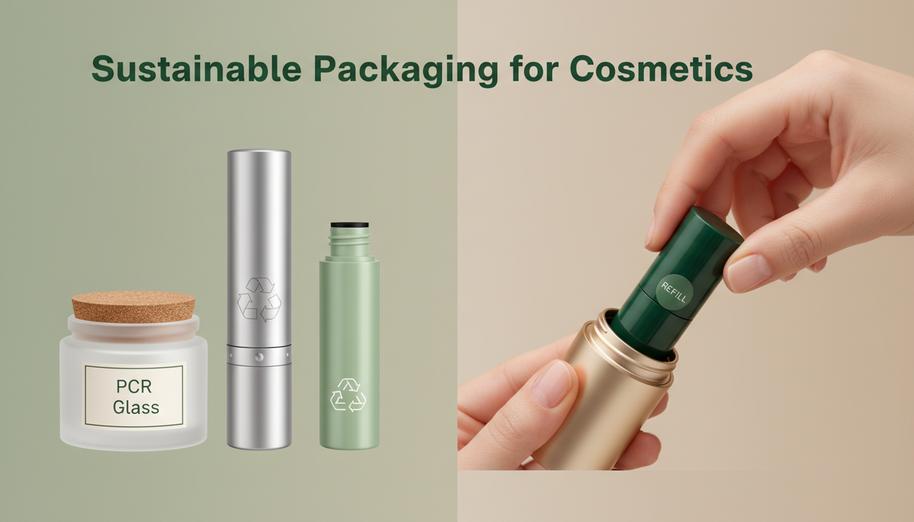
Recycled Materials: Reducing Environmental Impact in Packaging
Using recycled materials in cosmetic packaging isn’t just about going green—it’s also smart business. Here’s where it shines:
- ♻️ Post-consumer resin (PCR) plastics cut down on virgin plastic use while still looking sleek.
- ♻️ Recycled paperboard or cardboard gives off earthy vibes and is super easy to brand.
- ♻️ Glass made from recycled content adds a luxe feel without the environmental guilt.
- ♻️ Aluminum from recycled sources is lightweight, endlessly recyclable, and ideal for premium lines.
- ♻️ Brands can mix these materials with biodegradable inks or water-based coatings for a full-circle eco look.
Incorporating these options into your packaging for cosmetics strategy helps reduce carbon footprints while keeping your products shelf-ready and stylish.
Biodegradable Options: Nature-Friendly Solutions for Lip Gloss
Biodegradable packaging isn’t just compostable—it’s changing how we think about short-use beauty items like lip gloss tubes.
• Some brands are now using PLA-based bioplastics, which break down under industrial composting conditions within months.
• Others opt for molded fiber or paper pulp containers that dissolve naturally when tossed into compost bins.
But not all biodegradable materials work with oily formulas like lip gloss—so compatibility testing is key before jumping in. As sustainable beauty grows, expect even more smart solutions that balance form and function in everyday cosmetic packaging.
Refillable Systems: Encouraging Reuse and Sustainability
Refillable designs are turning heads—and reducing waste—in the world of packaging for cosmetics. Here’s what’s trending:
🧴 Twist-and-lock cartridges – Ideal for foundations or concealers; users replace only the inner pod.
🧼 Magnetic pan systems – Used widely in palettes; consumers pop out used pans and snap new ones back in place.
💄 Lipstick refills – Inner bullets slide out easily so cases can be reused again and again.
These systems help cut single-use plastic dramatically while giving customers a reason to stay loyal to their favorite case designs or product lines.
Mono-Material Design: Simplifying Recycling Processes
Mono-materials simplify life—for both recycling centers and eco-conscious consumers navigating confusing disposal rules.
• A mascara tube made entirely from one type of plastic, like PET, avoids mixed-material issues that usually send it straight to landfill bins.
• Switching caps, pumps, or applicators to match the base material streamlines sorting during mechanical recycling processes.
• Even labels matter—using water-soluble adhesives or same-material wraps keeps things clean during processing stages.
By focusing on mono-material construction across your line of cosmetic containers—from jars to tubes—you make recycling easier without compromising on aesthetics or durability.
How Customization Enhances Packaging For Cosmetics
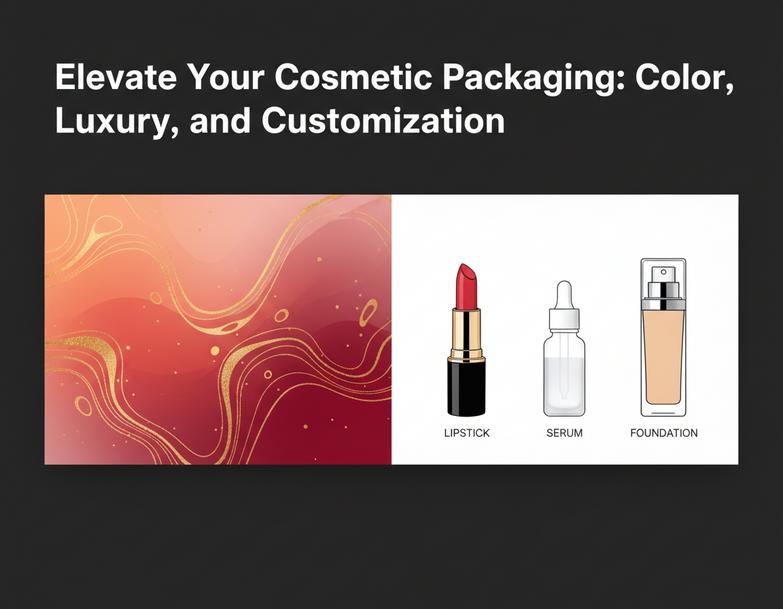
A little customization goes a long way when it comes to packaging for cosmetics—it’s not just about looks, but identity, feel, and customer connection.
Pantone Matching: Achieving Brand Cohesion Through Color
Color isn’t just color—it’s your brand’s fingerprint. Pantone matching helps brands stay visually consistent across product lines and marketing channels.
- Ensures exact color replication across batches
- Maintains visual cohesion on shelves and online
- Supports emotional branding with consistent tones
For example, if your lipstick line uses a signature coral red, Pantone ensures that every tube pops with the same punch—whether it’s on a matte box or shiny label. This consistency builds trust fast and keeps your packaging for cosmetics feeling polished and professional.
Decorated with Hot Stamping: Adding a Touch of Luxury
Hot stamping is like giving your packaging a red carpet moment—it screams premium without saying a word.
• Adds metallic finishes that shimmer under light
• Highlights logos or text for instant attention-grabbing effect
• Feels high-end to the touch—literally
You’ll often see this technique applied to limited-edition skincare jars or perfume boxes where elegance matters most. The use of hot stamping can elevate even simple shapes into something gift-worthy.
Custom Color Options: Tailoring Opaque and Transparent Finishes
Not all cosmetic containers need to shine bright—some whisper luxury through subtlety. With tailored custom color options, you can pick between:
Opaque Finishes:
- Ideal for UV-sensitive products like serums
- Offers bold branding opportunities with solid backgrounds
Transparent Finishes:
- Great for showcasing product texture or color inside
- Often used on gels or oils where clarity sells
Many brands mix both types within their line—for example, clear lip gloss tubes paired with opaque foundation bottles—to create visual contrast while staying cohesive.
Visual Impact by Category: A Look at Finish Preferences
| Product Type | Most Common Finish | Preferred Color Style | Branding Note |
|---|---|---|---|
| Lipsticks | Opaque | Bold & Matte | Strong logo visibility |
| Serums | Transparent | Soft Neutrals | Shows clarity & purity |
| Foundations | Opaque | Skin-tone Variants | Matches consumer expectations |
| Perfumes | Transparent | Metallic Accents | Highlights liquid aesthetics |
This quick breakdown shows how finish decisions tie directly into product function—and how smart choices amplify shelf appeal across different types of cosmetics packaging.
Why Consistency Beats Flash Every Time
It might be tempting to go wild with design elements, but without consistency? You’re just noise on the shelf. Brands that nail their look—from tone to texture—build recognition faster than those chasing trends. When every bottle, jar, or tube aligns visually, customers remember you without needing reminders.
That’s why sticking to defined customizations like Pantone matching, finish selection, and material choice is more than aesthetic—it’s strategic branding baked right into your packaging for cosmetics.
From Concept Sketches to Shelf Presence: The Customization Journey
1️⃣ Start with mood boards reflecting brand vibe
2️⃣ Choose base container shape based on functionality
3️⃣ Select materials based on tactile goals—glass vs plastic vs acrylic
4️⃣ Decide between transparent vs opaque finishes depending on formula visibility needs
5️⃣ Apply decorative elements like hot stamping or silk screening
6️⃣ Conduct test batches using Pantone-matched colors before full production
Each step brings you closer to packaging that feels as intentional as the formula inside it.
When Form Meets Function—and Flair
Some brands treat their containers like mini billboards; others keep things minimal but elegant. Here’s how successful companies balance form and function:
Grouped by Purpose:
Visual Identity
- Use of signature colors via Pantone
- Iconic silhouettes repeated across SKUs
Material Strategy
- Glass for luxury skincare
- Lightweight plastic for travel-friendly items
Finish Application
- Matte coating for grip + style
- Glossy layers where shine sells better
This kind of thoughtful customization makes packaging work harder—not just prettier—for modern cosmetic lines.
Mixing It Up Without Losing Your Look
Too much uniformity? Boring. Too many styles? Confusing. Smart brands mix things up within boundaries:
• Vary lid shapes while keeping bottle silhouettes consistent
• Shift label placement subtly between product tiers—but retain font styles
• Introduce seasonal colors using the same base formula container
By weaving together these tweaks thoughtfully, you get diversity without chaos—a key win when designing standout yet familiar cosmetic packaging solutions today.
References
- Glass communicates brand values in beauty packaging – GlassOnline.com
- Aluminium: The Future of Cosmetic Packaging? – people4ocean.com
- How Long Does PLA Take to Decompose in a Landfill Compared to an Industrial Composting Facility? – sustainability-directory.com
- Pantone Matching System Explained: How to Achieve Color Consistency – customdesignsboxes.com
- What are the advantages of using acrylic cosmetic bottles? – apackaginggroup.com
FAQs
Durability matters when your product lives in a purse, makeup bag, or bathroom drawer. Some materials just do the job better:
- Aluminum gives mascara tubes a sleek edge and protects against dents.
- Acrylic plastic works well with eyeliners—tough enough to handle drops but still light in hand.
- Glass is beautiful but fragile; it’s more at home on vanities than tossed into handbags.
Each material tells its own story. The key is matching that story to how people actually use the product.
Color isn’t just decoration—it’s identity. When customers spot your signature blush pink compact across a crowded shelf, they should know it’s yours instantly. Pantone matching locks down that exact hue so every batch looks like part of the same family—even if produced months apart or by different factories. In bulk production, this kind of visual consistency builds trust faster than any slogan ever could.
Sustainability isn’t just about ticking boxes—it’s about creating something people feel good picking up every day:
- Recycled plastics give old materials new life without sacrificing function.
- Biodegradable options break down naturally over time—no guilt when tossing them out.
- Refillable designs invite users back again and again instead of starting from scratch each time.
When done right, these choices don’t just reduce waste—they build loyalty through shared values.
At first glance, yes—the upfront cost can be higher per unit. But zoom out: fewer reorders on full containers mean lower long-term spend on raw materials and shipping weight. More importantly though? Customers love feeling like they’re making smarter choices—and that emotional connection often leads to repeat purchases far beyond what traditional single-use packaging might inspire.

