 English (Canada)
  English
  English (UK)
  English (Australia)
  العربية
  Deutsch
  Italiano
  Español de México
  Tiếng Việt
  ไทย
ไทย  Português do Brasil
  Français
  Български
  Čeština
  Dansk
Dansk  Ελληνικά
  Eesti
Eesti  Suomi
Suomi  Magyar
  Bahasa Indonesia
  Lietuvių kalba
  Latviešu valoda
  Norsk bokmål
  Nederlands (Formeel)
  Polski
  Română
  Русский
  Slovenčina
  Slovenščina
  Svenska
  Türkçe
  Українська
  简体中文
简体中文  日本語
日本語  한국어
한국어  繁體中文
繁體中文 
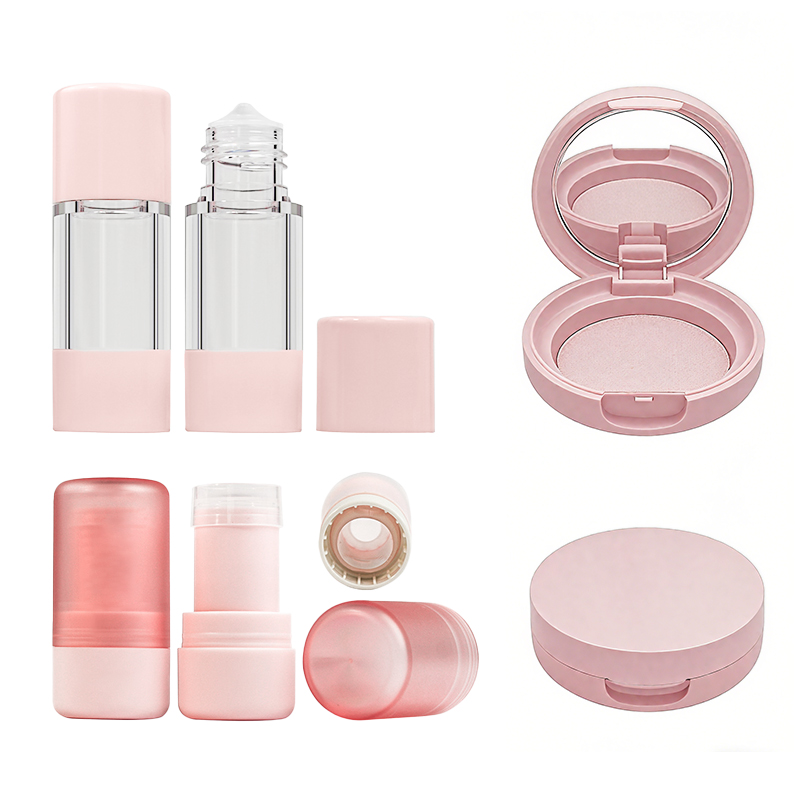
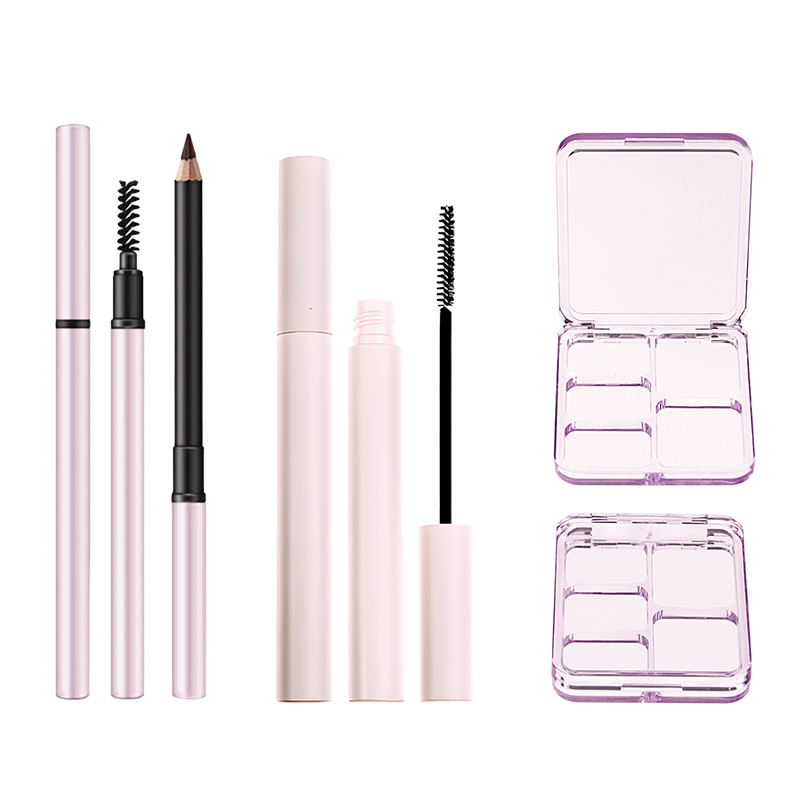
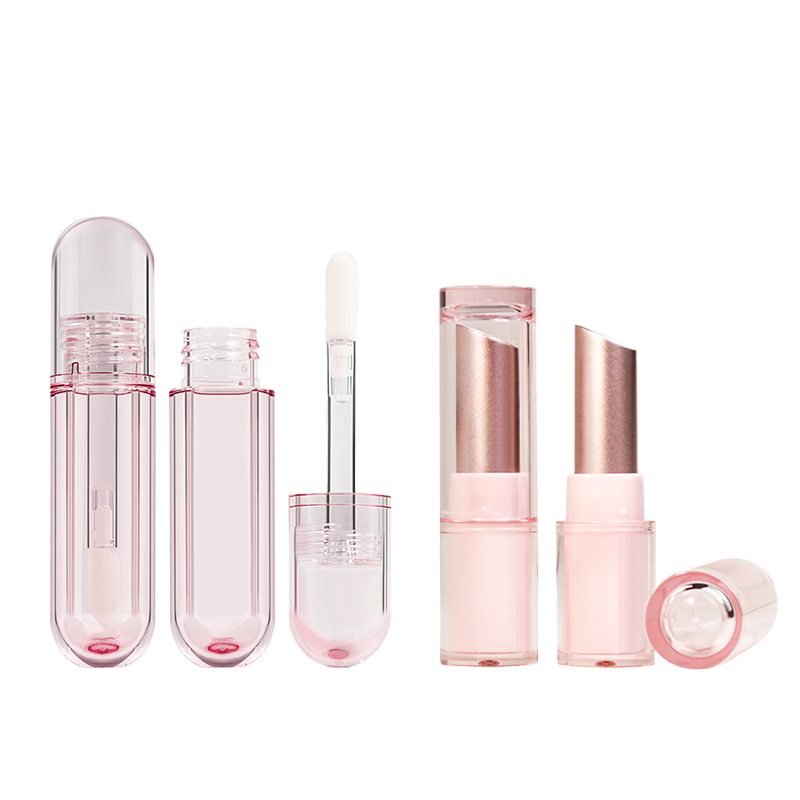

What Is the Difference Between Package and Packaging?
March 24,2026
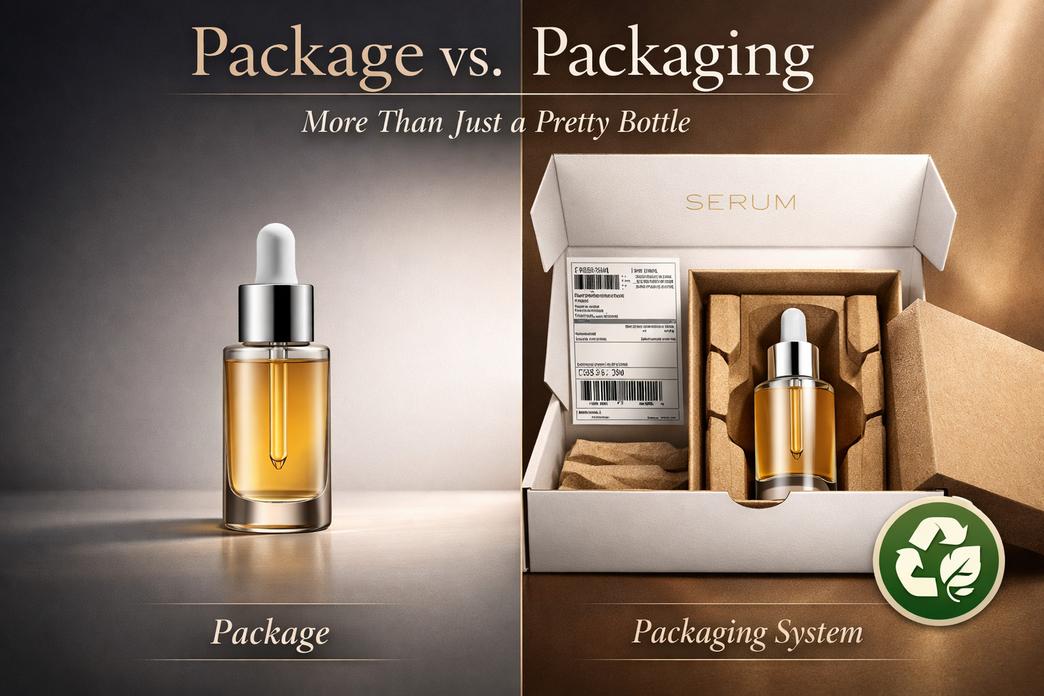
In the beauty biz, Package and Packaging aren’t twins—they’re more like the lead actor and the entire stage crew. One holds your serum; the other makes sure it survives a cross-country haul, catches a shopper’s eye, and whispers “luxury” from the shelf. Mix them up, and you’re not just splitting hairs—you’re risking cracked compacts, bland branding, and money down the drain.
Think of it like ordering a latte. The cup is the package. The sleeve, logo, carrier tray, and barista’s careful hand-off? That’s packaging. Brands feel the heat when suppliers only handle one piece of the puzzle. And that tension—that gap—is exactly where smart sourcing begins.
Key Harmony Notes: Package and Packaging
➔ Clearly distinguish the primary container (bottle, jar) from the end-to-end packaging system (carton, labeling, logistics).
➔ Match material to need—glass for premium formulas, plastic for durability, aluminum for barrier protection, paperboard for lightweight cartons.
➔ Leverage design elements—shape, color, finish, ergonomics—to boost shelf impact and user experience.
➔ Prioritize sustainability with PCR plastics, compostable cartons, biodegradable bamboo, and refillable or recyclable components.
➔ Ensure supplier capabilities in molding, finishing, ISO/GMP compliance, and compatibility testing for seamless fulfillment.
Package and Packaging Defined: Layer by Layer
When people say Package and Packaging, it often sounds like the same thing twice. It’s not. In daily business talk, package points to the container itself, while packaging covers the whole system behind it. Let’s break down package & packaging layer by layer so it actually makes sense.
Layer 1: Package as a Protective Bottle or Jar
At the core of Package and Packaging, the package is the physical container—the bottle or jar that holds the formula.
-
Core Components of the Package
1.1 Material
- Glass for high barrier and premium feel
- PET or PP plastic for lightweight safety
1.2 Shape
- Round for easy grip
- Square for shelf efficiency
1.3 Size
- Travel 15–30ml
- Standard 50–100ml
1.4 Closure
- Pump for controlled dosage
- Screw cap for airtight protection
-
Functional Role
2.1 Protection against light and oxygen
2.2 Preservation of active ingredients
2.3 Leakage control during transport
-
Performance Logic
3.1 Barrier strength depends on material density
3.2 Closure torque affects sealing
3.3 Wall thickness impacts durability
In short, the package is the frontline defender. Without solid container design, the whole packaging strategy falls apart.
Layer 2: Packaging as an End-to-End System
Now the bigger view. Packaging in Package and Packaging stretches across the supply chain.
-
Structural Levels
1.1 Primary packaging
- Direct-contact bottle or jar
1.2 Secondary packaging
- Carton with branding and instructions
1.3 Tertiary packaging
- Corrugated box for bulk shipping
-
Operational Flow
2.1 Filling and sealing
2.2 Labeling and coding
2.3 Cartoning and palletizing
2.4 Distribution across the supply chain
-
Market & Consumer Impact
3.1 Logistics durability reduces return rates
3.2 Smart logistics planning lowers cost
3.3 Smooth unboxing improves consumer experience
According to Smithers’ 2025 global packaging outlook, total packaging market value is projected to exceed $1.2 trillion by 2028, driven largely by e-commerce growth and sustainability upgrades.
That’s why brands treat package and packaging as strategy, not just a box. Companies like Topfeelpack support brands from primary packaging engineering to transport testing, keeping the full packaging system aligned.
Layer 3: Design Elements – Shape, Color, Finish
Design sits on top of Package and Packaging, but it’s not decoration—it’s business.
-
Visual Identity
1.1 Shape builds shelf memory
1.2 Color drives visual appeal
1.3 Typography signals positioning
-
Sensory Experience
2.1 Matte or gloss finish changes perception
2.2 Surface texture affects grip
2.3 Balanced weight improves ergonomics
-
Brand Communication
3.1 Logo and graphics reinforce branding
3.2 Minimal layout boosts aesthetics
3.3 Consistency across bottle and carton strengthens recognition
When package design, packaging structure, and brand voice sync up, the result feels natural. Not forced. That’s the sweet spot brands chase—and it’s exactly where Topfeelpack helps connect package, packaging design, and market-ready execution under one roof.
Material Choices: Package vs. Packaging
When brands talk about Package and Packaging, it’s not just about looks. It’s about performance, vibe, cost, and sustainability all rolled into one smart package. From primary container choices to outer packaging boxes, material decisions shape how your product feels in hand and how your brand shows up on the shelf.
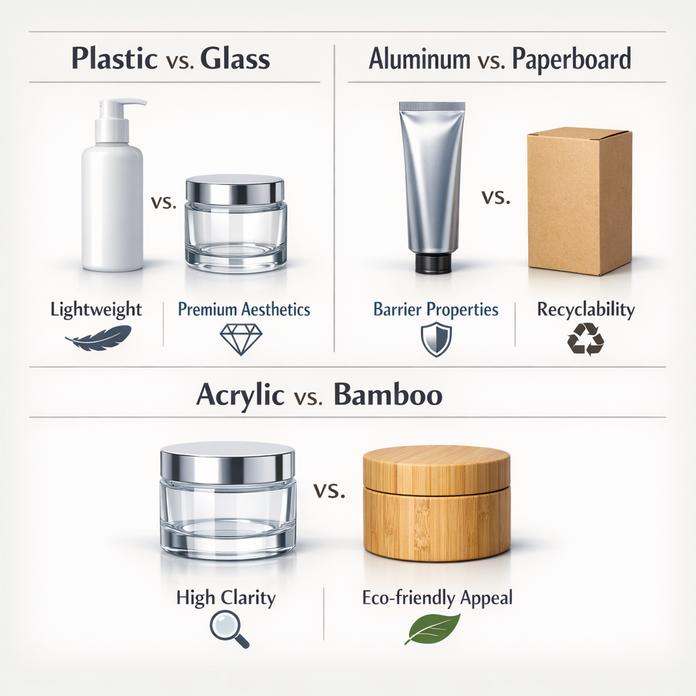
Plastic vs. Glass
In Package and Packaging, choosing between plastic and glass impacts everything from weight to reusability.
-
Performance Factors
-
Plastic
- Lightweight container solutions
- High durability under drops
- Flexible design for custom bottle shapes
-
Glass
- Premium jar aesthetics
- Strong chemical stability
- Excellent oxygen barrier
-
-
Operational Impact
-
Shipping:
- Plastic reduces freight cost due to lower weight
- Glass increases transport protection needs
-
Production:
- Plastic supports high-speed molding
- Glass suits luxury batch runs
-
For brands balancing cost and shelf appeal in Package and Packaging, Topfeelpack often recommends plastic for mass skincare lines and glass for high-end serums. Different product packaging goals, different wins.
Aluminum vs. Paperboard
Outer packaging and inner package components must work together. Here’s how aluminum and paperboard compare in real data.
| Material | Barrier Properties (1–5) | Recyclability Rate (%) | Strength Level (MPa) | Food Safety Suitability |
|---|---|---|---|---|
| Aluminum | 5 | 75–95 | 90–200 | Excellent |
| Paperboard | 2–3 | 65–85 | 20–40 | Good (with coating) |
| Plastic Tube | 3–4 | 30–60 | 40–80 | Good |
| Glass | 5 | 70–90 | Brittle | Excellent |
-
Aluminum Applications
- Collapsible can or tube
- Strong barrier for light-sensitive creams
-
Paperboard Carton
- Retail carton with high print quality
- Lightweight secondary packaging
For sustainable Package and Packaging strategies, Topfeelpack aligns material strength, barrier properties, and recyclability with brand positioning.
Acrylic vs. Bamboo
Some brands want shine. Others want soul.
Acrylic brings crystal-clear transparency and polished surface finish to cosmetic packaging. It mimics glass but cuts down breakage risk. Luxe feel, strong shelf impact.
Bamboo speaks to eco goals. As a sustainable material, it offers natural texture and real biodegradability. Slight color variation? That’s part of the charm.
Quick comparison:
-
Acrylic
- High clarity
- Durable structure
- Modern branding vibe
-
Bamboo
- Renewable resource
- Eco-friendly appeal
- Warm tactile feel
In today’s Package and Packaging decisions, brands often mix materials—acrylic inner container, bamboo outer shell. Smart packaging isn’t about picking sides. It’s about picking purpose.
3 Scenarios: Package and Packaging Use Cases
Package and Packaging choices shape how a product survives shipping, stands out in stores, and wins quick trials. Smart packaging design keeps branding tight while the package itself works hard behind the scenes.
E-Commerce Fulfillment: Tubes with Screen Printing
In e-commerce, Package and Packaging must balance branding and survival. A tube isn’t just a container; it’s part of the shipping strategy.
-
Core role of the tube in e-commerce fulfillment:
-
Product safety
- Thick-wall plastic structure reduces crushing during shipping
- Sealed tail ends prevent leakage under pressure
-
Brand visibility
- Direct screen printing replaces extra labels
- Ink adhesion tested after extrusion and sealing
-
Cost control in packaging operations
- Fewer labeling steps
- Faster packing line speed
-
-
How screen printing upgrades packaging:
-
Design clarity
- Sharp logos support strong branding
-
Durability
- Print resists rubbing inside cartons
-
Compliance
- Batch codes added during printing stage
-
For growing DTC brands, Package and Packaging planning often starts with protective structure, then moves to print performance. Topfeelpack supports this flow by aligning tube material, decoration, and logistics testing under one roof, keeping packaging practical and on-brand.
Retail Display: Compact Cases and Hot Stamping
Retail shelves are crowded. Package and Packaging must grab attention fast.
-
Visual impact of the compact case in retail display:
-
Exterior finish
- Hot stamping highlights logos
- Metallization builds a luxury finish
-
Structural precision
- Hinge durability for repeated opening
- Snap-fit closure for secure storage
-
-
Printing and decoration layers:
- Offset printing for detailed graphics
- Foil positioning aligned with brand marks
- Coating options for scratch resistance
For consumer goods, sharp product presentation drives shelf appeal. Good packaging feels solid in hand. Great Package and Packaging tells shoppers this is premium before the product is even touched.
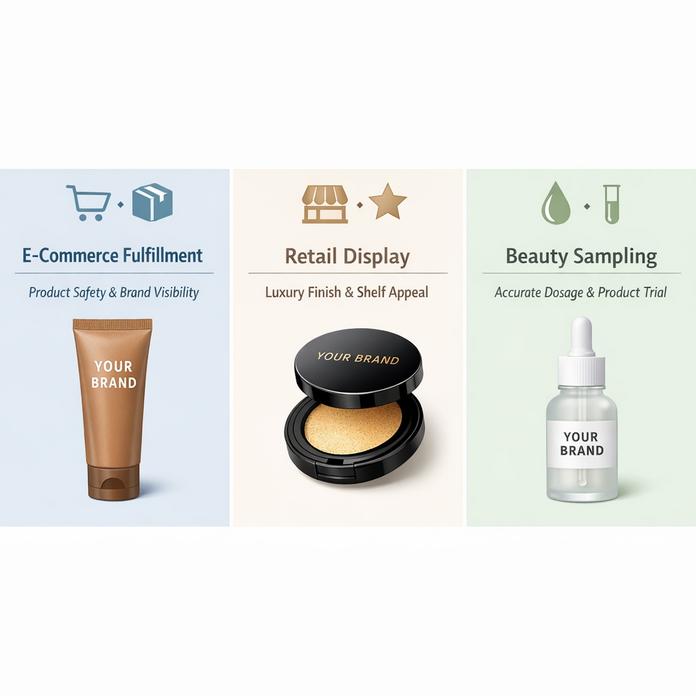
Beauty Sampling: Droppers, Frosting, and Labeling
Sampling is all about control and trust. Package and Packaging in trial sizes must look clean and work flawlessly.
-
Functional design of a dropper bottle:
-
Accurate dosage
- Calibrated pipette for accurate dosage
-
Leak prevention
- Tight neck finish
- Compatibility checks with cosmetics and fragrance formulas
-
-
Decorative and clarity features:
- Frosting for soft-touch appearance
- Transparent window for product visibility
- Precise labeling placement
-
Validation before launch:
- Fill testing
- Transport simulation
- User squeeze trials
In beauty sampling, smart Package and Packaging builds trust during product trial. The right packaging system keeps formulas stable, supports branding, and turns a small sample into a serious sales push.
Package and Packaging: Sustainability Concerns
Smart Package and Packaging choices are no longer optional. Brands now weigh cost, vibe, and environmental impact at the same time. From primary package design to secondary packaging, every packaging move shapes how people see a product and how waste flows after use.
Recycled Content in PCR Plastic Bottles
When PCR plastic enters modern plastic bottles, the story of Package and Packaging shifts from extraction to reuse.
-
Material sourcing and input control
-
Post-consumer streams
- Verified recycled content suppliers
- Traceable material sourcing records
-
Resin preparation
- Melt filtration
- Odor reduction
-
-
Performance validation
- Mechanical testing
- Leakage and drop testing
- Shelf-life checks tied to environmental impact
| Indicator | Virgin PET | 50% PCR Plastic | 100% PCR Plastic | Test Standard |
|---|---|---|---|---|
| CO₂ (kg/ton) | 2.8 | 1.9 | 1.2 | ISO 14067 |
| Tensile Strength (MPa) | 55 | 52 | 48 | ASTM D638 |
| Drop Test (m) | 1.2 | 1.2 | 1.0 | Internal QA |
| Leakage Rate (%) | 0.05 | 0.05 | 0.08 | ISO 9001 |
Brands working with Topfeelpack often balance recycled resin ratios with real-world durability, keeping packaging solutions practical, not just trendy.
Compostable Paperboard Cartons
Paperboard cartons made from compostable materials feel simple, yet the science is tight.
- Designed for food packaging and cosmetics.
- Supports offset printing without harming biodegradability.
- Fits retail-ready package displays.
Key checks usually include:
- Fiber source certification.
- Industrial compost breakdown timing.
- Ink safety for waste reduction goals.
In a circular economy mindset, secondary packaging isn’t throwaway fluff. It protects the core package and strengthens the full Package and Packaging system.
Biodegradable Bamboo Jars
Bamboo jars sit at the crossroads of style and biodegradable packaging performance.
-
Raw Material Control
- Rapid-growth bamboo forests
- Responsible resource management
-
Structural Engineering
- Moisture barriers
- Inner cup compatibility with cosmetic formulas
-
Market Positioning
- Appeals to fans of natural materials
- Supports eco-friendly brand claims
Sustainable alternatives look cool on a shelf, but testing keeps the packaging format safe for creams and serums.
Refillable Pumps and Recyclable Caps
Extending product life is a smart move in Package and Packaging strategy.
- Design the bottle for multiple refills.
- Pair with durable refillable pumps tested for 5,000+ presses.
- Add mono-material recyclable caps to support design for recycling.
- Educate users to boost consumer behavior toward reuse.
This approach reshapes the product lifecycle, trims waste management pressure, and makes reusable packaging feel normal. Topfeelpack integrates refill systems into custom packaging plans, keeping sustainability grounded in real production, not just talk.
Why Package and Packaging Matter to Suppliers
Package and Packaging decisions shape cost, compliance, and brand vibe long before a product hits shelves. Smart packaging isn’t just a box or bottle; it’s a full system covering design, production, and testing. For suppliers, getting package design and packaging supply right means smoother deals, fewer returns, and better margins.
Cost Efficiency Through Injection Molding and Blow Molding
For suppliers, Package and Packaging cost control often starts with Injection Molding and Blow Molding, two core Production Methods in modern Manufacturing Process setups.
-
Injection Molding
-
Tooling Investment
- High upfront mold cost
- Long-term Cost Efficiency in mass runs
-
Cycle Time
- 8–20 seconds typical
- Stable output for caps and pumps
-
-
Blow Molding
- Lower resin waste improves Material Usage
- Ideal for bottles in cosmetic packaging
| Process Type | Avg Cycle Time (sec) | Scrap Rate (%) | Unit Cost (10k pcs, USD) | Energy Use (kWh/1000 pcs) |
|---|---|---|---|---|
| Injection Molding | 12 | 1.5 | 0.18 | 45 |
| Blow Molding | 15 | 2.0 | 0.16 | 40 |
| Compression Mold | 18 | 2.8 | 0.21 | 38 |
| Extrusion | 20 | 3.2 | 0.24 | 50 |
| Hybrid System | 14 | 1.2 | 0.19 | 42 |
Topfeelpack aligns its packaging production lines around these numbers, helping brands balance package cost and packaging consistency.
Ensuring ISO Certification and GMP Compliance
In Package and Packaging, paperwork is just as critical as plastic.
• ISO Certification supports traceable Documentation.
• GMP Compliance aligns with strict Regulatory Requirements.
Audits check:
- Raw material records
- Batch coding systems
- Traceability logs
Behind the scenes, Quality Standards guide resin testing, torque checks, and microbial control for cosmetic packaging. Suppliers who meet these benchmarks reduce recalls and protect long-term contracts. Topfeelpack keeps audit-ready files updated, so partners don’t scramble during inspections.
Enhanced Aesthetics with Metallization and Offset Printing
Metallization adds shine. Clean, reflective, high-end.
Offset Printing sharpens graphics. Fine lines. Precise color control.
Strong Surface Treatment improves Product Appearance and boosts Brand Image fast.
For Package and Packaging, visual punch matters. Good Decoration Techniques turn simple packaging into shelf-ready retail packaging with serious Visual Appeal. A jar feels premium. A carton pops. Customers notice.
Streamlining Assembly, Finishing, and Compatibility Testing
A reliable Package and Packaging workflow follows clear steps:
-
Component Assembly
- Pump + bottle fit check
-
Surface Finishing
- Coating cure validation
-
Compatibility Testing
- Formula soak (30–90 days)
-
Seal verification
- Leakage under pressure
-
Final Performance Evaluation
Tight Quality Assurance reduces returns. Clean Product Integration keeps filling lines moving. With optimized Workflow Optimization, suppliers ship cosmetic packaging that simply works—no drama, no leaks, no last-minute surprises.
FAQs about Package and Packaging
What’s the difference between a package and packaging in cosmetics?
Package and Packaging feel similar, yet the boundary matters in daily use.
- Package lives in the hand: Bottles, Jars, Tubes, Compact Cases, shaped for grip, flow, and trust.
- Packaging guards the journey: Paperboard cartons, Assembly, Finishing, and checks under ISO Certification and GMP Compliance.
Together, one touches skin; the other protects reputation.
How do materials change the experience of Package and Packaging?
Material choice quietly shapes emotion and behavior.
- Glass & Acrylic: weight, clarity, calm—often chosen for serums with Droppers.
- Plastic & Aluminum: light, mobile, steady—ideal for Pumps and Caps made by Injection Molding or Blow Molding.
- Bamboo & Paperboard: warmth and conscience, carrying Biodegradable and Compostable signals without words.
Why do design and decoration decide shelf survival?
A glance can feel like judgment.
Shape, Color, Finish, Ergonomics, and Functionality work with Screen Printing, Hot Stamping, Labeling, Offset Printing, Frosting, or Metallization to spark Aesthetics.
If the hand hesitates, the sale fades.
Why are testing and sustainability no longer optional?
Pressure builds after launch, not before.
- Safety: Compatibility Testing, Leakage Testing, and Material Testing stop silent failures.
- Responsibility: Recyclable structures, Recycled Content, PCR Plastic, and Refillable systems ease guilt at checkout.
Trust grows when Package and Packaging carry care all the way home.
References
- Smithers’ 2025 global packaging outlook – smithers.com
- PCR plastics – plasticsrecycling.org
- ISO/GMP compliance – iso.org
- aluminum – aluminum.org
- paperboard – paperbox.org
- Acrylic – https://www.google.com/search?q=omnexus.specialchem.com
- bamboo – fsc.org
- e-commerce fulfillment – packagingdigest.com
- ISO 14067 – iso.org
- ASTM D638 – astm.org
- ISO 9001 – iso.org
- circular economy – ellenmacarthurfoundation.org
- Injection Molding – plasticstoday.com
- Blow Molding – ptonline.com
- biodegradability – bpiworld.org

