 English (Canada)
  English
  English (UK)
  English (Australia)
  العربية
  Deutsch
  Italiano
  Español de México
  Tiếng Việt
  ไทย
ไทย  Português do Brasil
  Français
  Български
  Čeština
  Dansk
Dansk  Ελληνικά
  Eesti
Eesti  Suomi
Suomi  Magyar
  Bahasa Indonesia
  Lietuvių kalba
  Latviešu valoda
  Norsk bokmål
  Nederlands (Formeel)
  Polski
  Română
  Русский
  Slovenčina
  Slovenščina
  Svenska
  Türkçe
  Українська
  简体中文
简体中文  日本語
日本語  한국어
한국어  繁體中文
繁體中文 
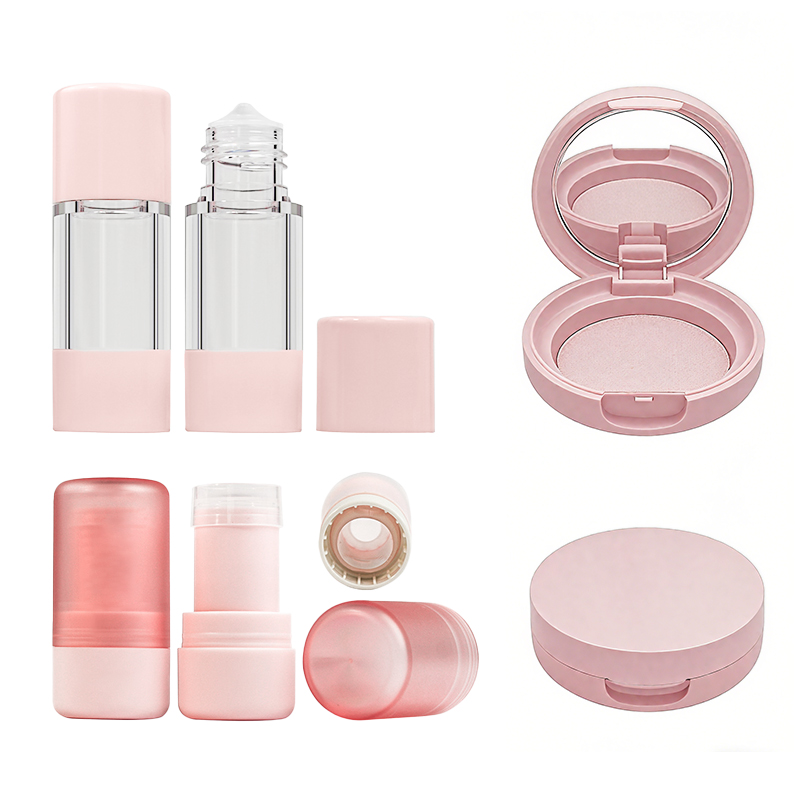
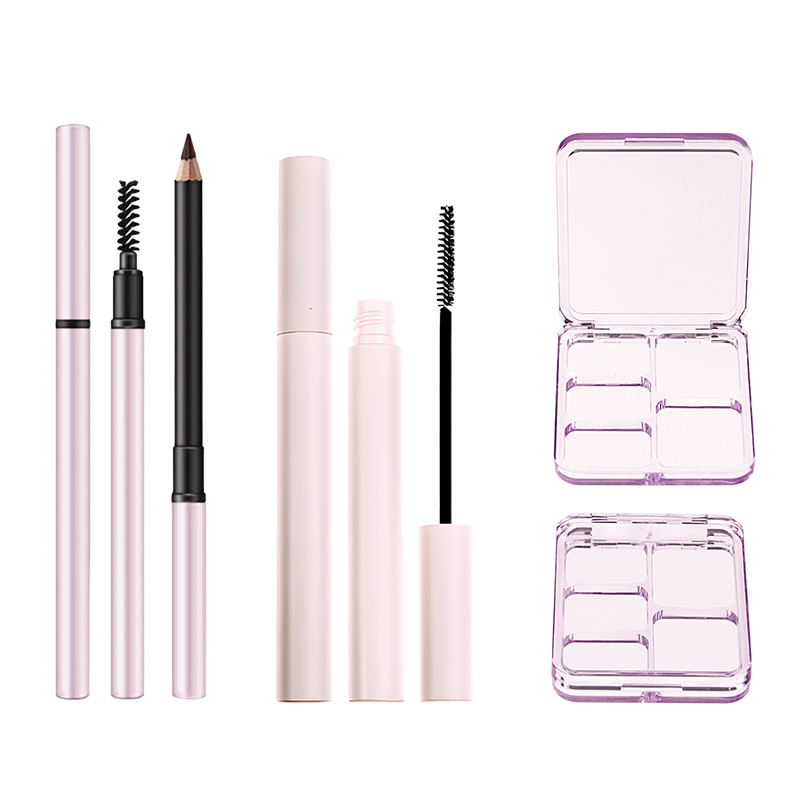
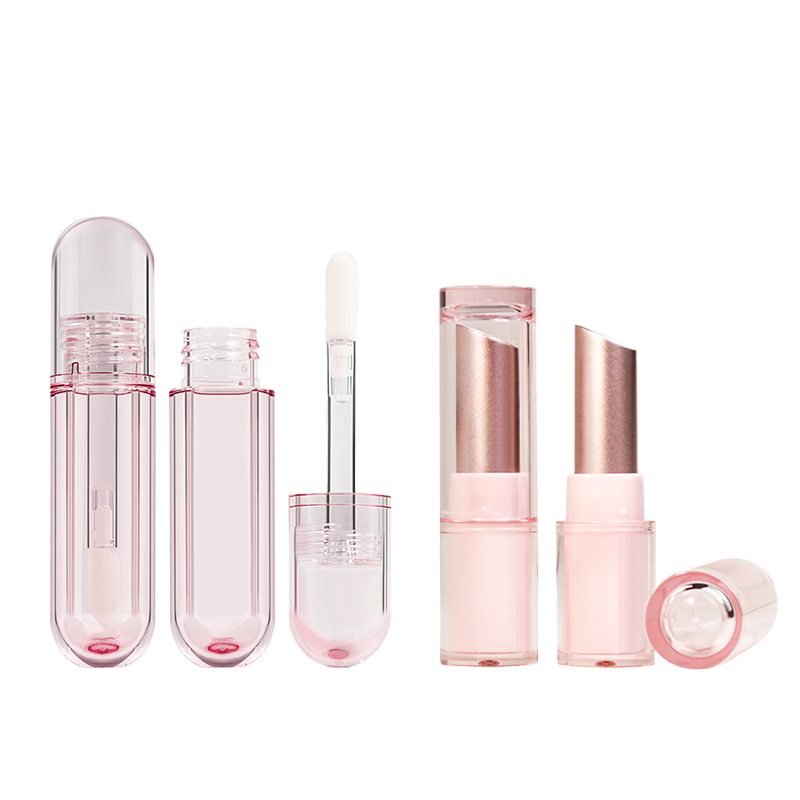

What Makes Mono PP Material Ideal?
February 03,2026
It’s no secret—the beauty biz is in the hot seat. Brands are being squeezed from both ends: shoppers want eco-friendly everything, and supply chains are throwing tantrums left and right. That’s where mono pp material steps into the spotlight like a true underdog hero—lightweight, tough as nails, recyclable to boot.
You don’t have time (or budget) for packaging that looks pretty but cracks under pressure—or worse, costs a fortune to mold and ship. Mono PP gets it done without drama. It bends without breaking, ships light, dresses up in matte or gloss like it’s going out on Friday night.
For buyers sourcing at scale? This isn’t just smart—it’s survival with style.
Key Points on Why Mono PP Material is Essential for Cosmetic Packaging
- Durability and Flexibility: Mono PP material offers exceptional resistance to cracks and breakage while maintaining flexibility for both rigid and squeezable bottles.
- Aesthetic Versatility: Available in matte, glossy, and frosted finishes, Mono PP enables brands to craft customized, premium-looking packaging for cosmetics.
- Cost Efficiency: Its lightweight nature reduces shipping costs, and the efficient manufacturing process helps streamline production, cutting down on operational expenses.
- Sustainability Factor: Mono PP is fully recyclable, contributing to sustainable, eco-friendly packaging solutions and minimizing environmental impact.
- Economic Advantages: With fewer breakages and a longer lifespan, Mono PP lowers replacement costs, ensuring long-term value for brands.
- A Superior Alternative to Traditional Materials: Compared to glass and PET, Mono PP is lighter, more cost-effective, and offers superior durability, making it a prime choice for cosmetic packaging.
Why Mono PP Material is Perfect for Cosmetic Packaging
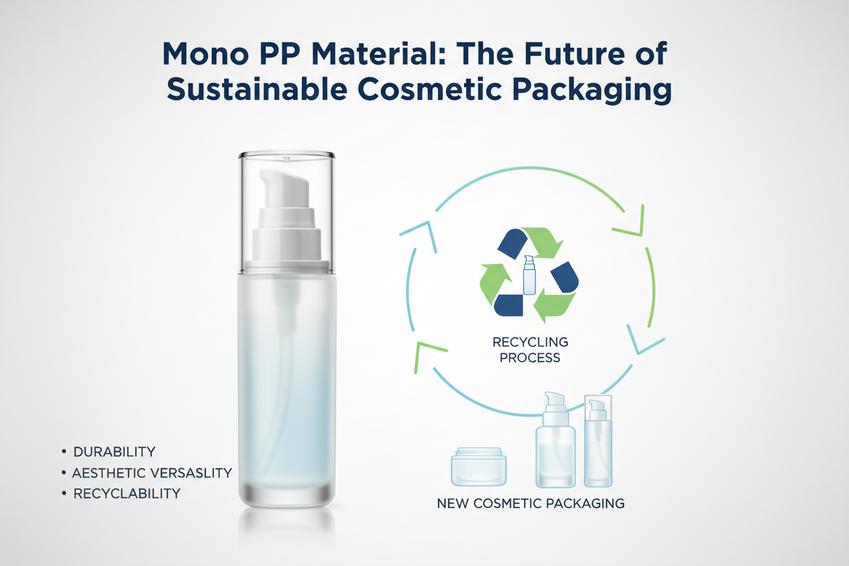
The buzz around mono pp material isn’t hype—it’s the real deal when it comes to future-proof cosmetic packaging.
Mono PP Material: A Game Changer for Cosmetic Packaging
You’ve probably heard the term mono pp tossed around, but what makes it such a standout? It’s more than just plastic—it’s a packaging revolution.
- Lightweight yet tough: This stuff won’t crack under pressure—literally.
- One-material construction: No mixing means easier recycling and less hassle during sorting.
- Versatility across product types: From lotions to lipsticks, this material adapts effortlessly.
Now toss in its resistance to chemicals and moisture, and you’ve got a solid formula that works across climates and shelf lives. What really sets mono pp material apart is how it balances utility with innovation—no gimmicks, just smart science meeting everyday use.
The Durability and Flexibility of Mono PP in Cosmetic Bottles
When you’re dealing with beauty products that get tossed into purses or dropped on tile floors, durability isn’t optional—it’s critical. That’s where mono pp shines.
• Durability Factors
- High impact resistance helps prevent cracks and leaks
- Withstands temperature shifts without warping
- Doesn’t degrade easily over time
• Flexibility Highlights
- Perfect for both rigid pump bottles and squeezable tubes
- Maintains shape even after repeated use
- Supports innovative dispensing designs without compromising strength
With these properties baked in, cosmetic brands can trust their formulas stay safe while consumers enjoy sleek, functional packaging. Whether it’s foundation or face wash, the reliability of mono pp material keeps things mess-free.
The Role of Mono PP in Enhancing Packaging Aesthetics
Looks matter—especially on store shelves where first impressions count big time. Here’s how mono pp material boosts visual appeal:
- Start with base compatibility: Its surface takes well to inks and coatings.
- Add design flexibility: Brands can go matte, glossy, or translucent depending on vibe.
- Finish with tactile options: Embossing or soft-touch finishes? Totally doable.
This combo lets designers play freely without sacrificing recyclability or performance. That means your moisturizer can look high-end while staying eco-smart—a win-win for both brand image and consumer perception.
Mono PP’s Contribution to Sustainable Cosmetic Packaging
Eco-friendly isn’t just a trend anymore; it’s an expectation—and mono pp material delivers big here.
• Recyclability Boost
- Fully recyclable as a single polymer stream
- Simplifies post-consumer processing
• Environmental Benefits
- Reduces carbon footprint compared to multi-material plastics
- Supports circular economy goals through reuse potential
• Resource Efficiency
- Lightweight nature cuts down transport emissions
- Less energy required during production phases
By switching to this sustainable packaging option, brands aren’t just talking green—they’re acting on it too. And consumers are noticing—more than ever before, people are choosing products packaged responsibly with materials like mono pp leading the charge.
Studies Show Mono PP Material Reduces Packaging Costs by 20%
The numbers don’t lie—mono PP material is a game changer for packaging costs. Let’s break down how it’s saving brands serious cash.
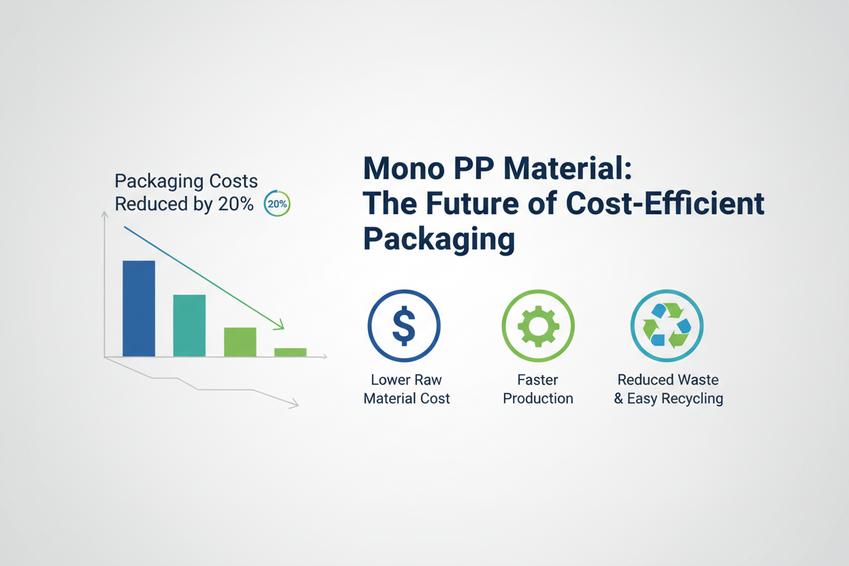
Cost Efficiency of Mono PP: Why It’s the Choice for Packaging
You want packaging that looks sharp but doesn’t drain your budget? That’s where mono PP steps up. This stuff checks all the right boxes:
- Lower raw material cost than glass, PET, or aluminum.
- Easier to source and stockpile, which keeps supply chain hiccups minimal.
- Requires less energy during production, reducing utility bills at scale.
And here’s the kicker—because mono polypropylene is recyclable and uniform, it cuts post-consumer waste costs too. So you’re not just saving upfront; you’re making your whole packaging lifecycle more affordable. Brands looking to balance aesthetics with budget love this kind of smart spend.
How Mono PP Material Cuts Manufacturing Costs for Cosmetic Brands
Here’s where things get real practical. Cosmetic companies are always juggling cost and quality—and mono pp material helps them win on both fronts.
- It’s lightweight, so shipping costs drop like a rock.
- Compatible with high-speed injection molding machines = faster turnaround.
- Less waste generated per unit means lower disposal fees over time.
Now toss in fewer tooling changes and reduced downtime during manufacturing runs—that’s a solid recipe for trimming operational fat without sacrificing design flexibility or shelf appeal. The versatility of mono polypropylene packaging makes it a go-to for cosmetic lines aiming to scale without overspending.
The Long-Term Economic Benefits of Choosing Mono PP for Packaging
Let’s talk big picture returns—not just today’s savings but tomorrow’s wins too. Choosing mono pp material isn’t just about cutting corners; it’s about building smarter systems that hold up over time.
• No more breakage headaches—unlike glass, this stuff survives drops and pressure changes like a champ.
• No complicated sorting at recycling centers—it’s mono-material, so it slides right into circular economy loops with ease.
• Keeps your brand competitive when sustainability regulations tighten—less retrofitting later means fewer surprise expenses down the line.
| Feature | Glass Packaging | PET Plastic | Mono PP |
|---|---|---|---|
| Average Breakage Rate (%) | 7 | 4 | <1 |
| Recycling Compatibility Score | Low | Medium | High |
| Transportation Cost Index | High | Medium | Low |
| Lifecycle Maintenance Cost | $$$ | $$ |
In short? You’re not just buying containers—you’re investing in long-term economic advantages, better margins, and smoother logistics every step of the way with mono polypropylene solutions.
How Mono PP Material is Revolutionizing Cosmetic Packaging
A fresh wave is sweeping through beauty packaging—lightweight, durable, and eco-friendly. Here’s how mono pp material is flipping the script for cosmetic brands.
Injection Molding with Mono PP: Streamlining Production for Cosmetics
✓ High-speed production? Check.
✓ Precision molds? Absolutely.
✓ Less waste? You bet.
Using injection molding, manufacturers can crank out complex shapes with incredible accuracy. When paired with mono pp, the process becomes even more efficient. Brands save on tooling costs, reduce scrap rates, and enjoy faster time-to-market—all while keeping packaging consistent and sleek. For cosmetic production where timelines are tight and aesthetics matter, this combo makes sense. It’s not just about speed—it’s about smart, scalable manufacturing that works every time.
Mono PP’s Advantage in Reducing Environmental Impact in Packaging
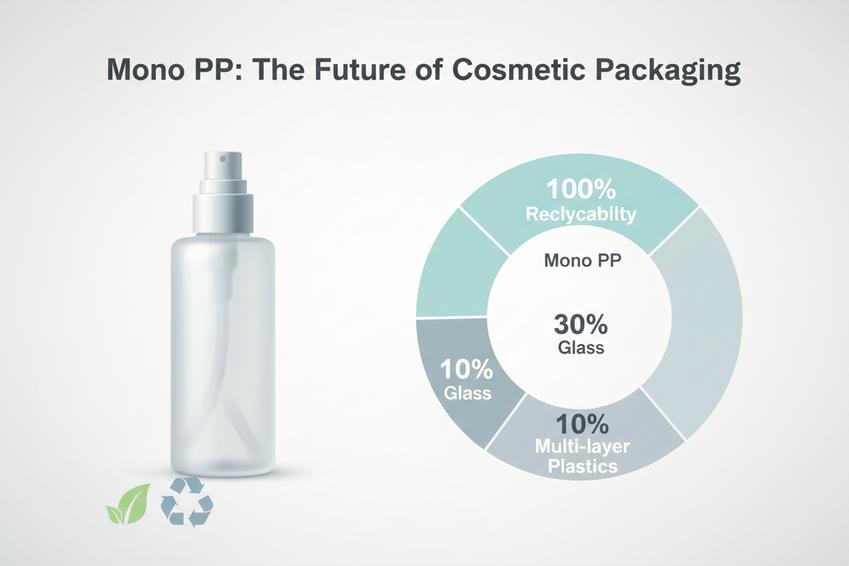
| Property | Mono PP | Glass | Multi-layer Plastics |
|---|---|---|---|
| Recyclability (%) | 100 | 30 | 10 |
| Energy Used (MJ/kg) | 2 | 15 | 8 |
| Average CO₂ Emissions (kg) | 1.55 | 7.6 | 4.2 |
| Post-use Processing Cost ($) | Low | High | Medium |
Mono pp material isn’t just recyclable—it’s designed for circularity from day one. Unlike glass or multi-layer plastics that often end up trashed due to sorting issues, mono pp flows easily through existing recycling systems worldwide. That means less landfill waste and lower carbon footprints across the board. Plus, when you factor in lifecycle assessments, it’s clear: this stuff is built to protect both your products and the planet.
From Glass to PP: The Shift in Cosmetic Packaging Trends
“By Q1 of 2024, over 40% of mid-tier beauty brands had transitioned at least one product line from glass containers to polypropylene-based alternatives.” — Euromonitor BeautyTech Insights
That stat says it all—cosmetic packaging trends are shifting fast toward pp packaging, especially the mono pp material variety. Why? Because it’s light enough to cut shipping costs but tough enough to survive drops without shattering like glass does. Shoppers love the portability; brands love the savings on logistics and breakage claims. Add growing consumer preference for sustainable options into the mix—and you’ve got a full-blown movement away from traditional materials toward smarter solutions.
Mono PP: A Superior Alternative to Traditional Packaging Materials
• Durability that outlasts PET
• Lower cost compared to glass
• Better environmental score than aluminum
Grouped together, these benefits make a compelling case for switching up your packaging game with mono pp material:
- Performance Benefits: It resists stress-cracking better than PET while maintaining clarity.
- Cost-effectiveness: Lower raw material prices and easier processing mean real savings.
- Versatility: Whether you’re making jars or pumps or droppers—this stuff molds like a dream.
- And here’s a kicker—brands like Topfeel are already pushing boundaries by using mono pp across entire product ranges.
The result? Better margins without compromising design or sustainability goals.
5 Reasons Why Mono PP Material is Ideal for Cosmetics
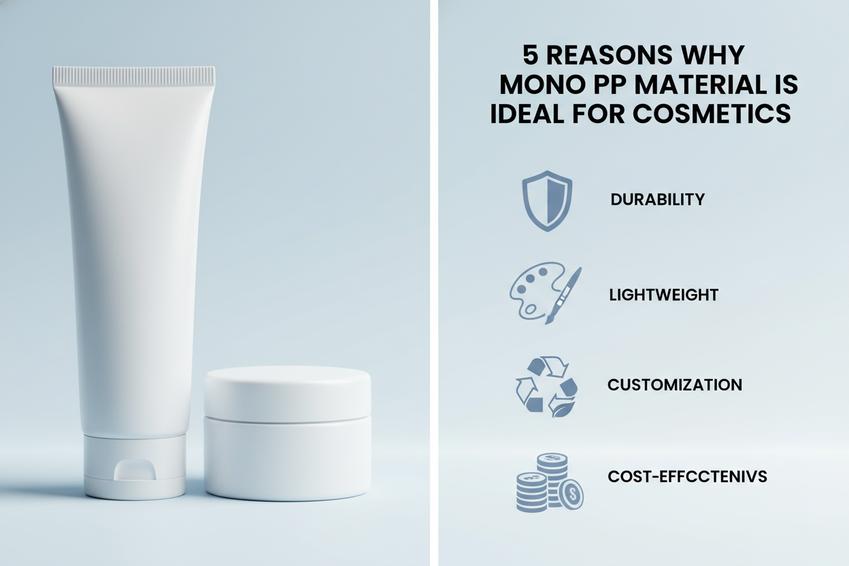
Choosing the right packaging isn’t just about looks—it’s about performance, sustainability, and brand identity. Here’s why mono pp material checks all the boxes.
Reason 1: Unmatched Durability in Cosmetic Tubes and Jars
- Crack resistance means products survive drops from countertops or bags.
- Thick wall strength protects creams and gels from contamination.
- Long shelf life due to excellent barrier properties.
When it comes to cosmetic tubes and jars, nothing beats the toughness of mono polypropylene. It holds up against pressure, doesn’t deform easily, and maintains its shape even under stress. That’s how you keep your product safe—and your customers happy.
Reason 2: Lightweight but Strong: The Best for Pumps and Caps
• Easy to carry, yet tough enough to handle rough handling? That’s what makes it perfect for pumps.
• Less weight = lower shipping costs = more profit margin.
• Its stiffness ensures that caps, closures, and other dispensing mechanisms stay secure without cracking or leaking.
Mono pp material isn’t just light—it’s smartly engineered for strength where it matters most.
Reason 3: Customizable Surface Finishes for Every Cosmetic Brand
You want your product to stand out on shelves? Mono pp gives you options:
- Glossy finishes that scream luxury
- Matte surfaces with a soft-touch feel
- Frosted textures that feel premium without breaking the bank
Each finish enhances your brand’s vibe while keeping packaging practical. With so much design flexibility, every cosmetic brand can find its signature look using this adaptable material.
Reason 4: Sustainability: Mono PP’s Role in Eco-Friendly Packaging
Let’s break down how mono pp supports green efforts:
| Feature | Impact on Environment | Recyclability Score | Resource Efficiency |
|---|---|---|---|
| Single-material design | Lowers sorting waste | ★★★★★ | High |
| Energy-efficient molding | Reduces emissions | ★★★★☆ | Moderate |
| Durable lifecycle | Cuts replacement needs | ★★★★★ | High |
This kind of packaging fits right into a circular economy model—less waste, more reuse. And yes, consumers are paying attention now more than ever to brands using recyclable materials like mono polypropylene.
Reason 5: Cost-Effectiveness and Efficiency in Cosmetic Manufacturing
Short bursts of insight show why this material wins at scale:
Quick-mold cycles mean faster production lines
Lower raw material cost compared to multi-layer plastics
Compatible with existing filling machines = no need for expensive upgrades
All these perks translate into major savings along the entire supply chain—from sourcing to final distribution. For manufacturers looking to cut costs without cutting corners, mono pp is an obvious choice.
Topfeel has already made the switch—and they’ve seen firsthand how optimizing with mono pp boosts both sustainability goals and bottom-line results.
Mono PP Material vs. PET: Which is Better for Cosmetics?
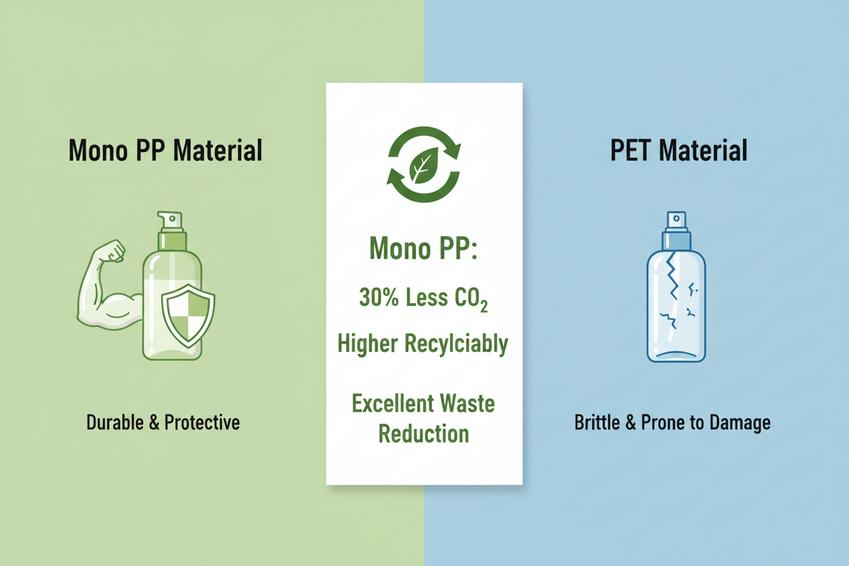
A quick side-by-side of mono pp material and PET in cosmetics packaging—think strength, sustainability, and style without the fluff.
Mono PP vs. PET: A Comparative Look at Durability
- Impact Resistance Mono polypropylene material takes a beating and still holds its shape. PET? Not so much—it cracks under pressure, literally.
- Flexibility & Stress Cracking PET tends to snap when bent too far, while mono pp material flexes without giving up. That means fewer leaks and breaks in transit.
- Scratch Resistance & Packaging Integrity Scratches are more visible on PET surfaces, especially after handling or shipping. In contrast, mono pp’s scratch resistance keeps your product looking fresh longer.
- Product Protection Strengths Thanks to its superior material strength, mono polypropylene reduces the risk of damage to creams or serums inside—especially important for premium skincare lines.
Which Material is More Sustainable for Cosmetic Packaging: Mono PP or PET?
According to a recent lifecycle assessment by the European Plastics Converters Association (2024), mono polypropylene packaging emits roughly 30% less CO₂ over its lifespan than PET equivalents—a stat that’s hard to ignore if you’re aiming for low-impact packaging solutions.
Here’s how they stack up:
| Sustainability Factor | Mono PP Material | PET | Winner |
|---|---|---|---|
| Recyclability Rate | High | Moderate | Mono PP |
| Carbon Footprint (kg CO₂) | ~1.5 | ~2.2 | Mono PP |
| Circular Economy Support | Strong | Limited | Mono PP |
| Waste Reduction Potential | Excellent | Fair | Mono PP |
PET still plays a role in some systems, but when it comes to building a true circular economy, mono polypropylene leads with better recyclability, lower overall resource consumption, and reduced long-term environmental impact. One packaging engineer from Topfeel even noted that “switching from PET to mono pp cut our landfill-bound waste by half.” That’s not just smart—it’s sustainable.
FAQs
1. Why do many cosmetic brands choose mono pp material for packaging?
Mono PP attracts attention across beauty manufacturing lines—
- Built from a single polymer, it simplifies recycling and reduces waste.
- Lighter than glass or aluminum yet sturdy against daily drops and travel friction.
- Suits bottles, jars, and tubes crafted through injection molding or blow molding processes.
2. How does mono pp enhance durability in practical use?
It resists stress cracks that often harm traditional plastic bottles or pumps. The balance of flexibility and strength keeps caps snapping firmly in place after every refill cycle—ideal for skincare cream containers enduring constant squeezing pressure.
3. Can premium looks still be achieved with mono pp material?
Absolutely; finishing touches define perception:
| Surface Finish | Decorative Method | Common Product Use |
|---|---|---|
| Matte/Glossy | Silk screening | Foundation & Lipstick |
| Frosted | Spray coating | Skincare cream bottling |
| Metallic glow | Hot stamping / Vacuum metallization | Mascara tubes & compact cases |
Each method adds texture without harming recyclability—a quiet marriage of aesthetics and sustainability.
4. What cost advantage can brands expect compared to PET packaging?
A short branch-line story: weight savings reduce transport fuel by nearly 20%. Assembly efficiency rises because only one resin stream is managed during extrusion or molding; less sorting means less spending, giving mass producers an edge within tight production cycles.
5. How suitable is mono pp material for eco-forward collections?
♻ Recyclable by design—it flows easily back into the circular economy.
♡ Compatible with PCR blends when stricter green goals are required.
• Avoids multi-layer composites once typical in powder jar designs.
This combination creates strong harmony between function, aesthetic care, and environmental responsibility – a balance modern consumers instantly recognize on shelf display edges glowing under store light energy like quiet proof of change made tangible through thoughtful choice of material alone.
References
- [Topfeel Packaging – https://www.topfeelmakeup.com/]
- [European Plastics Converters (EuPC) – https://www.plasticsconverters.eu/]
- [Euromonitor International – https://www.euromonitor.com/]

