 English (Canada)
  English
  English (UK)
  English (Australia)
  العربية
  Deutsch
  Italiano
  Español de México
  Tiếng Việt
  ไทย
ไทย  Português do Brasil
  Français
  Български
  Čeština
  Dansk
Dansk  Ελληνικά
  Eesti
Eesti  Suomi
Suomi  Magyar
  Bahasa Indonesia
  Lietuvių kalba
  Latviešu valoda
  Norsk bokmål
  Nederlands (Formeel)
  Polski
  Română
  Русский
  Slovenčina
  Slovenščina
  Svenska
  Türkçe
  Українська
  简体中文
简体中文  日本語
日本語  한국어
한국어  繁體中文
繁體中文 
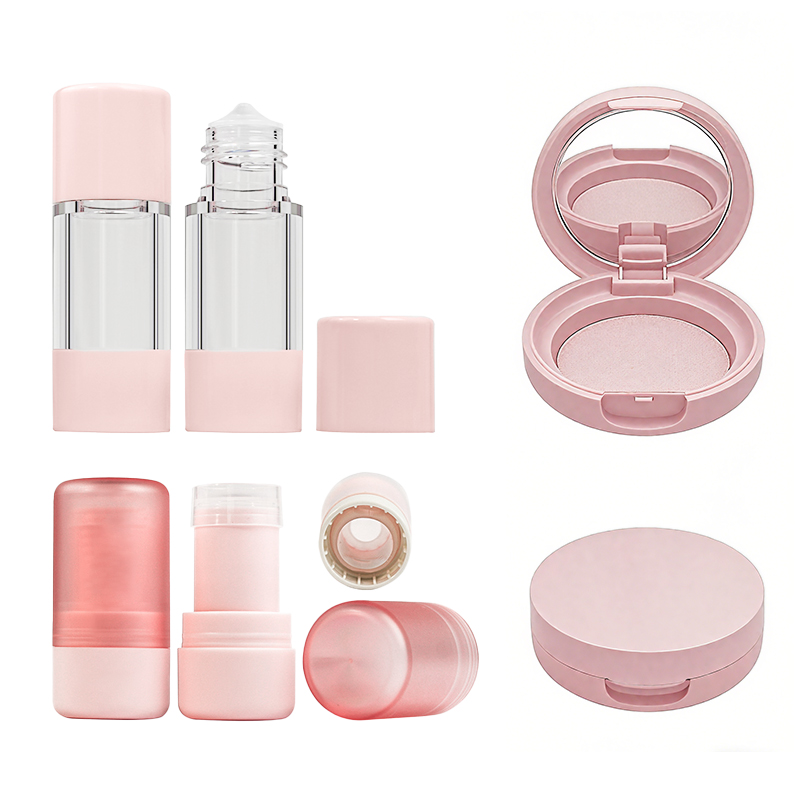
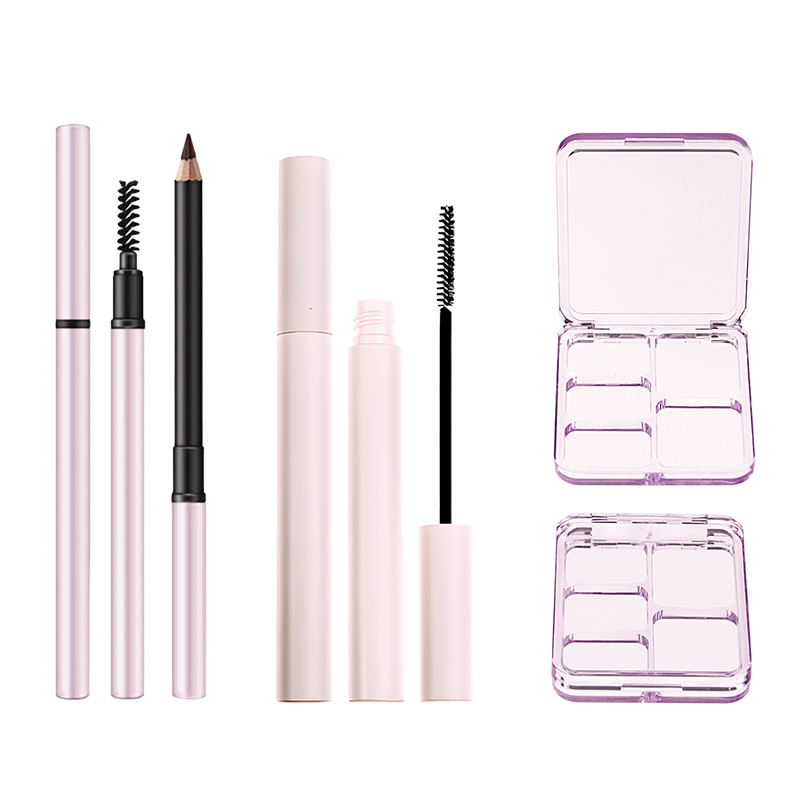
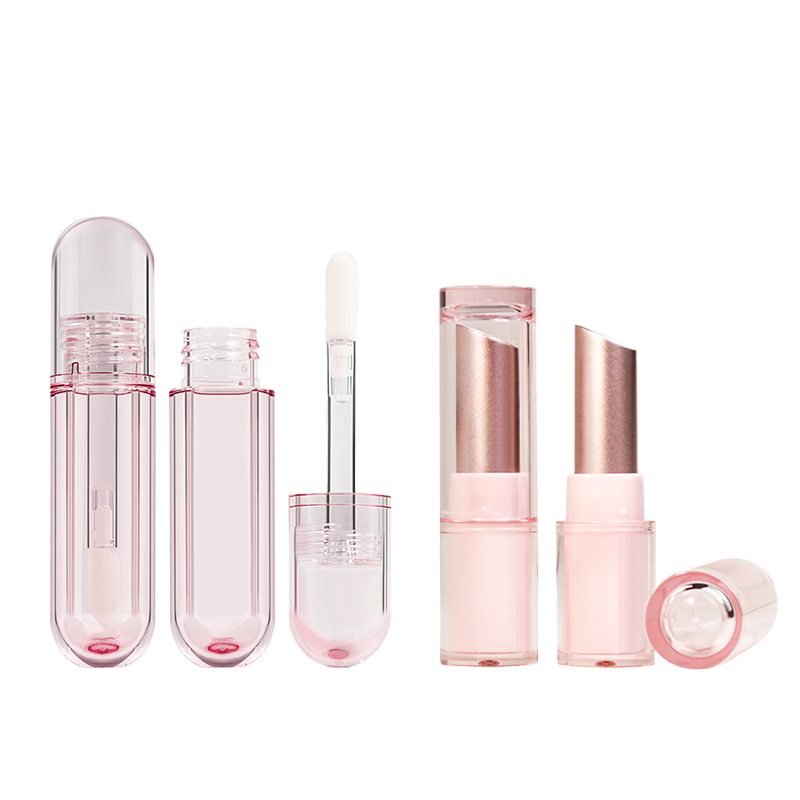

How to choose the perfect lip balm containers tube for your brand’s success
January 04,2026
You’ve got a killer lip balm formula—smooth, nourishing, maybe even edible—but if your lip balm containers tube looks like it time-traveled from 2004… well, good luck standing out on the shelf. Packaging speaks before your product does. And at scale? That whisper becomes a billboard.
One misstep—flimsy plastic, awkward twist mechanism, or labels that smudge in transit—and your brand’s reputation takes the hit. Consumers won’t send feedback; they’ll just toss it in the “meh” pile and move on. In bulk production, there’s no room for maybes.
Success here isn’t about flashy designs—it’s about smart choices that work with consumer habits and manufacturing logic. You’re not just picking a container; you’re shaping how thousands of people experience your brand without even realizing it.
Essential Insights for Choosing Lip Balm Containers Tube
➔ Container Design Influence: The design of lip balm containers tube reflects your brand identity and impacts consumer trust and perception.
➔ Material Choices Matter: Polypropylene, aluminum, and eco-friendly resins play crucial roles in durability, aesthetics, and sustainability.
➔ Consumer Preferences: Ease of use, custom print options, and sustainability features are significant factors influencing buyer decisions.
➔ Cost vs. Quality: Balancing material costs with quality standards, such as GMP compliance, ensures a competitive edge.
➔ Design Mistakes to Avoid: Avoid complex closure types and insufficient decoration options to maintain user satisfaction and appeal.
➔ Future Trends: Keep an eye on innovations in eco-friendly materials and customizable designs to stay ahead in the market.
Understanding the Importance of Lip Balm Containers Tube
Your lip balm’s container isn’t just a shell—it’s your product’s handshake with the customer. Let’s unpack why that little tube matters more than you think.
Why the Right Container Design Impacts Brand Image
- Sleek, modern tubes can elevate a brand’s visual appeal, especially when paired with bold colors or minimalist design.
- Rounded edges and ergonomic shapes signal care and quality, reinforcing a strong brand identity.
- Transparent or frosted finishes help convey purity, trust, and authenticity—key ingredients for building solid consumer perception.
When it clicks visually and functionally, your tube isn’t just packaging—it becomes part of your story. For brands like Topfeelpack, this is where aesthetic meets strategy.
The Role of Packaging in Consumer Perception
A recent NielsenIQ study from early 2024 highlighted that nearly 70% of shoppers make snap judgments based on appearance alone. That means your packaging isn’t background noise—it’s front and center.
• A smooth matte finish can suggest luxury; glossy plastic might scream budget-friendly convenience. • The unboxing moment—clicking open that balm cap—creates an instant tactile impression tied to product quality. • Durable materials imply lasting value while also boosting perceived hygiene.
Every detail—from color to texture—shapes how people feel about what’s inside that tiny lip balm tube.
Factors Influencing Purchase Decisions in Lip Balm Containers
Grouped into three key areas:
Functionality & Convenience
- Flip-top lids or twist-up mechanisms improve user experience.
- Compact sizes fit easily into pockets or purses for on-the-go use.
Sustainability & Material Choice
- Biodegradable plastics and refillable containers are gaining traction fast.
- Consumers now actively seek out sustainable cosmetic packaging options when buying lip balm containers tube products.
Aesthetic & Price Point
- Pastel tones often appeal to younger buyers; metallics lean toward premium markets.
- Pricing still plays a role—but not at the cost of poor design or weak durability.
The takeaway? People want their balm tubes smart, stylish, and sustainable—and they’re willing to pay for it if it checks all three boxes.
Compliance and Safety: Importance in Container Selection
You can’t skip safety when picking out containers for lip balms—it’s non-negotiable:
- Materials need to be FDA-approved for direct skin contact; anything less could risk contamination issues down the line.
- Child-resistant closures may be required depending on active ingredients inside the balm formula.
- Labeling must meet strict guidelines—ingredient clarity, usage warnings, batch codes—all part of regulatory compliance protocols.
Regulations aren’t just red tape—they’re trust builders that protect both users and your brand’s reputation. Choosing a safe container means choosing long-term credibility within a competitive market full of similar-looking lip balm tubes.
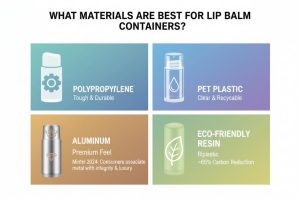
What Materials Are Best for Lip Balm Containers?
Finding the right material for your lip balm containers tube isn’t just about looks—it’s about function, feel, and environmental impact.
Polypropylene Plastic vs. PET Plastic: Which is Better?
- Polypropylene is tough. Think drop-it-on-the-floor-and-it-survives kind of tough.
- It’s also wallet-friendly, making it perfect for budget-conscious indie brands.
- On the other hand, PET plastic shines with its transparency and smooth finish—great if you want to show off tinted formulas.
- PET resists oils and acids better than polypropylene.
- Polypropylene can handle higher heat without warping.
- PET has better oxygen barrier properties—ideal for preserving delicate ingredients.
✔️ PET is easier to recycle in many regions due to existing infrastructure.
If you’re aiming for high clarity and chemical resistance, go with PET plastic. For ruggedness and cost savings? Stick with polypropylene.
Short answer? Both have their perks—choose based on what your balm needs most: protection or presentation.
Aluminum Metal: The Premium Choice for Lip Balm Packaging
• Want something sleek that screams “premium”? Go with aluminum.
• It’s not just pretty—it’s durable as heck and keeps products safe from light and air exposure.
• Plus, it’s endlessly recyclable without losing quality. That’s sustainability done stylishly.
Aluminum also boosts perceived value—a big win if you’re positioning your brand as upscale or eco-luxe. According to Mintel’s 2024 Packaging Trends Report, “consumers are increasingly associating metal packaging with product integrity and luxury.”
And let’s be honest—twisting open a cool-to-the-touch aluminum tube feels way more satisfying than plastic any day of the week.
Eco-Friendly Resin: The Future of Sustainable Lip Balm Tubes
Eco-friendly resins are turning heads—and rightly so—for anyone serious about cutting down plastic waste in their product lines.
Grouped by type:
- 🌱 Bioplastics: Made from renewable sources like corn starch; compostable under the right conditions.
- ♻️ Post-consumer recycled (PCR) resins: Give new life to old plastics; reduce virgin material usage.
- 🧪 Hybrid blends: Combine biodegradable elements with traditional plastics for improved performance while lowering environmental impact.
Here’s how they stack up:
| Resin Type | Source Material | Compostable? | Avg Carbon Reduction |
|---|---|---|---|
| Bioplastic | Corn/Sugarcane | Yes | ~65% |
| PCR Resin | Recycled Plastics | No | ~45% |
| Hybrid Bio+PET | Mixed | Partially | ~30% |
Sure, these options can cost more upfront—but they speak volumes about your brand values. And when customers see that you’re using an eco-friendly lip balm tube, loyalty tends to follow fast.
Topfeelpack offers customizable options across all three materials—plastic, metal, and sustainable resin—to help brands match their vibe without compromising on quality or conscience.
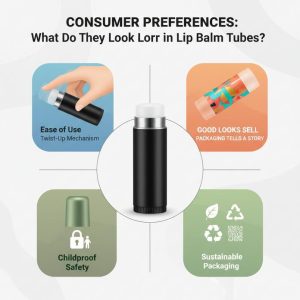
Consumer Preferences: What Do They Look For in Lip Balm Tubes?
What do people actually care about when picking out their favorite lip balm? Let’s break down the little things that make a big difference.
Ease of Use: The Appeal of Twist-Up Tubes
• People love lip balm tubes that are easy to open and apply—especially when they’re on the move. A pp twist up lip balm stick packaging lets users glide the product on with one hand, no fuss.
• No sticky fingers, no digging around—just smooth, convenient application every time.
• The compact size and portable nature of twist-ups makes them purse-, pocket-, and backpack-friendly.
Twist-up tubes aren’t just handy; they’re practical, clean, and satisfyingly simple to use. That’s why they remain a top choice for anyone juggling keys, coffee cups, or commutes.
Custom Print Options That Attract Attention
There’s more than one way to catch someone’s eye on a crowded shelf:
— Bold custom cosmetic packaging with vibrant colors can instantly communicate your brand vibe. — Raised textures like embossing or foil accents add tactile interest to the tube design. — Clever use of label printing allows brands to rotate seasonal designs without changing the mold.
According to Mintel’s Packaging Trends Report 2024, “Consumers are drawn to packaging that tells a story through visuals.” In short? Good looks sell—and great graphics keep customers coming back.
Child-Resistant Closures: Meeting Consumer Safety Demands
Parents want peace of mind, and these closures deliver:
• Built-in safety features like push-and-turn caps meet strict compliance standards, keeping kids out while staying adult-friendly.
• These closures help prevent accidents without sacrificing style or function—a win for families everywhere.
• As more products enter multi-use households, demand for childproof packaging has grown fast across skincare and cosmetics categories.
When it comes to protecting little ones from accidental exposure, secure packaging isn’t optional—it’s essential. And consumers are definitely paying attention.
Sustainability Features: How Eco-Conscious Consumers Choose
♻️ Recycled paperboard tubes? Biodegradable plastics? Yes please. Shoppers today want options that align with their values—and ditching waste is high on that list.
More buyers now seek out lip balm containers made from: — Post-consumer recycled materials for lower environmental impact; — Compostable components that break down naturally; — Refillable formats supporting long-term reuse cycles.
Eco-aware shoppers aren’t just talking—they’re buying based on sustainability claims backed by real action. Choosing greener packaging isn’t just trendy anymore—it’s expected among modern conscious consumers using lip balm containers tube daily.
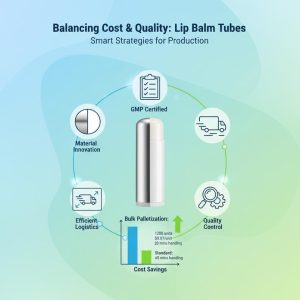
Balancing Cost and Quality in Lip Balm Tubes
Finding the sweet spot between affordability and excellence is key when producing high-quality lip balm containers tube. Here’s how smart choices can cut costs without cutting corners.
The Price of Materials: Weighing Polypropylene vs. Aluminum
- Polypropylene tubes are super wallet-friendly, lightweight, and easy to mold.
- Aluminum gives off that sleek, upscale vibe but hits harder on your budget.
- If you’re launching a luxury line, aluminum might be worth it. For mass-market? Polypropylene wins.
- Some brands blend both materials—plastic interiors with metal exteriors—for a balanced look and feel.
- Remember, material choice affects not only price but also recyclability and shelf appeal.
Whether you’re opting for plastic or metal lip balm tube containers, knowing your target market helps guide the right material pick.
GMP Compliance: Ensuring Quality While Keeping Costs Down
- Stick to GMP guidelines from day one—it saves you costly recalls down the road.
- Integrate quality checks during every production stage instead of just at the end.
- Automate where you can; machines don’t slack off or take coffee breaks.
- Document everything—auditors love paper trails.
- Train your team well so they don’t mess up the batch halfway through production.
Maintaining quality assurance under strict manufacturing standards doesn’t have to wreck your margins if done smartly.
Shipping Considerations: Balancing Expenses and Efficiency
• Shipping’s not just about boxes—it’s about timing, volume, and routes. • Go with regional hubs to cut down on long-haul freight charges. • Use air freight only when speed trumps cost; otherwise, stick with ground or sea options. • Keep an eye on temperature-sensitive formulas—some balms melt faster than ice cream in July! • Partnering with reliable carriers means fewer lost pallets and better delivery tracking.
Smart logistics planning ensures that your bulk orders of empty lip balm container tubes arrive intact—and on time.
The Cost Benefits of Bulk Palletization
Grouped into three main perks:
🟢 Storage Efficiency: Stackable pallets help maximize warehouse space while keeping products organized. 🟢 Reduced Freight Costs: More units per load = fewer trips = lower overall shipping bills. 🟢 Faster Handling: Forklifts love pallets; less manual labor means quicker loading/unloading times.
| Packaging Type | Units per Pallet | Avg Cost/Unit ($) | Handling Time (mins) |
|---|---|---|---|
| Loose Boxes | 500 | 0.12 | 45 |
| Semi-Palletized | 800 | 0.09 | 30 |
| Full Pallet | 1200 | 0.07 | 20 |
As shown above, full palletization significantly cuts both cost per unit and handling time—perfect for scaling up your lip balm packaging game fast.
Quality Control Standards That Matter in Manufacturing
Multiple short takes:
– Every batch of lip balm containers tube should undergo visual inspection for cracks or deformities before filling even begins. – Use standardized testing tools like torque meters to ensure cap fit consistency across runs. – Follow ISO-certified processes for cleanliness—no one wants mystery particles in their balm! – Random product sampling helps catch errors early without slowing down full production lines too much.
Sticking to real-deal certifications like FDA approval or ISO keeps customers safe—and regulators off your back—all while maintaining efficient output levels.
Topfeelpack gets it right by balancing premium quality with budget-conscious practices across every step of their packaging process—from raw materials to final shipment out the door.
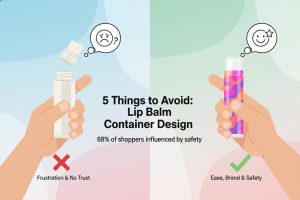
5 Things to Avoid When Designing Lip Balm Containers Tube
Designing lip balm containers tube seems simple—until it isn’t. Here’s what can quietly ruin your product before it even hits the shelf.
Overcomplicating Closure Types: The Case Against Snap-Fit Lids
- Snap-fit lids might look sleek, but they often frustrate users who just want a smooth twist and go.
- If the closure type isn’t intuitive, people won’t come back for more.
- Ease of use, especially for on-the-go reapplication, is non-negotiable in personal care packaging.
Most users prefer closure types that work with one hand and don’t pop off in bags. A good rule? If it takes more than two seconds to open, rethink it. Brands that prioritize user-friendly container sealing see higher repurchase rates—because nobody wants a lip balm that opens in their pocket and ruins their jeans.
Ignoring Proper Decoration Options: What Not to Skimp On
- Custom printed wraps make your product pop on shelves.
- High-quality finishes like matte or gloss elevate perceived value.
- Embossed logos support long-term brand identity recall.
A bland tube is forgettable, no matter how good the formula inside is. Strong packaging aesthetics signal professionalism and care—two things consumers associate with quality. Investing in better decoration options, like foil stamping or UV spot coating, helps your product stand out among dozens of other tubes fighting for attention at checkout counters.
Failing to Test for Tamper-Evident Seals: The Risks
• No seal? That’s a red flag for buyers concerned about hygiene and safety. • Weak seals break during shipping—bad news for both retailers and customers. • Poorly applied seals damage trust fast.
According to Mintel’s Global Packaging Trends Report (2024), 68% of skincare shoppers say visible proof of safety influences their purchase decision. That makes testing your tamper-evident seals not just smart—it’s essential.
If you’re skipping this step, you’re gambling with your brand’s reputation and risking consumer backlash if something goes wrong post-purchase.
| Seal Type | Consumer Trust Level | Cost Efficiency | Recommended For |
|---|---|---|---|
| Shrink Bands | High | Medium | Mass-market products |
| Breakaway Caps | Very High | Low | Premium offerings |
| Adhesive Stickers | Medium | High | Small batch brands |
| Induction Sealing | Very High | Medium | Long shelf-life items |
Tamper-proofing isn’t just about compliance—it builds real-world trust where it matters most: right at the point of use.
Final Thoughts on Selecting the Perfect Lip Balm Container Tube
Finding the right lip balm containers tube isn’t just about looks—it’s about function, feel, and what your customers care about most.
Key Takeaways for Successful Lip Balm Tube Selection
• Brand alignment is key—your packaging should reflect your product’s vibe. A sleek private label lip color tube cosmetic? Great for luxury. A colorful twist-up? Perfect for fun-loving teens.
• Think long-term with material durability. Flimsy tubes crack under pressure (literally). Go for plastics or metals that can handle being tossed in a purse or pocket.
• The right applicator design can make or break user experience. Slanted tips offer smooth application, while flat tops suit stickier formulas better.
- Consumers notice when packaging feels cheap—don’t skimp on quality.
- Match your tube size and shape to where it’ll live: travel-size balm needs different specs than one meant for home use.
- Look at competitors to ensure strong market fit, but don’t copy—stand out smartly.
✦ Don’t underestimate visual appeal. A well-designed label and cap can boost shelf presence dramatically.
When you balance cost-efficiency with thoughtful touches like recyclable materials and ergonomic shapes, you’re not just selling balm—you’re giving people something they enjoy using every day.
A few quick pointers: – Prioritize sustainability factors, especially if your target audience values eco-conscious products. – Always test seal integrity before going into production; leaks are deal-breakers. – Keep in mind: simplicity often wins over complexity in packaging design.
In the end, successful selection means aligning form with function while keeping an eye on budget and consumer expectations—a tricky dance, but worth mastering.
The Future of Lip Balm Packaging: Trends to Watch
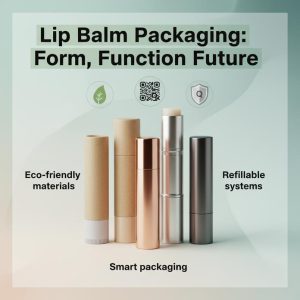
• Expect more brands to adopt eco-friendly materials, especially biodegradable plastics and compostable paper tubes that reduce landfill waste without compromising product safety.
• Reusability is gaining steam—refillable systems are popping up across skincare lines, offering consumers both savings and sustainability in one neat package.
• Smart tech is creeping into beauty too: think QR codes linking to ingredient info or AR filters showing how a tinted balm looks on different skin tones—welcome to smart packaging 101.
- Minimalism isn’t going anywhere; clean fonts, soft colors, and uncluttered graphics are dominating shelves.
- Customization is becoming standard—brands now let buyers personalize labels or even scent blends thanks to rising demand for personalization.
- Consumers want transparency from brands—clear labeling and visible product through frosted tubes meet that need stylishly.
☼ Biodegradable doesn’t mean boring anymore; new-gen bioplastics offer flexibility, color options, and stability under heat—all crucial for lip balms that travel everywhere from beaches to ski slopes.
Tomorrow’s winners won’t just be pretty—they’ll be practical too: – Tubes made from ocean-bound plastic? Already here. – Modular designs that snap into multi-use cases? Gaining traction fast. – Easy-to-recycle caps paired with mono-material bodies? That’s the future of recyclable options done right.
The shift toward smarter, cleaner lip balm containers tube isn’t slowing down anytime soon—and staying ahead means evolving with it instead of playing catch-up later.
FAQs about Lip Balm Containers Tube
1. What makes some materials more appealing for large orders?
Choosing the right material speaks volumes to buyers—
- Polypropylene plastic: light, cost-efficient, ideal for twist-up tubes in huge batches.
- Aluminum metal: sleek, premium feel; pairs beautifully with hot stamping.
- PET plastic: clear visibility of colors and additives inside.
Eco-friendly resin or cardboard paper can spark genuine delight in clients who value recycled content and biodegradable materials.
2. How does container type affect customer experience?
Like personalities on a shelf: retractable sticks whisper convenience, squeeze tubes lean into casual quick use, push-up containers carry that artisanal charm, while refillable cartridges hint at long-term companionship between product and buyer.
3. Which closure types inspire trust during shipping and handling?
In freight journeys where bumps are certain—
- Screw-on caps stay grounded through bulk palletization’s tight embrace.
- Tamper-evident seals breathe peace of mind into customs clearance moments.
- Child-resistant closures tell parents their safety concerns are heard without compromise.
4. Why is decoration such a decisive part of brand image?
The moment fingers meet embossing designs or eyes catch the shimmer of hot stamping—the brand becomes memory:
| Option | Effect on Shelf Presence | Typical Use Case |
|---|---|---|
| Custom printing | Bold storytelling | Young brands seeking identity clarity |
| Label application | Quick refresh | Seasonal limited editions |
| Debossing patterns | Understated elegance | Minimalist collections |
A design isn’t just ink—it’s personality pressed into form.
5. Which manufacturing standards help ensure global acceptance?
When packaging faces international scrutiny: GMP compliance steers quality from factory floor to display rack; ISO certification shapes consistent performance; FDA approval frames consumer safety assurance; REACH compliance preserves confidence across Europe; RoHS certification keeps toxic limitations strict yet dependable.
6. What strategies lower shipping expenses but protect product integrity?
True savings live in smart practice—
• Protective packaging cradles each lip balm tube against temperature control swings during international freight voyages.
• Bulk palletization cuts wasted space so fuel isn’t burned carrying air instead of goods.
Every mile traveled then feels like an efficient handshake between maker and merchant, guarded by solid planning rather than risky shortcuts.
References
[NielsenIQ Consumer Outlook 2024 – https://nielseniq.com]
[Mintel Global Packaging Trends 2024 – https://www.mintel.com]
[FDA Cosmetic Product Packaging – https://www.fda.gov]
[APR Design Guide for Plastics Recyclability – https://plasticsrecycling.org]
[ISO 22716:2007 Cosmetics Good Manufacturing Practices – https://www.iso.org]

