 English (Canada)
  English
  English (UK)
  English (Australia)
  العربية
  Deutsch
  Italiano
  Español de México
  Tiếng Việt
  ไทย
ไทย  Português do Brasil
  Français
  Български
  Čeština
  Dansk
Dansk  Ελληνικά
  Eesti
Eesti  Suomi
Suomi  Magyar
  Bahasa Indonesia
  Lietuvių kalba
  Latviešu valoda
  Norsk bokmål
  Nederlands (Formeel)
  Polski
  Română
  Русский
  Slovenčina
  Slovenščina
  Svenska
  Türkçe
  Українська
  简体中文
简体中文  日本語
日本語  한국어
한국어  繁體中文
繁體中文 
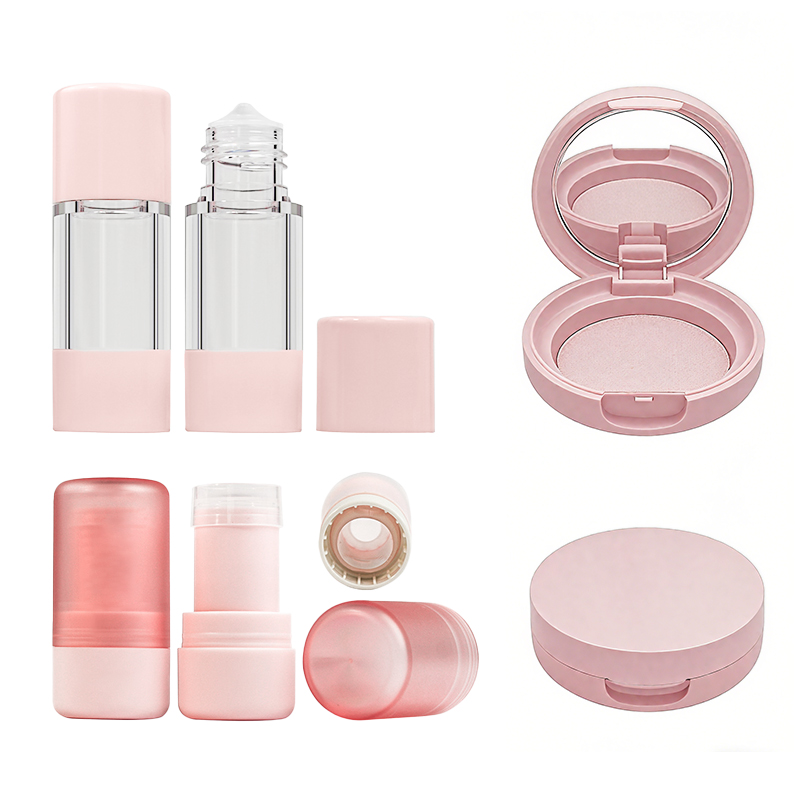
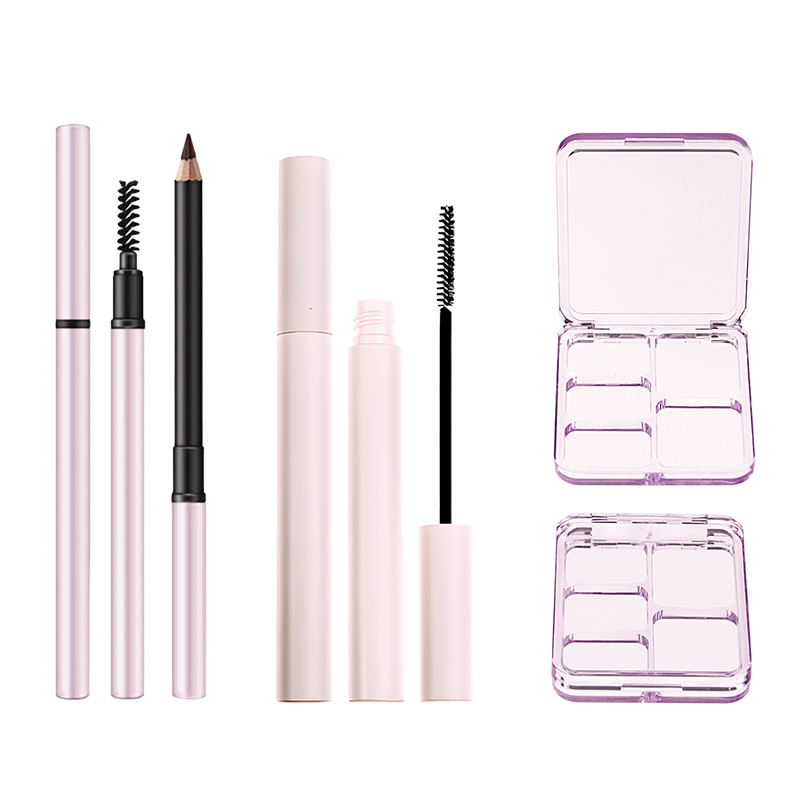
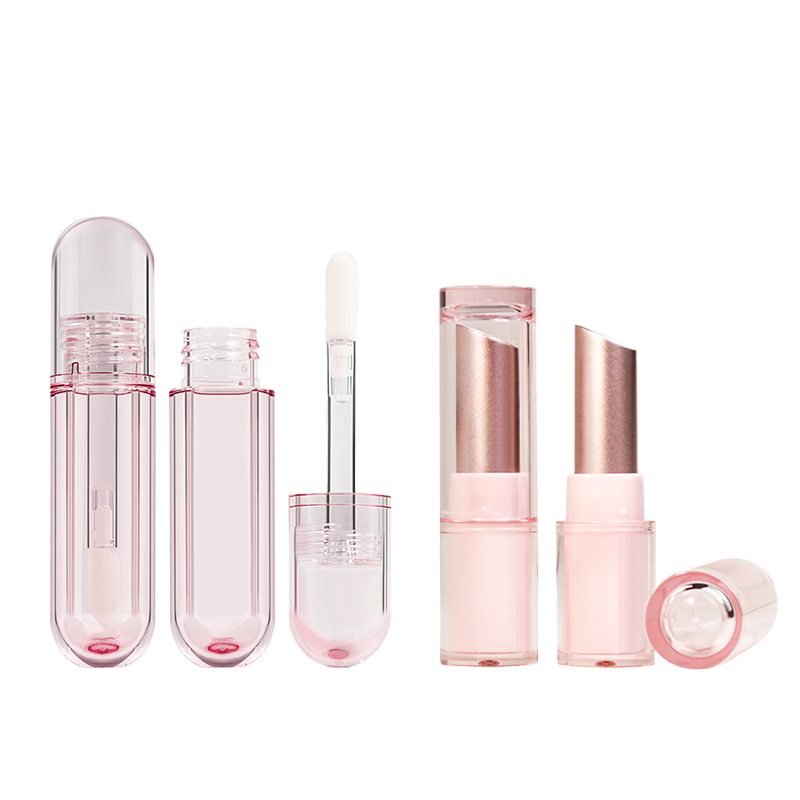

Sustainable Beauty: Clever Ways to Repurpose Empty Cosmetic Containers
January 04,2026
You’ve seen them—empty cosmetic containers piling up like tiny plastic tombstones on your vanity. Lipstick tubes with one last stubborn smear, that eyeshadow palette you swore you’d finish someday… all waiting for their final curtain call. But what if these cast-offs were more than just trash? What if they were the unsung heroes of your brand’s next big sustainability win?
Big brands are already catching on: packaging isn’t just a delivery system—it’s part of the product story. Consumers want beauty that does good, not just looks good. Buy smart, design smarter, and you’ve got packaging people actually keep—and brag about.
Insights into Empty Cosmetic Containers: Maximizing Potential and Reducing Waste
- Impact of Beauty Waste: The beauty industry generates a large amount of plastic waste, with numerous containers ending up in landfills shortly after use.
- Sustainable Solutions: Shifting to sustainable packaging, like eco-friendly PCR plastics and recyclable aluminum shells, helps reduce this waste and promotes environmental responsibility.
- Consumer Trends: There is a growing consumer demand for eco-friendly products, paving the way for brands to embrace sustainable packaging as a competitive advantage.
- Creative Repurposing: Empty cosmetic containers can be repurposed for DIY projects, extending their lifecycle and minimizing waste.
- Upcycling Benefits: Utilizing upcycled materials in packaging not only enhances brand image but also supports a circular economy by promoting reuse and recycling.
The Role of Sustainable Beauty in Reducing Waste
Sustainable beauty’s more than a trend—it’s a movement cutting down on trash and calling out wasteful habits in the industry.
The Impact of Beauty Industry Waste
• Over 120 billion cosmetic packages are produced yearly, most of which end up in landfills, clogging up ecosystems.
• A large chunk of this waste comes from single-use plastic—non-recyclable and non-biodegradable.
• Environmental impact isn’t just about what’s visible; microplastics from discarded packaging seep into oceans and food chains.
- Plastic caps, tubes, and wrappers often can’t be recycled due to mixed materials.
- Luxury packaging tends to use even more layers, increasing the pollution prevention challenge.
❖ And let’s not forget: the rise of mini-sized products has only worsened the problem.
The beauty world’s obsession with aesthetics often overlooks how much junk it leaves behind after that final swipe of lipstick or pump of cream.
Short-term glam shouldn’t mean long-term damage. Tossing out those empty jars? That’s part of the problem—and where change starts.
Shifting to Sustainable Packaging Solutions
• Brands are swapping virgin plastics for eco-friendly alternatives like post-consumer resin (PCR).
• Refillable systems are gaining traction—think magnetic palettes or twist-up deodorant sticks with reusable shells.
• More companies now invest in aluminum or glass components for their low environmental footprint and recyclability.
Here’s a quick look at material sustainability:
| Material Type | Recyclability (%) | Carbon Footprint Score | Avg Decomposition Time |
|---|---|---|---|
| Virgin Plastic | 10 | High | 400+ years |
| PCR Plastic | 60 | Medium | 100–200 years |
| Aluminum | 90 | Low | ~100 years |
| Glass | 80 | Low | Indefinite (reusable) |
Switching to smarter materials is a move toward resource conservation, but it also opens doors for creative design without compromising sustainability goals.
Empty compact cases, lipstick tubes, or foundation bottles made with recycled content can drastically cut down on carbon output while still looking sleek on your vanity.
Consumer Demand for Eco-Friendly Products
- Shoppers today care as much about ethics as they do about aesthetics—clean formulas aren’t enough anymore if they come wrapped in wasteful plastic.
- A growing wave of eco-savvy buyers now chooses brands that prioritize waste reduction through conscious packaging choices.
- Social media buzz around zero-waste routines has fueled interest in refill stations and compostable containers.
- Even Gen Z is driving demand by calling out greenwashing and pushing for transparency in sourcing and production practices.
- Reviews now often mention how easy it is to recycle or reuse an item once empty—a new standard for product quality.
From reusing old mascara tubes as brow spoolies to turning lotion jars into travel-size containers, consumers are finding clever ways to extend the life of their empty cosmetic containers instead of just pitching them after use.
When people start seeing packaging as part of the product—not just something to toss—they’re more likely to support brands doing right by the planet.
And yes, even one-time-use items can spark better habits when designed smartly—with modular parts or biodegradable finishes that nudge users toward more mindful disposal choices.
By embracing these shifts together—from brands innovating smarter designs to consumers demanding better—we move closer to a future where beauty doesn’t come at Earth’s expense.
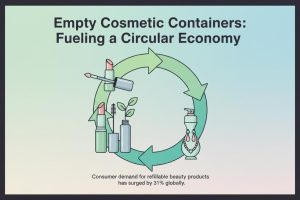
How Empty Cosmetic Containers Can Encourage Eco-Friendly Practices
Reusing and rethinking your makeup empties? Turns out, those little cases can do big things for the planet—and your creativity.
Repurposing Containers for DIY Projects
Got a stash of old beauty packaging lying around? Here’s how to give those empty cosmetic containers a second life:
- Turn lipstick tubes into sleek DIY travel containers for pills, toothpicks, or emergency bobby pins.
- Use clean mascara bottles as mini paintbrush holders or to store essential oils in compact spaces.
- Convert old eyeshadow palettes into portable watercolors trays or sorted storage for beads and sequins.
- Fill empty foundation pump bottles with hand sanitizer or lotion when you’re on the go—perfect travel-size solutions.
- Reimagine broken powder compacts as cute little jewelry holders, especially handy for rings and earrings during travel.
These hacks aren’t just fun—they keep plastics outta landfills while giving your stash some serious upcycle flair.
Supporting a Circular Economy
When we talk about sustainability, it’s not just about tossing things into the blue bin—it’s about creating loops that last. That’s where the circular economy shines:
• Reusing components from empty cosmetic containers, like pumps and caps, reduces demand for virgin materials—less extraction, less pollution.
• Some brands now offer refill stations or take-back programs that collect your used containers and reintegrate them into new packaging lines.
• A report by Euromonitor International notes that “consumer demand for refillable beauty products has surged by 31% globally,” pushing more brands toward circular models.
By choosing to recycle or repurpose items like old compact cases, you’re not just decluttering—you’re fueling a smarter system where waste becomes resource.
Promoting Sustainable Beauty Choices
Tiny changes can spark big shifts—and it starts right at your vanity:
Reuse before recycle: That empty gloss tube? Clean it out and fill it with homemade lip balm using beeswax and coconut oil.
Skip single-use minis: Instead of buying travel-size toiletries, refill cleaned-out foundation bottles or small vials from larger ones at home.
Choose smarter next time: Look out for products sold in reusable formats—like stackable jars or modular palettes you can swap colors in and out of.
Every time you repurpose an item instead of trashing it, you’re voting with your habits—for less waste, more intention, and a whole lot more style.
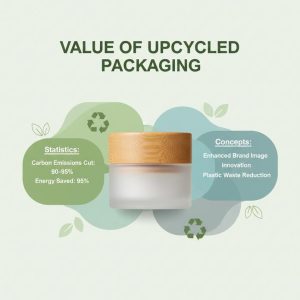
Understanding the Value of Upcycled Materials in Packaging
Eco-packaging isn’t just a trend—it’s a loud statement. Let’s break down why upcycled materials are turning heads and winning hearts.
Upcycling Materials to Enhance Brand Image
♻️ When brands use upcycled bits like repurposed wood, recycled aluminum, or discarded ocean plastic, it screams “we care.” That kind of message sticks with people.
• It makes your brand look smart and responsible.
• Customers love supporting brands that walk the talk on sustainability.
• It sets you apart in a market full of cookie-cutter packaging.
TOPFEELPACK CO., LTD has nailed this balance by creating sleek designs using reclaimed resources—think cosmetic packaging that feels premium but keeps waste out of landfills.
Benefits of Recycled Materials for Packaging
You want facts? Here’s what using recycled stuff really does:
| Material Type | Carbon Emissions Cut (%) | Energy Saved (%) | Avg. Recycling Rate (%) |
|---|---|---|---|
| Recycled Glass | 20–25 | 30–35 | 33 |
| PCR Plastic | 40–60 | 50–70 | 9 |
| Reclaimed Aluminum | 90–95 | 95 | 67 |
Using recycled materials, especially PCR plastic, doesn’t just save energy—it cuts down on emissions big time and helps keep those pesky microplastics out of oceans and soil.
And when you’re filling up shelves with products housed in reused containers instead of new ones? You’re reducing the demand for virgin materials—and consumers notice.
Innovations in Sustainable Beauty Packaging
Modern eco-beauty packaging is anything but boring:
- 🌿 Bamboo lids: Biodegradable, elegant, and totally Instagram-worthy.
- 💧 Leak-proof pumps: Designed without metal springs so they’re easier to recycle.
- 🔁 Dual-use jars: Made for refills or reuse as travel-sized containers.
These upgrades don’t just reduce waste—they elevate how people interact with their products. Think refillable droppers made from frosted glass or durable acrylic jars that double as countertop decor.
Even better? These innovations often come packed inside stylish yet sustainable empty cosmetic containers, making them attractive both visually and ethically. And when consumers spot that blend of form and function, they stick around longer.
With companies like Topfeel Makeup leading the charge, it’s now easier than ever to create packaging that’s good-looking and good for the planet—all while reducing your brand’s share of beauty industry-generated plastic waste.
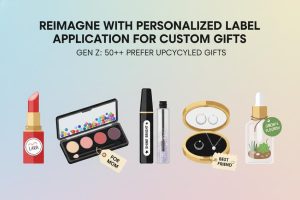
Reimagine with Personalized Label Application for Custom Gifts
Turn those forgotten empty cosmetic containers into thoughtful, one-of-a-kind gift ideas using custom labels and a splash of creativity.
Transforming Lipstick Tubes Bulk into Travel-Ready Mini Containers
• Clean out each lipstick tube thoroughly with warm soapy water.
• Fill them with lip balm, solid perfume, or travel-size skincare.
• Apply personalized labels like initials or quirky icons.
• Use them as stocking stuffers or party favors.
• Stick them in your carry-on bag—TSA-friendly and adorable.
Creative Uses for Empty Eyeshadow Palettes in Craft Projects
Eyeshadow palettes might look useless when the color’s gone—but they’re just waiting to be reborn as DIY treasures.
- Turn the slots into tiny compartments for craft projects like bead-sorting.
- Add a mirror sticker on the inside lid—instant mini vanity.
- Wrap the exterior with washi tape and slap on a custom gift tag.
- Fill each pan with colored wax bits to create a mini crayon palette.
These make charming hand-made gifts, especially when paired with handwritten notes.
Mascara Bottles Wholesale: A Stylish Solution for DIY Crafts
According to Mintel’s Beauty Packaging Report, over half of Gen Z consumers prefer upcycled packaging when gifting handmade items.
So why toss your old mascara tubes? Instead:
- Wash thoroughly using warm water + vinegar soak.
- Refill with glitter glue or essential oil blends.
- Attach sleek label design tags using metallic foil stickers.
- Bundle three together with ribbon—boom! A chic DIY pen set or aromatherapy trio.
Topfeelpack’s mascara bottles offer enough volume variety that even bulk repurposing feels luxe.
Compact Powder Cases Reimagined as Jewelry Holders
That clicky compact you almost threw away? It’s now your new favorite mini jewelry box.
Short ideas, big impact: – Line it with velvet scraps; nestle rings inside. – Add a magnetic strip under the lid—hello, earring storage! – Personalize the top using embossed decals and monogrammed gift packaging stickers.
It fits perfectly into purses and makes an elegant surprise tucked inside custom gift baskets.
Foundation Pump Bottles: Unique Solutions for Small Plant Terrariums
Foundation bottles are surprisingly perfect homes for tiny succulents or moss gardens. Here’s how:
① Rinse well and remove pump mechanism carefully.
② Layer pebbles, activated charcoal, soil—then insert a micro plant cutting.
③ Seal loosely if needed; decorate outside using waterproof paint pens and repurposed container labels like “Grow Joy” or “Breathe Easy.”
These make peaceful desk accessories—and unforgettable eco-themed gifts too!
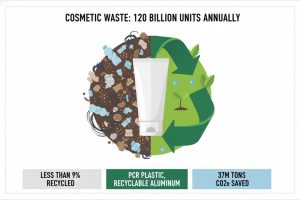
The Environmental Impact Of Discarded Cosmetic Containers
Tossing out those sleek little jars and tubes? It adds up fast—and the planet’s paying for it.
Statistics on Plastic Waste from Beauty Products
• Over 120 billion units of packaging are produced annually by the global cosmetics industry—most of them single-use plastics.
• Less than 9% of plastic waste from beauty packaging gets recycled, with the rest ending up in landfills or oceans.
• Microplastics from degraded cosmetic containers have been detected in marine life and even human bloodstreams, according to a recent study by the World Wildlife Fund.
That empty mascara tube may look harmless, but it’s part of a much bigger problem that’s hard to swipe away.
Exploring Eco-Friendly PCR Plastic Usage in Packaging
Eco-conscious brands are leaning into PCR plastic, which stands for post-consumer recycled plastic—a material made from items like used water bottles or old shampoo containers.
- Reduces demand for virgin plastic production, lowering carbon emissions.
- Helps close the loop in the recycling chain—think circular economy vibes.
- Offers nearly identical performance and durability compared to traditional plastics.
For consumers tossing empty cosmetic containers into bins, knowing they’re made from PCR makes that action feel just a bit more meaningful.
The Longevity of Recyclable Aluminum Shells in Landfills
Aluminum shells used in cosmetic packaging can last centuries if improperly discarded—but here’s where they shine:
• They’re infinitely recyclable without losing quality.
• Their high scrap value encourages collection and proper processing.
• Unlike plastics, aluminum doesn’t leach harmful chemicals into soil or water over time.
The downside? If not recycled properly, these sturdy shells still clog landfills—just slower than their plastic cousins.
| Material Type | Decomposition Time | Recycling Rate (%) | Toxic Residue Risk |
|---|---|---|---|
| Single-use Plastic | ~450 years | <10% | High |
| PCR Plastic | ~400 years | ~30% | Medium |
| Aluminum Shell | ~500+ years | >75% | Low |
The Carbon Footprint of Single-Use Cosmetic Products
Carbon emissions sneak into every swipe of lipstick or pump of lotion when single-use packaging is involved:
▪️ Manufacturing virgin plastic requires fossil fuels—lots of them.
▪️ Transporting lightweight but bulky packaging increases fuel consumption per unit shipped.
▪️ Incineration or landfill disposal releases methane and other greenhouse gases back into the air.
According to a late-2024 report by McKinsey & Company, switching just half of all personal care products globally to refillable systems could cut packaging-related emissions by nearly 37 million tons CO₂e annually.
Empty cosmetic containers may seem small—but their footprint stomps loud when multiplied billions of times over each year.
Unlocking The Potential Of Your Empty Beauty Containers
You’d be surprised what a little creativity can do with your old empty cosmetic containers—from gifting magic to kitchen upgrades, it’s all about reinvention.
Reimagine with Personalized Label Application for Custom Gifts
Turning your used-up beauty jars and bottles into thoughtful gifts is easier than you think—and way more fun than tossing them out.
• Start by cleaning out those cosmetic containers thoroughly—no one wants leftover serum in their new spice jar.
• Pick up some waterproof or matte-finish label paper; it sticks better and looks polished.
• Use a simple design app or even handwriting if you’re going for that rustic vibe. Add names, dates, or quirky inside jokes.
• Fill the container with something meaningful: homemade lip balm, bath salts, tiny candies, or even a heartfelt note rolled like a scroll.
Now picture this: your best friend opens a tiny glass pot once filled with face cream, now holding custom tea blends labeled “Breakup Recovery Kit.” That’s not just recycling—it’s storytelling through packaging.
Short jars? Perfect for DIY candles. Tall bottles? Fill them with infused oils or layered bath crystals. You’re not just repurposing—you’re curating memories in miniature form using those versatile beauty containers.
Unique Color Matching Options to Revive Kitchen Storage Solutions
Your kitchen deserves more personality—and those sleek little skincare containers can deliver it in spades when matched right.
• For spice racks: Paint screw-top jars in muted earth tones like cinnamon brown or sage green—they’ll pop against white tiles while still feeling cozy.
• For dry goods: Use gradient shades across similar-sized bottles—think oatmeal beige fading into wheat yellow—to create visual flow on open shelves.
• For snack bins: Bright primary colors make transparent plastic pots stand out and help kids grab the right treat fast.
“Color psychology plays an underestimated role in home organization,” notes the 2024 Home Aesthetic Report by DesignWise Analytics. “Even subtle hue shifts can improve spatial harmony and increase functional recall.”
Want cohesion without monotony? Choose two base tones from your kitchen palette and alternate accent colors around them using spray paint or peel-and-stick vinyl sheets made for plastics.
Don’t forget chalkboard labels—they pair beautifully with pastel-painted lids and make relabeling easy as recipes change over time.
With just a bit of color strategy, even the tiniest empty skincare jar earns its spot on your countertop like it was always meant to be there.
FAQs about Empty Cosmetic Containers
What are the advantages of sourcing empty cosmetic containers in bulk?
Bulk orders lower per-unit costs and open doors to richer customization.
- Custom silk screen printing or embossed logo detailing can unify an entire product line’s look.
- Unique color matching options bring harmony across compact powder cases, empty eyeshadow palettes, and foundation pump bottles.
- Protective inner packaging paired with bulk palletized shipments keeps products pristine from factory to shelf.
How do sustainable materials reshape large-volume beauty packaging?
Adopting eco-friendly PCR plastic, recyclable aluminum shells, glass dropper assemblies or sustainable bamboo components attracts conscious buyers and instills pride in product stories. These choices speak directly to sustainable beauty companies aiming for authenticity in their messaging while cutting waste impact on every shipment cycle via reduced breakage packaging methods.
Can lipstick tubes ordered in bulk be turned into travel-ready accessories?
Yes—lipstick tubes aren’t just for lip color; they transform easily into small travel sized containers for lotions or balms:
- Hot foil stamping services add elegance fit for indie beauty brands on-the-go.
- Secure magnetic closures protect contents through vigorous daily transit.
- Personalized label application ensures even pocket-sized items retain brand identity.
Why would durable acrylic jars appeal to luxury skincare producers?
Durable acrylic jars hold their shine through repeated use—a trait valued by luxury skincare producers keeping visual standards high:
- Retain aesthetic under constant handling and cleaning cycles.
- Suit standard product volumes but resist wear better than lighter single-use plastics.
- Support variable fill line options without distorting jar clarity over time.
In what ways can mascara bottles wholesale inspire creative uses beyond makeup storage?
Tamper evident seals make these miniature vessels trusted companions outside cosmetics—perfect for glitter storage at craft fairs or holding precious beads at boutique stands under international freight options where security matters as much as charm.
Are compact powder cases versatile enough as alternative retail items when purchased en masse?
Compact powder cases often surprise with dual utility—airtight screw top lids invite repurposing: jewelry holders for private label manufacturers seeking lifestyle crossover appeal; portable keepsake capsules that survive custom crating solutions during long overseas journeys thanks to protective inner packaging woven into each outgoing lot’s story arc.
References
[Zero Waste Week – 120 Billion Cosmetic Packages Produced Annually – zerowasteweek.co.uk]
[World Wildlife Fund – Plastic Pollution in the Oceans – worldwildlife.org]
[Association of Plastic Recyclers – PCR Content and Plastics Recycling – plasticsrecycling.org]
[Euromonitor International – Beauty and Personal Care Industry Trends – euromonitor.com]
[Mintel – Global Beauty Packaging Market News – mintel.com]
[McKinsey & Company – Sustainability and Resource Productivity Insights – mckinsey.com]

