 English
  English (UK)
  English (Australia)
  English (Canada)
  العربية
  Deutsch
  Italiano
  Español de México
  Tiếng Việt
  ไทย
ไทย  Português do Brasil
  Français
  Български
  Čeština
  Dansk
Dansk  Ελληνικά
  Eesti
Eesti  Suomi
Suomi  Magyar
  Bahasa Indonesia
  Lietuvių kalba
  Latviešu valoda
  Norsk bokmål
  Nederlands (Formeel)
  Polski
  Română
  Русский
  Slovenčina
  Slovenščina
  Svenska
  Türkçe
  Українська
  简体中文
简体中文  日本語
日本語  한국어
한국어  繁體中文
繁體中文 
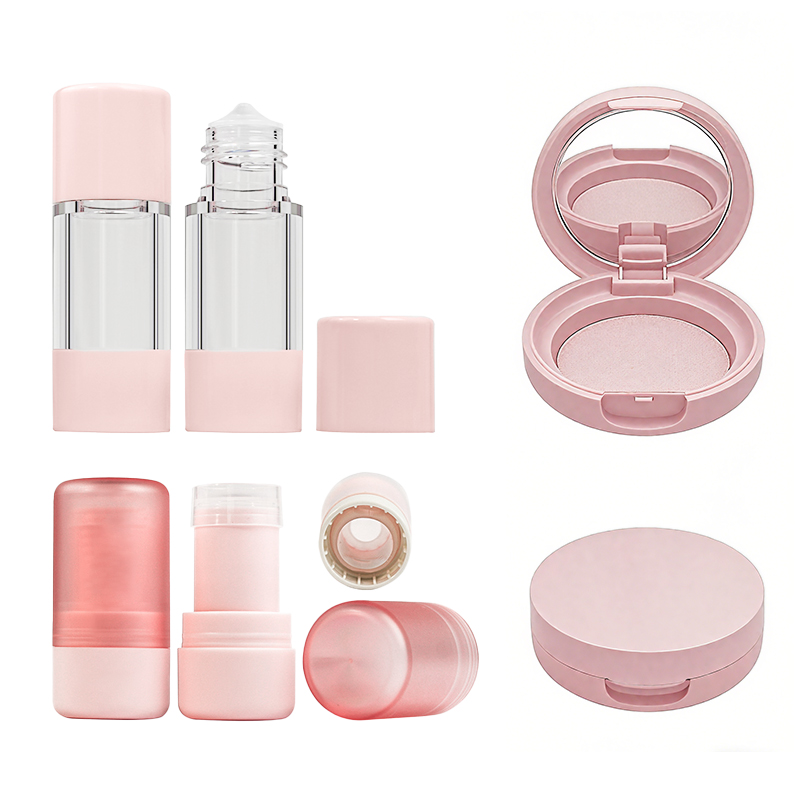
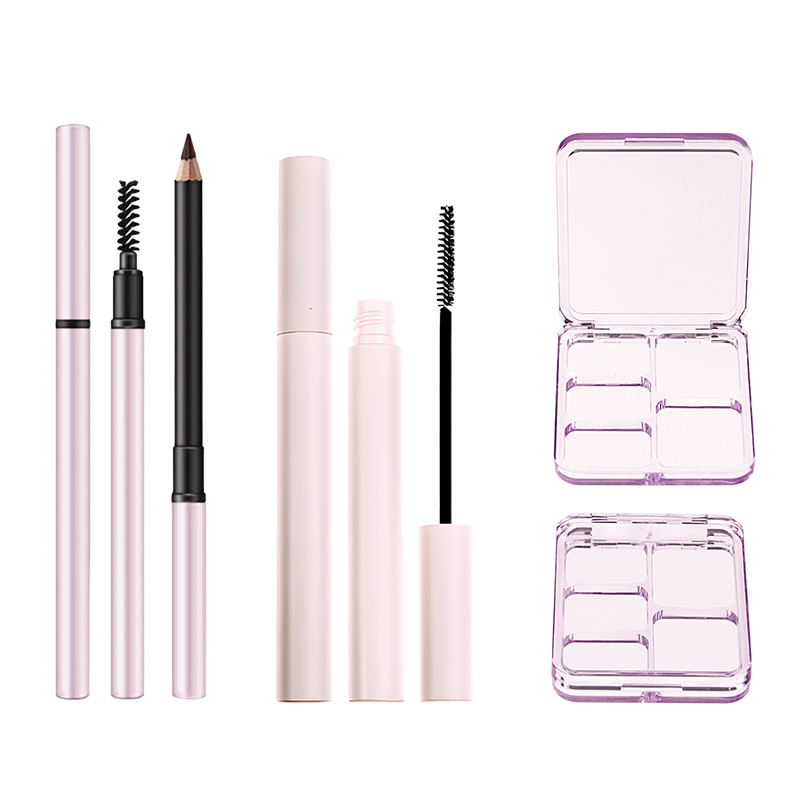
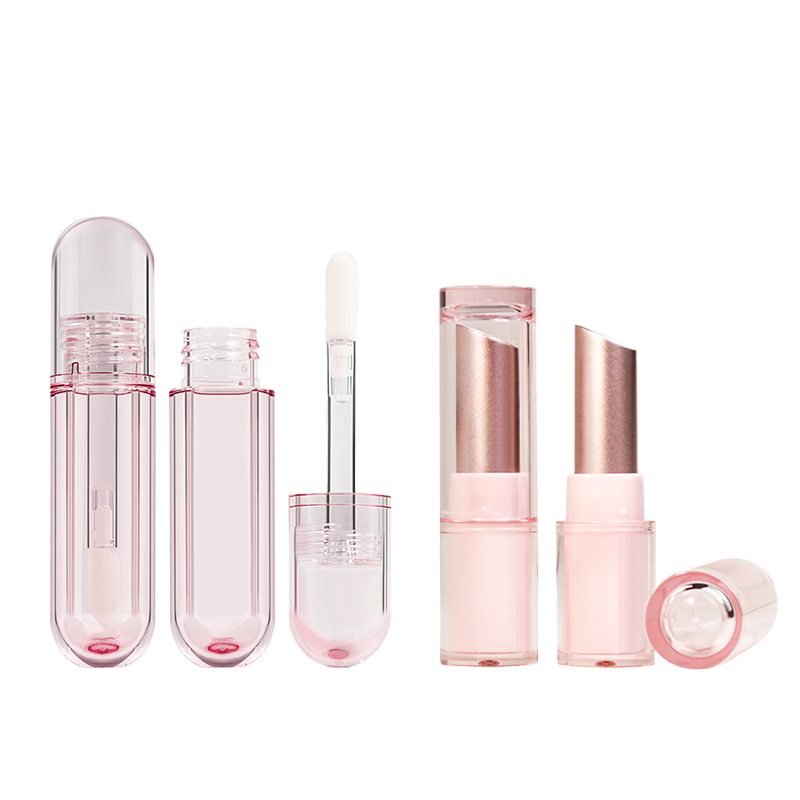

2026 Trends Shaping the Future of Cosmetic Components Packaging Design
January 28,2026
Some buyers say packaging is just the box—but in 2026, it’s the billboard. Cosmetic Components Packaging speaks louder than branding itself now, catching eyes from across aisles and TikToks alike. If it’s not eco-smart or dressed to impress, your product might as well be whispering in a stadium.
“Buyers are no longer asking if a material is sustainable—they’re demanding proof,” said Zoe Lin, Product Innovation Lead at Topfeelpack (May 2024). With bamboo blends replacing plastics and biodegradable pumps making waves, it’s not about keeping up—it’s about staying in business.
Truth time: bulk buyers want packaging that pops but also checks every regulatory box without costing an arm and a half. That sweet spot? It’s real—and we’re about to unpack it.
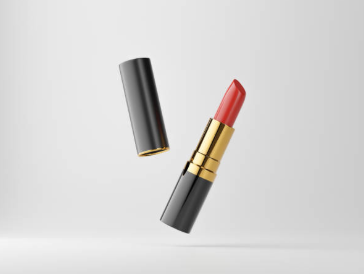
Top Trends Influencing 2026 Cosmetic Components Packaging
The future of cosmetic components packaging is being shaped by bold innovation, eco-conscious materials, and design strategies that speak directly to the modern consumer.
The Rise of Sustainable Bamboo Fiber in Packaging Solutions
• Brands are ditching plastic for bamboo fiber, a super renewable plant-based material that’s both tough and biodegradable. • It’s not just greenwashing—eco-friendly materials like bamboo actually reduce carbon footprints during production. • 🌱 Consumers now expect sustainability as a baseline, not a bonus.
Switching to natural packaging made from renewable resources isn’t just about saving the planet—it’s also about staying competitive. With more regulations targeting wasteful packaging, brands embracing biodegradable options like bamboo fiber are ahead of the curve. And Topfeelpack is making waves here—offering stylish yet sustainable solutions that don’t sacrifice aesthetics for ethics.
Embracing Transparent Color Variations for Enhanced Product Visibility
- Clear doesn’t mean boring anymore—modern transparent packaging comes with playful color variations that catch the eye while showing off what’s inside.
- Aesthetic clarity gives customers confidence—they know exactly what they’re buying.
- Visual transparency builds trust and encourages impulse buys.
“According to Mintel’s 2025 Global Packaging Report, over 67% of consumers say they’re more likely to purchase products with visible contents.” In this era where shelf appeal matters more than ever, using see-through materials with subtle tints lets your product do the talking while keeping things fresh and on-brand.
Innovative Hot Stamping Foil Application Techniques for Luxury Appeal
• Gold foil? That’s old news. Now it’s all about layered textures and hybrid effects using next-gen hot stamping foil tech. • These cutting-edge techniques add sleek metallic finishes without compromising recyclability—a double win for luxury and sustainability.
From brushed copper accents to holographic edges, new decorative methods elevate even basic tubes into premium collectibles. As shoppers crave exclusivity, brands using advanced foil application methods gain serious points in perceived value—making their product feel boutique even at mass-market prices.
Custom Color Pigment Blends: A Strategy for Unique Branding
Grouped Benefits:
- Brand Identity Boost: Tailored custom colors help products stand out on overcrowded shelves.
- Emotional Connection: Specific hues trigger feelings—calm blues for skincare or bold reds for lipsticks.
- Market Differentiation: No two pigment blends are alike; your shade becomes your signature.
Mixing up bespoke shades isn’t just artsy—it’s strategic branding at its finest. By crafting unique pigment blends, companies lock down visual recognition across every touchpoint—from compact cases to refill pods—all while carving out space in an oversaturated cosmetics market dominated by sameness in tone and texture.
By integrating these trends into their approach to cosmetic components and packaging design, forward-thinking brands can win both hearts and shelf space in 2026—and beyond.
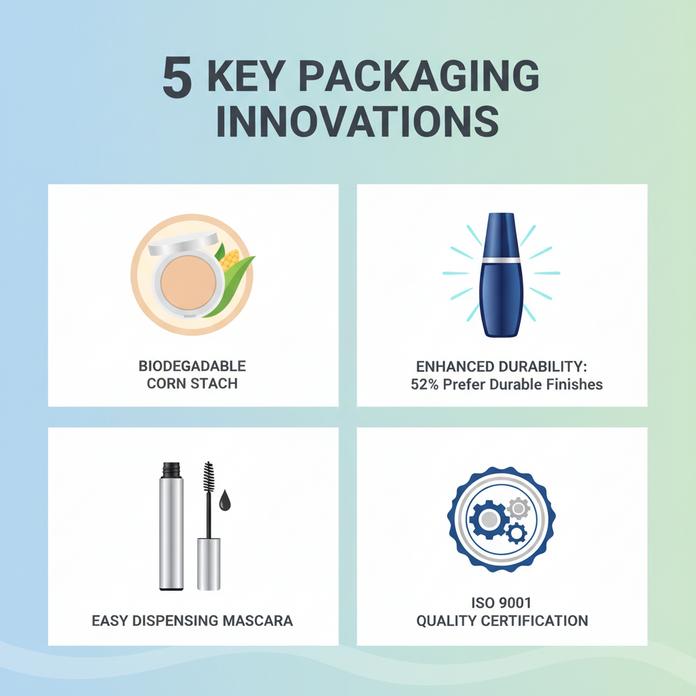
5 Key Elements Defining Cosmetic Components Packaging Innovations
A quick dive into the five elements shaking up how cosmetic components packaging is designed, built, and delivered.
Biodegradable Corn Starch in Compact Powder Containers
- Biodegradable materials are turning heads—especially corn starch, which breaks down naturally and returns to the earth without polluting it.
- Brands are swapping out plastic for this eco-friendly option, cutting landfill waste and carbon emissions.
- It’s not just greenwashing. This shift is backed by real consumer demand for sustainable packaging that doesn’t compromise on quality.
♻️ As packaging gets smarter, material innovation like corn-based containers is becoming the gold standard—not just a trend.
UV Coating Surface Treatment for Enhanced Durability
• Glossy or matte? That choice goes deeper than looks. A solid UV coating adds serious muscle to your cosmetics’ outer shell.
• It protects against everyday wear—scratches, fading, and even humidity damage—keeping products looking fresh longer.
• This kind of surface treatment isn’t just about aesthetics; it boosts shelf life and reduces returns due to damaged goods.
According to Mintel’s Q2 2024 Cosmetic Packaging Insight Report, over 52% of consumers prefer products with visibly durable finishes—proof that enhanced durability matters more than ever.
Innovative Mascara Bottle Assemblies with Easy Dispensing
Short bursts of brilliance:
- New wiper tech helps regulate product flow inside the mascara bottle, preventing overload on the wand.
- Redesigned caps improve grip while twisting open—or closing tight.
- Updated brush shapes enhance control, giving users smoother strokes with zero clumps.
- The whole packaging assembly now works together like clockwork—improving user experience dramatically.
When form meets function, you get a mascara tube that’s as smart as it is stylish. These innovations aren’t flashy gimmicks—they’re rooted in practical feedback from beauty lovers worldwide who want better performance from every swipe.
The Importance of ISO 9001 Quality Certification in Packaging Design
Step-by-step breakdown:
Step 1: A manufacturer adopts ISO’s globally recognized criteria for quality management systems. Step 2: They undergo audits to confirm consistency across their entire production process. Step 3: With certification secured, they signal reliability and trustworthiness to cosmetic brands.
For buyers evaluating suppliers of packaging design, an active ISO badge often seals the deal—it’s shorthand for “we don’t cut corners.” In a market where trust is currency, certification gives companies an edge that goes way beyond compliance paperwork.
ISO-certified factories also tend to reduce waste during production—a win-win for both efficiency and sustainability goals tied closely to modern-day standards in cosmetic components packaging.
Sustainable Materials in Cosmetic Components Packaging
Sustainable materials are reshaping how we think about lipstick tubes, jars, and compact cases—without compromising on cool looks or durability.
Eco-Friendly Paper Pulp in Lipstick Tube Components
♻️ Lightweight yet durable ♻️ Made from recycled paperboard ♻️ Easily molded into sleek lipstick shells
Using paper pulp for lipstick packaging means tapping into a low-impact, high-style solution that’s fully recyclable and biodegradable. These fiber-based tubes don’t just look good—they’re made from renewable resources, making them ideal for eco-conscious beauty brands aiming for zero-waste goals.
Recycled Aluminum Metal: The Future of Sustainable Solutions
Recycled aluminum is having its moment—and it’s not just hype. This material brings serious benefits when integrated into cosmetic components packaging:
It’s incredibly strong without being heavy, which makes it perfect for compact mirrors, refillable palettes, or twist-up lipstick bases. And because it’s part of the circular economy, every bit reused keeps more waste out of landfills while cutting back on mining operations that harm the environment.
The metal’s clean finish also ups the luxe factor—no one would guess it was once a soda can.
Benefits of Using Sustainable Bamboo Fiber in Cosmetic Packaging
Natural feel? Check. Earth-friendly? Double check.
• Made from fast-growing bamboo stalks • Fully biodegradable after disposal • Adds organic texture and visual appeal
Bamboo fiber is becoming a go-to material across many types of cosmetic containers—from lids to brush handles—thanks to its low carbon footprint and renewable nature. It gives off an earthy vibe while holding up well against moisture and wear.
Short shelf life? Not here—this stuff’s tough enough for daily use but breaks down easily when tossed properly.
Biodegradable Corn Starch and Its Role in Eco-Friendly Designs
- Breaks down naturally without harmful residue
- Derived from non-toxic plant-based materials
- Lightweight yet surprisingly sturdy
When used in cosmetic components packaging like compacts or inner trays, corn starch bioplastics offer a compostable alternative that doesn’t clog up oceans or dumpsites. Plus, they align perfectly with minimalist designs favored by green-beauty fans who want their products as clean as their ingredients list.
SEDEX Ethical Compliance Audit: Ensuring Responsible Sourcing
1️⃣ Verifies labor rights compliance across suppliers 2️⃣ Tracks environmental impact metrics within sourcing chains 3️⃣ Flags ethical risks early through transparent reporting
The role of a SEDEX audit isn’t just about ticking boxes—it ensures your entire supply chain supports fair wages, safe working conditions, and solid sustainability practices behind every mascara wand or lipstick tube produced.
In today’s world where consumers care about what goes into their products—and who made them—it’s more than smart business; it’s basic respect baked into your sourcing game plan.
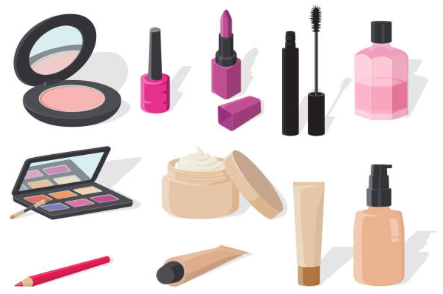
Innovative Shapes in Cosmetic Components Packaging
Smart design meets real-world use in this quick dive into how shape transforms everyday cosmetic components packaging.
Ergonomic Designs for Eyeliner Pen Casings
- Curved barrels and contoured grips make eyeliner pens easier to hold, especially for long makeup sessions.
- Some brands now use anti-slip textures that improve grip comfort, even with sweaty hands.
- Thicker casings reduce hand fatigue—great for users with unsteady fingers or arthritis.
- The angle of the tip matters—a slanted design offers better visibility during application.
- Lightweight materials like ABS and PP plastics are trending due to their durability and user-friendly handling.
- Cap mechanisms have evolved too; magnetic closures now offer both style and secure sealing.
✦ Magnetic caps not only look sleek but also prevent drying out, which is crucial for liquid liners.
Designers are increasingly blending ergonomics, fashion, and function in one stroke—pun intended—to elevate the user’s interaction with the product from mundane to intuitive.
Mini tweaks like finger grooves or flexible nibs might seem minor, but they drastically improve control, especially for beginners still mastering their winged liner game.
The shift toward packaging innovation isn’t just aesthetic—it’s deeply tied to how people use these products daily.
Compact Powder Containers: A Blend of Function and Aesthetics
• Dual-layer containers combine mirror space with powder storage—convenient much?
• Flip-top lids with magnetic snaps boost portability without compromising on security.
• Transparent acrylic windows add visual flair while letting users check product levels easily.
Grouped Features:
-
Container design
- Rounded edges improve pocketability
- Stackable shapes save retail shelf space
-
Aesthetic appeal
- Pastel tones dominate current trends
- Matte finishes reduce fingerprint smudging
-
Functional packaging
- Built-in applicator trays keep things tidy
- Ventilation slits prevent powder clumping
These features aren’t just fluff—they’re grounded in what users actually want: compactness without compromise, beauty that travels well, and a tactile experience that feels premium yet practical.
According to Mintel’s Q2 Beauty Report 2024, “Consumers increasingly prefer packaging that reflects both personal style and practical functionality,” pushing brands toward smarter container choices in the compact powder niche.
Foundation Pump Dispensers: Redefining User Experience
It’s wild how something as small as a pump can totally change your morning routine. Today’s best foundation pumps strike that perfect balance between form and function—and it shows in every squirt. By using smartly engineered dispenser designs, brands are solving age-old problems like over-dispensing or messy bottles once and for all.
Take a peek:
| Feature Type | Example Material | Dosage Accuracy (%) | User Satisfaction Rating |
|---|---|---|---|
| Standard Pump | PET Plastic | ~70% | ★★★☆☆ |
| Airless Pump | Acrylic + PP | ~90% | ★★★★☆ |
| Twist-Lock Mechanism | SAN Resin | ~85% | ★★★★☆ |
| Soft-Touch Button | TPE Coating | ~95% | ★★★★★ |
These innovations go beyond hygiene—they’re about precision too. With better dosage control, you waste less product while keeping things clean around your vanity. Plus, soft-touch coatings on buttons add an extra layer of comfort during use—a nod to evolving standards in user experience within modern skincare routines involving fluid-based cosmetics like foundations or tinted moisturizers.
By focusing on smart material choices and ergonomic engineering, today’s designers are reshaping what we expect from our daily-use cosmetic tools—literally reshaping them through thoughtful pump mechanics tailored to human behavior patterns within the broader category of cosmetic packaging components.
FAQs about Cosmetic Components Packaging
What sustainable materials can be used for Cosmetic Components Packaging?
Sustainability inspires creativity. In packaging design, eco-conscious choices give life to new textures and stories:
- Eco-friendly paper pulp: Recyclable choice that adds a natural matte structure to lipstick tube components.
- Recycled aluminum metal: Elegant durability with refined metallic shine suited for mascara bottle assemblies.
- Sustainable bamboo fiber: A renewable material delivering a smooth, organic touch in compact powder containers.
- Biodegradable corn starch: Ideal for brands promoting compostable foundation pump dispensers.
Each material integrates modern ethics with tactile warmth—making each product both responsible and beautiful.
How does UV coating surface treatment protect the package’s look over time?
Much like sunlight on freshly painted wood, exposure erodes surface charm unless guarded well:
1️⃣ UV coating seals the surface, shielding it from fading colors and micro-scratches;
2️⃣ It enriches acrylic plastic material gloss or elevates matte elegance—depending on finish preference;
3️⃣ The result is enduring sophistication that preserves every hot stamping foil application or silk screen printing detail through long storage cycles.
Can color customization reflect brand emotion effectively?
Color isn’t just seen—it’s felt in your fingertips when applied thoughtfully across pack types: ✴️
↳ With the Pantone color matching system, tones remain true across all batches of eyeliner pen casings or foundation pump dispensers;
↳ Custom color pigment blends ensure subtle distinction between product lines;
↳ Some prefer shimmer—metallic finish color options bring out luxury cues, while transparent color variations evoke lightness and purity;
This chromatic harmony subtly whispers brand identity before any logo speaks aloud.
Why do certifications such as ISO 9001 quality certification matter when selecting suppliers?
Integrity lives behind production lines too—certifications offer proof of discipline rather than promise alone:
| Certification Type | Purpose | Effect |
|---|---|---|
| ISO 9001 Quality Certification | Ensures uniform standards at every batch stage | Confidence in repeat orders |
| SEDEX Ethical Compliance Audit | Tracks fair labor & sourcing practices | Builds consumer trust |
| GMPC Manufacturing Standards Adherence | Aligns hygiene standards specific to cosmetics | Guarantees safety compliance |
Together they mark suppliers who not only meet but uphold values beyond appearance—a commitment buyers can depend upon even during scale-ups under tight deadlines.
Which shipping terms help global buyers manage logistics efficiently?
Efficient movement determines delivery success more than speed alone — balance is key through flexible contract setups:
• FOB origin factory pickup: ideal for custom-managed freight where timing control matters most;
• CIF destination port delivery: peace of mind since cost and risk coverage continue until goods reach port safely;
• For growing volumes without filling containers — opt for LCL sea freight consolidation.
To finalize payment smoothly afterward, clients often combine these logistic methods with secure approaches such as letter of credit acceptance or telegraphic transfer remittance support systems ensuring transparent transactions worldwide.
References
- Bamboo Cosmetic Packaging Market Size & Share Report 2035 – marketresearchfuture.com
- Global Packaging Predictions: 2026 & Beyond – mintel.com
- What is hot stamping in cosmetic packaging – apackaginggroup.com
- Cornstarch Packaging: Material, How It Is Made, Benefits, and Uses – packhit.com
- The Benefits of ISO 9001 Certification for Your Company – smithers.com
- Go Green with Cornstarch Packaging Products & Supplies – atyourservous.com
- SMETA Audit: The Global Standard for Social Audits – sedex.com

