 English (Canada)
  English
  English (UK)
  English (Australia)
  العربية
  Deutsch
  Italiano
  Español de México
  Tiếng Việt
  ไทย
ไทย  Português do Brasil
  Français
  Български
  Čeština
  Dansk
Dansk  Ελληνικά
  Eesti
Eesti  Suomi
Suomi  Magyar
  Bahasa Indonesia
  Lietuvių kalba
  Latviešu valoda
  Norsk bokmål
  Nederlands (Formeel)
  Polski
  Română
  Русский
  Slovenčina
  Slovenščina
  Svenska
  Türkçe
  Українська
  简体中文
简体中文  日本語
日本語  한국어
한국어  繁體中文
繁體中文 

How to Choose the Best Wholesale Cosmetic Packaging Jars for Your Brand
January 23,2026
Your product might be magic—but if your packaging screams “meh,” you’ve already lost the sale. In today’s saturated beauty industry, wholesale cosmetic packaging jars aren’t just containers—they’re tiny billboards in a customer’s palm. A jar that leaks, cracks, or looks cheap? That’s not just bad press—it’s revenue walking out the door.
Truth is, buyers don’t fall for formulas alone anymore. They want aesthetics with integrity: sleek designs that whisper luxury, lids that actually stay shut during shipping (novel idea), and sustainable materials that won’t trigger side-eyes from eco-conscious shoppers.
You’d think choosing a jar would be easy—until you’re knee-deep in material specs and FDA compliance sheets at 2 a.m., wondering how bamboo fiber became such a hot topic. We’re here to save you from the chaos…and maybe even make it fun.
Key Factors to Consider for Cosmetic Packaging Jars
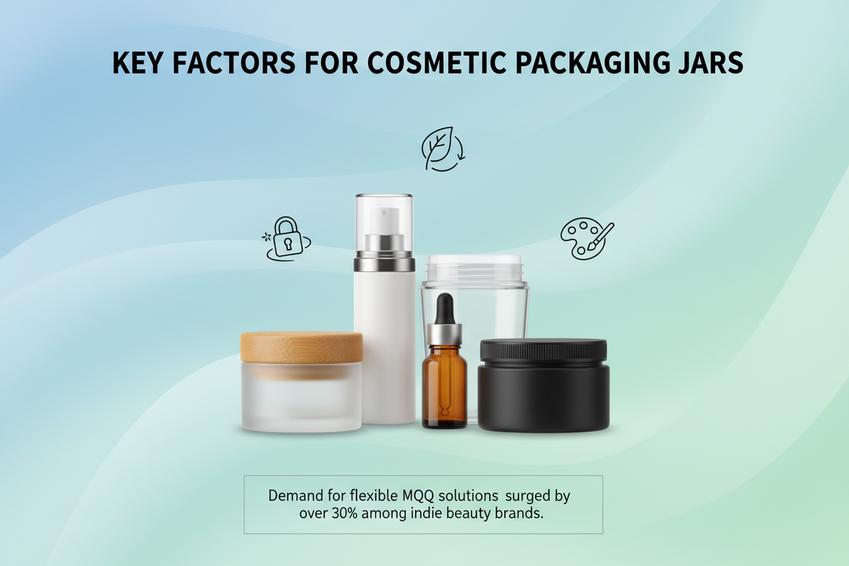
When picking out wholesale cosmetic packaging jars, it’s not just about looks—it’s about function, feel, and fit. Let’s break it down.
Essential Closure Types
• Screw-top lids: The go-to for creams and balms—easy to use and reliably airtight.
• Pump dispensers: Great for serums or lotions where hygiene matters most.
• Flip-tops & disc caps: Handy for travel-size products—quick access without mess.
Each closure type plays a role in extending shelf life, preventing contamination, and keeping formulas from leaking during transit. If you’re aiming to keep things fresh while looking polished, closures are your unsung heroes.
Choosing Between Plastic and Glass
There’s no clear winner here—it depends on your product story.
- Plastic jars made from materials like PET or PP are lightweight, shatterproof, and more forgiving when dropped.
- On the flip side, glass offers that high-end vibe with better chemical resistance, especially for active-rich skincare.
- For eco-minded brands? Recyclable glass often feels more aligned with a sustainable mission.
A dual-material approach is trending too—plastic inner cups inside glass shells offer the best of both worlds.
Custom Decoration Options
Sometimes it’s all about standing out on the shelf—or someone’s feed.
• Silk-screen printing gives a permanent design that won’t rub off with oily fingers.
• Hot stamping adds metallic elegance—perfect for premium lines.
• Pressure-sensitive labels allow small-batch flexibility without sacrificing quality.
• Shrink sleeves wrap around curves beautifully, ideal if your jar has an irregular shape or textured surface.
These decoration choices let you build stronger visual ties to your brand’s identity while adding tactile appeal customers remember.
Importance of Wholesale Features
You want value without cutting corners—and bulk buying helps get you there.
- Bulk orders lower unit costs significantly, giving you breathing room on price points.
- Look for suppliers offering low Minimum Order Quantities (MOQ) so you can test designs before going all-in.
- Global shipping options mean you’re not boxed into local sourcing only.
- Many manufacturers now offer custom mold development with fast turnaround times—ideal if you’re building something proprietary from scratch.
According to market analysis by Smithers (2024), the global packaging market is forecast to reach substantial new heights, driven by sustainability and e-commerce demands. That means more power—and customization—in your hands when choosing wholesale cosmetic packaging jars.
Understanding Materials for Cosmetic Packaging
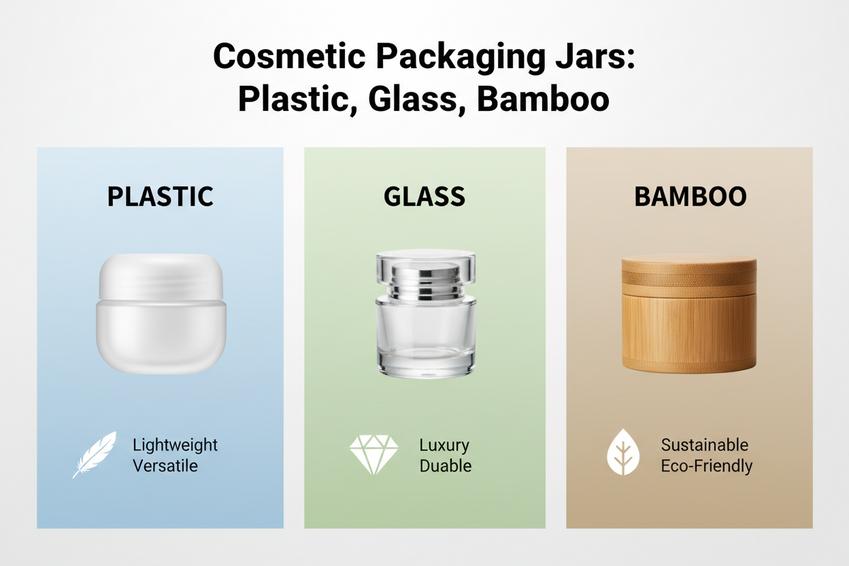
Choosing the right jar material is key to balancing looks, function, and sustainability. Here’s how each type stacks up in the world of wholesale cosmetic packaging jars.
Benefits of High-Quality Virgin Plastic for Jars
- Lightweight yet tough — perfect combo for shipping large batches without breakage.
- Offers high chemical resistance, keeping formulas stable longer.
- Comes in a variety of finishes like matte or glossy, boosting shelf appeal.
- Easy to mold into custom shapes, giving brands creative freedom.
- Popular choices include PET, PP, and HDPE — all known for their reliability.
Plastic’s biggest win? It’s super versatile and cost-efficient, making it a go-to option when sourcing bulk cosmetic containers.
Durability of Recyclable Glass
- Built to last — borosilicate glass resists heat and cracking better than most materials.
- Its natural clarity gives products a luxurious look that appeals instantly on shelves.
- Heavier than plastic but adds perceived value—weight often equals quality in consumers’ minds.
- Fully recyclable and chemically inert, meaning no leaching into sensitive skincare formulas.
For brands looking to elevate their image with sustainable flair, glass jars are a strong contender in the wholesale game.
Exploring Sustainable Bamboo Fiber for Eco-Friendly Packaging
• Made from renewable bamboo pulp — fast-growing and biodegradable by nature.
• Lightweight yet surprisingly sturdy; doesn’t feel flimsy like some compostables do.
• Blends seamlessly with minimalist branding thanks to its raw texture and neutral tone.
Eco-conscious buyers love this material because it aligns with values around waste reduction without sacrificing style or performance.
Comparing Plastic Types: PET vs PP vs Acrylic
Grouped Overview:
PET:
- Known for clarity similar to glass; great visibility of product inside.
- Commonly used in lotions or serums due to good barrier properties.
PP:
- More flexible than PET; ideal where lid closure stress is frequent.
- Resistant to fatigue and chemical exposure over time.
Acrylic:
- Offers premium appearance close to glass but lighter weight-wise.
- Often chosen when aesthetics are top priority over recyclability concerns.
Each plastic type brings something different depending on what your product needs most—durability, appearance, or price point control within your inventory of cosmetic packaging jars wholesale options.
Why Glass Still Wins Premium Shelf Space
Short takes:
– Shoppers associate glass with purity and luxury—especially important in skincare lines targeting high-end markets.
– Its natural heft communicates substance; people feel they’re getting more value per ounce compared to plastic alternatives like HDPE or even aluminum tins.
– And don’t forget its timeless aesthetic—it works across both vintage-inspired designs and ultra-modern minimalism alike.
If you’re aiming at boutique retailers or upscale salons through your wholesale distribution channel, glass gives you an edge that mass-market plastics often can’t replicate.
How Sustainability Shapes Material Choice Today
Step-by-step logic:
Step 1: Brands evaluate supply chain emissions—materials like PCR plastic or bamboo rank higher here due to lower carbon footprints during production cycles.
Step 2: They assess end-of-life impact—can customers easily recycle it? Is it refillable?
Step 3: Marketing comes into play—eco-labels boost appeal among Gen Z consumers who demand transparency about materials used in their favorite beauty products.
The rise of refill stations and biodegradable options reflects this shift hardwired into modern purchasing behavior across the cosmetic jar packaging wholesale sector today.
Matching Jar Materials with Product Formulas
Grouped by compatibility:
✔ Oily serums & balms – Best stored in non-reactive containers like thick-walled glass, which won’t degrade under oil exposure over time.
✔ Water-based creams – Thrive inside lined aluminum tins or sturdy plastics such as PP, which resist moisture seepage effectively without warping shape under pressure changes during shipping.
✔ Exfoliating scrubs – Need tougher builds like reinforced acrylics that won’t crack under repetitive scooping motion from users daily at home or spas buying via bulk orders online.
Picking the wrong container might just mess up your formula’s stability—and that’s bad news whether you’re selling locally or scaling up through global wholesalers focused on packaging for cosmetics made from reliable stuff only!
What Makes Bamboo Stand Out Among Sustainable Options?
Mixed format:
Bamboo isn’t just trendy—it actually checks off real boxes: 1) It grows crazy fast without pesticides = low environmental impact; 2) It’s naturally antibacterial = safer storage; 3) It biodegrades faster than most bioplastics = less landfill clutter; 4) Looks cool too = design-forward brands love it!
Compared to other eco-materials like recycled tin or PLA blends, bamboo fiber has carved out a niche as both functional and fashionable—which matters big-time when you’re trying to wow both retailers and conscious consumers browsing bulk cosmetic jar collections online today!
Potential Mistakes When Purchasing Packaging Jars
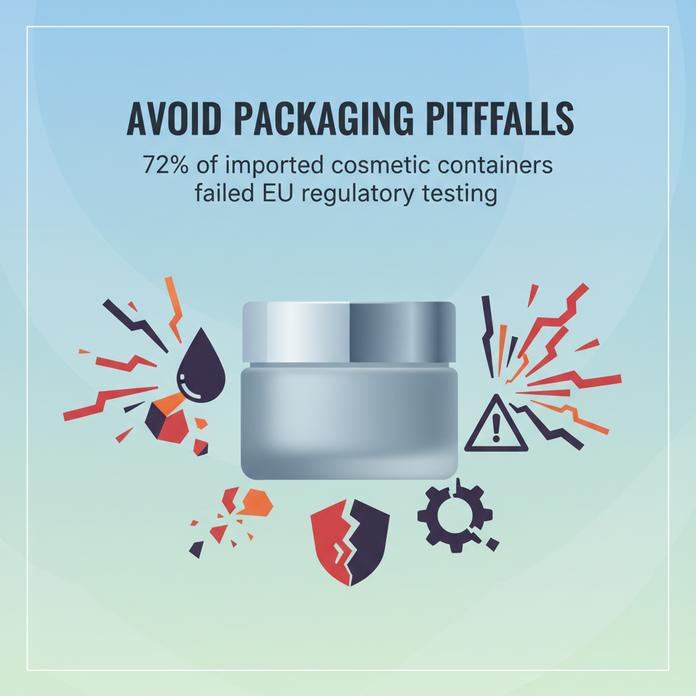
Even seasoned buyers can slip up when sourcing wholesale cosmetic packaging jars. Here’s how to dodge the most common blunders.
Overlooking FDA Compliance
• Not all plastics are created equal—some might leach harmful substances into your product.
• Always check for materials that are explicitly labeled as safe and compliant with FDA standards.
• If you’re working with skincare or lip care, ensure the jar is made from BPA-free plastics and other approved materials.
It’s not just a ticking boxes; compliance protects your brand from lawsuits and recalls. Choosing non-compliant packaging could cost you more than just money—it could damage trust.
Ignoring Leak-Proof Testing Protocols
- Fill the jar with a liquid version of your product.
- Shake, invert, drop-test it—then repeat.
- Leave it overnight under pressure or heat conditions to simulate shipping environments.
Skipping this step can lead to broken seals, sticky messes, or worse—angry reviews. Don’t let poor sealing ruin months of work on your formula or branding.
Ignoring Material Compatibility and Product Interaction
Choosing the wrong jar? That’s like wearing suede shoes in a thunderstorm.
- Some creams react badly with certain plastics, causing discoloration or even breakdown.
- Fragile essential oils may degrade if stored in reactive containers.
- Your product’s formulation must be tested against possible chemical reactions, ensuring no unwanted changes over time.
Always test for compatibility before placing a bulk order of wholesale cosmetic packaging jars—it saves face and funds alike.
Overlooking Brand Aesthetic and Target Audience Appeal
Your packaging is the first flirtation with your customer—don’t let it fall flat.
→ Is your target market Gen Z? Go bold and minimalistic.
→ Selling premium skincare? Think frosted glass jars with gold accents for that luxe vibe.
→ Launching an eco-conscious line? Use recycled materials that still look chic on shelves.
The right design taps into consumer psychology through color theory, texture, and overall vibe—your packaging should scream your brand’s identity without saying a word.
Failing to Vet Supplier Reliability and Quality Control
✔ Check supplier certifications like ISO or GMP—they’re not just fluff; they show commitment to quality.
✔ Request samples before committing to large MOQs so you can inspect for defects firsthand.
✔ Ask about their average defect rates, production lead times, and how they handle returns or complaints.
Reliable suppliers don’t just deliver jars—they deliver peace of mind. Topfeel stands out here by consistently maintaining low defect rates while hitting tight delivery windows across international markets.
Underestimating Cost Implications and Minimum Order Quantities (MOQs)
Short-term savings can backfire when hidden costs creep up:
- Low unit cost might come with high freight charges.
- Customization fees skyrocket if MOQs aren’t met.
- Storage costs add up if you’re forced into buying more units than needed.
- Budgeting errors often stem from ignoring total landed cost—not just per-piece pricing.
Wholesale cosmetic packaging jars may seem cheap upfront but factor everything—from printing fees to warehouse space—to avoid budget blowouts later on.
Neglecting Regulatory Compliance and Necessary Testing
Recent updates to the EU Cosmetic Products Regulation emphasize stricter safety assessments, meaning non-compliant containers face immediate market rejection.
From proper labeling formats to environmental compliance laws:
• You’ll need stability testing for shelf life validation
• Compatibility testing ensures container integrity over time
• Be mindful of cross-border regulations like REACH or Prop65
Neglecting these checks won’t just slow down launches—it could banish products entirely from key markets like the EU or California.
FAQs
How can I decide between plastic and glass for wholesale cosmetic packaging jars?
Plastic cosmetic jars made from high-quality virgin plastic keep shipping lightweight and sturdy, while recyclable glass material communicates elegance. Glass makeup bottles fit luxury lines like serums or oils, but if durability matters most—plastic wins the shipment battle. Eco-driven brands often merge both: an acrylic cream container with a bamboo fiber lid brings balance in look and sustainability.
Which closures give the best protection during transit?
It’s not just a lid—it’s your brand’s lock. Choose wisely:
- Screw-top airtight lids: steady companions for foundation cream packaging or balms.
- Pump dispenser systems: precise choice for liquid skincare blends.
- Tamper-evident seals & child-resistant closures: trust marks during global shipping options tests under stress conditions; they protect reputation long before customers open them.
Can decoration increase perceived value in wholesale cosmetic packaging jars?
Yes—decorations tell silent stories of quality:
- Custom silk screen printing crafts crisp logos on aluminum powder compact cases or eye shadow palette cases.
- Hot stamping foil accents flash opulent personality under retail lights.
- For flexible updating, use pressure sensitive labeling or wrap-around intrigue through shrink sleeve applications.
Each finish invites touch, turning containers into part of the beauty ritual itself.
What wholesale features ensure faster delivery without losing quality?
A clear pathway saves days on calendars and heartbeats at launch: quick turnaround times rise from experience plus structure.
| Feature | Benefit | Application Example |
|---|---|---|
| Bulk discounts available | Cuts cost per unit dramatically | For refill runs using eco-friendly refillable cases |
| Custom mold development | Shapes that mirror signature branding | Tailored lip gloss tube containers |
| Competitive wholesale pricing + global shipping options | Expands reach beyond borders safely | Large orders tested by leak-proof testing protocols |
In every case, choosing FDA compliant packaging built to cosmetic grade standards guarantees trust—they’re not just jars but ambassadors sealed inside each parcel of promise.
References
[1] Smithers forecasts global packaging market to grow – Smithers
[2] Scientific and technical assessment – Internal Market, Industry, Entrepreneurship and SMEs
[3] Summary of Cosmetics Labeling Requirements – FDA
[4] Good Manufacturing Practice (GMP) Guidelines/Inspection Checklist for Cosmetics – FDA
[5] Think Outside of the Plastic: Why Bamboo is the Future of Packaging – Propak Indonesia
[6] The Craftsmanship Behind Bamboo Cosmetic Bottles in Modern Beauty Products – A Packaging Group
[7] The Environmental and Aesthetic Benefits of Bamboo Packaging in Beauty Products – A Packaging Group
[8] Exploring the Pros and Cons of Plastic and Glass Beauty Packaging – APC Packaging
[9] Why More Brands Are Switching to Glass Bottles in 2025 – The Bottle Depot

