 English (Canada)
  English
  English (UK)
  English (Australia)
  العربية
  Deutsch
  Italiano
  Español de México
  Tiếng Việt
  ไทย
ไทย  Português do Brasil
  Français
  Български
  Čeština
  Dansk
Dansk  Ελληνικά
  Eesti
Eesti  Suomi
Suomi  Magyar
  Bahasa Indonesia
  Lietuvių kalba
  Latviešu valoda
  Norsk bokmål
  Nederlands (Formeel)
  Polski
  Română
  Русский
  Slovenčina
  Slovenščina
  Svenska
  Türkçe
  Українська
  简体中文
简体中文  日本語
日本語  한국어
한국어  繁體中文
繁體中文 
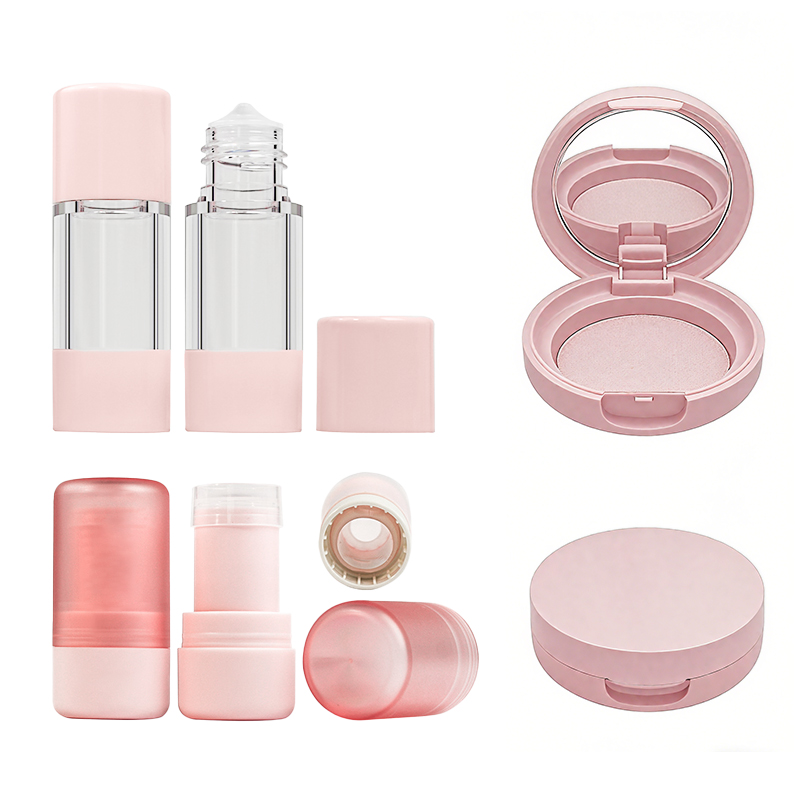
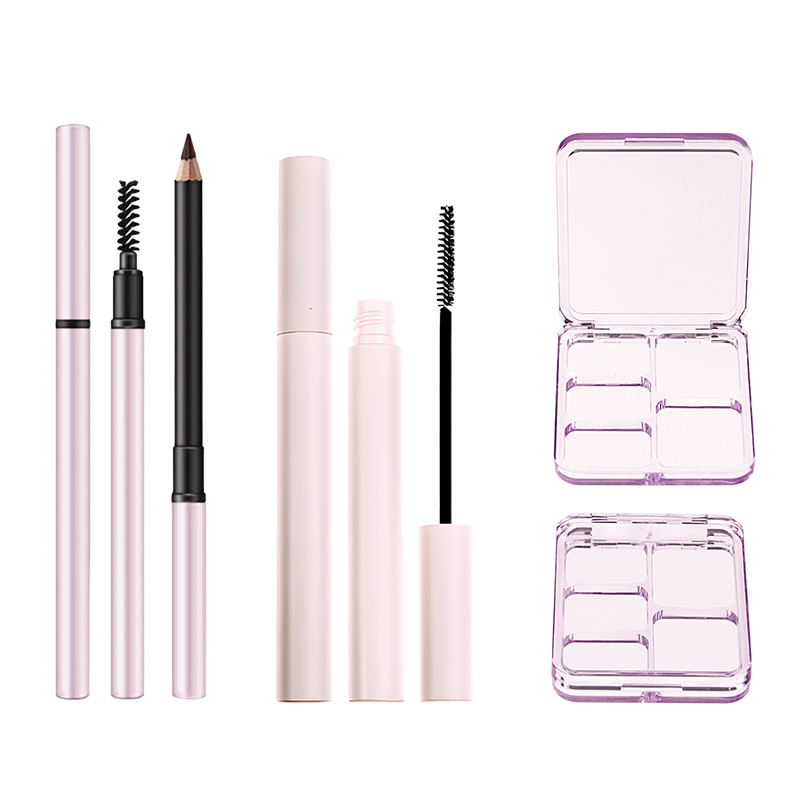
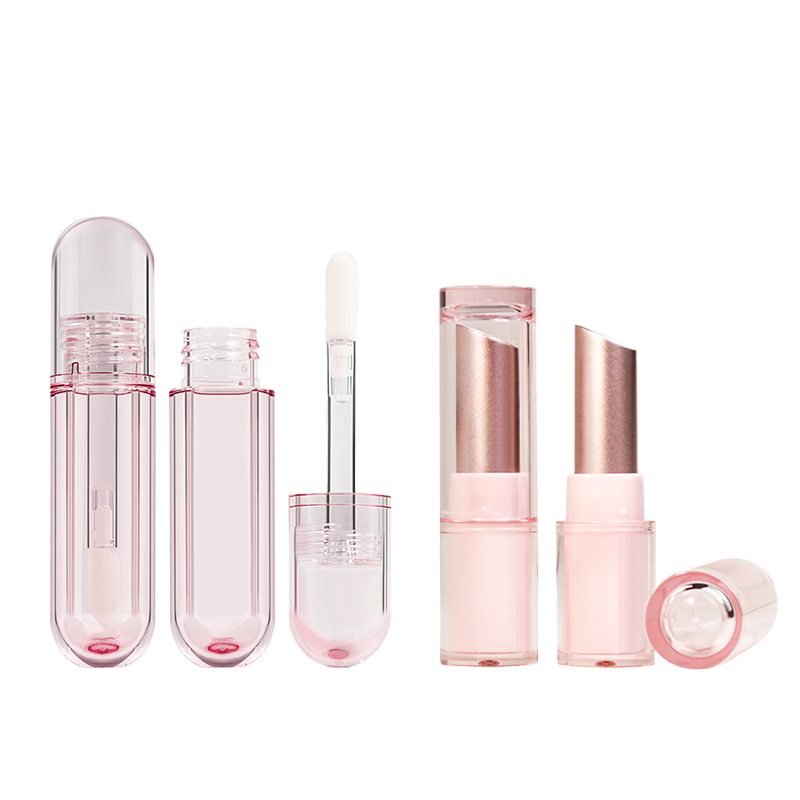

How to Choose Sustainable Beauty Product Packaging for Your Brand
January 19,2026
The beauty product packaging game is getting a serious glow-up. It’s not just about looking cute on a vanity anymore—buyers want guilt-free glam, and your brand better be ready to show up green or get left behind. From mascara tubes made of ocean-bound plastic to refillable compacts that snap back into place like magic, the pressure’s on to look good and do good.
Still, picking the “right” sustainable packaging can feel like speed dating in a thrift store: so many choices, none quite perfect. Glass? Heavy but luxe. PET plastic? Light but… plastic. And don’t even get us started on compostables that melt in humidity.
“Clients ask for eco options more than anything now,” says Jessica Lin, Senior Design Engineer at Topfeel Packaging (2024 Sustainability Trends Report). “But they also want it Instagrammable—and cheap.”
So what actually works when you’re sourcing bulk orders that won’t end up as landfill art? This guide spills the tea—from materials to refill hacks—to help you choose right without losing sleep… or shelf appeal.
Understanding Sustainable Beauty Product Packaging Choices
Sustainable choices in beauty product packaging aren’t just trendy—they’re shaping the future of skincare, makeup, and grooming essentials.
Types of Green Materials: Acrylic, Glass, and Beyond
• Acrylic is lightweight and durable but should be used mindfully—it’s recyclable but not biodegradable.
• Glass offers a premium feel and infinite recyclability; great for serums or oils where stability matters.
• Aluminum is rust-resistant, endlessly recyclable, and ideal for deodorants or sprays.
Grouped with these are materials like:
— Bamboo, which adds a natural touch to compacts or brush handles while being renewable.
— Compostable bioplastics, made from corn starch or sugarcane, which break down faster than petroleum-based plastics.
All these options let brands mix aesthetics with sustainability in their beauty packaging game.
The Role of Biodegradable Plastics in Eco-Friendly Packaging
Biodegradable plastics aren’t magic—but they do help reduce long-term waste when used right.
-
Most common types include:
- PLA: Made from corn starch; breaks down under industrial composting.
- PHA: Derived from microbial fermentation; marine-safe.
-
Not all environments support proper degradation—landfills often lack the heat or microbes needed.
-
These materials lower carbon footprints but need clearer disposal instructions on packaging to actually work.
So while they sound good on paper, smart design and consumer education are key to making them effective in real-world use.
Benefits of Recycled Materials for Brand Image
Short bursts of insight:
• Using post-consumer recycled (PCR) content helps brands tap into the growing eco-conscious market without sacrificing performance.
• Shoppers increasingly associate recycled materials with authenticity—especially Gen Z buyers who scrutinize sustainability claims.
• It’s not just about looking green—it’s about showing accountability through material sourcing and lifecycle transparency.
• Brands using high PCR content often highlight it prominently on their labels—and consumers notice that detail more than you’d think.
This shift isn’t slowing down anytime soon—and it’s reshaping how beauty brands build trust through packaging choices.
Exploring Refillable Systems for Sustainable Beauty
Refillables aren’t just a gimmick—they’re changing how people interact with their favorite products long-term.
Step-by-step breakdown:
Step 1: A consumer buys an initial container—usually sturdy glass or metal—for foundation, moisturizer, or shampoo.
Step 2: When empty, they purchase low-waste refills that snap into place easily at home—or via return programs offered by some brands.
Step 3: That same primary container stays out of landfills for months—or even years—with only refill pods being replaced along the way.
This closed-loop model cuts down dramatically on single-use plastic waste while giving users a sense of personal impact every time they reuse instead of toss.
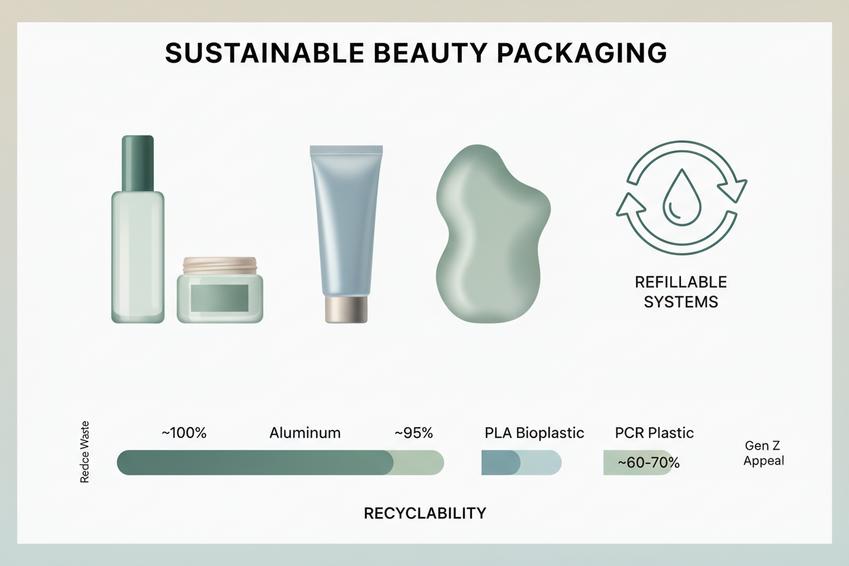
Scientific Table Included Below – Packaging Material Sustainability Comparison
| Material Type | Recyclability (%) | Biodegradability | Common Use Cases |
|---|---|---|---|
| Glass | ~100% | No | Serums, perfumes |
| PLA Bioplastic | ~80% | Yes | Sheet masks, pods |
| Aluminum | ~95% | No | Sprays, deodorants |
| PCR Plastic | ~60–70% | No | Bottles, jars |
This data shows how different materials stack up when designing sustainable cosmetic packaging—from environmental performance to consumer appeal.
4 Key Factors for Sustainable Beauty Product Packaging
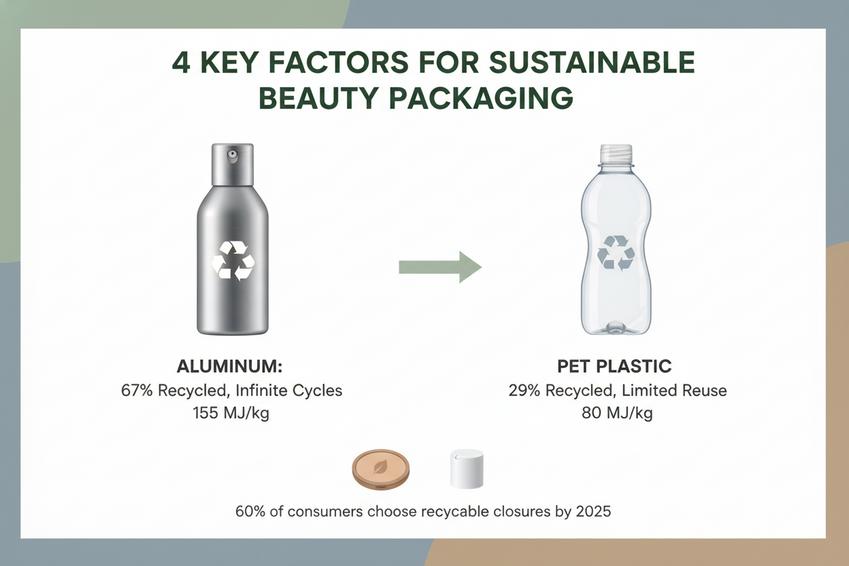
Sustainable choices in beauty product packaging can shrink your brand’s footprint without sacrificing style or function.
Choosing Aluminum Containers vs. PET Plastic
| Material Type | Recyclability Rate | Energy Used in Production (MJ/kg) | Average Post-Consumer Recycling (%) |
|---|---|---|---|
| Aluminum | High (infinite cycles) | 155 | 67% |
| PET plastic | Moderate (limited reuse) | 80 | 29% |
♻️ If you’re stuck between aluminum and PET plastic, here’s the lowdown:
• Aluminum containers are endlessly recyclable and lightweight, saving shipping fuel.
• PET plastic, while cheaper, tends to degrade after one or two recycling rounds.
• Carbon-wise? Aluminum takes more energy upfront but pays off over time with reuse.
💡 Brands like Topfeel are pivoting to aluminum not just for its eco-vibe—but because it keeps formulas stable longer too. That’s smart sustainability.
Understanding the Impact of Compact Cases on Sustainability
Short and sweet wins the race when it comes to compact cases. These little champs pack a punch in terms of eco value:
– They use less raw material, reducing strain on sourcing networks.
– Many support refill systems, cutting down on single-use waste.
– Lightweight designs mean fewer emissions during transport.
A minimalist approach doesn’t mean boring—it means smarter design thinking. With thoughtful engineering, these cases extend the whole product lifecycle while keeping your vanity sleek.
Essential Closure Types: Flip-top Lids vs. Pump Dispensers
“By 2025, over 60% of beauty consumers will actively choose products with recyclable closures,” according to a recent Euromonitor report.
- Flip-top lids win on simplicity—fewer parts mean easier recycling.
- But pump dispensers offer better control, which reduces product waste overall.
- The trade-off? Pumps often mix materials like metal springs with plastics, making them harder to recycle curbside.
So what’s greener? It depends on your formula and how long you want it to last post-opening—because closures affect air exposure too. When choosing between flip-tops and pumps, weigh both recyclability and preservation power before locking it in.
Each closure type adds a layer of complexity—or simplicity—to your final design decision in sustainable beauty packaging solutions.
Innovative Solutions in Beauty Product Packaging
Beauty product packaging is evolving fast, and today’s brands are blending sustainability with standout design. Let’s unpack how innovation is reshaping the way beauty gets boxed.
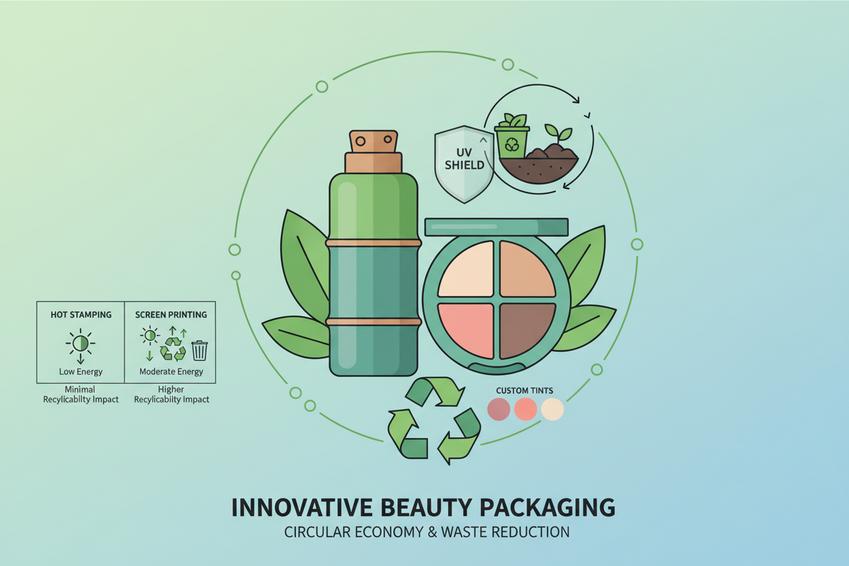
Embracing Compostable Packaging for Modern Brands
- Compostable materials like PLA and bagasse break down without leaving behind toxic residue.
- Many sustainable brands now swap plastic for these alternatives to meet eco-conscious consumer demands.
- This shift supports a circular economy, where waste becomes nutrient-rich soil instead of landfill clutter.
♻️ These materials also reduce shipping weight, trimming carbon emissions—a win-win for logistics and the planet.
Brands that embrace this kind of packaging innovation often see stronger alignment with green values, helping them stand out on shelves while contributing to real waste reduction.
Hot Stamping vs. Screen Printing for Sustainable Decoration
| Technique | Energy Use | Material Compatibility | Recyclability Impact |
|---|---|---|---|
| Hot Stamping | Low | High | Minimal |
| Screen Printing | Moderate | Limited | Higher |
Hot stamping uses heat and foil to create metallic finishes. It works well with various surfaces and has less impact on recyclability when done without excess layers. In contrast, screen printing employs eco-friendly inks, but may leave thicker coatings that can complicate recycling streams.
When it comes to sustainable decoration, hot stamping wins on versatility, but screen printing might suit designs needing layered textures or vibrant color saturation—just mind the environmental trade-offs.
The Advantages of Opaque Pigments in Packaging
Using opaque pigments isn’t just about looks—it’s about protecting what’s inside. These pigments block UV rays, which can degrade formulas over time. That means better product shelf life without added preservatives.
They also help keep packaging looking clean by masking recycled content inconsistencies—especially useful when using high levels of PCR. So while they’re subtle, their role in maintaining both visual appeal and formula stability is huge for modern beauty packaging design.
Implementing Custom Tints for Eco-Friendly Aesthetics
Short bursts below show how custom tints elevate sustainable design:
• They align with brand identity while using minimal additives.
• Transparent tones highlight the use of post-consumer resin (PCR) proudly—not hide it.
• Unique hues reduce the need for labels or external branding elements, cutting material use even further.
By combining color strategy with recycled content, custom tints become more than decorative—they’re a storytelling tool rooted deeply in values-driven design thinking around modern-day beauty product packaging solutions.
Palette Packaging: A Sustainable Trend
Grouped benefits of embracing this trend:
Refillable Systems & Modular Design
- Consumers love refillable palettes—they reduce single-use waste.
- Modular formats let users mix-and-match shades without tossing full units.
- Smart engineering enables easy disassembly for recycling or reuse.
Eco-Conscious Beauty Meets Convenience
- Palettes are compact yet customizable—ideal for travel and minimalism.
- Less bulk = fewer resources used per unit.
- Brands tapping into this trend meet rising demand from younger eco-aware buyers looking beyond aesthetics alone.
With growing attention on reducing footprint across all stages—from production to disposal—palette packaging systems are leading the charge toward smarter beauty product packaging formats that feel good inside and out.
How to Communicate Sustainability with Packaging
Sustainability isn’t just about materials—it’s also about how you talk about them right on the box.
Label Application: Creating Impactful Messaging
Consumers don’t read everything, so what they do see has to hit hard and fast. That’s where smart labeling comes in.
-
Use sustainable labels made from recycled paper or biodegradable film to physically reinforce your message.
-
Keep it honest—empty buzzwords like “green” won’t cut it anymore. Instead:
- Say exactly what the packaging is made of.
- Mention if it’s refillable, compostable, or part of a closed-loop system.
- Include third-party certifications for extra credibility.
-
A clean layout helps too—don’t crowd the label with jargon that confuses rather than clarifies.
The best messaging is rooted in clarity and purpose. If your beauty product packaging uses post-consumer resin, say that plainly instead of dancing around it with vague claims.
Short bursts work well here:
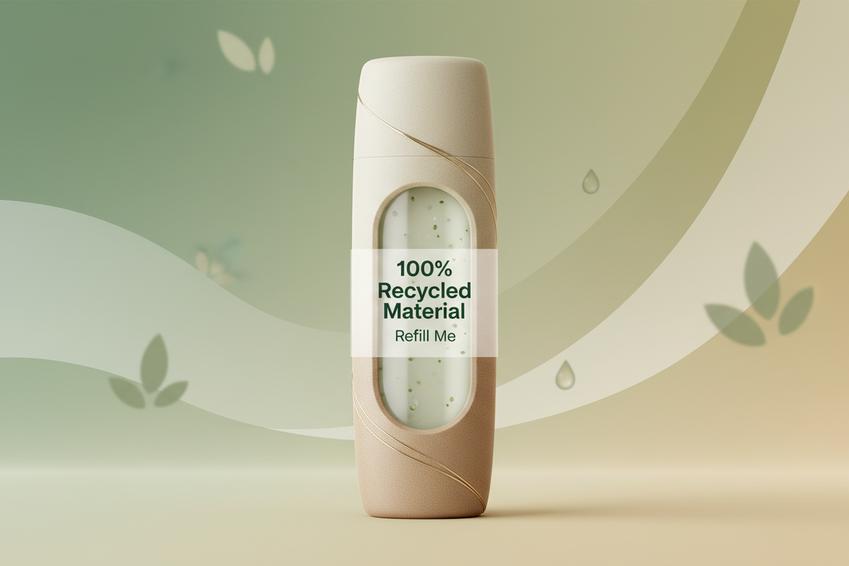
- “100% Recycled Material”
- “Refill Me”
- “No Plastic Liners”
These tiny phrases carry big weight when they’re backed by real action and consistent branding across all touchpoints.
Make sure your label reflects your brand’s commitment to eco-messaging, not just marketing fluff. Consumers are smarter now—they’ll notice if you’re faking it.
Eye-Catching Design: Metallic Finishes and Transparency
Design can be both flashy and eco-conscious—yes, even metallics can play nice with sustainability when done right.
Grouped into three key visual strategies:
• Metallic packaging elements like foil stamping or water-based metallic inks can attract attention without sacrificing recyclability when used sparingly on recyclable substrates.
• Transparent windows made from bio-PET or cellulose films give customers a peek inside while maintaining the integrity of sustainable materials—ideal for showcasing clean formulations in beauty product packaging.
• Strategic contrast between matte kraft textures and sleek metallic accents creates an upscale yet earthy vibe that screams eco-luxury without trying too hard.
These design choices aren’t just pretty—they’re functional tools for storytelling:
– They signal innovation through material innovation, not excess.
– They create trust through visible product integrity via clear panels.
– They elevate shelf appeal while staying true to principles of eco-friendly aesthetics and minimal waste.
When done thoughtfully, these visual cues help consumers connect emotionally—and practically—with your brand’s sustainability mission every time they pick up the package.
FAQs
What types of eco-friendly materials stand out in bulk beauty packaging?
Acrylic plastic whispers durability for foundation jars and mascara bottles.
Glass bottles offer weight, clarity, and an instant premium aura.
Eco-friendly cardboard wraps palette packaging with recyclable charm.
Aluminum containers endure the years without rust—ideal for creams by the gram weight.
How do biodegradable plastics make sustainable choices feel personal?
Like a promise kept: biodegradables soften into nature quicker than PET plastic.
- Protect lipstick tubes and spray nozzles during long journeys.
- Deliver milliliter capacity products without heavy guilt.
Which closure styles balance practicality with emotional touch?
Flip-top lids open fast in morning showers of shampoos. Pump dispensers glide liquid makeup like foundations with controlled precision. Screw caps keep net weight travel-size lotions safe; dropper closures let skincare drops land exactly where hearts want them.
Why can refillable systems truly change daily habits?
Reusable aluminum or glass becomes part of someone’s routine rather than waste overnight. Embossing techniques turn each refill into a keepsake; custom tints personalize these enduring shapes until they feel irreplaceable.
| Container Base | Sustainability Type | Decoration Accent |
|---|---|---|
| Glass bottles | Refillable systems | Hot stamping |
| Aluminum tins | Refillable systems | Screen printing |
In what ways does decoration speak louder than words on beauty packages?
Hot stamping flashes metallic finishes that catch quick glances under store lights.
Screen printing layers opaque pigments or transparent hues onto eco-friendly cardboard as if painting emotions directly.
Label application seals recycled material icons into plain view—proof etched visibly across fluid ounce offerings, compact cases, even sleek custom cosmetic packaging awaiting loyal hands.
References
[Benefits of PHA Bioplastic – BioPak Australia – https://www.biopak.com/au/materials/pha]
[Why PCR Packaging Is the Future of Cosmetics – Omi – https://ominatural.com/sustainability-trends-the-application-and-future-of-pcr-packaging-in-the-cosmetics-industry/]
[Future-Proofing Your Packaging: PET as the Strategic Response to Aluminum Tariffs – Husky – https://www.husky.co/en/resources/blog/aluminum-tariffs-pet-packaging-alternatives/]
[Top Trends Shaping the Beauty and Personal Care Industry in 2025 – Euromonitor.com – https://www.euromonitor.com/article/top-trends-shaping-the-beauty-and-personal-care-industry-in-2025]

