 English (Canada)
  English
  English (UK)
  English (Australia)
  العربية
  Deutsch
  Italiano
  Español de México
  Tiếng Việt
  ไทย
ไทย  Português do Brasil
  Français
  Български
  Čeština
  Dansk
Dansk  Ελληνικά
  Eesti
Eesti  Suomi
Suomi  Magyar
  Bahasa Indonesia
  Lietuvių kalba
  Latviešu valoda
  Norsk bokmål
  Nederlands (Formeel)
  Polski
  Română
  Русский
  Slovenčina
  Slovenščina
  Svenska
  Türkçe
  Українська
  简体中文
简体中文  日本語
日本語  한국어
한국어  繁體中文
繁體中文 
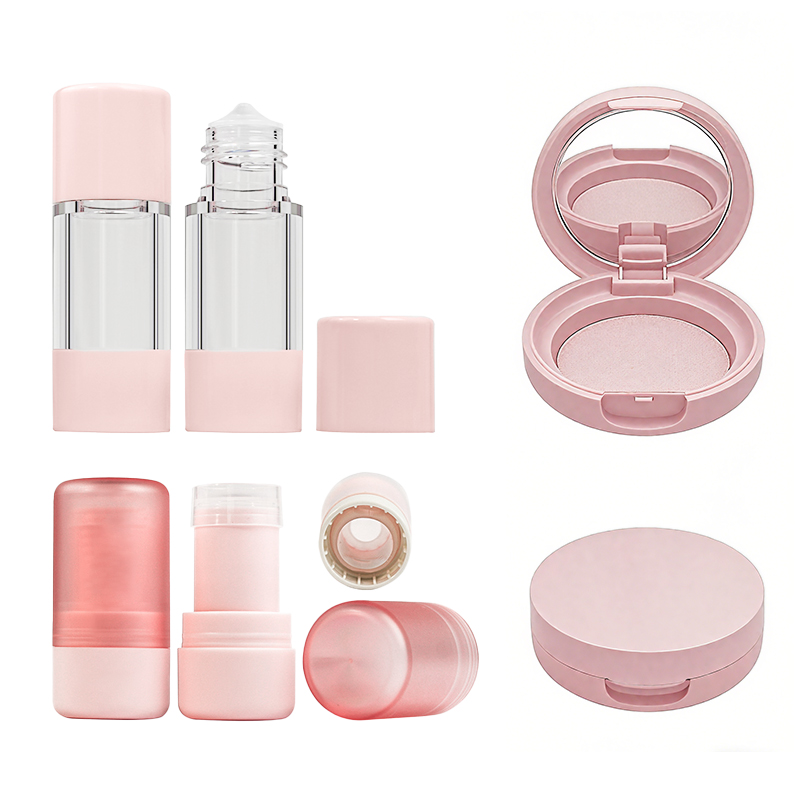
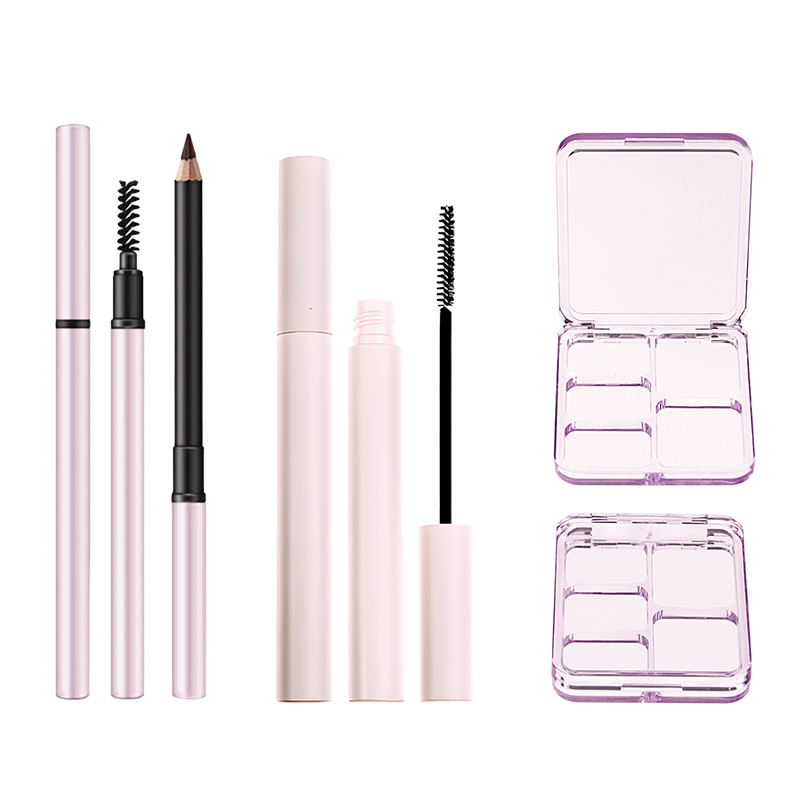
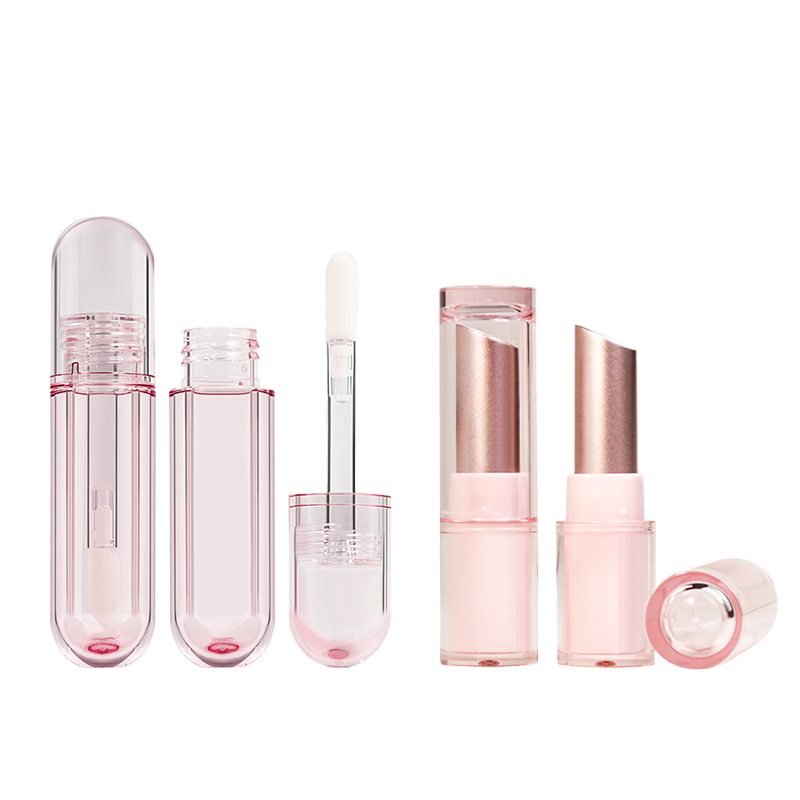

The Ultimate Guide to Sustainable Cases of Lip Gloss You’ll Love
December 25,2025
You ever open a case of lip gloss and think, “Dang, this thing’s prettier than the product inside”? Yeah—turns out packaging is pulling some serious weight in the beauty biz. But here’s the kicker: if that snazzy tube ends up clogging a landfill? Your eco-conscious customers will notice—and bounce.
A 2024 report from McKinsey shows over 70% of Gen Z shoppers are more likely to buy from brands committed to sustainability. That’s not just vibes—it’s math. And when it comes to high-volume buyers like you? Sourcing ethically isn’t just nice PR—it’s smart business.
“I’ve seen luxury clients switch suppliers mid-contract because their packaging didn’t align with new green goals,” says Mei Zhang, senior packaging engineer at Topfeel. “Sustainability used to be optional—now it’s table stakes.”
So yeah, cuteness still counts—but today it better come wrapped in recycled PET or biodegradable plastic. Ready for your glow-up?
Why Sustainable Cases of Lip Gloss Matter
Eco-packaging isn’t just a trend—it’s changing the game for every case of lip gloss out there. Let’s break down why it really matters.
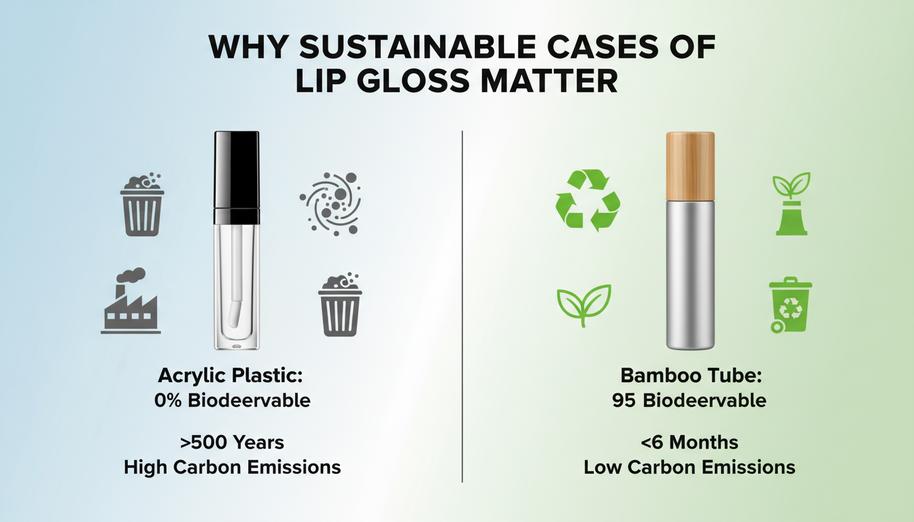
The environmental impact of traditional lip gloss packaging
Plastic-heavy packaging used in most cases of lip gloss carries a high cost—on the planet, not your wallet.
- Most traditional containers are made from non-biodegradable plastics like polypropylene and acrylic.
- These materials often end up in landfills, taking hundreds of years to decompose.
- As they break down, they release tiny bits called microplastics, which contaminate water and soil.
- The production process relies heavily on fossil fuels, increasing the overall carbon footprint.
- Improper disposal leads to widespread environmental pollution, especially in oceans and rivers.
And when you consider how many lip gloss tubes get tossed every year, that waste adds up fast.
How sustainable packaging enhances brand reputation
Choosing eco-friendly materials for a case of lip gloss doesn’t just help the planet—it builds serious street cred with buyers too.
🟢 Brands that switch to biodegradable or refillable options stand out through:
• A stronger, more positive brand image that appeals to modern values.
• Increased levels of consumer trust, especially among younger audiences.
• Alignment with broader goals around CSR and responsible business practices.
🟢 Bonus points if brands use:
• Locally sourced or recycled materials to reduce their carbon load.
• Transparent supply chains that prove their commitment to ethical sourcing.
All these factors combine into one powerful thing: better visibility through smart, authentic, and green marketing strategies—something Topfeel has mastered brilliantly.
Consumer preferences shifting towards eco-friendly products
People are done with throwaway beauty trends—they want products that match their values now more than ever.
📌 Shoppers today are leaning into:
– Products made for eco-conscious consumers who care about sustainability as much as shine.
– Brands offering clear info about ingredients and packaging—aka full-on product transparency.
📌 That shift is backed by rising demand for:
– Reusable applicators instead of single-use plastic wands.
– Compostable or recyclable outer cartons that reduce shelf-to-trash guilt.
It’s not hype—it’s real market movement driven by smarter, greener buying habits rooted in deepening environmental awareness and ethical consumption patterns.
Traditional packaging vs sustainable alternatives: What the numbers say
Here’s how different types of lip gloss containers stack up when it comes to sustainability metrics:
| Packaging Type | Biodegradability (%) | Avg Decomposition Time | Carbon Emissions per Unit |
|---|---|---|---|
| Acrylic Plastic Case | 0 | Over 500 years | High |
| Recycled PET Bottle | ~30 | ~100 years | Moderate |
| Bamboo Tube | ~95 | <6 months | Low |
| Aluminum Refillable | ~80 | <12 months | Very Low |
Switching even half your product line from acrylic to bamboo or aluminum could drastically cut your environmental toll—and boost customer loyalty at the same time.
Why refillable designs are winning hearts
Refillable cases of lip gloss aren’t just cute—they’re clever too.
(1) They reduce waste by eliminating constant repurchases of full units.
(2) They save customers money over time while keeping their fave shade on hand.
(3) They signal long-term thinking—a trait associated with premium-quality brands using smart design choices tied closely to sustainability goals like reducing plastic waste or improving lifecycle efficiency.
That combo? Pretty irresistible for anyone paying attention to both beauty and the planet.
How eco-packaging influences purchase decisions
Quick hits on why people gravitate toward greener options when choosing a new case of lip gloss:
• It aligns with personal values around climate responsibility and low-impact living.
• It feels good—literally—to buy something guilt-free and stylish at once.
• It creates emotional connection; shoppers feel part of something bigger than themselves when supporting brands doing right by nature.
Even impulse buys start getting filtered through this mindset now—and if your packaging doesn’t speak “sustainable,” you might be left behind on the shelf.
Materials making waves in sustainable beauty packaging
Grouped below are some standout material innovations reshaping how we think about what holds our favorite tube or pot:
🔹 Bio-based plastics
Made from sugarcane or corn starch; lower emissions during production but still need proper composting facilities post-use.
🔹 Glass
Fully recyclable, durable, ideal for luxury lines but heavier to ship = higher transport footprint unless offset properly.
🔹 Paperboard
Great for outer boxes; FSC-certified versions ensure responsible forestry practices while being easy on landfills after disposal due to high biodegradability rates.
🔹 Aluminum
Lightweight yet strong; perfect for refillables thanks to its infinite recyclability without quality loss over cycles—yes please!
These aren’t just trendy—they’re practical shifts happening across product lines right now as consumers demand better solutions all around their makeup bags.
Making sustainability part of your brand DNA
Building eco-values into every layer—from formula design down to each little case of lip gloss—isn’t optional anymore if you want staying power in this space.
Step-by-step approach many successful brands follow includes:
→ Choosing recyclable or compostable materials upfront during R&D stages;
→ Partnering only with suppliers who meet strict ethical sourcing standards tied directly into CSR commitments;
→ Training marketing teams on how best to communicate these efforts authentically—not just greenwashing buzzwords but real proof points customers can verify themselves online before buying anything at all!
Done right? That strategy turns ordinary products into loyalty magnets—and keeps them flying off shelves sustainably year-round!
Top 5 Benefits of Eco-Friendly Lip Gloss Packaging
Eco-friendly packaging isn’t just a trend—it’s reshaping how brands design every case of lip gloss. Here’s why it’s the smarter choice.
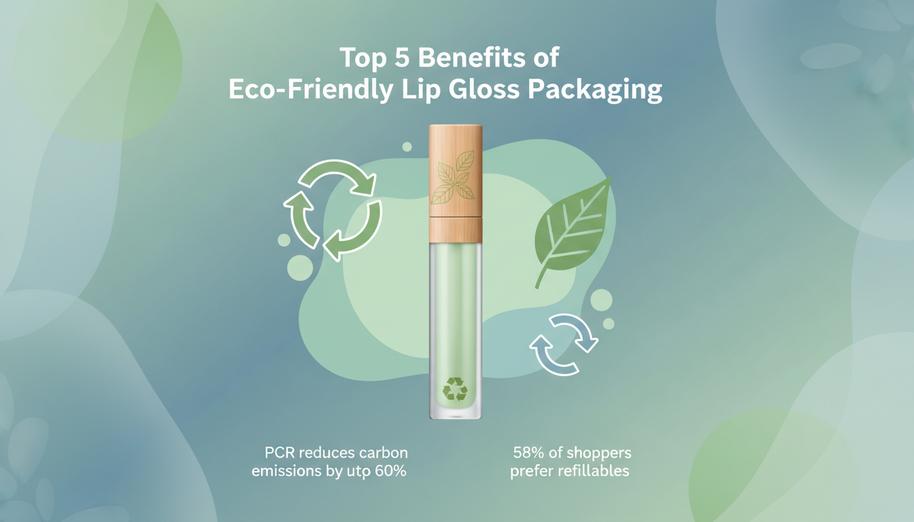
Reduced plastic waste: The power of recycled materials
- ♻️ Using recycled materials like post-consumer resin (PCR) helps shrink the mountain of discarded plastics.
- Brands are switching to PET and PP plastics, both recyclable and sturdy enough for repeated use.
- This shift supports the circular economy, where waste gets reabsorbed into new products, not oceans.
In the average case of lip gloss, replacing virgin plastic with PCR reduces carbon emissions by up to 60%, according to GreenBlue’s Sustainable Packaging Coalition. Less trash, more impact.
Biodegradable options as a game-changer in cosmetics
- Bioplastics made from corn starch or sugarcane break down naturally—no landfill guilt.
- Glass bottles offer sleekness and full recyclability without compromising style.
- Compostable tubes disappear in months under the right conditions.
Biodegradable packaging turns every case of lip gloss into a statement piece for sustainability. It’s not just about being pretty—it’s about being kind to the planet.
Custom colors and sustainable inks: The perfect match
● Brands now use eco-friendly inks like soy-based inks that are non-toxic and vibrant.
● Want metallic shimmer? No problem—vegetable inks can handle it, minus the pollutants.
● Add Pantone-matched hues and your packaging pops without harming ecosystems.
The result? A case of lip gloss that screams personality while keeping environmental impact low. You really can have it all—style, color, and conscience.
Refillable systems: Economical and eco-conscious alternatives
A refillable system turns one purchase into many uses:
Step 1: Buy once—the outer tube is durable and designed to last.
Step 2: Swap in refills when needed; they cost less than full-size replacements.
Step 3: Reduce waste with each reuse, cutting down on excess packaging materials.
Not only does this reduce landfill overflow, but consumers also save cash over time. In fact, McKinsey’s 2024 Beauty Consumer Survey found that over 58% of shoppers prefer refillables when available—a clear signal for brands designing their next case of lip gloss.
The appeal of vibrant finishes in sustainable packaging
You don’t have to sacrifice looks for sustainability:
• Opaque finishes give a luxe vibe while using low-impact coatings
• Transparent tints let product colors shine through with minimal material dyes
• Matte textures enhance grip while reducing glare during shelf display
A thoughtfully designed case of lip gloss doesn’t just feel good—it looks incredible too. These finishes elevate your brand image while staying true to eco-values—a win-win for aesthetics and ethics alike.
How to Analyze Eco-Friendly Materials for Lip Gloss Cases
Making smart choices for the case of lip gloss means thinking beyond looks—materials matter big time.
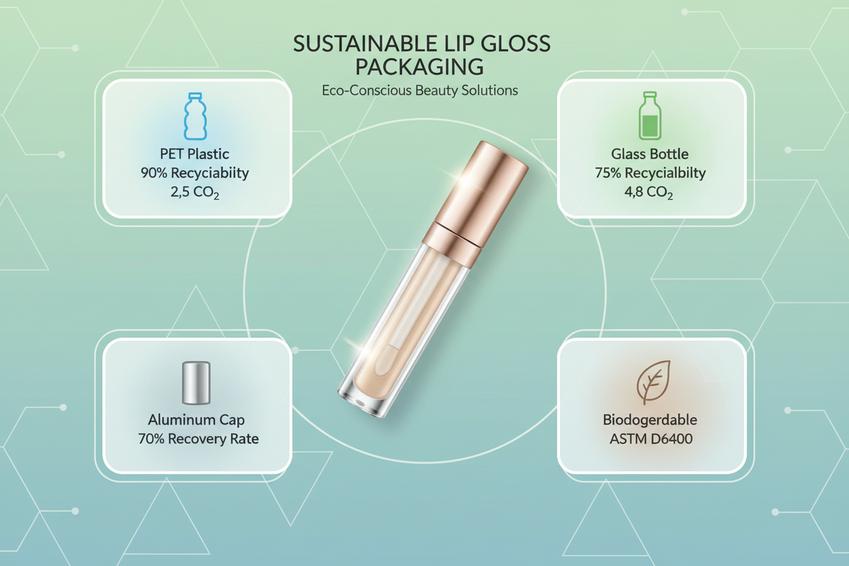
Evaluating PET plastic vs. glass bottles for sustainability
Both PET plastic and glass bottles have their fans, but when it comes down to eco-friendliness, here’s how they stack up:
-
PET plastic
- Lightweight, which cuts shipping emissions.
- Fully recyclable in most municipal systems.
- Often made with post-consumer recycled content.
-
Glass bottles
- Durable and reusable multiple times.
- Energy-intensive to produce and ship.
- More likely to be recycled into similar-quality material.
| Material | Recyclability (%) | CO₂ Emissions/kg | Avg. Lifecycle Uses |
|---|---|---|---|
| PET Plastic | 90 | 2.5 | Up to 10 |
| Glass Bottle | 75 | 4.8 | Up to 30 |
In short, if your lip gloss case needs lighter transport and mass production perks, go PET; if you want longevity and reuse potential, glass wins.
Understanding the role of aluminum caps in reducing waste
Aluminum isn’t just sleek—it’s also pulling weight on the sustainability front when it comes to closures for a case of lip gloss:
- It’s endlessly recyclable without losing quality.
- It’s super light—cuts down fuel use during shipping.
- It supports circular design goals by staying in material loops longer.
According to Euromonitor’s Packaging Sustainability Report Q1/2024, “Aluminum closures saw a recovery rate above 70% across Europe—a clear nod toward consumer recycling behavior.”
So yeah, those shiny little aluminum caps are doing more than looking good—they’re helping cut waste at scale.
A deep dive into biodegradable material options
♻️ Biodegradable materials are stepping up as real contenders for sustainable packaging:
• Made from renewable stuff like corn starch or sugarcane pulp.
• Break down naturally under industrial composting conditions—no microplastics left behind.
• Some even meet ASTM D6400 standards, meaning they decompose within months under proper conditions.
In the world of eco-forward beauty packaging, swapping petroleum-based plastics out for certified biodegradable materials could seriously clean up the game for any future-proofed lip gloss case concept.
Key considerations for sustainable decoration methods
When dressing up a lip gloss case, don’t forget—the prettiest finish can still mess with recyclability:
Short points worth noting:
- UV coatings? Cool-looking but often non-recyclable.
- Go water-based inks—they’re low-tox and don’t interfere with sorting techs.
- Embossing beats foil stamping when you want flair without extra waste layers.
- Stickers or labels? Keep ‘em minimal so they don’t jam recycling lines.
The goal? Pick finishing techniques that match both your vibe and your planet goals—and keep those pretty packages outta landfills while you’re at it.
Why comparing PET vs Glass matters in lifecycle analysis
Breaking it down into quick bits:
• A single-use glass bottle might feel luxe—but its carbon footprint is nearly double per unit compared to recycled PET.
• Meanwhile, high-grade PET plastic, especially rPET blends, can be closed-loop recycled multiple times before degradation sets in—making them ideal for high-volume runs of lip gloss containers.
• But aesthetics matter too—glass gives off that premium glow some brands crave (we see you Topfeel).
So yeah—it’s not just about what looks cooler on shelf; it’s about what performs better long-term across energy use, recyclability rates, and customer disposal habits tied directly back into how your chosen material holds up over its life cycle as part of a sustainable beauty product line-up.
What makes aluminum caps such efficient closure materials?
Grouped breakdown by benefit type:
Environmental Impact
- Fully recyclable
- Low energy cost per re-melt cycle
- Supports global circular economy targets
Design & Functionality
- Compatible with screw-top or flip-top mechanisms
- Maintains tight seals without bulky parts
- Easy color anodization without extra coatings
Consumer Perception
- Seen as premium yet sustainable
- Adds tactile quality often missing in plastics
- Associated with luxury minimalism—a growing trend among Gen Z buyers
Bottom line? Choosing an aluminum cap adds value way beyond function—it reinforces brand values while cutting landfill contributions on every single unit sold.
Are biodegradable plastics ready for mainstream packaging?
Let’s break this one apart:
1️⃣ Not all “biodegradable” means compostable—some need industrial heat levels most folks won’t have access to at home.
2️⃣ Certain types like PLA work well structurally but aren’t great under high heat conditions inside cars or bags on hot days—bad news if your lip balm melts before you get home!
3️⃣ The real kicker? Infrastructure still lags behind demand; only some regions offer curbside composting services compatible with these materials right now.
Still—it’s promising tech that keeps getting better each year… especially as brands push hard toward zero-waste ambitions across every new launch of their latest cute little tube or pot housing that perfect swipe-worthy gloss formula inside each stylishly compacted biodegradable case of lip gloss container design.
How decoration choices impact recycling outcomes
Decorative touches may look harmless—but they can totally wreck a package’s afterlife chances:
🔹 Over-laminated finishes = trash bin destiny
🔹 Too many mixed materials = stuck in sorting
🔹 Metallic foils = contamination risk
🔹 Adhesives = clogging machines
🔹 Thick ink layers = reduced melt purity during processing
A smarter move? Stick with direct-print methods like silk screening using soy-based inks—or skip fancy finishes altogether if your main goal is keeping things clean and green after the last dab gets used from your favorite pocket-sized glossy hero—the trusty little lip gloss case, reborn again through thoughtful design choices that actually work post-consumer use too.
Step-by-Step Guide to Transitioning to Eco-Friendly Lip Gloss Cases
Thinking about switching up your lip gloss game? Here’s how you can make the case of lip gloss greener—without losing style or function.
Assessing your current packaging: Where to start
Before diving into new ideas, take a hard look at what you’re already using. You might be surprised where small changes can make a big difference.
- Current packaging types like squeeze tubes and wand applicators should be mapped out by material composition.
- Conduct a basic sustainability audit—how much plastic are you using per unit?
- Track how each component ends up in the waste stream post-use.
- Look at labeling too; excessive inks and finishes reduce recyclability.
- Identify non-recyclable parts like mirrors or mixed-material caps.
- Evaluate whether any part of your existing lip gloss cases is reusable or refillable.
- Benchmark against competitors who’ve adopted an eco-friendly baseline—what are they doing better?
Selecting sustainable materials: A guide to options
Switching materials isn’t just about swapping plastic for paper—it’s about choosing wisely based on durability, aesthetics, and recyclability.
Start with the basics:
- Glass containers offer elegance and full recyclability but may increase shipping weight.
- Recycled plastics, especially PCR materials, reduce virgin plastic use without changing the product feel too much.
- Consider biodegradable tubes made from PLA or sugarcane-based polymers—but check shelf life compatibility first.
Then explore premium alternatives:
• Bamboo-wrapped tubes give an earthy edge while reducing synthetic input.
• Metal components can be reused or melted down, though they cost more upfront.
Don’t forget testing: Run trials with different material selection batches to see which ones hold up under heat, pressure, and product interaction.
A solid choice now saves headaches later—and makes every single case of lip gloss stand out on shelves for all the right reasons.
Engaging suppliers for eco-friendly packaging solutions
You’re not alone in this journey—your vendors play a massive role in shaping what’s possible when it comes to sustainability.
Some quick hits:
→ Find partners who specialize in low-impact production methods or offer refillable formats.
→ Ask if they provide lifecycle data on their products—transparency matters here more than ever.
→ Be open about your goals so that supplier collaboration becomes part of your brand story—not just back-end logistics.
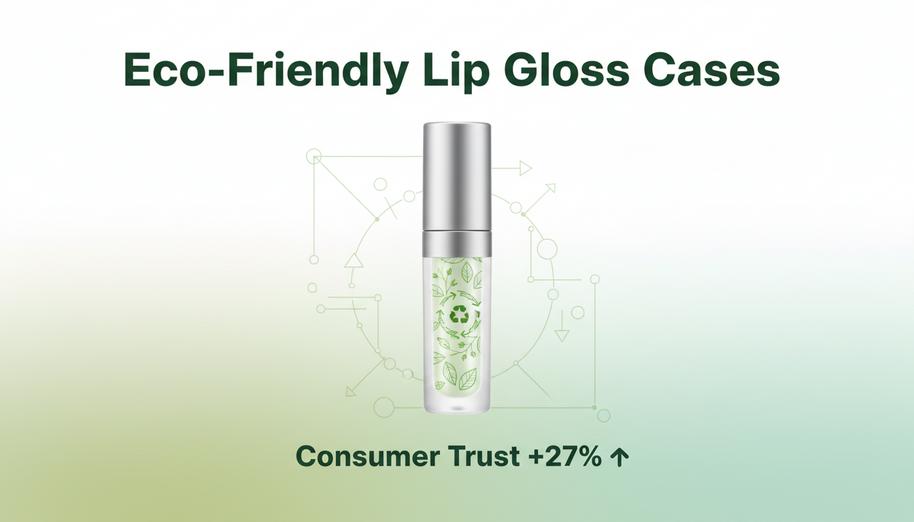
According to Mintel’s Beauty Packaging Trends Report (2024), “Brands that align with supplier innovation around circular design see increased consumer trust by as much as 27%.”
So go ahead—loop them into your vision early on, especially when reimagining each new lip gloss case design cycle. With one reliable partner like Topfeel, even small-batch indie brands can scale sustainably without compromising on style or payoff.
FAQs
What eco-friendly materials work best for bulk lip gloss cases?
A mix that feels good in hand and speaks to conscience:
- PET Plastic for squeeze tubes or twist-up tubes—light, recyclable.
- Glass Bottles paired with wand applicators—sleek, endlessly reusable.
- PP Plastic from recycled streams—durable yet guilt-free.
- Closures like Aluminum Caps keep shine without harming the planet.
How does sustainable packaging influence customer trust at scale?
In large orders, each compact container or refillable bottle is a quiet promise: reduced plastic, mindful choices, lasting integrity—customers sense authenticity and remember it when they buy again.
Can I get custom colors and finishes on wholesale lip gloss containers?
Absolutely—the color becomes personality here: Pantone matching ensures your brand’s exact tone; metallic shades spark glamour; transparent tints let product tones breathe through glass bottles while using eco-friendly inks.
Which closure options pair best with elegant glass bottles in cosmetics?
For a case designed to impress yet protect: screw caps seal tight; flip-top caps open easily without spill risk; tamper-evident seals whisper security; aluminum tops add recyclability without losing style.
Why do refillable systems make sense in mass production runs?
They cut waste radically:
| Benefit | Consumer Appeal |
|---|---|
| Reduced single-use waste | Long-term cost savings |
| Refillable bottles | Personal ritual & loyalty |
| Less acrylic case use | Eco-conscious satisfaction |
How can biodegradable features enhance my business image with bulk clients?
Short bullet insight + summary description:
- Breaks down naturally post-disposal.
- A step toward reduced landfill pressure.
Customers feel connected to brands that visibly align product beauty with environmental responsibility—it’s more than lip gloss; it’s a shared value.
References
[1] State of Beauty – McKinsey https://www.mckinsey.com/industries/consumer-packaged-goods/our-insights/state-of-beauty
[2] Sustainable Packaging Coalition https://sustainablepackaging.org/
[3] Redesigning FMCG Sustainable Packaging – Euromonitor https://www.euromonitor.com/article/redesigning-fmcg-sustainable-packaging-for-regulatory-compliance
[4] Global Packaging Trends – Mintel https://www.mintel.com/insights/packaging/global-packaging-trends/

