 English
  English (UK)
  English (Australia)
  English (Canada)
  العربية
  Deutsch
  Italiano
  Español de México
  Tiếng Việt
  ไทย
ไทย  Português do Brasil
  Français
  Български
  Čeština
  Dansk
Dansk  Ελληνικά
  Eesti
Eesti  Suomi
Suomi  Magyar
  Bahasa Indonesia
  Lietuvių kalba
  Latviešu valoda
  Norsk bokmål
  Nederlands (Formeel)
  Polski
  Română
  Русский
  Slovenčina
  Slovenščina
  Svenska
  Türkçe
  Українська
  简体中文
简体中文  日本語
日本語  한국어
한국어  繁體中文
繁體中文 

Trends in Lip Gloss Container Materials
December 22,2025
Explore the latest trends in lip gloss containers, emphasizing sustainable materials, innovative design, and personalized packaging. Discover how these advancements impact makeup packaging and align with eco-friendly beauty demands.
1. The Evolution of Lip Gloss Packaging
The beauty industry is perpetually on the move, constantly adapting to new consumer demands and technological advancements. Among the many components of this industry, cosmetic packaging is experiencing significant innovation, particularly in the realm of lip gloss packaging. The materials used in these containers extend beyond mere aesthetics; they have a profound impact on the product’s sustainability, usability, and cost-effectiveness. In this comprehensive article, we will explore the latest trends in lip gloss container materials and how they are reshaping the makeup packaging landscape, considering environmental responsibility, design innovation, personalization, cost implications, and future directions.
2. The Push for Sustainable Materials
As the global focus on environmental issues intensifies, the push for sustainable materials in lip gloss packaging has become more pronounced. Consumers today are more environmentally aware, demanding products that align with their values and contribute positively to the planet. This shift in consumer mindset is compelling brands to adopt eco-friendly materials, moving away from traditional, less sustainable options.
2.1 Biodegradable Plastics: The Rise of PLA
Biodegradable plastics are emerging as a frontrunner in the cosmetic packaging sector. These innovative materials are designed to decompose more rapidly than conventional plastics, significantly reducing their environmental impact. Polylactic acid (PLA) is a leading example, derived from renewable resources such as corn starch. PLA provides the durability and versatility required for lip gloss tubes while maintaining a considerably lower environmental footprint compared to traditional plastics. The adoption of biodegradable plastics not only addresses ecological concerns but also enhances brand image as environmentally conscious companies.
Furthermore, the technological advancements in biodegradable plastics are expanding their potential applications. These materials are now capable of offering the same level of clear finish, flexibility, and strength as conventional plastics, making them an attractive option for a wide range of cosmetic products. As research continues, we can expect further improvements in the performance and cost-effectiveness of biodegradable plastics, encouraging even wider adoption across the beauty industry.
2.2 Post-Consumer Recycled (PCR) Plastics
The incorporation of recycled materials into lip gloss packaging is another trend gaining momentum. By utilizing post-consumer recycled plastics, brands can significantly reduce the demand for new plastic production, thus diminishing their overall carbon footprint. This practice not only appeals to eco-conscious consumers but also aligns with international sustainability goals and regulatory requirements.
Recycled materials offer a dual advantage: they contribute to waste reduction and provide a tangible demonstration of a brand’s commitment to sustainability. Companies leveraging recycled materials often communicate this aspect through their marketing efforts, enhancing their appeal to environmentally aware consumers. Furthermore, advancements in recycling technology are improving the quality and appearance of recycled plastics, making them virtually indistinguishable from virgin materials.
2.3 Renewable Plant-Based Alternatives
Plant-based materials are gaining traction as a viable alternative to traditional plastics. Derived from renewable sources such as sugarcane, these materials offer similar properties to conventional plastics but with a significantly reduced environmental impact. The use of plant-based materials in lip gloss containers not only supports sustainable practices but also resonates with consumers seeking natural and organic products.
The production of plant-based materials is becoming more efficient and cost-effective, encouraging wider adoption in the cosmetics industry. As consumer demand for sustainable products continues to rise, plant-based alternatives are likely to become a staple in cosmetic packaging. Their natural origins and reduced carbon footprint make them an ideal choice for brands looking to enhance their sustainability credentials.
3. Innovation in Design and Functional Materials
Beyond the realm of sustainability, innovative designs and functional materials are revolutionizing the way lip gloss containers are conceived and utilized. Consumers today are seeking products that are not only eco-friendly but also user-friendly and aesthetically appealing, reflecting their lifestyle and personal preferences.
3.1 Airless Container Technology
Airless containers are rapidly becoming a preferred choice for lip gloss packaging due to their functional benefits. By protecting the product from air exposure, these containers prevent oxidation and spoilage, thereby extending the shelf life and enhancing the performance of the lip gloss. This technology ensures that consumers receive a product that maintains its quality over time, promoting customer satisfaction and brand loyalty.
In addition to their functional advantages, airless containers often feature sleek and modern designs that enhance the overall aesthetic of the packaging. The combination of functionality and visual appeal makes airless containers an attractive option for brands aiming to differentiate themselves in a competitive market. As technology advances, we can anticipate further innovations in airless packaging, offering even greater benefits to both consumers and manufacturers.
3.2 The Resurgence of Luxury Glass
Traditionally associated with luxury beauty products, glass is experiencing a resurgence in the broader cosmetic packaging market. Glass offers several advantages: it is non-reactive, provides excellent product protection, and is fully recyclable, aligning with the growing trend toward sustainable packaging. The inherent weight and tactile appeal of glass convey a sense of luxury, making it an ideal choice for brands seeking to position themselves as premium.
The use of glass in lip gloss containers also allows for a wide range of design possibilities, from clear and minimalist to colored and ornate. This versatility enables brands to create distinctive packaging that stands out on the shelves and resonates with consumers’ aesthetic preferences. As consumer demand for high-quality, sustainable packaging continues to grow, glass is likely to remain a popular choice in the cosmetics industry.
3.3 Multi-functional Material Science
Innovations in material science are leading to the development of multi-functional materials that enhance the usability and performance of lip gloss containers. These materials may incorporate features such as antimicrobial properties, UV protection, or enhanced texture for improved grip. By integrating multiple functionalities into the packaging, brands can offer consumers added value and differentiate their products in a crowded marketplace.
The exploration of multi-functional materials is opening new possibilities for cosmetic packaging, allowing brands to cater to diverse consumer needs and preferences. As research in this area progresses, we can expect to see an increasing number of innovative solutions that enhance both the functionality and appeal of lip gloss containers.
4. Customization and Personalized Consumer Experiences
In today’s competitive beauty market, customization and personalization are crucial strategies for capturing consumer attention and fostering brand loyalty. Brands are increasingly offering customizable options for lip gloss containers, enabling consumers to express their individuality and create a more meaningful connection with the product.
4.1 Advanced Printing and Surface Finishes
Advancements in printing technology have revolutionized the possibilities for customization in lip gloss packaging. Brands can now offer a wide array of custom designs, colors, and finishes for lip gloss tubes, allowing consumers to select packaging that reflects their unique style. Whether it’s a metallic finish, a matte look, or vibrant colors, customization helps brands stand out on retail shelves and appeal to diverse consumer preferences.
The ability to personalize packaging extends beyond aesthetics, offering practical benefits such as enhanced durability and resistance to wear and tear. By investing in custom printing and finishes, brands can create packaging that not only looks appealing but also withstands the rigors of daily use, enhancing the overall consumer experience.
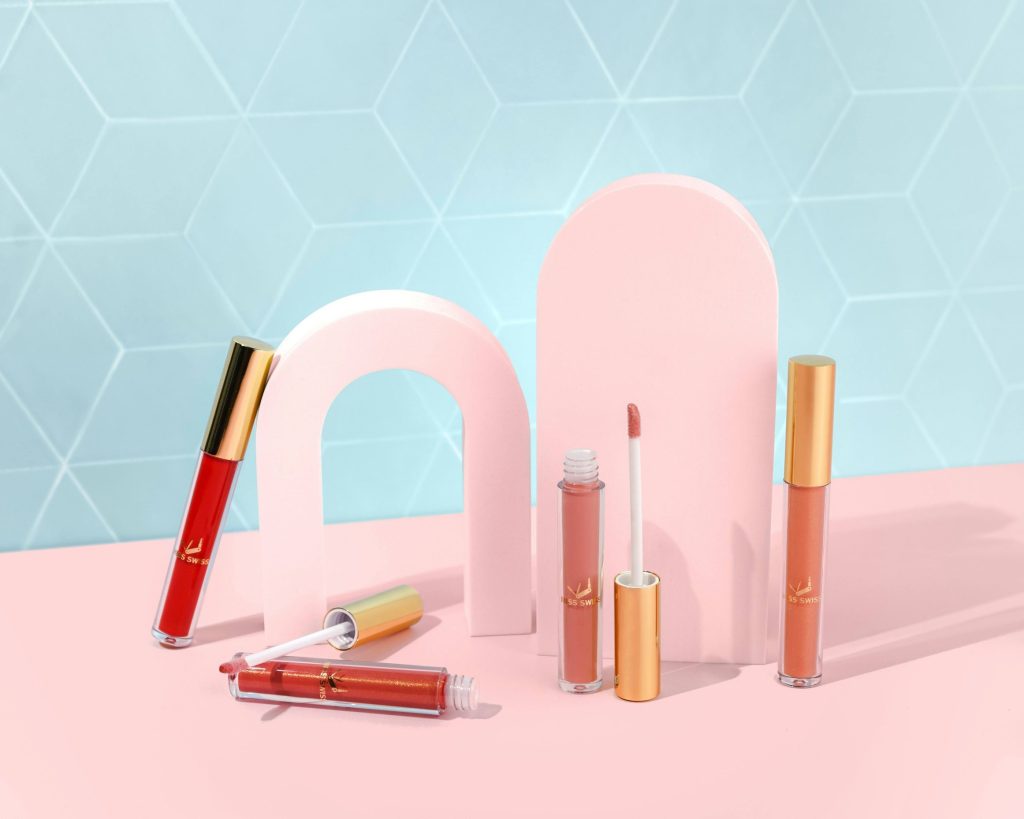
4.2 Personalized Labels and Brand Storytelling
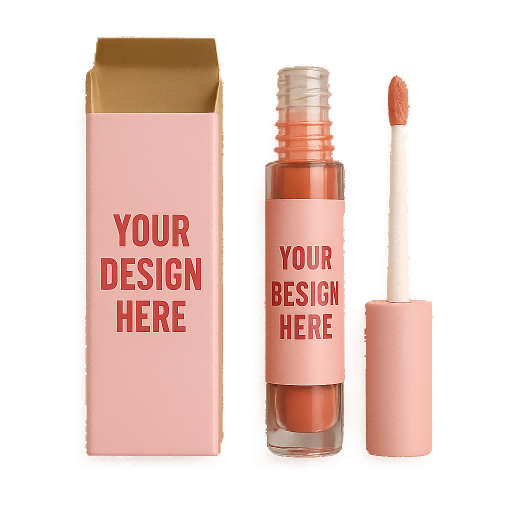
Some companies are taking personalization a step further by offering personalized labels for their lip gloss containers. Customers can have their names, unique messages, or even custom artwork printed on the packaging, adding a personal touch that enhances the consumer experience. This trend not only creates a deeper connection between the brand and the consumer but also encourages brand loyalty and word-of-mouth marketing.
Personalized labels offer an opportunity for brands to engage with consumers on a more intimate level, fostering a sense of ownership and pride in the product. As technology continues to advance, the possibilities for personalization are expanding, offering brands new ways to connect with their audience and build lasting relationships.
4.3 The Rise of Interactive Packaging
Interactive packaging is an emerging trend that leverages technology to create a dynamic consumer experience. By incorporating elements such as augmented reality, QR codes, or NFC technology, brands can offer consumers interactive content or experiences that enhance the product’s appeal. This approach not only adds value to the packaging but also provides a platform for brands to communicate their story and engage with consumers in innovative ways.
The rise of interactive packaging reflects a broader trend toward experiential marketing, where brands seek to create memorable and engaging experiences for their consumers. As technology becomes more accessible, we can expect to see an increasing number of brands adopting interactive packaging solutions to differentiate themselves and capture consumer interest.
5. Balancing Innovation with Cost-Effectiveness
While innovative and sustainable materials offer numerous benefits, they also have a significant impact on the cost of production. It is essential for brands to balance the desire for cutting-edge packaging with cost considerations to remain competitive in the market. Understanding the economic implications of material choices is crucial for brands seeking to optimize their packaging strategy.
5.1 Strategic Use of Hybrid Materials
In response to the challenge of balancing innovation with cost, brands are exploring cost-effective alternatives that do not compromise on quality or sustainability. For instance, using a combination of traditional and recycled plastics can reduce costs while still promoting environmental responsibility. This approach allows brands to benefit from the advantages of sustainable materials without incurring prohibitive expenses.
Advancements in manufacturing processes are also contributing to cost reductions, making sustainable materials more accessible to a broader range of brands. As technology evolves, we can expect continued improvements in the cost-effectiveness of eco-friendly materials, enabling more brands to adopt sustainable packaging solutions.
5.2 Sourcing and Partnerships
Strategic sourcing and partnerships are key strategies for managing the cost implications of material choices. By collaborating with suppliers and other stakeholders, brands can negotiate favorable pricing, access innovative materials, and share resources to reduce costs. These partnerships can also facilitate knowledge exchange and foster innovation, enabling brands to stay at the forefront of packaging trends.
The development of strategic partnerships can extend beyond suppliers to include collaborations with research institutions, industry associations, and even competitors. By working together, brands can collectively address the challenges associated with sustainable packaging and drive industry-wide change.
5.3 Leveraging Economies of Scale
Economies of scale play a significant role in reducing the cost of innovative and sustainable materials. As demand for these materials increases, production volumes rise, leading to cost reductions through economies of scale. Brands that adopt sustainable materials early can benefit from these cost reductions over time, enhancing their competitive position in the market.
To capitalize on economies of scale, brands can leverage their purchasing power, invest in larger production runs, and collaborate with other companies to increase overall demand for sustainable materials. These strategies can help brands achieve cost savings while maintaining their commitment to sustainability.
6. The Future of Lip Gloss Container Materials
As technology and consumer preferences continue to evolve, the future of lip gloss container materials looks promising. Emerging trends and innovations are set to shape the landscape of cosmetic packaging, offering new opportunities for brands to differentiate themselves and meet consumer demands.
6.1 Smart Packaging and Digital Integration
The concept of smart packaging is gaining traction in the beauty industry, offering exciting possibilities for enhancing the consumer experience. Smart packaging involves incorporating technology into packaging to provide added functionality and interactivity. For example, packaging that changes color based on temperature or offers digital interaction through QR codes can create a unique and engaging consumer experience.
Smart packaging can also provide practical benefits, such as tracking product usage, offering personalized recommendations, or enhancing product security. As technology continues to advance, the possibilities for smart packaging are expanding, offering brands new ways to connect with consumers and differentiate their products.
6.2 Natural Fibers and Organic Aesthetics
The trend toward natural and organic products is extending to packaging materials, with an increasing focus on using natural materials such as bamboo, cork, or other sustainable fibers. These materials offer a unique aesthetic and align with eco-friendly values, appealing to consumers seeking products that reflect their commitment to sustainability.
The use of natural materials in lip gloss containers not only supports sustainable practices but also offers design versatility and tactile appeal. As consumer demand for natural products continues to rise, we can expect to see a growing number of brands adopting natural materials in their packaging.
6.3 Embracing Circular Economy Principles
The concept of the circular economy is gaining momentum in the cosmetics industry, focusing on minimizing waste and maximizing resource efficiency. Circular economy initiatives involve designing packaging with the end of its life cycle in mind, ensuring that materials can be reused, recycled, or composted. This approach not only reduces environmental impact but also offers brands an opportunity to create more sustainable and resilient business models.
Brands that embrace circular economy principles can differentiate themselves by demonstrating a commitment to sustainability and innovation. By integrating circular economy practices into their packaging strategy, brands can create a positive impact on the environment and enhance their reputation as leaders in sustainable beauty.
7. Conclusion
In conclusion, the trends in lip gloss container materials are reflective of broader shifts in consumer values and technological advancements. As the beauty industry continues to innovate, materials that prioritize sustainability, functionality, and personalization are set to dominate the market. By staying ahead of these trends, brands can meet consumer demands and establish themselves as leaders in the ever-evolving world of private-label cosmetic packaging. The future of lip gloss container materials is bright, offering exciting possibilities for brands to create innovative, sustainable, and consumer-centric packaging solutions.
8. Frequently Asked Questions (Q&A)
Question: What sustainable materials are leading the trend in lip gloss packaging?
Short answer: Biodegradable plastics (especially PLA), recycled plastics, and plant-based materials are at the forefront. PLA, made from renewable resources like corn starch, offers durability and versatility with a lower environmental footprint. Recycled plastics reduce demand for virgin material and carbon impact while now matching the look and quality of new plastics. Plant-based plastics from sources like sugarcane deliver similar performance to traditional plastics with reduced environmental impact, aligning with consumer demand for natural and eco-friendly options.
Question: How do airless containers and multi-functional materials improve lip gloss packaging?
Short answer: Airless containers protect formulas from air exposure, preventing oxidation and spoilage, which extends shelf life and maintains performance. They often feature sleek, modern designs that elevate shelf appeal. Multi-functional materials add benefits like antimicrobial properties, UV protection, and enhanced grip, delivering added value and differentiating products in a crowded market.
Question: Why is glass making a comeback in lip gloss containers?
Short answer: Glass is non-reactive, provides strong product protection, and is fully recyclable, aligning with sustainability goals. Its weight and tactile feel signal luxury, helping brands position themselves as premium. Glass also offers wide design flexibility—from minimalist clear to colored and ornate—allowing distinctive, high-impact packaging.
Question: How can brands manage costs while adopting sustainable, innovative materials?
Short answer: They can combine traditional and recycled plastics to balance sustainability with affordability, and leverage manufacturing advances that lower the cost of eco-friendly materials. Strategic sourcing and partnerships with suppliers, research institutions, and even industry peers help secure better pricing and access to innovation. As adoption grows, economies of scale further reduce costs, benefiting early movers over time.
Question: What future directions will shape lip gloss container materials?
Short answer: Smart packaging is rising, with features like temperature-responsive color changes, QR/NFC-enabled digital experiences, usage tracking, and enhanced security. Natural materials such as bamboo, cork, and sustainable fibers offer eco-aligned aesthetics and tactile appeal. Circular economy design—creating packaging for reuse, recycling, or composting—will guide brands toward lower waste, higher resource efficiency, and stronger sustainability leadership.
References
- [What Is PLA Plastic | BioPak Australia – https://www.biopak.com/au/resources/what-is-pla]
- [Lip Care Products Packaging Market Size, Share & Trends 2035 – https://www.marketresearchfuture.com/reports/lip-care-products-packaging-market-40719]
- [Global Commitment 2022 – Cosmetics insights | Ellen MacArthur Foundation – https://www.ellenmacarthurfoundation.org/global-commitment-2022-cosmetics-insights]
- [Exploring the Pros and Cons of Plastic and Glass Beauty Packaging – https://techcenter.apcpackaging.com/pros-and-cons-of-plastic-and-glass]
- [What Are the Top Trends in Skin Care Packaging for 2025? – https://ahpackaging.com/what-are-the-top-trends-in-skin-care-packaging-for-2025/]
Would you like me to develop a specific content strategy for a “Smart Packaging” blog post based on these future trends?

