 English (Canada)
  English
  English (UK)
  English (Australia)
  العربية
  Deutsch
  Italiano
  Español de México
  Tiếng Việt
  ไทย
ไทย  Português do Brasil
  Français
  Български
  Čeština
  Dansk
Dansk  Ελληνικά
  Eesti
Eesti  Suomi
Suomi  Magyar
  Bahasa Indonesia
  Lietuvių kalba
  Latviešu valoda
  Norsk bokmål
  Nederlands (Formeel)
  Polski
  Română
  Русский
  Slovenčina
  Slovenščina
  Svenska
  Türkçe
  Українська
  简体中文
简体中文  日本語
日本語  한국어
한국어  繁體中文
繁體中文 

2026’s Definitive Handbook for Bamboo Cosmetic Bottles
December 08,2025
In 2026, eco-conscious beauty isn’t just a vibe—it’s the whole dang show. Brands are ditching plastic like last season’s contour palette and turning to bamboo cosmetic bottles for Packaging for Cosmetics that actually walks the sustainability talk. With their natural charm, carbon-sucking superpowers, and serious shelf appeal, these bottles aren’t just green—they’re gold for your brand image.
Thing is, today’s customers aren’t fooled by a leaf logo slapped on plastic. They want real change—and they’re watching with receipts in hand. From refillable lotion pumps to sleek serum vials in sizes from 15ml to 200ml, bamboo brings both form and function without looking like you raided a camping store.
So if you’re staring down rising compliance rules or chasing Gen Z loyalty points, this guide will help you sort wheat from chaff—er…bamboo from BS—and find the right fit for your product line.
Key Points in the Green Scene: A Quick Look at Bamboo Cosmetic Bottles
→ Sustainable Edge: Bamboo cosmetic bottles are biodegradable, renewable, and compostable—an eco-friendly upgrade over plastic.
→ Design Flexibility: From silk screen printing to color coating, bamboo packaging offers custom cosmetic packaging opportunities that elevate shelf appeal.
→ Packaging Options: Choose lotion bottles for liquids or cream jars for thicker textures; pair with closures like pump dispensers or screw caps based on product type.
→ Size Matters: Available in sizes from 15ml to 200ml to match your serum, lotion, or toner perfectly without wastage.
→ Consumer Trust Boost: Naturally BPA-free and recyclable, bamboo bottles align with safety-conscious and sustainability-driven shoppers.
The Pros And Cons Of Bamboo Cosmetic Bottles
Quick peek into the upsides and tradeoffs of switching to bamboo-based cosmetic packaging.
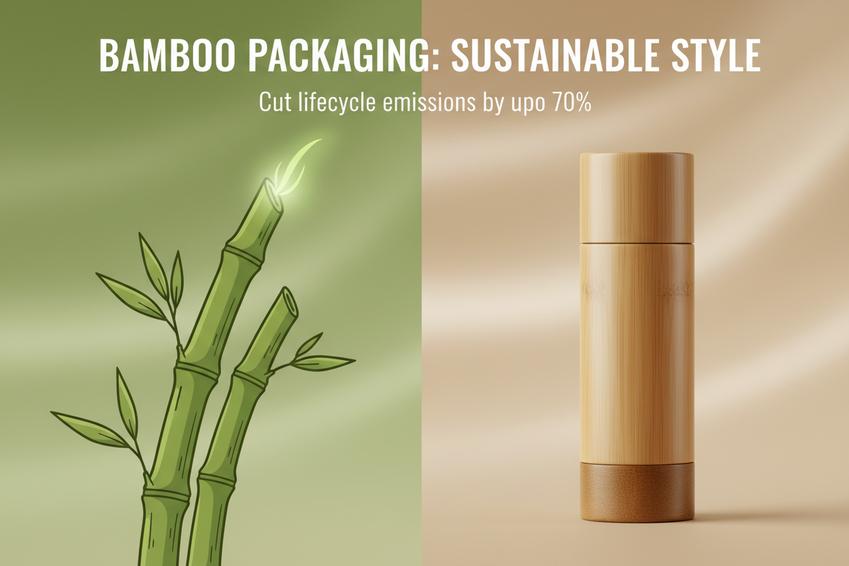
Bamboo vs. Plastic: What’s the Better Option?
• Environmental impact: Plastic takes hundreds of years to break down. In contrast, bamboo is a naturally biodegradable material that decomposes within months under composting conditions.
• Sourcing and renewability: While plastic is petroleum-derived, bamboo wood grows rapidly—some species up to three feet per day—and doesn’t require replanting after harvest.
• Consumer perception: Shoppers increasingly view plastic as outdated. A sleek bamboo container often signals eco-consciousness and modern values.
Notably, bamboo cosmetic bottles are gaining traction among skincare brands aiming for a greener image without sacrificing shelf appeal.
Eco-Friendly Benefits: Why Bamboo is the Sustainable Choice
- Rapid growth rate means less land use over time.
- Naturally pest-resistant; no need for chemical treatments.
- Absorbs more CO₂ than trees of similar mass.
- Fully compostable when untreated or minimally processed.
- Minimal water requirements compared to crops like cotton or corn used in bioplastics.
According to recent market analysis, switching from conventional plastic containers to renewable materials like bamboo can significantly reduce lifecycle emissions and align with the “End of Recycling Myth” trend where consumers demand authentic solutions.
This makes Sustainable Cosmetic Packaging not just trendy—but a genuinely smarter bet for long-term sustainability goals.
Cost Considerations: Are Bamboo Bottles Worth the Investment?
Short answer? Depends on your priorities:
• Upfront costs are higher than plastic but lower than some luxury glass options.
• For indie beauty brands, the added expense may be offset by brand loyalty from eco-minded buyers.
• Bulk manufacturing has started bringing prices down as suppliers scale up production of bamboo packaging blanks.
• Reusability plays a role too—many consumers keep their sturdy bamboo cosmetic bottles for refills or other uses, stretching out value per unit sold.
So while you’ll pay more initially, you’re also investing in perception—and possibly retention.
Durability and Performance: Comparing Bamboo to Glass and Aluminum
Bamboo sits comfortably between fragile glass and tough aluminum:
✔️ More drop-resistant than glass—no shattering risk if it slips off your bathroom counter.
✔️ Lighter weight than both aluminum and glass, making it ideal for travel kits or gym bags.
✔️ Moisture-resistant when properly sealed with food-grade finishes or internal linings.
But it’s not invincible—bamboo can warp if exposed constantly to steam or soaked over time, so it’s best paired with an inner liner for liquid-heavy products like serums or toners.
Still, when treated right, bamboo packaging delivers style and function without tipping into fragility—or excess weight.
5 Benefits Of Using Bamboo As Cosmetic Packaging
Bamboo packaging isn’t just a trend—it’s changing the game in eco-friendly beauty.
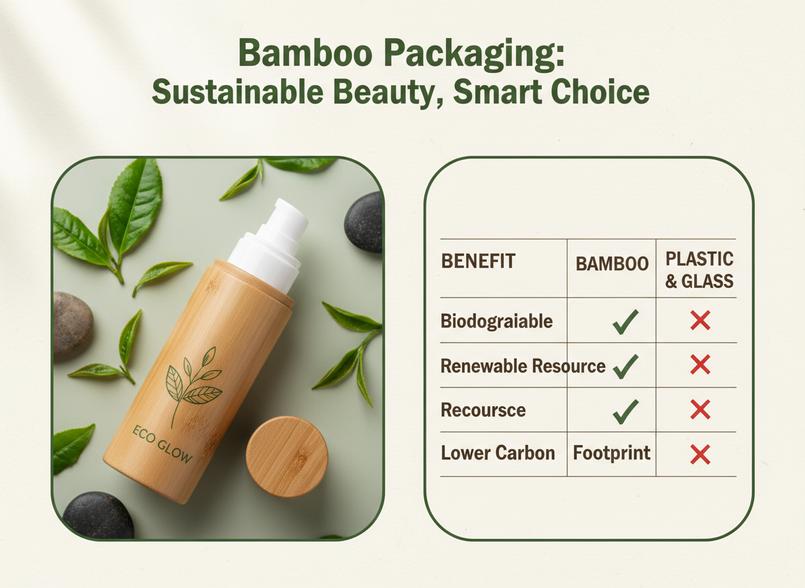
Customizable Designs: Elevate Your Brand with Bamboo Containers
Bamboo cosmetic bottles give brands serious room to play. You can shape them, stain them, print on them—whatever vibe you’re going for.
-
Design Techniques:
• Silk screen printing – clean and precise branding
• Hot stamping – adds a luxe metallic touch
• Color coating – match your brand palette perfectly
-
Custom shapes and lids? Totally doable. From sleek cylinders to more rustic textures, bamboo molds well and stands out on any shelf.
-
For indie brands trying to break through or established players looking to freshen up, these containers scream premium while whispering sustainability.
Recyclable and Sustainable: Bamboo’s Environmental Impact
Let’s break it down:
| Feature | Plastic Packaging | Glass Jars | Bamboo Cosmetic Bottles |
|---|---|---|---|
| Biodegradability | ❌ | ❌ | ✅ |
| Renewable Source | ❌ | ❌ | ✅ |
| Energy in Production | High | Very High | Low |
| Landfill Waste Contribution | High | Medium | Minimal |
Unlike plastic or glass, which hang around forever or take tons of energy to make, bamboo grows fast—like really fast. Some species shoot up over three feet a day! That means fewer emissions from harvesting and less waste clogging up landfills. Plus, once you toss it, it breaks down naturally without leaving toxic junk behind.
BPA-Free Assurance: Prioritizing Safety in Your Packaging
Quick facts that matter:
- No BPA = no hormone disruptors leaching into your face cream.
- Zero phthalates = safer long-term skin exposure.
- Naturally antimicrobial = helps keep products fresher longer.
When you’re slathering serum or lotion on your face daily, the last thing you want is sketchy chemicals hitching a ride. With bamboo cosmetic packaging, you’re not gambling with safety—you’re making a clean call backed by nature itself.
So yeah, it’s not just about being green—it’s about being smart too.
Choosing The Right Bamboo Cosmetic Bottles For Your Products
Picking the right type of bamboo cosmetic bottles can make or break your product’s shelf appeal and user experience.
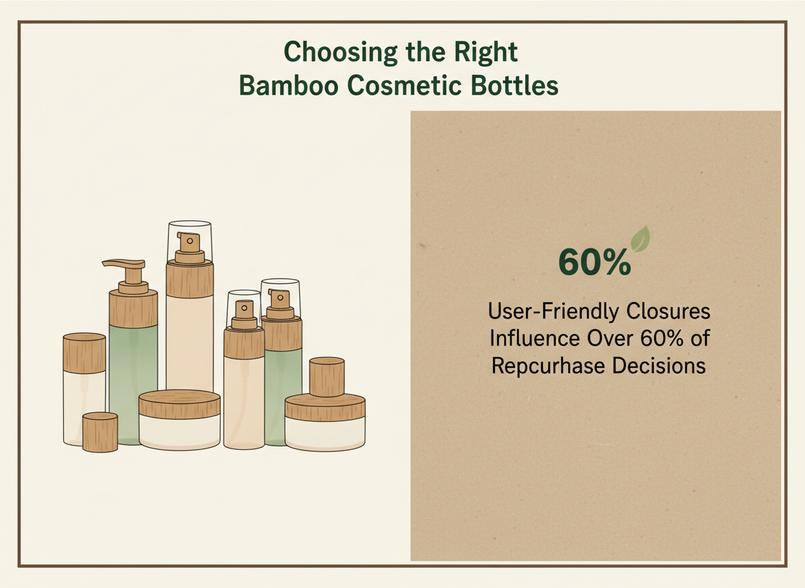
Lotion Bottles vs. Cream Jars: Which to Choose for Your Product?
• If your formula flows easily, like serums or body lotions, go with a lotion bottle—they’re mess-free and easy to dispense.
• Thick, rich creams? A wide-mouth cream jar is your best bet—it lets users scoop out just the right amount.
• Want both? Brands often use jars for night creams and bottles for day lotions to match routines.
Slicker liquids behave better in upright containers; heavier textures need open access. It’s not just about aesthetics—it’s about how people actually use your stuff daily.
Cap Types Explained: Selecting the Best Closure for Your Bottles
- Pump dispensers are ideal for liquid skincare—no-fuss, one-handed use keeps things clean.
- Screw caps work great when you want resealability without extra parts—simple but classic.
- Spray nozzles fit toners or mists where even distribution is key.
According to Mintel’s recent insights on packaging trends, convenient and easy-to-use formats continue to drive consumer preference, with “easy-to-open” features seeing continued demand across segments. That tells you everything—you can’t ignore how people interact with packaging every day.
Ideal Capacities: Matching Bottle Sizes with Product Needs
| Product Type | Recommended Size | Travel-Friendly? | Common Use Case |
|---|---|---|---|
| Eye Serums | 15ml | Yes | Targeted applications |
| Facial Moisturizers | 50ml | Yes | Daily face makeup packaging |
| Body Lotions | 100–150ml | No | Regular home use |
| Hair Masks | 200ml | No | Weekly deep treatments |
Choosing the right size isn’t just about volume—it’s about practicality and waste reduction too. Smaller sizes feel premium but may frustrate heavy users; oversized ones can look clunky on vanities.
Design Options: Decorating Your Bamboo Bottles Effectively
- Frosting gives a soft matte finish that pairs beautifully with natural tones of bamboo—great for minimalist brands.
- Labels offer flexibility if you’re testing different scents or formulations under one aesthetic umbrella.
- Color coating adds visual punch—think gradient greens or pastel pinks to signal ingredients or skin types.
- Laser engraving on bamboo caps adds a luxury vibe without using plastic-based embellishments.
Each style communicates something different—earthy vibes, clinical purity, bold personality… whatever fits your brand voice best. Just don’t overdo it; let the natural texture of real bamboo shine through when possible.
By understanding how each element—from shape and size to closure and decoration—affects functionality and perception, you’ll be way ahead in designing cosmetics packaging that doesn’t just sit pretty but works hard too. Whether you’re launching new formulas or upgrading existing lines, choosing the right combo of these elements will elevate your entire product experience inside out—with sustainability baked in thanks to those trusty bamboo cosmetic bottles.
References
- Is bamboo packaging really better than plastic? – Apackaginggroup.com
- Global Packaging Predictions: 2026 & Beyond – Mintel
- How Fast Does Bamboo Grow? – PlantIn
- Is Bamboo Packaging a Sustainable Alternative to Plastic? – Boonboo
- Bamboo Cosmetic Packaging Market Strengthened by Innovations – openPR.com
- Think Outside of the Plastic: Why Bamboo is the Future of Packaging – Propak Indonesia
- Key Trends Influencing Packaging in 2024 – Packaging Technology Today
FAQs
Plastic lingers in landfills for centuries. Bamboo, on the other hand, grows fast and breaks down naturally—no guilt attached. It doesn’t just sit there; it gives back by absorbing carbon dioxide as it grows. Plus, that warm, earthy texture of bamboo resonates with people who want their skincare routine to feel personal and intentional—not synthetic.
Absolutely! These containers are crafted to handle different textures:
- Lotion bottles offer smooth dispensing for liquids.
- Cream jars cradle thicker formulas without mess or waste. The tactile experience of opening a solid-feeling jar or pressing down on a pump adds something special to daily rituals.
Bamboo may be natural, but it’s no blank slate—it’s your canvas:
- Silk screen printing ensures your logo stays sharp.
- Hot stamping adds that subtle metallic shimmer customers love.
- Color coatings bring brand identity front and center without losing the organic vibe. It’s not just packaging—it becomes part of your story.
At first glance, yes—the price tag might seem steeper than plastic. But think beyond numbers: when customers see you’ve chosen sustainability over shortcuts, trust builds. That loyalty translates into repeat purchases—and word-of-mouth buzz money can’t buy. In time, the investment pays off not only financially but emotionally too.

