 English (Australia)
  English
  English (UK)
  English (Canada)
  العربية
  Deutsch
  Italiano
  Español de México
  Tiếng Việt
  ไทย
ไทย  Português do Brasil
  Français
  Български
  Čeština
  Dansk
Dansk  Ελληνικά
  Eesti
Eesti  Suomi
Suomi  Magyar
  Bahasa Indonesia
  Lietuvių kalba
  Latviešu valoda
  Norsk bokmål
  Nederlands (Formeel)
  Polski
  Română
  Русский
  Slovenčina
  Slovenščina
  Svenska
  Türkçe
  Українська
  简体中文
简体中文  日本語
日本語  한국어
한국어  繁體中文
繁體中文 
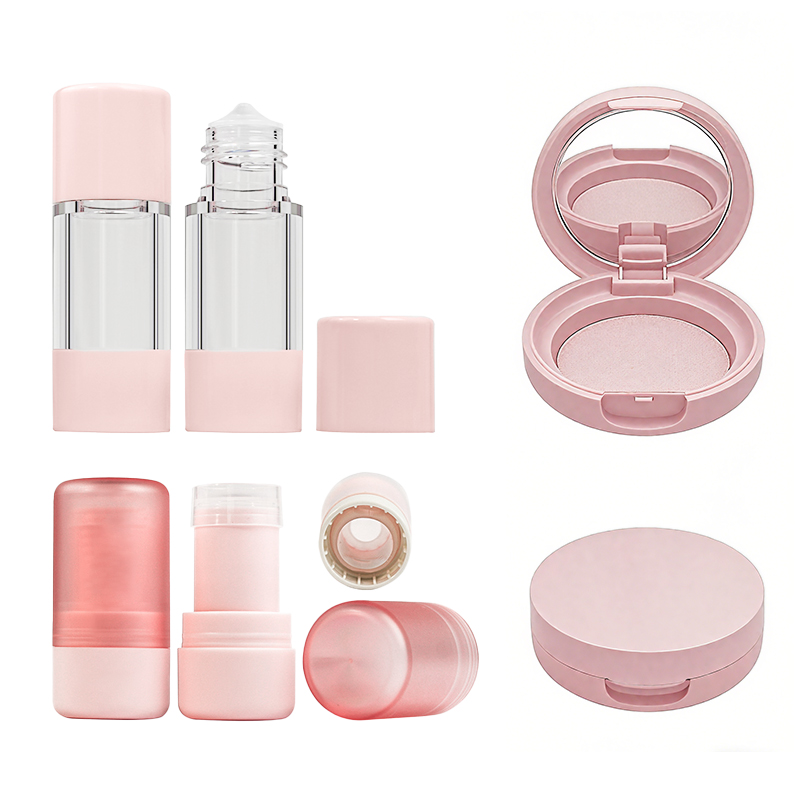
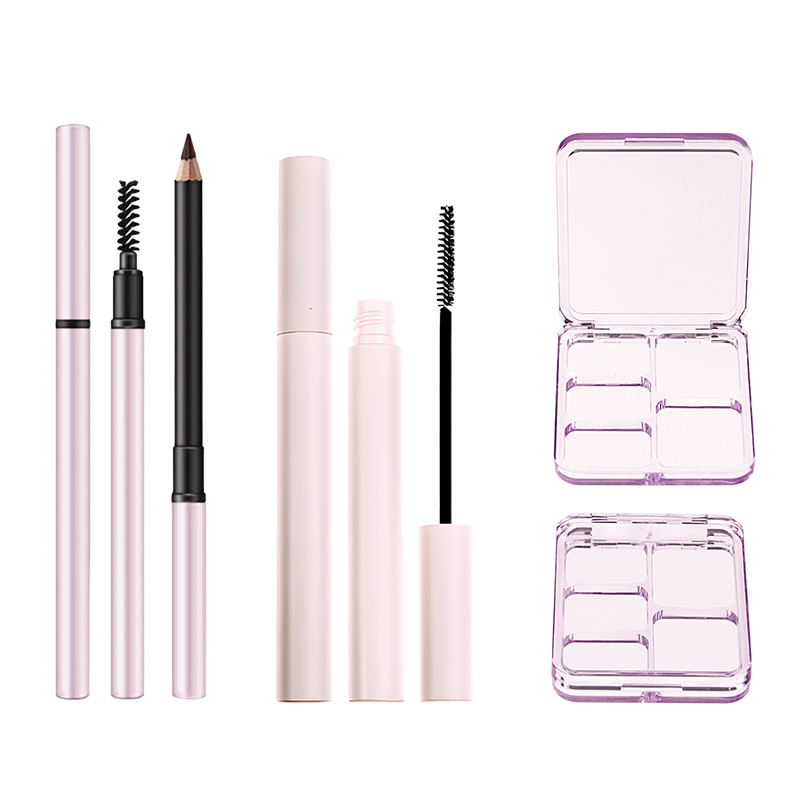
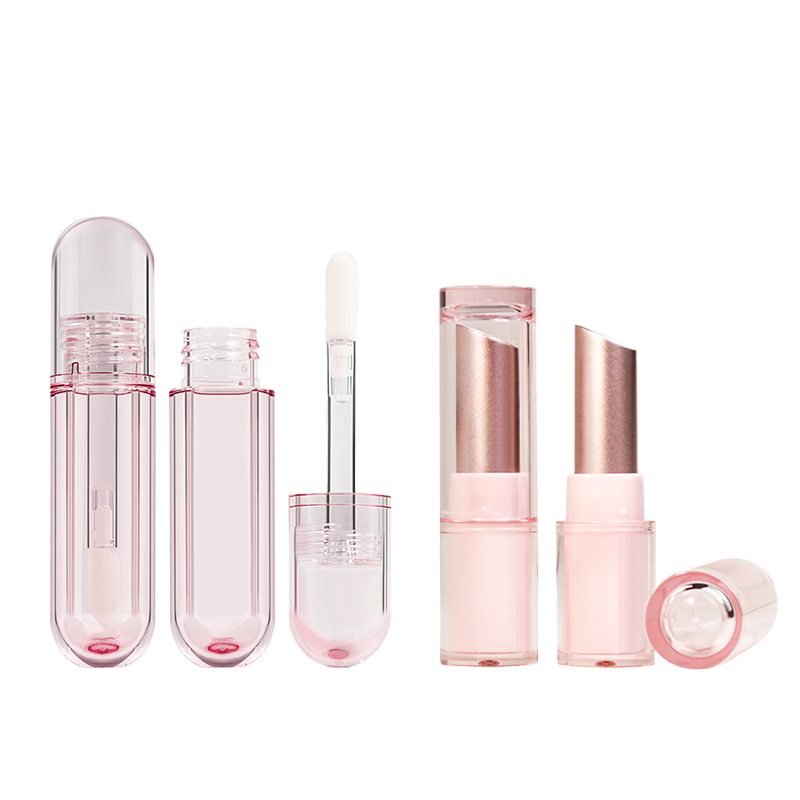

What Is ISCC Certification? The Ultimate Guide for Sustainable Brands
January 26,2026
Walk into any beauty aisle today and you’ll spot it—the “eco” sticker plastered across sleek bottles and biodegradable tubes. But behind the buzzwords is a question few buyers stop to ask: what is ISCC certification, and does that green label actually mean anything? If you’re sourcing makeup packaging at scale, this isn’t just trivia—it’s your reputation on the line.
Picture this: You’re negotiating with a supplier who swears their lipstick tube is made from ocean-bound plastic. Sounds great—until a reporter asks for proof…and there isn’t any. That’s where certifications like ISCC come in hot, offering hard receipts on material traceability, carbon savings, and ethical sourcing.
And here’s the kicker—Topfeelpack engineers say over 70% of global beauty brands now request ISCC PLUS–verified packaging during procurement talks (source: Topfeelpack internal data report, Q1 2024). So if you’re not asking about it yet…your competitors probably are.
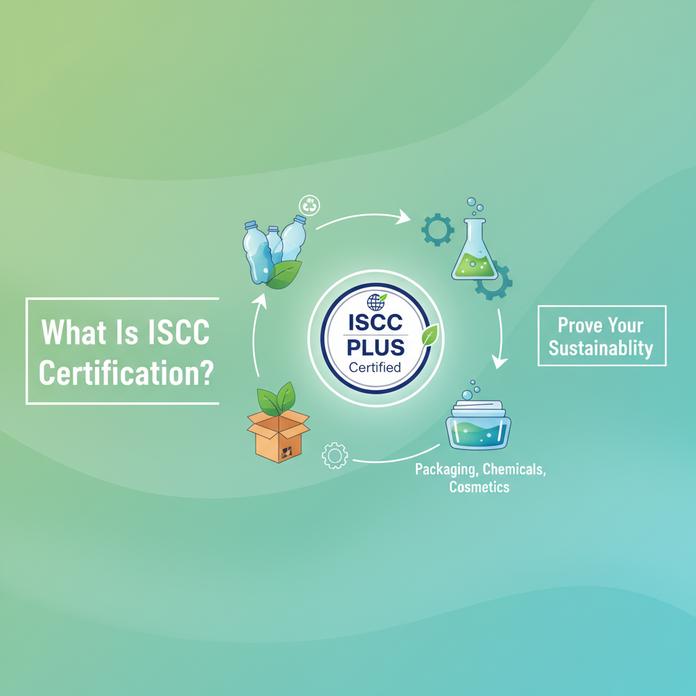
Key Points on What is ISCC Certification
- Certification Overview: ISCC PLUS certification ensures sustainability and traceability in supply chains, providing confidence in sourcing raw materials.
- Supplier Eligibility: Suppliers using materials like ocean-bound plastic and biodegradable polymers are prime candidates for obtaining ISCC certification.
- Compliance Requirements: Achieving certification requires adherence to ethical sourcing practices, transparent supply chains, and relevant regulatory compliance.
- Benefits of Certification: Brands gain reputation enhancement, consumer trust, and potential cost savings through waste reduction programs.
- Sustainability Alignment: ISCC certification complements other standards such as B Corp and Cradle to Cradle, facilitating broader sustainability goals.
What Is ISCC Certification and Who Needs It?
ISCC certification helps companies prove they’re serious about sustainability. Here’s how it works and who actually needs to care.
Understanding ISCC PLUS Certification: Scope and Relevance
ISCC PLUS isn’t just alphabet soup—it’s a voluntary scheme that covers non-regulated markets, perfect for businesses wanting to show off their eco-smarts beyond biofuels.
- It tracks materials across the supply chain, from raw input to final product.
- Applies to packaging for cosmetics, food, chemicals, and even cosmetics.
- Designed for companies using renewables like biodegradable polymers or recycled plastic.
The real kicker? It’s internationally recognized, meaning you can flex your green creds globally. If you’re wondering what is ISCC certification, this version is your ticket into sustainable manufacturing without being tied to energy mandates.
Sustainable Suppliers: Who Should Pursue ISCC Certification?
If you’re producing stuff with an environmental conscience, chances are you’re on the list.
- Brands using ocean-bound plastic or post-consumer recycled materials.
- Manufacturers working with biodegradable polymers, starch blends, or bio-based resins.
- Packaging suppliers aiming for traceable sourcing.
✅ Also relevant:
- Chemical producers shifting toward circular feedstocks.
- Retailers wanting certified supply chains.
- Any company aiming to stand out with transparent sustainability claims.
Getting ISCC certified means you’re not just talking green—you’re proving it. For those still asking what is ISCC certification, it’s basically your badge of honor if eco-friendly sourcing matters to you.
Key Requirements for ISCC Certification Compliance
There’s no free pass here—meeting ISCC requirements takes some doing. But if you’ve got your act together, it’s totally doable.
🟢 Core criteria include: • Documented traceability across every link of the supply chain • A functioning mass balance system that tracks inputs/outputs • Proof of ethical sourcing and labor practices
📄 You’ll need: • Audit-ready documentation • Supplier declarations on material origin • Sustainability self-assessments
Here’s a quick breakdown:
| Requirement Type | Description | Who’s Responsible | Frequency |
|---|---|---|---|
| Traceability Records | Material flow logs & supplier data | Supply Chain Manager | Ongoing |
| Mass Balance Reports | Input/output reconciliation | Production & QC Teams | Monthly |
| Ethical Sourcing Checks | Labor & environmental compliance | Procurement Department | Annually |
So next time someone throws around what is ISCC certification, you’ll know it’s not just paperwork—it’s proof that your entire operation walks the talk on sustainability.
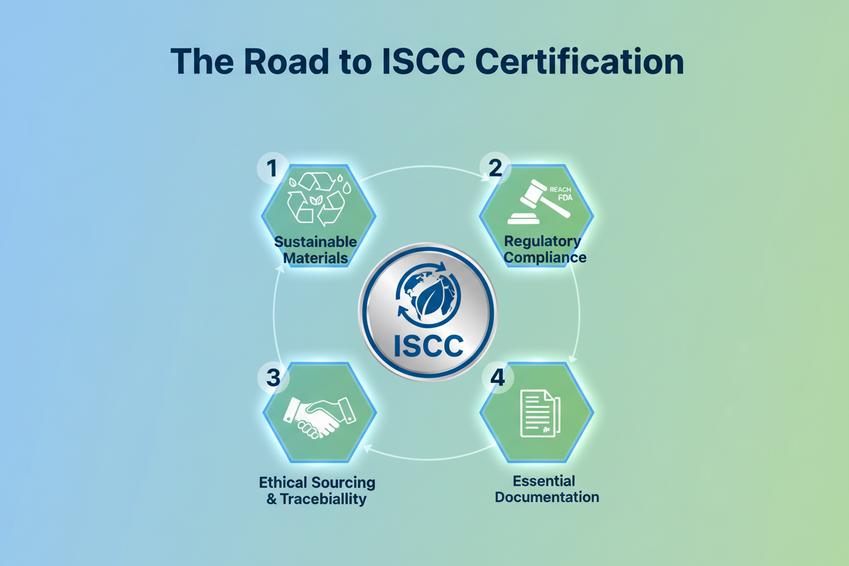
The Road to ISCC Certification: A Step-by-Step Guide
This guide breaks down what ISCC certification is and how to get it, from materials to documentation.
Step 1: Evaluating Material Types for ISCC Certification
Getting started with material assessment means figuring out if your stuff even qualifies for ISCC. Here’s the lowdown:
- ♻️ Recycled content like PCR polyethylene or recycled PET plastic? Totally viable.
- 🌾 Organic leftovers such as biomass, waste, or residue also get you points.
- 🔍 You’ll need to prove that your feedstock avoids virgin fossil resources.
Not all materials are equal—ISCC wants sustainable inputs with traceable origins. So before jumping into audits, get your raw goods sorted and make sure they meet the basic sustainability bar.
Navigating Regulatory Compliance: Meeting REACH and FDA Regulations
You can’t talk about what is ISCC certification without mentioning compliance. Here’s how you stay on track:
- Understand the REACH regulation—especially if you’re dealing with chemicals in Europe.
- If your product touches food, align it with FDA requirements pronto.
- Ensure every ingredient has gone through proper chemical safety checks.
Failing to meet these legal frameworks can sink your chances before you even apply. Think of it as setting the legal foundation for a smooth ride through certification.
| Regulation Type | Region Covered | Applies To | Required Documentation |
|---|---|---|---|
| REACH | EU | Chemicals | Safety Data Sheets, CLP info |
| FDA | USA | Food-contact substances | GRAS Notices, Compliance |
| GHS | Global | Hazardous materials | Labeling & Classification |
Implementing Ethical Sourcing Practices: A Key to Certification
When folks ask “what is ISCC certification,” they often forget it’s not just about green materials—it’s also about people and ethics.
• Make sure your suppliers follow solid ethical sourcing protocols—no shady labor practices allowed. • Transparency’s key: Track everything through a reliable system for full-on traceability. • Respect workers’ rights and ensure fair wages; these fall under ISCC’s expectations around fair labor, human dignity, and overall supply chain ethics.
Basically, if your supply chain’s got skeletons in its closet, now’s the time to clean house.
Documentation Essentials for Achieving ISCC Certification
Getting certified means paperwork—and lots of it—but don’t sweat it just yet. Here’s what you’ll need:
- ✅ Full audit trail including proof of sustainable input usage
- 📄 Records showing compliance with energy standards (like use of solar or wind)
- 🧪 Evidence from a thorough chemical safety assessment
- 🔗 Strong chain-of-custody tracking across all production stages
- 📊 Yearly sustainability reports that align with actual outputs
Think of documentation as the backbone of proving what is ISCC certification-worthy—and yeah, keep backups of everything!
Top 3 Benefits of Sustainable Packaging Certification
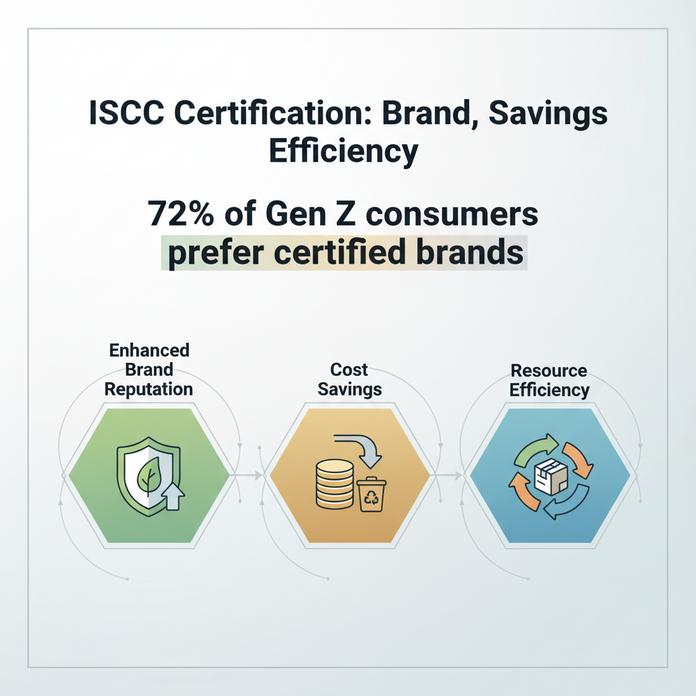
Sustainable packaging isn’t just good for the planet—it’s a smart move for business too. Here’s how getting certified can pay off big time.
Enhanced Brand Reputation: The Impact of ISCC Certification
• Boosts credibility with eco-conscious shoppers who prioritize ethical sourcing and transparency.
• Helps brands stand out in crowded markets through verified sustainable brands status.
• Encourages partnerships with retailers that demand certified supply chains, building long-term value.
- Builds consumer confidence—ISCC certification signals real commitment, not greenwashing.
- Elevates the overall corporate image, especially when paired with other sustainability initiatives.
- Makes it easier to enter new markets where sustainability is no longer optional but expected.
→ Consumers today are savvier than ever. They’ll Google “what is ISCC certification” before they buy, and if your brand shows up with third-party validation? That’s instant trust.
“According to NielsenIQ’s Global Sustainability Report released in early 2024, over 72% of Gen Z consumers say they’re more likely to purchase from companies that have third-party verified environmental claims.”
That’s why Topfeelpack made the leap toward full market differentiation—and saw its customer loyalty metrics jump within months of certification.
Cost Savings and Resource Efficiency through Waste Reduction Programs
Grouped by impact area:
🔹 Financial Impact:
- Lower operational costs by minimizing raw material waste.
- Reduced disposal fees thanks to optimized waste streams.
- Tax incentives in certain regions for participating in verified waste reduction programs.
🔹 Environmental Impact:
- Cuts down on landfill contributions—a win for both PR and the planet.
- Enhances circularity through closed-loop systems tied into broader circular economy goals.
- Decreases carbon footprint across logistics via smarter packaging design choices.
🔹 Operational Efficiency:
- Streamlines production workflows through leaner material usage.
- Improves inventory control by reducing excess stock tied up in over-packaging.
- Supports better supplier coordination as part of broader supply chain optimization efforts.
Short bursts of efficiency stack up fast—and when you’re running a tight ship, even small changes make a big dent in costs. Businesses searching “what is ISCC certification” often discover that beyond brand perks, there’s serious money saved when you align with proven sustainability frameworks and embed them into everyday operations.
ISCC Certification: Your Pathway to Global Sustainability
ISCC certification isn’t just a badge—it’s your brand’s passport into the world of responsible, circular production and global compliance.
Facilitating Circular Economy Principles with ISCC Certification
-
Closed loop systems become easier to implement when you’re working with ISCC certification, as it ensures traceability from origin to end-use.
-
It supports:
- Reduced raw material extraction
- Smarter waste repurposing
- Streamlined energy usage
-
With circular economy goals rising globally, more businesses are asking: what is ISCC certification and how does it fit their eco-strategy?
The ISCC framework helps brands ditch the linear model and pivot toward a regenerative one. By verifying sustainable sourcing and production, it makes the switch from wasteful to resourceful feel less like a leap—and more like common sense.
How ISCC Certification Aligns with Other Certifications like B Corp and Cradle to Cradle
Here’s how ISCC, B Corp, and Cradle to Cradle certifications stack up:
| Certification Type | Focus Area | Verification Style | Common Ground |
|---|---|---|---|
| ISCC | Biomass & supply chain | Mass balance + audits | Traceability, carbon reduction |
| B Corp | Social & environmental | Impact assessment | Ethics, transparency |
| Cradle to Cradle | Product lifecycle | Material health review | Design for reuse, safe ingredients |
Each complements the others. Brands that already hold one often ask what is iscc certification because they want full-spectrum sustainability coverage. When combined, these certifications form a powerhouse of credibility across environmental and ethical standards.
The Role of Sustainable Forestry Practices in Global Compliance
Think forest management doesn’t affect your packaging? Think again.
- 🌲 Poor forestry = deforestation + biodiversity loss
- 🌍 Good forestry = compliance with international laws + happy customers
- 🔍 Traceable timber = verified sustainable supply chains
For companies using paper or wood-based materials—like Topfeelpack’s eco-packaging lines—adopting practices tied to sustainable forestry helps them meet both regulatory demands and consumer expectations.
And yes, it’s all connected. Many firms come searching what is iscc certification only to find it’s also key for proving responsible land use across the board—from plantations right down to pallets.
By aligning your sourcing with certified forest systems under frameworks like ISCC, you’re not just ticking boxes—you’re showing leadership in global sustainability.
FAQs about What Is ISCC Certification
1. What is ISCC certification and why does it matter for sustainable makeup packaging?
It confirms that every stage of production—sourcing, processing, and decoration—is traceable and responsible.
- ♻️ Materials: PCR polyethylene, recycled PET plastic, biodegradable polymers.
- 🌊 Packaging types: airless pump bottles or powder compact case made from ocean‑bound plastic offer proof of sustainability through verified chain‑of‑custody checks.
→ It matters because each certified product speaks truthfully about reduced carbon footprint and ethical intent.
2. How can large buyers benefit when partnering with an ISCC-certified supplier?
Corporate goals come alive when purchasing aligns with integrity. Suppliers adhering to ethical sourcing practices, fair labor standards, and renewable energy usage let brands show measurable care.
| Buyer Benefit | Practical Impact |
|---|---|
| Transparent supply chain | Trusted data for sustainability reports |
| Compliance ease (REACH compliance & FDA regulations) | Fewer audit worries |
| Renewable production lines | Lower lifecycle emissions |
ISCC verification turns procurement into proof—not promise.
3. Which material types qualify under ISCC PLUS certification in the beauty sector?
Adopted by circular packagers who demand more than marketing terms.
1️⃣ Recycled PET plastic → durable bases for droppers or loose powder jar
2️⃣ Biodegradable polymers → molded into mono-material tubes
3️⃣ Ocean-bound plastics → reborn as radiant refills or compacts
Each one carries a quiet pledge: transform waste into elegance without ignoring environmental accountability.
4. Why must ethical sourcing come before applying for what is iscc certification approval?
Because no certificate can hide an unjust origin story.
- Ethical sourcing practices block exploitation risks at raw stages.*
- Waste reduction programs lower ecological tolls early on.*
- Commitment to fair labor spreads dignity throughout each shipment.*
This moral groundwork ensures final audits pass not only by numbers but by values aligned with California Prop 65 and EU packaging directives.
5. How do ongoing compliance steps sustain what is iscc certification status?
Certification isn’t a trophy; it’s a promise renewed yearly.
✔ Maintain transparent trail documents across suppliers
✔ Secure chemical safety assessments matching REACH compliance levels
✔ Retain minimum recycled content ratios using glass containers or mono-material tubes
Decoration upgrades like water-based inks, soy-based coatings, or crisp laser etching whisper the same message—responsibility remains beautiful.
6. In what way does adopting circular economy principles through ISCC build buyer confidence in bulk orders?
A short line between renewal and trust: materials return again instead of disappearing.
- 🌀 Glass containers reenter melting loops; refillables live many lifetimes.
- ♻️ Verified use of Global Recycled Standard–approved inputs balances cost control with credibility.
Brands practicing this rhythm find their inventories lighter, reputations stronger—and the planet quietly grateful beneath every minimalist label printed via digital printing precision.
References
- ISCC Certification Suite of Services – scsglobalservices.com
- ISCC PLUS Mass Balance Guidance Document – iscc-system.org
- Understanding REACH – echa.europa.eu
- Cosmetics Labeling Guide | FDA – fda.gov
- 2024 Spend Z Insights: Trends & Strategies for Brands – nielseniq.com
- How does the certification compare to other standards? – bcorporation.eu
- Cradle to Cradle Certified – c2ccertified.org

