 English (Australia)
  English
  English (UK)
  English (Canada)
  العربية
  Deutsch
  Italiano
  Español de México
  Tiếng Việt
  ไทย
ไทย  Português do Brasil
  Français
  Български
  Čeština
  Dansk
Dansk  Ελληνικά
  Eesti
Eesti  Suomi
Suomi  Magyar
  Bahasa Indonesia
  Lietuvių kalba
  Latviešu valoda
  Norsk bokmål
  Nederlands (Formeel)
  Polski
  Română
  Русский
  Slovenčina
  Slovenščina
  Svenska
  Türkçe
  Українська
  简体中文
简体中文  日本語
日本語  한국어
한국어  繁體中文
繁體中文 
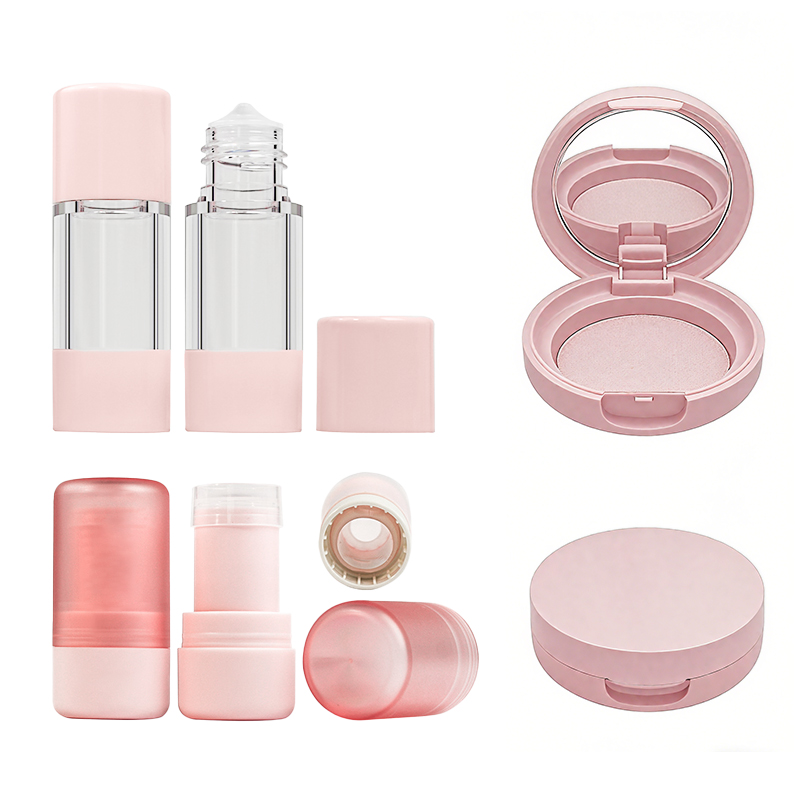
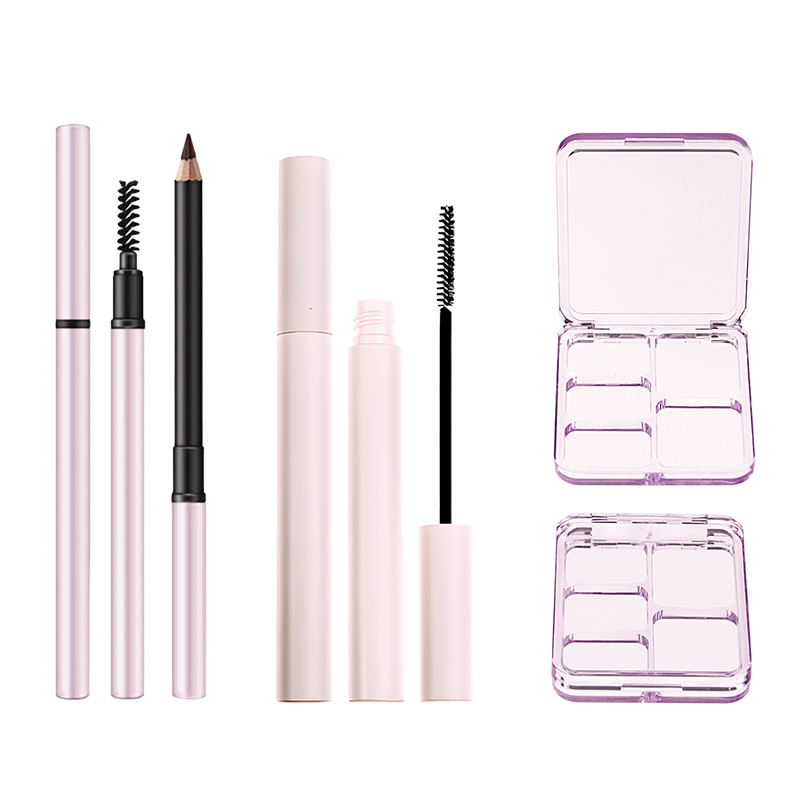
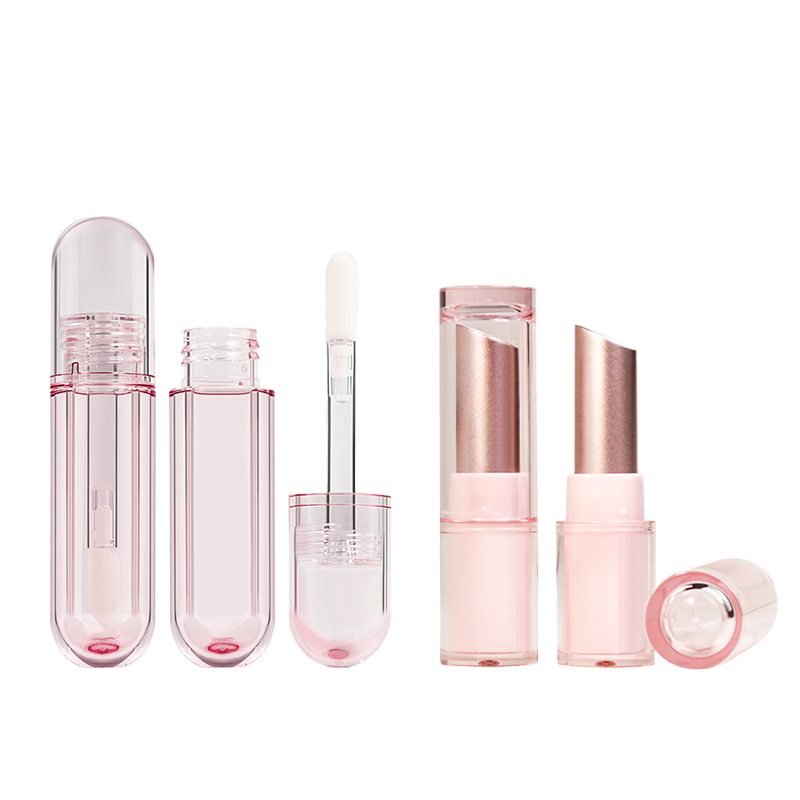

2025 Guide to Sustainable Cosmetic Packaging Options
September 08,2025
Sustainable cosmetic packaging isn’t just a buzzword in 2025—it’s the new rule of the game. If you're in the business of buying makeup packaging by the truckload, you know it’s not just about going green—it’s about doing it smart, cheap, and at scale.
The Reality Check
Let’s be real: juggling cost, design, and eco-credibility is like spinning plates. One wrong move, and something drops—usually your budget or brand image.
That’s where this guide steps in: simple, sharp, and tailored for buyers who don’t have time for fluff.

Choose Your Vehicle: Material Comparison
Think of it like choosing a car. We’ll help you compare what's under the hood before you sign the invoice.
The Reliable Pickup
Recycled plastic might be your reliable pickup—tough and familiar. It's established, durable, and fits into existing supply chains without massive retooling.
The Electric Ride
Bioplastics? Sleek electric ride—cool, but are they built for the long haul? They offer cutting-edge sustainability credentials but require careful consideration regarding durability and disposal infrastructure.
Ready to Scale?
Don't let the plates drop. Connect with custom cosmetic packaging options that fit your specs perfectly.
Industry Insights 2024
4 Criteria for Wholesale Sustainable Makeup Packaging
Wholesale buyers need more than just “eco” on the label. These four essential criteria make or break packaging that actually performs—and sells.
Material Selection
Eco-friendly makeup packaging begins with choosing the right material. Every option has trade-offs in cost, durability, and sustainability impact.
Recycled Plastic
Budget-friendly and scalable. Great for tubes and compacts—check the actual recycled content percentage (see EPA plastics data).

Glass
Feels premium and is endlessly recyclable, but heavier shipping costs apply.
Aluminum
Wins on recyclability and sleekness. Great for lipsticks and balms.
Bamboo
Natural flair. Biodegradable and works beautifully for powder cases.
Design Formats
Design isn't just about looks—it can make or break costs, shipping, and recyclability.
Trims unnecessary extras, reducing both visual clutter and raw material usage.
Saves cash in freight and appeals to travel-friendly product lines.
Avoids fused layers, making recycling easier—especially in EU markets (see APR Design® Guide).
Like shampoo bars or balm sticks, removing the need for secondary packaging entirely.
Sustainability Practices
Circular Economy
Life Cycle Assessment
Waste Reduction
♻ Circular Economy
Products are designed with their next life in mind. Take-back schemes, refills, and returnable displays all help keep materials in the loop. Learn more at the Ellen MacArthur Foundation.
📊 Life Cycle Assessment (LCA)
A full LCA shows the true environmental impact—from raw material to disposal (see ISO 14040 framework).
🚯 Waste Reduction Tactics
Small tweaks like eliminating extra liners or switching to monolayer films can drastically cut production waste.
Certification Standards
FSC Certification
Confirms paperboard comes from responsibly managed forests. FSC Details.
B Corp Certification
Looks at a company’s full social and environmental impact. B Lab.
OK Compost
Verifies packaging is suitable for home or industrial composting. TÜV AUSTRIA.
Cradle to Cradle
A high bar for circular design. C2C Standard.
Sustainable Solutions 2025
Recycled vs. Biodegradable Sustainable Cosmetic Packaging
This comparison cluster highlights how each material option can help wholesale makeup packaging buyers make smart, eco-friendly decisions.
Recycled Plastic Packaging
Recycled plastic, like PCR PET and HDPE, is a tried-and-true solution for brands that need volume and circularity without cutting corners (see EPA plastics overview).
- Brands that scale fast often turn to PCR because it balances cost and functionality.
- Materials like PET and HDPE retain shape well for refillable formats.

Buyers love it because: It supports waste reduction without redesigning the entire product and fits existing molding systems. Pro tip: Choose vendors aligned with Circular Economy standards. Explore lip gloss tubes and PETG-based components.
Biodegradable Paper and Sugarcane Containers
Paperboard and sugarcane bagasse options break down naturally, offering nature's reset button for packaging.
| Material Type | Compostability | Source | Ideal Use Cases |
|---|---|---|---|
| Paperboard | Home compostable | Trees/Natural pulp | Folding cartons, sleeves |
| Sugarcane Bagasse | Industrial compostable | Agro-waste | Jars, trays, compact lids |
| Coated Kraft Paper | Limited | Mixed | Outer packaging |
Sugarcane bagasse is a renewable resource favorite—it’s agro-waste, not forest-sourced (see Sugarcane fiber guide). Paperboard is light and often FSC-certified.
Bioplastic Solutions and Compostability
PLA (Polylactic Acid) & PHA
PLA is clear and glossy, perfect for high-visibility compact packaging (BPI labeling). PHA is under study for marine biodegradation (Scientific Reports 2024).
Starch-based Materials
These offer a matte, earthy finish—often used for solid format packaging like refill pans or lipstick cores.
Industrial Standards & Guidance
Compostability usually means industrial, not backyard (ASTM D6400). Check formats like empty makeup palette or blush stick with brush.
🌍 Quote from Topfeel R&D Manager, Xinyu Zhang: "Bio-based doesn’t mean weak. We’ve stress-tested PLA tubes and trays under retail-level pressures, and they hold up better than expected."
SUSTAINABILITY 2024
Bulk Sustainable Makeup Packaging Solutions
Redefining the cosmetics industry through high-volume eco-conscious procurement and circular engineering.
Bulk Material Procurement
Bulk purchasing is the secret sauce for cutting costs in sustainable makeup packaging.
Volume Advantage
Better per-unit rates for recycled plastic and aluminum, ensuring stability and scalability.
PCR Materials
Post-consumer resin is accessible when negotiated in large batches, securing your supply chain.
Global Logistics
Aluminum packaging reduces breakage costs during global shipment cycles.
Quick Tip: Shipping Weight
Always factor in shipping weight when choosing between aluminum and plastic. For fast-moving color lines, see our dual-sided lip gloss packaging.

Supplier Collaboration
Long-term partnerships built on ethical sourcing and renewable energy help cut costs while enhancing brand reputation.
- Multi-year contracts to lock in pricing.
- Solar-powered production facilities.
- CSR initiatives attracting co-branding.
“We’ve seen procurement costs drop by nearly 18% after establishing collaborative renewable energy goals with our top suppliers.”
Anya Leung
Senior Sustainability Manager, Topfeel Packaging
Closed-Loop Systems
The cheat code for lowering waste and maximizing eco-marketing claims.
▶ Waste Reduction
Implement take-back programs where customers return used containers. This enables direct reuse or feedstock for new packaging—minimizing landfill impact.
▶ Resource Conservation
Switching to a circular economy model helps recirculate materials like aluminum and PCR. Refer to the Ellen MacArthur Foundation.
▶ Product Lifecycle Management
Build packaging with reverse logistics in mind—labels that peel off cleanly and single-material formats. See the APR Design® Guide.
▶ Recycling Initiatives
Team up with local recycling hubs. Add QR codes to packaging for return instructions—customers love easy solutions.
Ready to transition to circularity?
Your supply chain becomes leaner, cleaner, and way more attractive to eco-conscious retailers.
Conclusion
Let’s be real—navigating the world of sustainable cosmetic packaging isn’t always a walk in the park. From juggling supplier minimums to figuring out if bamboo beats bioplastic, you’ve probably asked yourself, “Is this worth the hassle?” After reading this guide, we hope the answer’s a confident “yes.”
Think of it like a puzzle—fewer pieces make it faster to solve. Choosing formats, materials, and certifications with intention gets you 80% of the way there.
“What you do makes a difference, and you have to decide what kind of difference you want to make.” — Jane Goodall

Ready to move from research to action?
FAQs
What materials are best for wholesale sustainable cosmetic packaging?
- Recycled plastic for affordability (EPA plastics)
- Aluminum for durability and recycling
- Bamboo for natural look
- Paper and sugarcane (sugarcane fiber guide)
- Glass for luxury and reuse
Why do minimalist designs matter in sustainable makeup packaging?
Fewer materials mean lower costs and easier recycling. Lightweight designs reduce emissions. Check APR guidance and EU’s PPWR direction.
How does buying in bulk reduce packaging costs?
Buying in volume usually means: Lower cost per unit, better deals from suppliers, fewer shipments, and more consistent inventory.
What’s the role of life cycle assessment?
It tracks total impact—from raw materials to disposal—helping brands cut waste at each stage (see ISO 14040).
References
Organizations
Standards
Guides
- FSC — Paper & Packaging – fsc.org
- B Lab — B Corp Certification – bcorporation.net
- Ellen MacArthur Foundation – ellenmacarthurfoundation.org
- ISO 14040 — Life Cycle Assessment – iso.org
- ASTM D6400 — Compostable Plastics – astm.org
- Cradle to Cradle Certified® – c2ccertified.org
- APR — Design® Guide – plasticsrecycling.org
- BPI — Labeling Guidance – bpiworld.org
- Nature (2024) — PHA Microbeads – nature.com

