English (Australia)
  English
  English (UK)
  English (Canada)
  العربية
  Deutsch
  Italiano
  Español de México
  Tiếng Việt
  ไทย
ไทย  Português do Brasil
  Français
  Български
  Čeština
  Dansk
Dansk  Ελληνικά
  Eesti
Eesti  Suomi
Suomi  Magyar
  Bahasa Indonesia
  Lietuvių kalba
  Latviešu valoda
  Norsk bokmål
  Nederlands (Formeel)
  Polski
  Română
  Русский
  Slovenčina
  Slovenščina
  Svenska
  Türkçe
  Українська
  简体中文
简体中文  日本語
日本語  한국어
한국어  繁體中文
繁體中文 
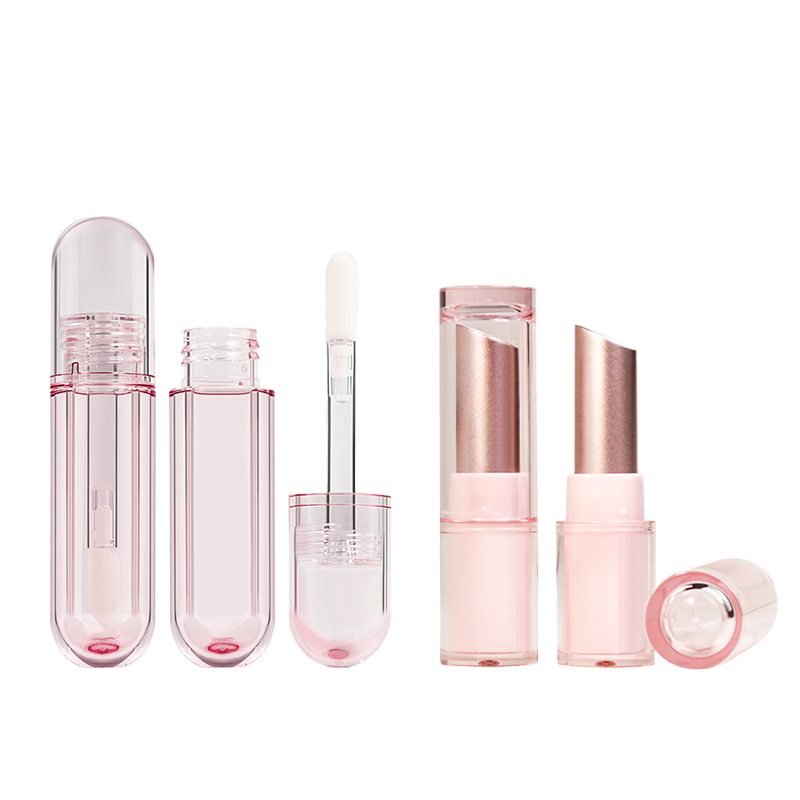

How to Kick Off Your Packaging Design Process
March 24,2026
The Packaging Design Process, Makeup Packaging isn’t arts and crafts—it’s high-stakes chess. One wrong move and you’re stuck with 200,000 units that look cute on a mood board but crack on the shelf. Big buyers don’t lose sleep over color palettes; they lose sleep over lead times, tooling costs, and whether that glossy cap survives shipping from Shenzhen to Chicago.
Grand View Research reports the global cosmetics packaging market topped $32.67 billion in 2023, climbing steadily each year. Scale isn’t a dream—it’s the expectation.
So before molds are cut and money flies out the door, the real question hits: how do you start smart, stay sharp, and build packaging that can handle the spotlight—and the warehouse?
Key Takeaways: Packaging Design Process, Makeup Packaging
- Brand Identity & UX: Align aesthetics, ergonomics, and functionality to resonate with target users.
- Material Selection: Balance glass, plastic, aluminum, paperboard, and recycled options for cost, safety, and sustainability.
- Decoration & Components: Choose bottles, jars, pumps, and apply silk screening or hot stamping for shelf appeal.
- Manufacturing Validation: Confirm tooling feasibility, conduct leakage and durability tests, and ensure ISO/GMP compliance.
- Logistics Planning: Optimize lead times, minimum orders, inventory management, and shipping for scalable growth.
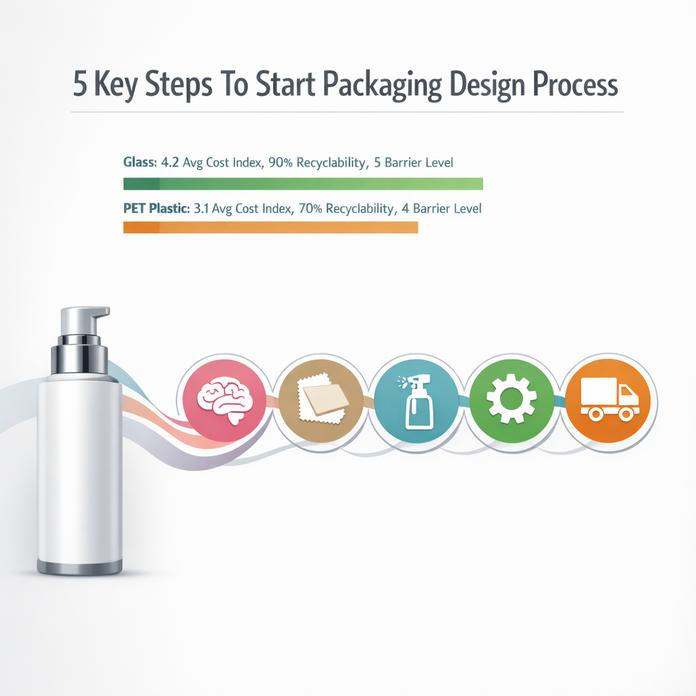
5 Key Steps To Start Packaging Design Process
The Packaging Design Process for Makeup Packaging is not just about looks. It shapes brand vibe, cost, timing, and user feel. From early design packaging talks to final production, each move affects quality and shelf impact. A smart packaging design process keeps risks low and brand energy high.
Step 1: Define Brand Identity and User Experience Goals
A strong Packaging Design Process starts with clarity. In Makeup Packaging, style without meaning falls flat.
-
Core alignment
- brand personality
- brand values
- brand story
-
Market fit
- target audience age, habits, price range
- user needs in daily routines
-
Emotional layer
- emotional connection during unboxing
- smooth customer journey
Short check points keep design on track: tone, texture, grip, weight. Good packaging design feels right in hand. Great design packaging builds loyalty.
Step 2: Select Optimal Materials (glass, plastic, paperboard)
Material choice drives performance in the Packaging Design Process.
- Compare material properties and barrier properties.
- Balance durability with cost-effectiveness.
- Review recyclability and sustainability goals.
- Match formula compatibility with safety standards.
| Material | Avg Cost Index (1–5) | Recyclability % | Barrier Level (1–5) |
|---|---|---|---|
| Glass | 4.2 | 90 | 5 |
| PET Plastic | 3.1 | 70 | 4 |
| PP Plastic | 2.8 | 65 | 3 |
| Paperboard | 2.5 | 85 | 2 |
Glass boosts shelf appeal. Plastic improves shipping efficiency. Smart material choices define smart Makeup Packaging.
Step 3: Choose Packaging Components and Decoration Techniques
In this stage of the Packaging Design Process:
-
Structure
- container shape
- closure types
- internal fitment
-
Visual identity
- graphic elements
- labeling methods
-
Surface finish
- printing processes
- finishing techniques
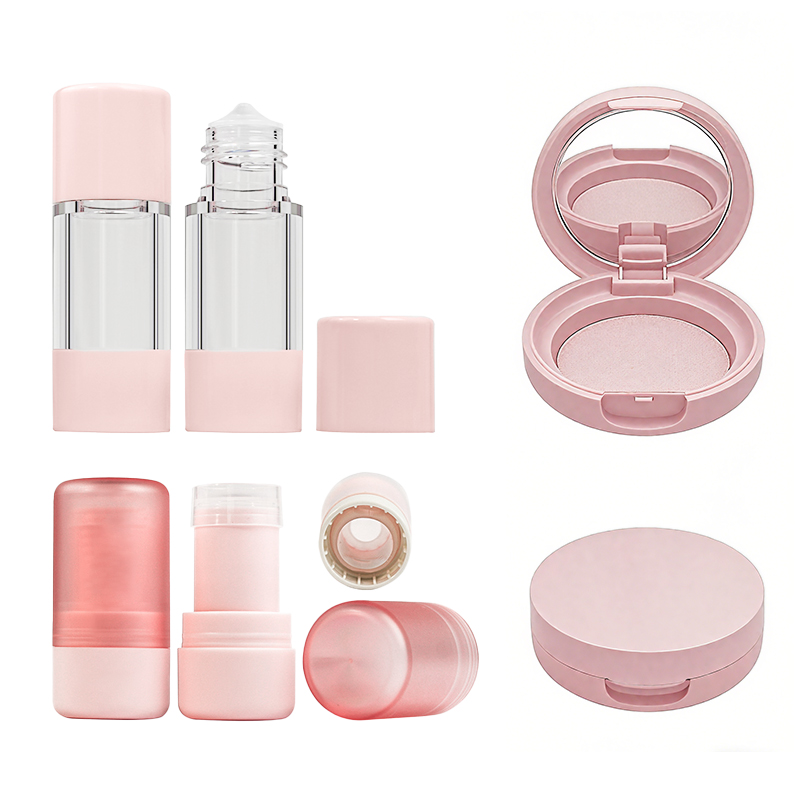
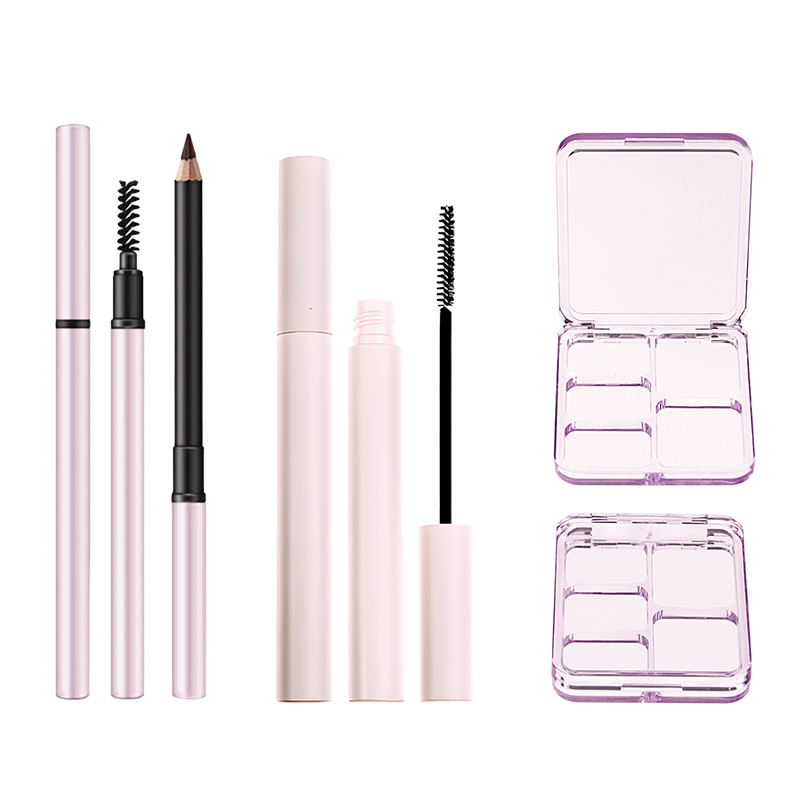
Think bottles, pumps, compacts. A bold coating or clean silk print can shift brand perception fast. Topfeelpack often aligns structural design with branding so decoration supports durability, not just looks.
Step 4: Validate Manufacturing Processes and Quality Standards
No Makeup Packaging idea survives without proof.
-
Production review
- production feasibility
- tooling precision
-
Quality gate
- quality control checks
- testing protocols for leakage
-
Compliance
- regulatory compliance
- material integrity verification
-
Metrics
- drop resistance
- dimensional accuracy
- defined performance metrics
A tight Packaging Design Process avoids late surprises and keeps launch dates realistic.
Step 5: Plan Supply Chain Logistics and Lead Time
Design packaging is only half the story. Delivery matters.
-
Upstream
- raw material sourcing
- production scheduling
-
Midstream
- warehousing capacity
- inventory management tracking
-
Downstream
- distribution channels
- transportation cost control
- confirmed delivery timelines
Smooth coordination boosts packaging efficiency and protects margins. Many beauty brands rely on partners like Topfeelpack to sync supply flow with the overall Packaging Design Process, keeping Makeup Packaging launches on time and stress low.
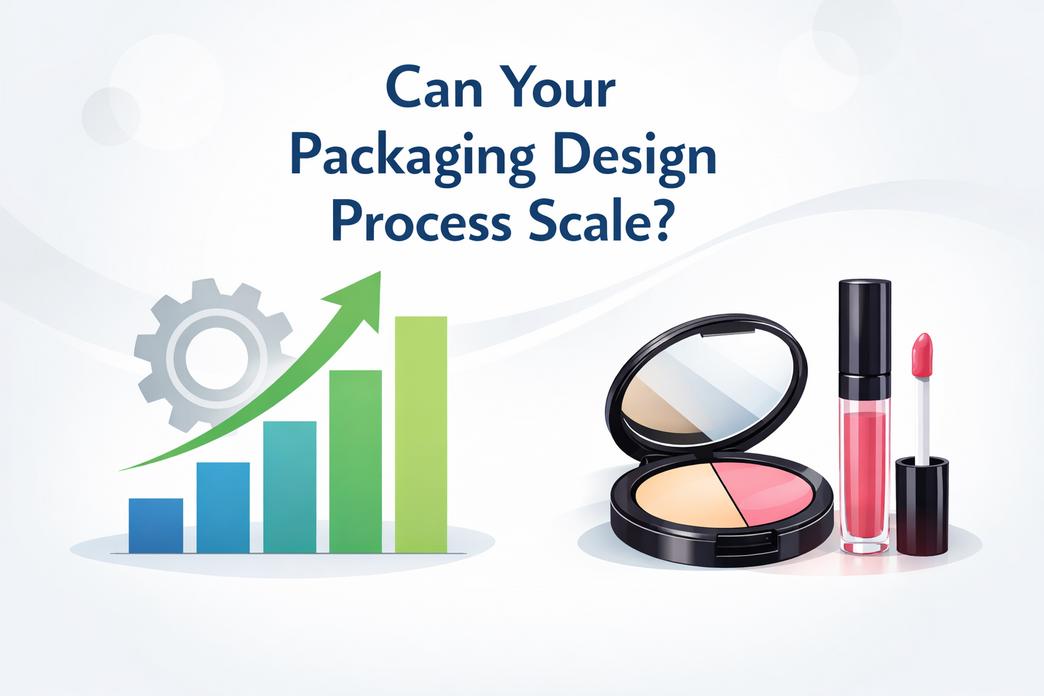
Can Your Packaging Design Process Scale?
A smart Packaging Design Process is not just about cool looks; it’s about staying steady when orders jump overnight. In Makeup Packaging, growth can get messy fast. If your packaging design and production planning aren’t built to scale, costs rise and timelines slip. Let’s break down how to keep your Packaging Design Process sharp, flexible, and ready for big moves.
Assess Minimum Order Quantities and Inventory Management
Scaling a Packaging Design Process starts with tight control over supply chain flow and stock logic.
-
Align demand and supply
1.1 Strengthen demand forecasting using real sales data from each makeup packaging line.
1.2 Sync forecasts with production planning to avoid panic manufacturing.
1.3 Adjust lead times with suppliers before peak seasons hit.
-
Control stock pressure
2.1 Set safety stock levels based on sales velocity.
2.2 Compare in-house storage and third-party warehousing costs.
Optimize Tooling for Injection Molding and Blow Molding
Tooling shapes the cost curve of your Packaging Design Process.
-
Mold strategy
1.1 Improve mold design to support multi-cavity layouts.
1.2 Select durable steel based on material selection needs.
1.3 Plan preventive maintenance to protect manufacturing efficiency.
-
Cost and speed balance
2.1 Reduce cycle times without hurting finish quality.
2.2 Track production costs per cavity.
2.3 Embed strict quality control checkpoints in every makeup packaging run.
A scalable packaging design keeps tooling flexible, so design updates don’t mean starting from zero.
Ensure ISO Certification and GMP Compliance at Scale
As volume grows, your Packaging Design Process must stay clean and traceable.
-
Standard control system
1.1 Map regulatory standards into daily SOPs.
1.2 Centralize documentation for every makeup packaging SKU.
1.3 Maintain batch-level traceability.
-
Verification loop
2.1 Schedule internal audits quarterly.
2.2 Strengthen quality assurance checks with routine validation testing.
2.3 Use digital compliance management dashboards to flag risks early.
When your Makeup Packaging follows a disciplined Packaging Design Process, scaling feels controlled, not chaotic. That’s the difference between chasing growth and actually owning it.
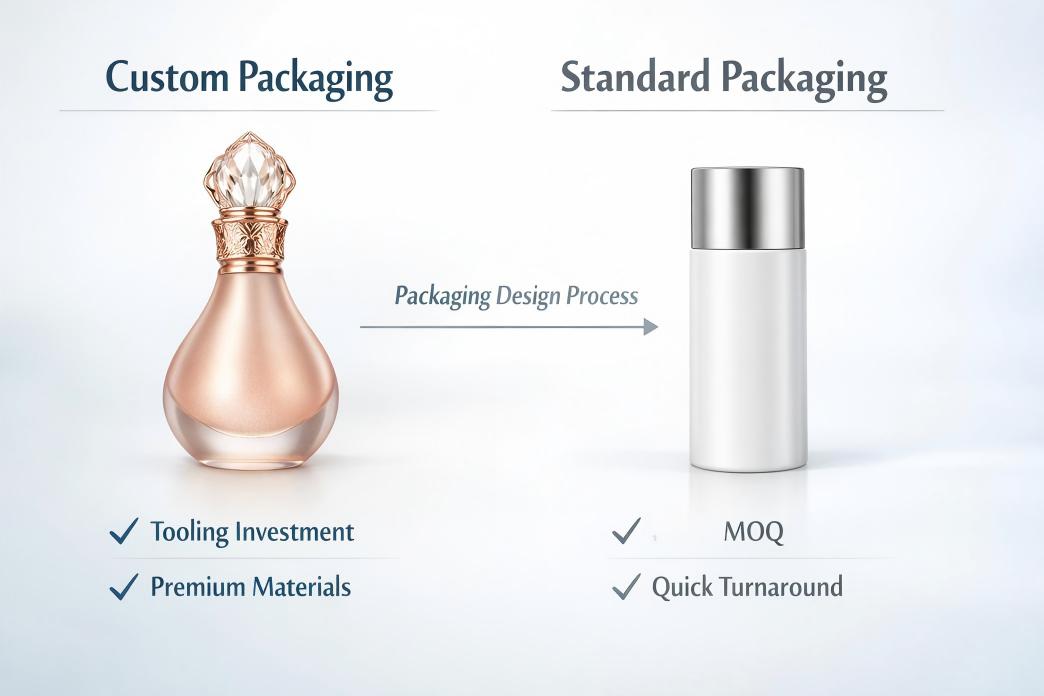
Pricing Models: Custom Vs. Standard Packaging
Great packaging is not just about looks; it shapes cost, speed, and brand vibe. In the Packaging Design Process, pricing decisions hit early and ripple through every stage of Makeup Packaging development. From concept sketches to tooling and mass production, the way you build your Packaging Design Process directly impacts budget, flexibility, and shelf impact.
Custom Packaging
Custom solutions reshape the entire Packaging Design Process for premium Makeup Packaging lines.
-
Cost Structure Breakdown
1.1 Tooling Investment
- Dedicated molds for unique shapes
- Engineering for structural design precision
- Sampling for tailored dimensions
1.2 Material & Finish Choices
- Premium special materials
- Luxury bespoke finishes
- Advanced unique printing techniques
1.3 Branding Impact
- Strong shelf identity
- Elevated unboxing feel
Brands working with Topfeelpack often choose this route to align the Packaging Design Process with bold identity goals. It costs more upfront, sure, but the payoff is distinct cosmetic packaging that customers remember.
Standard Packaging
Standard options simplify the Packaging Design Process while keeping Makeup Packaging practical and fast.
-
Core Characteristics
1.1 Use of pre-made options
1.2 Access to off-the-shelf solutions
1.3 Availability in common sizes
1.4 Decoration with basic printing
1.5 Sourcing from readily available materials
-
Operational Advantages
- Lower MOQ
- Quick turnaround
- Reduced tooling risk
-
Budget Flow in Packaging Design
3.1 Select stock component
3.2 Adjust artwork
3.3 Confirm compatibility
3.4 Launch to market
For startups refining their Packaging Design Process, this route keeps cash flow steady. Topfeelpack supports brands that want speed without sacrificing clean aesthetics. The result is efficient makeup packaging design that gets products to shelves fast, with smart control over cost and timeline.
Makeup Packaging Materials — Pros And Cons
Choosing materials shapes the entire Packaging Design Process. In Makeup Packaging, material isn’t just a shell; it drives cost, feel, and shelf vibe. A smart Packaging Design Process balances looks and logic, while great Makeup Packaging keeps performance real. Brands refining the Packaging Design Process often revisit materials to sharpen both impact and efficiency.
Pros
In the Packaging Design Process, material advantages show up in layers:
-
Glass in Makeup Packaging
1.1 Visual and Brand Value
- Elevates Brand Image with a premium finish.
- Boosts Consumer Appeal in luxury lines.
1.2 Technical Edge
- Strong chemical stability.
- Supports long-term formula integrity and Durability.
-
Plastic in the packaging development process
2.1 Operational Gains
- Lightweight structure lowers shipping strain.
- Strong Cost-Effectiveness for mass production.
2.2 Design Flexibility
- Easy molding for creative Makeup Packaging concepts.
-
Aluminum and Paperboard in cosmetic packaging
3.1 Environmental Strength
- Aluminum improves Sustainability through recyclability.
- Paperboard enhances eco storytelling.
3.2 Market Perception
- Recycled inputs increase Consumer Appeal.
Material Snapshot in the Packaging Design Process:
| Material | Avg. Weight (g) | Recyclability Rate (%) | Relative Cost Index |
|---|---|---|---|
| Glass | 120 | 70 | 1.4 |
| Plastic | 35 | 30 | 1.0 |
| Aluminum | 45 | 75 | 1.3 |
Topfeelpack often aligns material choice with brand goals, keeping Makeup Packaging sharp yet practical.
Cons
Even the best Packaging Design Process hits trade-offs:
-
Glass
1.1 Logistics Pressure
- Higher Weight increases freight cost.
- Greater Fragility raises breakage risk.
1.2 Budget Impact
- Added protection pushes overall Cost.
-
Plastic
2.1 Public Scrutiny
- Rising concern over Environmental Impact.
2.2 Supply Reality
- Recycling streams vary, creating Sourcing Challenges.
-
Aluminum and Paperboard
3.1 Physical Limits
- Aluminum may dent, reducing perceived Durability.
- Paperboard struggles with moisture.
3.2 Creative Boundaries
- Some formats face Limited Design Options.
In Makeup Packaging, no material is perfect. A thoughtful Packaging Design Process—the kind Topfeelpack supports—means weighing Sustainability, performance, and brand vibe without cutting corners.
FAQs about Packaging Design Process, Makeup Packaging
What are the key stages in the Packaging Design Process for Makeup Packaging?
A strong Packaging Design Process balances emotion and engineering:
- Define the core
- Clarify brand identity, aesthetics, and user experience.
- Consider how customers hold bottles, open compacts, or press pumps—ergonomics shapes loyalty.
- Select the right structure
- Components: jars, tubes, caps, pumps, compacts.
- Materials: glass for luxury weight, plastic for flexibility, aluminum for recyclability, paperboard for sustainable storytelling.
- Prepare for production
- Tooling decisions affect injection molding, blow molding, or extrusion.
- Early planning reduces lead time and avoids costly redesigns.
When design and functionality align, packaging stops being a container and becomes a signature.
How do materials and manufacturing choices impact quality and brand perception?
Material choice speaks before the formula does.
- Glass → premium feel, strong shelf presence
- Plastic → lightweight, adaptable to complex shapes
- Aluminum → durable, recycled appeal
- Paperboard → sustainable image for outer packaging
Production turns vision into reality:
- Injection molding for precise caps and compacts
- Blow molding for bottles
- Careful assembly for pumps and closures
Quality stands on discipline: ISO certification, GMP compliance, material safety checks, durability testing, and leakage testing protect both brand and user. One weak seal can damage trust faster than any marketing can repair it.
How can decoration and logistics shape large-scale Makeup Packaging success?
Visual impact attracts; logistics sustain growth.
Decoration techniques that elevate shelf power:
- Silk screening for bold color
- Hot stamping for metallic drama
- Offset printing for detail
- Labeling and coating for texture and protection
At scale, beauty must meet reality:
| Factor | Business Impact |
|---|---|
| Minimum order | Affects budget pressure |
| Lead time | Determines launch rhythm |
| Inventory management | Prevents stockouts |
| Shipping & warehousing | Control overall cost |
When decoration, manufacturing, and supply chain logistics move in sync, Makeup Packaging feels effortless to the customer—yet every detail has been carefully fought for behind the scenes.
References
- Cosmetic Packaging Market Size Report, 2030 – Grand View Research
- 5 Types of Packaging Materials and Their Best Uses – Packaging Digest
- Growth in Sustainable Packaging Driven by Regulatory Pressure – Packaging Digest
- Select Container Segments Driving Glass Packaging – Packaging Digest
- Flexible Packaging Market Size, Share | Industry Report 2033 – Grand View Research
- Are you getting the most out of your coding equipment? – Packaging Digest
- Industrial Packaging Guide – Packaging Digest
- Cosmetic And Toiletry Containers Market Size Report, 2030 – Grand View Research
- Cosmetics And Personal Care Packaging Equipment Market Report 2030 – Grand View Research
- Anti-counterfeit Pharmaceutical And Cosmetic Packaging Market 2030 – Grand View Research
- How does sustainability challenge luxury packaging? – Packaging Digest
- Makeup packaging is a thing of beauty – Packaging Digest
- Ethical Refreshment from Source to Sustainable Packaging – Packaging Digest
- Who’s Really Moving the Needle on Sustainability? – Packaging Digest