 English (Australia)
  English
  English (UK)
  English (Canada)
  العربية
  Deutsch
  Italiano
  Español de México
  Tiếng Việt
  ไทย
ไทย  Português do Brasil
  Français
  Български
  Čeština
  Dansk
Dansk  Ελληνικά
  Eesti
Eesti  Suomi
Suomi  Magyar
  Bahasa Indonesia
  Lietuvių kalba
  Latviešu valoda
  Norsk bokmål
  Nederlands (Formeel)
  Polski
  Română
  Русский
  Slovenčina
  Slovenščina
  Svenska
  Türkçe
  Українська
  简体中文
简体中文  日本語
日本語  한국어
한국어  繁體中文
繁體中文 
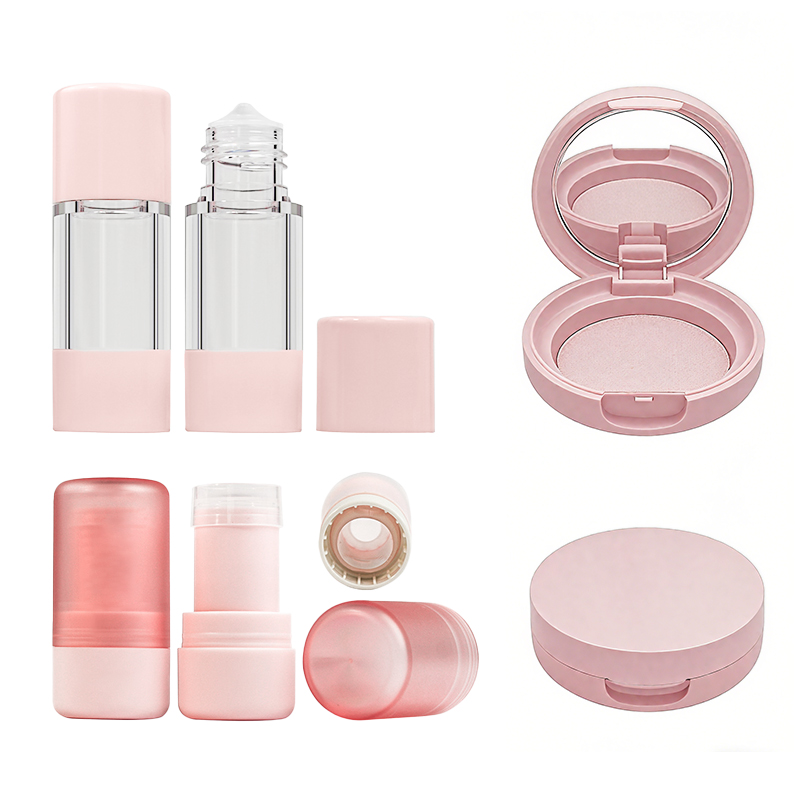
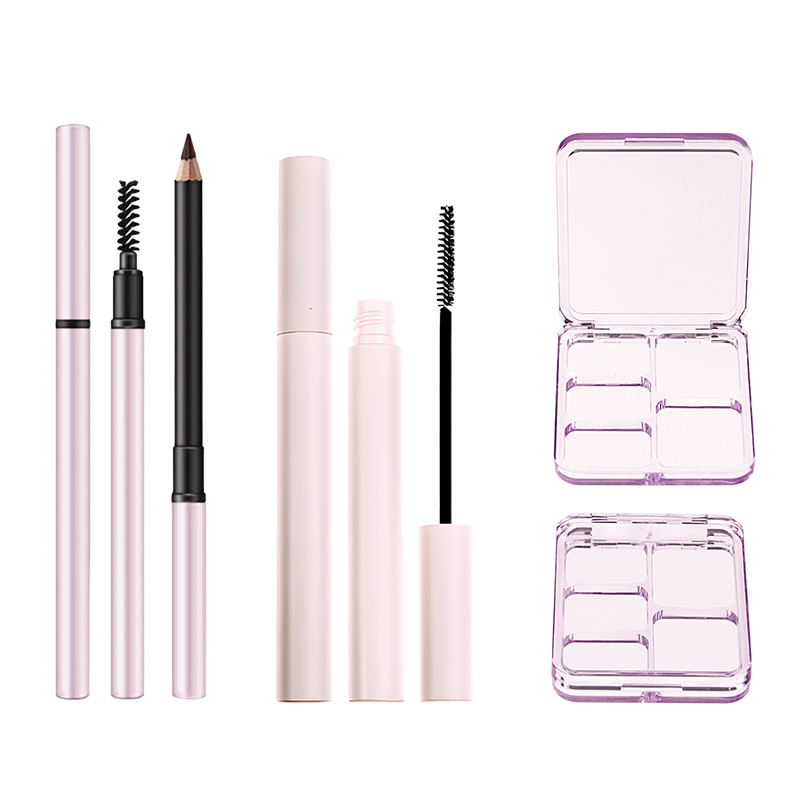
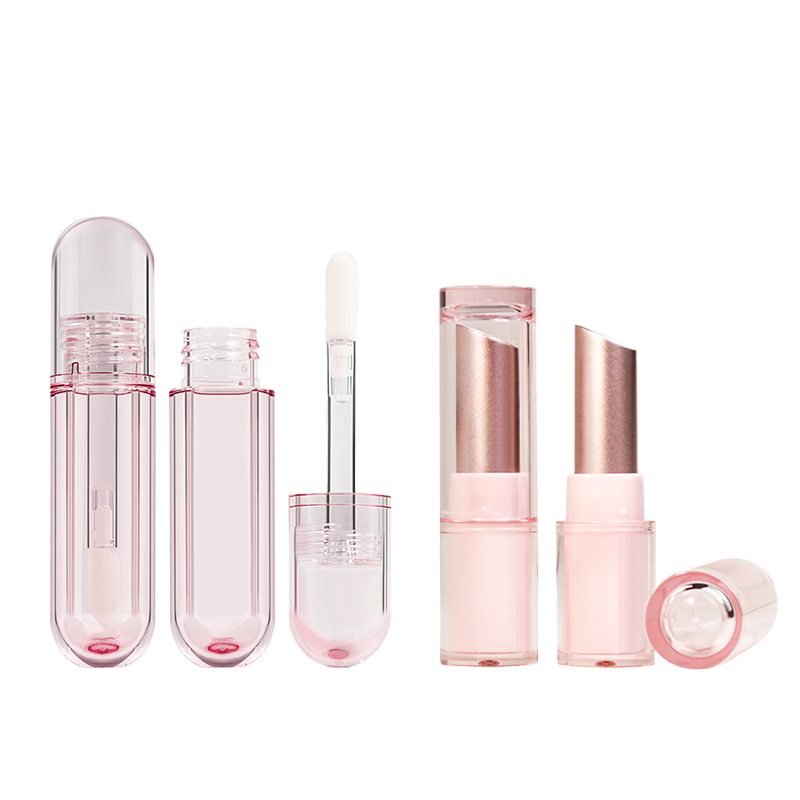

How to Find a Reliable China Supplier for High-Quality Empty Makeup Palettes.
March 12,2026
Sourcing an empty makeup palette in China can feel like dating blindfolded—slick photos, sweet promises, then boom: warped lids and off-color pans. In a beauty market worth over $430 billion globally (Statista, 2024), brand image isn’t fluff; it’s survival. One bad batch, and customers bounce.
“Quality is remembered long after price is forgotten.” — Gucci family motto.
That’s the tension. You need sharp pricing without rolling the dice on compliance, materials, or lead times. This guide cuts through factory fog and shows how smart brands pick partners that actually deliver.
Quick Answers for Empty Makeup Palette Sourcing
➔ Verify Certifications: ISO 9001, REACH, FDA and updated MSDS ensure consistent quality and regulatory compliance.
➔ Material Selection: Compare ABS, PETG, aluminum or bamboo for durability, weight, chemical resistance and eco-credentials.
➔ Manufacturing Capabilities: Audit injection molding, thermoforming, metallization and precision assembly for hinge strength and dimensional accuracy.
➔ Supply Chain Metrics: Confirm lead times, MOQs, packaging options and transparent logistics for reliable global distribution.
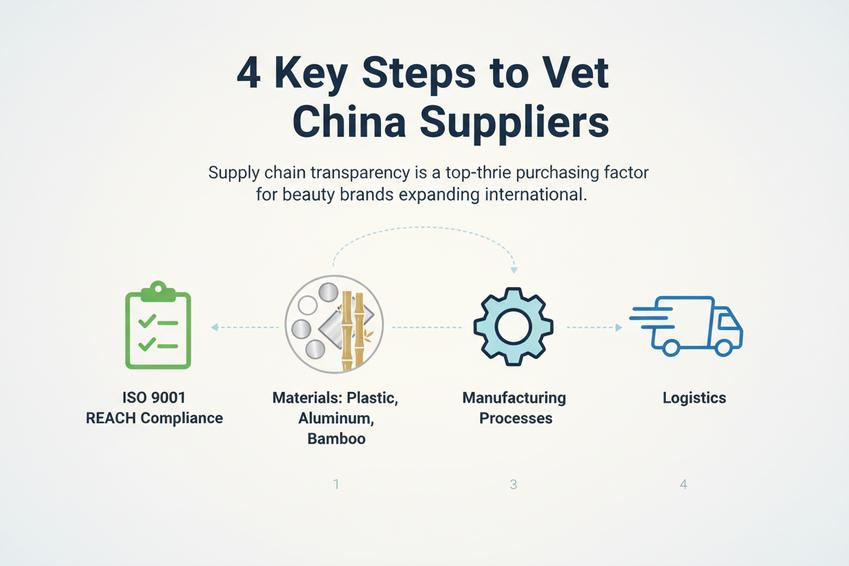
4 Key Steps to Vet China Suppliers
Choosing the right supplier for your empty makeup palette line can make or break your brand. From quality systems to logistics, every detail matters. If you’re sourcing a custom makeup palette or refillable compact, here’s how to keep things smart and stress-free.
Step 1: Verify ISO 9001 Certification, REACH Compliance, and Material Safety Data Sheets
When sourcing an empty makeup palette, paperwork isn’t boring—it’s protection.
-
Certification Review
-
Confirm valid ISO 9001 Certification
- Check issuing body credibility
- Match certificate scope with cosmetic packaging
-
Examine the supplier’s Quality Management System
- Internal audits
- Corrective action records
-
-
Regulatory Compliance Check
- Validate REACH Compliance
- Request FDA-related declarations if selling in the U.S.
- Confirm documented Regulatory Compliance procedures
-
Documentation Control
- Collect updated Material Safety Data Sheets
- Cross-check raw material traceability
- Conduct structured Supplier Verification
A reliable factory making an empty cosmetic palette should answer fast and share real files, not blurry screenshots.
Step 2: Evaluate Materials — ABS Plastic, PETG Plastic, Aluminum, and Bamboo Palettes
Material choice shapes the feel of your empty makeup case.
-
Plastic Options
-
ABS Plastic
- Strong impact resistance
- Ideal for magnetic empty makeup palette designs
-
PETG Plastic
- Clear finish
- Better chemical resistance
-
-
Metal & Natural Materials
-
Aluminum
- Premium weight
- Long-term Product Durability
-
Bamboo Palettes
- Eco vibe
- Appeals to clean beauty buyers
-
-
Sustainability Focus
- Review Material Properties
- Ask about Eco-friendly Materials
- Test hinge strength and magnet grip
A solid empty makeup palette should survive drops, travel bags, and daily snaps without cracking.
Step 3: Assess Manufacturing Capabilities from Injection Molding to Precision Assembly
Your empty makeup palette supplier needs real production depth.
-
Core Processes
-
Injection Molding
- Mold accuracy
- Surface finishing control
-
Vacuum metallization for mirror frames
-
-
Assembly Strength
-
Precision Assembly
- Magnet alignment
- Hinge torque testing
-
Cleanroom conditions for dust-free mirror fitting
-
-
Operational Capacity
-
Review Manufacturing Processes
-
Confirm Production Capacity
-
Conduct a Factory Audit
- Inspect Tooling Capabilities
- Review in-line Quality Control
-
Factories like Topfeelpack often showcase sample runs of an empty makeup palette before bulk orders, which helps avoid surprises.
Step 4: Review Lead Time, Minimum Order Quantity, and Supply Chain Transparency
A stylish empty makeup palette means little if delivery fails.
-
Production Planning
- Confirm realistic Lead Time
- Align with your Production Schedule
- Clarify mold development timing
-
Order Structure
- Define MOQ clearly
- Negotiate flexibility for refill palette trials
-
Supply Chain Visibility
- Demand Supply Chain Transparency
- Assess Logistics Management
- Evaluate Supplier Reliability
- Set clear Communication Protocols
- Review Ethical Sourcing standards
McKinsey’s 2025 global packaging outlook notes that supply chain transparency has become a top-three purchasing factor for beauty brands expanding internationally.
Working with experienced partners like Topfeelpack can simplify shipping, packaging design, and inventory flow—so your empty makeup palette launches on time and actually makes money.
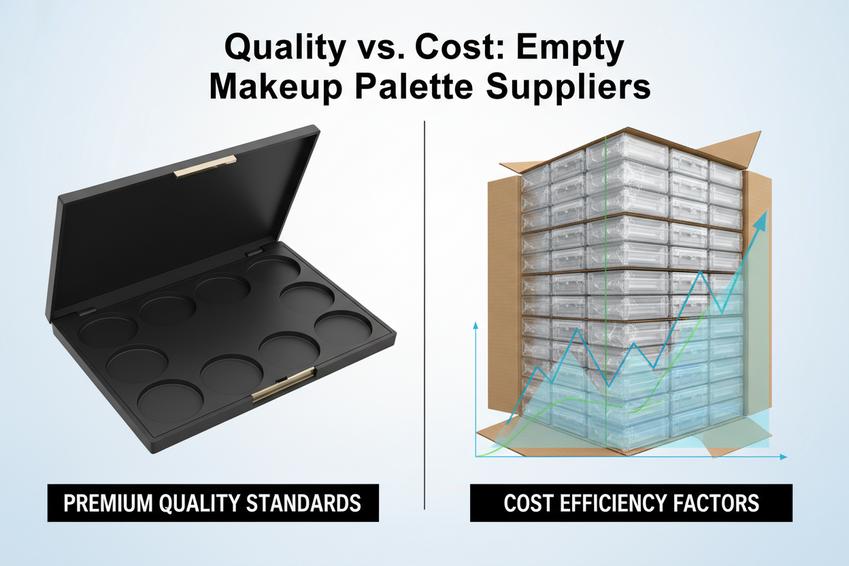
Quality vs. Cost: Empty Makeup Palette Suppliers
Choosing the right supplier for an empty makeup palette is a balancing act. Brands want solid quality, yet budgets matter. From a basic makeup palette case to a fully customized empty cosmetic palette, every detail affects cost, performance, and long-term brand trust. Let’s break it down in a practical way.
Premium Quality Standards
When evaluating an empty makeup palette, quality shows up in layers, not just looks.
-
Core Construction Standards
1.1 Material Durability
- ABS, PET, or aluminum must resist cracking and warping.
- A refillable makeup palette should survive daily opening and closing without stress marks.
1.2 Product Integrity
- Pan wells must hold metal pans firmly.
- Magnetic sheets in a custom empty makeup palette need consistent pull strength.
-
Surface & Finish Control
2.1 Finish Consistency
- UV coating should feel smooth, not sticky.
- Hot stamping must align cleanly with logo artwork.
2.2 Aesthetic Appeal
- Color matching across batches keeps the empty makeup palette line visually tight.
- Matte and gloss finishes should stay even under bright store lighting.
-
Functional Precision
3.1 Closure Mechanism
- Hinges must open smoothly at least thousands of times.
- Magnetic lids on a makeup palette case should snap shut with a clean click.
3.2 Interior Layout
- Pan spacing must be accurate.
- Mirror placement in an empty makeup palette cannot shift during transport.
Quality control often follows a layered path:
- Raw material inspection
- Mid-production dimensional checks
- Final assembly testing
It sounds detailed, and it is. That’s how a simple empty makeup palette becomes reliable instead of risky.
Cost Efficiency Factors
Balancing cost without wrecking standards takes smart planning around the empty makeup palette supply chain.
-
Manufacturing Strategy
1.1 Manufacturing Processes
- Injection molding cycle time directly affects unit pricing.
- Automated assembly reduces labor variance in a makeup palette case line.
1.2 Tooling Costs
- Multi-cavity molds lower per-unit cost at scale.
- Tool maintenance avoids expensive defects later.
-
Resource Planning
2.1 Material Sourcing
- Bulk resin purchasing reduces fluctuation risk.
- Alternative recycled plastics can lower raw material spend for an empty cosmetic palette.
2.2 Supplier Negotiation
- Clear forecasts strengthen pricing leverage.
- Long-term agreements stabilize costs.
-
Scale & Distribution
3.1 Production Scale
- Higher MOQ spreads tooling amortization across more units.
- Small runs of a custom empty makeup palette increase cost per piece.
3.2 Logistics Optimization
- Compact packaging design fits more empty makeup palette units per carton.
- Flat-pack inserts reduce shipping air space.
In real life, cost control usually follows this rhythm:
- Define acceptable quality benchmarks
- Align materials with price targets
- Optimize cavity configuration
- Streamline packing
A well-priced empty makeup palette isn’t about cutting corners. It’s about aligning smart sourcing, efficient production, and realistic expectations so quality and budget can coexist without drama.
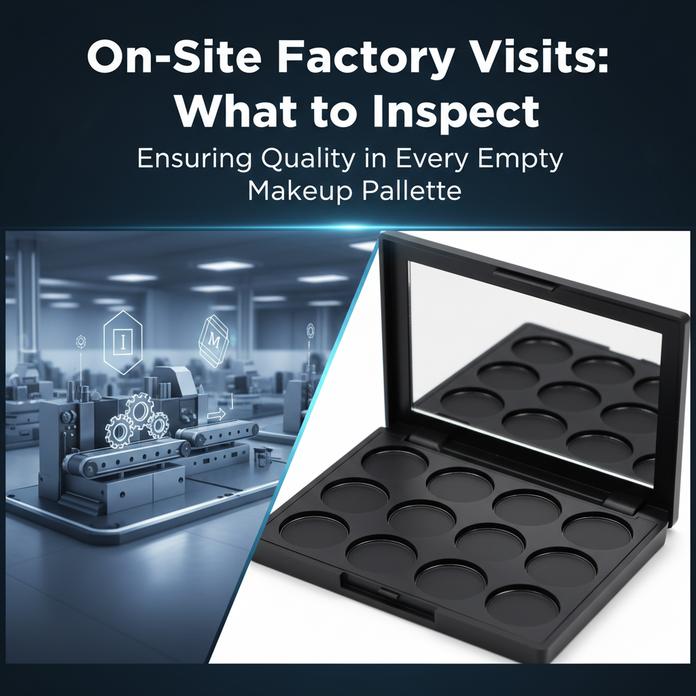
On-Site Factory Visits: What to Inspect
When sourcing an empty makeup palette, factory visits separate hype from reality. If you’re serious about a makeup palette that lasts, every detail counts, from molding lines to mirror glue.
Injection Molding Lines and Thermoforming Equipment for Palette Components
When reviewing production for an empty makeup palette, focus on core systems:
-
Equipment Foundation
-
Injection molding machines
- Check clamping stability and shot consistency.
- Review automation levels for repeatable output.
-
Thermoforming equipment
- Inspect heating uniformity for PETG trays.
- Confirm trimming precision for clean edges.
-
-
Tooling & Materials
-
Mold maintenance
- Polishing schedule.
- Cavity wear tracking.
-
Supported resins:
- ABS for sturdy makeup palette shells.
- PP for lightweight empty palette formats.
- PETG for clear lids.
-
-
Operational Control
- Material handling systems
- Verified production capacity
- In-line quality control procedures
A reliable line ensures every empty makeup palette keeps consistent cavity alignment and smooth surface output. Topfeelpack pays close attention to these basics because good molds mean fewer defects, plain and simple.
Assembly Quality of Pans, Hinges, Magnets, and Mirrors
For a refillable empty makeup palette, assembly is where quality shows up fast.
-
Component Accuracy
- Pan insertion accuracy
- Tight component alignment
- Stable mirror adhesion
-
Functional Strength
- Tested hinge durability
- Measured magnet strength
- Controlled defect rates
-
Line Performance
- Balanced assembly line efficiency
Open and close the makeup palette repeatedly. Listen for clicking sounds. Shake it lightly. A solid empty palette should feel firm, not flimsy. That’s how you avoid returns later.
Surface Finishing Workshop — Hot Stamping, Screen Printing, and UV Coating
Surface details sell the empty makeup palette at first glance.
- Hot stamping quality for logo sharpness
- Screen printing precision for shade guides
- Smooth UV coating uniformity
Deeper checks matter too:
-
Visual Standards
- Accurate color consistency
- Even metallic foil edges
-
Durability Tests
- Cross-hatch adhesion testing
- Real-world scratch resistance
Strong finishing equipment keeps every makeup palette batch aligned with brand color codes. An empty makeup palette with uneven coating? Customers notice instantly.
Sustainability Practices: Recycled Content Plastic, Waste Reduction Programs, and Eco-Friendly Alternatives
Buyers now ask what’s inside the empty makeup palette shell, not just the pans.
-
Materials
- Verified recycled plastic content
- Responsible eco-friendly material sourcing
-
Factory Operations
- Smart waste management systems
- Improved energy efficiency
- Active water conservation
-
Compliance
- Clear emission control records
- Updated certifications
A cleaner supply chain boosts brand value. Topfeelpack supports recycled options for empty makeup palette lines and compact palette projects, helping brands offer a refillable makeup case that feels modern and responsible.
FAQs about Empty makeup palette
What certifications should I check before ordering an empty makeup palette?
Choosing a reliable supplier protects both your brand and your customers. Focus on clear, verifiable standards:
- Core certifications
- ISO 9001 certification for consistent production control
- REACH compliance and FDA compliance for material safety
- Updated Material safety data sheets for ABS plastic, PETG plastic, Aluminum, or Bamboo
- Product-level quality checks
- Dimensional accuracy of Pans, Inserts, and Lids
- Durability testing on Hinges and Magnets
- Color consistency after UV coating or Screen printing
When documentation is transparent and easy to trace, trust grows naturally.
How can I evaluate the material and manufacturing quality of an empty makeup palette?
Material choice shapes the feel in hand and the story behind your brand.
Material comparison at a glance
| Material | Key Strength | Best Use Feeling |
| ABS plastic | High impact resistance | Sturdy daily palettes |
| PP plastic | Lightweight | Budget-friendly lines |
| PETG plastic | Clear & glossy | Window cutouts, visible shades |
| Recycled content plastic | Lower footprint | Eco-focused brands |
| Aluminum | Premium weight | Luxury collections |
| Bamboo | Natural texture | Clean beauty image |
Manufacturing details matter just as much:
- Injection molding ensures tight Hinges and smooth Lids.
- Thermoforming supports complex Cavity configurations.
- Careful Assembly keeps Mirrors aligned and Magnets secure.
- Hot stamping, Embossing, and Debossing refine logo placement and surface finishes.
A quick sample test—open, close, press, inspect—often reveals more than a catalog ever could.
What should I confirm about lead time and sustainability before placing a bulk order?
Production speed means little without clarity and responsibility.
• Lead time linked to Minimum order quantity and tooling readiness
• Clear Packaging solutions to protect Pans and Mirrors
• Transparent Shipping methods and Inventory management for Global distribution
• Supply chain transparency from raw material to final Assembly
On sustainability, look deeper than slogans:
- Post-consumer recycled content or Biodegradable plastic options
- Recyclable packaging and Compostable materials
- Waste reduction programs and ethical sourcing practices
- Measurable steps toward a reduced carbon footprint
When logistics are organized and sustainability is genuine, your empty makeup palette becomes more than packaging—it becomes part of your brand’s character.
References
- Statista – statista.com
- ISO 9001 Certification – iso.org
- REACH Compliance – echa.europa.eu
- FDA-related declarations – fda.gov
- Material Safety Data Sheets – osha.gov
- ABS Plastic – thomasnet.com
- PETG Plastic – thomasnet.com
- Aluminum – aluminum.org
- Vacuum metallization – thomasnet.com
- Cleanroom conditions – thomasnet.com
- Injection molding – thomasnet.com
- Thermoforming equipment – thomasnet.com
- Post-consumer recycled content – epa.gov
- Biodegradable plastic options – unep.org
- ethical sourcing practices – fsc.org

