 English
  العربية
  Deutsch
  Italiano
  Español de México
  Tiếng Việt
  ไทย
ไทย  Português do Brasil
  Français
  Български
  Čeština
  Dansk
Dansk  Ελληνικά
  Eesti
Eesti  Suomi
Suomi  Magyar
  Bahasa Indonesia
  Lietuvių kalba
  Latviešu valoda
  Norsk bokmål
  Nederlands (Formeel)
  Polski
  Română
  Русский
  Slovenčina
  Slovenščina
  Svenska
  Türkçe
  Українська
  简体中文
简体中文  日本語
日本語  한국어
한국어  繁體中文
繁體中文 

How to Start a Beauty Product Business 2026
January 08,2026
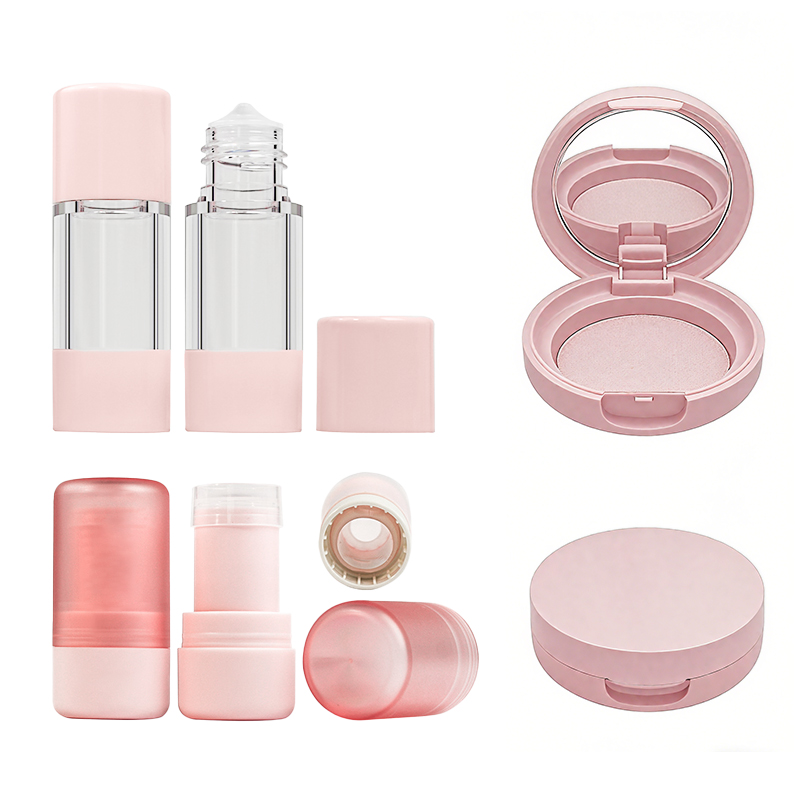
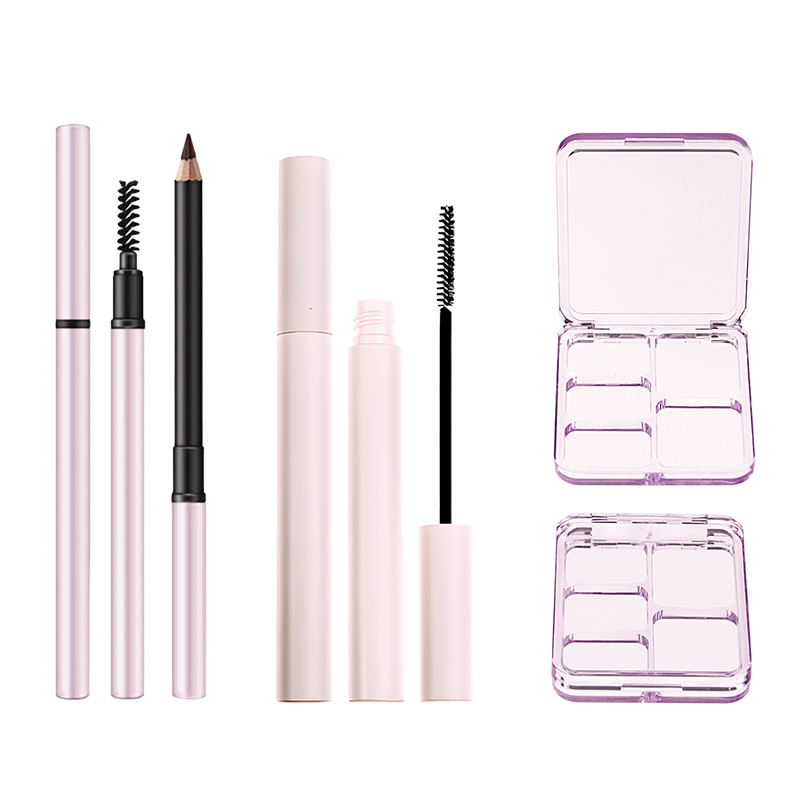
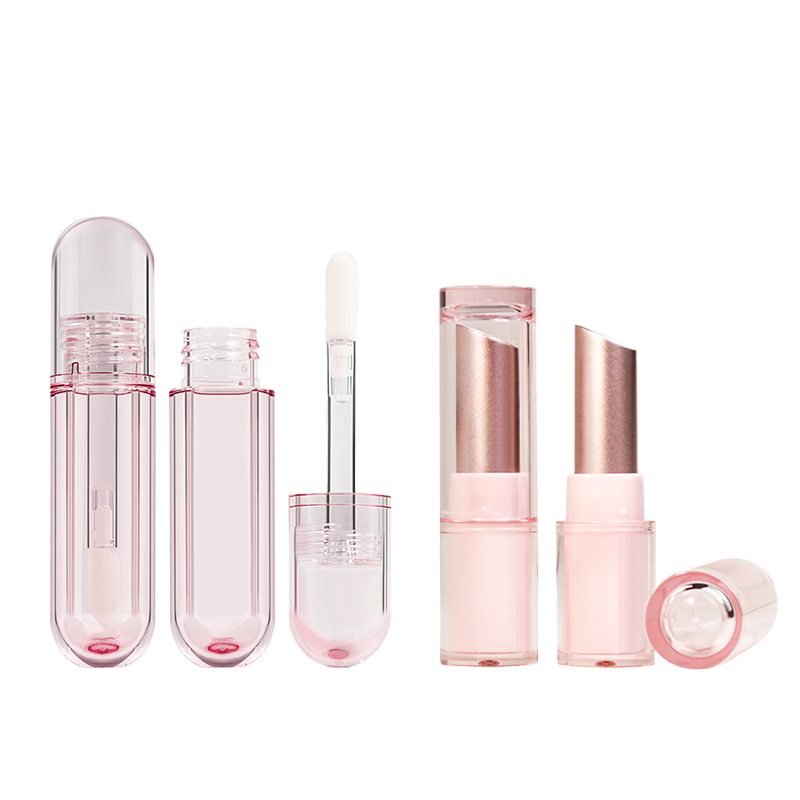
In 2026, the beauty game’s not just about lipstick shades or shimmer levels—it’s about standing out in a billion-dollar storm. If you’re googling how to start a beauty product business 2026, makeup container probably kept popping up more than you’d like. That’s no mistake. Your packaging is your handshake—your first shot at being taken seriously in an industry that chews through trends faster than mascara wands.
The pressure? Oh, it’s real. One off-label ingredient or a leaky bottle and you’re dealing with FDA heat or worse—viral TikToks dragging your brand before launch day. According to Precedence Research, the global cosmetics market size is projected to reach approximately USD 450.20 billion in 2026. You want your slice? Then you’ve gotta play it smart from shelf appeal down to safety seals.
You don’t need perfect skin or an MBA—you need grit, clarity, and vendors who get that your containers can’t crack under pressure (literally). Buckle in—we’re getting into what really matters when building a beauty brand that doesn’t just launch… it lands hard.
Essential Insights: How to Start a Beauty Product Business 2026, Makeup Container
→ Identifying Target Market: Clearly define who your ideal customers are to tailor your product offerings effectively.
→ Regulatory Compliance: Familiarize yourself with FDA regulations, specifically the Modernization of Cosmetics Regulation Act (MoCRA), and ensure all products adhere to safety standards to avoid legal troubles.
→ Sustainable Choices: Opt for eco-friendly packaging materials, such as refillable glass pump bottle options or biodegradable paperboard cartons, to win over eco-conscious consumers.
→ Quality Control Measures: Implement strict quality control practices, including working with ISO 9001 certified suppliers, to ensure product reliability.
→ Digital Marketing Strategies: Leverage social media platforms to amplify brand visibility, using trends and influencer partnerships to connect with your audience.
→ Innovative Packaging Design: Choose visually appealing colors and innovative closures, like magnetic systems, that enhance usability and grab consumer attention.
→ Temperature Control in Shipping: Prioritize temperature-controlled transport for sensitive cosmetics to maintain product integrity during delivery.
How to Start a Beauty Product Business 2026: The Ultimate Guide
Everything you need to kick off your beauty brand with confidence and clarity.
Essential steps for launching your beauty line
• Define your target market by analyzing age, skin tone, lifestyle habits, and spending behavior.
• Craft a distinct unique selling proposition that sets your products apart—think cruelty-free formulas or hyper-personalized skincare.
• Build a strong brand identity, including tone of voice, color palette, and story-driven messaging.
- Secure dependable suppliers who align with your values—especially if you’re committed to clean or vegan formulations.
- Implement tight quality control processes from the start; consistency builds trust fast.
✓ Choose a niche you’re obsessed with—it’ll make the grind feel worth it.
Your journey on how to start a beauty product business 2026 hinges on combining passion with precision. Stay nimble as trends shift but grounded in what makes your brand sparkle.
Navigating regulatory hurdles for product safety
- Understand FDA’s cosmetic labeling rules—missing this step can get you yanked from shelves overnight.
- Conduct detailed safety assessments using certified labs before going public with any formula.
💡 Don’t forget international markets! If you’re eyeing Europe or Asia, their compliance standards differ drastically from U.S. regulations.
“According to Mintel’s Global Beauty and Personal Care Trends 2025, consumers now demand full ingredient transparency and eco-ethical responsibility before purchase.” That means skipping compliance isn’t just risky—it’s bad business.
Make sure every jar of cream or drop of serum meets both legal and ethical standards before it hits anyone’s face.
Picking sustainable materials for eco-friendly packaging
♻️ Go biodegradable where possible—think paperboard palettes instead of plastic compacts.
Grouped solutions worth exploring:
- Packaging materials: Recycled PET bottles, sugarcane-based tubes, refillable loose powder jar options
- Sourcing practices: Local suppliers reduce carbon footprint; bulk buying cuts down waste
- Design elements: Minimalist labels printed with soy ink appeal to low-impact shoppers
A growing number of Sustainable Cosmetic Packaging brands are pivoting toward sustainability not just as an option—but as the norm expected by Gen Z buyers starting in 2026.
If you’re wondering how to start a beauty product business 2026 that resonates long-term? It starts by making eco-smart packaging choices right out the gate.
Understanding market trends in the beauty industry
| Trend Category | Popularity Score (0–10) | Projected Growth (%) | Target Demographic |
|---|---|---|---|
| Clean Beauty | 9 | +18% | Millennials & Gen Z |
| Inclusive Shades | 8 | +14% | BIPOC Consumers |
| Personalized Skincare | 7 | +21% | Aging & Sensitive Skin |
| Hybrid Makeup-Skincare Products | 6 | +11% | Busy Professionals |
Multiple short bursts worth noting:
• Personalized blends using AI skin scans are booming—don’t sleep on tech integration!
• Brands offering customizable serums or foundation drops are seeing explosive growth post-pandemic recovery years.
If you’re still asking how to start a beauty product business 2026 that thrives beyond launch day? Keep one eye on these shifts while staying true to your original mission—and don’t be afraid to pivot when the data says so.
Choosing the Right Makeup Container: Tips for Your Brand
Picking the right makeup container isn’t just about looks—it’s about function, sustainability, and how your brand vibes with customers.
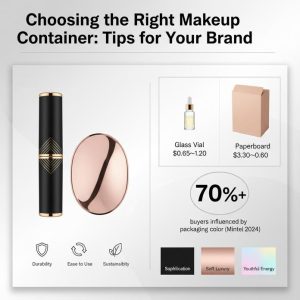
Key factors in selecting a compact powder container
- Durability: A cracked case is a dealbreaker. Go for sturdy plastics or metal composites that can handle daily wear.
- Ease of Use: Magnetic closures or ergonomic shapes can make application smoother—no more fiddling with stiff lids.
- Aesthetic Appeal: Sleek designs, mirrored interiors, and customizable surfaces give your product that high-end polish.
- Portability: Lightweight yet strong materials like ABS or PP plastic keep things travel-friendly.
- Compatibility with Formulas: Make sure your chosen material doesn’t react poorly with oil-based or mineral powders.
When you’re figuring out how to start a beauty product business 2026, thinking through these details for a powder compact case will save you major headaches later.
Comparing refillable glass vials and biodegradable paperboard cartons
| Feature | Refillable Glass Vials | Paperboard Cartons | Verdict |
|---|---|---|---|
| Environmental Impact | High reuse potential | Fully compostable | Both eco-friendly |
| Cost per Unit | $0.65 – $1.20 | $0.30 – $0.60 | Paperboard wins here |
| Shelf Appeal | Sleek & premium | Earthy & natural | Depends on branding |
| Consumer Refill Behavior | Encouraged | Less common | Better for loyalty |
If you’re leaning sustainable when launching your line, both options pack an eco-punch—but the vibe they give off is totally different. Glass says “refined,” while paperboard whispers “conscious.”
The impact of packaging color choices on consumer behavior
“Over 70% of cosmetic buyers report that packaging color directly influences their purchase decision,” according to Mintel’s Global Packaging Trends. That’s not fluff—that’s strategy.
• Matte black? Screams sophistication.
• Rose gold? Soft luxury vibes all day.
• Bright pastels? Youthful energy—Gen Z eats it up.
Colors do more than decorate—they shape perception. If you’re researching how to start a beauty product business 2026, nailing this detail could be your secret sauce.
Benefits of using a magnetic closure system for lipstick tubes
• Snap-shut convenience—no twisting, no mess
• Prevents accidental opening in purses or pockets
• Adds tactile satisfaction that feels premium
Plus, magnetic closures are reusable-friendly if you’re aiming for sustainable refills in your lipstick line. They’re not just cool—they’re clever.
Designing unique label applications with hot stamping effects
Hot stamping adds layers of texture and shine—think foil logos or embossed metallic lettering—that elevate even minimalist designs.
Short runs? No problem—it works beautifully in boutique volumes too. Want something bold? Combine hot stamping with transparent overlays or gradient inks.
When choosing containers while planning how to start a beauty product business 2026, don’t ignore labels—they’re often what gets people to pick up the product in the first place.
Topfeel Makeup offers custom solutions across all these areas—from innovative closures to luxe finishes—so you can build packaging that actually turns heads without blowing up your budget.
The Importance of Quality Control for Makeup Containers
A solid grip on quality control can make or break your beauty brand. Here’s how to keep things tight and trustworthy.
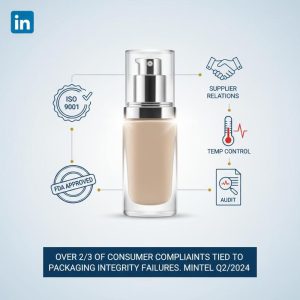
Understanding ISO 9001 certified factory requirements
- ISO 9001 certification isn’t just a fancy badge—it’s proof that your supplier follows globally recognized quality management systems.
- It ensures repeatable processes, consistent results, and fewer product recalls. You want that? Then check if your manufacturer has up-to-date documentation.
- Ask about internal audits, corrective action logs, and customer feedback loops. If they hesitate? Red flag.
💡 For anyone exploring how to start a beauty product business 2026, working with an ISO-certified partner is like having guardrails on a winding mountain road—non-negotiable.
Best practices for ensuring FDA approved material use
🟊 Confirm every raw material comes with its own FDA compliance certificate.
🟊 Conduct third-party testing quarterly—don’t just trust what’s on paper.
🟊 Keep tabs on packaging inks, adhesives, and plasticizers—they’re often overlooked but can sneak into formulations.
🟊 Have your legal team review ingredient disclosures from all suppliers before production begins.
🟊 Even if your product is made overseas, U.S. import laws still apply. FDA-approved doesn’t mean “once checked”—it means “always compliant.”
If you’re knee-deep figuring out how to start a beauty product business by next year, don’t skip this step. It’s where many newbies lose steam—or worse—get fined.
Implementing temperature controlled transport for safety
Maintaining ideal conditions during shipping isn’t optional when it comes to sensitive formulas like lip balms or foundations. You’ll need:
• Insulated containers rated for cosmetics
• Real-time GPS tracking integrated with thermal sensors
• Backup logistics plans during hot months or long hauls
🌡️ Here’s what ideal ranges look like:
| Product Type | Ideal Temp Range | Max Exposure Time | Risk if Exceeded |
|---|---|---|---|
| Lipstick | 10–25°C | <12 hours | Melting / sweating |
| Liquid Foundation | 5–20°C | <8 hours | Separation / spoilage |
| Cream Blush | 8–22°C | <10 hours | Texture breakdown |
| Mascara | Room temp only | <24 hours | Thickening / clumps |
For those diving into makeup container logistics as part of their biz plan, this data isn’t fluff—it’s survival-level stuff.
Why quality audits shouldn’t be skipped—even once
Skipping even one quality audit can undo months of hard work. Think about it: you could be pushing out thousands of units filled into faulty containers without even knowing it until customers complain—or regulators knock on your door.
The smartest brands bake audits into their monthly workflows. Not because they have time to kill—but because they know each audit is insurance against disaster. If you’re plotting how to start a beauty product business right now, build that audit culture from day one.
How supplier relationships impact container quality
Short-term deals might save you cash upfront—but long-term partnerships deliver consistency and trust.
• Trusted suppliers are more likely to notify you about changes in materials
• They’re open to co-developing custom custom cosmetic packaging designs
• And they usually offer faster support when issues pop up
When you’re scaling up after launch—and yes, that’s the dream—you’ll thank yourself for building those early bridges instead of chasing the cheapest bid each time.
Common red flags during container inspections
1️⃣ Warping under mild heat exposure
2️⃣ Misaligned threading between cap and bottle
3️⃣ Discoloration near seams or weld lines
4️⃣ Odor emitted from plastic after unboxing
If any of these show up? Halt shipment immediately and request batch re-testing. This kind of vigilance separates amateurs from pros—especially when you’re navigating how to start a beauty product business with minimal room for error.
According to Mintel’s Global Packaging Trends: “Over two-thirds of consumer complaints tied directly back to packaging integrity failures.” That stat alone should light a fire under any founder planning their first launch run.
How eco-compliance ties into quality control
♻️ Sustainable doesn’t mean sloppy—and eco-friendly containers still need airtight seals and proper barrier protection against air and light exposure.
♻️ Look for suppliers using biodegradable yet durable polymers tested under real-world conditions—not just lab simulations.
♻️ Verify compostability claims through third-party certifications like ASTM D6400 or EN13432—not vague greenwashing labels slapped on boxes last minute.
More than ever before, consumers care where their packaging ends up—and if you’re serious about launching by 2026, weaving eco-conscious design into your quality checks isn’t optional anymore; it’s expected.
Digital Marketing for Beauty Brands: Best Practices 2026
Staying ahead in beauty marketing means blending trends, tech, and real talk customers care about.
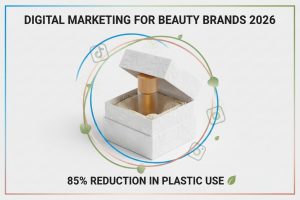
Leveraging social media trends to boost brand visibility
- Instagram Reels and TikTok challenges are where beauty brands break out. Use trending audio + product demos for max engagement.
- Partner with nano-influencers who feel more authentic than mega-stars—better ROI too.
- Go live weekly with behind-the-scenes Q&As or tutorials; it builds trust fast.
🧠 Think like your audience does—what would make you stop scrolling? That’s your content sweet spot.
Crafting compelling content: Highlighting your sustainable packaging audit
Sustainability sells—but only when it’s shown, not just said.
• Post before/after visuals of your packaging shift using recycled materials.
• Create a short video tour of the actual sustainable audit process—people love transparency.
• Feature stats like “85% reduction in plastic use” directly on packaging and social posts.
📊 Here’s an example breakdown:
| Audit Phase | Material Switched From | Material Switched To | % Waste Reduced |
|---|---|---|---|
| Outer Packaging | Plastic Wrap | Corrugated Kraft | 80% |
| Inner Tray | PVC | Molded Pulp | 90% |
| Labels & Ink | Petroleum-based Ink | Soy-based Ink | 70% |
| Shipping Fillers | Foam Peanuts | Recycled Paper Shreds | 95% |
Use these numbers in carousels or email headers—it’s proof people can connect with.
Utilizing custom corrugated boxes in unboxing experiences for branding
Unboxing is the new storefront—and custom design turns that moment into magic.
💄 Design tips:
- Embossed logos inside lids.
- Scent-infused paper inserts.
- Color-matching filler materials based on product tone.
- QR codes linking to tutorials or loyalty points.
🧠 Group your box strategy into three core goals:
Aesthetic Impact
• Bold colors that reflect your brand voice
• Minimalist layout if you’re targeting Gen Z minimalists
Tactile Experience
• Textured finishes like soft-touch matte
• Magnetic closures for a luxe vibe
Functional Sustainability
• Flat-fold designs reduce shipping emissions
• Boxes made from FSC-certified paper
For anyone figuring out how to start a beauty product business in 2026, nailing this step elevates even beginner brands into premium territory without blowing the budget.
By combining storytelling around eco-conscious choices with eye-catching pretty makeup packaging, you’re not just selling products—you’re building moments worth sharing.
FAQs
1. How can I start a beauty product business in 2026 with containers that speak to eco-conscious buyers?
Picture shelves lined with refillable glass vials and biodegradable paperboard cartons — each one a quiet promise of responsibility. Partner only with an ISO 9001 certified factory that has passed a sustainable packaging audit. Pair eco-friendly bamboo fiber compacts with protective foam inserts inside custom corrugated boxes so your products arrive as pristine as you imagined them. Brighten the vision further by choosing custom pantone colors for powder compact case options, turning portable earth-friendliness into part of your brand’s signature look.
2. What elements matter most when purchasing large batches of compact powder containers?
A good container feels right in the hand before makeup ever touches the skin:
- Durability: No loose lids or cracked hinges during shipping.
- Visual appeal: Matte black or metallic gold accents hold eyes longer than plain designs.
- User harmony: An easy snap fit cap design makes opening feel effortless yet secure.
The combination creates emotional reliability — customers trust the product because they trust how it is held.
3. How do I meet safety rules while producing cosmetic packaging at scale?
Safety is not glamorous until something goes wrong; then it’s everything:
- Choose durable acrylic plastic or recycled aluminum casing verified as FDA approved material.
- Insist on suppliers aligned to GMP manufacturing process standards.
3.When batches roll off production lines, run quality audits mirroring ISO certification steps — every flaw caught now saves future apologies.
4.What closure system captures both luxury feeling and functional dependability for lipstick tube components?
Magnetic closure systems answer both needs — they click shut like sealing a secret, satisfying to hear and reassuring in pocket or purse travel tests.They pair beautifully with embossed texture patterns on glossy white packaging for high-end allure while still protecting lip color integrity across markets.
5.How does container color sway wholesale buyer choices before they’ve even tested your formula?
Think beyond decoration; color sets mood instantly:
| Target Feel | Example Color Choice | Effect on Perception |
|---|---|---|
| Sophisticated confidence | Matte black container | Signals premium & timeless |
| Opulent indulgence | Metallic gold accent | Adds glamour & gifting value |
| Clean purity | Transparent clear bottle + UV coating surface finish | Enhances freshness cues |
These tones don’t just match formulas—they sell stories too quickly felt to ignore.
6.What must be considered when moving foundation pump dispensers across borders without damage or spoilage?
Shipments endure heat, jolts, delays… so precaution becomes choreography:
- Palletized shipment option to steady loads in transit rhythms.
- Temperature controlled transport guards viscosity under desert sun crossings.
- International freight insurance covers prolonged holds at customs.
- Tamper evident seals protect consumer trust from warehouse floor to unboxing moment.
In safe journeys lie loyal markets waiting at destination’s doorsteps.
References
[1] Cosmetics Market Size to Hit Around USD 802.04 Bn By 2035 – precedence research
[2] Modernization of Cosmetics Regulation Act of 2022 (MoCRA) – FDA
[3] Mintel announces Global Beauty and Personal Care Trends for 2025 – Mintel

