 English (Australia)
  English
  English (UK)
  English (Canada)
  العربية
  Deutsch
  Italiano
  Español de México
  Tiếng Việt
  ไทย
ไทย  Português do Brasil
  Français
  Български
  Čeština
  Dansk
Dansk  Ελληνικά
  Eesti
Eesti  Suomi
Suomi  Magyar
  Bahasa Indonesia
  Lietuvių kalba
  Latviešu valoda
  Norsk bokmål
  Nederlands (Formeel)
  Polski
  Română
  Русский
  Slovenčina
  Slovenščina
  Svenska
  Türkçe
  Українська
  简体中文
简体中文  日本語
日本語  한국어
한국어  繁體中文
繁體中文 
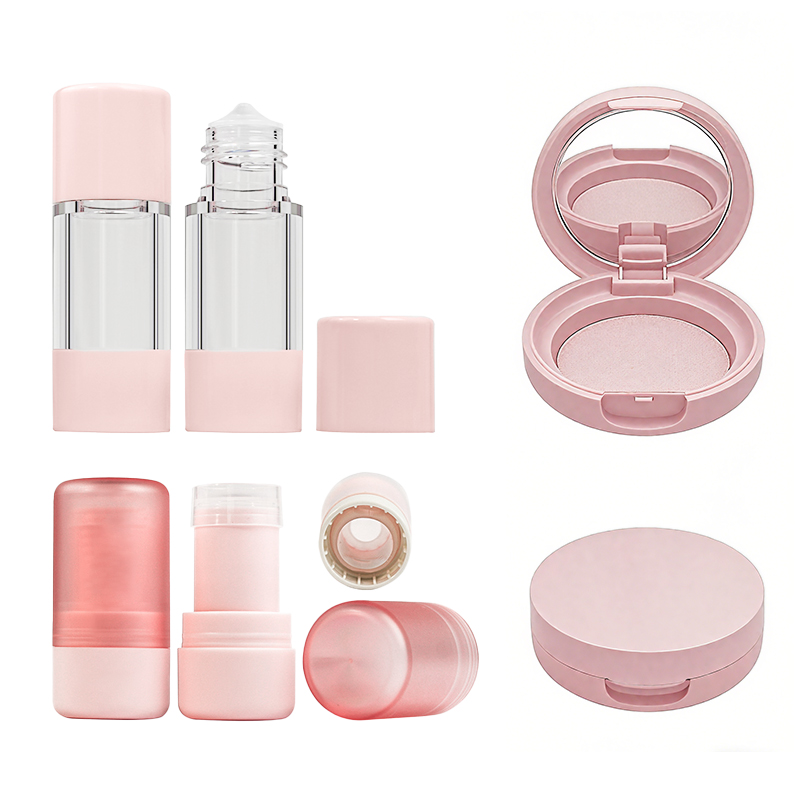
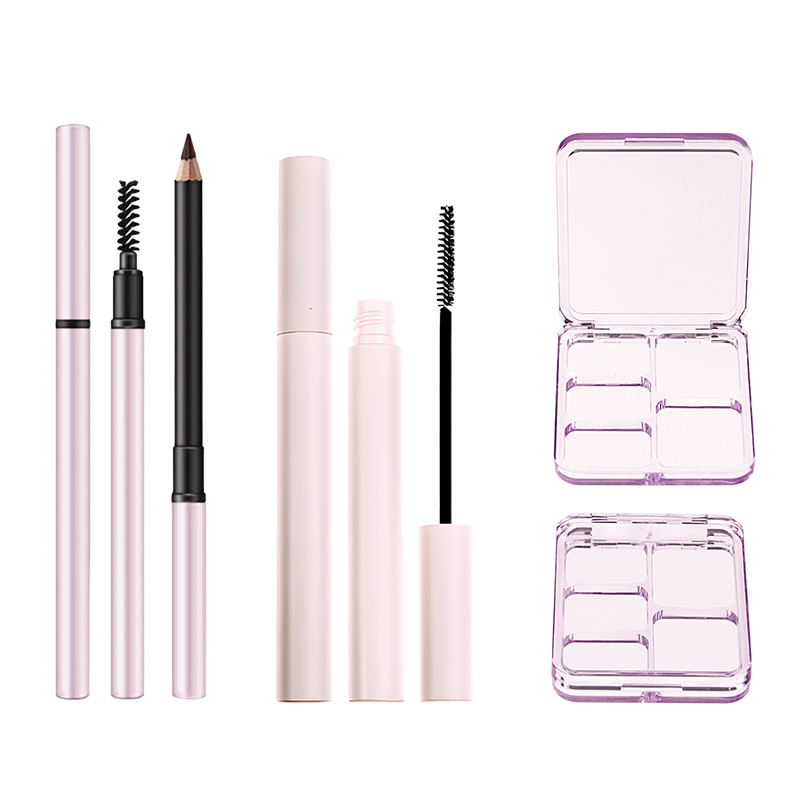
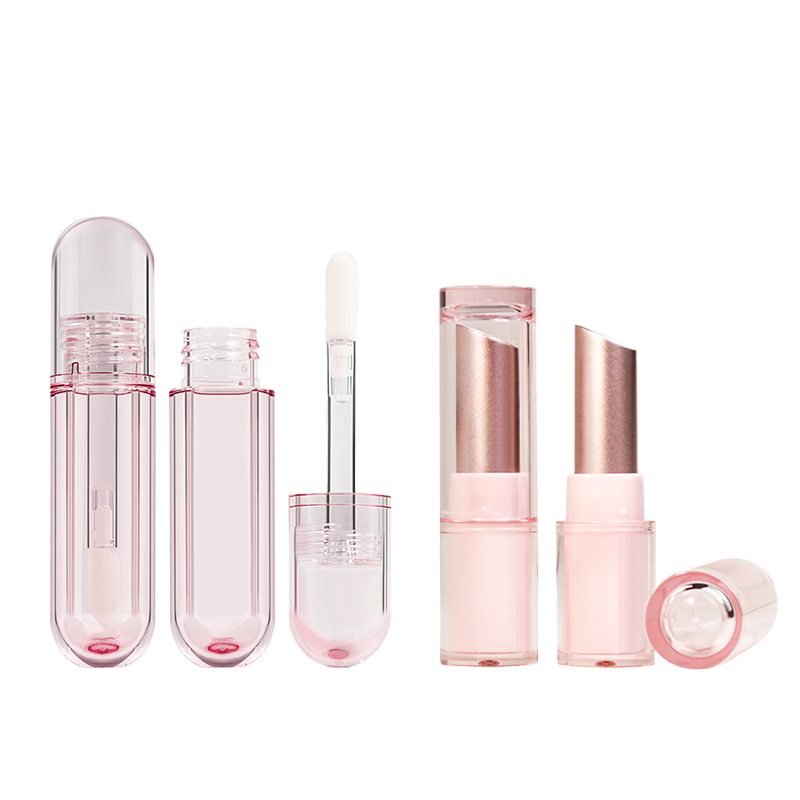

What Are the Latest Innovations in Green Packaging Solutions in 2026?
January 16,2026
Turns out, “green packaging” isn’t just a buzzword anymore—it’s the new norm. Cosmetic giants are flipping their supply chains upside down to meet demands from eco-conscious buyers who read ingredient labels like romance novels and treat recyclability like religion.
Back in 2019, you could get away with a shiny lipstick tube and a wink. But fast forward to 2026, and that same packaging screams outdated louder than dial-up internet. Now it’s all about refillable jars, mono-material pumps, and compostable cartons that don’t crumble under pressure—or rain.
According to Euromonitor International, over 62% of global beauty consumers now consider sustainability when purchasing cosmetics. That’s not fluff—that’s your next million-dollar contract asking for less waste and more wow.
So if you’re sourcing at scale for big-name brands or boutique breakouts alike—buckle up. The rules have changed, the bar is higher, and this article? It’s your cheat sheet to staying ahead without losing your mind (or margins).
Essential Insights on Green Packaging
- Rise of Biodegradables: Biodegradable materials, such as compostable packaging, are gaining traction over traditional plastics, aiming to minimize environmental impacts.
- Recycled Content Matters: The inclusion of recycled content in packaging plays a significant role in promoting sustainability and reducing waste.
- Material Comparisons: PET plastic and glass each have different sustainability profiles; understanding their environmental impacts is vital for informed choices.
- Mono-Material Innovations: The trend towards mono-material designs enhances the effectiveness of recycling processes and simplifies resource recovery.
- Efficiency in Logistics: Compostable packaging not only cuts down waste but also lowers waste disposal costs, making logistics more efficient.
- Refillable Systems Revolution: Refillable systems are reshaping supply chains, driving down packaging waste while fostering a culture of sustainability.
- Trends in Closure Types: Sustainable closure options like screw caps and pump dispensers are evolving to meet recyclability standards.
- Decorative Techniques: Innovative decoration methods, such as hot stamping and screen printing, are being assessed for their eco-friendly benefits in sustainable packaging.
- Understanding Regulations: Familiarity with FDA standards and other regulations is crucial for compliance when implementing green packaging solutions.
- Strategic Transitions: Adopting effective strategies like mono-material and refillable designs is necessary for a successful shift to sustainable packaging.
Sustainable Materials Driving Green Packaging Forward
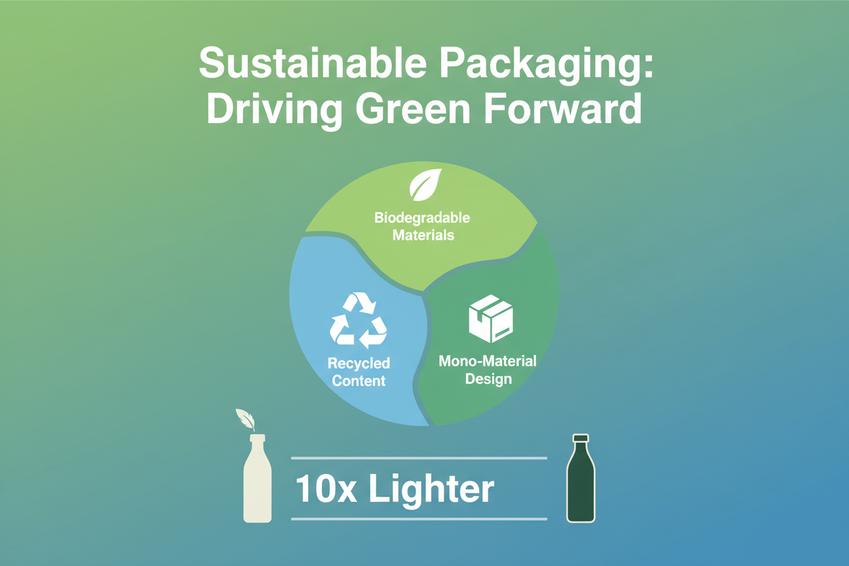
Sustainable Cosmetic Packaging is rewriting the rules of product design. This shift toward sustainability is powered by smart material choices and clever engineering.
The Rise of Biodegradable Materials Over Traditional Plastics
- Biodegradable materials like PLA, PHA, and starch blends naturally break down over time, unlike traditional plastics that linger for centuries.
- Compostable packaging can return to soil when processed correctly—ideal for food wraps and mailers.
- These materials often come from renewable sources, not petroleum-based feedstocks.
→ Not all “green” solutions are equal—some degrade only under industrial composting conditions.
♻️ Swapping out conventional wrappers with bioplastic films helps brands lower their environmental impact, especially for single-use items.
Short-term cost might be higher, but long-term benefits? Way bigger. Think less waste, cleaner oceans, and happier customers looking for eco-conscious picks.
Understanding Recycled Content: A Key Player in Green Packaging
• There are two types of recycled content you’ll see on labels: – Post-consumer recycled (PCR): Sourced from used products like bottles or boxes. – Pre-consumer recycled: Leftovers from manufacturing floors.
• Using more PCR means less landfill waste and stronger ties to the circular economy model.
• Brands using high levels of PCR support better-functioning material recovery systems—and help build demand for better recycling infrastructure too.
It’s not just about reusing—it’s about creating a loop where nothing goes to waste. That’s how you get truly sustainable packaging that people trust.
Comparative Study: PET Plastic vs. Glass Bottles in Sustainability
-
Weight difference matters—PET plastic bottles are up to 10x lighter than glass.
-
Lower weight = reduced shipping emissions = smaller carbon footprint.
-
But wait—glass has a longer reuse life and doesn’t degrade with each recycle cycle like PET does.
-
Energy-wise? Producing new glass takes more heat than molding plastic—but recycling it uses far less energy than making virgin PET.
-
And recyclability rates? Mixed bag:
- PET has high collection rates globally (especially clear bottles).
- Glass gets recycled well where infrastructure exists—but it breaks easily during transport.
According to the Ellen MacArthur Foundation’s 2024 circularity report, “Material selection must match local recovery systems if we want real impact.” So smart brands don’t just choose based on material—they choose based on context too.
Innovative Mono-Material Designs for Streamlined Recycling
• Say goodbye to hard-to-recycle multi-layer packs—hello, sleek single-substance formats: – All-polyethylene pouches – One-material bottle + cap combos – Paper-only mailers
• These kinds of designs make life way easier at the sorting plant—no need to separate layers or remove liners before tossing them into bins.
• Cleaner streams = higher-quality recyclables = more value from post-use stuff = big win across the board.
Mono-materials also reduce contamination risks during recycling—a major plus when aiming for true zero-waste operations in modern supply chains like Topfeel’s latest skincare line rollout shows off perfectly with its all-in-one recyclable tubes designed for curbside pickup systems across Europe and Asia-Pacific markets.
Green packaging isn’t just a buzzword anymore—it’s a full-on movement built around smart decisions like these that keep things clean without cutting corners.
The Impact of Green Packaging on Supply Chain Efficiency
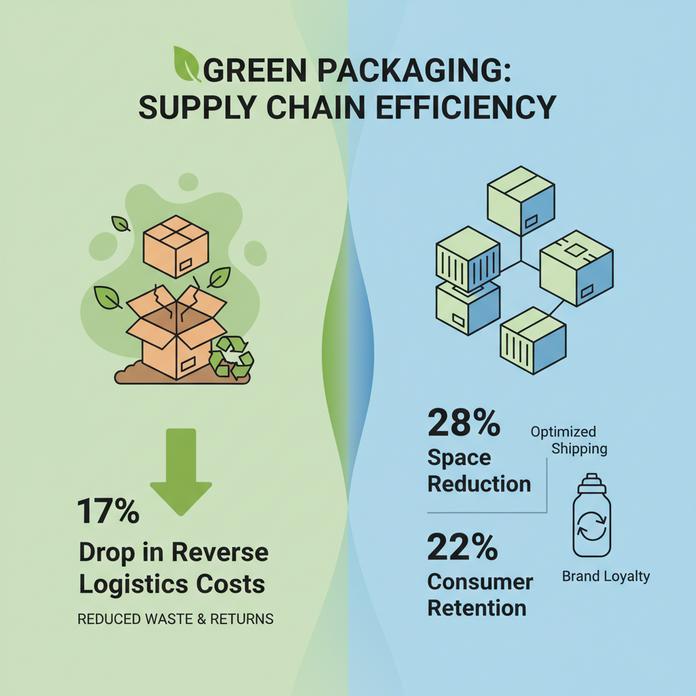
Switching to green packaging isn’t just about saving the planet—it’s changing how goods move, store, and return across global supply chains.
How Compostable Packaging Reduces Waste in Logistics
- Compostable materials break down naturally, removing the need for complex disposal systems.
- Less trash means fewer trips to waste facilities—cutting fuel use and emissions.
- Logistics teams love it: fewer landfill fees, faster clean-up processes.
According to McKinsey’s 2024 Sustainability Index, brands using biodegradable packaging saw a 17% drop in reverse logistics costs within a year. That’s no small win.
This shift also boosts supply chain sustainability, as end-of-life solutions become simpler and cheaper. Topfeel has been leading this charge by integrating plant-based wraps that disappear into compost heaps instead of clogging landfills.
Sustainable Packaging Shapes: Influences on Storage and Transport
Shorter boxes stack better. Round bottles roll less during transit. These aren’t minor tweaks—they’re game changers for warehouse math.
- Packaging design shapes like hexagonal tubes allow tighter pallet fits.
- Optimized geometric optimization reduces empty space by up to 28%.
- More products per truck = lower carbon footprint + fewer delivery runs.
- Reduced warehousing costs, especially when paired with lightweight materials.
Smart shape choices also mean smarter stacking, which improves both palletization and overall transportation efficiency—a double win for brands aiming to trim logistics fat while going green.
Why Refillable Systems Are Changing Supply Chain Dynamics
Let’s break it down:
- Customers buy once—and refill forever using sleek new containers.
- Brands set up smart hubs for returns via local stores or lockers.
- Products flow back through well-oiled reverse logistics pipelines.
- Containers are cleaned, refilled, and sent back out again—like clockwork.
This loop cuts down on single-use plastics and slashes transport emissions by reducing packaging weight over time.
And here’s the kicker: Euromonitor’s Q1 2024 report shows that refill models have increased consumer retention rates by nearly 22%. It’s not just eco—it’s sticky business sense.
With consumers getting more involved through these systems, the entire distribution model shifts toward a true circular economy, reshaping everything from last-mile delivery to long-haul freight planning—all while boosting overall operational efficiency across the board.
Top 5 Eco-Friendly Packaging Innovations in 2026
Sustainability is no longer optional. Here’s what’s making waves in green packaging this year.
2026’s Leading Sustainable Closure Types: What to Expect
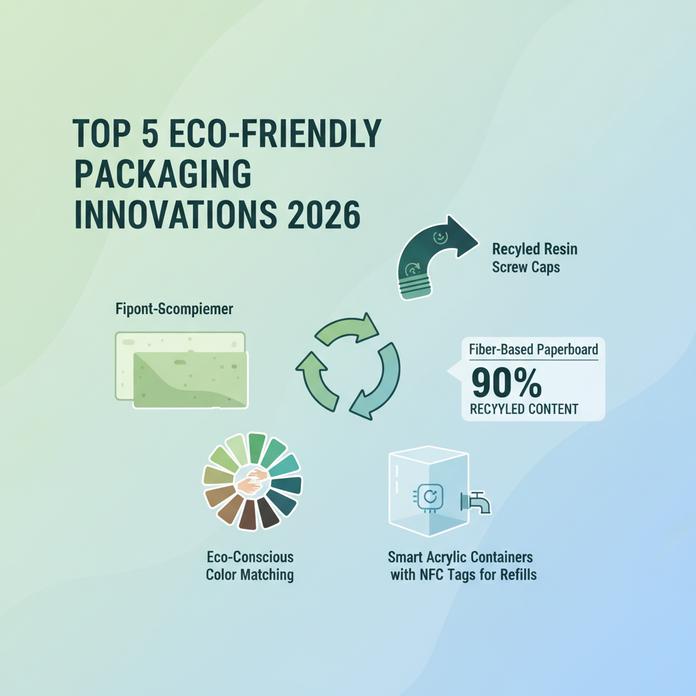
- Screw caps made from recycled resins are becoming a go-to choice, especially as brands chase full-package recyclability.
- Pump dispensers now come with simplified parts—fewer springs and mixed materials—for easier disassembly and sorting.
- Bio-based seals, often derived from sugarcane or corn starch, are showing up across skincare and wellness lines.
- Recyclable lids with mono-material construction help eliminate landfill-bound waste.
- Expect more tamper-evident green designs that use biodegradable adhesives rather than petroleum-based glues.
These innovations aren’t just upgrades—they’re signals of where the entire eco-packaging scene is headed.
The Transformation of Paperboard Cartons in Green Solutions
• Biodegradable? Yep. Compostable? You bet. Today’s paperboard packaging isn’t your average cereal box anymore.
• Brands are switching to fiber-based solutions, using agricultural waste pulp instead of virgin tree fiber.
• Lightweight doesn’t mean flimsy—new tech makes thinner cartons stronger than ever while cutting carbon during transit.
• Many companies now opt for recycled content, sometimes up to 90%, reducing pressure on forestry supply chains.
• Look out for coatings made from natural waxes instead of plastic films—these keep products safe without harming recyclability.
The humble carton just got a serious glow-up—and it’s all about closing the loop on waste.
Innovative Decoration Techniques: Hot Stamping vs. Screen Printing
Hot stamping and screen printing both dress up packaging—but which one walks the talk when it comes to sustainability?
- Hot stamping uses foil, but newer versions ditch metalized layers for compostable films—less glam, more green.
- In contrast, screen printing offers versatility using low-VOC or even water-based inks, but requires more energy during curing.
- For brands chasing maximum shelf impact with minimal footprint, combining both techniques can balance aesthetics and environmental goals.
- Solvent-free options now exist in both camps—meaning you don’t have to sacrifice style for substance anymore.
- The rise of eco-friendly decoration techniques shows that even branding has a role to play in responsible design.
When done right, decoration becomes more than skin-deep—it reflects real commitment to sustainable values in every layer.
Smart Packaging: Acrylic Containers with Eco-Friendly Features
Step-by-step, here’s how today’s smarter containers are reshaping sustainability:
→ Start with the base material: many new containers use post-consumer or even ocean-recovered plastics to form their core acrylic shell. That’s not just recycling—it’s reclaiming.
→ Add functionality: refillable systems reduce single-use waste dramatically by encouraging reusability at home or via return programs.
→ Layer on intelligence: some smart jars feature embedded NFC tags that track product life cycles or prompt users when refills are due—welcome to the future of reuse!
→ Finally, top it off with modularity—interchangeable parts mean fewer components need replacing over time, extending lifespan without sacrificing design.
This isn’t your grandma’s lotion jar. It’s a full-on rethink of how we interact with packaging in our daily lives—with serious eco gains baked right in through every layer of its construction.
Advancements in Color Matching for Eco-Conscious Aesthetics
Grouped into function and flair, here’s how color matching gets greener:
🟢 Functional Improvements:
• Use of low-VOC pigments means less off-gassing during production—a win indoors and out.
• Transparent finishes reveal inner product levels while cutting back on unnecessary dyes or opaque layers.
🌿 Material-Sensitive Matching:
• Colors adapted specifically for bio-resins ensure better bonding without compromising hue accuracy.
• Custom blends work seamlessly across various substrates like glassine paper or compostable films.
🎨 Design Aesthetics:
• The Pantone Matching System now includes ranges tailored for sustainable inks like soy-based formulations.
• Earth tones dominate—the muted greens and clay-inspired reds align well with today’s minimalist lookbooks while reflecting eco intent clearly.
In short? Color isn’t just visual flair anymore—it plays an active role in making sure your packaging walks the sustainability talk all the way through its lifecycle.
How to Transition to Sustainable Green Packaging?
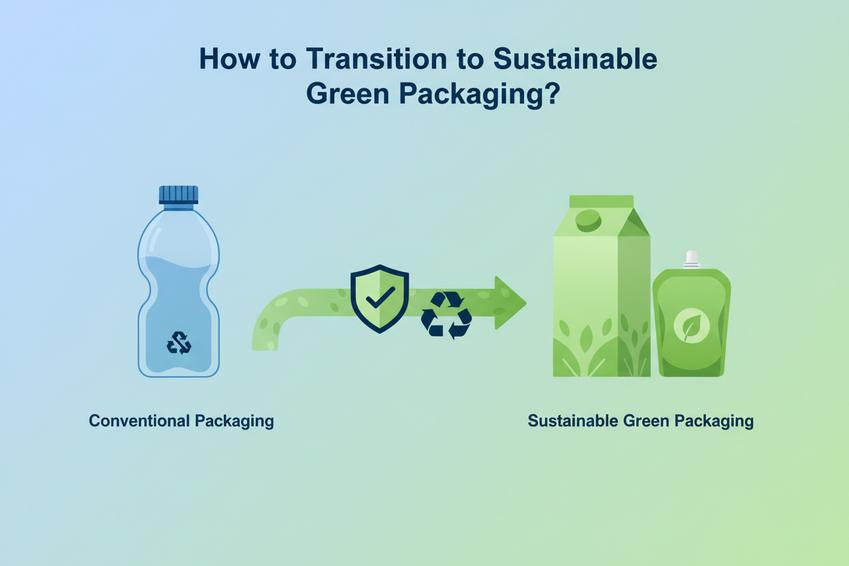
Making the switch to green packaging isn’t just a trend—it’s a smart move for brands that want to stay ahead and stay clean.
Step 1: Regulations and Compliance — Understanding FDA Standards
Navigating the regulatory maze is no joke, especially in industries like food and cosmetics where packaging compliance can make or break your product line.
• The FDA has strict rules for food contact materials, so any shift toward biodegradable materials or plant-based plastics must align with these standards.
• Companies need to understand how labeling requirements evolve when using sustainable alternatives—claims like “compostable” or “recyclable” can’t just be slapped on without verification.
• Certifications from third-party bodies can help validate your claims while aligning with broader environmental standards, reducing the risk of greenwashing accusations.
Brands also have to work within overlapping regulatory frameworks, which vary by product type and distribution region. That’s why Topfeel ensures all of its eco-packaging solutions not only meet but exceed existing FDA thresholds, giving clients peace of mind while pushing toward greener goals.
Key Strategies for Implementing Sustainable Packaging Solutions
Switching up your packaging game? It’s not just about swapping plastic for paper—it’s about designing smarter, cleaner, and longer-lasting systems that consumers actually vibe with.
Use mono-material designs: These simplify recycling processes because the whole pack is made from one material—no more fiddly separation needed.
Try out refillable models: Think sturdy containers plus lightweight refills; it cuts down on waste and boosts brand loyalty at the same time.
Prioritize materials with high recycled content, especially post-consumer resin (PCR), which has a lower footprint than virgin plastic.
Also:
• Embed eco-design principles early in R&D so sustainability isn’t an afterthought.
• Run a solid lifecycle assessment before committing to new formats—it reveals hidden environmental costs you might miss otherwise.
• Don’t skip on consumer messaging! Clear instructions about disposal or reuse drive real-world impact and tie into effective consumer engagement strategies.
And don’t forget supply chains—choosing vendors aligned with your values helps build long-term momentum in your push toward full-on supply chain sustainability in every phase of green packaging adoption.
FAQs
What makes biodegradable materials an appealing choice for cosmetic brands?
Softly disappearing into the earth, biodegradable materials transform jars, tubes, and caps into nature’s guests—staying only as long as they’re welcome.
- Compatible with compostable packaging: paperboard cartons and oval tubes
- Avoid lingering microplastics in the soil or sea
- Offer a poetic sustainability signature that customers feel proud to hold
How can recycled content elevate our brand’s image?
- Recycled paperboard cartons whisper of saved forests.
- Acrylic containers reborn from previous lives signal conscious resource care.
- PET plastic reclaimed through recycling loops reduces raw-material thirst.
Which closure types work well in refillable systems for cosmetics?
✦ Screw caps keep things simple—mono-material designs sing easy recycling tunes.
✦ Pump dispensers made from recyclable PET stand strong against time and repeated use.
✦ Dropper assemblies offer precise elegance while protecting contents from waste.
What should be considered about FDA standards when sourcing sustainable packaging?
— Material safety meets human trust here
— Glass bottles pass purity tests effortlessly; aluminum tubes withstand regulatory heat with dignity; certified biodegradable resins glide smoothly under FDA scrutiny; every approval shapes reusable systems ready for daily touch.
Why is mono-material design such a smart step toward greener goals?
Aiming at simplicity yet wary of excess:
| Shape Type | Example Use | Recycling Benefit |
|---|---|---|
| Cylindrical bottles | Liquid serums | Easy material separation due to uniform build |
| Square containers | Solid balms | Higher recovery rates during processing |
Summary: When parts share one soul, sorting becomes graceful—and your green intentions shine clearly on every retail shelf.
References
- Top Trends Shaping the Beauty and Personal Care Industry in 2025 – Euromonitor.com – www.euromonitor.com
- Material selection | Ellen MacArthur Foundation – www.ellenmacarthurfoundation.org
- Biodegradable vs Traditional Plastics: Key Differences – BioFuture Additives – www.biofutureadditives.com
- Mono-Material Packaging: Simplifying the Recycling Process – www.berlinpackaging.com
- Sustainability in packaging—across the value chain, and in 2025 and beyond – McKinsey – www.mckinsey.com
- Food Contact Material Regulations – USA – SGS – www.sgs.com

