 English (Australia)
  English
  English (UK)
  English (Canada)
  العربية
  Deutsch
  Italiano
  Español de México
  Tiếng Việt
  ไทย
ไทย  Português do Brasil
  Français
  Български
  Čeština
  Dansk
Dansk  Ελληνικά
  Eesti
Eesti  Suomi
Suomi  Magyar
  Bahasa Indonesia
  Lietuvių kalba
  Latviešu valoda
  Norsk bokmål
  Nederlands (Formeel)
  Polski
  Română
  Русский
  Slovenčina
  Slovenščina
  Svenska
  Türkçe
  Українська
  简体中文
简体中文  日本語
日本語  한국어
한국어  繁體中文
繁體中文 

Basic Quality Requirements for Cushion Cases: A Comprehensive Guide
February 25,2026
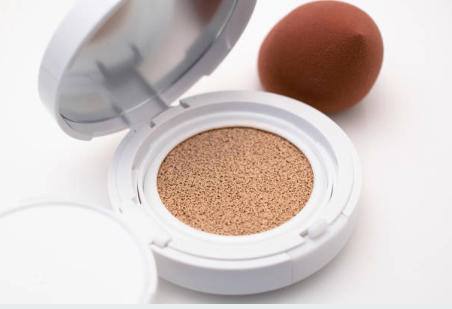
Cushion products, which consist of the cushion case, sponge, and puff, are among the most popular makeup products on the market today. This article provides an in-depth overview of the basic quality requirements for cushion cases. These guidelines are designed for packaging procurement professionals seeking to ensure product quality and functionality in the cosmetic packaging industry.
ONE: Basic Appearance Requirements for Cushion Cases
The appearance of a cushion case is critical to its usability and visual appeal. Below are the essential appearance quality standards that cushion cases must meet:
1. Product Components
- All components must match the approved sample, with no missing parts.
- There should be no burrs, sharp edges, or protrusions that could cause injury or affect the product’s overall function or aesthetic appearance.
2. Material Consistency
- The materials used should be consistent with the approved sample. Any changes to the material type are prohibited unless explicitly approved.
3. Flow Marks (Welding Marks)
- Visible flow marks or welding marks should be within acceptable limits, ensuring that they do not detract from the overall appearance.
4. Gaps Between Components
- The gap between the cap and the case should not exceed 1mm when compared to the sample, ensuring a tight and seamless closure.
5. Breaks and Damage
- The product should not have cracks or breaks that impact the product’s functionality. Any visual damage such as dents, scratches, or hairline fractures should be within acceptable limits.
6. Hygiene and Cleanliness
- The surface that will contact cosmetic materials should be free of foreign objects, dust, or any biological contaminants such as mold, hair, or oil stains.
TWO: Printing and Decoration Requirements
Cushion cases are often decorated with intricate designs or logos. It is essential that the printing and decoration on the case meet the following requirements:
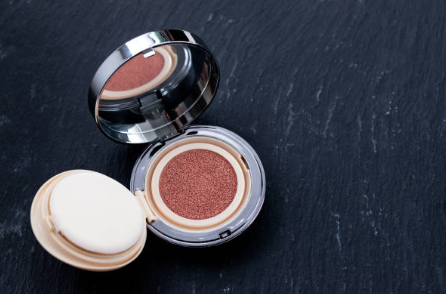
1. Printing and Hot Stamping Adhesion
- Test the adhesion of printed or hot-stamped elements by using 3M-810 tape. After applying and removing the tape at a 45°–90° angle, the text should remain clearly visible with no peeling.
2. Color Consistency
- The color of the printed elements should match the approved sample and be uniform. Color differences beyond the acceptable range can negatively impact the product’s quality and consumer perception.
3. Surface Treatment Quality
- The surface treatment, including electroplating or spraying, should not exhibit imperfections such as exposed areas, pitting, or rough spots beyond acceptable limits.
THREE: Functionality and Performance Tests
The functionality and performance of the cushion case are just as important as its appearance. Below are key tests that cushion cases must pass to ensure reliability:
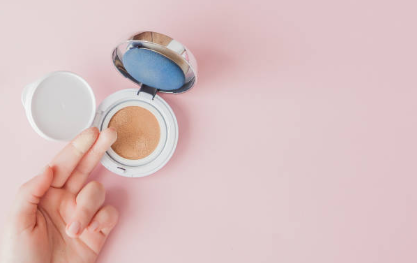
1. Opening Force
- The opening force for button-type cushion cases should be between 300g-2000g, and for clasp-type cushion cases, it should be between 300g-1500g. This ensures that the case opens smoothly without being too difficult to operate.
2. Front Clasp Functionality
- The front clasp should be secure and not easy to open manually. The case should only open when the button is pressed.
3. Durability of Front Clasp
- Conduct a fatigue resistance test by opening and closing the front clasp 300 times to ensure it remains functional and does not break.
4. Drop Test
- Cushion cases must pass a drop test from 76cm onto a cement floor. There should be no cracks, breakage, or functionality issues that affect the product’s use.
FOUR: Odor Requirements
- Cushion cases must not emit any odors apart from the materials used in the case itself. Any unpleasant smells could indicate low-quality materials and affect the user experience.
FIVE: Mirror Lens Quality Requirements
For cushion cases with mirrors, the quality of the mirror lens is crucial. Below are the mirror lens quality standards:
1. Attachment and Stability
- The mirror should be securely attached to the case without shaking, lifting, or fogging.
2. Mirror Adhesion Test
- Place the sample in 55°C and -10°C environments for 24 hours each and check whether the mirror detaches. This ensures the adhesion strength of the mirror under extreme conditions.
3. Drop Test for Mirror Lens
- Perform a drop test by dropping the cushion case from a height of 30cm three times. The mirror should remain intact and should not detach during the test

