 English
  English (UK)
  English (Australia)
  English (Canada)
  العربية
  Deutsch
  Italiano
  Español de México
  Tiếng Việt
  ไทย
ไทย  Português do Brasil
  Français
  Български
  Čeština
  Dansk
Dansk  Ελληνικά
  Eesti
Eesti  Suomi
Suomi  Magyar
  Bahasa Indonesia
  Lietuvių kalba
  Latviešu valoda
  Norsk bokmål
  Nederlands (Formeel)
  Polski
  Română
  Русский
  Slovenčina
  Slovenščina
  Svenska
  Türkçe
  Українська
  简体中文
简体中文  日本語
日本語  한국어
한국어  繁體中文
繁體中文 
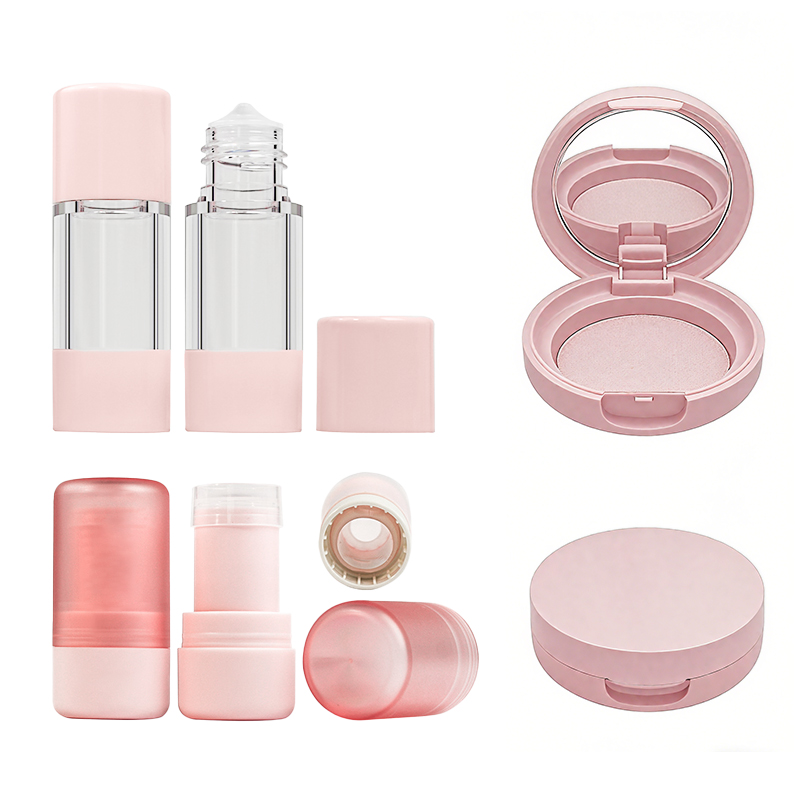
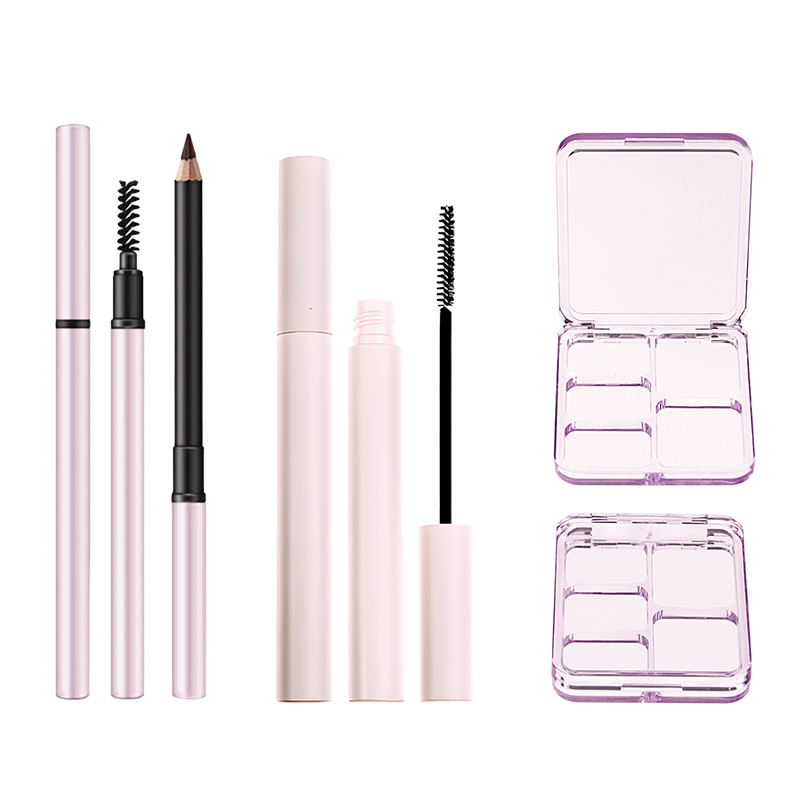
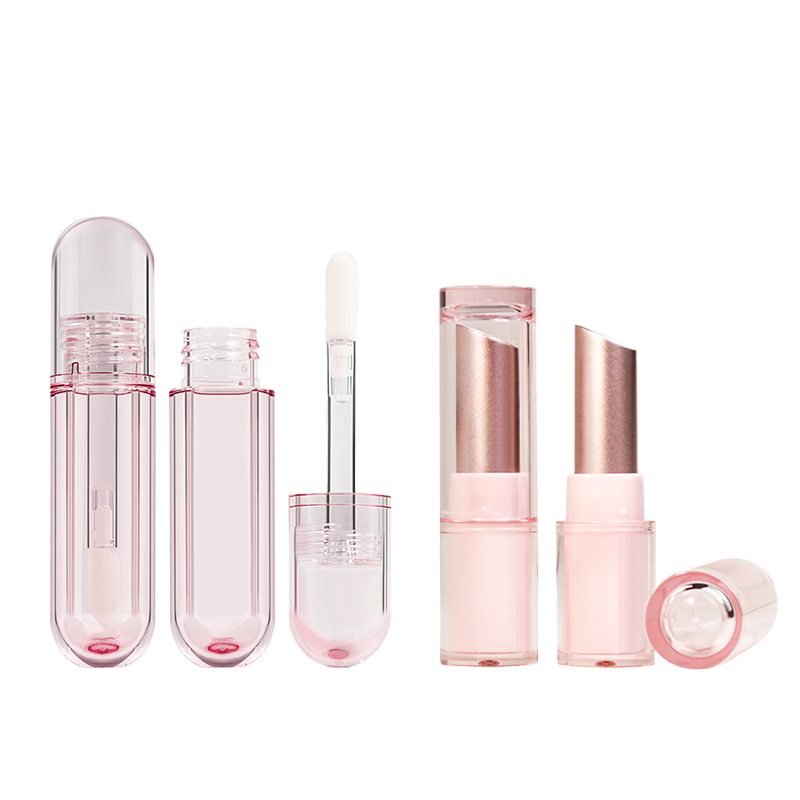

What Are the Most Effective Cosmetic Containers Packaging Solutions?
February 15,2026
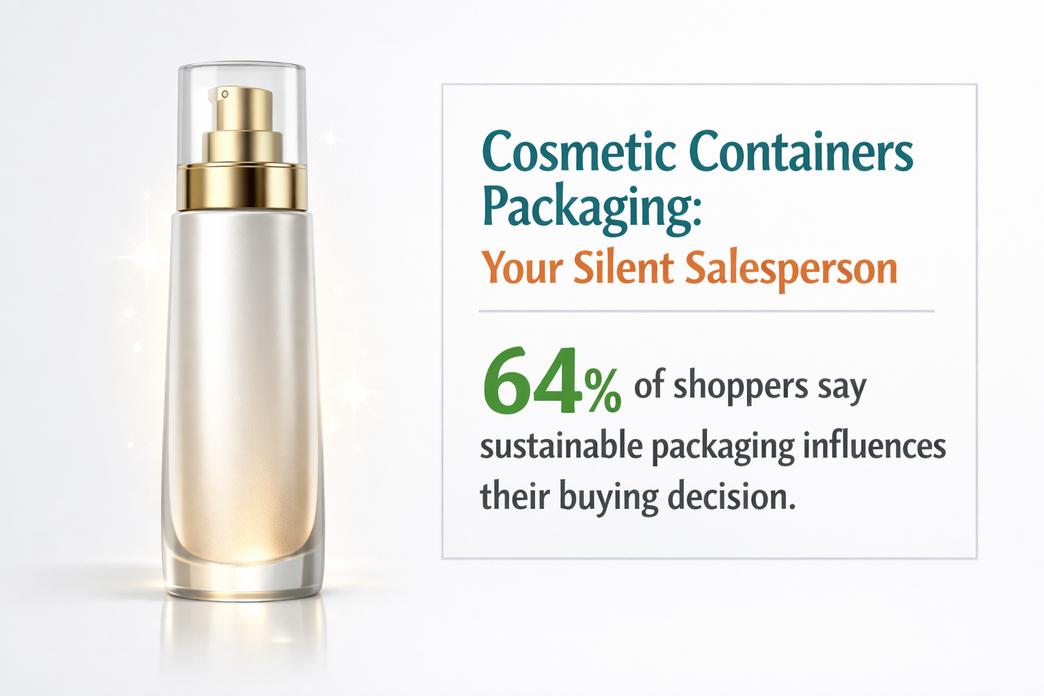
It’s wild out there on the beauty shelves—brands are clawing for attention like it’s Black Friday every day. And guess what? Your product could be the next big thing… or just another bottle collecting dust. The truth? Cosmetic containers packaging isn’t just about holding goo—it’s your silent salesperson, whispering luxury, eco-values, and precision in a single glance.
A recent NielsenIQ report showed that 64% of shoppers say sustainable packaging influences their buying decision. That number isn’t fluff—it’s market-shifting behavior backed by real wallets. If your jars, tubes, and pumps don’t walk the talk with style and function, you’re leaving money (and customer loyalty) on the table.
One founder we spoke to compared choosing the right container to dating: “If they look good but can’t perform—you move on.” Harsh? Maybe. Accurate? Absolutely.
So before you sign off on another bland bottle order, take a beat. The materials matter. Dispensing designs matter more than ever. And don’t even get us started on FDA labeling rules…
Key Points: The Artistry of Cosmetic Containers Packaging
➔ Material Choices: Select from glass for premium feel, PP or PET plastic for durability and lightness, or aluminum for a corrosion-resistant, upscale look.
➔ Dispensing Mechanisms: Use airless pump dispensers for precise dosing, roll-on applicators for targeted skincare, and brush or spatula inserts to enhance user experience.
➔ Decorative Techniques: Elevate brand appeal with silk screening for crisp logos, UV coating for glossy protection, and hot stamping for metallic accents.
➔ Sustainable Solutions: Integrate refillable systems, post-consumer resin (PCR) materials, and mono-material designs to reduce waste and reinforce eco-credentials.
➔ Labeling Essentials: Comply with FDA guidelines by clearly listing ingredients, batch codes, and expiration dates; ensure strong adhesion on curved PP and glass surfaces; consider QR codes for digital traceability.
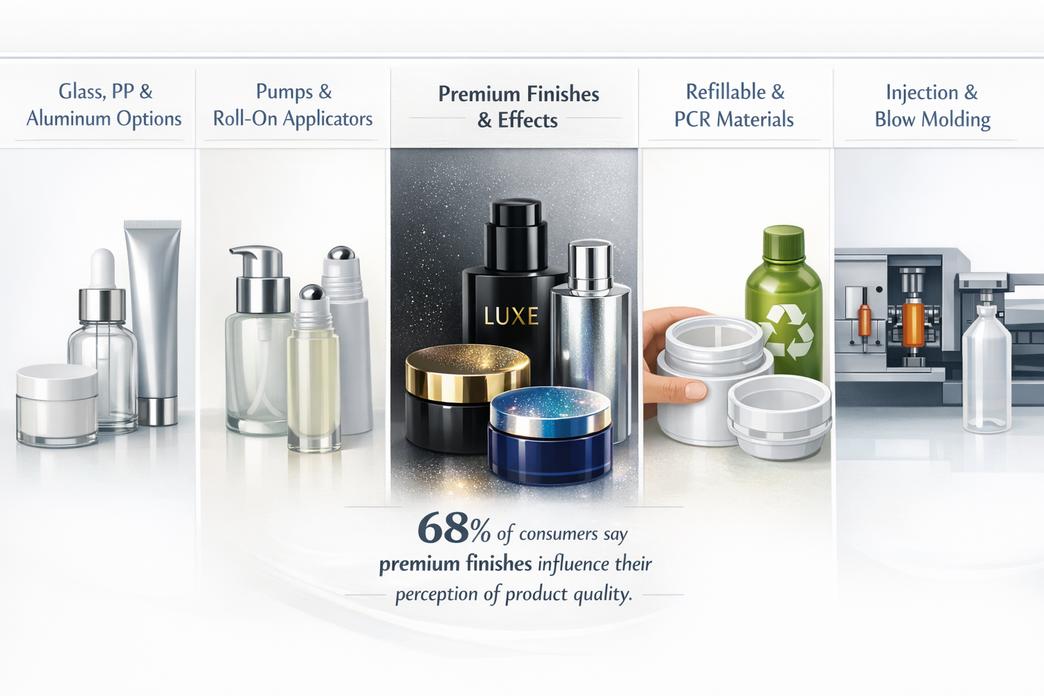
5 Key Features of Cosmetic Containers Packaging
Understanding what makes great cosmetic containers packaging is key to standing out. Let’s break down the five features that matter most.
High-Grade Materials with Glass, PP Plastic and Aluminum
Cosmetic packaging isn’t just about looks—it’s about feel, function, and long-term durability. That’s where high-grade materials like glass, PP plastic, and aluminum come in.
• Glass gives a luxe vibe and resists chemical reactions—perfect for serums and oils.
• PP plastic is tough, lightweight, and affordable, making it ideal for creams or lotions.
• Aluminum? Sleek and corrosion-resistant—a go-to for sprays or balms.
These materials don’t just protect your product—they elevate your brand’s game.
Precision Dispensing through Pump Dispensers and Roll-On Applicators
- Tired of messy applications? Say hello to smarter delivery systems.
- Pump dispensers offer clean, airless application—no waste, no fuss.
- For targeted areas like eyes or blemishes, roll-on applicators bring direct contact without fingers involved.
This kind of precision dispensing doesn’t just make life easier—it keeps things hygienic too.
Aesthetic Finishes: Silk Screening, UV Coating and Hot Stamping
✦ Visual appeal matters big time in the beauty aisle.
Short-run brands often use simple labeling—but serious players step it up with:
- Silk screening, which prints logos directly on containers with sharp detail.
- Glossy vibes from UV coating, giving protection plus shine.
- And let’s not forget the glam touch of metallics via hot stamping.
Each finish adds polish that turns heads—and boosts shelf presence fast.
“According to Mintel’s Global Beauty Report 2024, over 68% of consumers say premium finishes influence their perception of product quality.”
Sustainable Designs Featuring Refillable Systems and Post-Consumer Resin
♻️ Sustainability isn’t a trend anymore—it’s an expectation. Brands using smart solutions like:
• Compact cases with built-in refill pods
• Lipsticks that twist out cartridges instead of tossing the whole tube
• Bottles made from PET-based post-consumer resin
are getting love from eco-conscious shoppers who care about reducing their environmental impact through better choices in their daily routine.
Topfeelpack has been pioneering these kinds of changes across its latest lineups—making sustainable choices feel easy and stylish too.
Injection Molding and Blow Molding for Efficient Production
Grouped below are two core processes used to create high-quality cosmetic packaging at scale:
A) Injection Molding:
- Melts plastic pellets into molds
- Ideal for caps, jars, compact cases
- Offers precision shaping every time
B) Blow Molding:
- Uses air pressure to form hollow containers
- Perfect for bottles needing uniform wall thickness
- Great for high-volume runs without sacrificing consistency
Together these two methods support fast-paced production while keeping costs low—exactly what growing beauty brands need when scaling up their line of custom-designed cosmetic container components.
When you’re thinking reliable supply chains + standout design? These molding techniques are behind the scenes doing all the heavy lifting in modern-day cosmetic containers packaging.
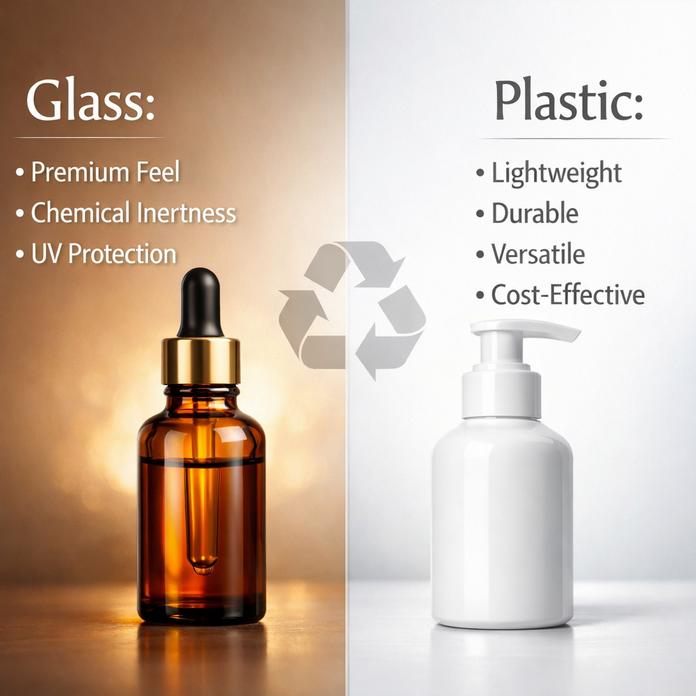
Glass vs. Plastic Cosmetic Containers Packaging
Quick breakdown: Let’s weigh the pros and cons of glass and plastic for cosmetic containers packaging—what works, what doesn’t, and why it matters.
Glass
When it comes to cosmetic containers packaging, glass is often seen as the classy option—but there’s more beneath the surface.
A. Performance Attributes
-
Chemical Inertness
- Glass doesn’t react with skincare formulas, keeping products stable longer.
- Ideal for serums and oils that degrade in reactive environments.
-
UV Protection
- Amber or frosted glass shields formulas from light damage.
- Helps extend shelf life for active ingredients like retinol.
B. Consumer Perception
- Premium feel: Customers associate glass with luxury.
- Eco-conscious appeal: Reusable and infinitely recyclable.
C. Practical Drawbacks
• Fragility makes shipping risky and costly.
• Heavier weight increases carbon footprint during transport.
| Attribute | Benefit | Limitation | Use Case |
|---|---|---|---|
| Chemical Stability | High | None | Serums, essential oils |
| UV Resistance | Excellent | Limited to tinted options | Retinol creams |
| Weight | Heavy | Increases shipping cost | High-end face creams |
| Recyclability | Infinite reuse potential | Breakable | Luxury skincare jars |
Glass isn’t just pretty—it’s functional where it counts, especially when purity and preservation are critical.
Plastic
Plastic dominates modern cosmetic containers packaging, but not just because it’s cheap—there’s serious tech behind its rise.
- 🟢 Lightweight design reduces shipping costs big time.
- 🔵 Durable under pressure—perfect for travel kits or gym bags.
- 🔴 Flexible shapes allow wild innovation in mascara tubes, pump bottles, even airless systems.
Now zoom into two popular types:
-
PET (Polyethylene Terephthalate)
- Clear like glass but way more durable.
- Often used for toners or lotions; easy to squeeze yet tough against cracks.
-
PP (Polypropylene)
- Known for barrier properties against moisture.
- Great choice for flip-top caps or compact jars that need frequent handling.
Plastic also offers a lower carbon footprint during production compared to heavier materials like glass—especially when made from recycled resins or labeled BPA-free plastics.
In short bursts? It’s versatile, budget-friendly, and built to last—even if it doesn’t scream “luxury” like its breakable cousin does.
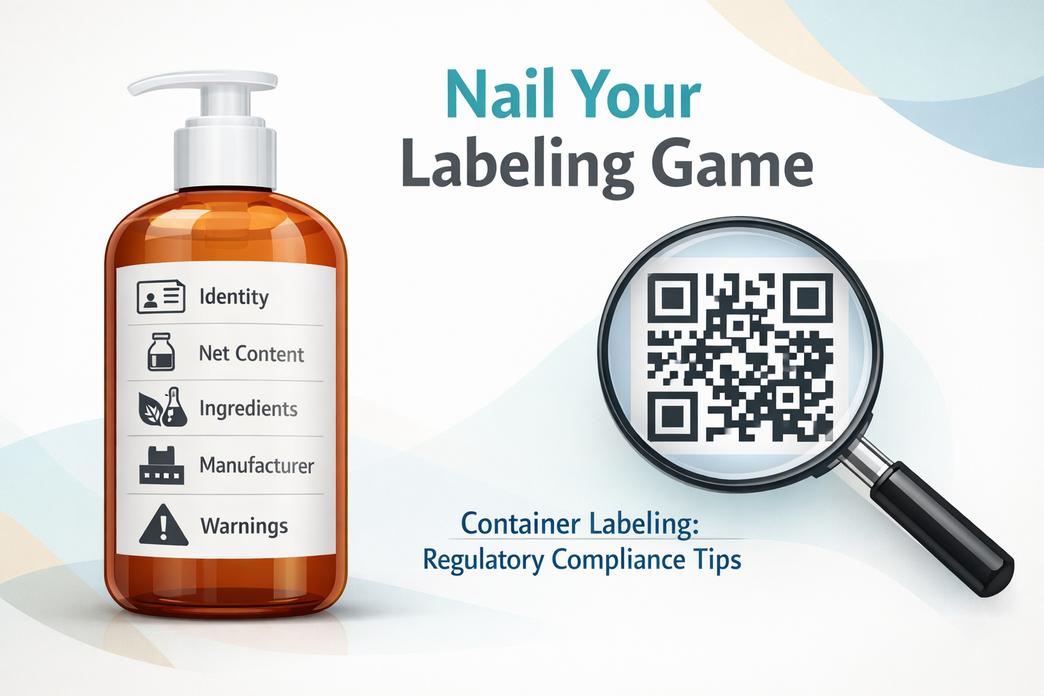
Container Labeling: Regulatory Compliance Tips
Nail your labeling game with smart moves that keep your cosmetic containers packaging compliant and consumer-friendly.
Decoding FDA Labeling Guidelines for Cosmetics
Understanding FDA regulations isn’t just red tape—it’s what keeps your product on shelves and out of trouble. Every label on cosmetic containers packaging must clearly state:
- The declaration of identity (what the product is).
- Accurate net content in both metric and U.S. customary units.
- Complete ingredient lists, descending by weight.
- The name and address of the manufacturer or distributor.
- Any necessary warning statements, especially for products with active ingredients.
Keep this info on the principal display panel, front and center. Sloppy labels? That’s a no-go. Consumers want transparency, and regulators demand it.
Displaying Mandatory Batch Codes and Expiration Dates
- Print or emboss visible batch codes to track production batches easily.
- Add clear, non-smudging expiration dates—especially important for items like creams or serums that degrade over time.
- Use heat-stamped or laser-marked details on jars, tubes, or bottles to prevent fading.
Without these identifiers, tracing faulty batches becomes a nightmare—and you risk violating key regulatory requirements tied to product safety and quality control.
According to Mintel’s Beauty & Personal Care Report Q1 2024, “Over 67% of consumers check expiration dates before buying skincare,” highlighting how vital this info is for trust.
Ensuring Label Adhesion on PP Plastic and Glass Containers
☑ Clean surfaces thoroughly—dust or oils kill stickiness fast.
☑ Choose adhesives made specifically for curved surfaces like those found in many PP plastic bottles.
☑ For glass jars, direct printing can outperform traditional labels in humid environments.
☑ Test under real-world conditions: hot showers, cold storage, daily handling—labels need to hold up.
When it comes to labeling cosmetic containers packaging made from smooth glass or textured PP plastic, durability matters more than design flair alone.
Leveraging QR Codes for Digital Traceability
QR codes are tiny tech wizards—they do way more than look cool on packaging:
• Link users directly to detailed ingredient sourcing pages (great for clean beauty brands).
• Offer refill program info that cuts down waste while building loyalty.
• Provide authentication tools so customers know they’re getting the real deal.
By embedding QR codes into your cosmetic containers packaging strategy, you open up space while giving buyers instant access to rich digital content—all without crowding your label with tiny print.
FAQs about Cosmetic Containers Packaging
1. What materials balance durability and style for everyday cosmetic use?
A graceful mix of PP plastic, glass, and aluminum shapes character—each creating a tactile memory in the hand.
- PP plastic: Light, molded through precise injection molding, fitted with practical pump dispensers or flip‑top caps.
- Glass: Cool clarity that speaks luxury; well‑matched to dropper bottles or jar containers carrying serums and balms.
- Aluminum or bamboo: Earthy contrast achieved by smooth anodizing or soft spray painting; perfect for travel-friendly compact cases and lipstick tubes celebrating style without excess weight.
The union of these textures reminds users that design isn’t only industrial—it feels personal, like choosing what tone suits your daily ritual.
2. How does decoration elevate brand emotion on cosmetic packaging?
Color meets technique when a bottle becomes more than function—it’s stage lighting for beauty stories:
| Technique | Effect on Container | Emotional Impression |
|---|---|---|
| Silk screening | Defines clean lines across curved PET bottles | Precision resonates with trust |
| Hot stamping | Embeds metallic glints onto palette trays and mascara tubes | Glamour flashes at the first glance |
| UV coating + labeling | Protects acrylic shell from dullness while carrying identity cues | Longevity whispers quality appreciation |
Together these touches breathe personality into every contour—from mirror-accented compacts to wands waiting beneath glossy lids.
3. Which sustainability path makes mass production feel responsible yet refined?
This journey isn’t only numbers—it moves through feeling: saving resources but still respecting beauty rituals built on comfort.
⦿ Refillable systems slide quietly into airless pump bottles, allowing repeated joy instead of disposable guilt.
⦿ Post-consumer resin (PCR) replaces virgin PET plastic without losing transparency—a small victory seen in lightweight packaging jars lined by gentle inserts or sifters keeping texture pure inside.
⦿ Mono-material designs simplify recycling at final touchpoints; extrusion precision ensures unity between lid, actuator, body.
In each step—designing refillable lipstick tubes or bamboo palettes—the brand tells its audience: care can look elegant too, one piece of thoughtful engineering at a time.
References
Trends in Sustainable Beauty 2023 – NielsenIQ
Cosmetics Labeling Regulations – FDA

