 English
  English (UK)
  English (Australia)
  English (Canada)
  العربية
  Deutsch
  Italiano
  Español de México
  Tiếng Việt
  ไทย
ไทย  Português do Brasil
  Français
  Български
  Čeština
  Dansk
Dansk  Ελληνικά
  Eesti
Eesti  Suomi
Suomi  Magyar
  Bahasa Indonesia
  Lietuvių kalba
  Latviešu valoda
  Norsk bokmål
  Nederlands (Formeel)
  Polski
  Română
  Русский
  Slovenčina
  Slovenščina
  Svenska
  Türkçe
  Українська
  简体中文
简体中文  日本語
日本語  한국어
한국어  繁體中文
繁體中文 
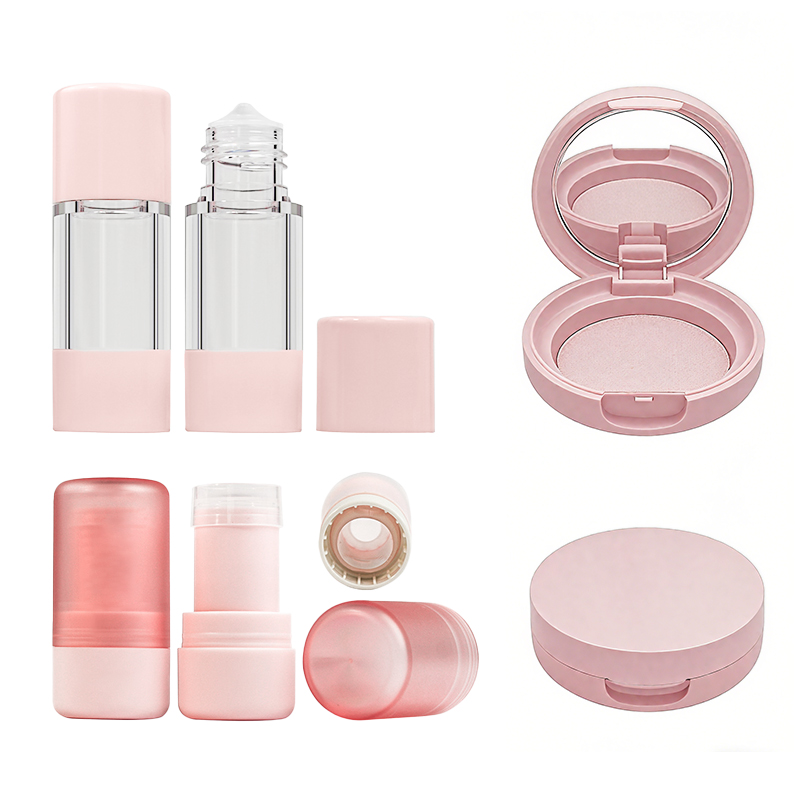
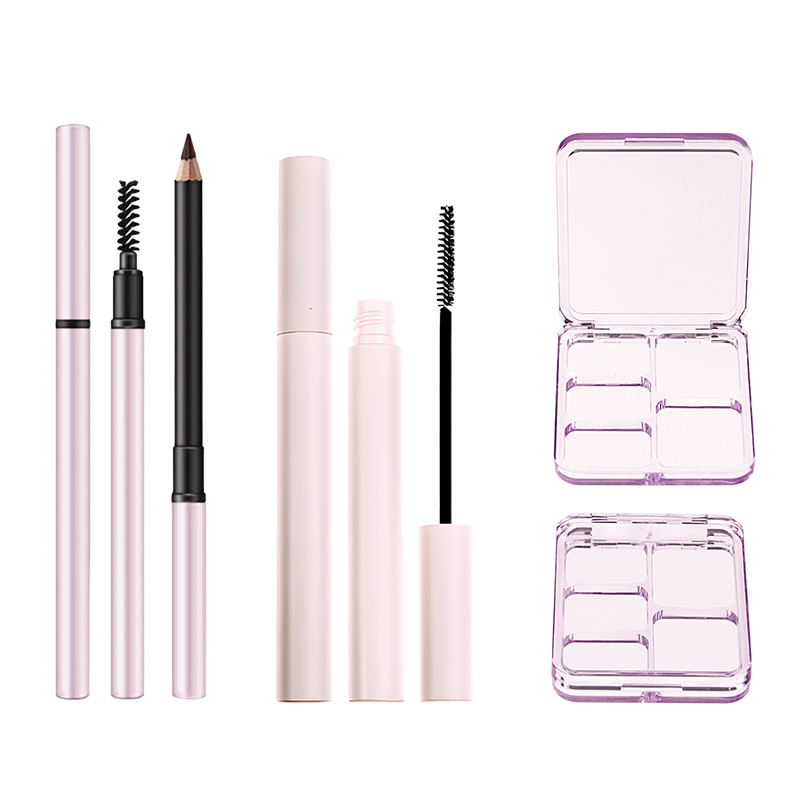
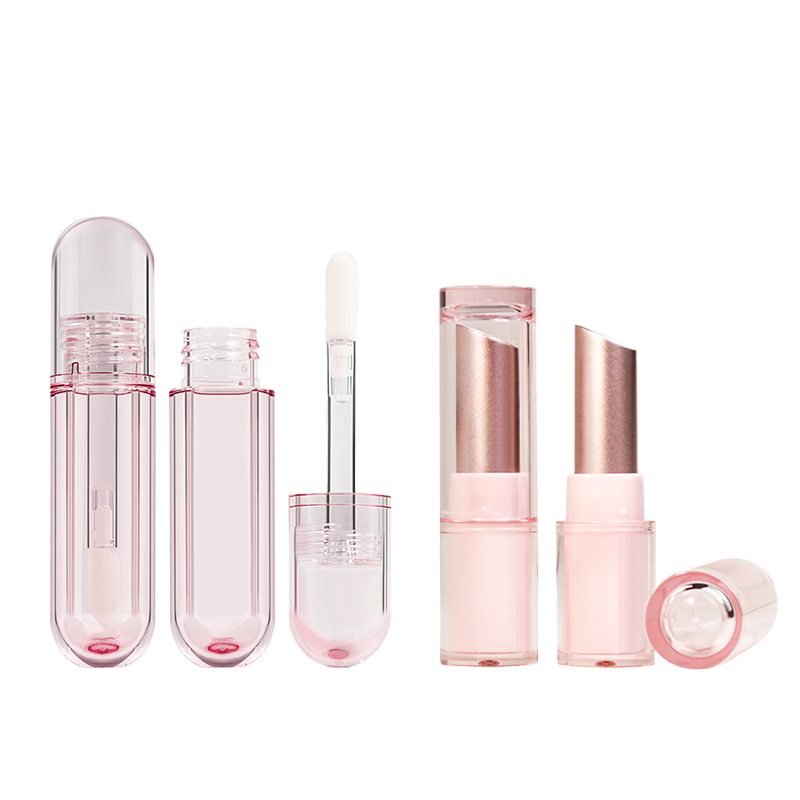

The Trends of Makeup Packaging Design
February 14,2026
Mascara tubes made of mushrooms? Lipstick that clicks into refillable pods like it’s the future already? Beauty packaging trends aren’t just flirting with change—they’re throwing on a red lip and marching full-speed into reinvention. Packaging isn’t background noise anymore; it’s the loud, proud wingwoman to your product—and buyers know it.
See, folks in procurement and brand management aren’t just stocking up on pretty boxes. They’re juggling cost per unit, sustainability targets hotter than a summer sidewalk, and market demands that shift faster than TikTok trends. “Eighty-two percent of consumers want brands to prioritize sustainable packaging,” says McKinsey & Co.—and surprise: they mean now.
A few years back, I watched a startup nearly combust trying to source eco-friendly compacts without blowing their margins. Their mistake? Focusing only on what looked good—ignoring how critical material sourcing and supplier scalability really are.
So buckle in. This isn’t just about aesthetics—it’s about smart choices today shaping success tomorrow.
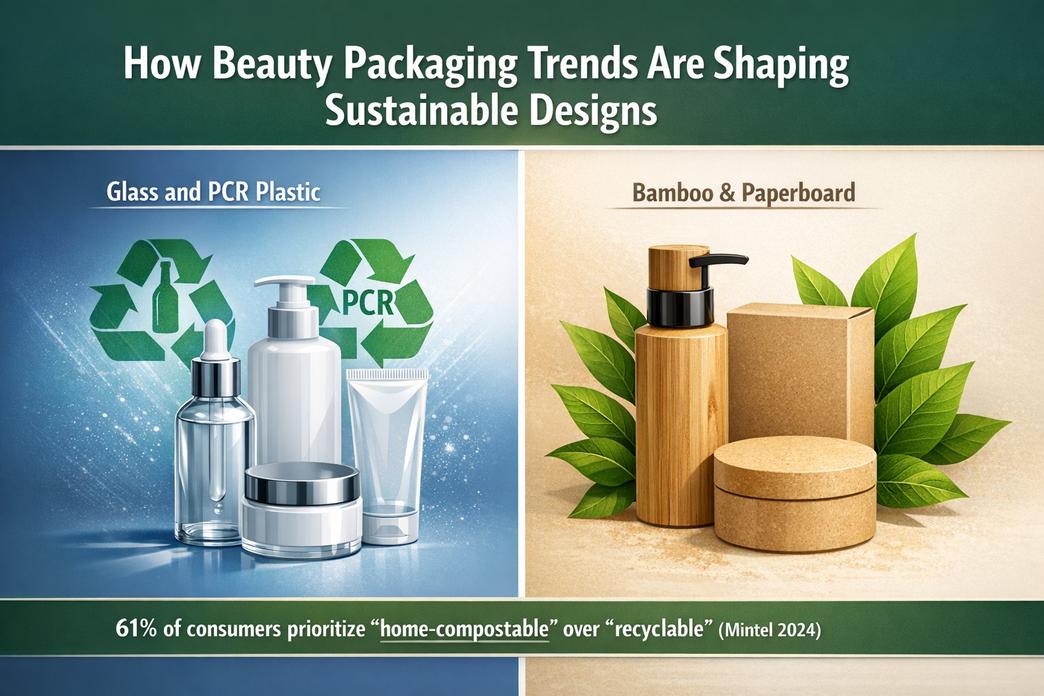
How Beauty Packaging Trends Are Shaping Sustainable Designs
Sustainability isn’t just a buzzword—it’s reshaping how beauty brands design packaging from the ground up.
Mono-Material Solutions: Glass and PCR Plastic for Easy Recycling
- Glass packaging is back in style—not just for its luxe vibe but because it’s endlessly recyclable.
- Brands are switching to PCR plastic, which uses recycled content and cuts down on virgin plastic use.
- Using only one material—like all-glass or all-PCR—makes sorting and recycling way easier.
- Consumers can toss mono-material containers straight into recycling bins without second guessing.
- That simplicity supports circular systems where old packaging becomes new again.
♻️ It’s not just about being green; it’s about making sustainability effortless.
By sticking with sustainable materials, Topfeelpack helps brands build smarter packaging lines that don’t confuse consumers—or waste resources.
Compostable Paperboard and Bamboo Pioneering Eco-Friendly Designs
You’ll spot more beauty products wrapped in paperboard or encased in smooth, sleek bamboo packaging these days. Why?
• These materials break down naturally—no need for industrial composting facilities in many cases.
• They’re sourced from fast-growing, renewable resources, giving them a lower environmental footprint than plastics.
The rise of biodegradable materials reflects what shoppers want: clean formulas paired with clean design.
According to Mintel’s 2024 Global Packaging Trends Report, 61% of consumers now prioritize “home-compostable” over “recyclable” when choosing eco-friendly beauty products.
Refillable Bottles and Waterless Tubes Minimizing Cosmetic Waste
Short-term use? Not anymore. The refill revolution is here:
- Start with a sturdy outer shell like aluminum or glass.
- Insert replaceable inner cartridges that snap in easily.
- Rinse, repeat—and refill!
Waterless formats are also gaining steam because they reduce shipping weight and product volume while still delivering results.
Compact designs + fewer shipments = major cuts to your carbon footprint.
Topfeelpack’s customizable solutions help brands jump into this new wave of refillable packaging innovation without sacrificing style or function.
Lightweight Biopolymers with Aluminum Trim Elevating Sustainability
Let’s break this combo down:
A) The base layer: lightweight biopolymers, made from plant-based sources like corn starch or sugarcane.
i) These degrade faster than petroleum plastics.
ii) They’re ideal for single-use items where compostability matters most.
B) The accent: minimalistic yet striking aluminum trim
i) Adds durability without bulk.
ii) Gives that premium edge consumers crave.
C) Final result? A high-end look with less waste and reduced emissions during transport due to lighter weight construction.
This kind of smart mix of form and function is exactly how today’s top players ride the wave of evolving beauty packaging trends—and stay ahead of what tomorrow demands.
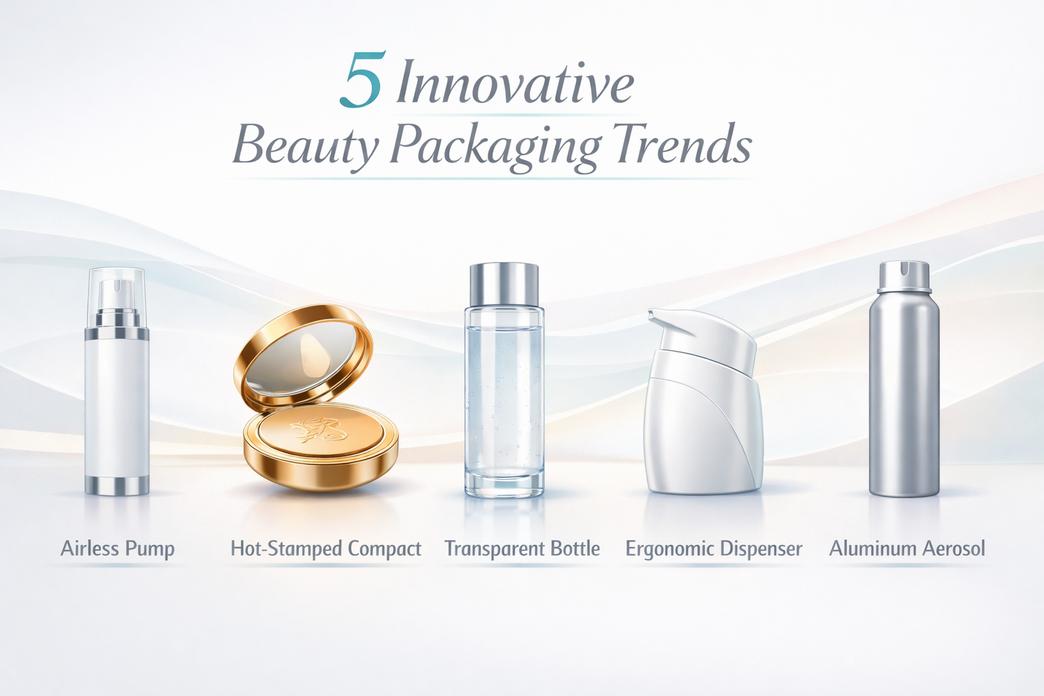
5 Innovative Beauty Packaging Trends to Watch
Today’s beauty packaging trends are way more than skin deep—they’re shaping how we experience and connect with our favorite cosmetics. Let’s break down the five hottest innovations.
Airless Systems and Valves Revolutionizing Serum Packaging
• Airless systems keep oxygen out, meaning your serum stays fresher for longer—no weird smells or changes in texture.
• Precision is everything: these pumps give you just the right amount, no waste, no mess.
• Bonus? No double-dipping fingers in jars equals better hygiene.
→ Brands using this tech are seeing fewer product returns due to spoilage issues. That’s a win for both customers and sustainability goals.
Hot Stamping and Embossing Elevate Compact Finishes
- A sleek compact catches the eye—but add hot stamping, and it screams premium.
- Embossing adds dimension you can actually feel—something digital design just can’t replicate.
- Together, they build a tactile memory that makes users less likely to toss or forget your product.
This combo gives even budget-friendly items that high-end look without breaking the bank.
Transparent Bottles and Custom Molds for Eye-Catching Displays
★ Want your product to pop on shelves? Use transparent bottles paired with custom molds to show off color, texture, or shimmer inside.
★ These designs boost product visibility, making shoppers stop scrolling (or walking) and start staring.
Clear isn’t boring anymore—it’s bold, modern, and totally Instagram-worthy when done right.
| Packaging Element | Impact Level | Shelf Appeal | Consumer Preference |
|---|---|---|---|
| Transparent Bottle | High | Strong | 85% |
| Custom Mold Shape | Medium | Very Strong | 78% |
| Colored Opaque Bottle | Low | Moderate | 42% |
Source: Topfeelpack internal packaging performance survey Q1 2024
Ergonomic Pumps and Dispensers Enhancing User Convenience
Smooth grip? Check. One-handed use while juggling a phone? Double check. Today’s best dispensers focus on:
- Ergonomic pumps that fit comfortably in any hand size
- Smartly designed nozzles for targeted application
- Better control over flow = less waste + more satisfaction
These little touches make a big difference in daily routines—and loyal customers notice.
Lightweight Aluminum Aerosols with Mono-Material Construction
Step-by-step innovation is driving change here:
a) Start with lightweight aluminum, which cuts down shipping costs by reducing bulk weight.
b) Use only one material—hello, mono-material construction—to make recycling easier across global markets.
c) Add eco-conscious design elements like refillable valves or minimal ink printing.
Together, these details create an ultra-sustainable package that doesn’t sacrifice style or function.
Topfeelpack has been pioneering this shift by offering customizable aluminum formats that meet both brand goals and eco regulations without compromise.
Beauty brands looking to stay relevant need to keep up with these evolving beauty packaging trends, because packaging now plays as big a role as the formula inside.
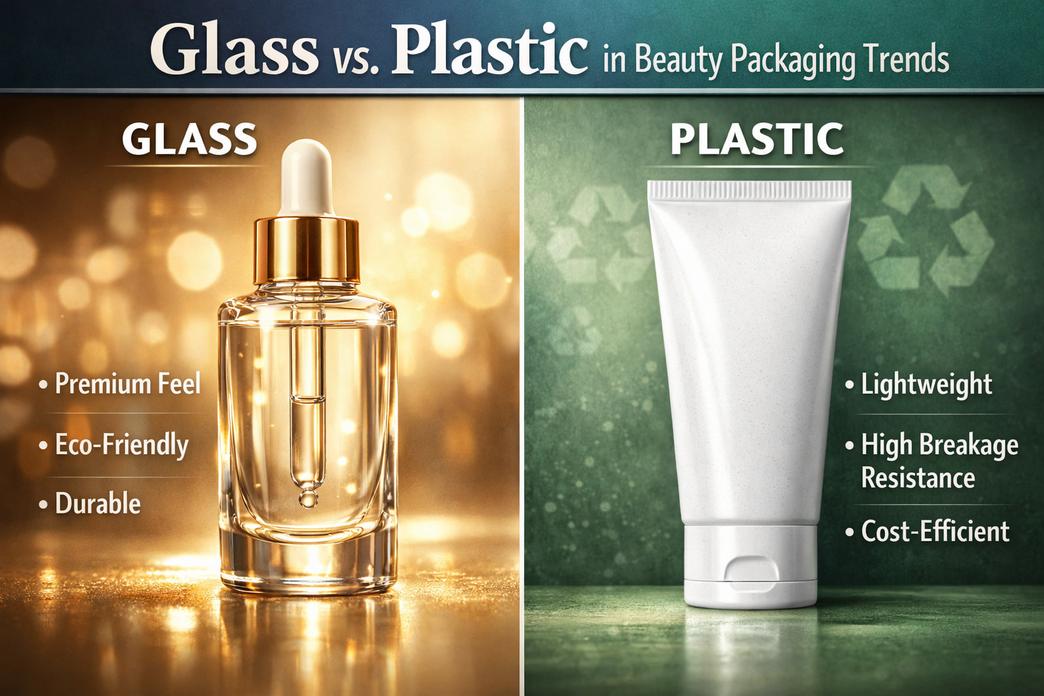
Glass vs. Plastic in Beauty Packaging Trends
A quick look at how glass and plastic are shaping today’s beauty packaging trends—style, sustainability, and smarts all wrapped up.
Glass
Glass is having a glow-up moment in beauty packaging—and it’s not just for looks.
• It gives products a premium feel, which high-end brands love.
• It’s naturally eco-friendly, since it’s endlessly recyclable without degrading.
• The material is chemically inert, so it won’t mess with sensitive formulas.
- Brands leaning into clean aesthetics often choose glass for its clarity and weight.
- Consumers associate glass with purity and quality—think luxury serums or facial oils.
- It’s also ideal for refill systems because of its long-term durability.
✓ But there’s a catch—it’s heavier to ship and more prone to breakage during transport.
In short, glass isn’t just about looking good on the shelf; it supports cleaner formulations, adds shelf appeal through its aesthetic charm, and aligns with rising demand for sustainable choices in beauty packaging trends.
Plastic
Plastic might not scream “luxury,” but it sure knows how to show up where it counts.
- It wins on practicality: lightweight, strong against drops, and super moldable.
- With innovations like mono-materials and PCR (post-consumer recycled) content, plastic’s getting greener by the day.
- Custom shapes? No problem—its sheer design flexibility makes branding easier than ever.
Here’s how plastic compares across key factors:
| Feature | Plastic | Glass |
|---|---|---|
| Weight | Very light | Heavy |
| Breakage Resistance | High | Low |
| Recyclability Potential | Moderate–High (PCR) | Very High |
| Cost Efficiency | Excellent | Moderate–Low |
It fits perfectly into mass-market beauty packaging trends where cost-efficiency meets creative freedom. And thanks to growing use of recycled content, plastic is no longer the environmental villain it once was—just smarter now.
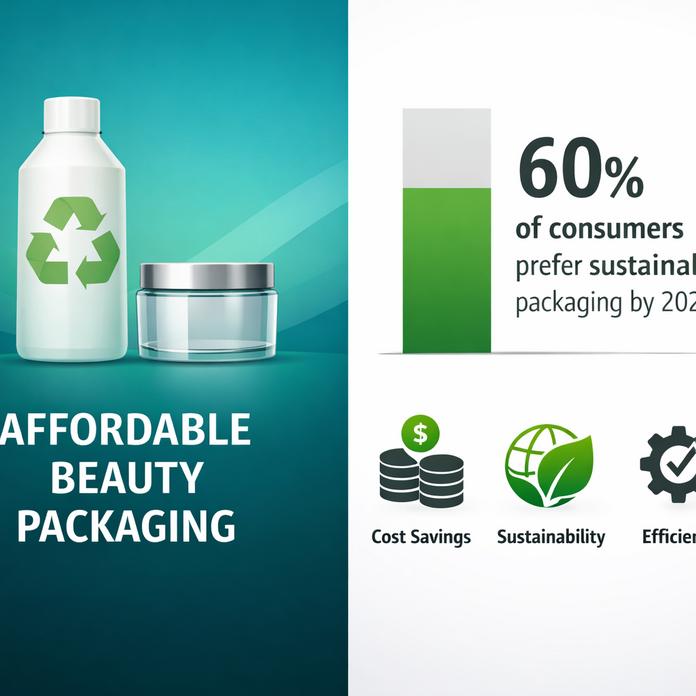
Struggling With High Costs? Affordable Beauty Packaging Solutions
Tight budget? Here’s how smart packaging choices can cut costs and still make your beauty brand shine.
PCR Plastic Bottles: Cost-Effective and Recyclable
Using post-consumer recycled content doesn’t just save money—it also boosts your eco cred. Brands choosing recycled plastic for their bottles are tapping into the growing consumer demand for clean, green packaging. These bottles reduce raw material use, lower carbon output, and support the circular economy, which makes them ideal for brands chasing both savings and sustainability.
“By 2025, nearly 60% of global consumers are expected to prefer products with visible sustainability claims on-pack,” according to Mintel’s 2024 Global Packaging Trends report.
With Topfeelpack’s supply chain optimization, you don’t just get affordable PCR—you get it fast and reliable too.
Injection Molding for Durable Yet Affordable Jars
Here’s how injection molding keeps your jar game strong without blowing your budget:
- Precision-built molds ensure minimal waste during production.
- The process supports high-volume runs—lowering per-unit costs.
- It allows flexibility with material selection, so you can choose cost-effective resins that still deliver solid structural integrity.
- Final jars offer excellent shelf appeal thanks to uniform shapes and smooth finishes.
If you’re after jars that look luxe but come cheap, this method is your go-to.
Labeling and Frosting Techniques on a Tight Budget
Not every beauty brand has cash for custom embossing or metallic foils—but that doesn’t mean you have to sacrifice style:
• Use screen printing or digital UV techniques—they’re fast and low-cost for short runs.
• Matte or semi-gloss frosting adds premium texture without pricey coatings.
• Go with transparent labels matched to container color for modern minimalism.
These affordable decoration methods enhance your visual branding while keeping things lean on tooling costs.
Lightweight Paperboard Boxes Reducing Shipping Expenses
Let’s break down why lightweight paperboard is killing it in cost savings:
| Feature | Benefit | Impact on Costs | Eco Bonus |
|---|---|---|---|
| Low shipping weight | Reduced freight charges | ↓ Logistics expenses | ♻️ Fully recyclable |
| Customizable thickness | Tailored protection per product type | ↓ Material waste | 🌱 Sustainable sourcing |
| Flat-pack design | Easier storage & handling | ↓ Warehousing fees | ✅ Less transport bulk |
The right paperboard box offers more than just a protective shell—it’s part of smarter logistics optimization, especially when paired with Topfeelpack’s tailored secondary packaging services.
From recycled bottles to clever labeling tricks, these moves aren’t just cost-cutters—they’re trendsetters in today’s fast-evolving world of beauty packaging trends.
FAQs about Beauty Packaging Trends
What sustainable packaging trends truly stand out in beauty today?
- Glass jars and PCR plastic bottles reach new appeal for being both recyclable and visually pure.
- Bamboo lids, paperboard sleeves, and biodegradable polymers win favor as compostable choices.
- Refillable lotion pumps turn everyday routines into small eco-victories.
→ A quiet movement toward mono-material integrity keeps production honest and the planet lighter.
How do glass and plastic differ when brands scale production?
- Glass – satisfying weight, chemical resistance, long life through quality control checks.
- Plastic – shaped by injection or blow molding; flexible for custom molds with lightweighting key to shipping ease.
∴ Many brands combine the two: a glass body with recyclable closures to balance cost and premium feel.
Which decoration techniques create luxury at a fair price?
✦ Labeling gives clarity without costly tooling.
✦ Frosted coatings whisper minimalism over transparent packaging forms like droppers or bottles.
✦ Hot stamping adds quick flashes of metallic brilliance to elevate brand texture—glow without excess expense.
Why does mono-material construction matter so much now?
A simple branch-line story: one material equals one recycling path—no guessing game at disposal time; aluminum aerosols stay fully reclaimable; single-type PCR plastic jars keep sorting systems clean while reducing assembly complications during manufacturing sequences.
Can refillable structures genuinely lower spending while pleasing users?
The magic lies in multi-use bodies paired with replaceable inserts:
| Format | Core Material | Sustainability Benefit | Typical Form |
|---|---|---|---|
| Compact cases | Aluminum / PCR plastic | Reduces repeat molding costs | Makeup refills |
| Pumps & droppers | Glass + durable closures | Long lifespan under airless systems | Serums & lotions |
Short description + summary bullet points:
- End-users value emotional continuity—the same favorite bottle renewed again.
- Brands cut unit waste yet strengthen identity through premium finish retention across each refill cycle.
References
[Sustainable Beauty Packaging: Industry Trends & Opportunities – https://meyers.com/meyers-blog/sustainable-beauty-packaging-industry-trends-opportunities/]
[2024 Packaging Innovation Trends Report – https://sustainablepackaging.org/wp-content/uploads/2024/03/2024-Packaging-Innovations-Trends-Report_SPC_V2.pdf]
[Mono-Material – SeaCliff Beauty – https://www.seacliffbeauty.com/collections/mono-material]
[Refillable beauty packaging statistics and trends – https://www.devera.ai/resources/refillable-beauty-packaging-statistics-and-trends]
[Why Use PCR PP for Cosmetic Packaging? – https://www.topfeelpack.com/news/why-use-pcr-pp-for-cosmetic-packaging/]
[How the Beauty Industry Uses Plastic Injection Molding – https://unigravo.com/blog/how-the-beauty-industry-uses-plastic-injection-molding/]

