 English
  English (UK)
  English (Australia)
  English (Canada)
  العربية
  Deutsch
  Italiano
  Español de México
  Tiếng Việt
  ไทย
ไทย  Português do Brasil
  Français
  Български
  Čeština
  Dansk
Dansk  Ελληνικά
  Eesti
Eesti  Suomi
Suomi  Magyar
  Bahasa Indonesia
  Lietuvių kalba
  Latviešu valoda
  Norsk bokmål
  Nederlands (Formeel)
  Polski
  Română
  Русский
  Slovenčina
  Slovenščina
  Svenska
  Türkçe
  Українська
  简体中文
简体中文  日本語
日本語  한국어
한국어  繁體中文
繁體中文 
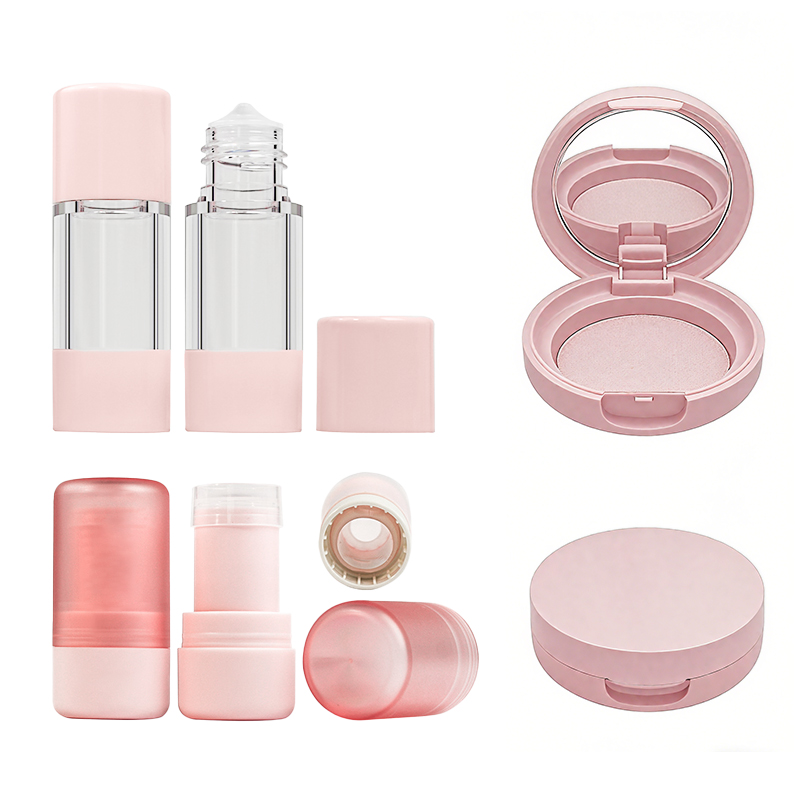
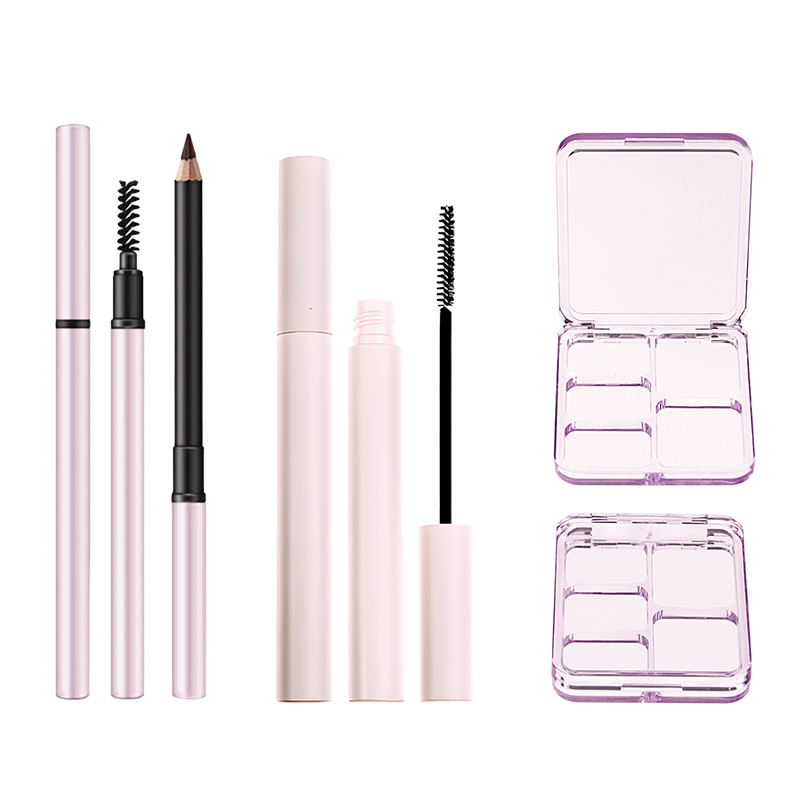
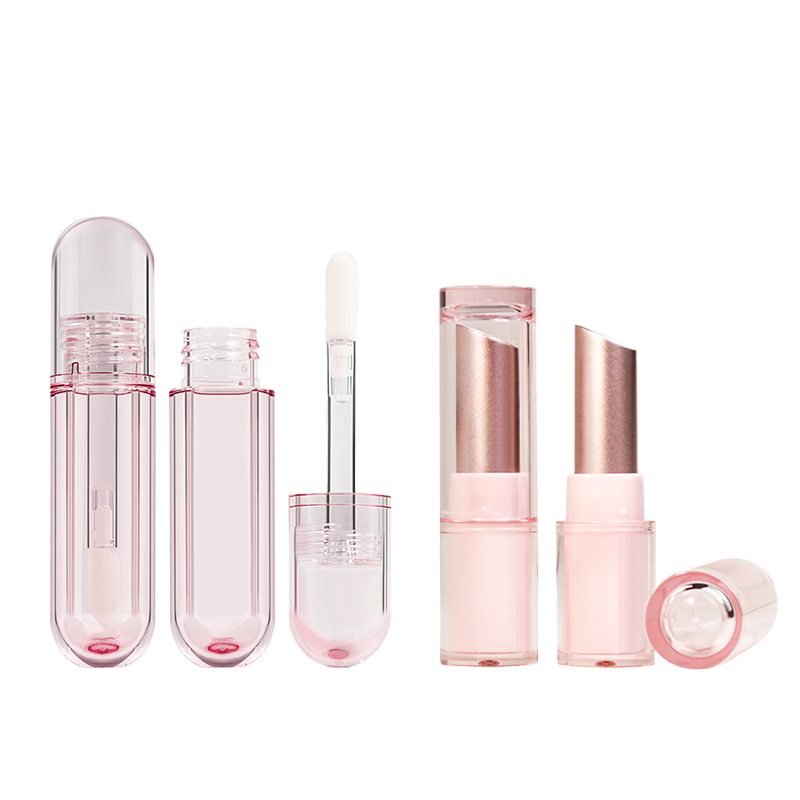

What is the difference between Minimalist and maximalist packaging?
February 09,2026
Minimalist skincare packaging isn’t just a look—it’s a business move dressed in calm neutrals and clean lines. In a market where every ounce of product competes for shelf space, it’s the silent type that often steals the show. Gone are the days when flashy foil and ten layers of cardboard meant luxury. Now? Buyers want sleek, efficient, and recyclable—and suppliers need something that won’t jam up production lines or budgets.
Truth is, maximalist packaging might wow on Instagram, but it can give procurement teams heartburn when you factor in slower lead times and higher per-unit costs. “We’re seeing more brands prioritize scalable simplicity,” says Mintel’s 2023 Global Beauty Report.
So—if your brand needs to look sharp while keeping operations snappy—this comparison between minimalism and maximalism may be your new cheat code.
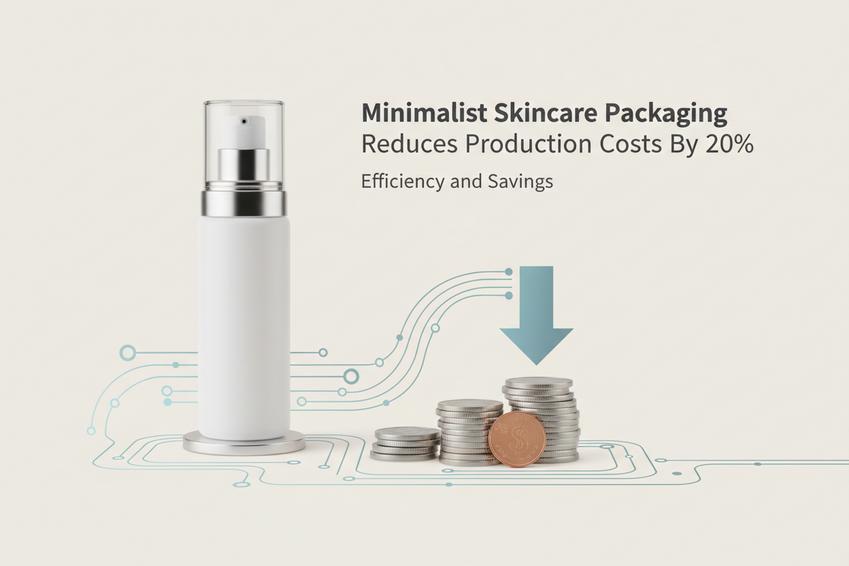
Reading Notes: Minimalist Skincare Packaging
➔ Cost Efficiency: Streamlined formats like airless pumps and refillable compacts cut SKUs and assembly steps, driving production costs down by 20%.
➔ Material Selection: Opt for FSC certified paper, post-consumer plastic or glass to signal sustainability without shouting.
➔ Speed to Market: Fewer decorative layers (like hot stamping or excessive embossing) mean faster injection molding cycles and shorter lead times.
➔ Brand Identity: Focus on typography and negative space to build trust; minimalist skincare packaging lets the formula’s quality speak for itself.
➔ Logistics Win: Lighter, stackable designs reduce shipping emissions and warehouse footprint, helping brands meet ESG goals effortlessly.
Is Minimalist Skincare Packaging Better?
Is minimalist skincare packaging actually better, or just a trend? Let’s peel back the layers and see why less is often much more for your brand.
5 Benefits of Minimalist Packaging for Brands
When you strip away the fluff, your brand’s core message shines brighter.
-
Lower Production Costs
-
Fewer materials mean lower unit prices.
-
Simplified assembly reduces labor costs and time.
-
-
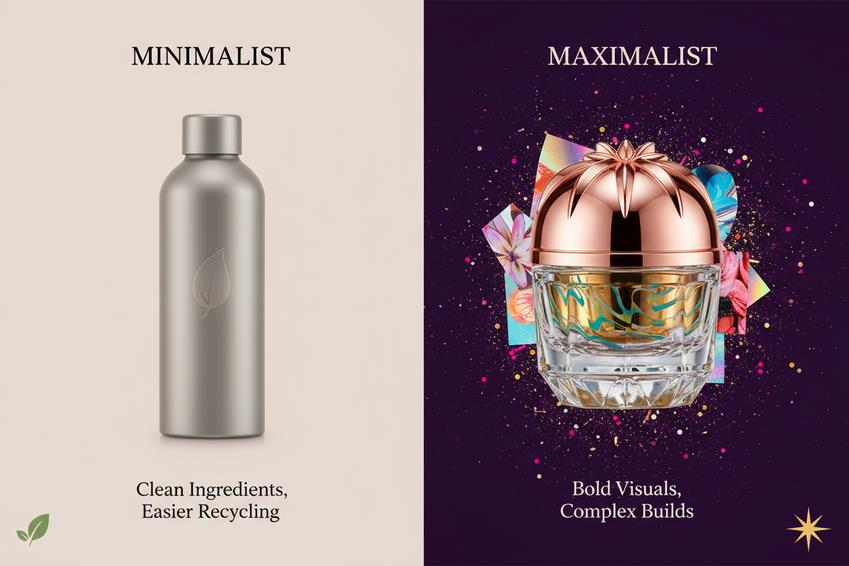
Eco-Friendly Image
- Using recycled plastic or glass reduces environmental impact.
- Less waste appeals to today’s conscious consumer.
-
Faster Lead Times
- Simple designs move through injection molding faster.
- Fewer specialized finishes mean fewer production delays.
-
Timeless Appeal
- Clean lines don’t go out of style like flashy trends do.
- It builds a professional, trustworthy brand identity.
-
Better Shipping Efficiency
-
Lighter packaging equals lower shipping fees.
-
Compact designs fit more units per pallet, optimizing logistics.
-
By choosing minimalist skincare packaging, you’re not just saving money—you’re streamlining your entire business model while looking great doing it.
Maximizing Consumer Trust with Transparency and Simplicity
Today’s shoppers are smarter than ever. They want to know what’s inside, not just what’s on the box.
- Transparency in labeling and ingredients builds immediate trust.
- A simple design suggests a high-quality, effective formula without the need for gimmicks.
- Clear glass or frosted finishes let the product’s natural color and texture be part of the design.
When you use transparency and simplicity, you remove the barriers between your product and the consumer. This honest approach turns one-time buyers into loyal fans who value your brand’s integrity.
Efficiency Gains via Injection Molding and Assembly Automation
Behind every sleek bottle is a high-tech process designed for speed and precision.
-
Injection molding allows for consistent, high-volume production of skincare bottles and jars.
-
Minimalist designs are easier for machines to handle, leading to higher assembly automation rates.
-
Fewer parts mean fewer chances for errors during production, ensuring every unit is perfect.
By leveraging these technologies, Topfeelpack helps brands scale quickly without sacrificing quality. Efficiency isn’t just about speed; it’s about making sure your minimalist skincare packaging is as reliable as it is beautiful.
Reducing Shipping Emissions through Lightweight Materials
Sustainability isn’t just about what you use—it’s about how it moves across the world.
-
Lightweight materials like thin-wall PP or aluminum slash the weight of every shipment.
-
Lower weight directly translates to reduced shipping emissions, helping you hit your green goals.
-
More units per box mean fewer trips, further shrinking your carbon footprint.
When you optimize your logistics, you’re making a choice that’s good for the planet and your bottom line. It’s a win-win that savvy brands can’t afford to ignore.
Minimalist vs. Maximalist Packaging: Key Differences
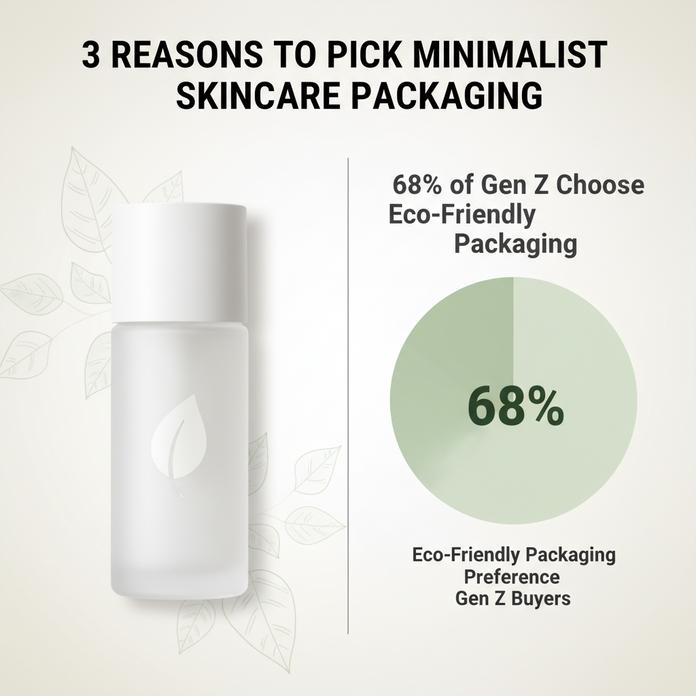
When it comes to minimalist vs maximalist packaging, the choice you make says a lot about your brand. Let’s dive into what sets them apart.
Visual Impact: Typography vs. Excessive Decoration
-
Minimalist Style
- Uses bold, clean typography to make a statement.
- Relies on negative space to draw the eye to key information.
- Feels calm, organized, and premium.
-
Maximalist Style
-
Goes big with excessive decoration, bright colors, and intricate patterns.
-
Aims to grab attention instantly on a crowded shelf.
-
Feels energetic, playful, and loud.
-
While maximalism screams for attention, minimalist style earns it through a sense of refined confidence.
Material Choice: Recycled Glass vs. Multi-Layered Foils
-
Sustainability
-
Minimalists often choose recycled glass or mono-material plastics for easier recycling.
-
Maximalists might use multi-layered foils and mixed materials to achieve a specific look, which can be harder to process later.
-
-
Tactile Feel
- A simple glass jar feels solid and high-end in the hand.
- Textured foils and metallic finishes add a sense of opulence and drama.
-
Cost and Sourcing
- Material selection in minimalism focuses on purity and simplicity.
- Maximalism often requires more complex material selection to handle all the extra decorative layers.
Choosing the right material isn’t just about aesthetics—it’s about aligning with your brand’s values and your customers’ expectations.
Production Logic: Precision Tooling vs. Intricate Embossing
How your packaging is made matters just as much as how it looks.
| Feature | Minimalist Production | Maximalist Production |
|---|---|---|
| Tooling | Focus on precision tooling for clean edges. | Focus on intricate embossing and debossing. |
| Cycle Time | Faster injection molding cycles. | Slower due to extra finishing steps. |
| Complexity | Lower—fewer parts to assemble. | Higher—often involves multiple components. |
| Consistency | High—easier to maintain across large runs. | Can be tricky with complex designs. |
By focusing on production efficiency, Topfeelpack ensures that whether you go minimal or maximal, the quality remains top-tier.
Brand Storytelling: Subtle Confidence vs. Bold Statements
At the end of the day, it’s all about how you tell your story.
-
Subtle Confidence
- Minimalism suggests that the product is so good, it doesn’t need to shout.
- It appeals to consumers who value luxury and understated elegance.
-
Bold Statements
- Maximalism tells a story of excitement, variety, and fun.
- It’s perfect for brands that want to stand out and make a splash in a busy market.
Whether you choose the quiet power of brand storytelling through minimalism or the vibrant energy of maximalism, the key is consistency. Your packaging should always reflect the soul of your brand.
FAQs about Minimalist Skincare Packaging
What is the core philosophy behind minimalist skincare packaging?
It’s about more than just a “clean look”—it’s a commitment to efficiency and transparency. By stripping away excessive decoration, brands focus on the typography and material selection that best represent the formula inside. This approach builds trust by proving the product doesn’t need gimmicks to perform.
How does minimalist design impact the bottom line for beauty brands?
The savings are everywhere—from injection molding to shipping.
-
Lower material costs due to simplified designs.
-
Faster production cycles with precision tooling.
-
Reduced shipping fees thanks to lightweight materials.
-
Higher assembly automation rates, which cut labor costs.
In short, it’s a high-performing logistics strategy that happens to look beautiful on a shelf.
Why are more brands moving toward minimalist styles in 2024?
It’s a response to a world that’s getting louder and more cluttered. Consumers are seeking “visual quiet” and honesty. Plus, the push for sustainability means that recycled glass and mono-materials are now preferred over complex multi-layered foils. Minimalist design is the most direct path to meeting these modern expectations.
Can a minimalist look still feel “luxurious”?
Absolutely. In many ways, minimalism is the new definition of luxury. It relies on subtle confidence—the idea that the product’s quality is so high, it speaks for itself. Using premium textures, heavy-weighted skincare jars, and perfectly aligned typography creates a tactile experience that feels far more upscale than loud, busy designs.
What role does technology play in creating minimalist packaging?
Even the simplest bottle requires advanced tech. Precision tooling ensures that lids snap shut perfectly and pumps dispense with a smooth click. Behind the scenes, Topfeelpack uses assembly automation to keep quality consistent across thousands of units. Every clean line you see is the result of a highly tuned manufacturing process designed for efficiency and assembly automation. Each unit born faster, shipped easier, aligned with carbon-neutral promises under B Corp standards.
How do materials differ between minimalist and maximalist designs?
Minimalism breathes through purity; material honesty rules the hand that holds it.
○ Use of single-origin materials like aluminum, recycled glass, or gentle-touch biodegradable polymers replaces layered foils or overprinted wraps.
▷ Finishes lean toward life you can feel: satin coolness, soft grit from matte surfaces, precision-cut lines echoing geometric calm.
→ Decorative identity becomes detail—the quiet shine of an embossed logo rather than glitter chaos—anchored by simple hues in a monochromatic scheme.
Are sustainable certifications important when sourcing minimal packaging at scale?
Certifications whisper proof where marketing once shouted credibility.
– Short answer: yes—and not for vanity’s sake but traceability’s pulse itself. Suppliers offering FSC certified paperboard or Cradle to Cradle–rated plastics simplify supply verification across continents.
– EcoCert approved blends merge beauty safety with ethics; those pursuing B Corp goals reinforce brand mission beyond appearance.
– Reliability grows as every batch passes quality control supported by tested material safety data sheets, ensuring REACH alignment without slowing creative energy flowing from concept sketch to finished dropper bottle gleam beneath store light.
References
[Mintel’s 2023 Global Beauty Report – mintel.com]
[Minimalist Packaging Design is Making a Huge Impact – packagingstrategies.com]
[Minimalist Packaging: The New Standard For Luxury Brands – forbes.com]
[The Rise of Transparent Packaging – nielseniq.com]
[Minimalist Packaging is a Sustainability Win – packagingdigest.com]

