 English
  English (UK)
  English (Australia)
  English (Canada)
  العربية
  Deutsch
  Italiano
  Español de México
  Tiếng Việt
  ไทย
ไทย  Português do Brasil
  Français
  Български
  Čeština
  Dansk
Dansk  Ελληνικά
  Eesti
Eesti  Suomi
Suomi  Magyar
  Bahasa Indonesia
  Lietuvių kalba
  Latviešu valoda
  Norsk bokmål
  Nederlands (Formeel)
  Polski
  Română
  Русский
  Slovenčina
  Slovenščina
  Svenska
  Türkçe
  Українська
  简体中文
简体中文  日本語
日本語  한국어
한국어  繁體中文
繁體中文 
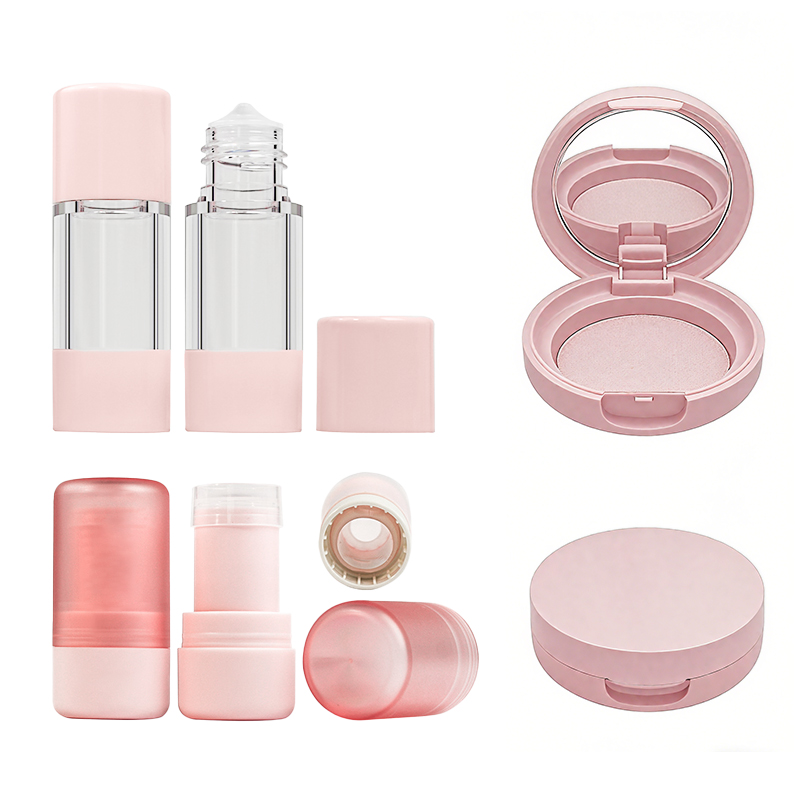
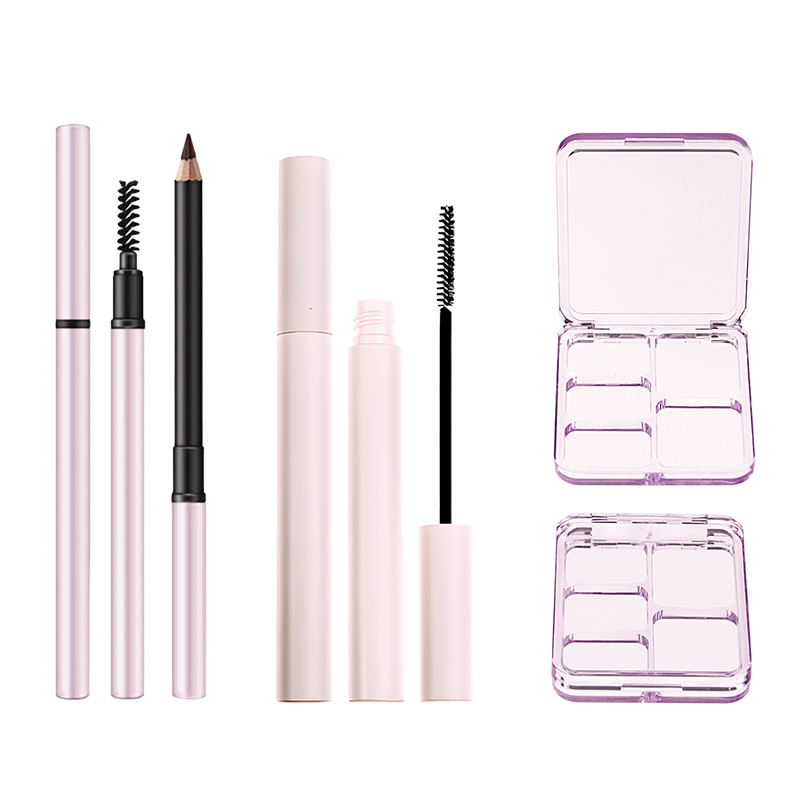
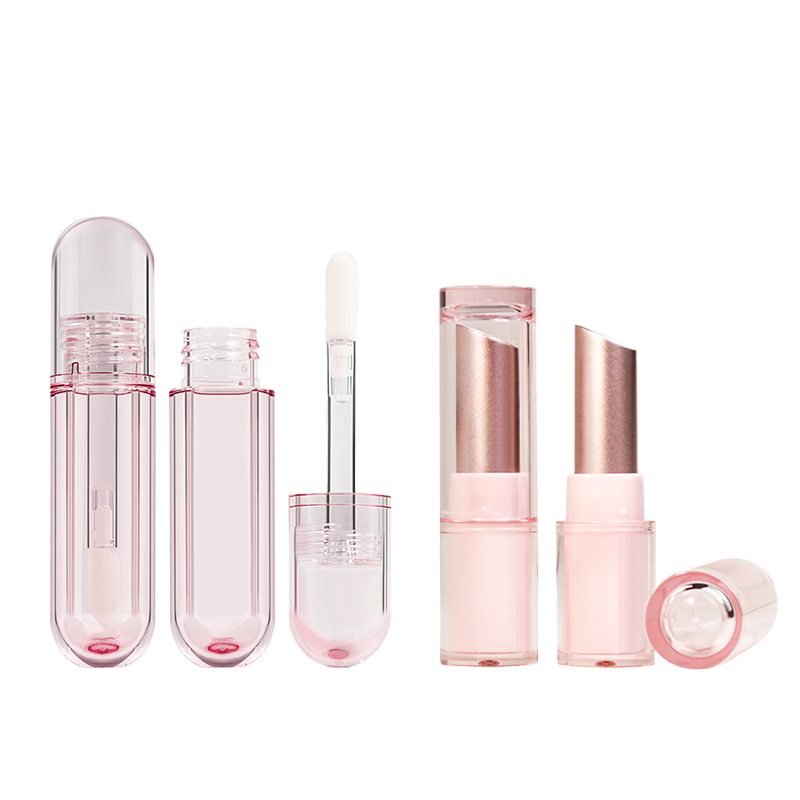

Why Recycle Lipstick Tubes? The Benefits for a Sustainable Future
February 06,2026
Recycling lipstick tubes sounds about as fun as herding cats—but if you’re knee-deep in cosmetic packaging orders, it’s one mess that won’t clean itself up. These little beauties may look innocent on the vanity, but behind the scenes? Total chaos: mixed materials, impossible shapes, and enough landfill guilt to last a lifetime.
“It’s not just waste—it’s lost opportunity,” says Lila Chen, Senior Materials Engineer at Topfeel (2024 Q1 Sustainability Report). “We’ve seen brands cut virgin plastic use by 30% just by switching lipstick tube designs.” Translation? You can be eco-smart without tanking your margins or dulling that glossy brand image.
Mass buyers know this isn’t about keeping up with trends—it’s about staying alive in a market where Gen Z reads material labels like they’re love letters. Keep ignoring recycling solutions and even your best-selling shades might fade out faster than a summer fling.
Reading Notes: Recycle Lipstick Tubes and Embrace Circular Beauty
➔ Small-Part Management: Separate twist-up tubes, applicator wands, and closure caps at collection points to prevent contamination and improve sorting efficiency.
➔ Monomaterial Design: Adopt single-material formats—like recycled aluminum, glass vials, or post-consumer resin—for seamless mechanical or chemical recycling.
➔ Advanced Recycling Processes: Combine mechanical grinding with chemical depolymerization or post-consumer resin processing to recover base polymers and reduce virgin plastic use.
➔ Closed-Loop Take-Back Programs: Offer refillable inserts and incentivize returns through inventory management systems, turning used tubes into new packaging feedstock.
➔ Trust-Building Certifications: Secure Cradle to Cradle, FSC, Recycled Content Certified, or B Corp credentials to validate eco-claims and attract sustainability-driven consumers.
Why Recycle Lipstick Tubes? The Impact On Plastic Pollution
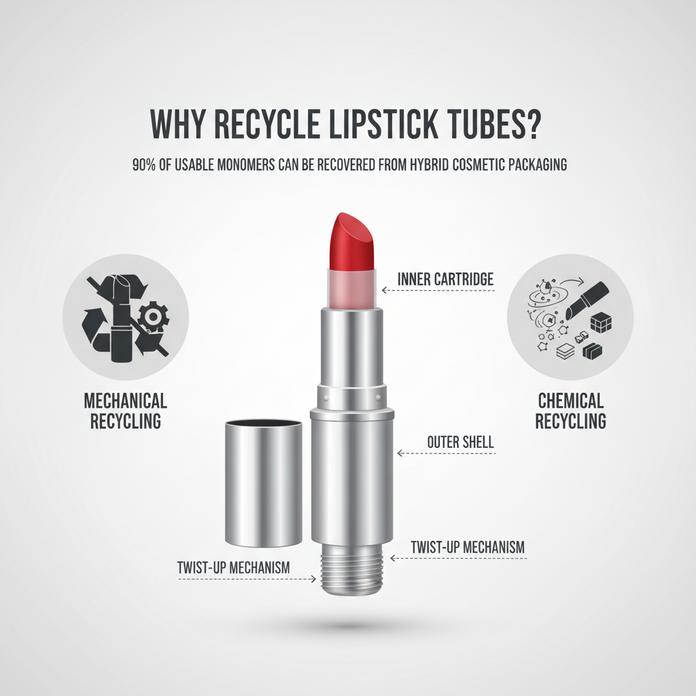
Tiny but mighty, lipstick tubes are often overlooked in the fight against plastic pollution. Here’s why it’s time to give them serious attention.
Twist-up tubes in the waste stream: why small parts create big contamination
When you toss a lipstick into the bin, those tiny twist-up pieces don’t just disappear—they jam up entire recycling systems.
-
Primary issue: Material complexity
- Most twist-up tubes combine multiple plastics, metals, and sometimes rubbery elastomers.
- These mixed materials confuse automated sorting machines.
- Small dimensions make it easy for these parts to fall through standard conveyor belts at MRFs (Materials Recovery Facilities).
-
Secondary issue: Contamination risk
- Leftover product residue contaminates other recyclables like paper and PET bottles.
- Caps and inner cartridges often contain pigments or oils that aren’t water-soluble.
-
Tertiary consequence: Downstream inefficiencies
- Contaminated loads get rejected more often, increasing landfill rates.
- More labor is needed for manual separation—raising processing costs.
The result? One little tube can mess up an entire batch of recyclables. Multiply that by millions tossed each year, and you’ve got a real problem on your hands.
Mechanical recycling vs. chemical recycling for mixed lipstick mechanisms
Trying to recycle a lipstick tube isn’t as simple as chucking it into a blue bin—it depends on how it’s broken down.
- Works best with single-type plastics like HDPE or PET.
- Can’t handle complex structures like layered lipstick components.
- Often results in downgraded material quality—think park benches instead of new packaging.
- Breaks down polymers into molecular building blocks.
- Handles hard-to-recycle blends found in many cosmetic containers.
- Produces higher-quality output suitable for food-grade applications.
• What’s better?
Mechanical methods are cheaper but limited; chemical processes are pricier yet more versatile—especially for mixed-mechanism packaging like lipsticks.
“Advanced chemical depolymerization could recover over 90% of usable monomers from hybrid cosmetic packaging,” according to the Global Recycling Research Council’s April 2024 report.
So while mechanical might work for your soda bottle, your old lipstick? That needs something smarter.
Waste stream management that keeps closure caps and refillable inserts out of landfill
Avoiding landfills means playing smart with how we dispose of every part—from outer shells to inner guts—of our makeup gear.
-
♻️ Smart sorting systems
- High-tech optical sorters now identify different polymer types by light reflection patterns.
- AI-driven robotics help pluck out smaller items like closure caps that used to slip through unnoticed.
-
♻️ Specialized collection programs
- Some cities now offer drop-off bins specifically for beauty products.
- Programs redirect components like refillable inserts to niche recyclers who specialize in cosmetic waste streams.
-
♻️ Brand-led circular solutions
- Companies like Topfeel are stepping up by designing easily separable packaging and offering return incentives.
- Their refill-ready designs reduce unnecessary production cycles—a win-win for users and planet alike.
By rethinking disposal routes and investing in smarter tech, we can keep even the tiniest bits from ending up where they don’t belong—and finally make progress when we recycle lipstick tubes right.
Sustainable Packaging: The Role Of Lipstick Tube Recycling
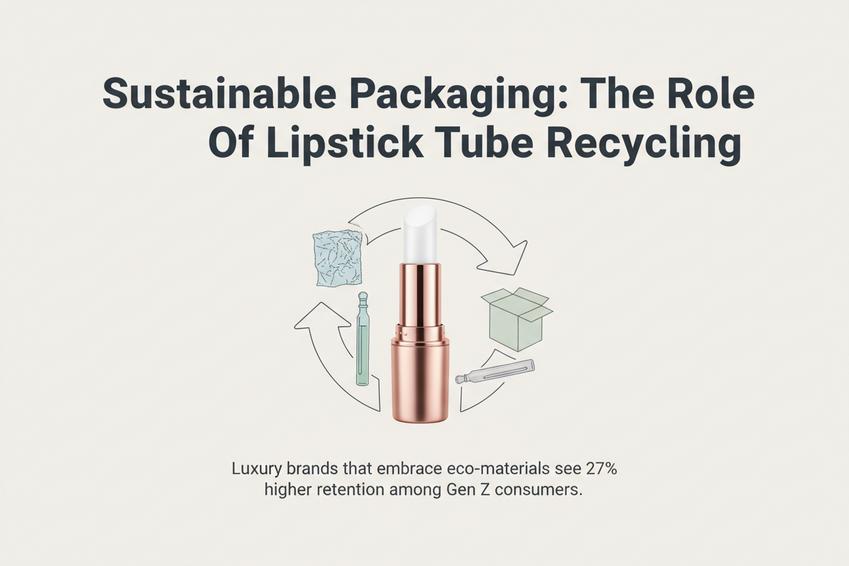
Recycling lipstick tubes isn’t just a trend—it’s the future of beauty packaging. Let’s break down how smarter design and verified materials are changing the game.
Post-consumer resin processing: turning used tubes into post-consumer recycled plastic
You toss out an old lipstick tube, but where does it go? Ideally, into mechanical recycling or even chemical recycling, where it’s broken down and turned into post-consumer resin—aka PCR plastic. This cleaned and processed material becomes new packaging, cutting back on virgin plastic use.
- ♻️ Less landfill waste
- 💡 More sustainable supply chains
- 🔁 Closed-loop systems that actually work
And when brands commit to using high levels of recycled content, they’re not just reducing environmental impact—they’re also meeting rising consumer demand for greener products.
Recycled aluminum, glass vials, and paperboard: smarter alternatives for premium lines
Premium doesn’t have to mean wasteful anymore. Swapping out traditional plastics for materials like recycled aluminum, sleek glass vials, or biodegradable paperboard packaging creates a luxe look with a lighter footprint.
“Luxury brands that embrace eco-materials see 27% higher retention among Gen Z consumers.” — GlobalData Beauty Sustainability Report 2024
These smart swaps don’t just improve recyclability—they elevate perception. Consumers now associate premium products with clean design and clear values.
Modular packaging and monomaterial design that make recycling actually work
Here’s why your average lipstick tube is hard to recycle: too many mixed materials glued together in complex shapes. Enter the heroes of smart design—monomaterial design and modular packaging.
- Simplifies disassembly
- Reduces contamination risk
- Boosts recyclability in local facilities
Grouped by material type:
-
Plastic-based designs:
- Use same-type polymers
- Snap-fit components instead of glue
-
Metal-based options:
- Single alloy builds
- Easy-to-remove caps
This kind of smart thinking helps cities actually process what you put in the blue bin—and makes it easier for consumers to recycle lipstick tubes without second guessing.
Cradle to Cradle and Recycled Content Certified: proof buyers can trust
You can talk sustainability all day, but without third-party validation, it’s just noise. Certifications like Cradle to Cradle certification or being Recycled Content Certified give real weight to eco claims.
🟢 They verify safety across the product lifecycle
🟢 Confirm actual percentages of reused materials
🟢 Support circular economy goals without greenwashing
When buyers see these trusted labels, they know the brand walks the talk—and that their effort to recycle lipstick tubes isn’t going to waste either. Even Topfeel has begun integrating such certifications into select lines as consumer expectations rise globally.
4 Reasons Why You Should Recycle Lipstick Tubes Today
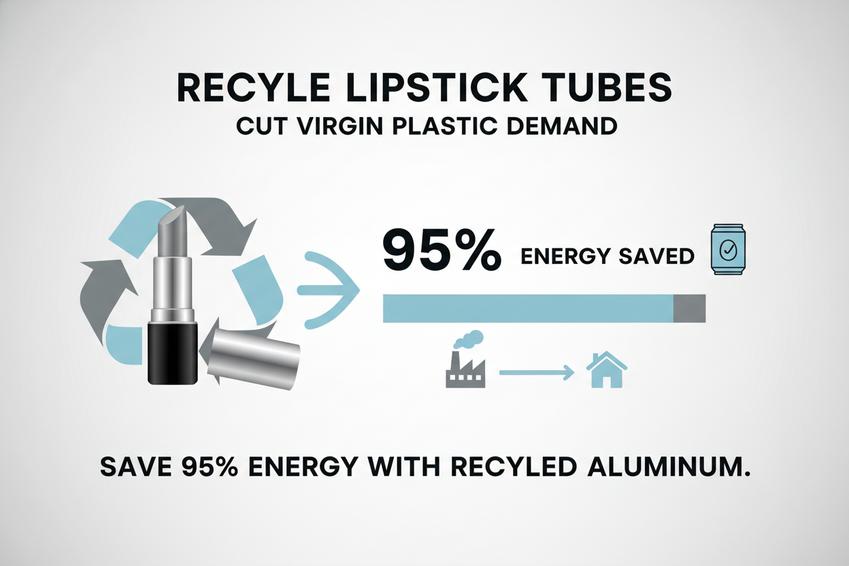
Recycling lipstick tubes isn’t just about being eco-friendly—it’s about doing beauty smarter. Here’s how your choices can make a real difference.
Cut virgin plastic demand with post-consumer recycled plastic and recycled aluminum
- Using post-consumer recycled plastic cuts down on the need for fresh, fossil-based materials.
- Swapping to recycled aluminum helps reduce energy use—aluminum recycling saves up to 95% of the energy compared to producing new.
- Less virgin plastic means fewer emissions and more sustainable packaging materials across the board.
♻️ Even better? These swaps don’t compromise quality. Brands like Topfeel are proving that you can keep your glam game strong while using smarter, cleaner packaging options.
Solve “hard-to-recycle” packaging with take-back programs and supplier audits
- Some makeup components—like mixed-material lipstick cases—are nearly impossible to recycle curbside.
- That’s where take-back programs come in: they collect these tricky items directly from consumers.
- But it doesn’t stop there. Verified supplier audits ensure that once collected, these items are properly processed.
- With these systems in place, we move closer toward true circularity in cosmetics packaging.
💡 By making it easier to recycle lipstick tubes—even the hard ones—we’re not just reducing waste; we’re rewriting how beauty fits into the bigger environmental picture.
“According to The Recycling Partnership’s 2024 report, brands that implement closed-loop systems see up to 38% higher consumer engagement on sustainability campaigns.”
Lower footprint faster through local manufacturing and logistics optimization
📊 Here’s how local production stacks up when it comes to cutting carbon:
| Manufacturing Location | Avg CO₂ Emissions per Unit (g) | Avg Transport Distance (km) | Time-to-Market (days) |
|---|---|---|---|
| Overseas | 280 | 7,500 | 45 |
| Regional | 150 | 2,000 | 20 |
| Local | 90 | <500 | 7 |
Producing near your customer base slashes emissions from transportation and speeds up delivery times. It also makes it easier to tweak designs for better sustainability without waiting months for overseas shipments.
This approach doesn’t just benefit the environment—it makes businesses more agile and efficient too.
Boost brand credibility with B Corp certification and Plastic Neutral progress
→ Want people to trust your eco claims? Back them with proof:
- 📌 Earning a B Corp certification shows you’re meeting high social and environmental standards—not just talking the talk.
- 📌 Hitting milestones toward Plastic Neutral progress proves you’re actively offsetting your plastic use through verified initiatives.
- 📌 These third-party seals help build serious brand credibility, especially with younger shoppers who care deeply about values-driven companies.
When you recycle lipstick tubes or support brands that do, you’re voting for transparency, accountability—and a whole lot less greenwashing.
Can Recycled Lipstick Tubes Be Repurposed For New Products?
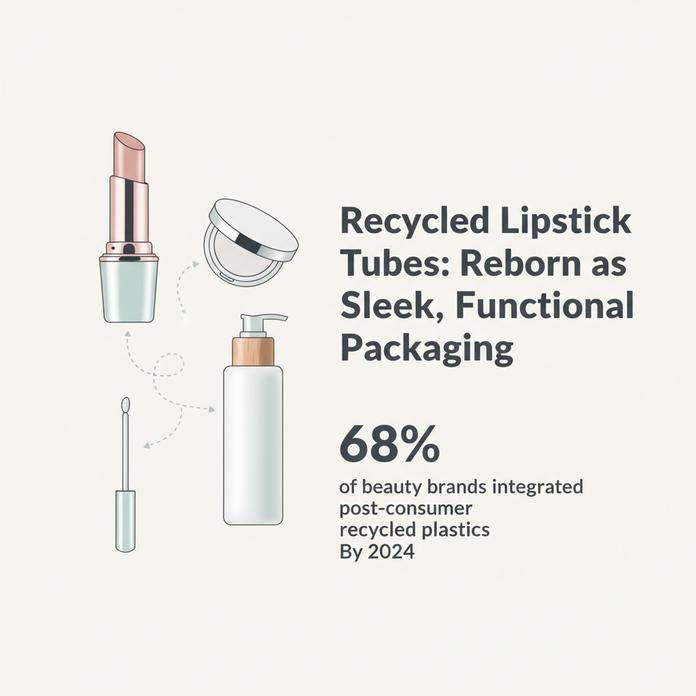
Recycled lipstick tubes aren’t trash—they’re raw material waiting for a second act. Here’s how they can be reborn into sleek, functional packaging.
From tubes to compact cases: what injection molding can realistically remake
Injection molding gives old lipstick tubes a fresh start. When shredded and melted, the recycled plastic becomes pliable enough to be pushed into new molds—think compact cases, palette trays, or even lipstick bases again. The key lies in smart mold design and consistent material flow, which help avoid warping or brittleness.
“By 2024, 68% of beauty brands reported integrating post-consumer recycled plastics using high-pressure molding systems,” according to Mintel’s Global Packaging Trends report.
If you’re looking to recycle lipstick tubes efficiently, start by separating components by resin type—this boosts mold accuracy and product durability.
Blow molding and extrusion: the best-fit paths for recycled plastic feedstock
When it comes to turning leftover tube plastics into bottles or sleeves, blow molding and extrusion are your best bets.
- Melt down sorted pieces into uniform plastic pellets
- Feed them through an extruder under controlled processing parameters
- Shape them into containers with air pressure via blow molds
These techniques are ideal when you’re aiming for lightweight but sturdy packaging like shampoo bottles or mascara sleeves. And yes, even plastic film wraps can come from this process if the feedstock is pure enough.
Applicator wands and closure caps: repurposing the tricky add-on components
Tiny parts like applicator wands and snap-on closure caps often get tossed because they’re tough to sort and reuse—but not impossible:
• Use specialized grinders for small-scale shredding
• Sort materials via density-based separation
• Repurpose as fillers in less visible parts of packaging
Because these pieces often combine materials (like nylon tips with PP handles), smart repurposing strategies focus on secondary uses—think internal spacers or structural supports in other cosmetic tools.
Customizable finishes + minimalist aesthetics: making recycled look high-end
If you’re worried that reused packaging looks cheap—don’t sweat it. With clever use of customizable finishes, recycled plastics can go full glam.
Matte sprays hide imperfections
Metallic coatings elevate perceived value
Textured patterns distract from any discoloration
Pair that with clean lines and simple forms—a nod to modern minimalist aesthetics—and you’ve got a package that screams luxury without screaming “recycled.” Brands now embrace this look not just for sustainability points but because it just looks damn good on shelves.
Refillable inserts and assembly lines: scaling repurposed packaging without chaos
Scaling up isn’t about doing more—it’s about doing smarter. Integrating refillable systems means rethinking both your design blueprint and your factory floor layout:
Step 1: Design base units with standardized slots for swappable refills
Step 2: Automate insert placement using robotic arms on existing assembly lines
Step 3: Use modular tooling so one line handles multiple product types
By aligning form factor across products, you simplify logistics while keeping things sustainable. And yes—refillable makeup is finally hitting the mainstream thanks to better backend coordination between designers, engineers, and supply chain leads.
So next time you recycle lipstick tubes, remember—they’re not done yet.
How Lipstick Tube Recycling Supports Zero-Waste Initiatives
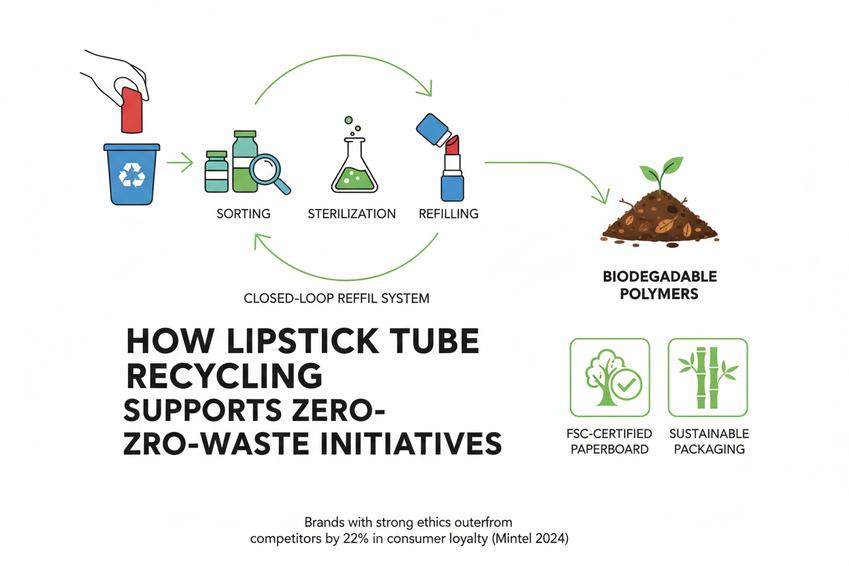
Recycling lipstick tubes isn’t just about trash—it’s about building smarter systems that ditch waste and keep beauty routines clean.
Take-back programs + inventory management: building a closed-loop refill system
To recycle lipstick tubes effectively, brands are setting up smart take-back programs that loop products back into the supply chain:
- Customers return used or empty tubes through designated bins or mail-in services.
- Returned items are sorted and scanned into an inventory management database to track reuse potential.
- Packaging is sterilized using high-temperature steam or UV light.
- Refillable containers are refilled, resealed, and redistributed—closing the loop.
- Data from returns help reduce overproduction by forecasting real demand.
- Brands like Topfeel use this info to fine-tune their product cycles and avoid unnecessary waste.
This kind of closed-loop system doesn’t just cut down on junk—it also builds trust with eco-conscious shoppers who want beauty without guilt.
Industrial composting with compostable materials and biodegradable polymers
The second piece of the zero-waste puzzle lies in materials that break down naturally—but only under the right conditions:
-
🌱 Some packaging uses plant-based resins or starch-derived plastics, both considered compostable materials, which degrade best in industrial facilities—not your backyard bin.
-
🧪 These use biodegradable polymers, engineered to disintegrate within months when exposed to heat, moisture, and microbial activity.
▫️ For example:
- Lipstick caps made from PLA bioplastics
- Internal sleeves crafted from sugarcane-based cellulose
- Labels printed with soy-based ink
When these parts hit a commercial composter, they transform into nutrient-rich soil rather than lingering in landfills. It’s not magic—it’s science-backed design for modern trash problems.
FSC certified paperboard and bamboo components for zero-waste secondary packaging
Sustainable packaging isn’t just about what holds your lipstick—it’s also about what wraps it:
• Many brands now use FSC certified cardboard boxes to ensure forests aren’t harmed during production. That means every box can be traced back to responsibly managed woodlands.
• Lipstick cradles once made of foam are being swapped for molded paperboard, which is both recyclable and biodegradable.
• Some companies opt for sleek outer shells crafted from fast-growing bamboo components, giving a luxe feel without environmental baggage.
Each layer of this thoughtful design keeps waste low while still delivering that “unboxing” moment consumers crave—and yes, it all helps when you’re trying to recycle lipstick tubes without creating more mess than you solve.
Supplier audits and ethical sourcing: the supply chain backbone of zero-waste goals
Behind every low-impact tube is a seriously well-monitored supply chain built on transparency:
A. Regular third-party supplier audits
• Check labor practices
• Confirm material traceability
• Evaluate compliance with local environmental laws
B. Ethical sourcing policies require vendors to:
• Provide documentation proving sustainable harvesting methods
• Use renewable or recycled inputs whenever possible
C. These practices support broader brand promises around clean beauty standards—ensuring that ingredients inside the tube match the values behind it.
According to Mintel’s Global Beauty & Personal Care Trends Report, “Brands demonstrating strong ethics at every stage—from sourcing raw materials to post-use recovery—are outperforming competitors by as much as 22% in consumer loyalty metrics.”
So when you recycle lipstick tubes, you’re not just tossing plastic—you’re participating in a global shift toward smarter consumption patterns rooted in accountability and purpose-driven business models.
FAQs
How can brands recycle lipstick tubes without contaminating the waste stream?
- Detach closure caps, applicator wands, and refillable inserts before sending items through recovery.
- + Use mechanical recycling for monomaterial twist-up tubes made from post-consumer recycled plastic.
- + Direct complex lipstick mechanisms to chemical recycling streams suited for mixed plastics.
- ♻ Partner with take-back programs or local drop-off hubs that specialize in cosmetic packaging recovery to avoid misplaced disposal.
What certifications assure buyers of genuine sustainable packaging claims?
1️⃣ Cradle to Cradle: confirms safe materials fit for reuse cycles.
2️⃣ Recycled Content Certified: identifies verified percentages of post-consumer resin used in new compact cases or vials.
3️⃣ 🌱 FSC certified: guarantees bamboo components and paperboard originate from responsible forests.
4️⃣ 🌀 B Corp certification & Plastic Neutral status: reflect brand commitment to ethical sourcing and balanced material use across assembly lines.
Why is modular, single-material design crucial when producing recycled lipstick tubes at scale?
Short descriptive branch line: Modular designs keep recycling loops clean and efficient—less confusion during sorting means more material recovered.
| Design Feature | Key Advantage | Common Material |
|---|---|---|
| Monomaterial structure | Easier mechanical separation | Biodegradable polymers / PCR plastic |
| Interchangeable shells | Reduced production waste | Recycled aluminum |
| Minimalist aesthetics | Premium feel with fewer dyes | Glass vials |
Can recycled materials still feel premium in luxury beauty lines?
A short description followed by functional cues: elegance grows from restraint—recycled does not mean cheap.
- Customizable finishes on recycled aluminum provide a refined glow.
- Minimalist aesthetics play up clarity when using glass vials or biodegradable polymers.
- Ergonomic shapes transform post-consumer resins into striking yet comfortable compact cases.
✨ In brief: conscious choices enrich luxury appeal while reducing virgin resource demand.
How do local manufacturing and supplier audits strengthen take-back initiatives?
Grouped multi-style response combining table insight & summary tone:
🌍 Local manufacturing reduces logistics emissions through short supply routes while allowing agile design tweaks on assembly lines.
📋 Supplier audits confirm transparency for each component—from twist-up tube casings to lubricant-free springs inside lipstick mechanisms—so inventory management connects smoothly with ongoing take‑back programs.
Together these steps close the loop between creation, recovery, and renewal—a quiet rhythm beating at the heart of circular beauty.
References
- Why Is Small-Format Plastic Packaging, like Lipstick Tubes, Difficult for Municipal Recycling Facilities? – Sustainability Directory
- Mechanical Vs Chemical Recycling – Richmond Containers
- Sustainable Beauty and Skincare Market Exclusive Report 2025 to 2034 – InsightAce Analytic
- Health and Beauty Market Size, Trends and Analysis – GlobalData
- Are lipstick containers recyclable? – APG Packaging
- How Aluminum Recycling Powers Sustainability and Growth – Okon Recycling
- Report Shows Only 21% of U.S. Residential Recyclables are Captured – The Recycling Partnership
- Intergovernmental Negotiating Committee on Plastic Pollution – UNEP

