 English
  English (UK)
  English (Australia)
  English (Canada)
  العربية
  Deutsch
  Italiano
  Español de México
  Tiếng Việt
  ไทย
ไทย  Português do Brasil
  Français
  Български
  Čeština
  Dansk
Dansk  Ελληνικά
  Eesti
Eesti  Suomi
Suomi  Magyar
  Bahasa Indonesia
  Lietuvių kalba
  Latviešu valoda
  Norsk bokmål
  Nederlands (Formeel)
  Polski
  Română
  Русский
  Slovenčina
  Slovenščina
  Svenska
  Türkçe
  Українська
  简体中文
简体中文  日本語
日本語  한국어
한국어  繁體中文
繁體中文 
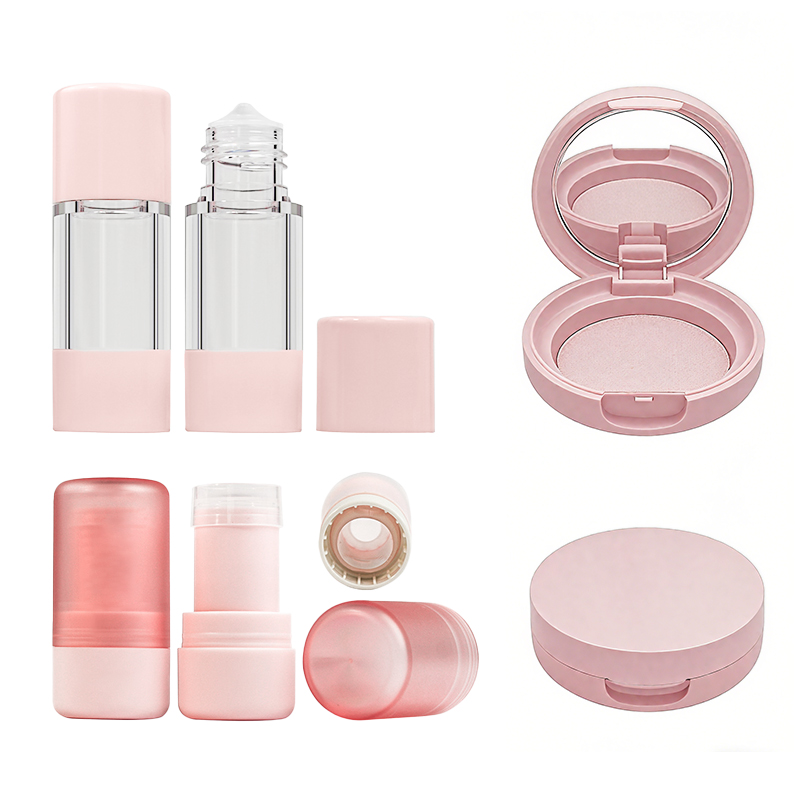
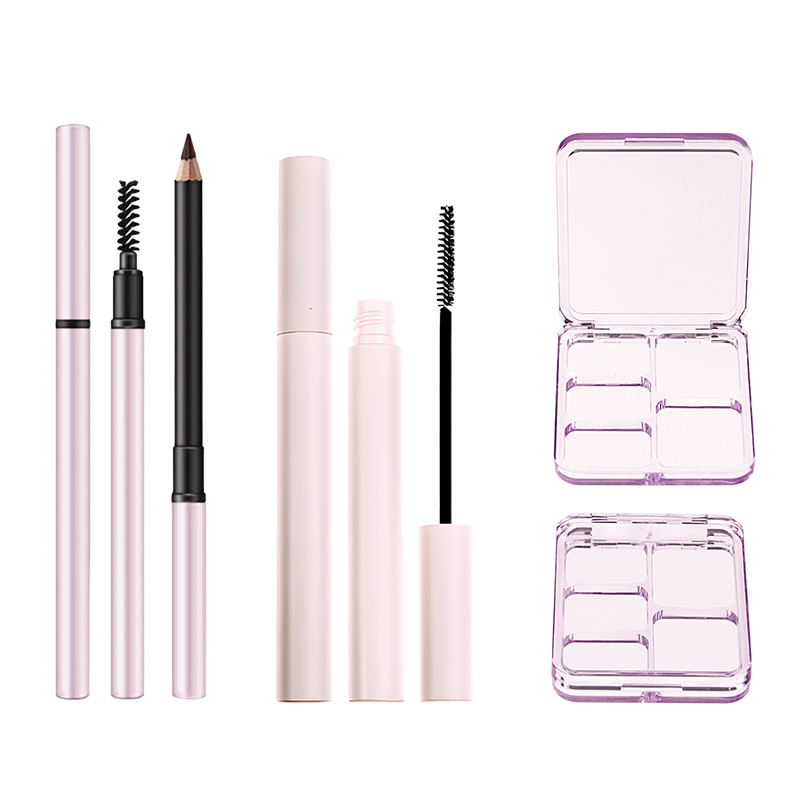
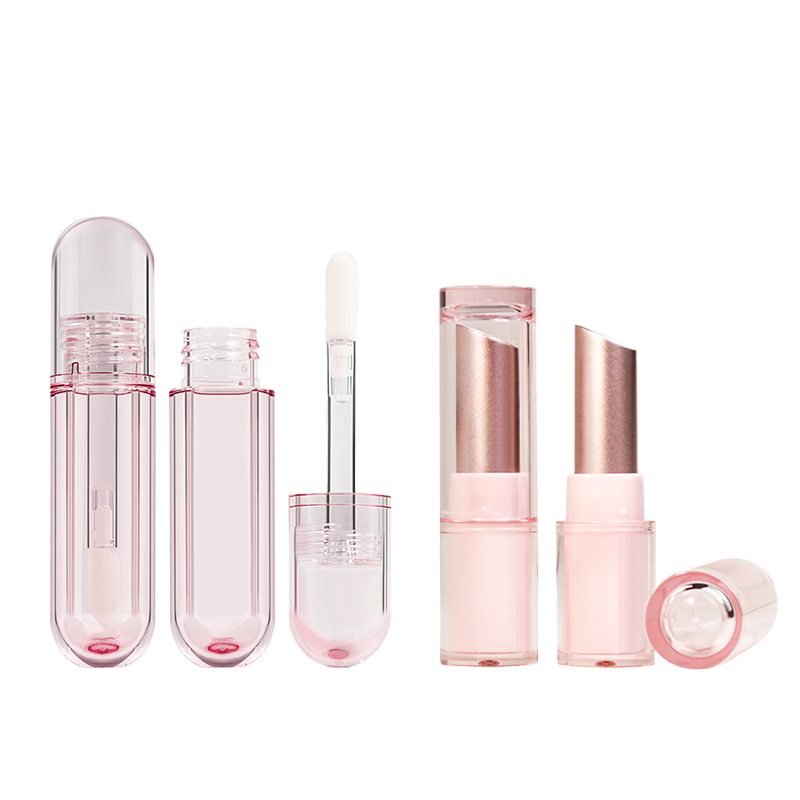

Is PCR Packaging Recyclable?
February 05,2026
In the world of beauty packaging, “is PCR recyclable” isn’t just a technical question—it’s a brand-defining moment. With eco-conscious shoppers checking labels like detectives and Gen Z calling out greenwashing in real time, cosmetic brands can’t afford to play fast and loose with their sustainability claims. Post-consumer recycled (PCR) plastic sounds great on paper, but if that lipstick tube ends up in the landfill anyway? You’ve lost more than packaging—you’ve lost trust.
Thing is, recycling isn’t as cut-and-dried as dropping something into a blue bin. Some materials loop back into the system beautifully; others get rejected at sorting centers due to colorants or mix-ups in resin types. But smart design choices—like mono-material builds and clear labeling—can make all the difference. And yes, we’re seeing brands rise to the challenge… with help from suppliers who know how to think three steps ahead.
Is PCR Packaging Recyclable In Practice?
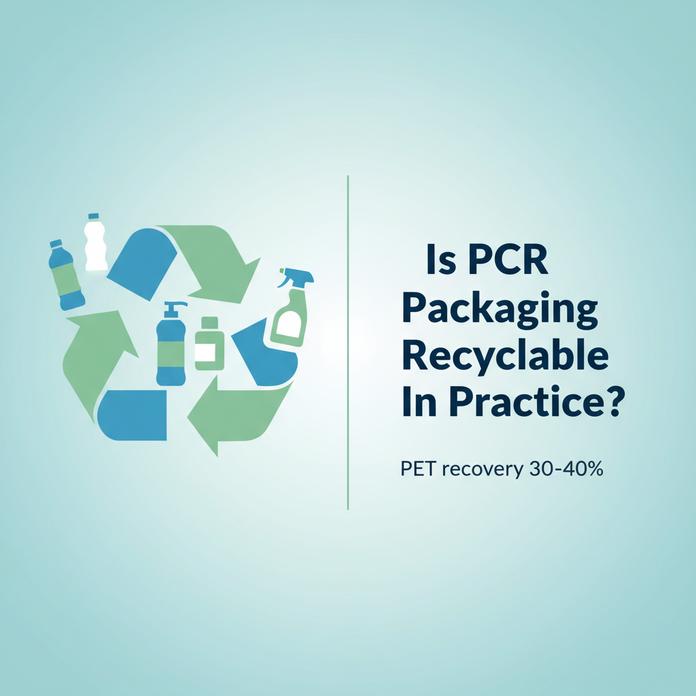
Understanding if PCR packaging is truly recyclable takes more than a label check. Let’s unpack how it plays out in real life—from tech to trash bin.
What are the real-world recycling rates for PCR materials?
- PET plastics show the best results, with up to 30–40% recovery in advanced regions.
- HDPE trails slightly behind due to lower collection volumes.
- Mixed or multi-layer plastic types often end up sidelined due to poor recyclability.
- Urban areas with robust collection systems outperform rural ones by a wide margin.
- Contamination—like leftover food or liquids—can tank recyclability even when materials are technically recyclable.
- Local infrastructure matters—a lot. Without nearby processing facilities, even clean, sorted plastics may get trashed.
✓ A common myth? If it’s marked recyclable, it gets recycled. Reality check: that’s not always true.
In many cases, the fate of post-consumer resin depends on whether there’s strong enough end-market demand to justify the cost of reprocessing.
Short-term wins like clean PET bottles can be misleading; long-term success hinges on smarter design and cleaner disposal habits across all communities.
Which industries lead the way in PCR reuse?
Beverage brands were early adopters, especially those under pressure from eco-conscious consumers and activists calling out single-use plastics.
• The personal care industry leans heavily into using high-quality recycled content, especially for shampoo and lotion bottles that must maintain aesthetic appeal.
• Cleaning product companies love durable containers made from toughened post-consumer resin, often blended with some portion of virgin plastic for strength.
Grouped by motivation:
- 🌍 Sustainability-driven: Organic beauty brands aiming for zero-waste packaging
- 💰 Cost-aware: Mass-market cleaning products balancing price and green goals
- 📣 PR-sensitive: Beverage giants responding to public scrutiny over waste
These industries also tend to invest more in meeting evolving industry standards, making their packaging easier to recycle again later on.
How do modern sorting technologies boost PCR recovery?
AI-powered robots now recognize specific shapes and colors faster than human eyes ever could—making sorting quicker and cleaner than before.
- Near-infrared scanners detect different polymer types instantly.
- Machine-learning algorithms adapt as new packaging formats hit the market.
- Optical sorters fine-tune quality control by removing contaminated or incorrect items mid-stream.
“Recent industry reports indicate that AI integration in recycling plants is significantly boosting processing capacity and efficiency, with some facilities doubling their output.”
The combo of smarter machines and better data means less guesswork—and fewer usable materials ending up in landfills. That’s big news for anyone asking “is pcr recyclable” beyond theory and into practice.
These advancements also help reduce contamination levels across multiple recycling streams, increasing both quantity and quality of recovered material fed back into production cycles.
What common hurdles inhibit everyday PCR recycling?
Let’s call it what it is: recycling isn’t as easy as tossing stuff into a blue bin—especially when people don’t know what goes where or why it matters.
• Confusing symbols or lack of clear labeling ruins good intentions fast
• Sticky food residue? Instant rejection at most sorting centers
• Multi-material items (like foil-lined bags) jam up machinery—even if they contain some amount of recycled content
Grouped challenges:
🗑️ Systemic:
- Limited municipal support
- Fragmented collection routes
👥 Behavioral:
- Low public awareness
- Poor participation rates
🔧 Technical:
- Difficulty separating layered polymers
- Lack of uniformity in global recycling regulations
Even when people want to do right by the planet, inconsistent programs make it hard for them to follow through—which directly impacts how much usable material makes its way back into circulation as fresh post-consumer resin components.
Brands like Topfeel are stepping up here—designing packaging for cosmetics that simplifies disposal instructions while maintaining high levels of purity across their entire line-up.
PCR Vs Virgin Plastic: Recycling
This side-by-side look at post-consumer resin and virgin plastic breaks down recyclability, environmental impact, and the real-world challenges of going green.
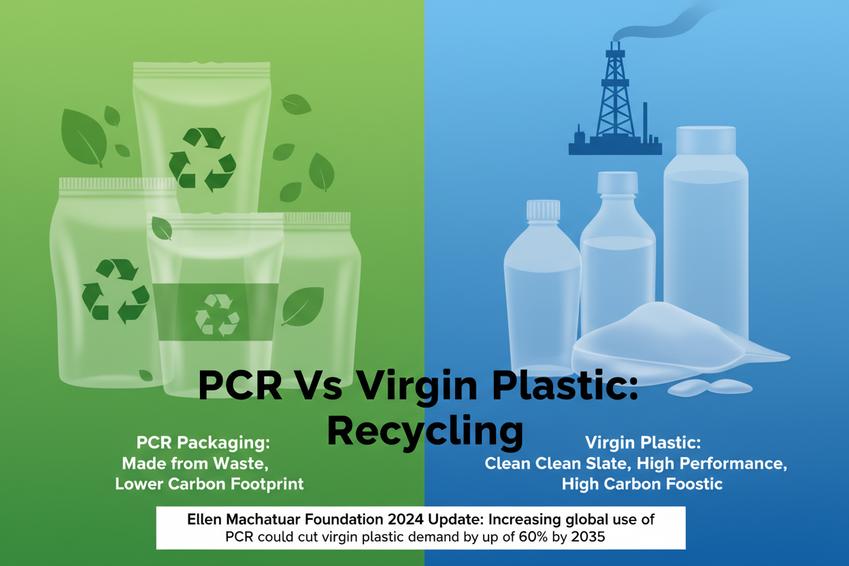
PCR Packaging
- ♻️ Made from waste: Post-consumer resin comes from recycled plastics—think shampoo bottles, food containers, and detergent jugs that get a second life.
- 🎯 Sustainability win: It supports a more circular economy by reducing dependence on fossil fuels.
- ⚠️ But not perfect: Quality can dip due to material degradation or contamination during collection.
- Lower carbon footprint = less guilt with every package.
- Helps reduce landfill overflow by giving old plastic new purpose.
- Often limited in color options and clarity compared to its virgin cousin.
• Brands use it in packaging to hit sustainability goals—but not all PCR is created equal. Some grades are only good enough for non-food items due to contamination risks.
Long story short? PCR helps close the loop but doesn’t always meet high-performance needs. It’s a balancing act between eco-friendliness and product consistency.
Short bursts:
Recycled content isn’t always food-safe.
Color variation is common in high-PCR blends.
Still better than single-use virgin plastic.
Multi-step breakdown:
Step 1: Consumers recycle used plastic containers through curbside bins or drop-off centers.
Step 2: Materials go through sorting processes using optical scanners and air jets for separation.
Step 3: Plastics are cleaned, shredded into flakes, melted down, then reformed into pellets—aka post-consumer resin (PCR).
Grouped bullets:
• Environmental Benefits: Less energy use, reduced emissions, supports circular systems
• Material Source: Derived from existing waste streams like HDPE bottles or PET trays
• Challenges Faced: Contamination issues, inconsistent quality across batches
Natural blend:
Some folks wonder—is pcr recyclable again after it’s been reused once? Short answer: yes… but with caveats. Repeated recycling can degrade its strength unless blended with stronger materials or additives. That’s why many manufacturers mix it with fresh resin to balance out performance issues while still keeping sustainability top of mind.
“According to the Ellen MacArthur Foundation’s 2024 Global Commitment report, signatories have collectively avoided 9.6 million metric tons of virgin plastic since 2018, demonstrating the scalability of circular models.”
Virgin Plastic
- Clean slate every time—virgin plastic is made straight from petrochemicals like natural gas or crude oil.
- Offers unbeatable strength and clarity for packaging that needs durability.
- But here’s the kicker—it ramps up carbon footprint, drains non-renewable resources fast, and clogs up ecosystems when tossed away carelessly.
- High performance makes it ideal for medical-grade tools or food-safe packaging.
- Controlled production means fewer defects during manufacturing.
- Long-term? It’s part of the problem unless managed responsibly.
• Virgin plastic shines in applications where purity matters most—think sterile environments or clear beverage bottles where appearance sells.
While it’s tempting to stick with this tried-and-tested material because of its reliability, we can’t ignore how much it contributes to resource depletion over time.
Fast facts:
Stronger than recycled alternatives out of the gate
Easier to mold into precise shapes without warping
Energy-intensive production process = higher emissions
Step-by-step lifecycle:
1️⃣ Extraction – Crude oil is pulled from underground reserves; refined into ethylene/propylene gases.
2️⃣ Polymerization – Gases are chemically bonded into long-chain molecules forming various types of plastics like PET or HDPE.
3️⃣ Manufacturing – Pellets are shaped into products via molding techniques such as injection molding or extrusion blowing.
Grouped insights:
• Resource Use: Heavy reliance on fossil fuels; unsustainable long-term
• Performance Edge: Superior mechanical properties; consistent appearance across batches
• Environmental Cost: High greenhouse gas output; poor biodegradability
Mixed structure:
People often ask—is pcr recyclable, so why not just switch completely? Well… because virgin plastic still rules industries where safety regulations won’t budge an inch yet. Until innovation catches up (and policy tightens), we’re stuck juggling both worlds—one clean but polluting; one green but flawed.
So next time you grab a bottle off the shelf? Think about what went into it—and what happens after you’re done sipping that soda.
4 Steps To Ensure PCR Is Recyclable
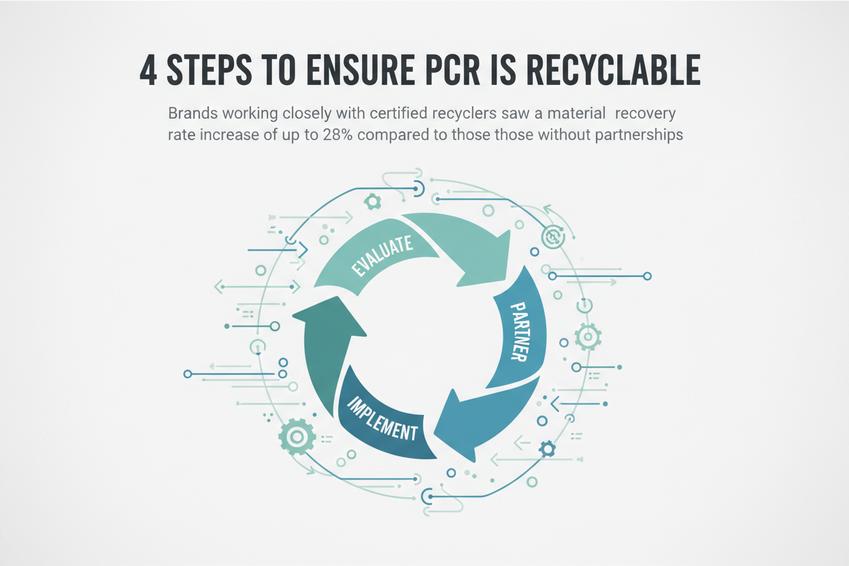
From bins to back on shelves—making post-consumer resin truly recyclable takes more than tossing it in the blue bin. Here’s how you make sure it actually gets reused.
Evaluate local recycling regulations
Understanding whether PCR is accepted by your city’s system isn’t optional—it’s step one. Local rules vary wildly, so don’t assume anything.
- Check if your HDPE, PET, or PP packaging aligns with municipal acceptance lists.
- Look into curbside vs. drop-off programs—some materials like colored polymer types may be excluded.
- Confirm if mixed-material formats are rejected outright or require special handling.
| Region | Accepted PCR Types | Mixed Material Allowed? | Notes |
|---|---|---|---|
| California | HDPE, PET | No | Strong infrastructure |
| New York City | PET | Limited | Labels must be removable |
| Texas Suburbs | HDPE | Yes | Sorting required at MRF |
| Ontario, Canada | PP, PET | No | Colorants reduce acceptance |
If you’re asking “is pcr recyclable” in every market you serve—you’re doing it right.
Partner with certified recyclers
Working with pros makes all the difference. Certified partners don’t just recycle—they close the loop for real.
• Choose facilities accredited by ISCC or APR—they meet international traceability standards for recycled content.
• Align supply chains with those who specialize in specific material streams, like food-grade PET.
• Audit their processes regularly to ensure compliance and transparency.
“According to the Ellen MacArthur Foundation’s Global Commitment 2024 report, business signatories are outperforming the market in addressing plastic waste, proving that verified partnerships drive higher material recovery.”
Only then can you confidently say your packaging isn’t just technically recyclable—but actually recycled.
Implement effective cleaning and sorting
Recyclability starts way before reprocessing—it begins when consumers toss their trash. If that waste is dirty or mixed? Game over.
• Pre-cleaning removes oils, food residue, and other contaminants that ruin batches of otherwise reusable plastic.
• Separate different resins, especially between rigid plastics like HDPE and flexible films—these melt at different temps!
• Use smart sorting tech like near-infrared scanners where possible, especially for large-scale operations.
This step matters because even if someone Googles “is pcr recyclable,” unless it’s clean and sorted—it isn’t really going anywhere useful.
Monitor and report recycling performance
What gets measured gets managed—and recycled better next time around. Don’t just hope your system works; prove it does.
- Track collection rates across product lines using digital dashboards.
- Measure how much actual recycled content makes it back into production.
- Benchmark against industry averages for reuse rates per year.
- Identify drop-off points where contamination or loss happens most often.
| Metric | Target % | Current % | Trend |
|---|---|---|---|
| Clean material yield | ≥85% | ~78% | Improving |
| Post-sorting contamination | <5% | ~7% | Needs action |
| PCR reuse in new products | ≥30% | ~24% | Steady growth |
| Consumer return rate | ≥60% | ~52% | Variable by region |
Topfeel tracks these metrics quarterly across all its SKUs—to ensure every piece of plastic has a fighting chance at another life. So next time someone asks “is pcr recyclable,” you’ve got receipts—and results—to prove it is.
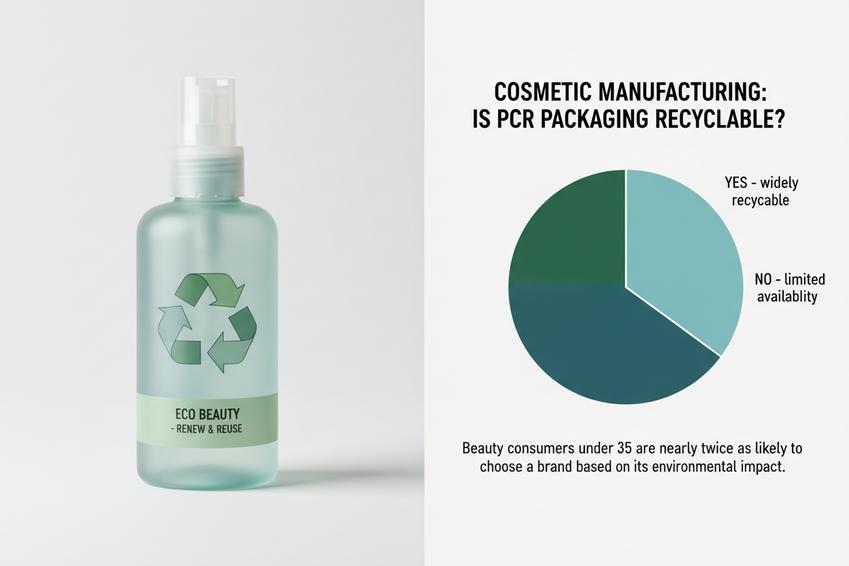
Cosmetic Manufacturing: Is PCR Packaging Recyclable?
From formula compatibility to recyclability, using post-consumer recycled materials in cosmetics is a balancing act of sustainability and practicality. Here’s how brands are making it work.
Formulating PCR-compatible cosmetic containers
• Choose high-quality post-consumer recycled resins that match the brand’s aesthetic—clarity, color, and texture matter just as much as eco-credibility.
• Not all PCR plastics behave the same. Some warp under heat or react with oily formulas—test thoroughly before committing.
• Match your packaging to your product type. For example, cream blush packaging may need thicker-walled jars while sprays require flexible bottles with consistent wall thickness.
- Identify the product’s chemical profile—some active ingredients degrade PCR plastic, especially if not properly stabilized.
- Select a material sourcing partner that offers traceable batches of certified food-grade or cosmetic-grade PCR resin.
- Test compatibility through accelerated aging studies to ensure no migration or leaching occurs over time.
☑️ Don’t forget aesthetics—consumers still want sleek packaging even when it’s made from trash.
Ensuring product safety and regulatory compliance
- Start by checking FDA Code of Federal Regulations Title 21 for any red flags on material use in skin-contact products.
- In the EU? You’ll need to meet Regulation (EC) No 1223/2009, which governs cosmetic safety and raw material purity.
- Review third-party testing reports for heavy metals, microbial load, and potential residual contaminants in your selected PCR container materials.
Cosmetic brands must also maintain documentation showing that their recycled plastic source meets GMP (Good Manufacturing Practice) standards and doesn’t compromise consumer health.
Short but crucial: If you’re not compliant, you’re off shelves—no exceptions.
Designing packaging for end-of-life recyclability
| Packaging Element | Material Type | Recyclability Score (1–5) | Notes |
|---|---|---|---|
| Bottle Body | HDPE Mono-material | 5 | Highly recyclable |
| Pump Closure | Mixed Plastics | 2 | Harder to sort at MRFs |
| Label | Paper-based | 4 | Avoid foil or metallic inks |
| Colorant | Clear/Natural | 5 | Opaque black reduces sorting |
♻️ Design smarter by avoiding mixed materials like metal springs in pumps or adhesive-heavy labels—they mess up sorting systems big time.
Use symbols consumers recognize (like the Mobius loop), keep things simple with mono-materials like PP or PET, and ditch unnecessary coatings that confuse recycling centers.
The more streamlined your design is, the more likely it can be tossed into curbside bins without drama—and yes, this helps answer “is pcr recyclable” in real-world terms.
Marketing PCR credentials to beauty buyers
“Beauty consumers are increasingly prioritizing sustainability, with reports showing a surge in searches for eco-friendly products,” according to Mintel’s Global Outlook on Sustainability 2024-25.
Break down what makes your PCR packaging different:
• Is it verified by UL or SCS Global? Say so.
• Is your supplier part of a closed-loop system? Share those stats.
• Are you reducing reliance on virgin plastic year over year? Show progress visually—charts work wonders here!
Short bursts of info help:
- “This bottle was once an ocean-bound milk jug.”
- “We saved X tons of landfill waste this year.”
These micro-stories turn boring claims into emotional hooks—and they make answering “is pcr recyclable” feel personal instead of preachy.
FAQs about Is PCR Recyclable
1. How recyclable is PCR in cosmetic packaging today?
- Clear PET and natural HDPE enjoy the highest recovery rates.
- Dark or metallic finishes risk disappearing into landfill streams.
- The human touch matters—when consumers rinse and sort properly, recyclers capture more usable resin.
2. Which industries lead with high-PCR content adoption?
- Beverage giants filling shelves with clear recycled bottles.
- Personal care labels weaving PCR into shampoo pumps and lotion jars.
- Household cleaners shifting to rugged, recycled trigger sprays for emotional brand loyalty.
3. How does PCR compare in feel and look to virgin plastic?
★ Slightly less shine can hint at its eco‑story, giving it a subtle honesty appeal.
★ Texture may carry gentle irregularities—marks of its past life, like faint fingerprints from former use.
4. Keys to keeping your beauty containers recyclable later on — design’s delicate branch line:
Choose mono-material designs → steer clear of unnecessary laminates → keep fonts readable yet minimal… each decision feels small but stacks toward a jar’s second life story.
5. Why do recyclability claims vary so much between regions?
Short note: Local recycling capabilities differ wildly; here’s how that plays out:
| Region | Sorting Tech Level | Cosmetic Grade Recovery Rate |
|---|---|---|
| Northern Europe | Advanced optical + AI | High (70%+) |
| North America | Mixed tech base | Moderate (40–60%) |
| SE Asia | Sparse infrastructure | Low (<30%) |
The heartbeat of these numbers sits in community investments and daily collection habits.
6. Which design choices make a cosmetic jar easier to recycle using PCR materials?
- Stick with one polymer family per container part.
- Avoid deep blacks that confuse sorting machines.
- Mark recycling symbols clearly where fingertips naturally land when opening the product.
These quiet cues help both the user and the sorting facility give the jar another dance on store shelves again someday.
References
- US PET bottle recycling rate falls in 2024 | Latest Market News – Argus Media
- Modern recycling meets AI – Resource Recycling
- The Global Commitment 2024 | Ellen MacArthur Foundation
- 21 CFR Part 177 — Indirect Food Additives: Polymers – eCFR
- Cosmetic Packaging Testing by EU Regulations – Measurlabs
- Global Outlook on Sustainability: A Consumer Study 2024-25 – Mintel Store

