 English
  English (UK)
  English (Australia)
  English (Canada)
  العربية
  Deutsch
  Italiano
  Español de México
  Tiếng Việt
  ไทย
ไทย  Português do Brasil
  Français
  Български
  Čeština
  Dansk
Dansk  Ελληνικά
  Eesti
Eesti  Suomi
Suomi  Magyar
  Bahasa Indonesia
  Lietuvių kalba
  Latviešu valoda
  Norsk bokmål
  Nederlands (Formeel)
  Polski
  Română
  Русский
  Slovenčina
  Slovenščina
  Svenska
  Türkçe
  Українська
  简体中文
简体中文  日本語
日本語  한국어
한국어  繁體中文
繁體中文 

Which Is Better: All Natural vs Organic?
January 30,2026
All natural vs organic—sounds like a hippie standoff at a farmer’s market, right? But for folks in the cosmetic packaging game, this is more than just tofu vs kale. It’s about what your brand whispers (or screams) from the shelf: clean purity or certified pedigree? And when you’re shipping thousands of units, that whisper better be saying something smart.
Thing is, consumers are sniffing out greenwashing faster than you can say “biodegradable.” So if your serum bottle wears recycled plastic with bamboo caps or struts around in frosted glass with an FSC label—well, that choice matters. Mass buyers know: packaging isn’t lipstick on a pig—it’s the whole first impression.
So don’t just pick pretty. Pick purpose. We’re diving into how each path shapes your materials, margins, and message—and why it might mean everything to your next product launch.
Quick Tips on All Natural vs Organic in Cosmetics
➔ Material Choices: Glass is sustainable and reusable, while recycled plastic is lighter and eco-friendly.
➔ Ingredient Sourcing: Organic ingredients come from certified farms; all-natural ingredients are minimally processed.
➔ Decomposition: Biodegradable items break down naturally, whereas compostable items turn into nutrient-rich soil.
➔ Coating Types: UV coating ensures durability, while soft-touch coating provides a luxurious feel.
➔ Label Transparency: Clear labeling builds trust by disclosing ingredient origins and processing methods.
➔ Packaging Efficiency: Jars allow easy access; tubes provide hygienic and portable options.
➔ Sustainability: Refillable packaging reduces waste, while single-use options are more convenient but less eco-friendly.
What Makes All Natural Different from Organic in Cosmetics
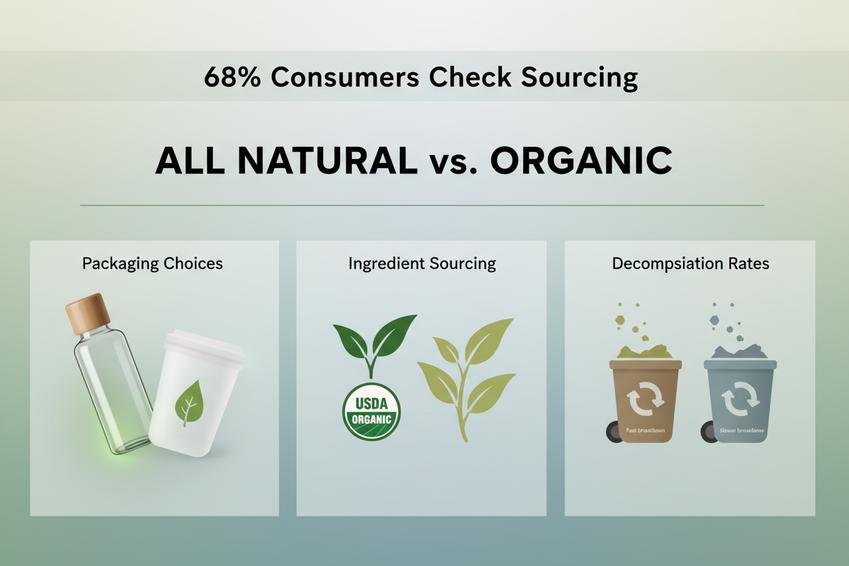
Quick heads-up: this one’s all about clearing up the mix-up between “all natural” and “organic.” Spoiler alert—there’s more going on behind those labels than you think.
The role of materials: Glass vs. Recycled plastic in packaging
- Glass is classy, durable, and gives off a premium vibe. But it’s heavy, which means more fuel during shipping.
- On the flip side, recycled plastic is lightweight and reduces carbon emissions in transport.
- ♻️ If you’re looking at sustainability goals, both have pros—but it’s all about context.
Topfeel uses a blend of both depending on the product line. That balance helps reduce overall environmental impact while keeping packaging practical and stylish. When comparing all natural vs organic skincare lines, even the glass pump bottle matters.
Ingredients: Understanding the difference in sourcing methods
- Organic ingredients are grown without synthetic pesticides or fertilizers—certified by strict regulatory bodies like USDA or COSMOS.
- All-natural ingredients, though less regulated, still avoid artificial additives but may not be certified as organic.
- Traceability often defines trust here—knowing where your raw materials come from is key.
According to Mintel’s 2024 Global Beauty Report, over 68% of consumers now check ingredient sourcing before buying skincare products. That tells you how much people care about what’s actually inside their jars when choosing between organic and natural options.
Decomposition rates: Exploring biodegradable vs. compostable options
• Compostable = breaks down into nutrient-rich soil under specific conditions (like industrial composting facilities).
• Biodegradable = eventually breaks down naturally but might leave residues depending on material type.
The difference? Timing and aftermath. A biodegradable package might take years if tossed in regular trash; a compostable one could vanish cleanly within months—with the right setup.
When brands label their products “eco-friendly,” knowing if it’s truly compostable or just vaguely biodegradable makes a huge difference—especially for fans of all natural vs organic beauty who want every part of their purchase to align with their values.
The Surprising Truth Behind All Natural vs Organic
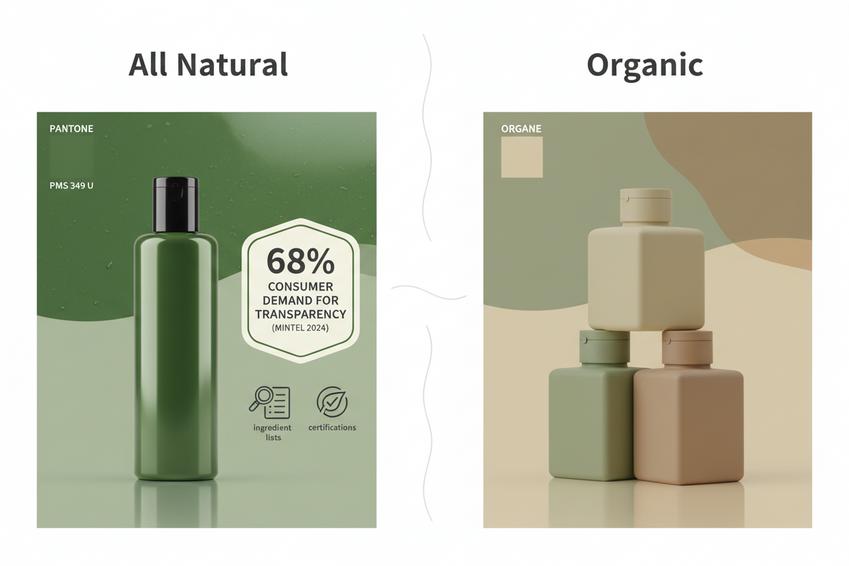
Turns out, not all “natural” things are created equal—and the same goes for “organic.” Let’s unpack the fine print that makes a big difference.
The hidden power of UV coating vs. Soft-touch coating
- UV coating gives products a glossy punch that screams durability and polish.
- In contrast, a smooth-as-butter finish from a soft-touch coating feels upscale and modern.
- Eco-conscious brands often lean toward biodegradable or water-based options to keep coatings planet-friendly.
Here’s the kicker: while UV finishes attract attention on shelves, soft-touch textures spark emotional connections—especially in the world of skincare and wellness where touch matters.
So when it comes to packaging for an “all natural” or “organic” product, choosing between these two isn’t just about looks—it’s about how you want people to feel when they pick it up.
Color choices: Pantone colors vs. Custom colors in branding
→ Step 1: Start by defining your brand’s emotional tone—calm, bold, earthy? That sets the color direction.
→ Step 2: Use standardized systems like Pantone colors if consistency across batches is critical—especially for global distribution.
→ Step 3: Want something totally unique? Go with custom shades that blend multiple tones for an ownable identity.
→ Step 4: Pair your selection with visual cues that reflect “all natural” or “organic” values—think muted greens or warm neutrals.
Color isn’t just decoration; it tells your story before someone even reads the label.
The significance of labeling: Transparency in cosmetics
According to Mintel’s Global Beauty Report from early 2024, over 68% of consumers now say they won’t buy skincare unless ingredients are clearly disclosed.
This shift is huge—and it’s why clear, honest labeling is no longer optional if you’re marketing anything as “all natural” or “organic.”
Labels should include:
- Full ingredient lists
- Source origins (e.g., wild-harvested vs lab-derived)
- Certifications like USDA Organic or COSMOS
- Processing methods used
When buyers see transparency on labels, they trust what they’re putting on their skin—and they come back for more.
Sustainable shapes: Cylindrical vs. Square for eco-friendly appeal
• Brands aiming to reduce waste often choose packaging shapes based on material efficiency and shipping optimization.
• A classic cylindrical design tends to use less surface area per volume but may leave dead space during transport.
• On the flip side, a compact and stackable square design helps maximize pallet loads and shelf space.
• For products labeled as “all natural” or “organic,” shape subtly reinforces sustainability cues without saying a word.
• Bonus tip? Consumers associate symmetrical lines with order and cleanliness—a psychological win in cosmetic branding.
Ultimately, whether you go round or square might depend less on aesthetics and more on how green you’re trying to be—from production line to recycling bin.
Differences Between Organic and All Natural Products
Let’s break down how “organic” stacks up against “all natural.” You might be surprised at what really matters.
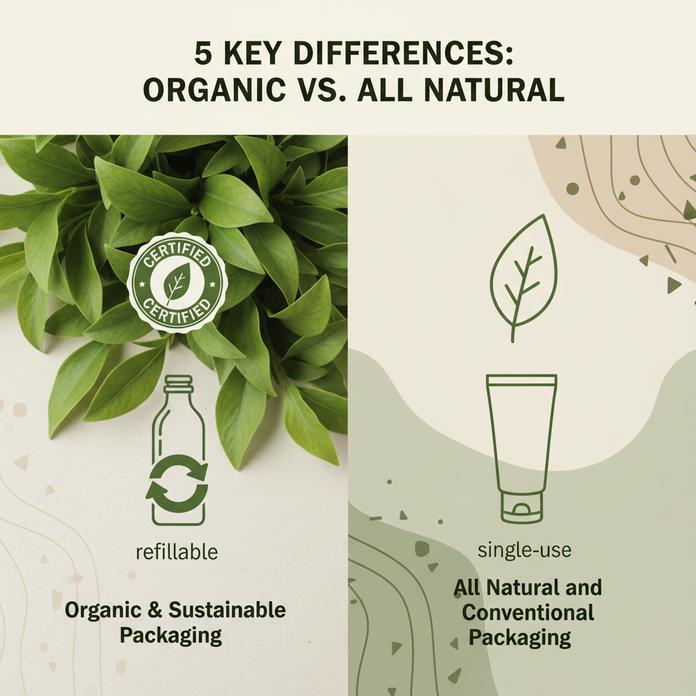
Ingredient sourcing practices: Organic farms vs. All natural collections
- Organic certification ensures that ingredients are grown without synthetic pesticides or GMOs.
- In contrast, natural sourcing emphasizes minimal processing but lacks strict regulation.
- Sustainable farming is central to organic, while all-natural often leans into traditional harvesting methods.
Organic ingredients come from certified farms with traceable standards. All-natural? It’s more about what’s left out than how it’s grown. That difference in ingredient origin can impact both quality and trust.
Packaging components: Jars vs. Tubes for effectiveness
- Jars offer wide openings—great for scooping but not always the cleanest.
- Tubes keep things tidy, reducing contamination and extending shelf life.
- From a product preservation standpoint, tubes usually win—especially when you’re on the go.
The choice between jars and tubes boils down to hygiene vs access. Want easy reach? Go jar. Prefer no-mess convenience? Tube it is.
Recycling standards: Refillable options vs. Single-use packaging
• Refillable designs align with circular economy goals—less trash, more reuse
• Single-use items dominate shelves for now but contribute heavily to landfill waste
• Brands pushing sustainable packaging, like refill pods or bulk stations, are gaining traction
| Packaging Type | Waste Reduction Score | User Convenience | Avg Lifespan (Uses) |
|---|---|---|---|
| Refillable Glass | 9/10 | Moderate | 50+ |
| Plastic Tube | 4/10 | High | 1 |
| Compostable Pouch | 7/10 | Medium | 1–2 |
Eco-conscious shoppers are shifting toward refill systems—not just for ethics but for long-term cost savings too.
Decoration techniques: Hot stamping vs. Screen printing
“Hot stamping adds glam—but screen printing sticks around longer,” said Mintel Research in their April 2024 beauty packaging report.
Screen printing uses thick ink layers that resist wear and tear—ideal for humid bathrooms or travel kits where durability matters most. On the flip side, hot stamping gives products that luxe metallic shine consumers adore.
For brands aiming to balance bold design with longevity in branding elements, understanding these two methods is key to nailing your packaging game.
Coating types: Matte finish vs. Glossy finish for aesthetics
Matte finishes feel velvety smooth and scream sophistication—they absorb light and give off serious boutique vibes.
Glossy coatings reflect light like crazy; they’re flashy, vibrant, and often found on mass-market products looking to pop off shelves fast.
Both finishes play into different parts of consumer psychology around product branding—matte appeals to exclusivity while glossy shouts energy and fun.
So if you’ve ever wondered why some skincare feels more premium than others before even opening it—it might just come down to that final layer of shine or softness on the outside.
How to Choose Between Organic and All Natural for Your Brand
Choosing between organic and all natural claims can shape your brand identity, packaging, and customer trust. Let’s break down how each direction impacts your product story.
Navigating sustainability: PCR material versus conventional materials
♻️ You’re not just picking between PCR material and conventional materials—you’re deciding how loud your sustainability message shouts.
• PCR material is made from recycled plastics, helping brands cut down on virgin plastic use. It plays directly into reducing environmental impact.
• On the flip side, conventional materials are easier to source but come with a heavier carbon footprint.
• Choosing PCR boosts your alignment with a circular economy, while conventional options may reduce cost but increase long-term waste.
Now here’s the real kicker—if you’re going for an “all natural vs organic” vibe in your branding, using recycled content like PCR can make that eco-conscious image feel way more authentic. Topfeel uses this strategy to balance green values with premium product appeal.
Aesthetic preferences: Metallic colors vs. Pearlized colors for visual impact
You’ve got two finish lines: shiny or soft. Both speak volumes about your brand’s style.
- Metallic colors scream high-tech glam—think futuristic shine that catches every eye on the shelf.
- Meanwhile, pearlized colors offer a subtler glow—a creamy shimmer that feels more earthy and refined.
- If you’re positioning yourself as “organic,” pearl tends to match better with clean beauty cues.
- But if you’re leaning “all natural,” metallics can modernize that rustic feel without losing credibility.
- The choice also affects perceived value—metallic often reads as luxe; pearl as calm and pure.
- Packaging design isn’t just about looks—it defines your whole vibe in seconds flat.
- Whether you go bold or soft depends on how you want customers to emotionally connect with what’s inside.
The right finish reinforces everything—from brand identity to where you sit in the ongoing “all natural vs organic” conversation.
FAQs
What is the main difference in ingredient sourcing for all natural vs organic cosmetics?
- Organic products stem from certified farms that honor soil health and avoid synthetic pesticides.
- All natural lines focus on keeping raw materials close to their original form, even if farming methods aren’t certified.
The choice influences brand trust—organic feels like a promise, while all natural feels like a philosophy.
How should color choices be approached when building a distinct brand identity?
| Color Type | Emotional Cue | Best Use Cases |
|---|---|---|
| Pantone colors | Precise & professional | Consistent branding across bottles, jars, compacts |
| Custom colors | Unique & personal | Seasonal collections or limited-edition tubes |
| Metallic colors | Modern & bold | Hot stamping accents on aluminum applicators |
| Pearlized colors | Soft elegance | Water-based coating over oval or cylindrical jars |
Colors whisper your story before anyone reads the label.
In terms of sustainability, what’s better: biodegradable or compostable materials? (all natural vs organic perspective)
◦ Biodegradable packaging—paperboard tubes or recycled plastic bottles—returns harmlessly to nature with time.
◦ Compostable styles—bamboo jars or PCR material compacts—actively enrich soil after breakdown.
Organic brands often lean into compostables as it ties directly to regenerative earth cycles; all natural can adopt both depending on product narrative.
Why choose jars over tubes when buying cosmetic packaging in bulk?
- Jars invite tactile connection; scooping cream from glass with soft-touch coating feels indulgent.
- Cylindrical bamboo jars suit refillable programs that build loyalty through repeated use.
- Tubes protect lightweight lotions during transport but lack the drama of hot-stamped metallic lids found in premium jar designs.
References
- [The differences between natural and organic cosmetic products – SOPHIM – https://www.sophim.com/en/difference-organic-natural-cosmetics/]
- [US Ingredient Trends in Beauty Report 2024 | Mintel Store – https://store.mintel.com/report/us-ingredient-trends-in-beauty-market-report-2024]
- [Visual Branding & Packaging Trends 2026 – XJ Beauty – https://www.xj-beauty.com/blog/visual-branding-packaging-trends-2026]
- [Fastest Biodegradable Material that Can Be a Game-Changer for Reducing Plastic Waste – https://made-with-regen.ca/blog/fastest-biodegradable-material/]
- [Soft Touch Coating Vs Soft Touch Lamination For Packaging – Box Agency – https://boxagency.co/blog/soft-touch-coating-vs-soft-touch-lamination/]
- [How PCR Packaging Improves Sustainability, and Builds Trust – Meyers Printing – https://meyers.com/meyers-blog/pcr-product-packaging-benefits-for-brands/]

