 English
  English (UK)
  English (Australia)
  English (Canada)
  العربية
  Deutsch
  Italiano
  Español de México
  Tiếng Việt
  ไทย
ไทย  Português do Brasil
  Français
  Български
  Čeština
  Dansk
Dansk  Ελληνικά
  Eesti
Eesti  Suomi
Suomi  Magyar
  Bahasa Indonesia
  Lietuvių kalba
  Latviešu valoda
  Norsk bokmål
  Nederlands (Formeel)
  Polski
  Română
  Русский
  Slovenčina
  Slovenščina
  Svenska
  Türkçe
  Українська
  简体中文
简体中文  日本語
日本語  한국어
한국어  繁體中文
繁體中文 
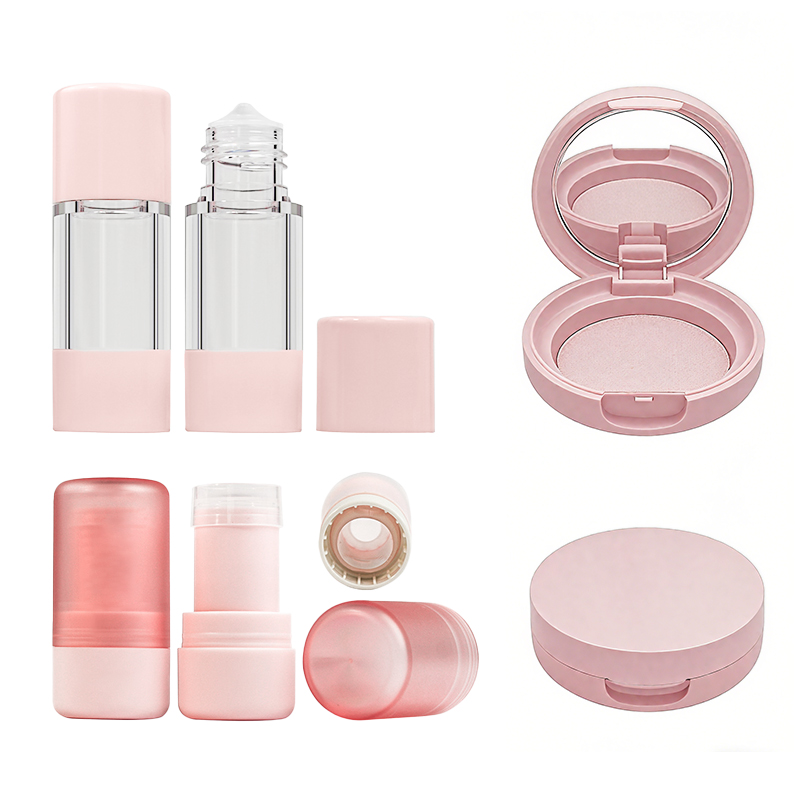
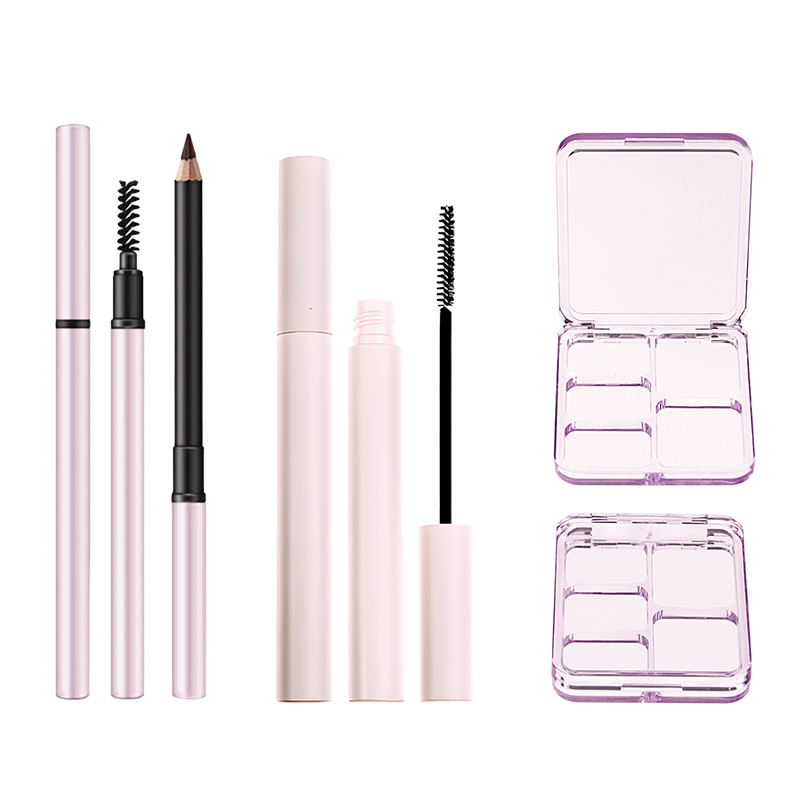
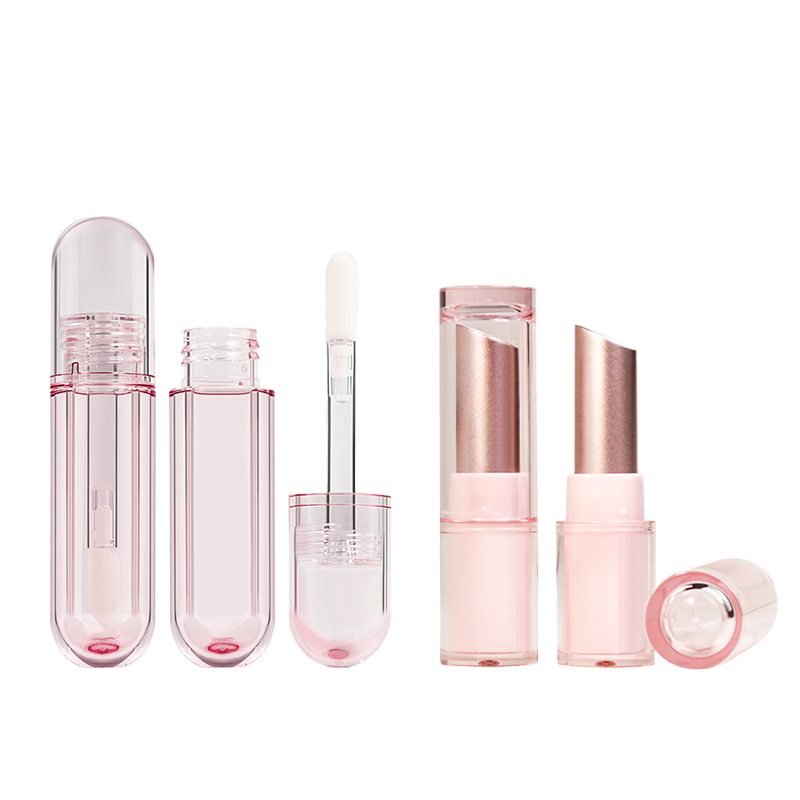

How to Design Makeup Packaging
January 28,2026
According to McKinsey’s 2023 Beauty Report, nearly 70% of consumers say packaging influences their purchasing decision—especially when sustainability and design collide.
So if you’re sourcing for bulk orders or building out SKUs like a boss, buckle up—this guide’s got the goods on what really makes makeup packaging move off shelves and into carts.
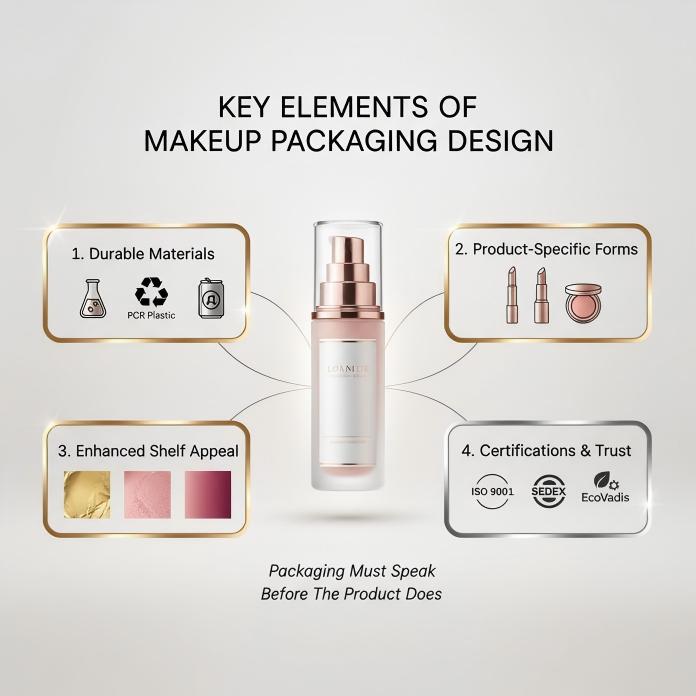
Key Elements of Makeup Packaging Design
Nailing makeup packaging isn’t just about good looks—it’s a blend of smarts, materials, and knowing your crowd. Let’s break it down.
Essential materials for durable makeup packaging
Quick hits on what makes your lipstick tube or compact case last:
• Glass is sturdy and gives that premium feel, but it’s heavier. • Plastic—especially PCR materials—balances weight and sustainability. • Aluminum wins on both durability and recyclability.
Each material has its own vibe, so picking the right one depends on how you want folks to feel when they hold your product.
Choosing the right packaging type for different products
Here’s how to match the package with the product:
- Lipsticks? Go with twist-up tubes that click shut.
- Foundations need airtight pumps or dropper bottles to keep bacteria out.
- Powders like blushes or bronzers? Magnetic compact containers work best.
Designing smart means each product gets a home that fits its needs—and feels good doing it.
Innovative decoration techniques to enhance shelf appeal
Want shoppers to stop scrolling—or strolling—and stare? Try these:
- Hot stamping adds metallic shine that screams luxury.
- Embossing gives texture you can actually feel.
- Screen printing keeps branding crisp even after months of use.
- Gradient sprays + matte finishes = visual drama without overkill.
As noted by Mintel’s Beauty Packaging Trends Report from early 2024, “Consumers now expect tactile and visual storytelling from their cosmetics—packaging must speak before the product does.” That’s where Topfeel shines, blending detail with function like a boss.
Importance of compliance certifications in packaging design
Getting creative is cool—but only if it plays by the rules.
Certifications like ISO 9001, SEDEX audit, and an EcoVadis rating aren’t just paperwork—they’re proof you’re serious about safety, ethics, and sustainability. Skipping them can mean fines or worse—a recall nightmare.
So while you’re figuring out how to design makeup packaging that’s cute AF, don’t forget the legal side. It’s what keeps your brand trusted—and on shelves worldwide.
The Importance of Functionality in Makeup Packaging Design
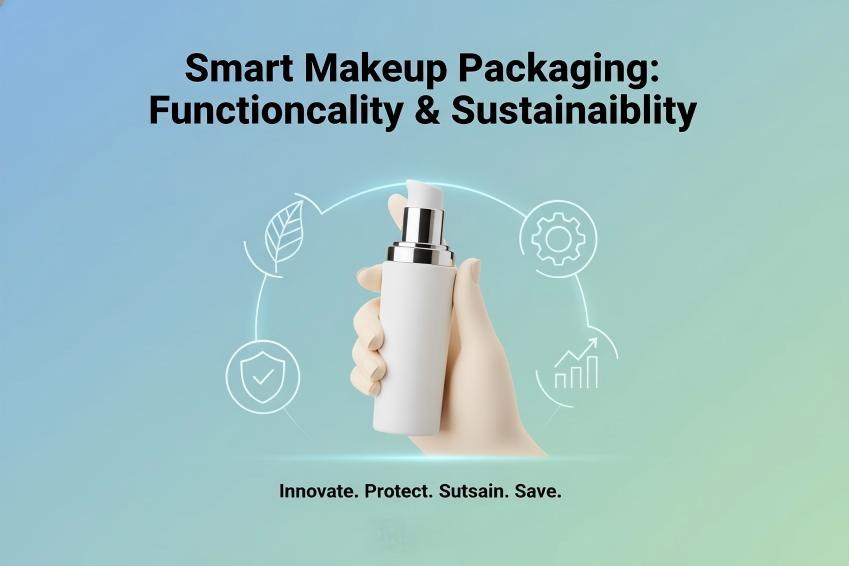
Smart packaging isn’t just about looking good—it’s got to work well too, especially when it comes to makeup.
User-friendly features: Refillable packaging vs. single-use containers
-
Refillable packaging:
- Cuts down on waste and supports sustainability
- Often made with stronger, more durable materials
- Offers long-term cost-effectiveness
-
Single-use containers:
- Handy for travel or quick use
- Typically lower upfront cost
- May lack recyclability, leading to more landfill waste
When deciding how to design makeup packaging, it helps to consider how often the consumer will use the product and their lifestyle habits.
Ergonomic design elements for lipstick tubes and mascara bottles
- Lipstick tubes should offer a solid grip, even with slippery hands.
- Mascara wands need an intuitive shape—angled or curved—for better control.
- Both products benefit from a smooth opening mechanism that doesn’t require force.
Designing for comfort means tapping into everyday routines and making sure users don’t have to fumble around every morning.
Eco-friendly shipping terms for sustainable packaging solutions
☑ FOB Shanghai works well if you’re sourcing locally in Asia while cutting emissions on shorter routes.
☑ DDP warehouse delivery ensures all customs and duties are sorted ahead—less back-and-forth, less carbon footprint.
☑ Bulk shipments in recyclable cartons minimize both cost and environmental impact.
These terms aren’t just trade talk—they’re part of how to design makeup packaging that respects both business efficiency and the planet.
Material Selection for Functional Makeup Packaging
Choosing the right stuff isn’t just about looks—it’s about performance:
- Must be highly durable yet lightweight enough for portability
- Needs solid barrier properties against air, light, or moisture
- Should align with brand goals around sustainability
- Has to support product integrity through proper chemical compatibility
The right material keeps formulas fresh longer without compromising on eco-consciousness or user convenience.
Ergonomics and User Experience in Packaging
Short bursts of insight show what users really care about:
• If it slips out of your hand mid-use? Fail. • Can you open it one-handed? Win. • Does it feel good when you hold it? That’s your tactile moment. • Is it small enough for a purse but big enough not to get lost? Balance is key. • Does the cap click shut so you know it’s sealed? That’s trust built into design.
These human-centered choices are at the core of how to design makeup packaging that people love using every day.
Protection, Preservation, and Product Integrity
Here’s what smart brands focus on when locking down quality:
- Leak-proof seals prevent messes—nobody wants foundation all over their bag
- UV-blocking layers preserve pigments from fading over time
- Air-tight closures extend shelf life by limiting oxidation
- Tamper-evident designs build consumer trust instantly
- Shock-resistant containers protect fragile formulas during transit
Every one of these details adds up when thinking about how to design makeup packaging that holds up under pressure—literally and figuratively.
Dispensing Mechanisms and Application Functionality
Let’s break down some common systems by function:
🟢 Pump Dispensers: Great for foundations; allow precise dosage without contamination—clean hands stay clean!
🟣 Droppers: Perfect for serums; they give you total control over release rate while keeping things hygienic inside the bottle.
🔵 Sprays: Ideal for setting mists; cover wide areas quickly with minimal waste thanks to controlled release valves.
🔴 Applicators: Think lip glosses or concealers—they’re mess-free tools built right into the package itself, upping ease-of-use tenfold.
When you’re figuring out how to design makeup packaging that performs as great as it looks, these mechanisms are where form meets function head-on.
How to Incorporate Brand Identity Into Makeup Packaging
Every little detail in your packaging tells your brand’s story—so make it unforgettable. Here’s how to pack your identity into every product you send out.
Custom label application techniques that reflect brand essence
• Use unique designs like hand-drawn illustrations or foil textures that echo your brand personality. • Materials matter—go for textured paper or transparent film for a tactile punch. • Die-cut shapes can mirror your brand story, whether it’s edgy, elegant, or earthy.
- Choose label materials aligned with your mission statement (e.g., matte vs gloss).
- Match label shape and placement with the product’s form factor for visual harmony.
- Ensure print quality complements the overall tone of voice—bold fonts for bold brands, soft hues for gentle care lines.
✦ Labels aren’t just stickers—they’re silent ambassadors of your vibe.
A small lipstick tube wrapped in a custom label using metallic embossing can instantly scream premium without saying a word. That’s the power of thoughtful design when learning how to design makeup packaging effectively.
Highlighting brand values through sustainable material choices
♻️ Brands pushing eco-consciousness must walk the talk through their packaging materials.
- Biodegradable tubes made from bamboo or sugarcane
- Containers crafted from PCR plastic
- Recyclable cartons printed with soy-based ink
These aren’t just trends—they’re statements about your brand values and where you stand on environmental responsibility.
Topfeel uses refillable compacts and FSC-certified paperboard boxes, showing that beauty doesn’t have to cost the earth—literally or figuratively. It’s a smart move if you’re figuring out how to design makeup packaging while staying green.
The role of decorative finishes, like embossing and hot stamping
Decorative finishes give off instant vibes—luxury? Minimalism? Playfulness? Let them do the heavy lifting:
Grouped by Finish Type:
- Embossing/Debossing: Adds texture; great for logos and enhancing tactile appeal.
- Hot Stamping: Metallic foils catch light and attention; ideal for high-end vibes.
- UV Spot Gloss: Highlights specific elements like product names or taglines. Grouped by Brand Impact:
- Reinforces premium feel
- Elevates shelf presence
- Enhances perceived value at first glance
These touches subtly communicate your positioning without being loud—an essential tactic when exploring how to design makeup packaging that sells itself visually before anyone even opens it.
Utilizing color and design elements to align with brand image
Color isn’t decoration—it’s communication on sight:
🟡 Warm tones = friendly, approachable energy 🔵 Cool shades = calm sophistication 🟣 Jewel tones = luxury & depth
Design-wise:
- Stick close to your established color palette from the get-go.
- Use consistent font selection across all lines—from mascara tubes to lip gloss boxes.
- Incorporate repeating motifs or patterns as part of broader graphic elements strategy.
| Color Family | Emotional Cue | Best For | Example Use Case |
|---|---|---|---|
| Neutrals | Trust & Simplicity | Skincare & Clean Beauty | Matte beige compact cases |
| Bold Reds | Passion & Power | Lipsticks & Drama Lines | Glossy red carton edges |
| Pastels | Softness & Femininity | Baby skin products | Blush pink tube labeling |
When figuring out how to design makeup packaging that truly clicks with buyers, don’t underestimate what colors can say before words ever do.
FAQs about How to Design Makeup Packaging
1. How to design makeup packaging that lasts while staying eco-responsible?
Durability begins with clever material mix: recycled plastic keeps cost practical, while glass bottles and aluminum casing communicate permanence.
- Biodegradable material or PCR plastic enhances the sustainable appeal.
- Mono-material design ensures easy sorting once used up.
Balance beauty with conscience—this dual charm often wins loyal customers at first touch.
2. Which packaging type suits different cosmetic formulas best?
| Product Type | Ideal Packaging | Key Advantage |
|---|---|---|
| Pressed powders / blushes | Compact containers | Protects delicate surfaces, travel friendly |
| Creamy foundation | Foundation jars | Easy access with airtight sealing |
| Colored lips / mascara lines / eyeliners | Lipstick tubes, Mascara bottles, Eyeliner pens | Ergonomic use, controlled application |
Durable hinges or smooth rotation mechanisms make each gesture feel intentional and refined.
3. What decorative techniques can create an emotional shelf impact?
Short description + bullet point structure: every stroke on the surface becomes a silent storyteller.
• Hot stamping radiates light where luxury meets minimalism.
• Screen printing builds texture under fingertips for tactile memory recall.
• Embossing design turns logos into subtle relief artforms highlighting brand authenticity.
• Metallization finish catches attention beneath store lighting; paired label application anchors clarity of message.
Such decoration turns regular containers into miniature artworks carried in handbags everywhere.
4. Which certifications confirm reliability when choosing suppliers?
Think of these marks as invisible seals of trust across global markets:
- ISO 9001 certified: stable quality management behind every production run;
- SEDEX audit & GMP compliance: ethics and hygiene shaping responsible supply chains;
- EcoVadis rating & REACH compliance: verified environmental safety ensuring materials stay consumer-safe from EU regions to Asia counters.
Together they whisper assurance even before unboxing occurs.
5. How do shipping and payment terms reflect thoughtful sustainability planning?
Containers may look small but logistics leave their own footprint—choosing right terms brings clarity:
☑ FOB Shanghai gives control after port dispatch; CIF destination port simplifies freight budgeting during overseas runs; DDP warehouse secures seamless customs release ready-to-stock shelves instantly.
References
[1] The beauty market in 2023: A special State of Fashion report – https://www.mckinsey.com/industries/retail/our-insights/the-beauty-market-in-2023-a-special-state-of-fashion-report
[2] The Future of Beauty Packaging: Here’s What Brands Need to Know | Mintel – https://www.mintel.com/insights/packaging/the-future-of-beauty-packaging/
[3] ISO 9001 Quality management – https://www.iso.org/iso-9001-quality-management.html
[4] SMETA Audits vs In-house social compliance audits – Sedex – https://www.sedex.com/blog/smeta-vs-inhouse-audits/
[5] What is Ecovadis, and what is its ESG rating? – PlanA.Earth – https://plana.earth/academy/ecovadis

