 English
  English (UK)
  English (Australia)
  English (Canada)
  العربية
  Deutsch
  Italiano
  Español de México
  Tiếng Việt
  ไทย
ไทย  Português do Brasil
  Français
  Български
  Čeština
  Dansk
Dansk  Ελληνικά
  Eesti
Eesti  Suomi
Suomi  Magyar
  Bahasa Indonesia
  Lietuvių kalba
  Latviešu valoda
  Norsk bokmål
  Nederlands (Formeel)
  Polski
  Română
  Русский
  Slovenčina
  Slovenščina
  Svenska
  Türkçe
  Українська
  简体中文
简体中文  日本語
日本語  한국어
한국어  繁體中文
繁體中文 
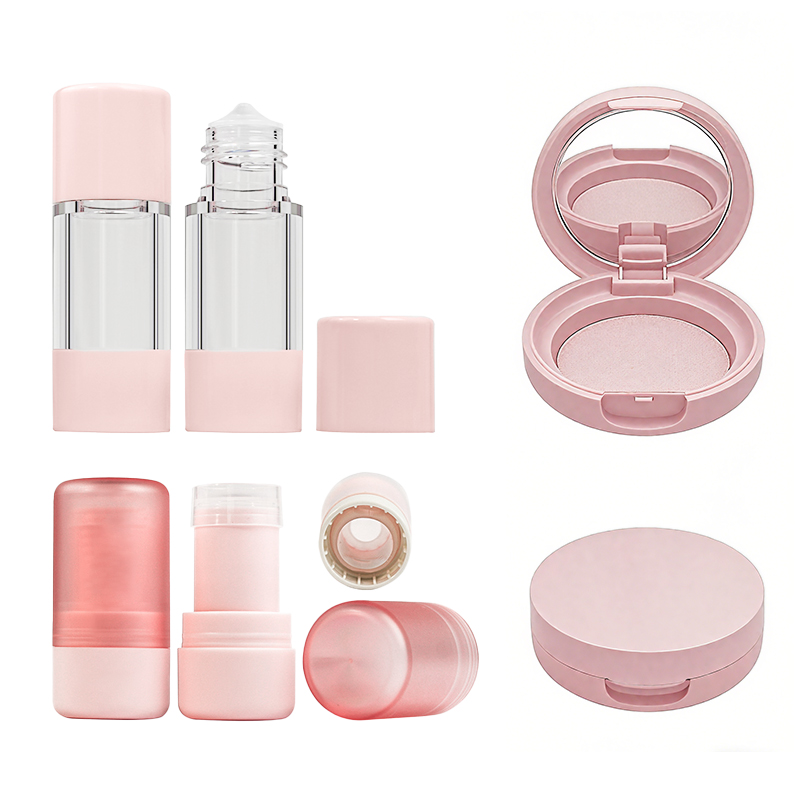
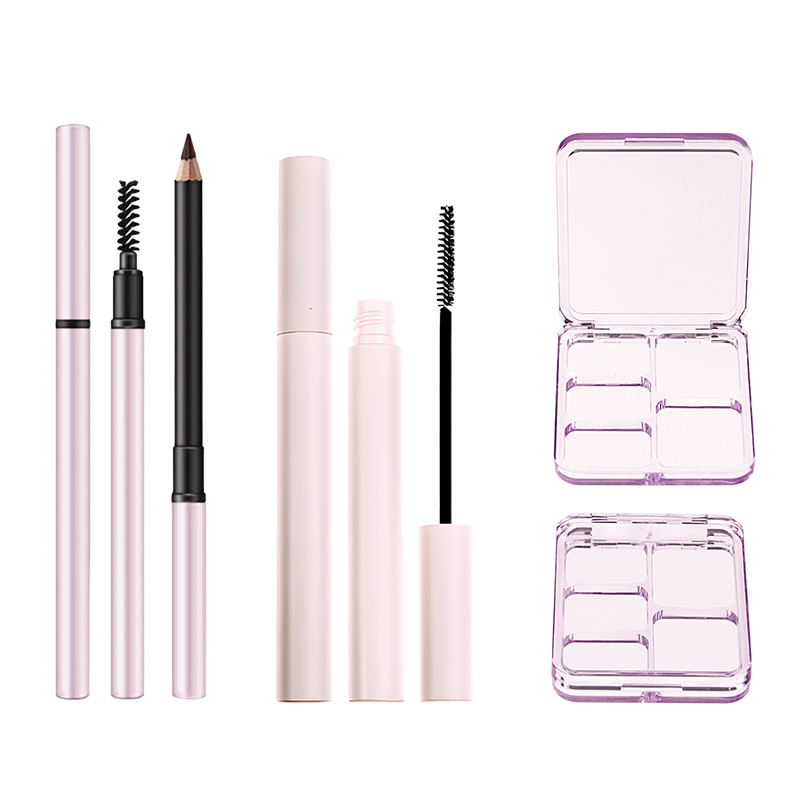
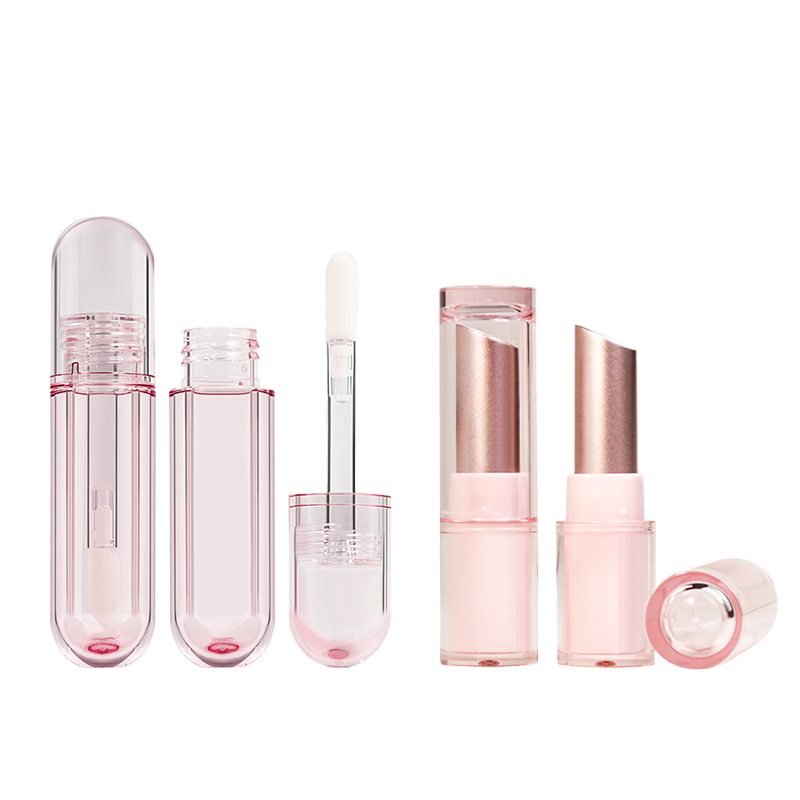

What are the components of mono-material in cosmetics?
January 23,2026
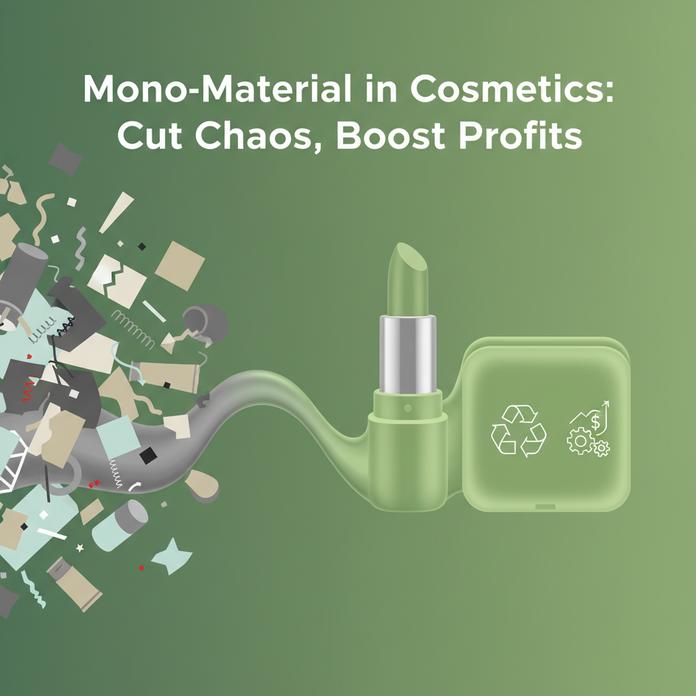
Cracking open the beauty cabinet of modern cosmetics is a bit like rummaging through your grandma’s attic—there’s stuff everywhere, and not all of it makes sense. Buyers today are asking, What are the components of mono-material? And for good reason. Big brands are tired of juggling Frankenstein packaging that can’t be recycled or costs too much to produce in bulk. Mono-material means less mess—compact cases made from one plastic type, lipstick tubes that play nice with sorting machines, and mascara containers that don’t throw a wrench into sustainability claims.
This isn’t just about going green—it’s about staying sane in supply chains. When you stick to single-origin plastics like PET or polypropylene, you’re not just making Mother Earth smile—you’re making procurement smoother and compliance way less stressful. It’s clarity in a cluttered world—and yep, your bottom line just high-fived you.
Understanding Mono-Material in Cosmetics
Mono-materials are changing the game in beauty packaging. Here’s how different plastics play their part in making packaging for cosmetics more sustainable and easier to recycle.
Understanding Polypropylene in Cosmetic Packaging
- Polypropylene is a go-to material because it’s:
- Resistant to heat and chemicals
- Lightweight yet strong
- Easy to mold into various cosmetic shapes like lipstick tubes and compact cases
- It supports mono-material design goals by reducing mixed plastic use.
- Since PP can be melted and reused multiple times, it’s ideal for recycling loops.
- Many brands now choose polypropylene for its cost-efficiency and durability.
- It’s often paired with colorants or finishes but still maintains recyclability if kept pure.
The Role of PET in Mono-Material Structures
• PET, or polyethylene terephthalate, is crystal-clear—literally. That’s why it shows up in sleek mascara tubes and powder jars.
• It fights off oils, alcohols, and acids found in cosmetics without degrading.
• Because it’s lightweight but tough, designers love it for travel-friendly products.
Here’s a quick comparison showing why PET rocks the mono-material world:
| Property | PET | PP | ABS |
|---|---|---|---|
| Transparency | High | Low | Medium |
| Recyclability | Excellent | Good | Moderate |
| Chemical Resistance | Excellent | Good | Fair |
| Common Use | Bottles, Jars | Tubes, Compacts | Pens, Lipsticks |
• When kept as a single plastic type, PET packaging slides right into standard recycling streams—no fuss.
ABS Plastic: Strength and Versatility in Makeup Containers
ABS isn’t just some random plastic—it’s the tough one that holds its shape when tossed inside your makeup bag.
- Group A – Physical Perks:
- Strong impact resistance so it won’t crack easily
- Smooth surface makes printing logos easy
- Group B – Design Flexibility:
- Can be molded into intricate shapes like eyeliner pens
- Takes color well without fading over time
- Group C – Functional Fit:
- Often used with click mechanisms thanks to its stiffness
- Works well as part of cosmetic packaging that needs precision
Even though it’s not as recyclable as others like PP, many brands still use ABS plastic because of its unbeatable combo of strength and style.
The Use of PCR Plastic for Sustainable Cosmetic Solutions
Post-consumer recycled (PCR) plastics are giving old materials new life—and helping beauty brands clean up their act.
- It starts with collecting used plastic bottles or containers.
- These get sorted, cleaned, shredded down into pellets.
- The pellets are then melted into new forms—like skincare jars or lotion pumps.
- Result? Less landfill waste and lower carbon emissions during production.
You’ll find PCR-based packaging mostly in eco-conscious lines trying to reduce environmental impact while keeping things chic. And since it supports a circular economy model, using PCR plastic helps answer the big question: “What are the components of mono-material?”—with sustainability front-and-center every step of the way.
Identifying the Key Components in Mono-Material Cosmetics
Understanding what are the components of mono-material packaging helps brands simplify recycling, cut costs, and stay eco-conscious without losing style or performance.
Compact Cases: Essential Features and Materials
When breaking down mono-material compact cases, several core features and materials come into play:
- Polypropylene (PP): A go-to material for its lightweight feel, solid durability, and high recyclability.
- Acrylonitrile Butadiene Styrene (ABS): Offers a sleek finish with good impact resistance—perfect for mirror compacts.
- Snap Closures: Functional yet simple; these eliminate the need for metal hinges or magnets.
- Mono-injection Molding: Helps keep the entire component uniform in material composition.
- Minimal Inserts: Reducing or eliminating inner trays ensures better recyclability.
- Matte or Glossy Finishes: Achieved without adding extra coatings that could complicate recycling.
These elements show up consistently across brands aiming to answer the question, “what are the components of mono-material?”—and do it with flair.
Custom Color Matching for Lipstick Tubes
Color customization isn’t just about aesthetics—it’s branding at its boldest. Here’s how lipstick tubes get their visual punch while sticking to mono-material goals:
- Brands select a base resin like polypropylene, known for taking pigment well without compromising recyclability.
- Custom shades are matched using either Pantone codes or lab-developed swatches to align with brand identity.
- Transparent finishes? Totally doable with clarified PP resins that offer crystal-like clarity without mixing materials.
- Opaque options? Easily achieved through masterbatch coloring during injection molding.
✦ According to Euromonitor’s packaging reports, many beauty startups now prioritize mono-material lipstick designs as part of their sustainability pledge.
So when you’re wondering “what are the components of mono-material” lipstick packaging, think beyond shape—it’s color chemistry meeting clean design.
Standard Color Options in Mascara Containers
Mascara containers may look simple—but behind that sleek tube lies clever material thinking:
- Black & White Classics
- Timeless shades made from fully recyclable PP or PETG plastics
- Easy to match across product lines without secondary processing
- Metallic Effects
- Achieved via vacuum metallization on compatible substrates like ABS
- Still mono if no mixed coatings are added
- Transparent Barrels
- Let users see fill level while keeping things single-resin
- Often used in trial-size mascaras or limited editions
Each design choice answers part of what makes up “the components of mono-material” mascara packaging—and why it’s becoming a standard rather than an exception.
In this space where function meets form, Topfeelpack has become a quiet powerhouse—offering ready-to-go solutions that don’t mess around with complexity but still scream premium quality.
3 Benefits of Using Mono-Material in Cosmetics
Mono-material packaging is changing the game for beauty brands aiming to stay green, cut costs, and look sleek all at once.
Streamlined Recycling: The Advantage of Single Material Use
- Easier sorting: No need to separate layers—recycling centers love that.
- Higher recycling rates: Consumers are more likely to recycle when it’s simple.
- Less contamination risk: Mixed materials often end up trashed due to sorting errors.
When asking what are the components of mono-material?, it’s mainly about using a single substance like polypropylene, which helps avoid composite waste entirely. That simplicity keeps things clean and recyclable.
Cost Efficiency Through Simplified Cosmetic Packaging Solutions
01. Reduced tooling complexity – Since there’s only one material involved, production tooling becomes straightforward and cheaper.
02. Less inventory clutter – Fewer material types mean fewer SKUs to manage across the supply chain.
03. Lower transportation costs – Lightweight mono-materials cut shipping weight, which adds up fast over time.
So if you’re wondering what are the components of mono-material?, think uniform plastics like PET, which streamline everything from mold-making to logistics.
Enhanced Brand Appeal with Matte Finish Options
• Sleek matte coating = instant premium vibe
• Consistent texture = elevated shelf presence
• Soft-touch feel = tactile luxury
Brands leaning into mono-materials can still flaunt personality—especially with a matte finish that screams modern elegance without losing recyclability points. It all comes down to how those components of mono-material work together for both form and function.
Why Mono-Material Packaging Aligns with Global Sustainability Goals
A recent report from McKinsey & Co. emphasized that “mono-material solutions will dominate sustainable packaging by mid-decade due to their recyclability and lifecycle efficiency”.
That shift is happening because:
- Global regulations are tightening on mixed-plastic formats.
- Consumer demand for eco-friendly choices is skyrocketing.
- Brands want packaging that reflects their environmental stance without sacrificing design freedom.
Understanding what are the components of mono-material?—like recyclable polymers such as PE or PP—is key to aligning with these growing pressures while staying stylishly relevant.
How Mono-Material Solves Supply Chain Inefficiencies
Short-run production lines benefit massively from single-substrate formats:
Step 1: Design standardization using only one base material like HDPE or PETG
Step 2: Manufacturing becomes faster—no switching between incompatible molds or machines
Step 3: Logistics improve through bulk handling efficiencies
Step 4: Post-consumer collection is simplified since every unit follows the same disposal route
Knowing what are the components of mono-material? helps brands trim fat at every link in their chain—from factory floor to recycling bin.
Customization Possibilities Without Compromising Recyclability
- Caps, bottles, dispensers—all made from matching polymers
- Color options via masterbatch integration instead of paint or foil
- Texture enhancements like embossing without extra layers
- Branding through laser etching instead of adhesive labels
Even though it’s just one material type, there’s no shortage of ways to make packaging pop while keeping things green. That’s where understanding components of mono-material really pays off—less waste doesn’t mean less wow factor!
Consumer Trust Grows with Transparent Sustainability Moves
People care about what they’re buying—and what happens after they toss it out:
• Clear labeling builds trust (“100% recyclable” actually means something)
• Simpler disposal makes customers feel good post-use
• Fewer hidden materials = fewer questions about greenwashing
The beauty industry is moving fast toward transparency, and knowing exactly what are the components of mono-material? gives both consumers and brands peace of mind that they’re doing right by the planet—with zero confusion attached.
The Environmental Impact of Mono-Material Cosmetics
Mono-material cosmetics are shaking up the beauty world, not just for their sleek simplicity but also for their eco-smarts. Here’s how they’re making sustainability a real thing—not just a buzzword.
Sustainable Practices Audited: Ensuring Eco-Friendly Materials
- Eco-certification audits help verify that raw materials meet sustainability criteria.
- Brands increasingly demand proof of FSC-certified, biodegradable, or recyclable sources.
- Supply chains now undergo regular third-party inspections to ensure transparency and accountability.
♻️ When talking about “what are the components of mono-material?”, sustainable sourcing is at the top of the list. These components aren’t just plastic or glass—they’re verified as low-impact and responsibly harvested. That means fewer emissions, less landfill waste, and more closed-loop recycling systems in place.
ISO 9001 Certified Suppliers: Guaranteeing Quality and Safety
- ISO 9001 isn’t fluff—it’s an internationally recognized quality management system standard.
- Suppliers with this certification must follow strict protocols for traceability, consistency, and product safety.
- This ensures that every tube or compact case made from mono-materials holds up under scrutiny—no shortcuts allowed.
When asking “what are the components of mono-material?”, it’s not only about physical ingredients but also about who makes them—and how well they do it. ISO 9001 suppliers bring structure to innovation by ensuring each component is built with reliability baked in.
The Effect of REACH Compliance on Cosmetic Packaging
• REACH compliance filters out over 2000+ hazardous substances from entering cosmetic packaging materials.
• It protects consumers from exposure to toxic chemicals like phthalates and heavy metals often found in mixed plastics.
• For brands using mono-materials, this compliance guarantees that even minimalist packaging doesn’t come with hidden health risks.
The big question—“what are the components of mono-material?”—gets clearer when REACH steps in. It’s not just what’s included; it’s what’s left out that matters too.
| Substance Category | Restricted Under REACH | Common Use in Packaging | Alternative Used in Mono-Materials |
|---|---|---|---|
| Phthalates | Yes | Plasticizers | Bio-based polymers |
| Lead Compounds | Yes | Pigments/Stabilizers | Natural mineral pigments |
| Bisphenol A | Yes | Epoxy resins | BPA-free PET |
| Cadmium | Yes | Colorants | Vegetable-based dyes |
This table shows why REACH isn’t optional—it shapes what goes into your lipstick tube or compact case at a molecular level.
Evaluating RoHS Compliant Materials in Beauty Products
Let’s break this down into three quick-hit insights:
— RoHS compliance restricts six major hazardous elements like mercury and cadmium from being used in cosmetics packaging electronics (think light-up compacts or battery-powered brushes).
— For mono-material products, this means safer recyclability since there aren’t rogue elements complicating disposal processes.
— It’s also a power move for brands trying to hit both environmental targets and EU market entry requirements without breaking a sweat.
So next time you wonder “what are the components of mono-material?”, remember: compliant doesn’t mean boring—it means smarter design choices all around, right down to the circuitry (if any).
FAQs about Mono-Material
What are the components of mono-material cosmetic packaging?
Like a single note in a song, these materials stand alone yet carry strength:
- Polypropylene – resilient and light for compact cases or lipstick tubes.
- PET (Polyethylene Terephthalate) – crystal clarity for mascara containers and powder jars.
- ABS plastic – tough elegance in eyeliner pens or lipstick bodies.
- PCR plastic – recycled grace supporting eco-conscious beauty product packaging.
What are the components of mono-material when applied to lipstick tubes?
Lipstick tubes crafted from one soul–one material:
- Base shell—Polypropylene or ABS plastic, shaped for durability in everyday touch.
- Skin-tone finish—Opaque color choices, transparent options available, Pantone color selection ready to match brand emotion.
- Personality marks—Hot stamping application, silk screen printing, laser engraving possible; each imprint tells its own story.
Why is PET valuable in large-scale cosmetic packaging projects?
♡ PET offers unwavering transparency that lets vivid shades breathe through clear walls; resistant to stains from powders and creams—it keeps makeup packaging components pristine no matter how far they travel across the globe.
What sustainable certifications should suppliers have when providing mono-material cosmetics?
Short description + multi-column table:
Trust is built not only on design but also on proof:
| Certification Type | Human Meaning |
|---|---|
| ISO 9001 certified | Careful quality management ensures every skincare jar feels right in your hand |
| REACH compliance verified | Safety verified so personal care packaging holds no hidden harm |
| RoHS compliant materials | Guards against hazardous elements while still offering glossy finish options |
| Sustainable practices audited | A promise that even mascara containers tread lightly on our planet |
References
- The push for sustainability packaging is real—and complicated | McKinsey & Company – www.mckinsey.com
- The World Market for Packaging | Market Research Report – Euromonitor International – www.euromonitor.com
- Mono Material Packaging: Key to Sustainable Cosmetics – Virospack – virospack.com
- What are the latest innovations in mono-material plastic cosmetic packaging? – apackaginggroup.com
- Why is the Beauty Industry Switching to Mono-material? – ICONS America – icons-america.com
- Guide for Makeup Manufacturers: Ensure Understanding of REACH Regulations – xirancosmetics.com
- Hazardous chemicals found in cosmetic products – All news – ECHA – European Union – echa.europa.eu

