 English (Australia)
  English
  English (UK)
  English (Canada)
  العربية
  Deutsch
  Italiano
  Español de México
  Tiếng Việt
  ไทย
ไทย  Português do Brasil
  Français
  Български
  Čeština
  Dansk
Dansk  Ελληνικά
  Eesti
Eesti  Suomi
Suomi  Magyar
  Bahasa Indonesia
  Lietuvių kalba
  Latviešu valoda
  Norsk bokmål
  Nederlands (Formeel)
  Polski
  Română
  Русский
  Slovenčina
  Slovenščina
  Svenska
  Türkçe
  Українська
  简体中文
简体中文  日本語
日本語  한국어
한국어  繁體中文
繁體中文 

How to Start a Business in Makeup 2026
January 12,2026
Starting a makeup business in 2026 ain’t just about picking cute shades and slapping your name on a lipstick tube. It’s chess, not checkers. If you’ve Googled how to start a business in makeup, chances are you’re juggling brand vibes, packaging drama, and that nagging question: “Will customers even notice me?” Spoiler alert—they will if your product looks the part before they ever try it. Welcome to where hustle meets high-gloss strategy.
By 2027, the global cosmetics market is expected to hit $463.5 billion (Statista), driven by indie brands with bold stories and drop-dead gorgeous packaging. Translation? Your container matters just as much as what’s inside it. Period.
Key Insights for How to Start a Business in Makeup
- Industry Understanding: Analyze current market trends and consumer preferences to strategically position your brand within the competitive landscape.
- Regulatory Compliance: Familiarize yourself with FDA guidelines and safety regulations to ensure your products meet industry standards.
- Unique Selling Proposition: Clearly define what sets your brand apart to attract customers and create lasting impact.
- Budget Planning: Allocate resources efficiently, focusing on sustainable materials and packaging that align with your brand ethos.
- Target Audience: Identify and analyze the preferences of your target customers, focusing on color and design elements that resonate.
- Packaging Choices: Select the right material and form for your packaging, balancing aesthetics and functionality to enhance consumer appeal.
- Launch Strategy: Build anticipation using social media and influencers, while ensuring your packaging for cosmetics creates a memorable first impression.
How to Start a Business in Makeup: A Beginner’s Guide
Starting a makeup business isn’t just about products—it’s about knowing your space and owning your brand.
Understanding the Makeup Industry Landscape
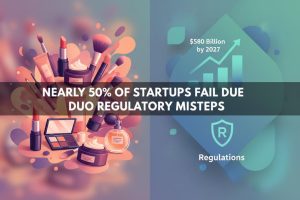
- Market Size & Growth: The global beauty industry is projected to hit $580 billion by the end of 2027, with indie brands carving out serious market share.
- Consumer Behavior Trends:
- Gen Z shoppers care more about ingredient transparency.
- Millennials are loyal to brands with strong ethical values.
-
Men’s grooming and gender-neutral cosmetics are gaining momentum.
- Competitive Dynamics:
- Big names dominate shelf space, but niche players win online.
- Social media virality can make or break new launches.
To truly understand how to start a business in makeup, you need to watch where trends are heading—not just where they’ve been. Keep tabs on market trends, track shifts in consumer behavior, and study both direct and indirect competitors through detailed competitor analysis.
Key Regulations to Consider: Compliance and Safety
✔️ Product safety isn’t optional—it’s the law. Here’s what you’ll need:
- Register your business legally with appropriate authorities (business registration)
- Secure necessary licenses and cosmetic-specific permits based on your state or country regulations
- Follow strict FDA regulations, especially if you’re selling across borders
Also, don’t forget:
- Accurate cosmetic labeling is essential—list all ingredients clearly
- Protect your formulas with proper intellectual property
- Get insured early; liability claims aren’t fun (insurance)
As noted by the Personal Care Products Council’s latest report from March 2024, nearly half of small beauty startups fail within two years due to regulatory missteps—don’t be one of them.
Defining Your Unique Selling Proposition: Stand Out in the Market
Your USP should scream “this is why I exist.” Let’s break it down:
🔹 What makes you different? Maybe it’s vegan-only products or hyper-local sourcing. That’s part of your DNA.
🔹 Who are you talking to? Define that dream customer using real-world data like age range, income level, skin concerns—aka solid demographics work.
🔹 Why would they choose you? Use SWOT thinking: – Strengths = killer product performance or standout packaging – Weaknesses = limited budget? okay, own it with authenticity – Opportunities = underserved niches like hypoallergenic teens – Threats = oversaturation or copycats
In a sea of sameness, finding how to start a business in makeup means making sure people remember why they came back for more—you.
Essential Skills for Aspiring Makeup Entrepreneurs
To run a beauty brand that doesn’t flop after launch day, you’ll need more than just eyeshadow blending skills:
- Solid grasp of product development processes (technical expertise) helps avoid costly reformulations later on
- Basic accounting + budgeting knowledge equals better money moves (business acumen)
- Creative storytelling drives emotional connection—your brand voice matters (creativity)
Also helpful: – Leadership chops for managing suppliers and maybe even staff someday – Social savvy for navigating influencer partnerships – Decision-making under pressure when things go off-script—which they will
Learning how to start a business in makeup isn’t just about pretty makeup packaging—it requires guts, grit, and growth mindset every step along the way.
5 Steps to Create a Business Plan for Your Makeup Brand
Planning how to start a business in makeup? Here’s your blueprint—clear, creative, and built for beauty entrepreneurs.
Crafting Your Brand Story: Emotional Connection through Packaging
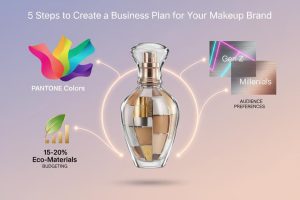
- Use color psychology—warm tones like coral or blush evoke comfort, while deep purples suggest luxury.
- Custom cosmetic packaging molds can reflect unique brand traits like minimalism or boldness.
- Include tactile elements like soft-touch finishes to enhance sensory appeal.
✦ A strong brand story doesn’t just speak—it whispers identity into every box and bottle. When customers touch your product, they should feel something more than plastic—they should feel purpose.
Your packaging is the first physical handshake with your audience. Make it memorable by blending Pantone colors, storytelling typography, and custom shapes that mirror your values.
Budget Planning: Allocating Funds for Sustainable Materials
- Budgeting isn’t just numbers—it’s about priorities.
- Allocate at least 15–20% of your initial production cost toward eco-conscious materials.
- Recycled PET, glass jars, and compostable inserts are worth the investment.
| Material Type | Avg Cost per Unit ($) | Environmental Impact Score (1–10) | Availability |
|---|---|---|---|
| Recycled Plastic | 0.25 | 8 | High |
| Biodegradable Paper | 0.18 | 9 | Medium |
| Glass | 0.40 | 7 | High |
| Cornstarch Polymer | 0.32 | 10 | Low |
Sourcing sustainable options often requires upfront capital but pays off long-term with customer loyalty and reduced environmental guilt. Align this with raw material sourcing standards to keep things compliant from day one.
Identifying Target Audience: Preferences in Color and Design
- Young Gen Z shoppers gravitate toward holographic finishes and neon accents.
- Millennials lean into muted metallics—think rose gold or brushed bronze—with clean fonts on matte surfaces.
- Define age ranges (e.g., Gen Z = under 27).
- Match design language accordingly—bold vs minimalist aesthetics vary by demographic group.
- Test packaging concepts via polls or A/B testing before mass production.
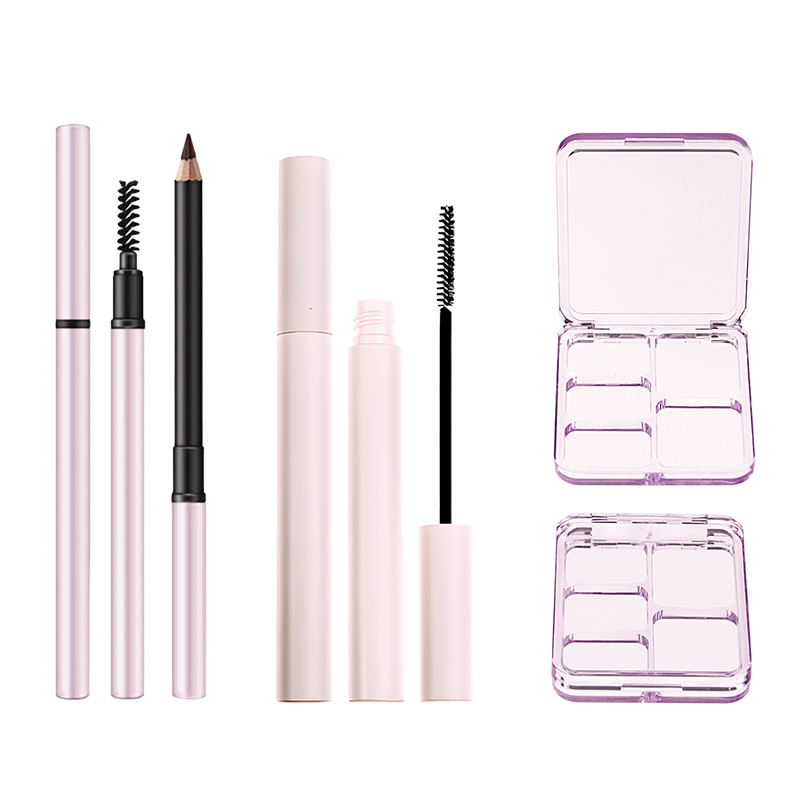
✧ Mascara tubes with cylindrical shapes remain popular due to their ergonomic grip and sleek shelf presence; combine this with trending hues to catch eyes online fast.
Knowing who you’re talking to makes all the difference when learning how to start a business in makeup—the right tone, texture, and tint make products fly off shelves (and screens). Keep cosmetic ingredients review aligned with their skin sensitivity needs too; no one wants irritation packaged pretty!
Essential Makeup Packaging Options for Startups
Nailing your packaging game is key when figuring out how to start a business in makeup. Let’s break down your best options.
Glass Bottles vs. Plastic Jars: Choosing the Right Material
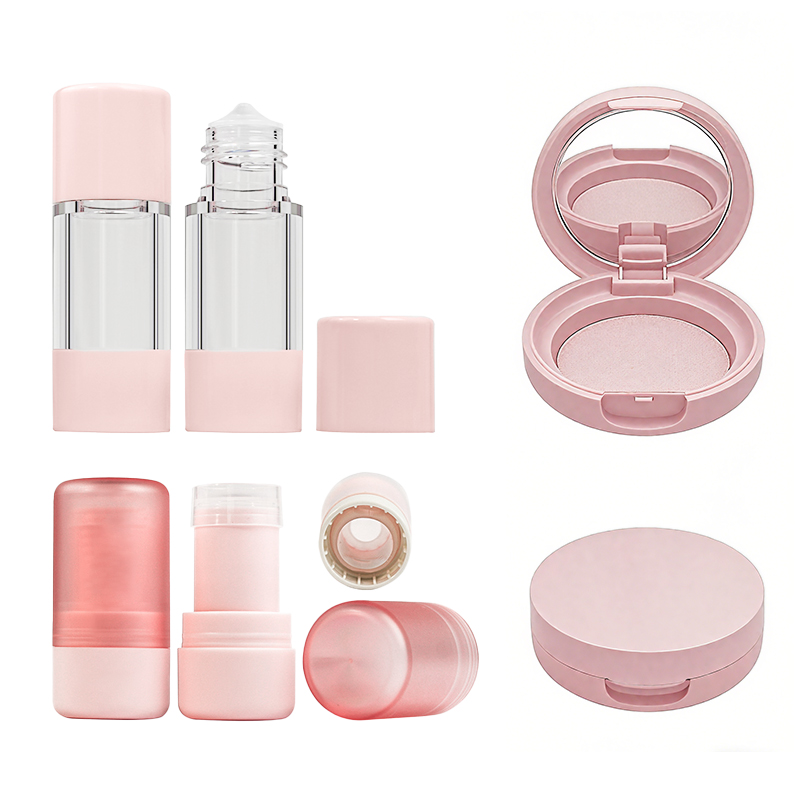
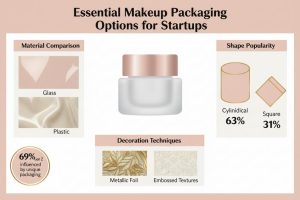
✔️ Glass bottles scream elegance and are ideal for liquid products like serums or foundations. They’re heavier, more fragile, but offer top-tier shelf appeal.
✔️ Powder container options in plastic are lighter, shatterproof, and perfect for creams or balms—plus they’re often cheaper to ship.
✔️ Consider your product’s formulation—oils might degrade some plastics, while glass preserves them better.
✔️ For eco-conscious brands, recycled PET plastic can be a win-win between sustainability and cost.
✔️ Aesthetic matters too—glass gives luxury vibes; plastic leans practical and sporty.
Choosing between these two boils down to what you’re selling and how you want it perceived by your ideal customer.
Exploring Styles: Cylindrical and Square Shapes for Differentiation
Numerical comparison of shape styles based on market data from Q2 2024:
| Shape Style | Consumer Preference (%) | Shelf Impact Score | Production Cost Index |
|---|---|---|---|
| Cylindrical | 63 | High | Medium |
| Square | 31 | Moderate | Low |
| Irregular | 6 | Low | High |
Cylindrical containers dominate because they’re familiar and ergonomic. But square shapes stand out on shelves—great if you’re carving out a bold niche market in skincare or color cosmetics.
Square designs also stack better, which retailers love. That subtle logistical edge could help you win over distributors early on in your makeup biz journey.
Adding Value with Decoration: Options from Hot Stamping to Embossing
- Hot stamping adds metallic foil finishes that pop under store lighting—it elevates even basic packaging into something gift-worthy.
- Embossing gives tactile dimension; customers literally feel the brand quality before they even open the lid.
- Silk screening works well for minimalist brands aiming for clean lines without clutter.
- UV spot coating highlights specific details like logos or taglines—perfect if you’re building premium brand identity through packaging aesthetics.
According to Mintel’s Beauty & Personal Care Report (2024), “69% of Gen Z consumers say unique packaging influences their first-time purchases.” So yes—decoration is not just fluff; it’s strategy baked into design.
Custom Molds: Tailoring Your Packaging to Brand Identity
Custom molds let you build packaging that mirrors your brand personality, not just hold product inside it.
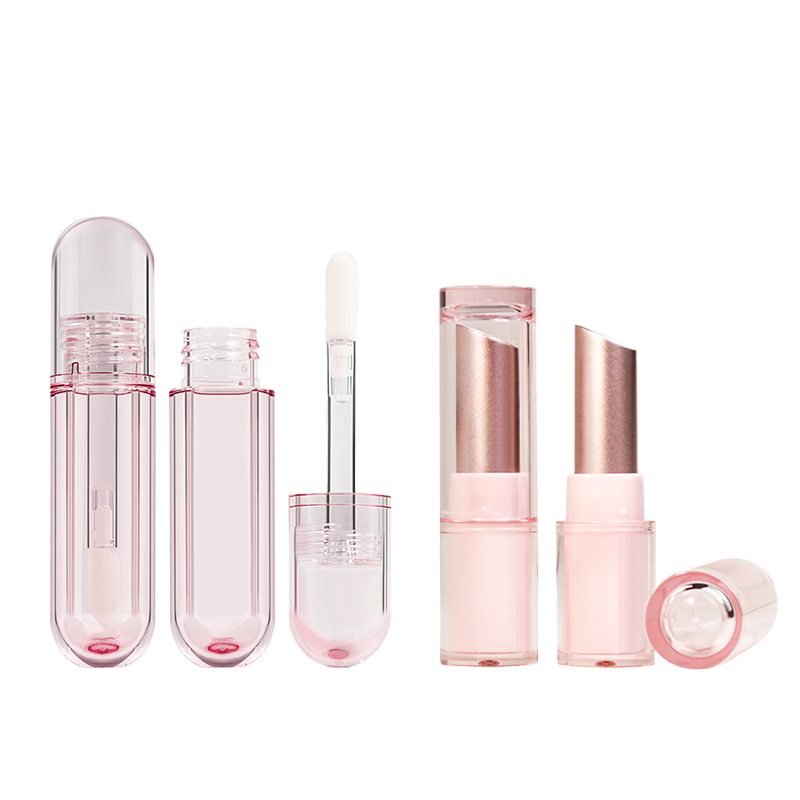
Want a lipstick tube shaped like a crystal wand? Or foundation bottles with angular cuts that reflect light? That’s where custom tooling comes in—and it sets you apart fast when learning how to start a business in makeup with limited shelf space competition.
But remember—it costs more upfront due to mold development fees and longer lead times. Still worth it if you’re launching with strong visual storytelling baked into your brand’s DNA.
Sustainability Matters: Refillable Options vs. Recycled Plastic
Short thought bursts:
Refillable = long-term loyalty potential + lower waste footprint = good PR + return customers
Recycled plastic = lower production cost + faster scalability = easier entry point for indie brands
Both options support eco-conscious branding—but choose based on what aligns best with your mission statement and target consumer needs
If you’re targeting eco-savvy millennials or Gen Z shoppers who prioritize values over price tags, go refillable—even if margins are tighter at launch time.
How Packaging Influences Perception at First Glance
Packaging isn’t just wrapping—it shapes perception before anyone reads the label or tries the product inside:
– A sleek matte finish says modern sophistication. – Transparent containers suggest honesty about ingredients. – Bold colors scream fun; pastels whisper calm self-care vibes. – Oversized fonts signal confidence; minimalist typography hints at exclusivity. – Flip-top lids say convenience; twist caps say control & precision.
All those tiny cues work together instantly—and subconsciously—to attract your target group before they’ve even sniffed the formula inside the jar.
Understanding this helps when plotting how to start a business in makeup that doesn’t just blend in but stands out boldly from day one.
Budget-Friendly Yet Stylish Packaging Combos for Startups
Grouped smart picks:
💡 Materials: – PP plastic tubes (cost-effective + customizable) – Glass dropper bottles (good for serums/oils) – Tin pans (perfect for eyeshadows/blushes)
🎨 Design Tricks: – Use monochrome palettes across SKUs – Add soft-touch coatings instead of expensive embossing – Incorporate QR codes linking to tutorials or brand stories
📦 Functionality: – Airless pumps reduce contamination – Dual-compartment jars add novelty – Magnetic closures improve UX without raising costs drastically
These combos strike balance between startup budget constraints and delivering real wow factor—a must when navigating how to start a business in makeup today without breaking the bank before launch day hits.
How to Launch Your Makeup Brand Successfully
Get your brand off the ground with strategies that spark buzz and convert curiosity into loyal customers.
Building Anticipation: Effective Use of Social Media and Influencers
- Start with a countdown teaser campaign—drop hints about your product knowledge or packaging without revealing too much. People love a good mystery.
- Identify influencers who align with your personal brand—not just by follower count, but by authentic engagement.
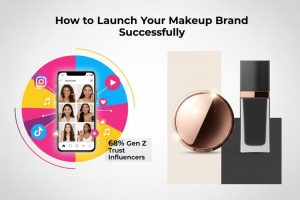
- Use Instagram Reels, TikTok trends, and YouTube Shorts to showcase application techniques using your products.
- Don’t forget giveaways! They’re dynamite for building early hype.
Buzz doesn’t build itself—you’ve got to feed it. Create behind-the-scenes clips of product development, like swatching new shades or testing blending textures on different skin tones. These build emotional investment before anyone even adds to cart.
In bite-sized bursts: – Go live weekly to talk about launch progress; – Share polls for naming shades or choosing between designs; – Feature micro-influencer testimonials as part of a soft pre-launch.
Here’s the kicker: top industry data from NielsenIQ in Q1 2024 shows that 68% of Gen Z beauty buyers trust influencer content more than brand ads when deciding what makeup to try next. So if you’re wondering how to start a business in makeup, this is where you build trust before the transaction.
And hey, Topfeelpack makes custom makeup packaging that influencers love showing off—think camera-ready unboxings that pop on every platform.
The Power of First Impressions: Glossy Varnish vs. Matte Finish
- Glossy = high-impact shine and luxury vibes; Matte = sleek minimalism with tactile edge.
- Consider how each varnish complements your color theory—gloss can amplify vibrancy, matte can mute tones elegantly.
- Match finish type with audience taste: younger crowds often go for bold gloss while pros lean toward matte sophistication.
- Test both finishes in mock-ups during your market research phase and gather feedback via surveys or focus groups.
→ Choose based on the emotion you want people to feel at first glance: excitement or elegance?
Packaging isn’t just about aesthetics—it’s a silent pitch at point-of-sale. A glossy varnish screams “look at me,” perfect for impulse buys in retail displays. Matte feels premium and intentional, ideal for curated online boutiques or pro kits where product knowledge matters more than flashiness.
Quick hits: – Gloss reflects light better under store lighting; – Matte reduces fingerprints during handling; – Both can be embossed for tactile branding magic.
So if you’re figuring out how to start a business in makeup, remember this truth bomb: first impressions don’t just last—they convert browsers into believers when done right.
FAQs about How to Start a Business in Makeup
1. How to start a business in makeup with packaging that speaks for your brand?
Think of the first touch—how the hand meets the product before the face does:
- Material choices: Glass bottles whisper elegance; Plastic jars keep it light and portable.
- Shaping identity: Cylindrical shapes feel timeless, while Square shapes carry authority; Custom molds make each piece unmistakably yours.
- Decorative accents: Hot stamping dazzles under light, Embossing designs invite fingertips, UV coating protects beauty over time.
2. What role does sustainability play at launch?
The modern buyer notices conscience as much as color:
- Recycled plastic carries past life into new glamour.
- Biodegradable materials dissolve into earth’s memory without scars.
- Refillable options promise loyalty through refill rituals.
Choose PCR content or mono-material designs when you want green values to sit comfortably alongside style.
3. How do colors decide emotional tone in makeup branding?
A shade is never just surface—it’s mood held captive until released by sight:
| Color Type | Effect on Buyer’s Perception | Ideal Use |
|---|---|---|
| Pantone colors | Predictable recognition | Signature product lines |
| Metallic shades | High-energy sophistication | Limited-edition highlighters |
| Opaque pigments | Bold statement | Lipsticks and eyeliners |
| Transparent hues | Airy softness | Glosses and illuminating powders |
Balance custom tints for exclusivity against tried-and-tested tones for reassurance.
4. Which early technical components matter most when starting out?
Every gesture—from lifting a cap to pressing an applicator—becomes part of user memory:
① Spray pumps should release controlled clouds, not splatter dreams away. ② Flip-top caps bring quick comfort during hurried mornings. ③ Dropper assemblies deliver measured drops like precise whispers of care. ④ Compact mirrors turn any corner into personal space for touch-ups. ⑤ Brush applicators hold artistry between bristles ready for transformation at will.
References
- Statista – https://www.statista.com/outlook/cmo/beauty-personal-care/cosmetics/worldwide
- McKinsey & Company – https://www.mckinsey.com/industries/retail/our-insights/state-of-fashion/beauty-state-of-fashion
- FDA (Cosmetics Laws & Regulations) – https://www.fda.gov/cosmetics/cosmetics-laws-regulations/it-law-cosmetics
- Personal Care Products Council – https://www.personalcarecouncil.org/
- Cosmetic Ingredient Review – https://www.cir-safety.org/
- Mintel Store – https://store.mintel.com/industries/beauty-personal-care
- NielsenIQ – https://nielseniq.com/global/en/insights/report/2024/2024-consumer-outlook-global-report/

