 English (Australia)
  English
  English (UK)
  English (Canada)
  العربية
  Deutsch
  Italiano
  Español de México
  Tiếng Việt
  ไทย
ไทย  Português do Brasil
  Français
  Български
  Čeština
  Dansk
Dansk  Ελληνικά
  Eesti
Eesti  Suomi
Suomi  Magyar
  Bahasa Indonesia
  Lietuvių kalba
  Latviešu valoda
  Norsk bokmål
  Nederlands (Formeel)
  Polski
  Română
  Русский
  Slovenčina
  Slovenščina
  Svenska
  Türkçe
  Українська
  简体中文
简体中文  日本語
日本語  한국어
한국어  繁體中文
繁體中文 

How to Start a Cosmetic Line
December 29,2025
From supply chains to chic jars, this witty take on how to start a cosmetic line spills secrets to packaging that sells in bulk and wows shelves.
The beauty biz ain’t just blush and lip gloss anymore—it’s a full-blown production. If you’re here Googling how to start a cosmetic line, chances are you’re not playing dress-up; you’re hunting for real answers about packaging, supply chains, and how to make your brand look like it belongs between Fenty and Glossier on the shelf.
“Packaging isn’t decoration—it’s strategy,” says Mei Lin, senior design manager at TopfeelPack (2024 Q1 Materials Insight Report). “Your jar is your handshake with the customer.” That means picking between PET or glass isn’t just about weight—it’s about vibe, price per unit, recyclability… even shipping nightmares you didn’t know existed.
So before you drop ten grand on lipstick tubes that scuff in transit or compacts that snap shut like dollar-store toys—buckle up. This guide’s got your back.
Essential Insights on How to Start a Cosmetic Line
- Product Diversity: Ensure your portfolio includes a range of products like lipstick tubes, mascara bottles, and foundation compacts to cater to diverse consumer preferences.
- Material Choices: Evaluate packaging materials such as PET plastic and glass vials for durability, aesthetic appeal, and cost-effectiveness, aligning with brand positioning.
- Sustainable Features: Incorporate eco-friendly practices by considering refillable options and biodegradable materials to enhance brand integrity and consumer loyalty.
- Supplier Locations: Assess supplier options like Guangzhou and Los Angeles based on key factors such as cost, quality, and shipping efficiency to streamline your supply chain.
- Unique Branding: Utilize packaging decoration techniques like hot stamping for a shared brand identity that appeals visually and adds perceived value to your products.
- Compliance Awareness: Stay informed about regulations concerning product safety and labeling, such as for mascara bottles and cream jars, to avoid potential pitfalls.
- Marketing Strategies: Emphasize usability features like pump dispensers and flip-top lids in your marketing efforts to improve consumer experience and drive sales.
- Quality Control: Avoid low-grade materials, such as acrylic jars, to maintain product quality and foster positive consumer perception, reinforcing brand reliability.
- Long-Term Planning: Plan for potential mistakes, particularly in the areas of sustainability and decoration, understanding their impact on brand reputation and consumer trust.
How to Start a Cosmetic Line: Your Step-by-Step Guide
Starting your own beauty brand? Here’s how to start a cosmetic line with smart moves and solid planning.
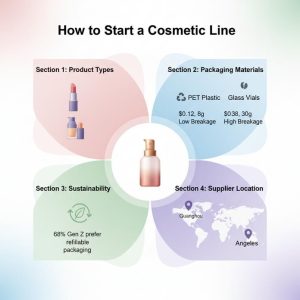
Understanding Cosmetic Product Types: From Lipstick Tubes to Foundation Compacts
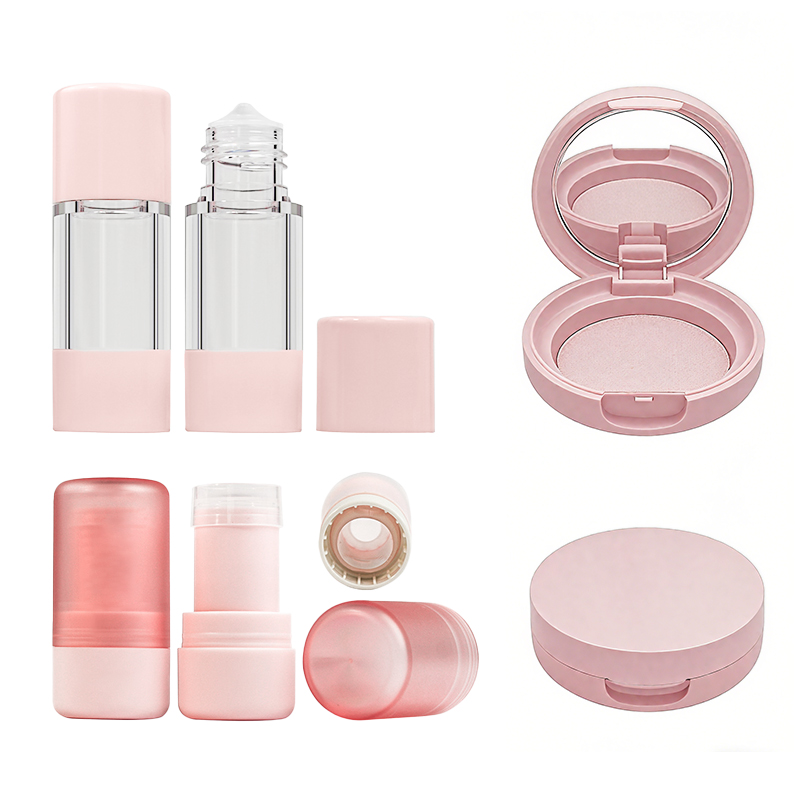
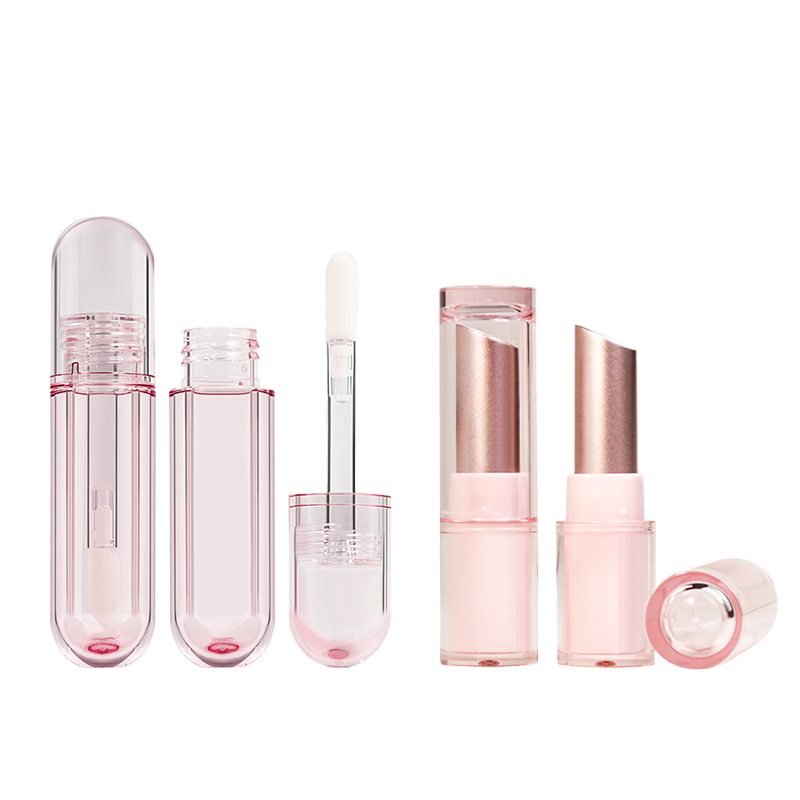
• lipstick tubes are iconic—easy to customize, easy to sell. • Foundation compacts bring variety—pressed powder, liquid cushion, or cream-to-powder formats. • Want more range? Add mascara, eyeshadow, and even starter skincare like serums.
Each product type has its own packaging needs and shelf-life rules. Get these wrong, and you’ll burn cash fast. Focus on hero products first before expanding into full lines like haircare or multi-use sticks.
Selecting the Right Packaging Material: PET Plastic vs. Glass Vials
📊 Here’s how common materials stack up:
| Material | Cost ($ per unit) | Weight (g) | Breakage Risk |
|---|---|---|---|
| PET Plastic | $0.12 | ~8g | Low |
| Acrylic | $0.25 | ~20g | Medium |
| Glass Vials | $0.38 | ~30g | High |
| Aluminum | $0.30 | ~18g | Low |
PET is cheap and light but lacks that luxe feel of glass. Glass looks classy but costs more and breaks easily during shipping. Choose based on the vibe you want your brand to give off—and your budget ceiling.
Choosing Sustainable Features: Refillable Options and Biodegradable Materials
“By late 2024, over 68% of Gen Z consumers preferred brands offering refillable packaging,” according to Mintel’s Beauty & Sustainability report.
♻️ Want eco creds? Build them into your DNA:
- Push refillable designs for items like lip balm tubes or eyeshadow pans
- Go for biodegradable tubes made from sugarcane or bamboo
- Use recyclable mono-materials that don’t confuse consumers
Sustainability isn’t just a buzzword—it’s a sales driver now.
Finding the Right Supplier Location: Comparing Guangzhou and Los Angeles
Guangzhou vs LA? It’s not just about geography—it’s about strategy.
🧭 Guangzhou:
- Lower production costs
- Huge variety of molds for bottles, jars, and vials
- Longer lead times + customs delays possible
🛠️ Los Angeles:
- Faster prototyping
- Easier communication if you’re US-based
- Higher per-unit costs but quicker delivery
If you’re figuring out how to start a cosmetic line with minimal hiccups early on, consider starting local—then scale globally when you’re ready.
Topfeelpack works with both regions to help indie brands balance cost with creativity while delivering high-quality packaging solutions tailored for beauty startups.
5 Key Steps to Launching Your Cosmetic Line Successfully
Breaking into beauty? Here’s how to start a cosmetic line the right way—smart packaging, standout products, and no legal slip-ups.
Crafting Your Product Line: The Best Eyeliner Containers and Eyeshadow Palettes
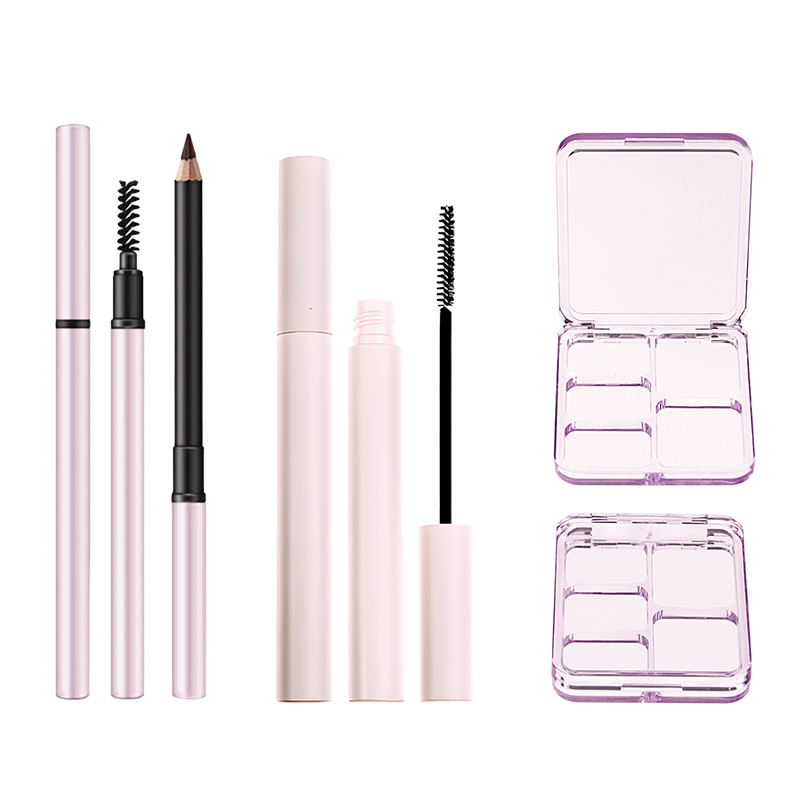
• Choosing eyeliner containers with flexible applicator tips can elevate user experience. • Magnetic eyeshadow palettes with refillable pans are trending among eco-conscious users. • Transparent containers allow customers to preview shades easily, boosting shelf appeal.
- Define your target audience: Gen Z wants bold colors; millennials prefer muted tones.
- Select materials for your product design—plastic, glass, aluminum—based on durability and feel.
- Match formula compatibility with container type; creamy shadows need airtight seals.
✓ Avoid bulky designs that won’t fit makeup bags. ✓ Prioritize stackable shapes for retail display efficiency.
Long before you even think about branding, nailing down your core products is key. Think about what you’d want in your own makeup bag—sleek packaging, functional use, and that wow factor when you open it up.
Short bursts of insight: – Go ergonomic: curved grips on eyeliner containers improve control during application. – Keep it modular: custom inserts let users swap out pans in their favorite palettes. – Don’t skip the finish—matte vs glossy exteriors influence perceived quality.
Step-by-step isn’t how you build creativity here—it’s all about layering smart decisions over time until your lineup feels cohesive and irresistible.
Grouped essentials for product success:
- Materials: • Plastic (lightweight) • Glass (luxury appeal) • Metal (durability)
- Functionality: • Leak-proof lids for liquids • Snap-locks for powders • Ergonomic grips
- Aesthetic touches: • Frosted finishes • Embossed logos • Custom colors
And if you’re still wondering how to start a cosmetic line, remember this part sets the tone—you’re not just selling makeup; you’re curating an experience from first glance to final swipe.
Defining Packaging Decoration Techniques: The Power of Hot Stamping
- Choose where the hot stamping goes—center logo placement draws attention fast.
- Pick foil types wisely: gold screams luxury; holographic adds edge and youthfulness.
- Combine with other decoration techniques, like embossing or UV coating, for layered effects.
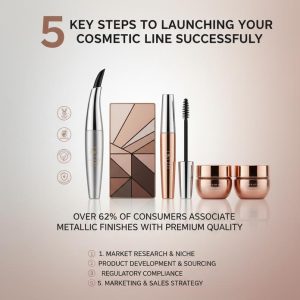
“According to Mintel’s 2024 Global Beauty Packaging Report, over 62% of consumers associate metallic finishes with premium quality.” That’s why mastering this technique matters—it speaks luxury without saying a word.
Symbolically speaking ➤ Hot stamping = silent prestige booster
Let’s break it down further:
| Foil Type | Finish Style | Ideal Use Case | Consumer Perception |
|---|---|---|---|
| Gold | Glossy | Luxury skincare jars | Premium & Elegant |
| Silver | Mirror-like | High-end eye palettes | Clean & Modern |
| Holographic | Iridescent | Youth-focused lip kits | Trendy & Playful |
| Matte Black | Subtle sheen | Masculine grooming line | Bold & Sophisticated |
Multiple takeaways: – Don’t overdo it; too much foil can cheapen the look. – Align the foil color with brand palette. – Test adhesion on different packaging materials before mass production. – Always request samples before committing bulk orders—the finish may vary batch-to-batch!
If you’re serious about figuring out how to start a cosmetic line that turns heads at retail shelves or online thumbnails alike, hot stamping is one of those small moves that makes a big visual impact without hiking costs too much when scaled smartly.
Ensuring Compliance: What You Need for Mascara Bottles and Cream Jars
Grouped compliance must-haves:
- For mascara bottles: • Tamper-evident seals required in most regions • Applicator wands must meet hygiene standards (ISO 22716) • Labeling must list full ingredient breakdowns
- For cream jars: • BPA-free plastics preferred by EU regulators • Airless pump options reduce contamination risk • Country-of-origin labeling now mandatory in many markets
Short points worth noting: ✓ Stability testing ensures ingredients won’t degrade inside selected materials like PET or HDPE plastic jars. ✓ Batch coding is essential for recalls or expiration tracking under FDA guidelines.
Descriptive insight:
When launching your own product range—from silky moisturizers tucked into sleek little pots to volumizing mascaras promising all-day lift—you’ve got more than just looks on the line. Regulatory compliance isn’t optional; it’s what keeps you legally protected and customer-safe across borders.
Multiple short insights: – Not all plastics are created equal—check compatibility charts before choosing jar types for active formulations. – Consider child-resistant closures if marketing anti-aging creams as “pharmaceutical-grade.” – Don’t ignore local language requirements for labels if planning international distribution—it’s one of the top reasons shipments get held at customs!
And yes—for anyone wondering how to start a cosmetic line without risking fines or bad press—compliance isn’t just red tape… it’s reputation insurance wrapped around every bottle and jar you sell.
How to Create a Launch Plan for Your Cosmetic Line
Launching your own beauty brand? A killer plan is everything. Nail the size, packaging, and vibe before you hit the shelves.
Volumes and Sizes: What’s Essential for Your 30g Cream Jar?
- Product volume matters more than most folks think—30g is the sweet spot for face creams.
- Customers love compact jars that travel well but still feel substantial.
- Think about how fill weight interacts with your product formulation—lighter textures may look like less product in a jar.
→ Choosing the right packaging size isn’t just logistics—it’s branding. A sleek, minimal cream jar screams premium, while bulkier options suggest value-for-money.
- Container material plays into sustainability and shelf appeal; glass feels luxe but adds weight, while PET plastic cuts costs.
- Match your cream’s density to its container—thick balms need wide mouths; light gels work better in tall jars.
→ Pro tip? Align your packaging design with what your audience expects from similar products they already buy.
Marketing Your Brand: Utilizing Pump Dispensers and Flip-Top Lids
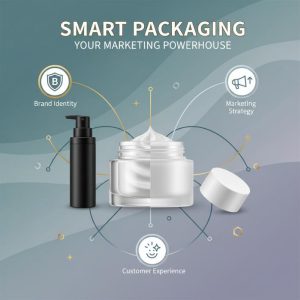
• A clean pump says “modern skincare,” while a classic flip-top lid leans more traditional—but both serve convenience like pros.
• Want to stand out on crowded shelves? Use unique shapes and finishes on your pump dispenser, like matte black or rose gold metallics.
• Don’t ignore how these closures affect daily use. Pumps reduce mess—ideal for serums or lotions. Flip-tops are great when speed matters, like during morning routines.
→ Your closure choice should reflect both function and personality—it’s part of your overall brand identity, not just an afterthought.
• These elements help build emotional connections through packaging aesthetics—yes, even something as simple as a lid can drive sales if it nails the vibe.
→ In short? Smart packaging isn’t optional anymore—it’s central to your whole marketing strategy, especially when learning how to start a cosmetic line that connects fast with real users.
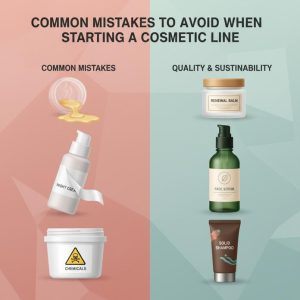
Common Mistakes to Avoid When Starting a Cosmetic Line
When figuring out how to start a cosmetic line, these common blunders can quietly sabotage your brand before it even gets off the ground.
Ignoring Quality: What’s Wrong with Low-Grade Acrylic Jars?
Choosing cheap jars? That’s a fast track to losing customers. Here’s what low-quality packaging does behind the scenes:
- Poorly made acrylic jars often crack under pressure—literally. They lack the durability needed for everyday use.
- Subpar materials can lead to hidden material defects, like uneven threading that causes messy leaks.
- Weak seals mean product leakage, which ruins both the product and your customer’s trust.
- Flimsy construction makes it harder to preserve product integrity, especially for creams and gels that need airtight storage.
- Customers notice. Shoddy packaging triggers waves of negative feedback and rising consumer complaints.
- Your brand takes the hit. A cracked jar isn’t just a defect—it’s a dent in your brand reputation.
If you’re serious about learning how to build long-lasting beauty products, investing in high-grade packaging is non-negotiable.
Overlooking Sustainability: Risks of Reduced Plastic Usage
Trying to cut corners on plastic without planning smart alternatives? That could backfire fast.
• Many brands rush into cutting plastics without evaluating viable alternative materials, leading to unstable packaging solutions. • Regulatory bodies are tightening up on eco standards—ignoring this invites serious regulatory challenges later on. • Consumers are watching closely; skipping out on real green efforts can tank your image due to poor consumer perception.
- Sustainable doesn’t always mean cheaper—there are real cost implications, especially when sourcing biodegradable components.
- Supply chains get trickier when you suddenly switch materials; unexpected delays and shortages create massive supply chain risks.
- If you’re not careful, reducing plastic might increase your total environmental footprint due to inefficient logistics or short-lived containers—hurting your intended positive environmental impact.
So if you’re diving into how to start a cosmetic line today, don’t just slap “eco-friendly” on your label—make sure it’s actually true.
Misjudging Decoration: The Impact of Poor Label Application
Messy labels aren’t just annoying—they’re damaging your brand one crooked sticker at a time.
Step 1: Choose label stock that works well with your container type; mismatched materials cause bubbling and peeling over time. Step 2: Make sure label placement is consistent across batches—bad alignment kills visual appeal and weakens overall packaging aesthetics. Step 3: Invest in solid quality control processes so you catch every wrinkle or misprint before it hits shelves; sloppy labels scream poor attention to detail and hurt perceived quality.
Even if you’ve nailed everything else about how to start a cosmetic line—from formulas down to branding—a single bad label can ruin shelf presence, erode trust, and punch holes in your carefully built image.
When it’s go-time for launching beauty goods, brands like Topfeelpack make all the difference by offering precision packaging options that hold up under scrutiny—and look good doing it too.
FAQs about How to Start a Cosmetic Line
How to choose the right packaging material for your first collection?
Picture your lipstick tubes catching light in sparkling PET plastic, or foundation compacts resting heavy and cool in glass vials from Milan. The decision is almost sensual:
- PET plastic — lightweight, cost-friendly for big orders from Guangzhou or Yiwu, resilient against rough transit.
- Glass vials — high-end feel, perfect for prestige lines but heavier in shipping from Los Angeles or Seoul.
- Aluminum components with metallization — give mascara bottles an armor-like glamour without losing practical strength.
What volumes work best when scaling lotion and cream products?
Volumes are not just numbers—they’re the voice of your product’s promise:
| Product Type | Ideal Size | Appeal Factor |
|---|---|---|
| Cream jar | 30g | Fits hand perfectly; luxurious portion control |
| Spray bottle | 50ml | Travel-ready yet generous enough for daily use |
| Lotion bottle | 100ml | Everyday practicality without feeling sparse |
| Cleansing oil | 200ml | Full treatment size—assures lasting value |
Why add sustainability features early on?
Your audience will remember how you cared before they even opened the cap: Refilling a dropper assembly filled with serum feels like an act of continuity; biodegradable paperboard cartons cradle eyeshadow palettes tenderly; recycled content reduces guilt as much as it reduces waste. These touches echo across cultures—from eco-conscious buyers in Seoul to fashion-driven shoppers in Milan—uniting them under one quiet truth: beauty should protect what created it.
Which decoration techniques catch a customer’s gaze at arm’s length?
A shelf can be noisy—screen printing gives eyeliner containers crisp authority while hot stamping burns gold into acrylic jars like liquid firelight; UV coating on PET plastic spray nozzles makes every curve shine richer under store lights; label application that hugs tightly around mascara bottles ensures the brand doesn’t whisper—it speaks clearly and confidently before fingers ever reach out toward it.
References
[Mintel Global Beauty Packaging Trends 2024 – https://www.mintel.com/beauty-and-personal-care-market-news/global-beauty-packaging-trends/]
[ISO 22716:2007 Cosmetics Good Manufacturing Practices – https://www.iso.org/standard/36434.html]
[FDA Cosmetics Labeling Guide – https://www.fda.gov/cosmetics/cosmetics-labeling-regulations/cosmetics-labeling-guide]
[Association of Plastic Recyclers Design Guide – https://plasticsrecycling.org/apr-design-guide]

