 English (Australia)
  English
  English (UK)
  English (Canada)
  العربية
  Deutsch
  Italiano
  Español de México
  Tiếng Việt
  ไทย
ไทย  Português do Brasil
  Français
  Български
  Čeština
  Dansk
Dansk  Ελληνικά
  Eesti
Eesti  Suomi
Suomi  Magyar
  Bahasa Indonesia
  Lietuvių kalba
  Latviešu valoda
  Norsk bokmål
  Nederlands (Formeel)
  Polski
  Română
  Русский
  Slovenčina
  Slovenščina
  Svenska
  Türkçe
  Українська
  简体中文
简体中文  日本語
日本語  한국어
한국어  繁體中文
繁體中文 

What Makes the Process of Silk Screening so Unique
December 22,2025
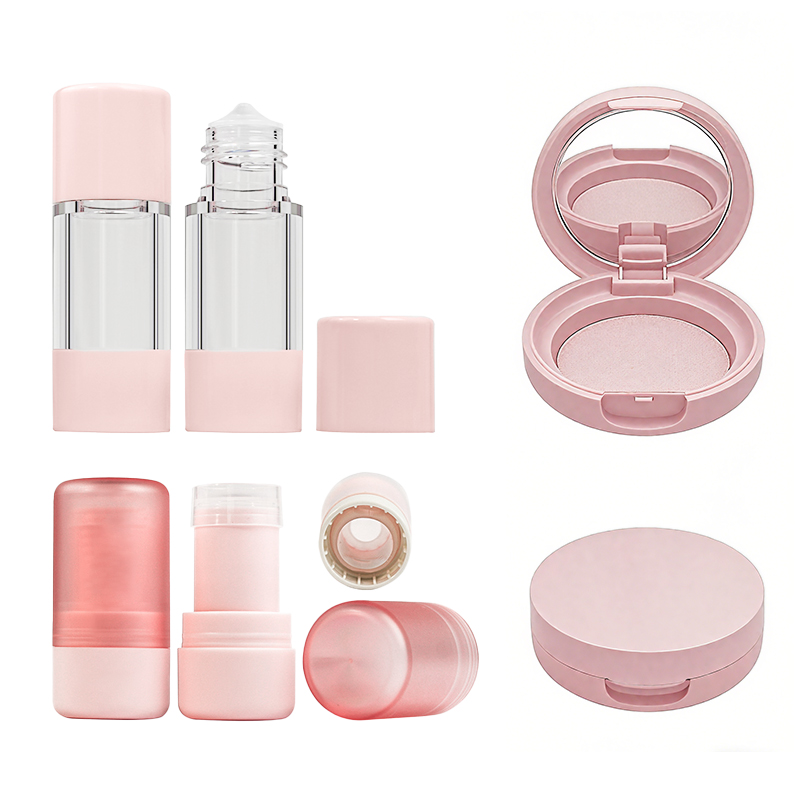
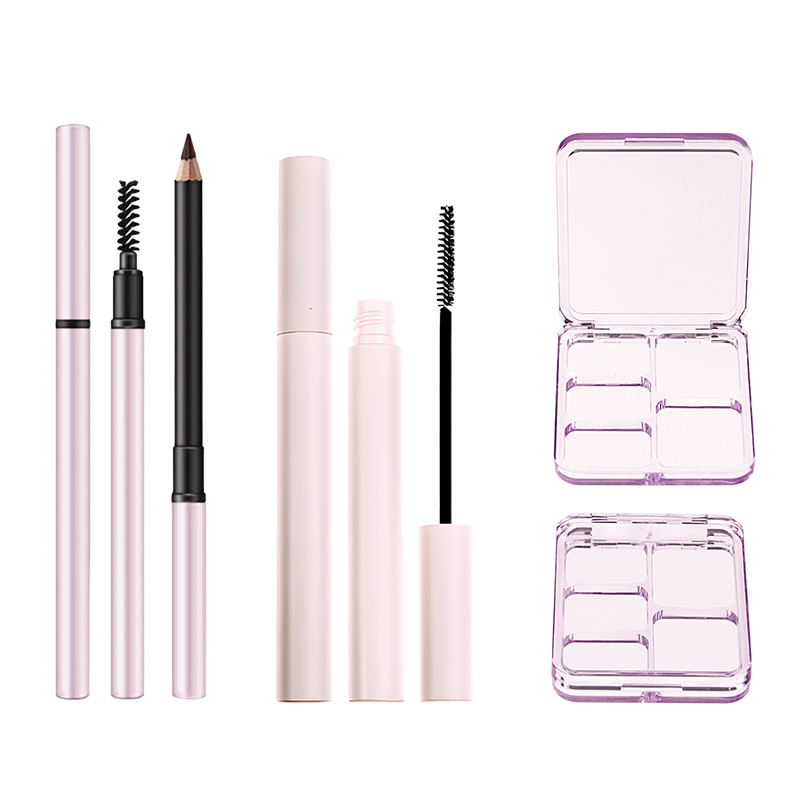
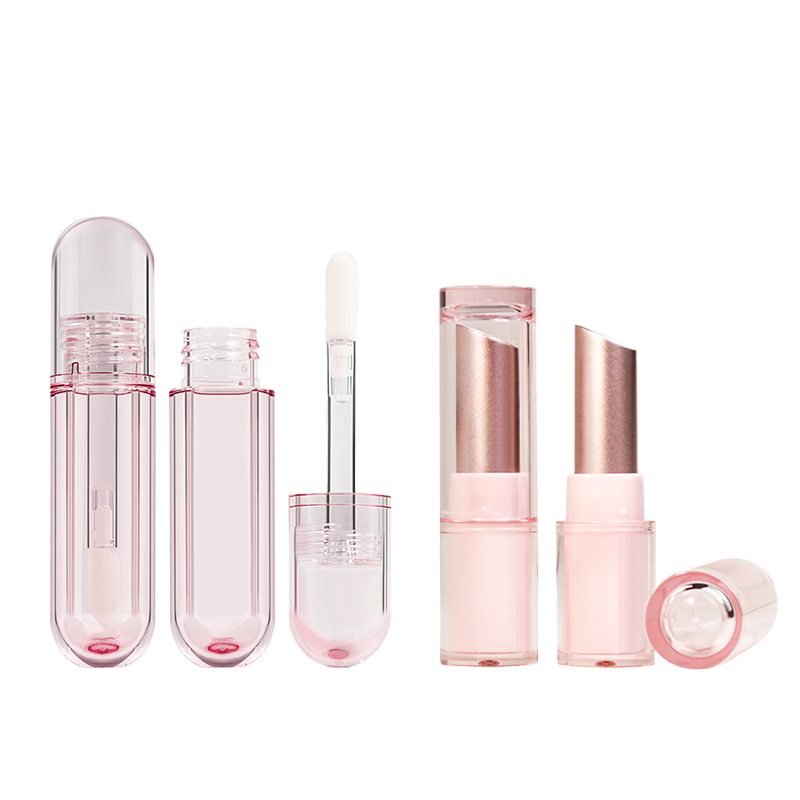
In the high-stakes world of cosmetics, packaging isn’t just a box—it’s your brand’s wingman. The process-of-silk-screening is like that friend who always shows up camera-ready: crisp lines, bold colors, and no smudges at the party. For brands pushing thousands of units out the door, consistency isn’t optional—it’s survival.
“I don’t buy makeup; I buy what it looks like on my vanity,” said one Sephora shopper in a 2023 McKinsey beauty consumer report. That glossy black logo stamped on your lipstick? It better stay put through heatwaves and handbags.
You’ve got seconds to catch someone’s eye—and silk screening makes sure you do it with style, staying power, and zero label peel drama.
Understanding the Art of Silk Screening
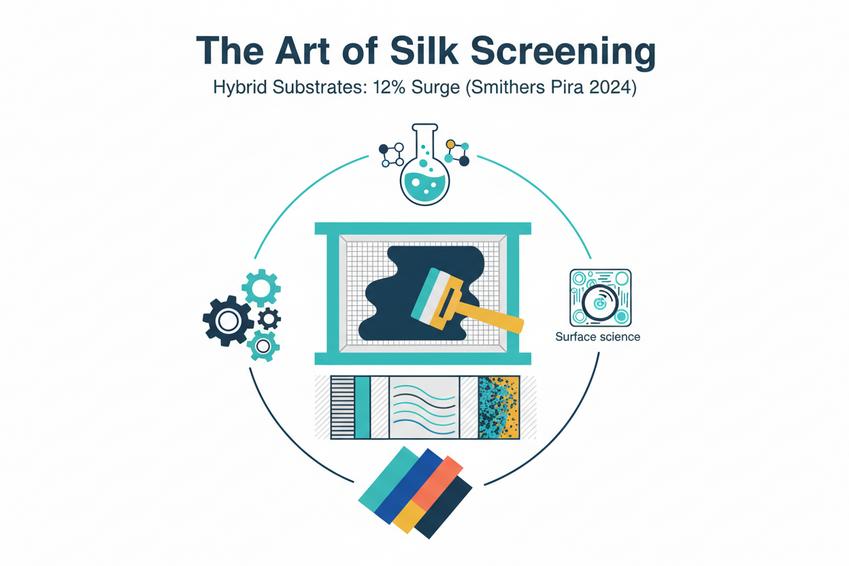
A peek into silk screening shows it’s not just art—it’s precision, chemistry, and a whole lot of surface science.
The Intricate Details of Silk Screen Printing Techniques
- Mesh count matters—a tighter weave gives sharper detail.
- A clean screen is non-negotiable; dust ruins alignment.
- The right emulsion thickness makes or breaks your stencil.
- Coat screen with light-sensitive emulsion
- Expose design under UV
- Wash out unexposed areas to reveal your stencil
- Load up the frame with viscous ink
- Use a steady hand and a sharp-edged squeegee
• Always cure printed surfaces properly—uncured ink cracks fast
• Align each color layer precisely; offset prints look amateur
• Don’t forget off-contact distance—it affects print clarity
The whole process-of-silk-screening hinges on balance: pressure, speed, angle. You’re not just pushing ink—you’re orchestrating it.
Short bursts of advice:
Keep your tools clean
Watch humidity levels
Test prints before full runs
It all comes down to technique. From mesh tension to curing temperature, every move impacts how that final print pops—or flops.
How Material Choice Affects Silk Screening Outcomes
Grouped by substrate type:
Rigid Surfaces:
- Acrylic sheets need high-tack ink adhesion
- Glass bottles demand heat-resistant inks and careful curing
Flexible Materials:
- Cotton soaks up pigment-rich inks beautifully
- Polyesters may repel water-based inks without pretreatment
Textured Substrates:
- Uneven surfaces distort fine lines
- Heavily grained wood absorbs more than expected
Material choice isn’t just about looks—it decides how well ink sticks, spreads, and survives over time during the process-of-silk-screening.
“According to Smithers Pira’s 2024 report on specialty printing,” demand for hybrid substrates has surged by 12%, driven by brands seeking tactile packaging experiences that stand out on shelves.
Designing for Impact: Color Options in Silk Screening
- Choose bold hues from your brand’s color palette
- Use spot colors for precise tone control—no CMYK guesswork
- Metallics add flair but require special meshes and slower pulls
- Pastels? Crank up opacity or they’ll vanish on darker materials
- Fluorescents need UV-stable pigments for outdoor resilience
• Pantone matching ensures consistency across batches
• Layering transparent inks creates subtle blends
• Opaque whites are essential underlays on dark backgrounds
The process-of-silk-screening lets you play with vibrancy like no other method can—especially when you mix custom pigments into your base inks.
Short tips:
Avoid too many colors if budget’s tight
Always test metallic finishes under production lighting
Don’t trust screen previews; do real swatch tests
Color isn’t just decoration—it’s strategy in disguise.
The Role of Surface Finishes in Enhancing Designs
Grouped by finish type:
Gloss Finish:
- Reflects light brilliantly
- Makes colors appear more saturated
- Great for premium cosmetics or tech packaging
Matte Finish:
- Soft touch, low glare appeal
- Hides fingerprints better than gloss
- Ideal for minimalist branding aesthetics
Specialty Coatings:
- Glitter coatings catch attention instantly but require thick layers and slow curing times
- Flocking adds texture but limits fine detail reproduction
The finish can elevate even basic artwork during the process-of-silk-screening—turning a flat logo into a tactile experience customers want to touch again and again.
Little-known tip? Combine matte varnish with spot gloss for contrast that jumps off the shelf without shouting.
In short bursts:
Matte = modern feel
Gloss = luxury vibes
Metallic = visual drama
Surface finishing is where design meets emotion—and often determines whether someone picks up your product…or passes it by.
Key Steps in the Process of Silk Screening
Understanding the key steps behind silk screening helps brands like Topfeel bring precision, polish, and personality to every product.
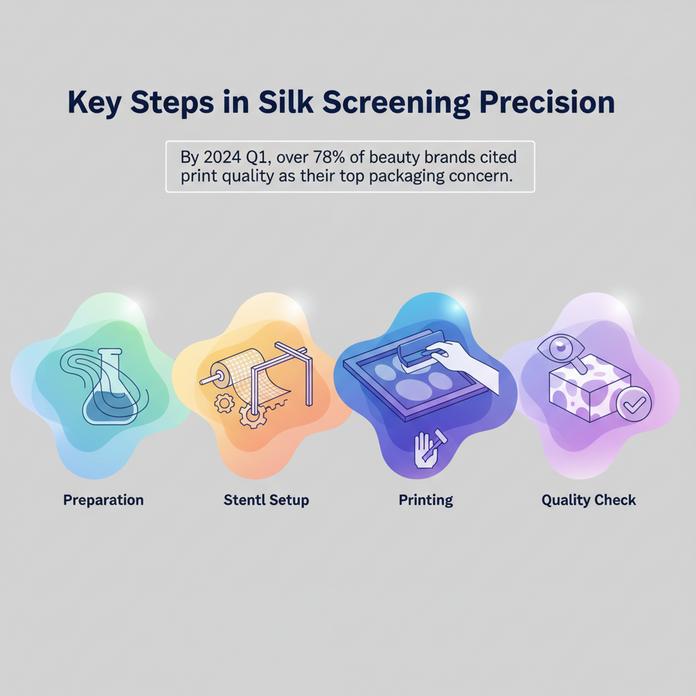
Preparing Your Packaging Type for Silk Screening
To get a clean, long-lasting print, your packaging has to be prepped right. Here’s what that usually involves:
- Substrate preparation: Make sure your surface is compatible with ink adhesion—glass, plastic, or metal all behave differently.
- Surface cleaning: Wipe away dust, oils, or manufacturing residue with alcohol-based wipes to avoid smudging.
- Degreasing: A deeper clean using specialized solvents removes invisible residues that can mess with ink bonding.
- Drying: Let everything air-dry or use low heat before printing begins. Moisture ruins prints.
- Pre-treatment for plastics like polypropylene may involve flame treatment to enhance ink grip.
- Apply an adhesion promotion layer if you’re working with slick materials like acrylic or coated metals.
Nail this prep stage and you’re halfway through mastering the entire process-of-silk-screening.
The Essential Setup of Silk Screen Stencils
Precision at this stage can make or break your final design. Below is a quick technical breakdown of what matters most:
| Component | Function | Material Used | Notes |
|---|---|---|---|
| Screen mesh | Holds stencil; controls detail | Nylon/Polyester | Mesh count affects resolution |
| Emulsion coating | Photosensitive layer for artwork | Diazo/Dual-cure | Needs even application |
| Artwork transparency | Transfers design during exposure | PET film | Must be opaque enough |
| Stretcher frame | Keeps mesh taut | Aluminum/Wood | Loose frames cause misprints |
A smooth setup ensures repeatable results across batches—especially important when scaling up your process-of-silk-screening operations.
Finalizing the Process: Quality Checks and Finishing Touches
This is where things get polished—or fall apart. Here’s how pros keep it tight:
✔️ Start with a solid registration check, making sure each color lines up perfectly. Misalignment? Back to square one.
✔️ Confirm solid ink adhesion, especially on curved packaging surfaces like mascara tubes—rub tests help here.
✔️ Use a controlled heat-based curing process, often via UV tunnels or hot air systems. This locks in vibrancy without smearing.
✔️ Scan for issues during final packaging inspection, looking out for streaks, cracks, or bleeding edges using both visual checks and automated sensors.
“By 2024 Q1,” says Mintel’s Global Packaging Report, “over 78% of beauty brands cited print quality as their top packaging concern.” That’s why post-print finesse matters more than ever.
Wrap it all up with optional but effective touches—like soft-touch coatings or protective laminates—and you’ve got yourself not just packaging but presence.
The entire process-of-silk-screening isn’t just about applying ink—it’s about crafting identity through detail at every single step.
The Benefits of Using Silk Screening for Packaging
Silk screening makes packaging for cosmetics pop—literally and figuratively. It’s all about detail, color, and lasting impressions.
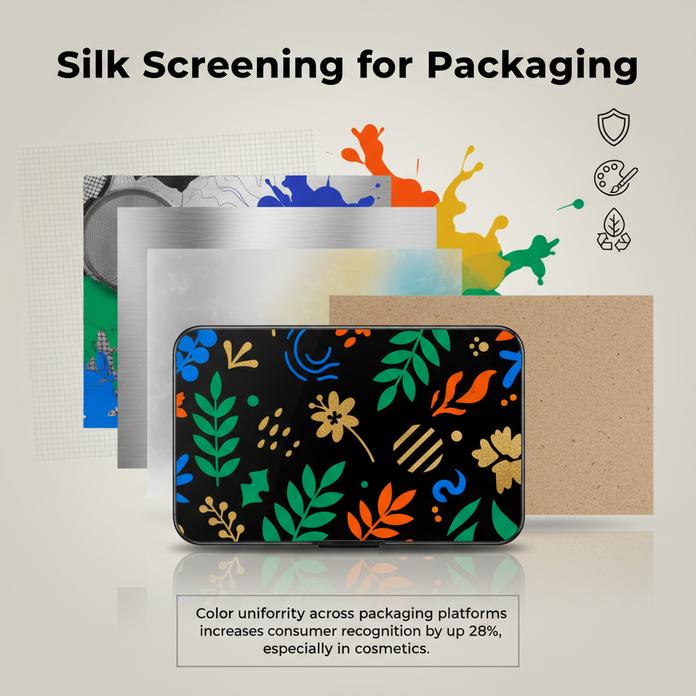
Why Silk Screening Is Ideal for Compact Cases
- Precision printing handles tight spaces without losing clarity. Even the tiniest logos come out crisp.
- It’s built to last—this technique is known for its durability, resisting scratches and fading over time.
- Works wonders on curved or textured surfaces like compact cases, where other methods might fail.
- Offers unmatched detail reproduction, perfect for brands wanting intricate designs to shine.
- Lets you go wild with shapes, colors, and finishes—hello, full-on customization.
Achieving Vibrancy with Pantone Matched Colors
Color consistency isn’t just a nice-to-have—it’s a must when you’re building brand trust.
• With Pantone colors, what you see in the swatch is exactly what shows up on your product. No surprises.
• Matching across different substrates?
You bet. Thanks to high-end ink formulas, your reds stay red—even on metal or plastic. • Want that logo to jump off the shelf? Use high-opacity inks for maximum punch—that’s where true vibrant prints come alive.
• And let’s not forget how this boosts visual recall; consistent shades build stronger connections with your audience through solid brand consistency.
According to Smithers’ Packaging Forecast Report Q1 2024, “Color uniformity across packaging platforms increases consumer recognition by up to 28%, especially in cosmetics.”
Choices Matter: Materials That Elevate Your Packaging
When it comes to packaging materials, there are three big hitters:
🞄 Premium metals
– Think brushed aluminum shells that scream luxury while offering sturdy protection. They pair beautifully with silk screening thanks to their smooth surface and rich tone retention.
🞄 Eco-engineered plastics
– Lightweight yet tough-as-nails options like ABS offer flexibility without sacrificing quality or print clarity.
🞄 Paperboard & hybrid substrates
– Great for brands aiming at sustainability without skimping on style; they also allow unique textures that enhance tactile experience and visual appeal.
Each one affects not just how your product looks—but how it feels in someone’s hand. Talk about next-level product enhancement through smart material choice.
Eco-Friendly Options: Sustainable Materials for Packaging
Sustainable cosmetic packaging isn’t a trend—it’s table stakes now.
You’ve got options like:
- Recycled PET plastics made from old bottles turned into new beauty cases
- FSC-certified paperboard that supports responsible forestry
- Bioplastics derived from corn starch or sugarcane—fully renewable and biodegradable
These choices reduce environmental impact while maintaining top-tier print quality through green-friendly inks and coatings compatible with the silk screen method. Choosing these kinds of materials helps align your packaging goals with modern consumers’ values around low-impact living—and yes, they still look amazing under silk screen finishes thanks to their compatibility with precise printing techniques and bold visuals created via the segmented steps of the process-of-silk-screening workflow.
Long-Lasting Impressions: Closure Types That Maximize Functionality
Let’s talk closures—the unsung heroes of great packaging design:
• Magnetic clasps snap shut with satisfying precision; they’re sleek but secure—a favorite in premium kits.
• Flip-top lids make one-handed use easy while providing strong sealing power.
• Screw tops? Old-school cool meets airtight reliability.
• Hidden snap locks blend into minimalist designs but still give a reassuring click when closed.
All these closure types serve two purposes: keep things safe inside while reinforcing user satisfaction through tactile interaction—a key part of overall packaging functionality tied closely to consumer perception of durability and value-added design elements like secure closures and intuitive usability features woven into every step of the silk screen decoration process used during final assembly stages.
Common Myths About Silk Screening Debunked
Let’s clear the air around silk screening—what it is, what it isn’t, and why so many folks get it wrong.
The Truth: Silk Screening vs. Other Decoration Techniques
People often lump silk screening into the same bucket as other fabric decoration methods, but that’s like comparing apples to avocados.
- Screen printing offers unmatched saturation for bold, vibrant designs—perfect for large-scale logos or artwork with limited colors.
- In contrast, DTG printing shines with photo-realistic detail but struggles on dark fabrics or mass production.
- Heat transfer is fast and flexible but lacks the lasting punch and texture of true silk screening.
- For a tactile feel and elite finish, embroidery wins—but it’s not ideal for intricate graphic work.
And here’s where silk screening flexes:
- It thrives on bulk jobs—once set up, it’s lightning-fast per unit.
- Its inks bond deep into fabric fibers, offering superior durability over time.
- It handles everything from cotton tees to canvas totes thanks to its broad application range.
☑️ Want clean lines and consistent color? This method nails it every time.
While the setup process-of-silk-screening takes a bit more prep upfront—think screens, emulsions, drying—it pays off when you need dozens or hundreds of identical prints without losing clarity or vibrancy.
So if you’re weighing options between modern digital techniques and traditional screen work, remember this: the right choice depends on your design needs—but when you want high-volume consistency with pro-level finish, silk screening still runs the show.
Busting the Cost Myth: Is Silk Screening Really Expensive?
Here’s what throws people off about pricing—it’s not about being expensive; it’s about understanding how costs break down across different order types.
🟢 Let’s bust some myths wide open:
• People see higher initial setup fees and assume it’s overpriced—that’s just part of the unique pricing structure, especially for custom jobs.
• The truth? That fee gets diluted across larger orders. So if you’re printing 100+ shirts? You’re actually saving big per piece thanks to economies of scale built into silk screening’s model.
• It offers serious bang-for-buck in bulk because once screens are made, production flies—with minimal extra cost per item added on top.
Grouped benefits that make silk screening surprisingly budget-friendly:
💰 Affordability: Great value when ordering in volume—even small businesses can swing it with smart planning.
📦 Bulk Orders = Smarter Spend: The more you print at once, the lower your per-unit cost drops dramatically.
🧾 Transparent Setup Fees: You know exactly what you’re paying for upfront—no hidden fluff or mystery charges involved.
🎯 Strong Value Proposition: You’re investing in long-lasting prints that won’t fade after three washes like cheaper alternatives might.
Bottom line? If your project involves more than a handful of items—and you care about quality—the process-of-silk-screening isn’t just affordable… it’s downright savvy budgeting.
Success Stories in Silk Screening: Real-World Applications
See how brands are reimagining cosmetic packaging through the artful process-of-silk-screening—from lipsticks to eyeliners, each tells a vibrant story.
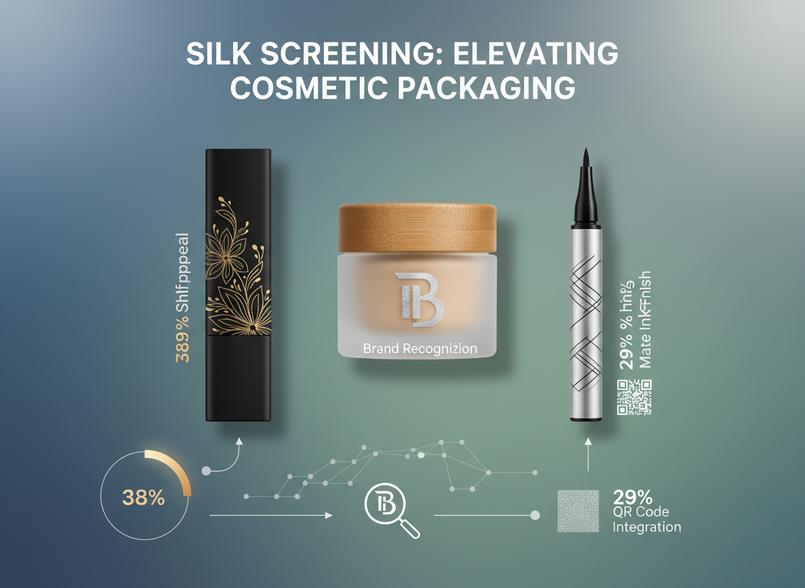
Transforming Lipstick Tubes with Unique Silk Screening
• Bold branding becomes effortless when lipstick tube designs are wrapped in crisp, high-resolution graphics via silk screen printing.
• Color-matching ink with product shade helps consumers instantly identify their favorite hue.
• Minimalist or maximalist? Both styles shine thanks to the versatility of the process-of-silk-screening.
Grouped benefits:
- Customization: Tailor every tube design per collection.
- Durability: Inks resist smudging and fading over time.
- Eco-smart options: Water-based inks keep things sustainable.
This technique doesn’t just decorate—it elevates the entire vibe of your beauty line.
Revamping Foundation Jars: The Silk Screening Difference
The transformation of foundation jars using the silk screen method isn’t just visual—it’s functional too. Here’s how:
Grouped enhancements:
🔹 Textured finishes add grip and style.
🔹 Transparent zones let users view product levels.
🔹 Metallic inks introduce a luxe feel without extra materials.
Scientific Table – Impact of Screen Printing on Consumer Perception:
| Feature Added via Screen Printing | % Increase in Shelf Appeal | % Increase in Brand Recognition |
|---|---|---|
| Gradient Color Layers | 38% | 27% |
| Raised Logo Application | 52% | 43% |
| Matte Ink Finish | 29% | 19% |
| QR Code Integration | 21% | 33% |
Short takeaways:
The right ink choice can make or break how premium your jar feels.
Consumers notice tactile details more than you’d think.
A well-designed screen print turns a basic jar into a collector’s item.
The process-of-silk-screening, when done right, adds value you can see and touch.
Innovative Use of Silk Screen Printing in Eyeliner Pens
1️⃣ Precision is everything for eyeliner pens, and that extends beyond the applicator tip—right onto the packaging itself.
2️⃣ Fine-lined graphics printed directly on curved surfaces allow brands to showcase intricate logos or minimalist instructions without clutter.
3️⃣ Durable inks mean no peeling labels after weeks at the bottom of a makeup bag.
Grouped advantages:
🖤 Smudge-resistant branding that lasts as long as your winged liner does.
🖤 Compact info layout using micro-text techniques made possible by fine mesh screens.
🖤 Seamless integration with pen curves for an ultra-clean look.
With such control over detail, it’s no wonder eyeliner packaging is one of the most exciting canvases for modern silk screen innovation.
From bold tubes to sleek pens, every application proves one thing—the process-of-silk-screening isn’t just about looks; it’s about making beauty products truly unforgettable.
FAQs
How does silk screen printing capture personality on cosmetic packaging?
It paints character into objects—Pantone matched colors breathe life into lipstick tubes, while metallic color finishes dance across acrylic plastic. A glossy surface treatment gives foundation jars a polished stage presence, and matte textures lend mascara bottles an understated charm.
Which materials bring out the sharpest silk screened details?
- Glass Bottles: Crisp lines and precise patterns, perfect for luxury eyeliner pens.
- Eco-Friendly Paperboard: Naturally textured feel that deepens depth of design.
- Aluminum Shells: Ideal canvas for opaque color coatings with resilient durability.
Can vibrant compact cases be achieved through this process?
Yes—imagine a 15g compact capacity dressed in custom tinted pigments, brushed over with soft touch coating or satin finish options; its snap on lid keeps those hues glowing every time it’s opened under bright retail lights.
What makes silk screening reliable for large mascaras runs?
A stencil’s memory doesn’t fade—the same curve of a logo echoes faithfully across hundreds of 50ml container sizes. Opaque color coatings hold form even as screw top caps are twisted open daily in busy hands.
Why choose silk screen printing instead of hot foil stamping?
Silk screening delivers sharper artistry on rounded eyeliner pens where foils falter; paired with UV coating application, beautiful makeup packaging designs resist fading and keep their voice long after first encounters at the counter.
How do closure styles influence printed beauty accents?
Magnetic closures let prints rest untouched yet admired; pump dispenser systems safeguard intricate graphics over constant use; flip top closures turn each opening into a small reveal without wearing down delicate surface designs.
References
[1] McKinsey & Company: The beauty market in 2023
[2] Smithers: The Future of Specialty Printing to 2024 – https://www.smithers.com/
[3] Mintel: Global Packaging Trends 2024 – https://www.mintel.com/
[4] Smithers: The Future of Global Packaging to 2024 – https://www.smithers.com/

