 English
  English (UK)
  English (Australia)
  English (Canada)
  العربية
  Deutsch
  Italiano
  Español de México
  Tiếng Việt
  ไทย
ไทย  Português do Brasil
  Français
  Български
  Čeština
  Dansk
Dansk  Ελληνικά
  Eesti
Eesti  Suomi
Suomi  Magyar
  Bahasa Indonesia
  Lietuvių kalba
  Latviešu valoda
  Norsk bokmål
  Nederlands (Formeel)
  Polski
  Română
  Русский
  Slovenčina
  Slovenščina
  Svenska
  Türkçe
  Українська
  简体中文
简体中文  日本語
日本語  한국어
한국어  繁體中文
繁體中文 
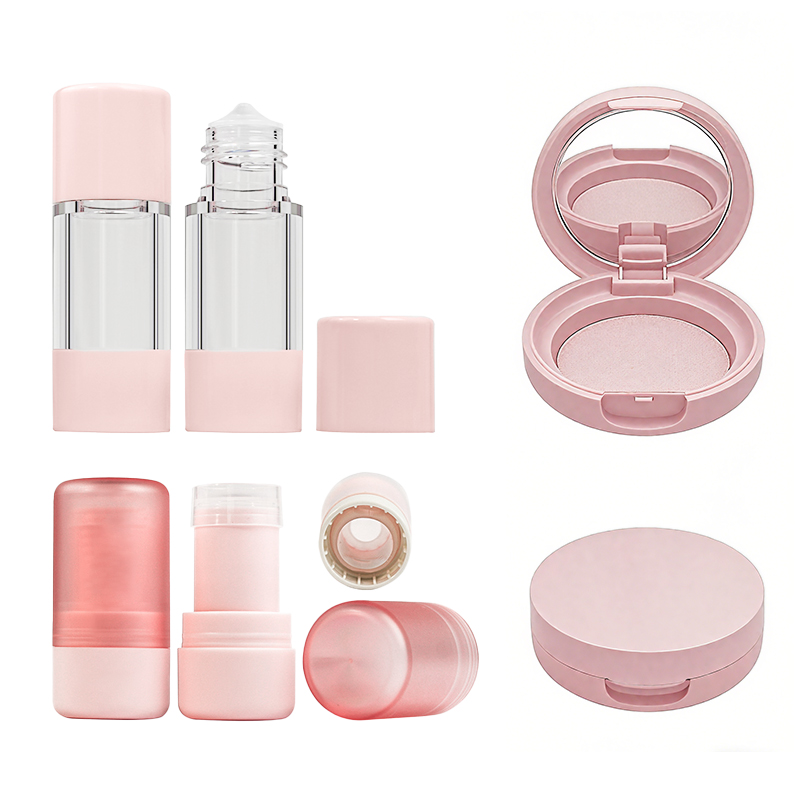
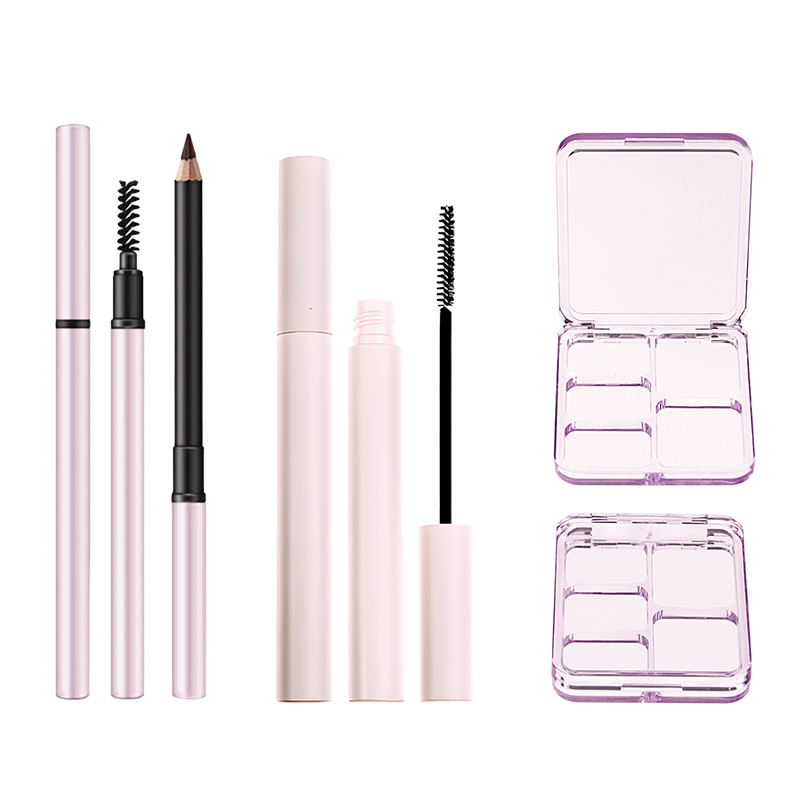
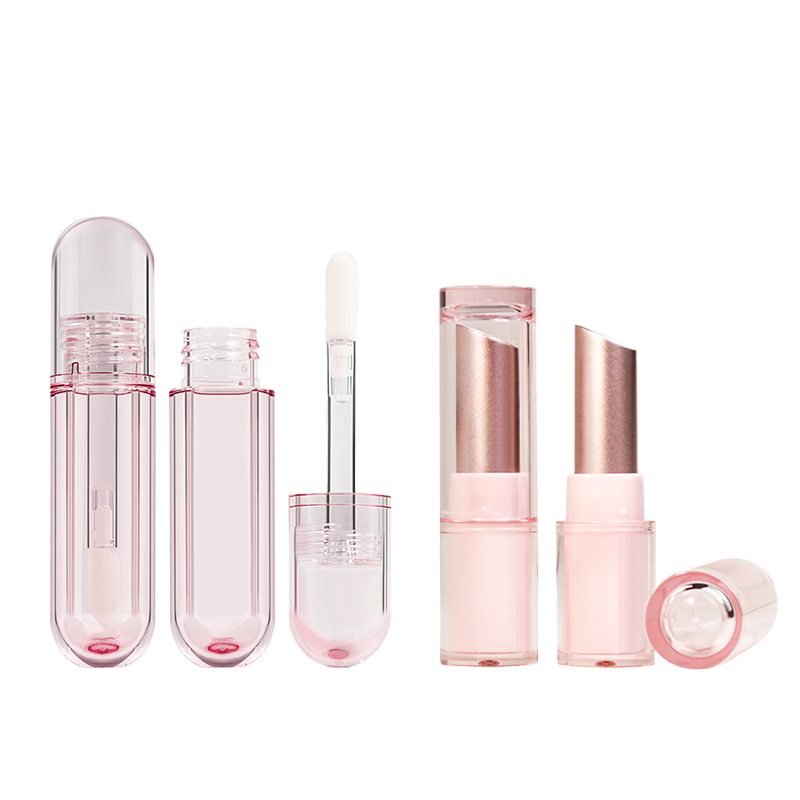

How Small Businesses Choose Cosmetic Packaging Suppliers
September 16,2025
Supply Chain Strategy
Picking the right cosmetic packaging for small business isn’t just about looks—it’s about survival.
The High Stakes of First Impressions
You’ve got limited cash, a small team, and one shot to make a killer first impression. One bad supplier or confusing MOQ, and suddenly you're stuck with 5,000 jars you can’t use and no space to store them.
Save Your Wallet
Don't let hidden fees and warped lids burn your budget. Work smarter, not harder.
Think of it Like Dating
You don’t want to commit to a partner who ghosts you after the first shipment or shows up with packaging that looks nothing like the sample. This stuff matters.
Your product’s packaging is the handshake, the elevator pitch, the first date with your customer—all rolled into one.

Horror Stories from Indie Brands
We've heard plenty of horror stories from indie brand owners. Late deliveries, hidden fees, warped bamboo lids… the kind of headaches that drain your energy and burn your budget.
The Solution
This guide breaks down what to watch for, what to ask, and how to work smarter—not harder—when choosing your packaging supplier. Let’s save your wallet, your brand, and your sanity.
The Hidden Costs of Choosing the Wrong Packaging Supplier
This is where the budget killers hide—unexpected costs that small brands usually never see coming until it's too late.
Unexpected Shipping Expenses
You think you’re saving money by going with basic materials like glass jars or plastic jars, but hold that thought. The real hit shows up in your shipping invoice.
Glass is heavy and fragile: You pay more for weight and breakage risk. Cary Company notes glass costs more to transport.
Dimensional Weight: Parcel carriers charge by size or weight (whichever is greater). Bulky, lightweight cartons spike rates. UPS Explainer.
Peak Seasons: Overseas transportation skyrockets with surcharges (2024–2025). Reuters.
Non-stackable Surcharges: Freight carriers add fees if pallets can't be stacked. FedEx 2025 Changes.
Tip: Always ask your supplier for a logistics-optimized packaging estimate before you seal the deal.
Storage Overheads: Aluminum vs. Others
Aluminum tubes and bottles look sleek, sure—but storing them? That's where the bill bites.
Storage Overhead (USD/month per 10k units)
| Packaging Type | Warehousing Cost | Pallet Space | Stackability |
|---|---|---|---|
| Aluminum Bottles | $270 | High | Low |
| Aluminum Tubes | $230 | Medium | Medium |
| Plastic Bottles | $180 | Low | High |
| Glass Jars | $210 | Medium | Low |
The Hidden Factors
- Shape Risks: Aluminum bottles don't stack well due to dent risks. Carriers warn that non-stackable items incur surcharges (DHL Guide).
- Space Footage: Bulk ordering requires significantly more warehouse square footage.
- Rotation Time: Smaller brands often forget to include inventory rotation time in overhead expenses.
👉 If you're tight on space, avoid non-stackable formats and consider packaging that's easier to consolidate.
Regulatory Fines & Compliance
This is the sleeper cost that hits your inbox in all caps: PENALTY NOTICE.
A 2023 Topfeel report revealed 37% of imported cosmetic packaging failed EU recyclability certifications.
California’s SB 343 restricts using recycling symbols unless materials are actually recyclable in-state. See Plastics Recycling Guidance.
The EU aims for all packaging to be recyclable by 2030. Sweeping reforms advanced in 2024–2025. Read Regulation.
Customs delays for greenwashing claims happen. A flagged product can crush your brand reputation overnight.
- ✔ Ask for material certifications (PCR/Compostables).
- ✔ Check country sustainability standards.
- ✔ Verify BPI/TÜV Austria marks (BPI).
Branding Loss: Low-Quality Components
Customers don’t just buy the product—they buy how it looks and feels in their hand.

Low-quality bamboo droppers often arrive chipped or mismatched, destroying aesthetic appeal.
Quick Fix: Use supplier samples for checking visual harmony. Don’t trust mockups—test the real thing.
How Do MOQ Requirements Affect Small Cosmetic Brands?
Small cosmetic brands often get boxed in by high minimum order quantities (MOQs), but with smart moves, you can stay lean, flexible, and profitable.
MOQ Impact on Skincare Serums in Acrylic Airless Dispensers

Small businesses love airless acrylic dispensers for their sleek look and product protection. But suppliers often impose strict MOQ limits, which can backfire.
- High Tooling Fees: Acrylic airless packaging usually comes with higher tooling fees, pushing MOQs way up, especially when customized with logos or finishes (tooling cost note).
- Typical Ranges: Typical MOQs in cosmetic packaging often land in the 5,000–20,000 range depending on part complexity and decoration (industry guide).
- Mold Constraints: Skincare serums with narrow dispensing heads add mold/setup constraints.
- Flexible Options: Suppliers offering flexible MOQs usually rely on pre-set component designs—lower cost, less uniqueness (airless MOQ examples, ThreeBamboo).
- Semi-Custom Runs: Many small cosmetic brands combat this by ordering in semi-custom runs—e.g., generic bottle shapes with branded labels or shrink wraps.
- Inventory Risk: Inventory misalignment is real: when you buy too much just to meet MOQ, products can expire before hitting the shelves.
- Pro Tip: Use batch-limited SKUs for seasonal or niche skincare launches, letting you manage inventory levels tightly while testing new ideas.
MOQ Challenges for Makeup Compact Cases and Pumps
Getting those sleek makeup compacts or pump bottles into your inventory? It’s trickier than it looks—especially when MOQs get in the way.
1. Custom Packaging Complexity
Custom packaging for cosmetic pumps often requires separate MOQs for each component—cap, pump head, bottle base—driving up total order volume (typical wholesale listings show per-component MOQs) (example listings).
2. High Setup Costs for Compacts
Makeup compact cases, especially with mirrors or magnetic closures, may involve high setup costs, forcing suppliers to request MOQ commitments of 5,000+ units (market examples).
3. Production Delays
Production delays can sneak in if you can’t commit to the required volume, placing you at the back of the supplier’s queue.
4. Hurdles in Testing Cycles
MOQ hurdles affect testing cycles—you may want to trial five shades, but only afford two due to packaging volume minimums.
5. Supplier Relationships
Supplier relationships matter: loyal partnerships sometimes lead to MOQ breaks or shared production runs, which smaller brands can benefit from.
Balancing MOQ Against Cost and Storage Constraints
Small businesses often walk a tightrope between MOQ demands, cost pressure, and limited storage. Here's how to stay steady.
Cost-Efficient MOQ Management
- Order semi-finished packaging like unlabeled pumps or generic jars, then brand them locally using ready-made cosmetic label templates or a free online label maker.
- Negotiate staggered delivery on a single MOQ order—helps manage cash flow and supply chain timing.
Smart Use of Storage Space
- Rethink bulk buys: does your warehouse space support a full pallet of acrylic bottles? If not, you'll be bleeding cash on offsite storage (remember non-stackable fees can apply in transit).
- Use modular packaging systems to consolidate inventory—e.g., one pump base used for two product types.
Align MOQ With Small Business Growth
- Match MOQ decisions to your actual growth pace, not your hopes. Avoid overordering that ties up capital.
- Consider co-packing services with flexible MOQ limits—ideal for new launches or expanding into new categories like haircare or fragrance.
This isn’t about always saying no to big MOQs—it’s about knowing when they’re worth the risk, and how to keep your inventory from becoming dead weight.
3 Red Flags When Dealing with Cheap Suppliers
Cutting corners on cosmetic packaging might look good on paper, but cheap suppliers often hide nasty surprises.
Inconsistent Material Quality
Nothing screams “cheap brand” louder than packaging defects or off-color components showing up in your order. Here’s what can go wrong—fast:

- One batch of plastic jars arrives glossy and clean, the next feels like it was molded in someone’s garage.
- Bamboo droppers crack after just two uses because the wood wasn’t dried properly (common failure modes here: moisture absorption, warping, and cracks) (QC insights).
- Quality control? Forget about it. With low-end suppliers, it's more of a gamble than a guarantee.
When material variations happen between batches, it’s not just annoying—it’s a direct hit to your product integrity and customer trust. And yes, customer complaints will pile up when the finish on your makeup compact peels off within days.
Hidden MOQ Increases
You thought the minimum order quantity was 1,000 units—until the contract shows 5,000. This kind of cost escalation creeps in subtly.
The Bait
You get a great quote on bottles initially, promising flexibility.
The Request
You request custom colors or graphics to align with your brand.
The Trap
Suddenly, you're facing unexpected charges for design, tooling, and “special material handling” (tooling often triggers higher MOQs) (tooling explainer).
It's all buried in the contract terms. Stuck with unused overstock and a drained budget.
Lack of Sustainability Certifications
Saying your packaging is "eco-friendly" isn't enough anymore—green certifications are the new gold standard.
BPI/TÜV Austria OK compost marks for compostables tied to standards like ASTM D6400/D6868 (BPI overview, TÜV DOC center).
If you’re claiming ethical sourcing for bamboo or compostable cardboard, you’d better have the paperwork to back it.
Without proper labels, you may fail regulatory compliance checks (see California SB 343).
Consumers expect brand image alignment—don't promise refillable jars or recyclable tubes and deliver landfill trash.
Ignoring certifications isn't just a bad look—it could be the thing that drives high-value clients or eco-conscious retailers away.
Tired of High MOQs? Try Modular Packaging Solutions
Smaller orders shouldn’t mean fewer options. These smart packaging solutions help small brands look big—without burning your wallet.
Modular Glass Bottles with Refillable Inserts
If you're tired of being forced into bulk buys just to get the look you want, modular glass bottles are your new best friend. Their customizable and refillable insert system offers flexibility without the huge spend.

Reusable inserts mean you can reorder only what runs out—cutting down on inventory waste. This is a massive advantage for sustainability and cost control.
Glass bottles offer upscale vibes, but their modular design keeps costs lower than fully custom molds. You get the premium weight and feel without the premium tooling costs.
You can switch up the label or pump without redoing the whole thing—super handy for seasonal skincare promos.
Industry adoption is rising across beauty: see refillable jars and airless glass solutions from Lumson (RE-PLACE jars, Slim Refill 50 ml, XTAG airless refill).
Broader market data and trade coverage also point to refill growth in 2024–2025 (SPC Trends Report, Beauty Packaging feature).
Not only do they scream eco-friendly on the shelf, but you also get serious control over your branding. For Topfeel’s take on greener options, explore Sustainable Cosmetic Packaging.
PCR Plastic Pumps for Haircare Samples
Let’s be real—those tiny sample pumps? They can make or break a customer’s first impression. If you're in the haircare biz, PCR plastic pumps for travel-size products are game-changers when battling high MOQs.
PCR (post-consumer recycled) plastic lowers material impact and meets circularity goals. Check out the PCR overview, industry trends, or definition.
Custom-fit caps and dispensers let you trial new haircare formulas without committing to full-size packaging.
Small batch orders are often available with short lead times—perfect for sampling at trade shows or in salons.
You’re not just getting sustainable packaging; you’re getting brand flexibility in a mini pump.
Compostable Cardboard Sleeves for Serums
Tired of minimum orders in the thousands just to box up a serum? Switch gears to compostable cardboard sleeves—a smart, planet-friendly outer wrap that won’t cost a fortune.
Why go this route?
- • Eco points: Use sleeves certified by BPI or TÜV Austria OK compost to substantiate compostability claims (BPI, TÜV overview).
- • Design freedom: Print graphics, logos, and even barcode zones.
- • Storage win: They ship flat—zero bulk.
Real Talk (Market Insight): Refill/reuse models and certified eco materials are climbing across beauty retail in 2024–2025, echoing what mass retailers and grocers trial in adjacent categories (The Guardian on refill trials).
Quick Comparison Table: Cardboard Sleeves vs. Traditional Boxes
| Feature | Compostable Sleeves | Traditional Folding Boxes |
|---|---|---|
| MOQ Flexibility | High | Low |
| Branding Surface | Medium | High |
| Eco Certification | Available | Often Limited |
| Storage Efficiency | Excellent | Moderate |
Smart, sustainable, and super shippable—what’s not to love?
No Design Team? Use Supplier Templates to Customize Easily
You don’t need a full-blown design department to make your packaging pop. These supplier templates give small brands serious creative freedom.
Prebuilt Logo and Color Templates for Fragrance Bottles
Most fragrance bottles from reliable packaging suppliers now come with prebuilt logo templates and preset color palettes. Here's how to make them work for you:
Pick a Visual Identity
Pick a visual identity that fits your vibe—elegant, earthy, edgy? The templates are often sorted by mood or niche to help you start strong.
Plug in Your Logo
Plug in your logo or choose from a set of ready-made branding options that can be tweaked to suit your specific brand name and style.
Match the Bottle Design
Match the bottle design to your fragrance theme. Suppliers offer mockups that show how the color palettes look on bottle shapes (square, rounded, roller).
Save Time and Money
No design team needed, no back-and-forth with an agency. This streamlined process gets your product to market faster.
Customizable Label Layouts for Body Care Tubes
Suppliers now offer body care tubes with fully editable label layouts, helping small businesses skip the graphic designer fees.
Quick-swap design templates tailored to common tube sizes (try cosmetic label templates).
Flexible text placement zones for ingredients, usage, and compliance.
Drag-and-drop sections for branding elements like your logo and tagline.

Font and Graphic Choices for Makeup Compact Cases
Let’s be real—your makeup compacts need to pop. Good thing suppliers now bundle in the goods.
Clean Serif Fonts
Great for a polished, luxury vibe. Perfect on matte black or glossy white compacts.
Playful Display Fonts
Bold and funky options scream indie beauty brand. Think bright palettes and shimmer finishes.
Minimal Graphic Packs
Subtle artwork options that don’t fight with your product name.
Statement Illustrations
Amp up brand personality—great for seasonal or collab drops.
If you’re sourcing compacts, you can browse Topfeel’s powder compact case category.
Finish Selection Guide for Aluminum Jar Designs
Picking the right finish for aluminum jars can seriously change how your product is perceived.
- 1. FedEx — What is Dimensional Weight?
- 2. UPS — Shipping Dimensions and Weight
- 3. Parcel Industry — UPS & FedEx Dimensional Weight Analysis
- 4. Cary Company — Glass vs Plastic Packaging
- 5. Drug Plastics — Glass Bottles vs Plastic Bottles
- 6. Reuters — Peak ocean shipping shifted earlier
- 7. DHL — 2025 U.S. Service & Rate Guide
- 8. FedEx — 2025 Surcharge & Fee Changes
- 9. CalRecycle — SB 343: Accurate Recycling Labels
- 10. Plastics Recycling — SB 343 Labeling Guidance
- 11. European Commission — Packaging Waste (PPWR)
- 12. Reuters — EU law to cut packaging waste
- 13. Reuters — EU Parliament backs clampdown
- 14. PAG Packaging — Inspections & Bamboo/Wood Issues
- 15. COSPAKS — Airless Bottle Customization
- 16. Gideapac — MOQ in Cosmetic Packaging
- 17. PAG Packaging — Airless Pump Bottle FAQs
- 18. ThreeBamboo — Airless Bottle MOQ ranges
- 19. Alibaba — Airless Pump Bottles MOQs
- 20. Beauty Packaging — Lumson Refillable Jars
FAQs
Depends on what you’re selling and how you want customers to feel when they hold your product.
-
Glass brings a high-end vibe—great for skincare and serums (be conscious of shipping weight and breakage costs).
-
Plastic is lighter and budget-friendly.
-
Aluminum adds a luxe touch and durability.
-
Bamboo looks earthy and sustainable (watch out for moisture-related defects).
-
Cardboard works well as eco-friendly outer packaging (look for BPI/TÜV Austria marks if claiming compostability).
For greener options that still look premium, browse Sustainable Cosmetic Packaging.
Totally. Many suppliers offer ready-made templates with editable artwork options. Just pop in your brand name, choose your font, and tweak the colors to match your look. It’s pretty beginner-friendly. If you need stock structures, explore Topfeel’s empty makeup palette or eye makeup packaging categories for ideas.
The finish you pick can change the whole feel of your product. A matte surface gives off a soft, premium look, while glossy finishes are bold and clean. You can also go for brushed/anodized textures for a tactile, durable feel (see matte vs. gloss and anodizing basics).
High MOQs can be a headache for small brands. Ordering more than you need ties up cash and fills up your storage. Look for suppliers who offer modular options or split-volume deals across different packaging types—it can really lighten the load. (Typical cosmetic MOQs: 5,000–20,000 units depending on complexity.) (guide)
It’s more than just slapping your name on the tube.
-
Add clear branding with your logo and colors.
-
Make sure ingredients and usage info are easy to read.
-
Keep font choices clean and legible.
-
Use a label layout that makes sense with the tube’s shape—try ready-to-use templates to accelerate layout.

